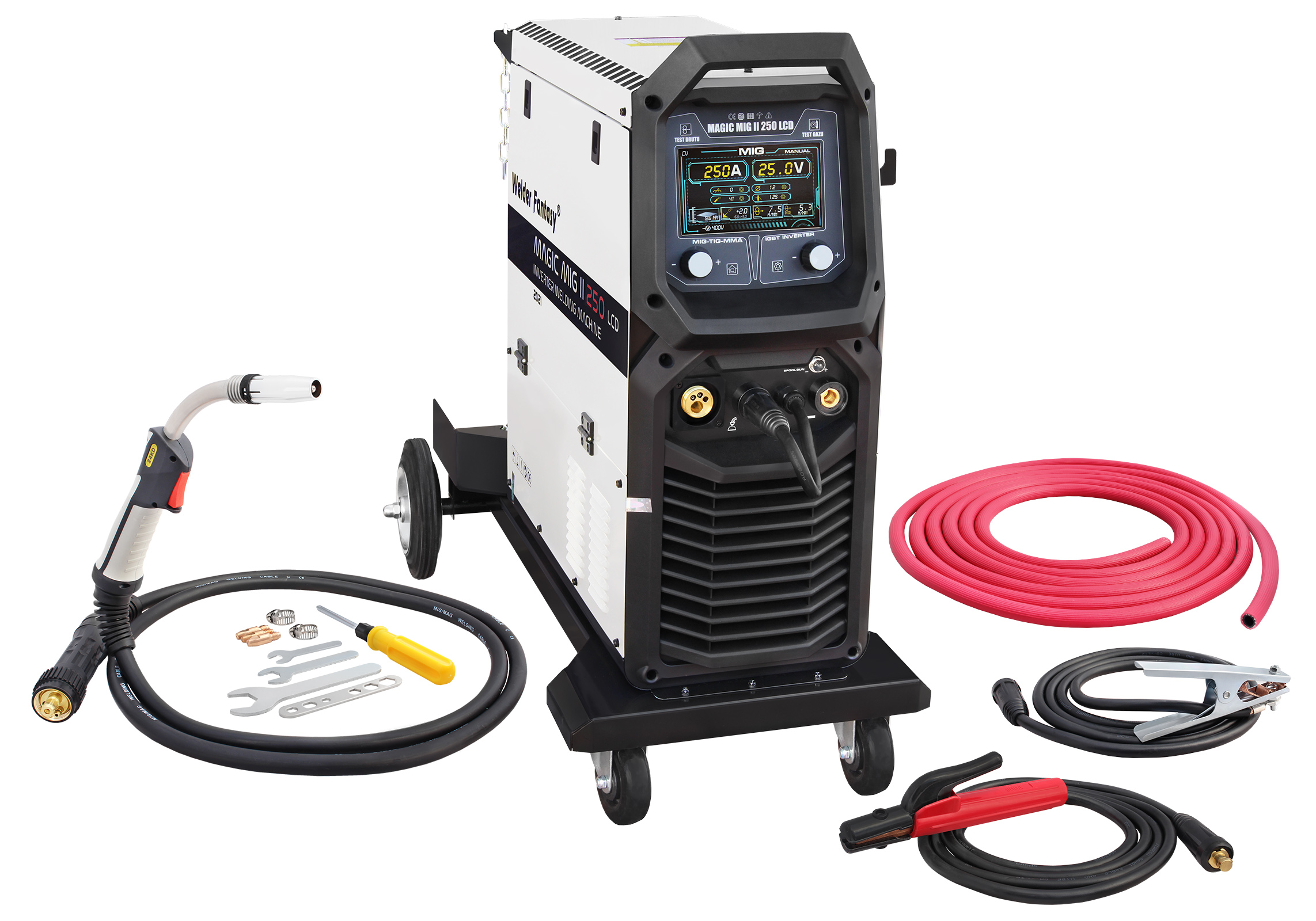
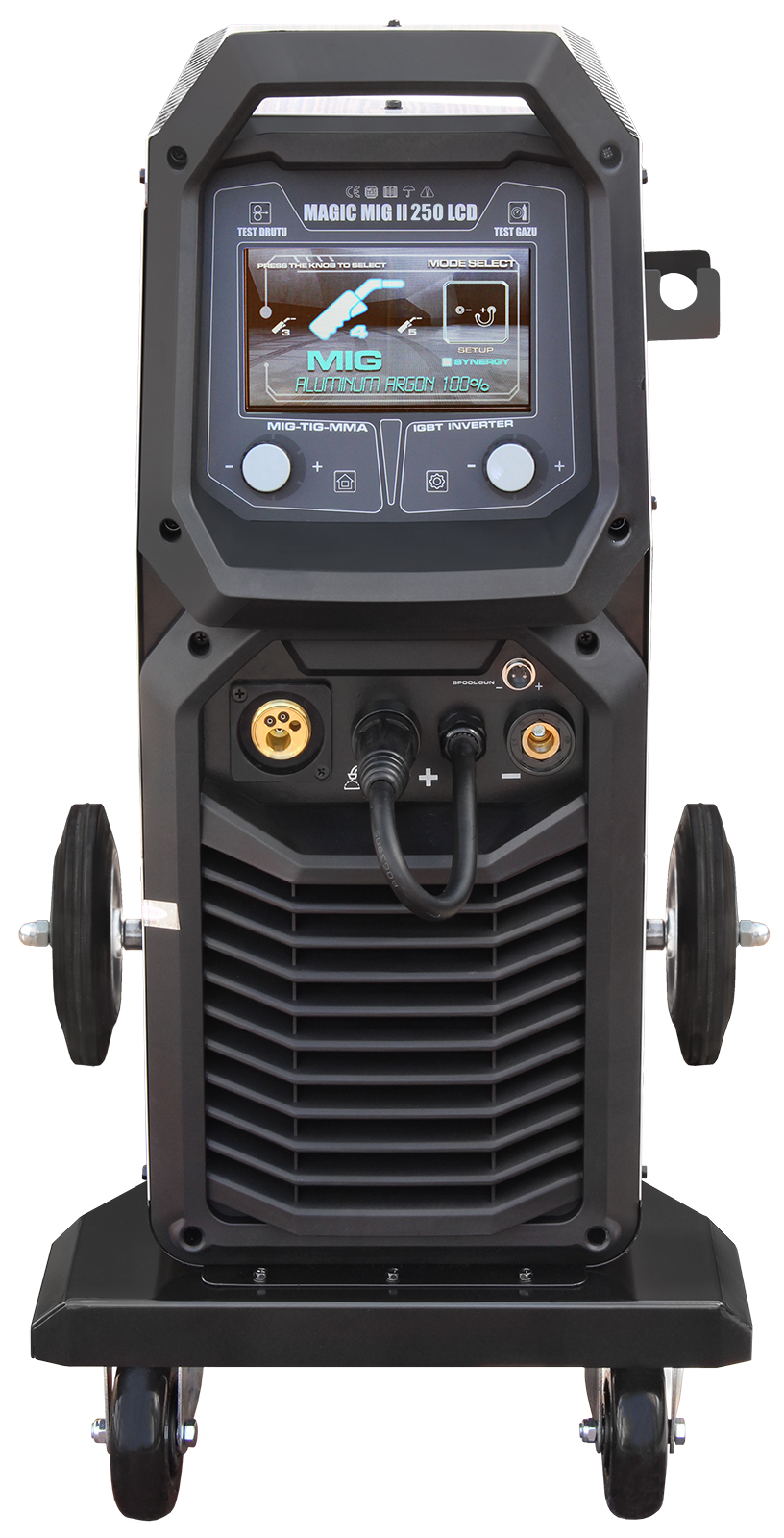
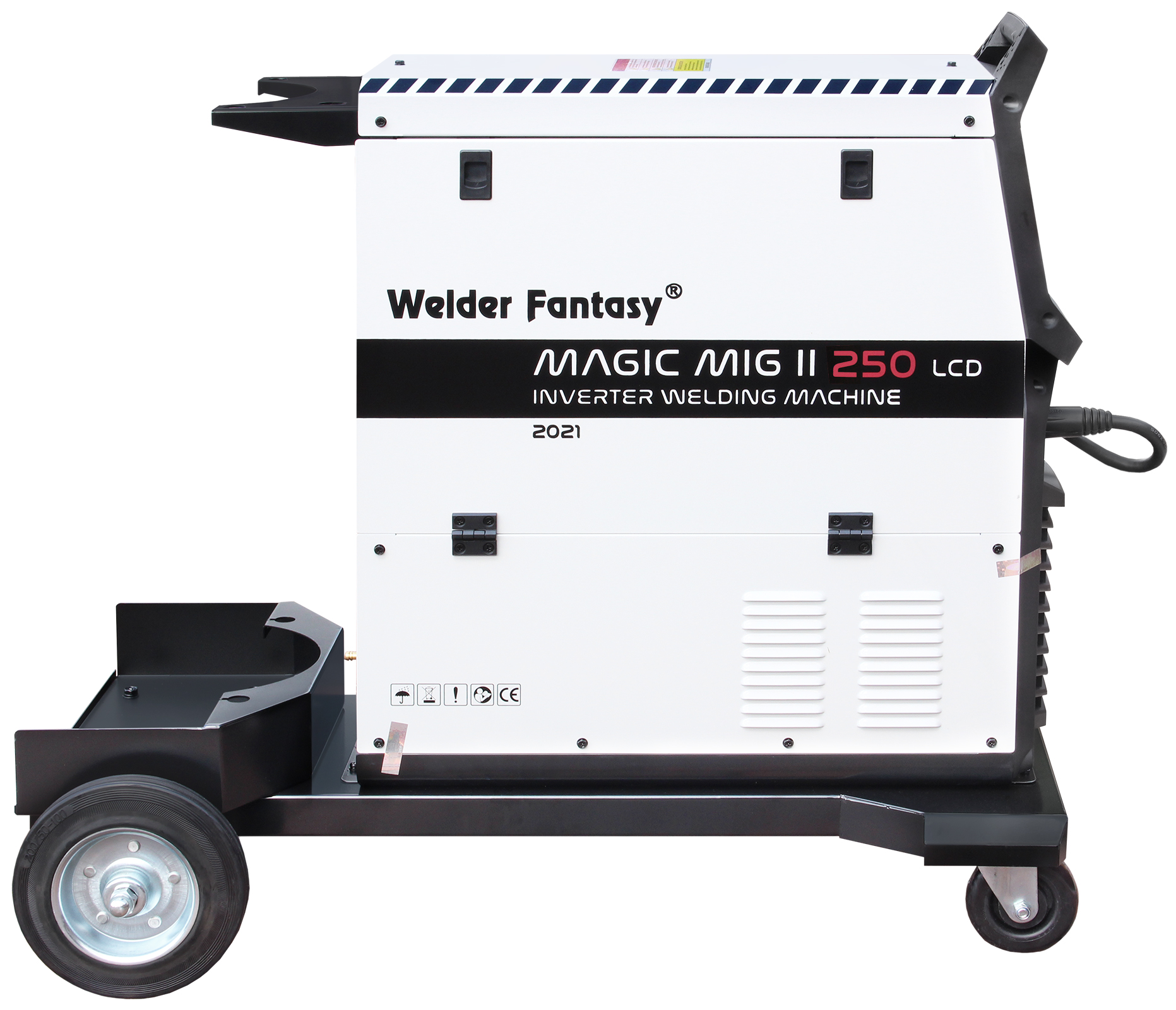
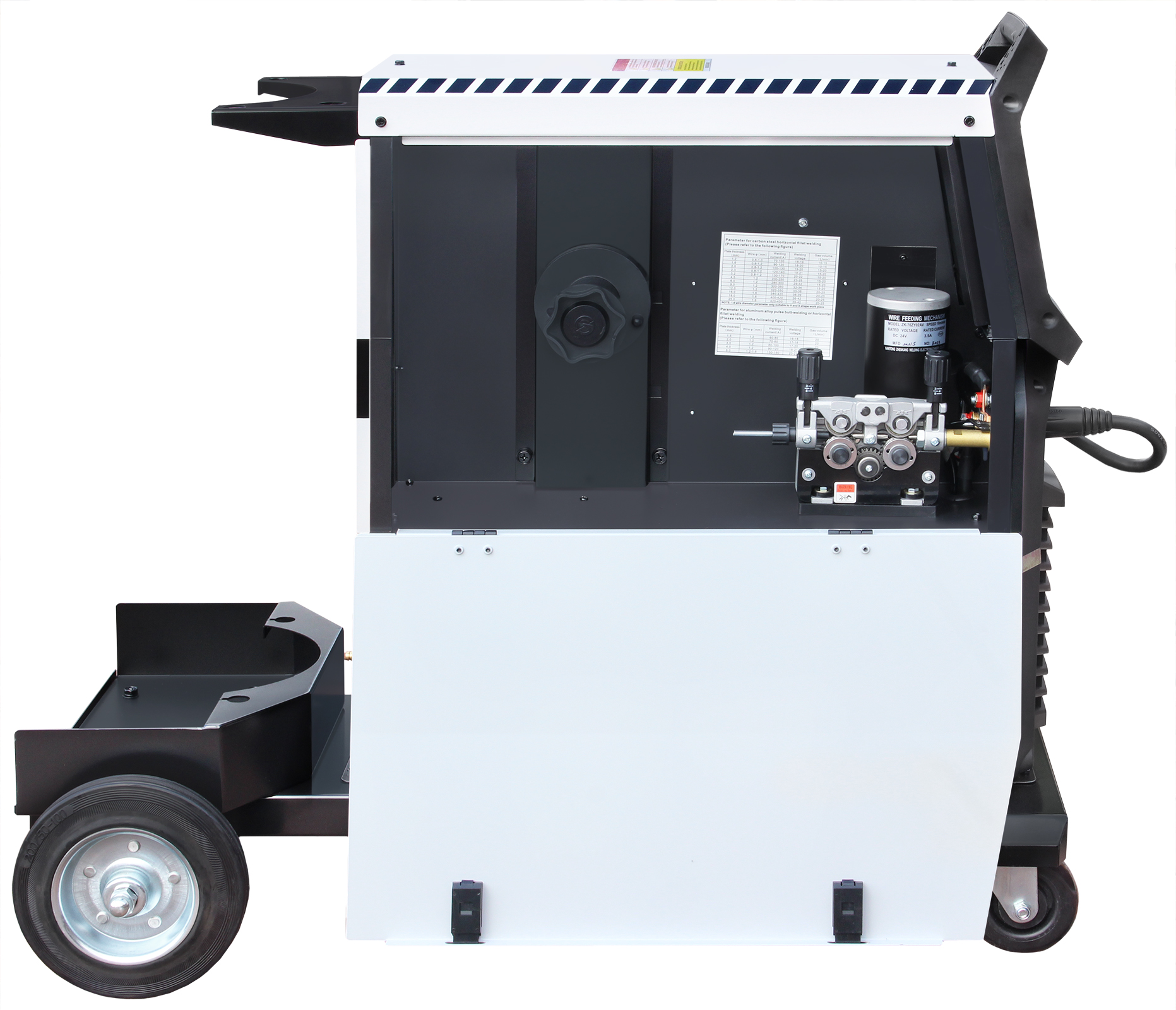
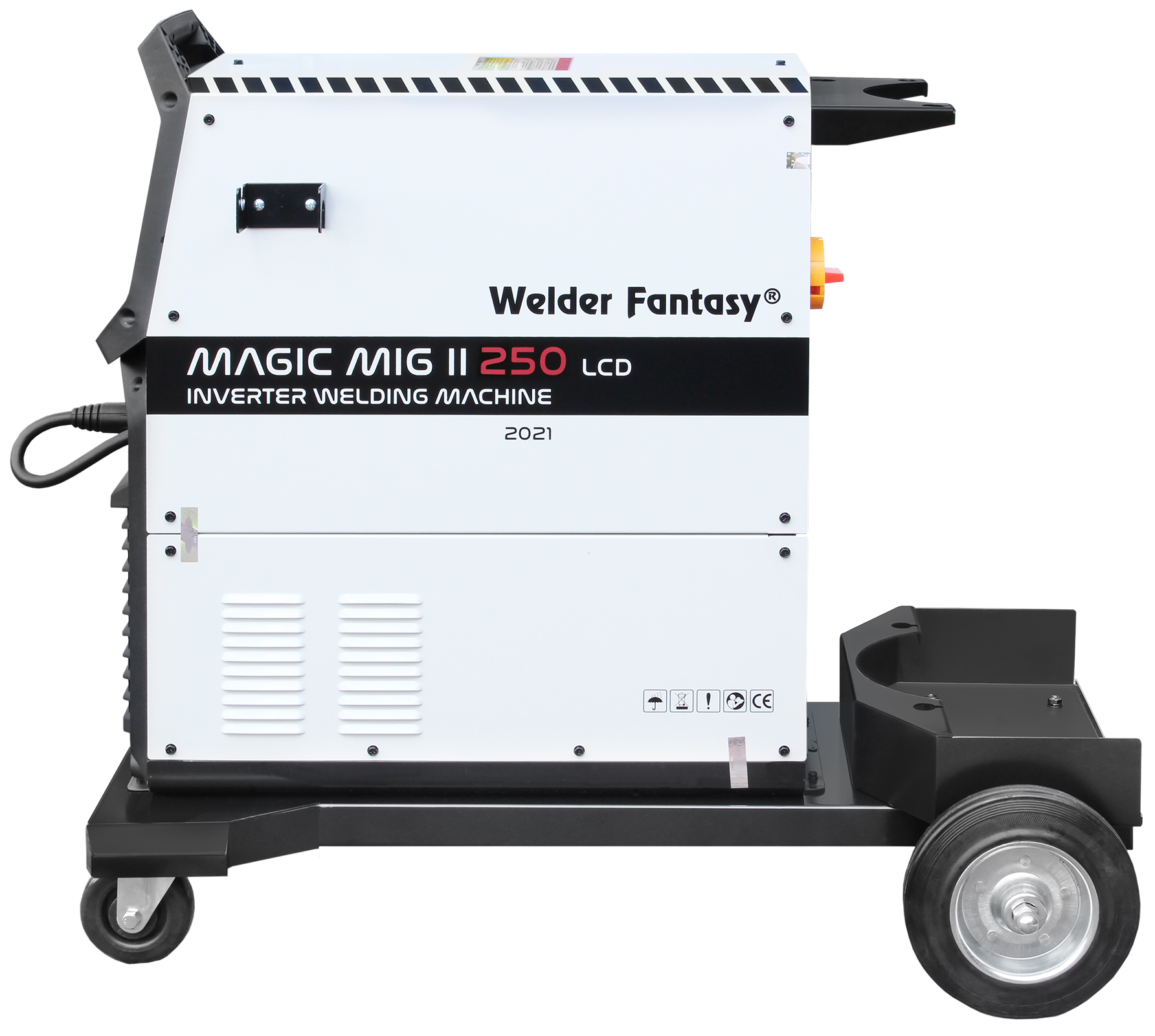
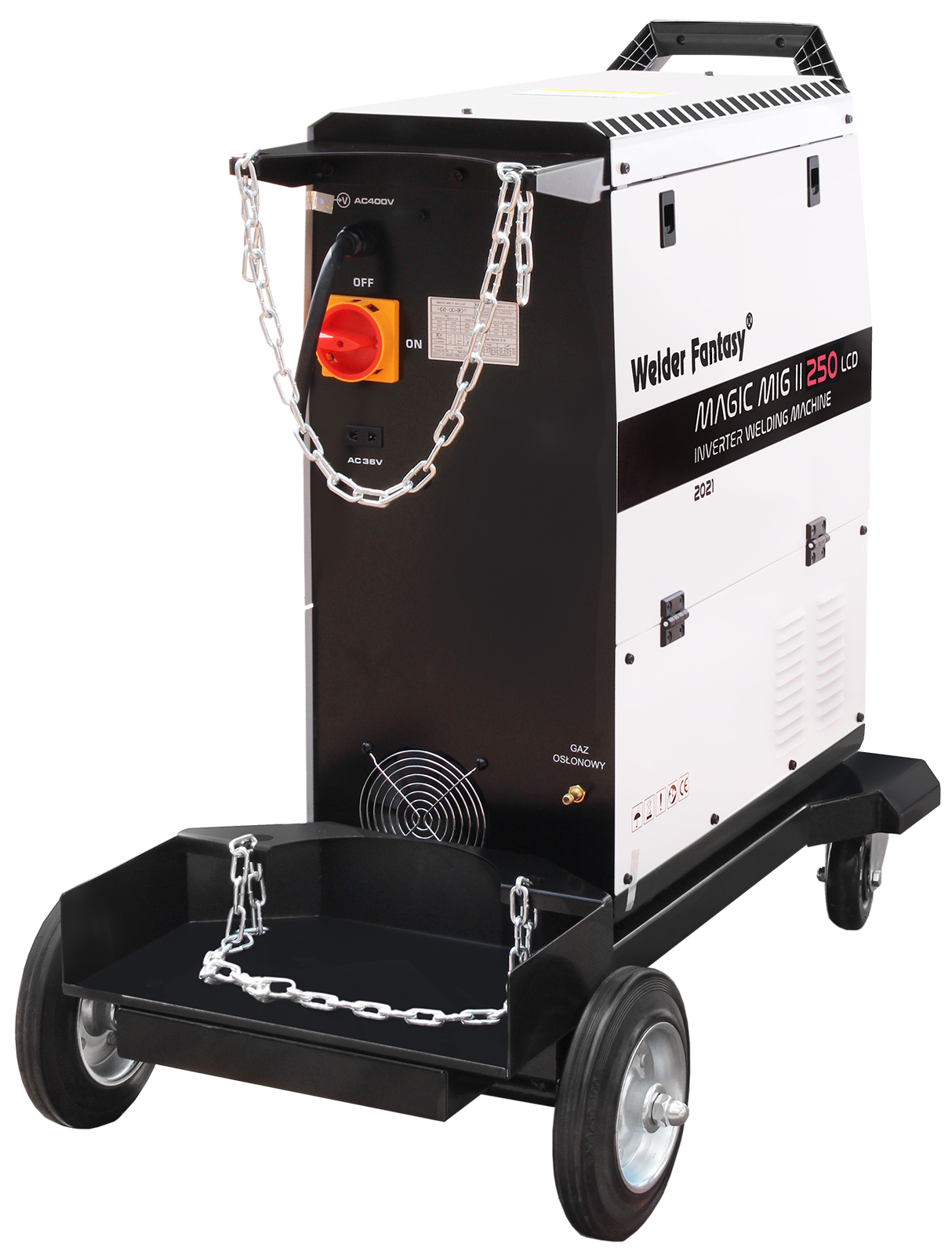
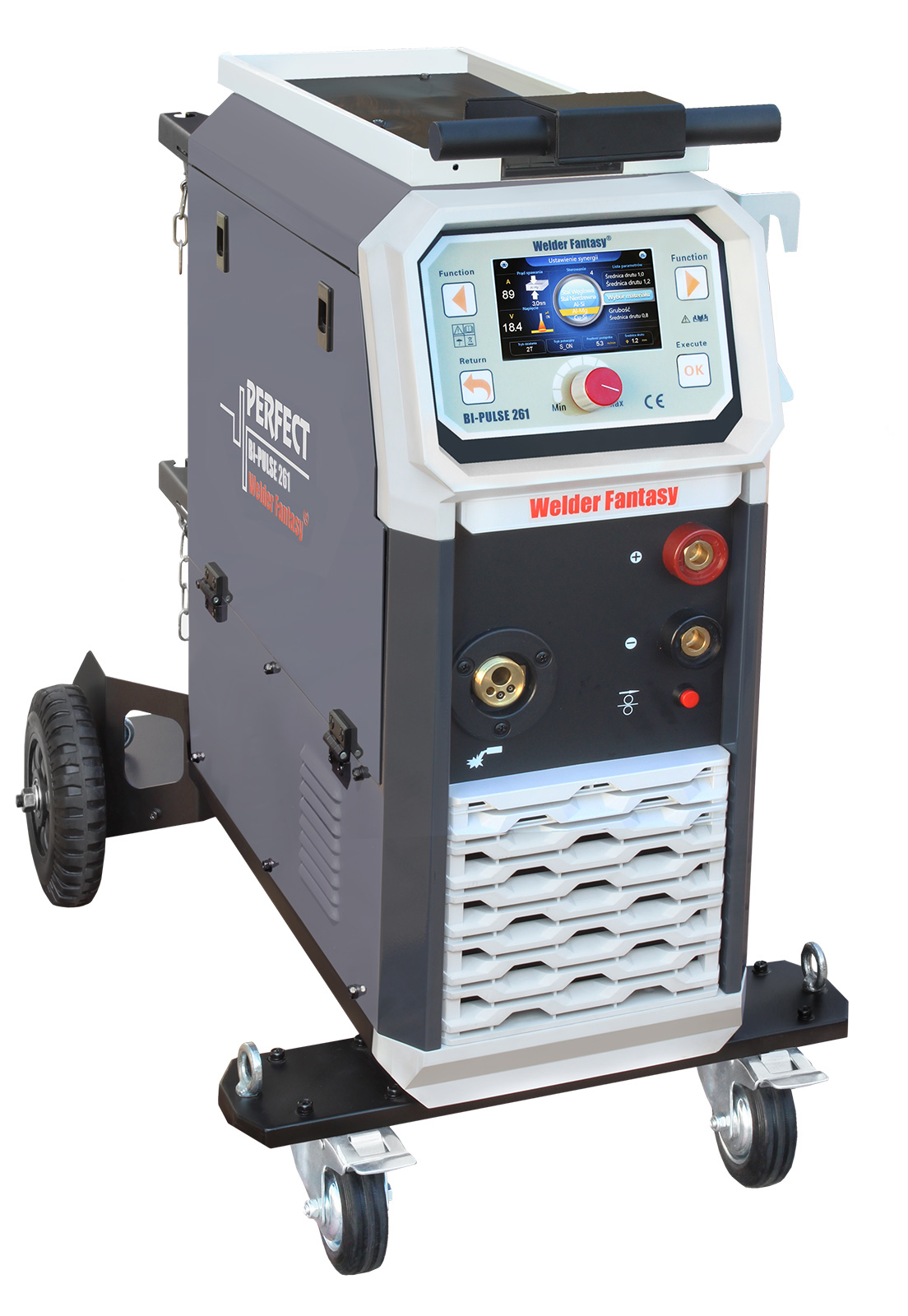
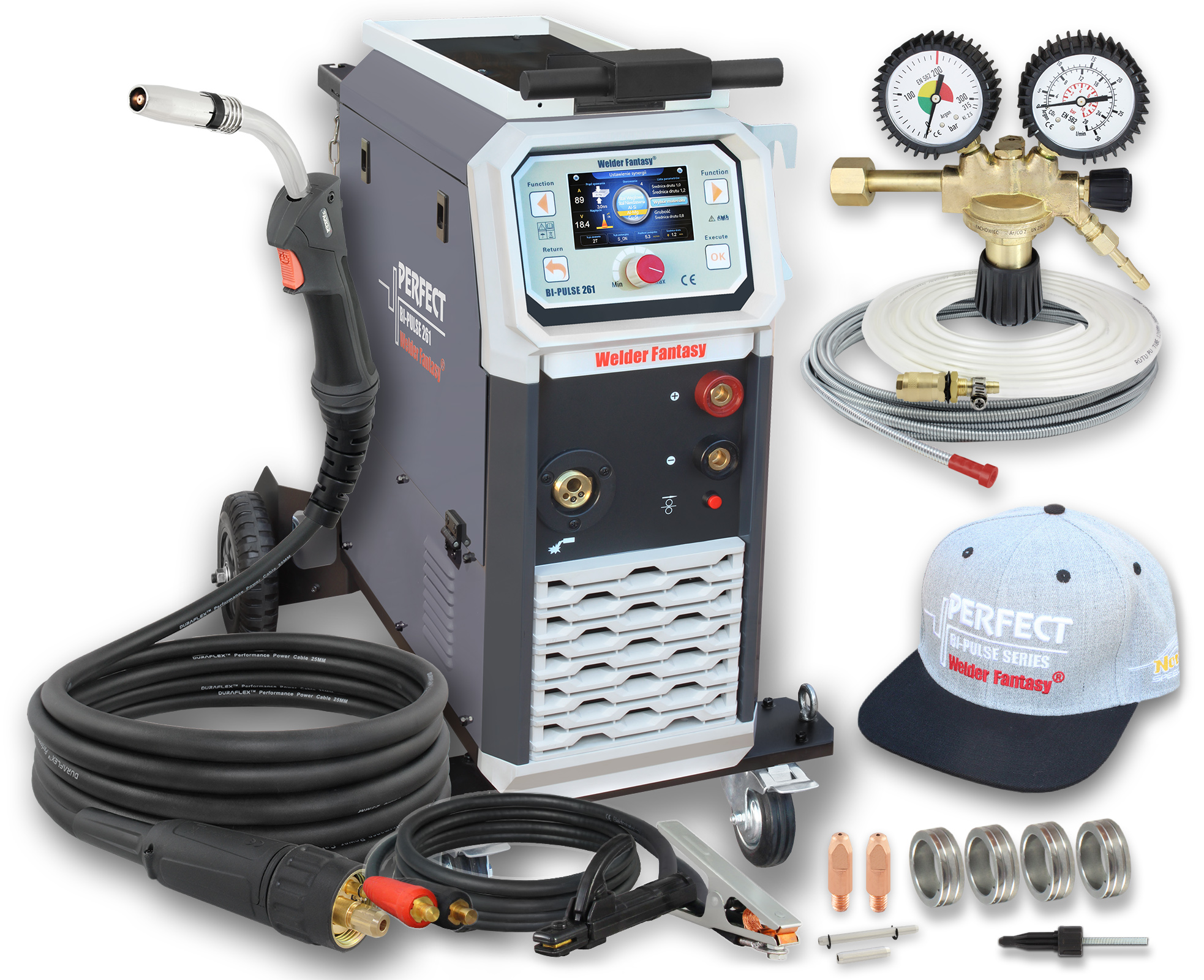
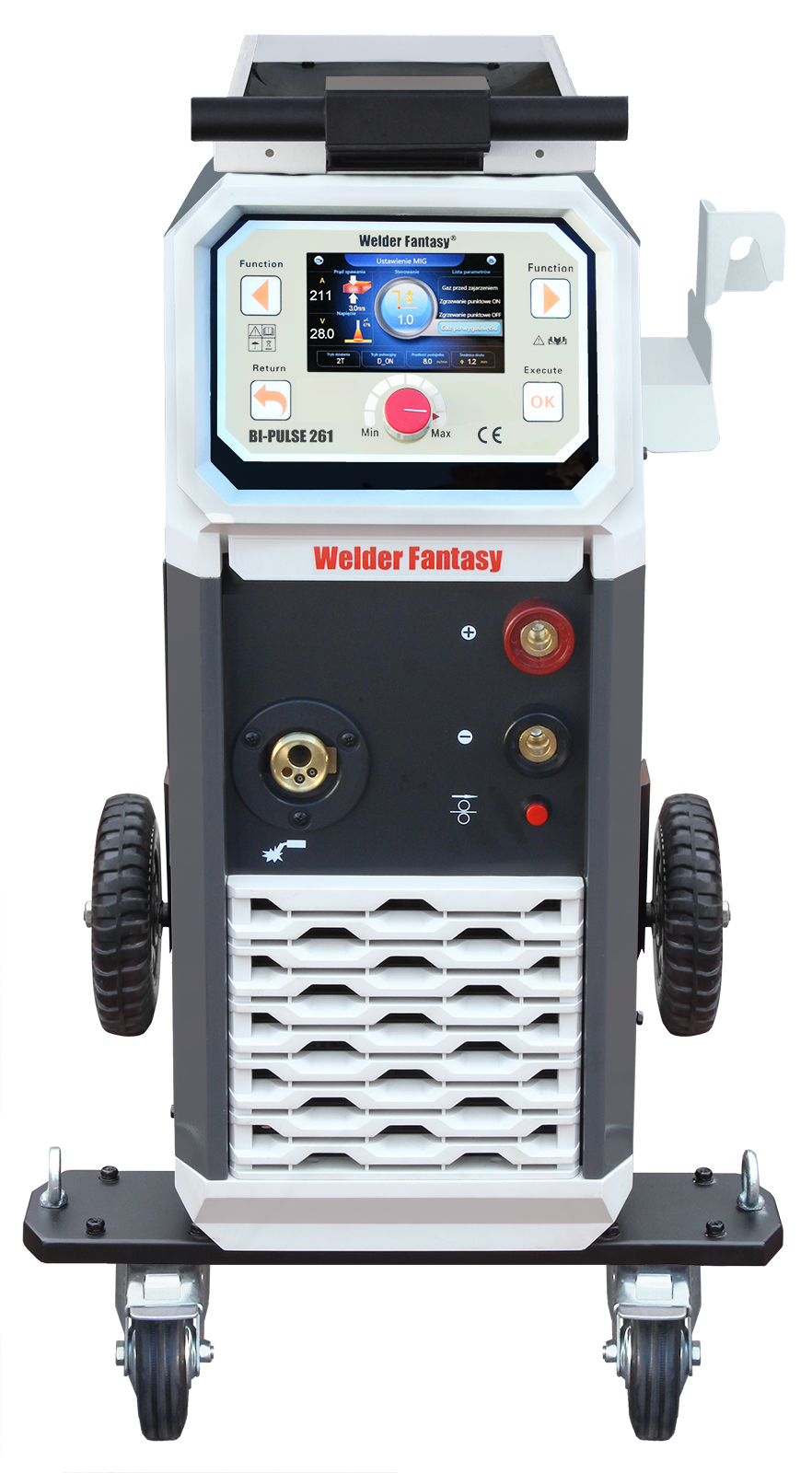
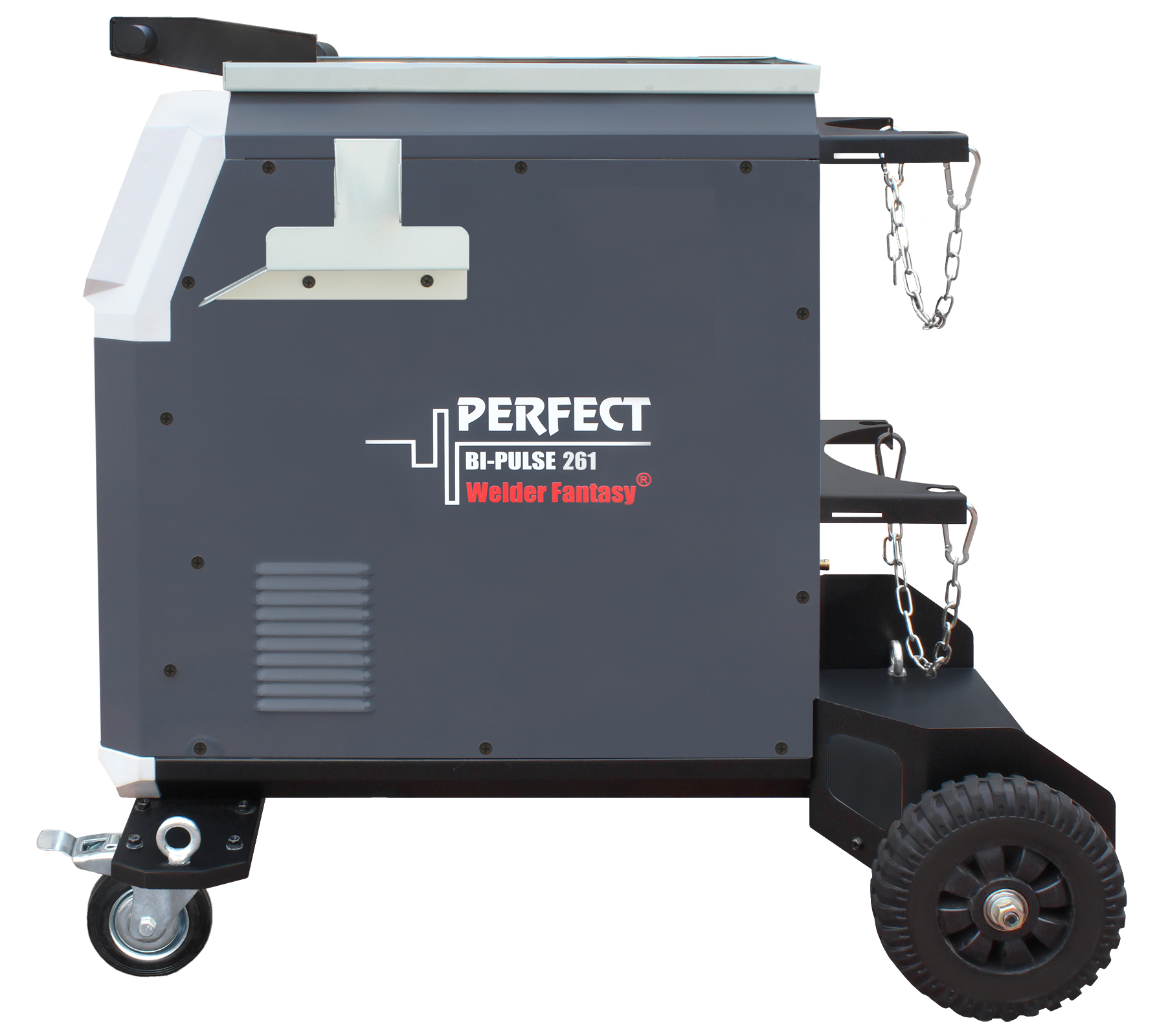
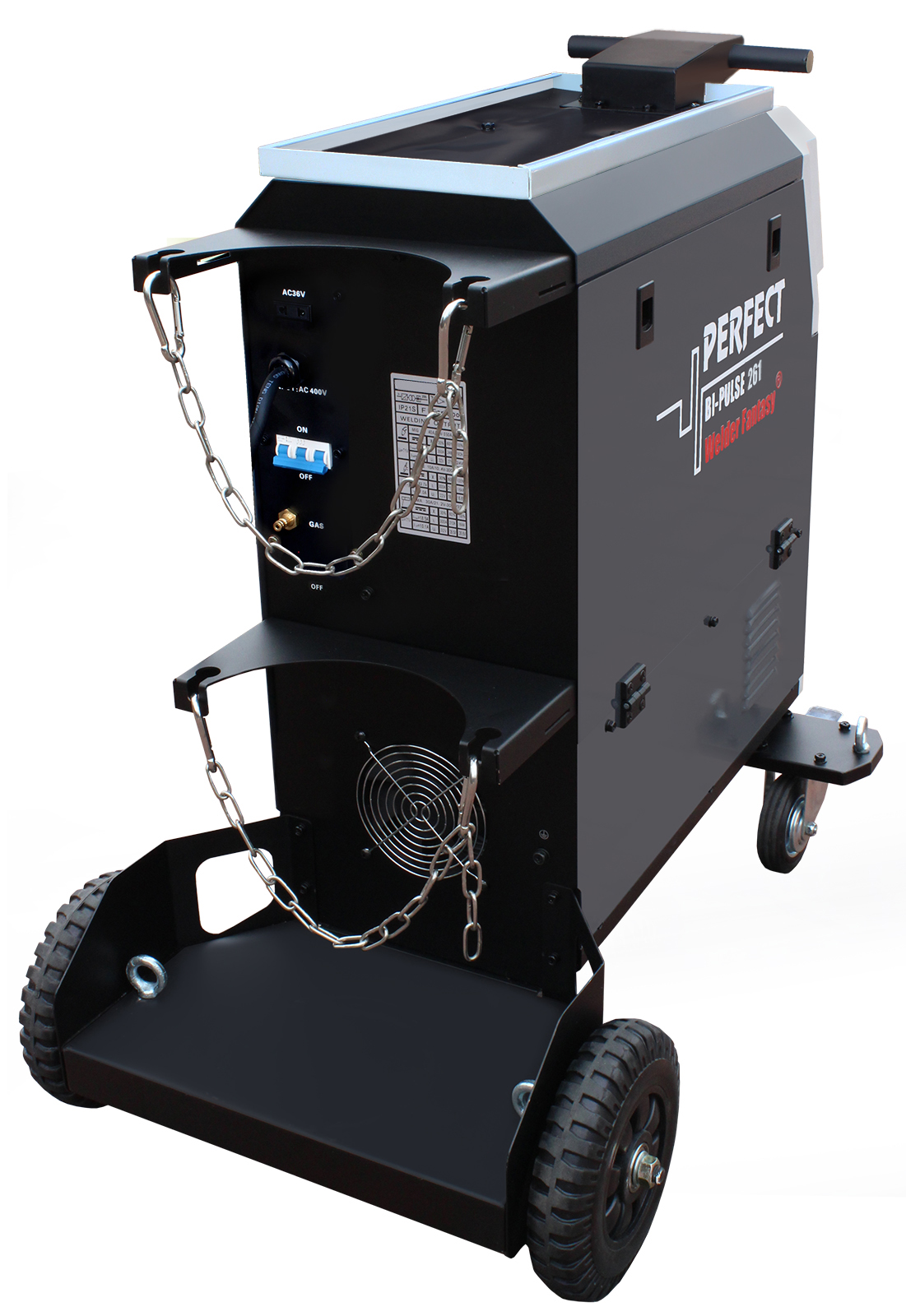
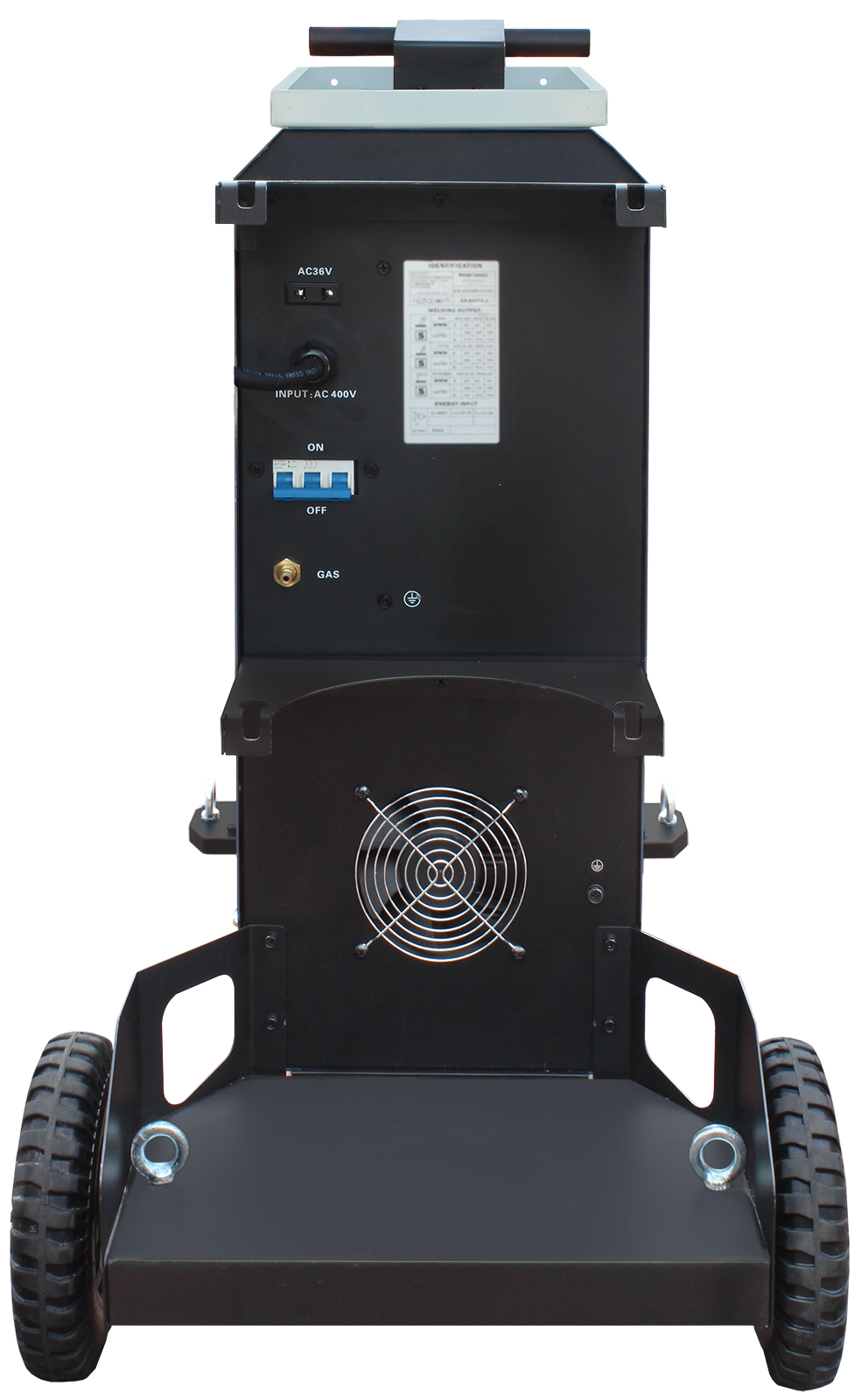
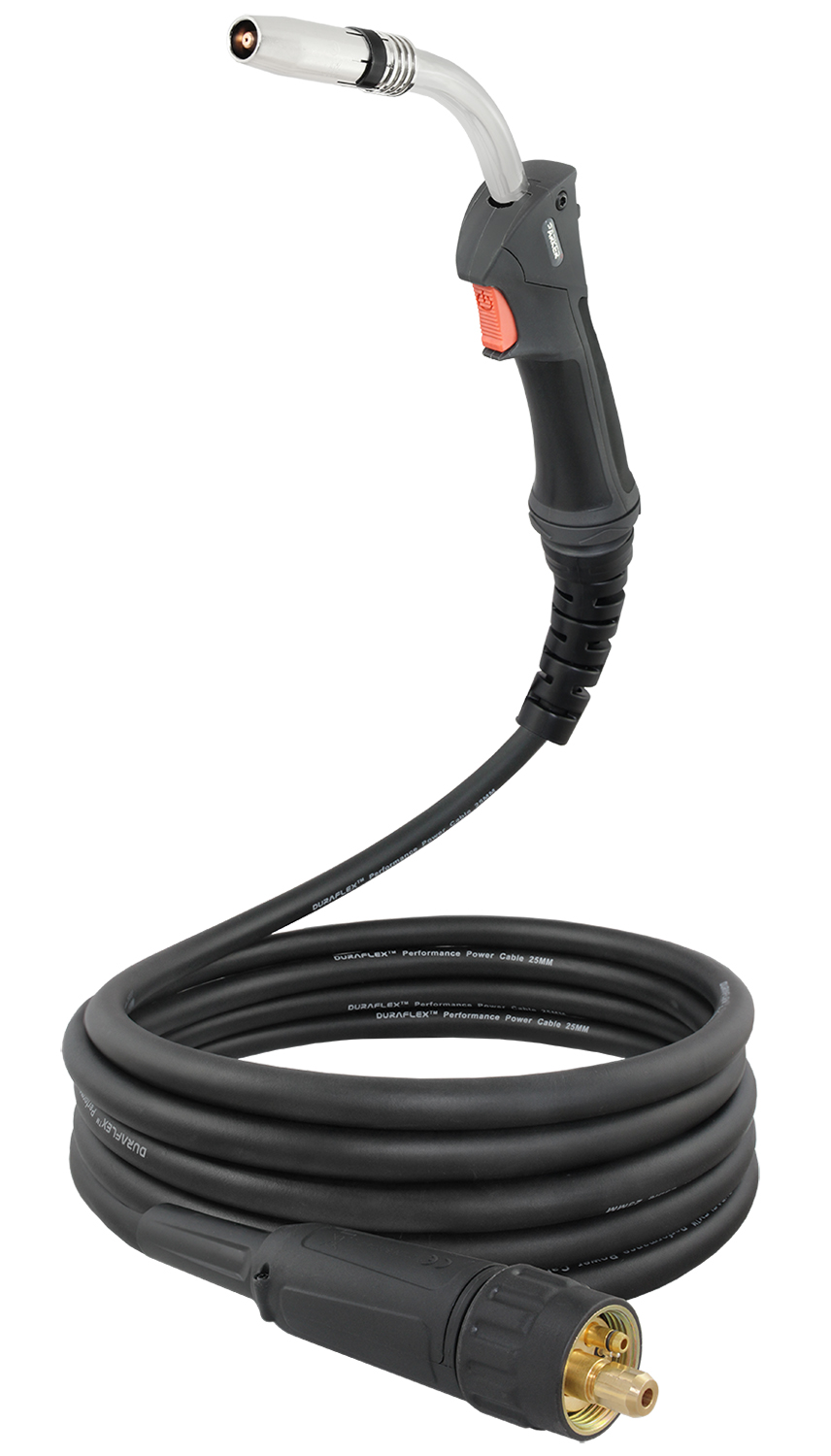
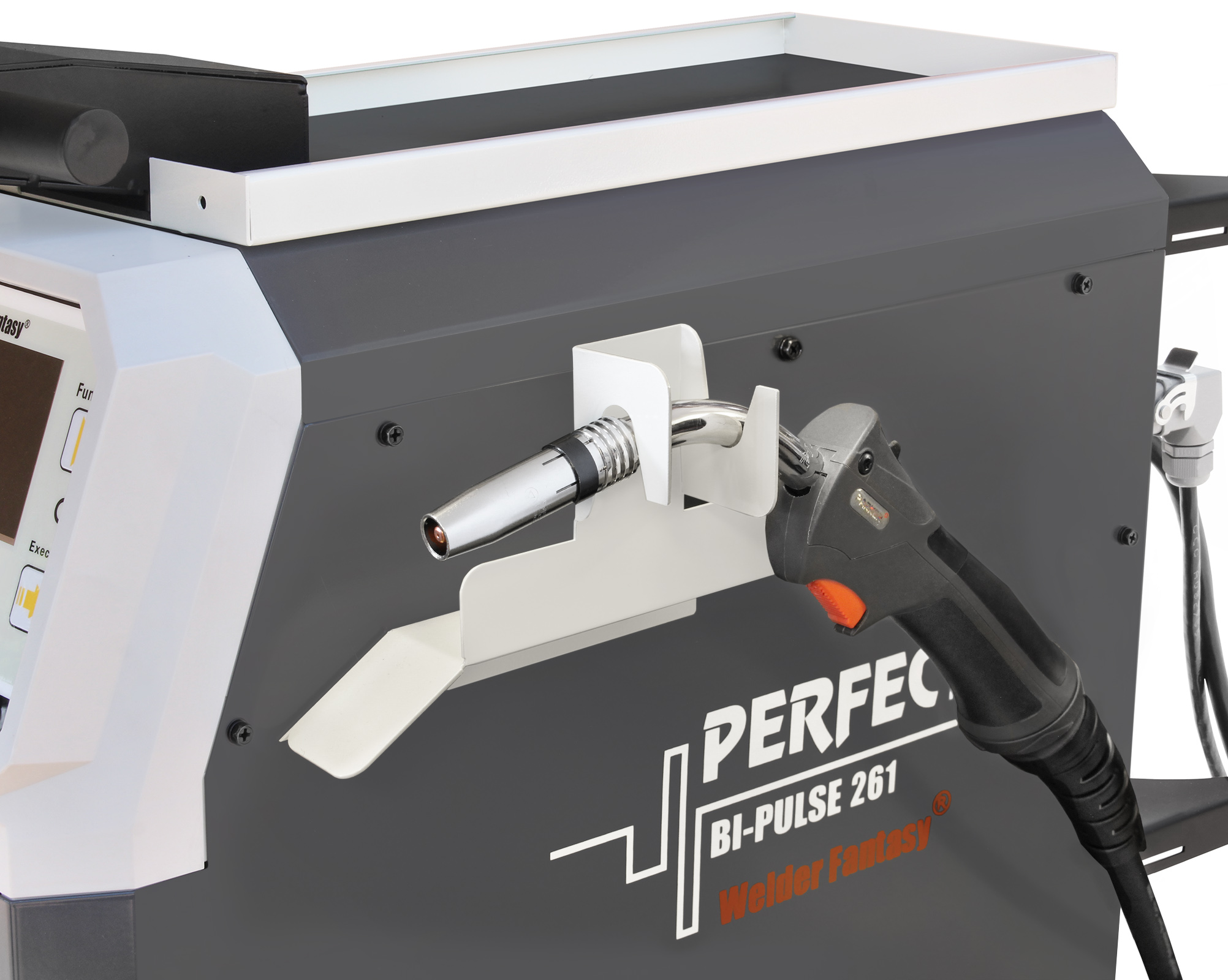
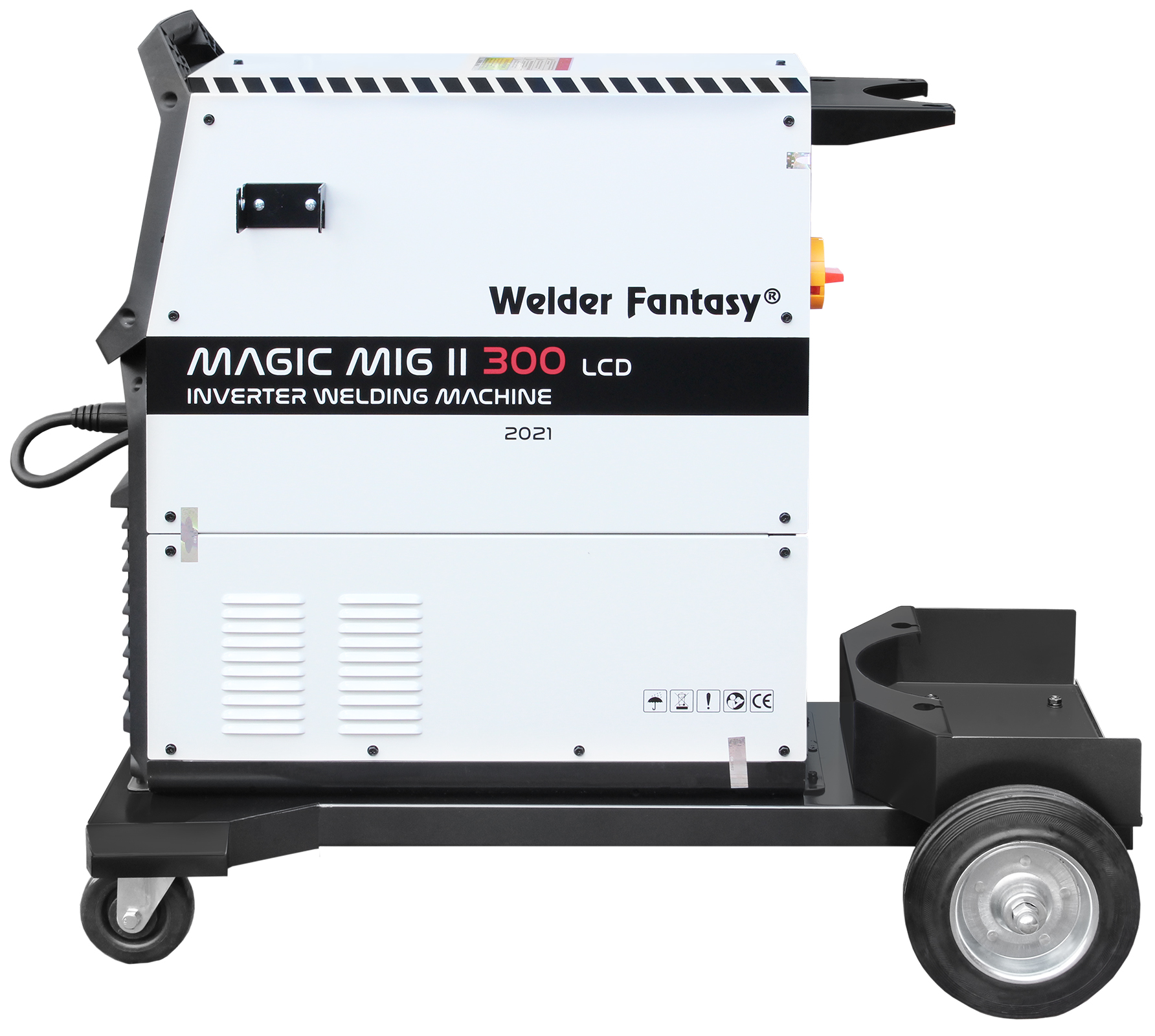
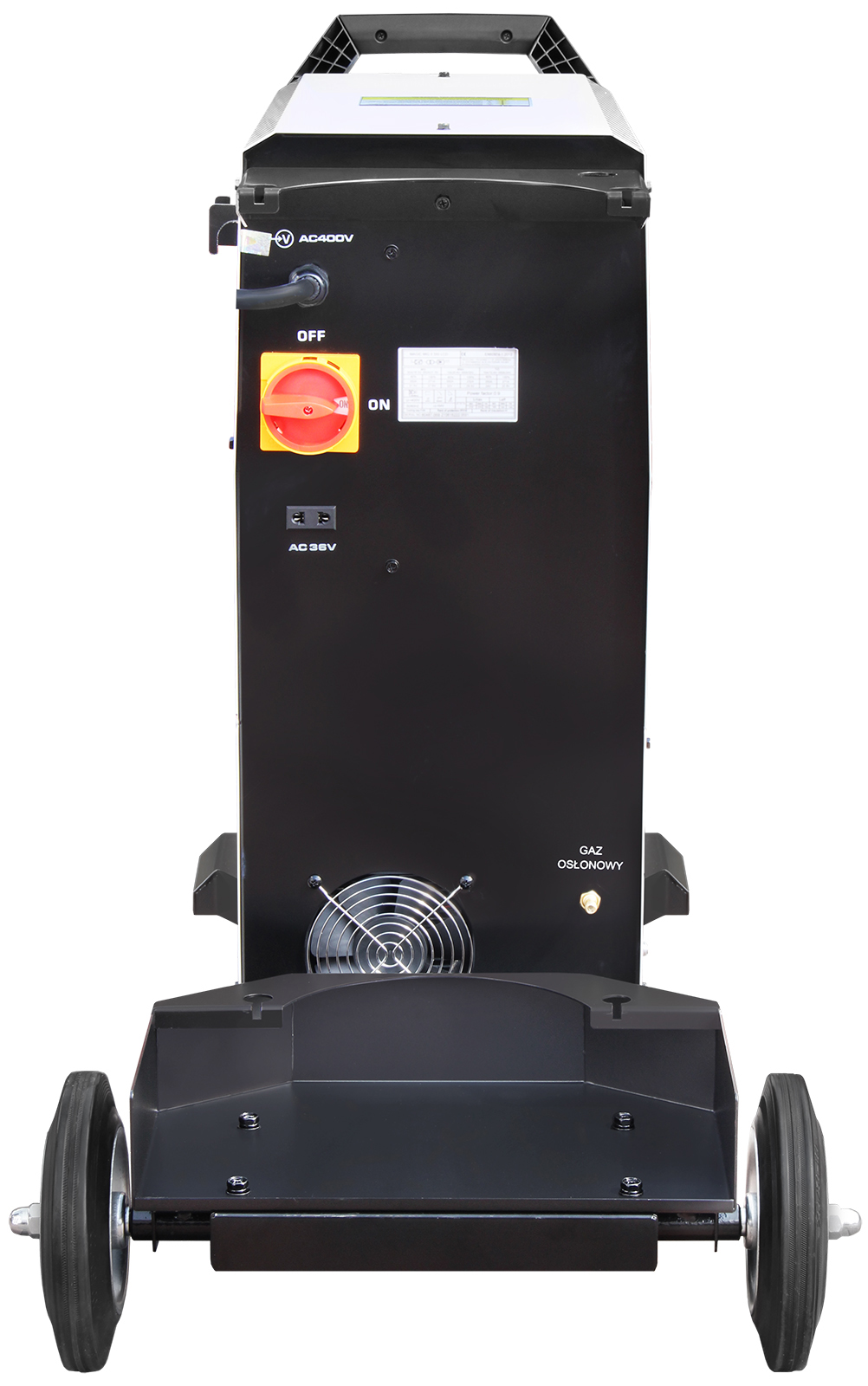
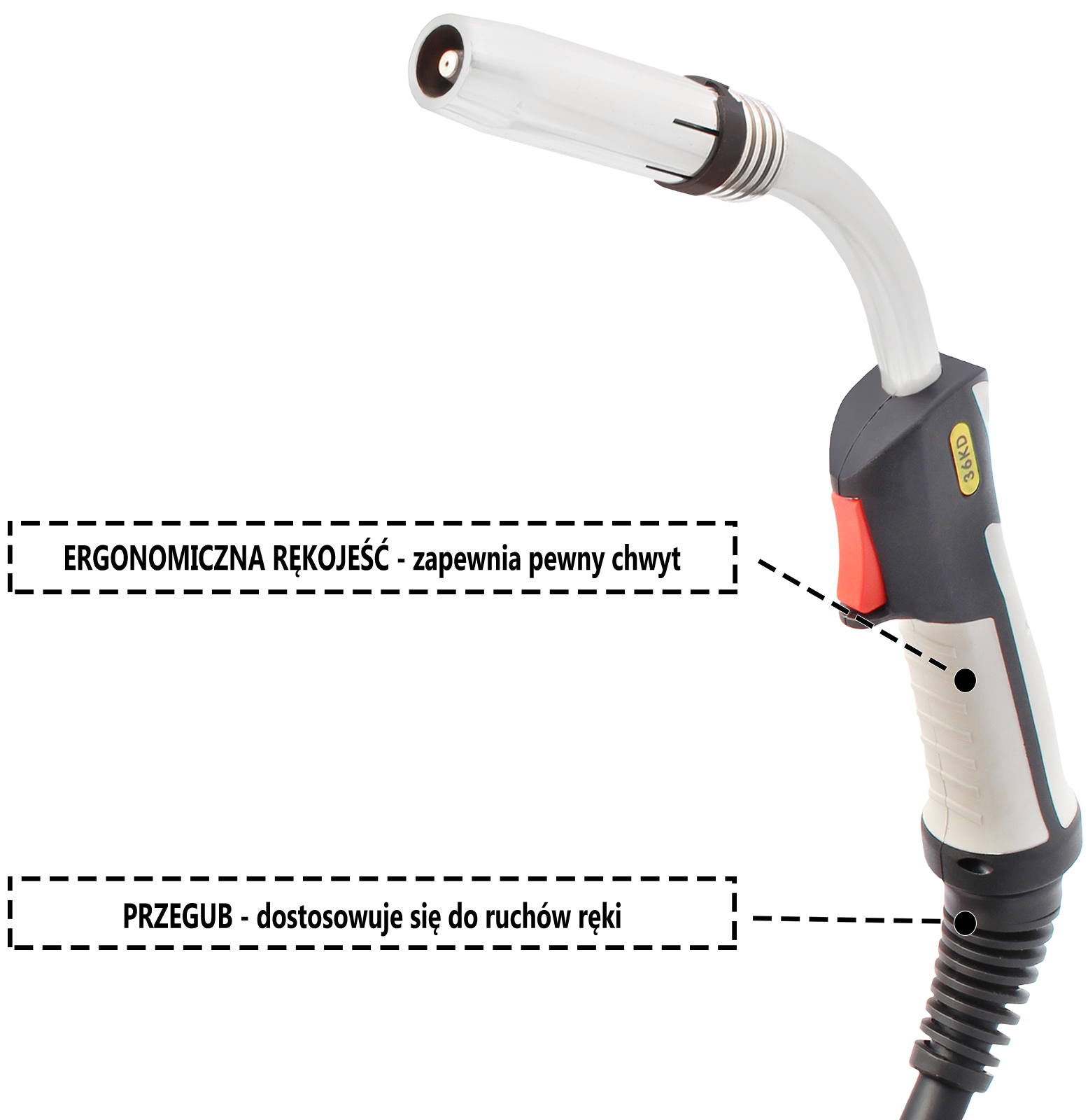
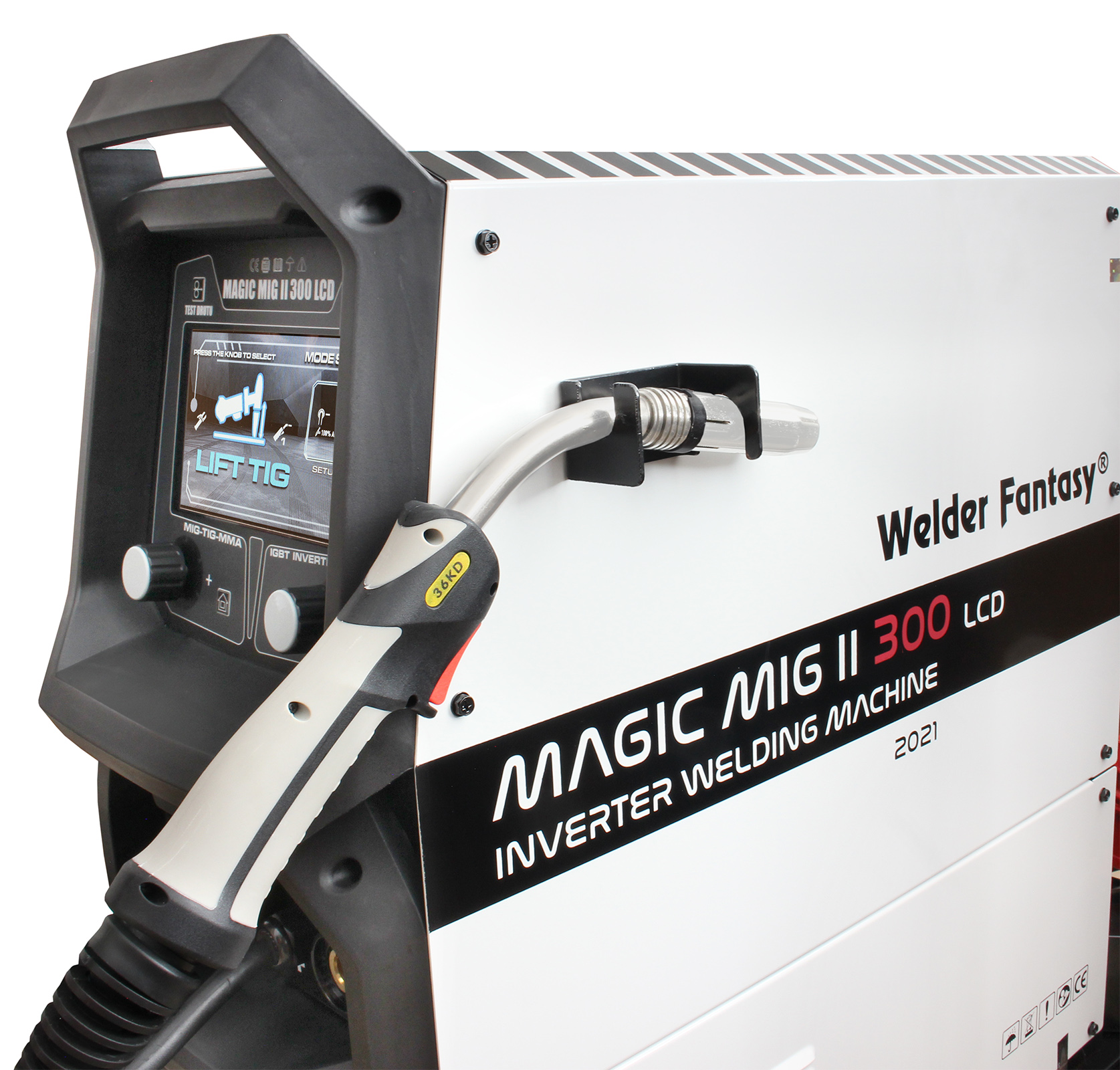
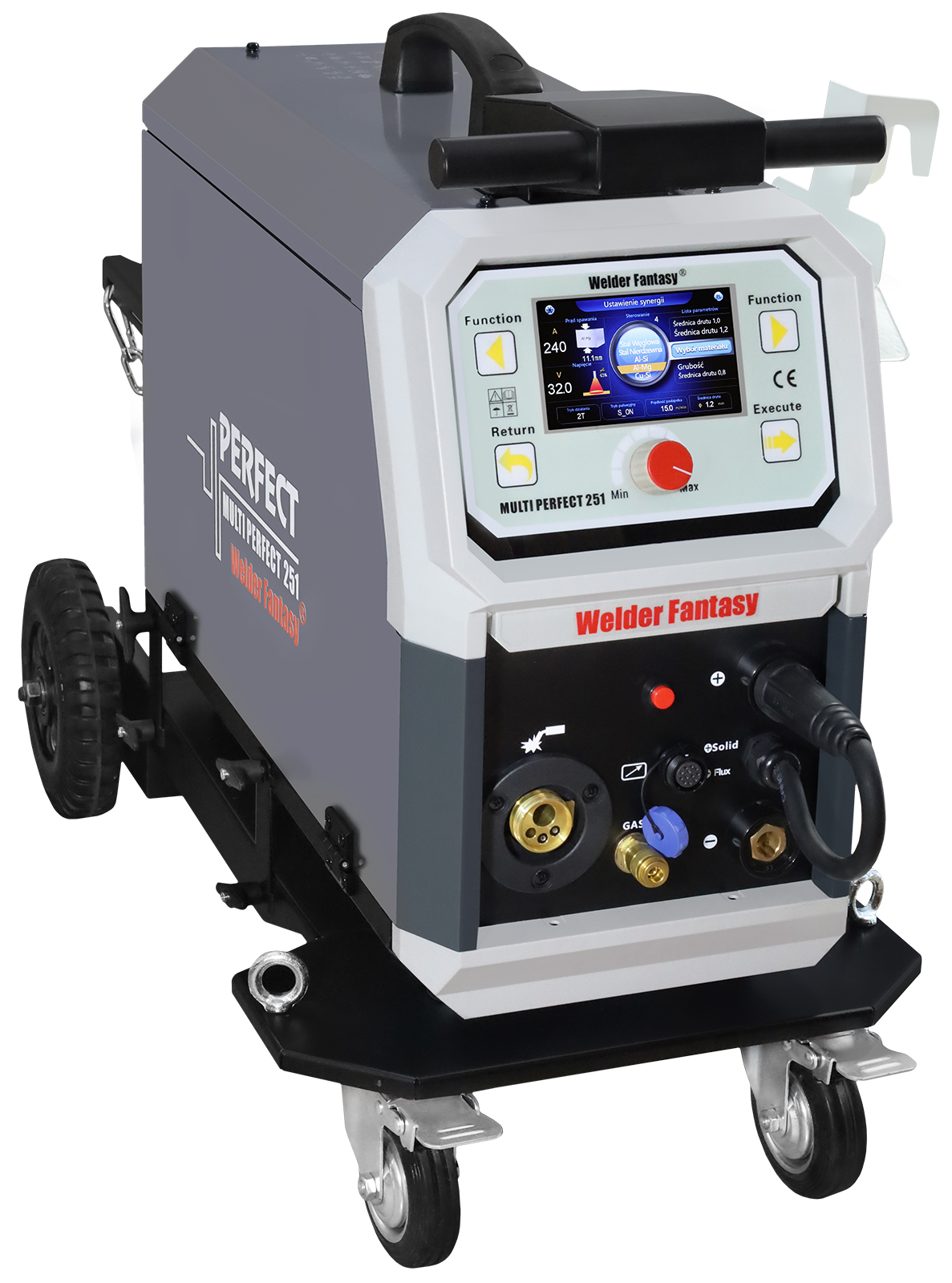
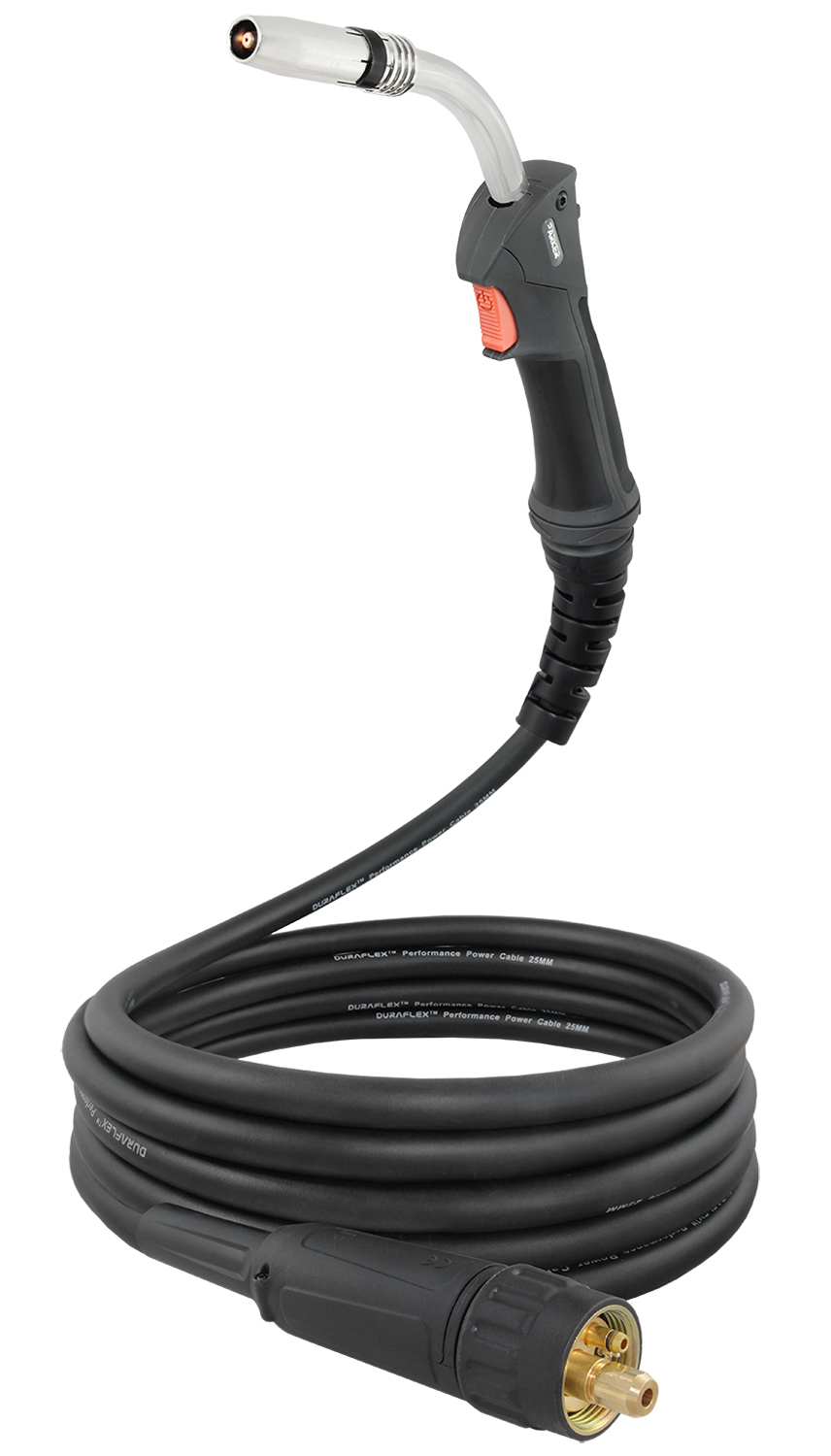
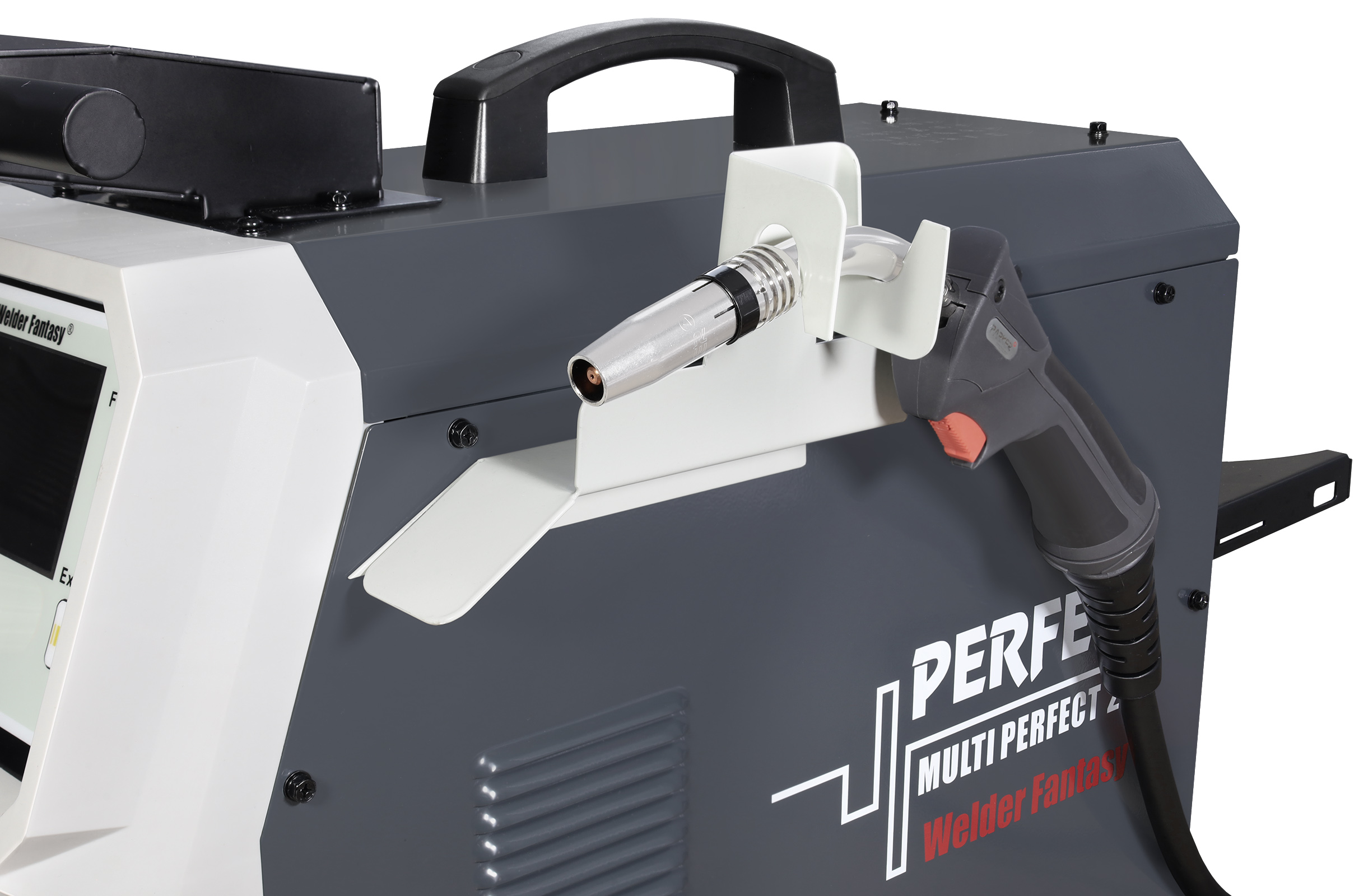
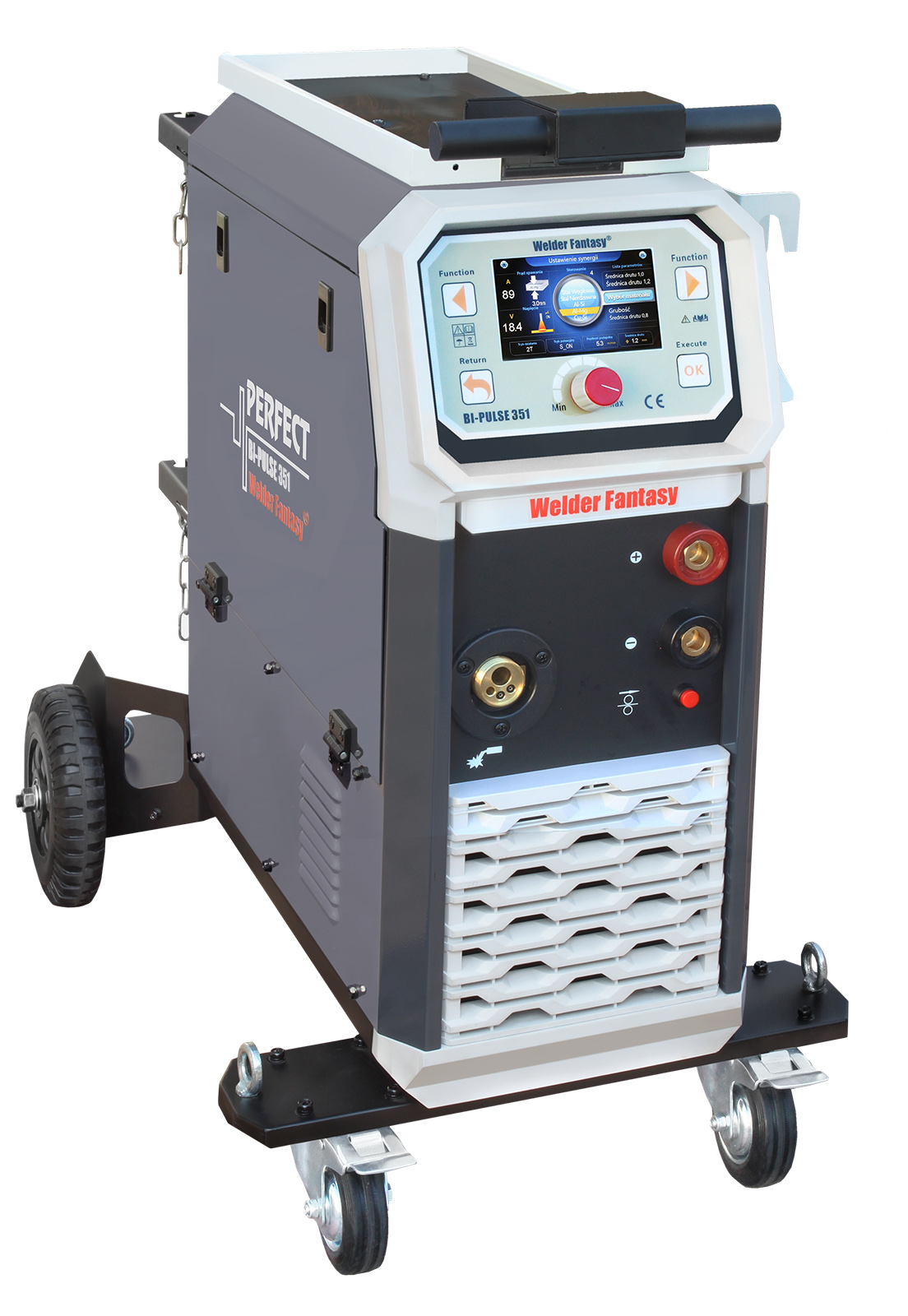
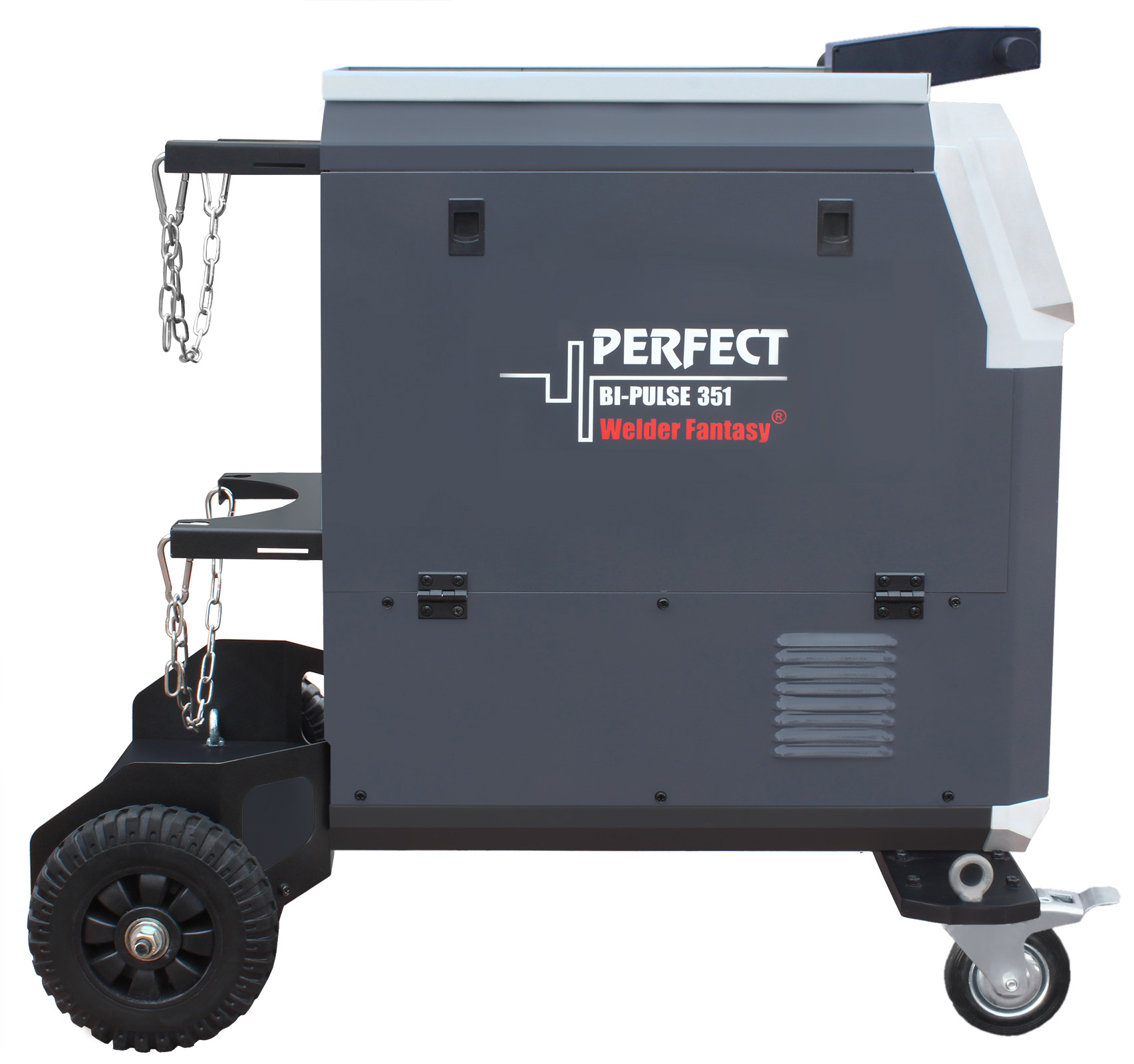
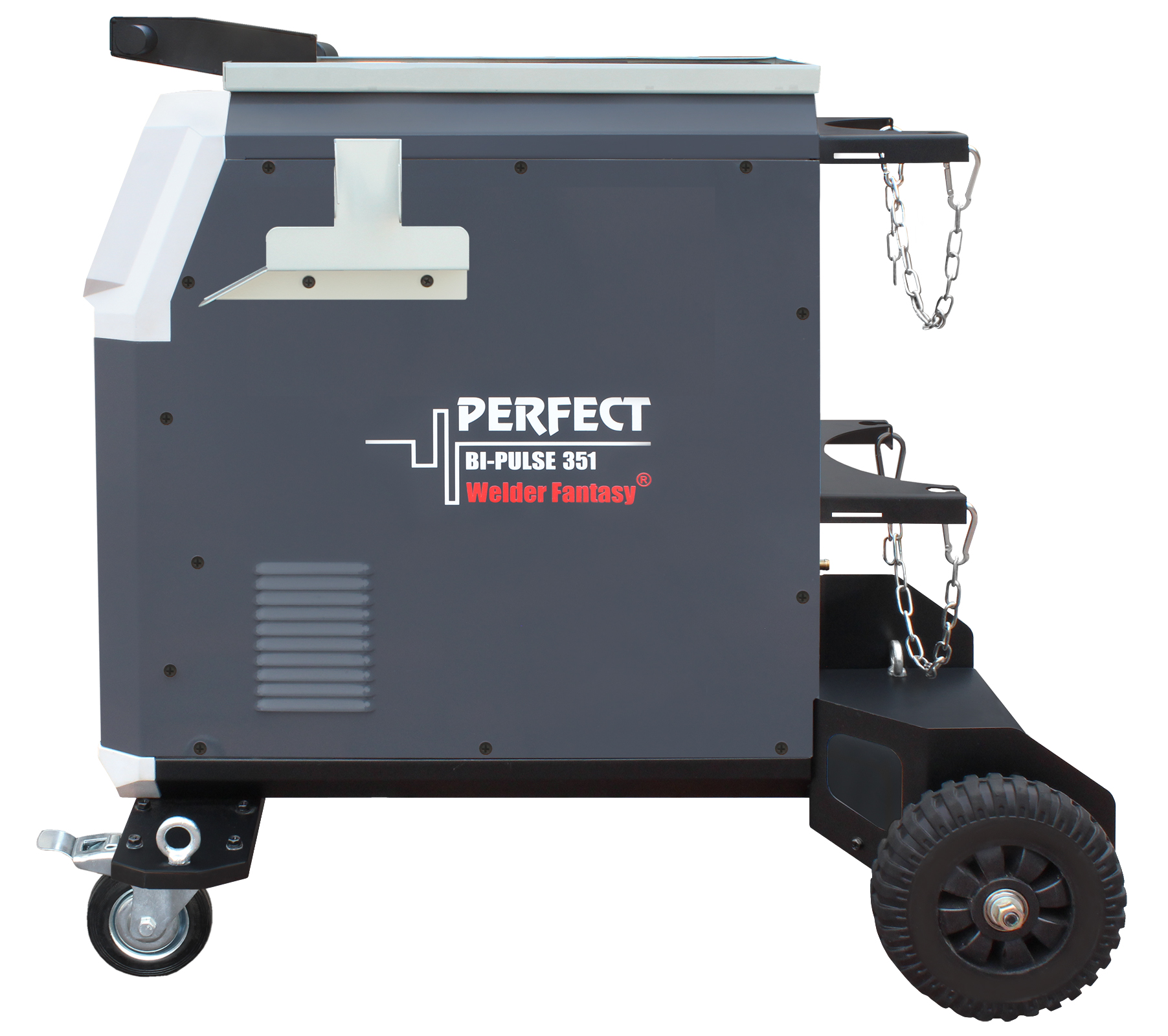
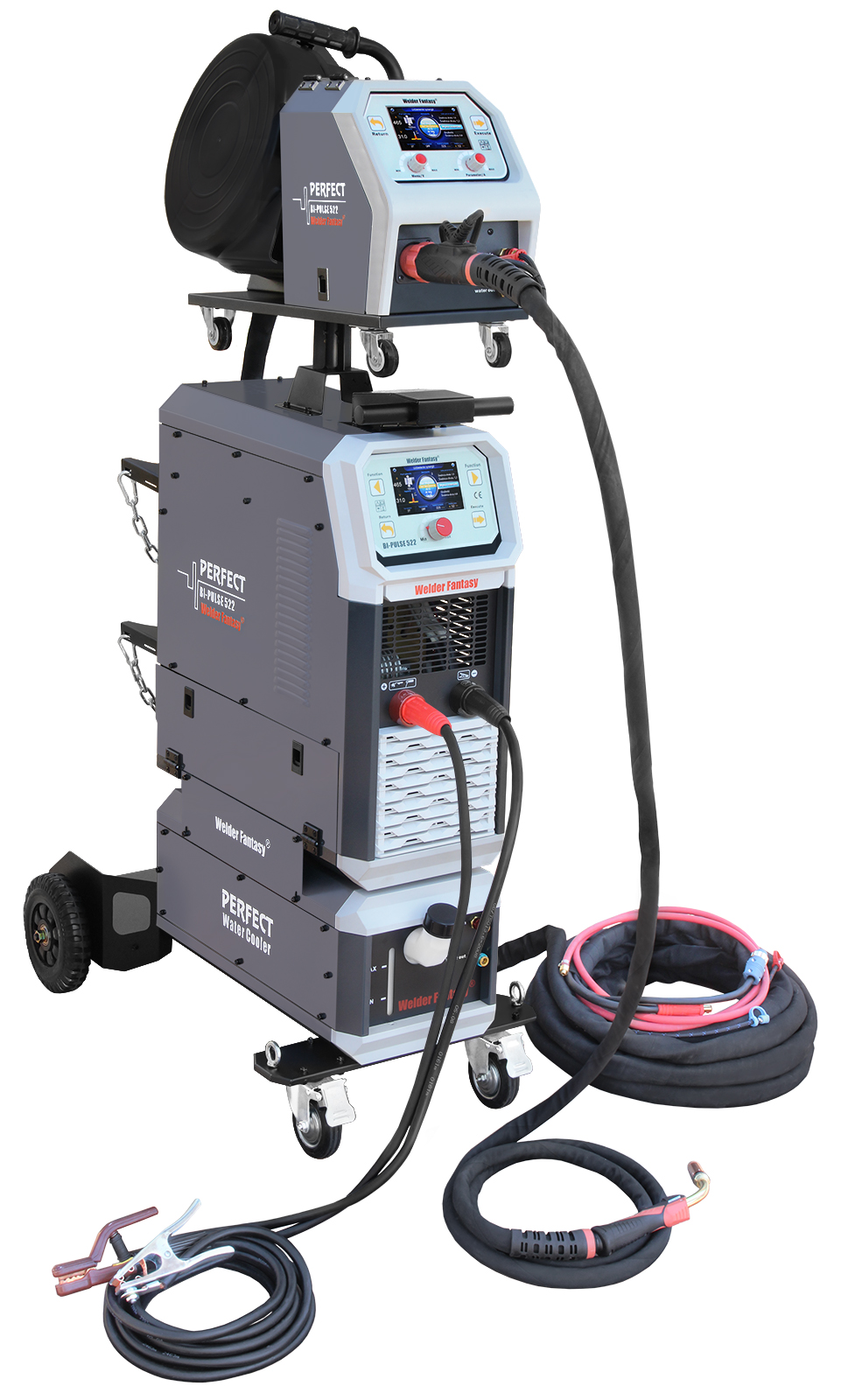
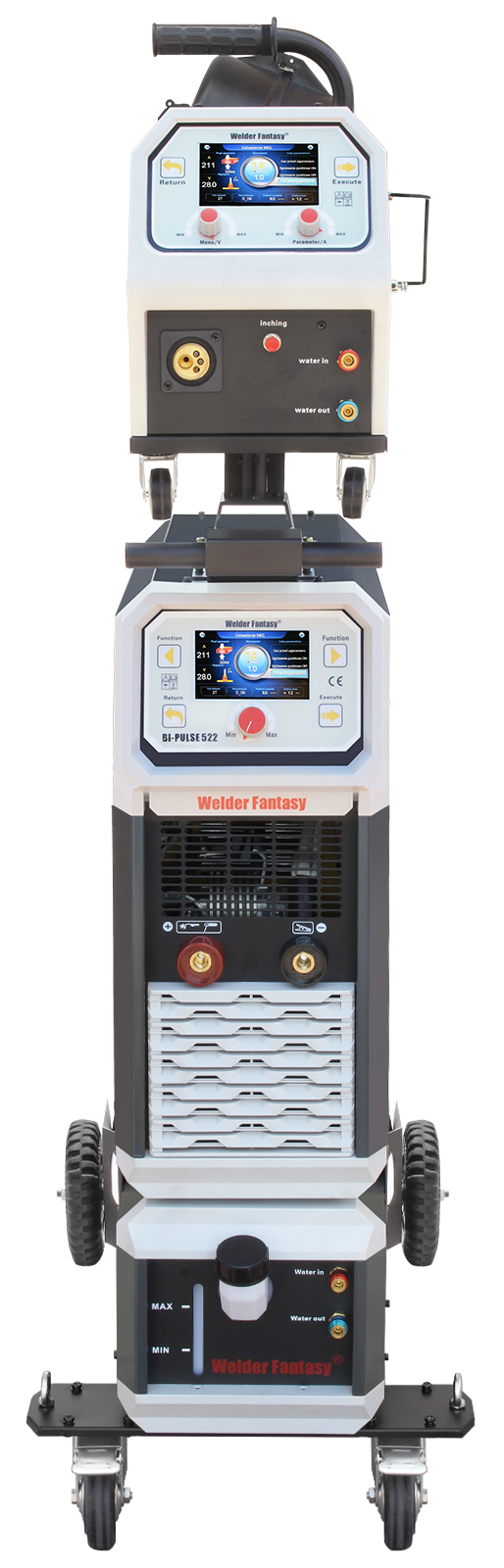
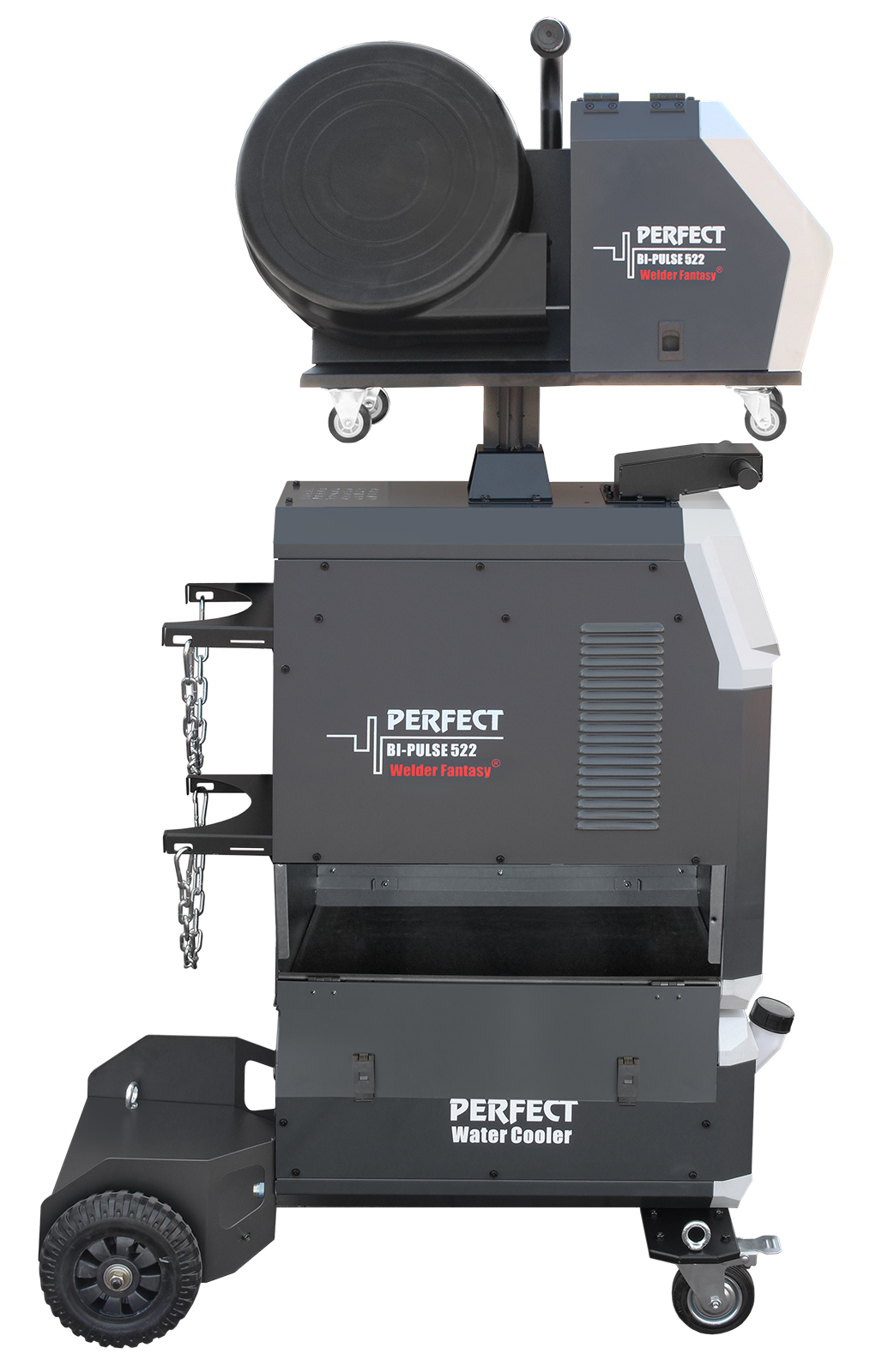
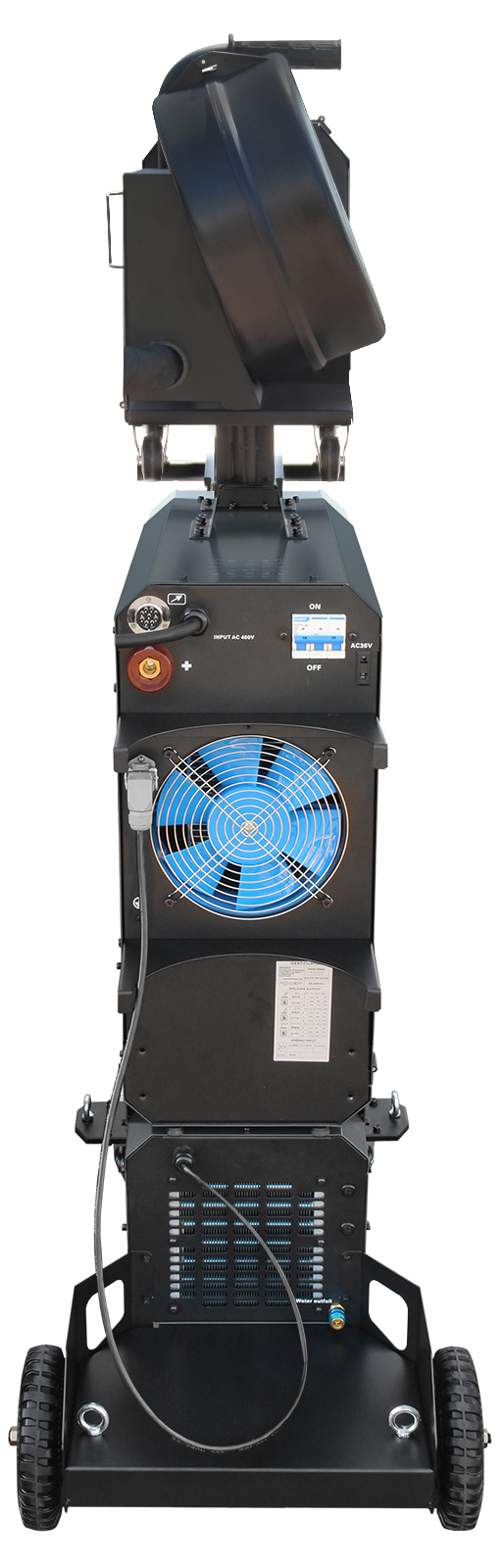
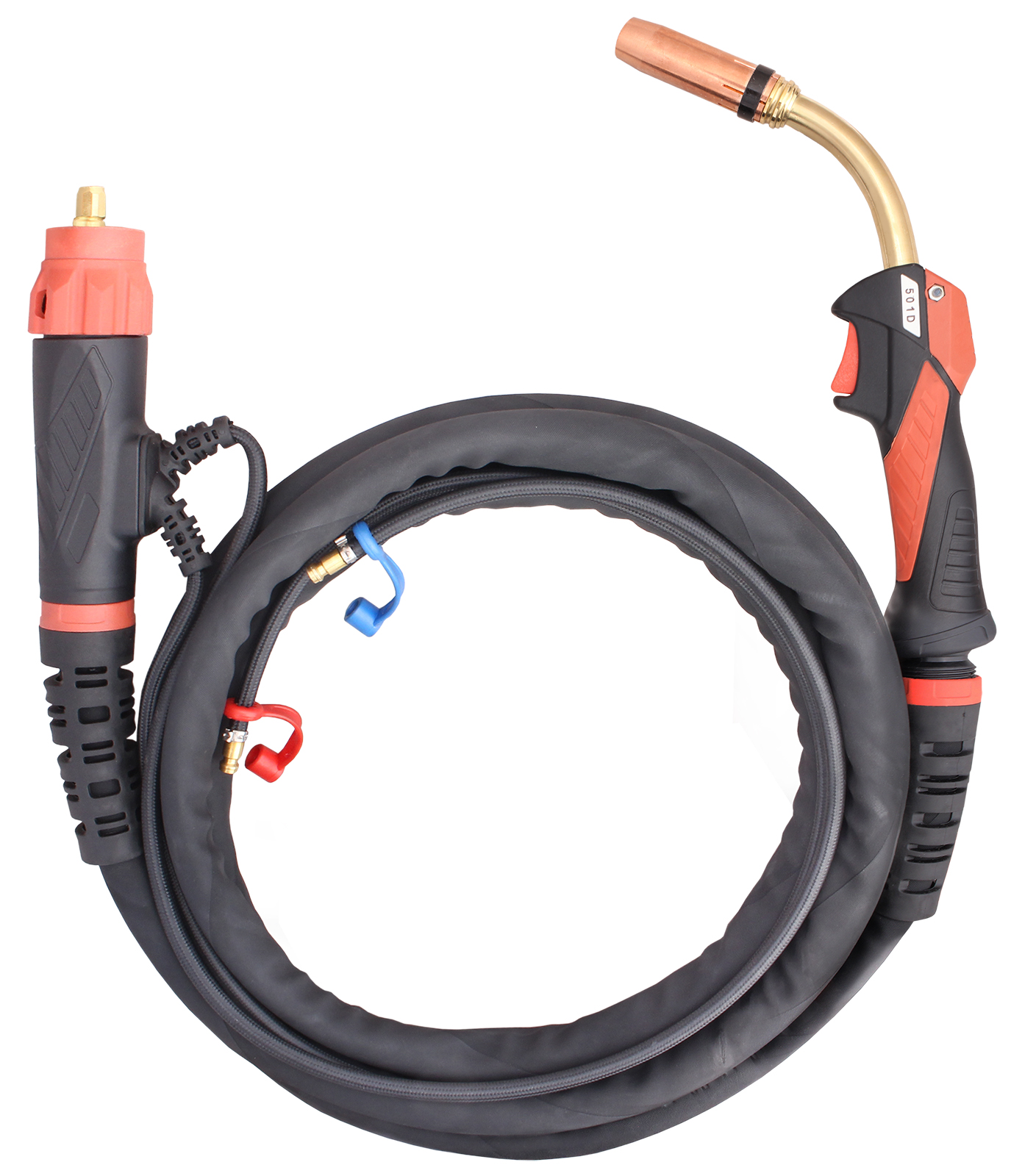
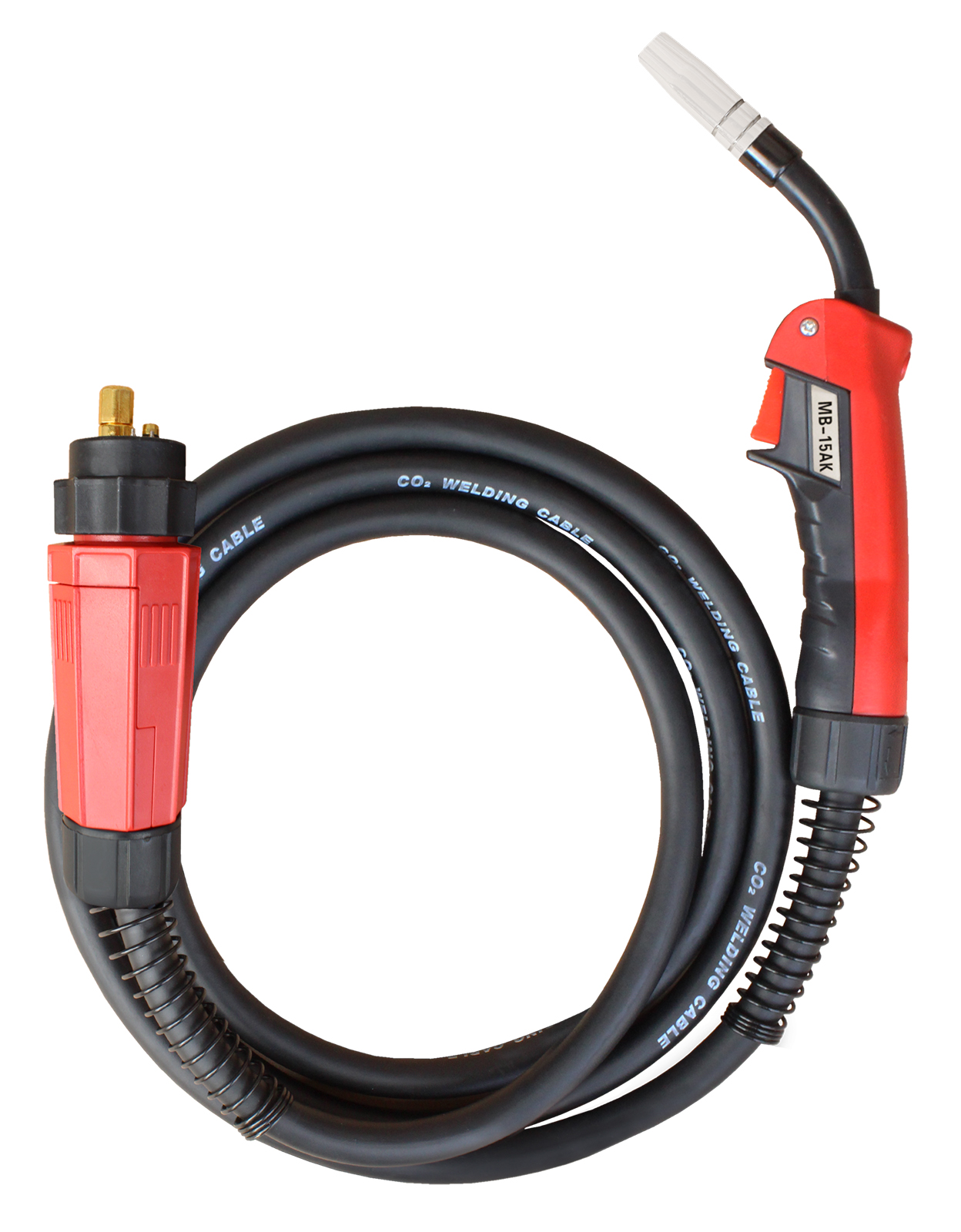
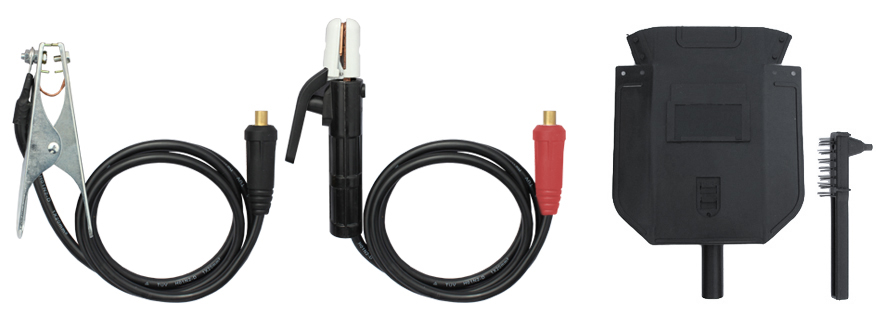
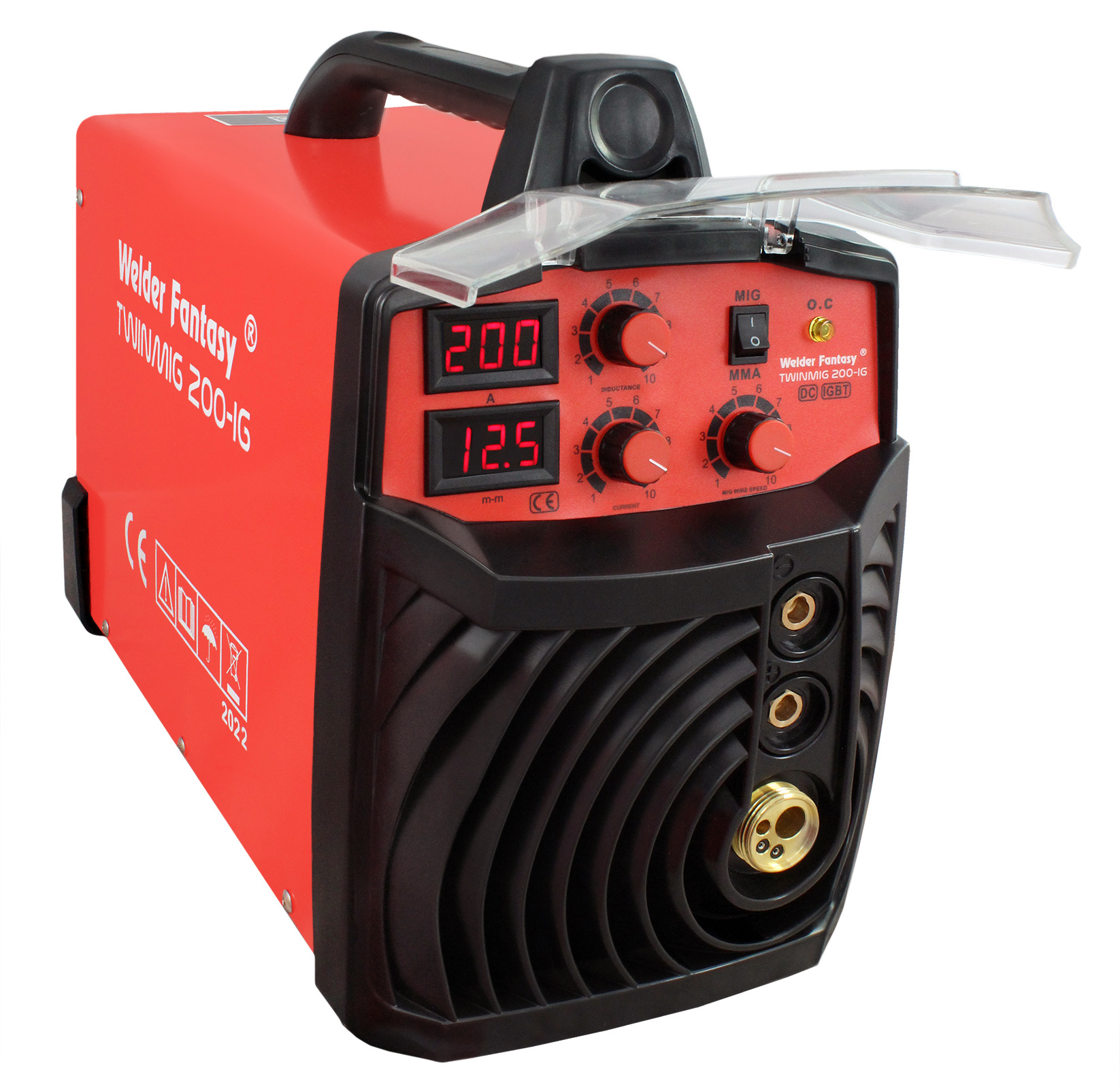
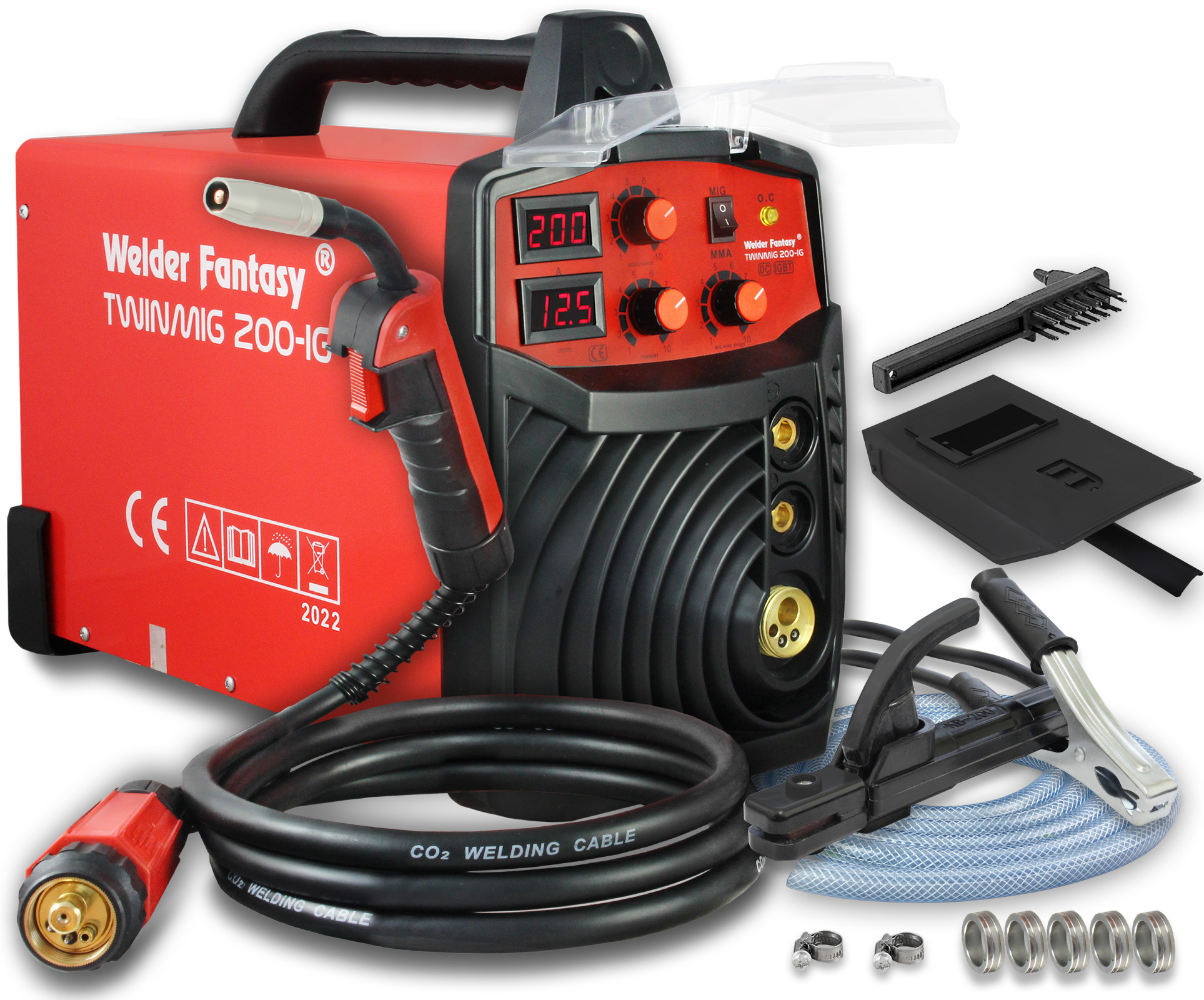
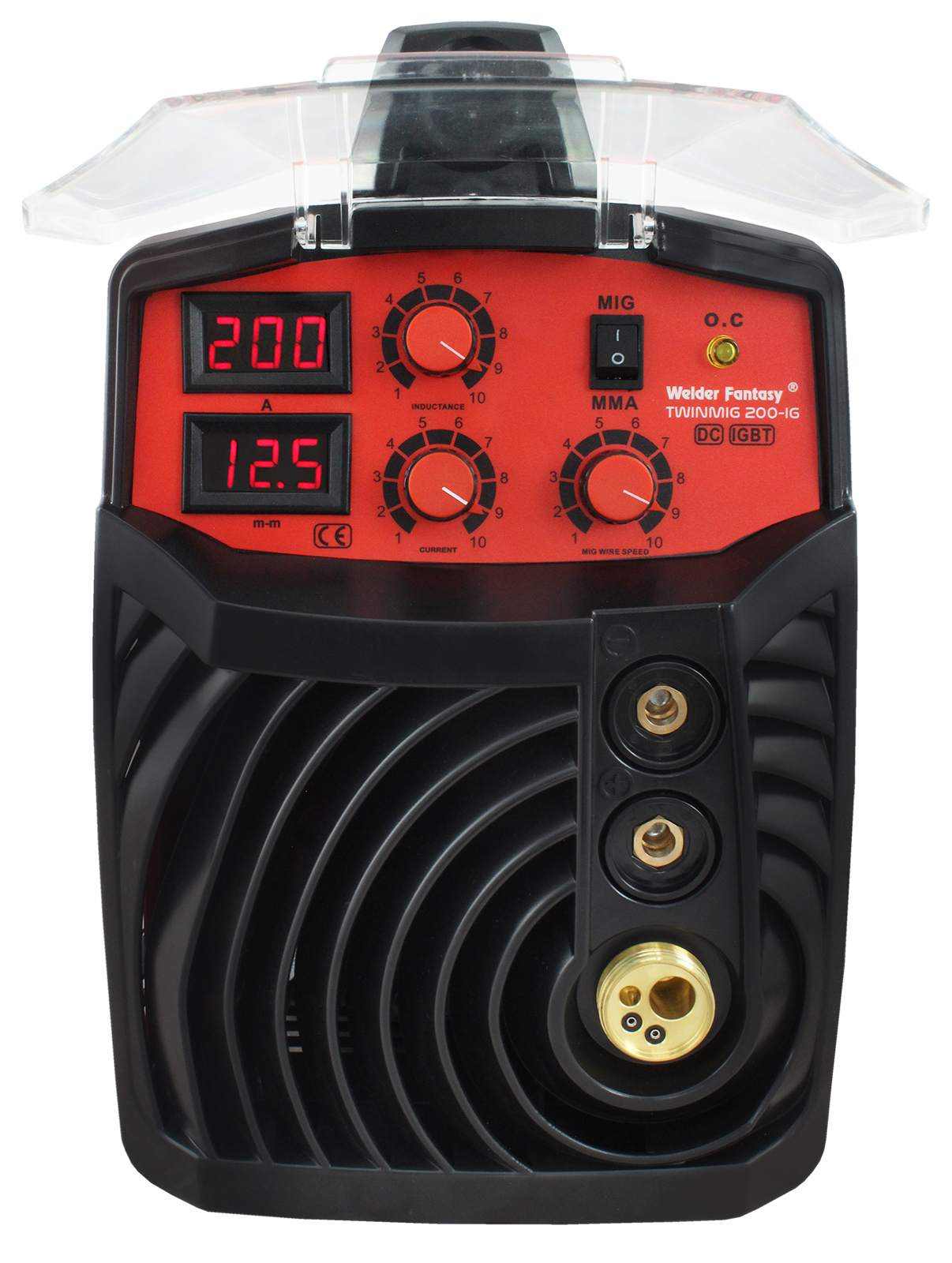
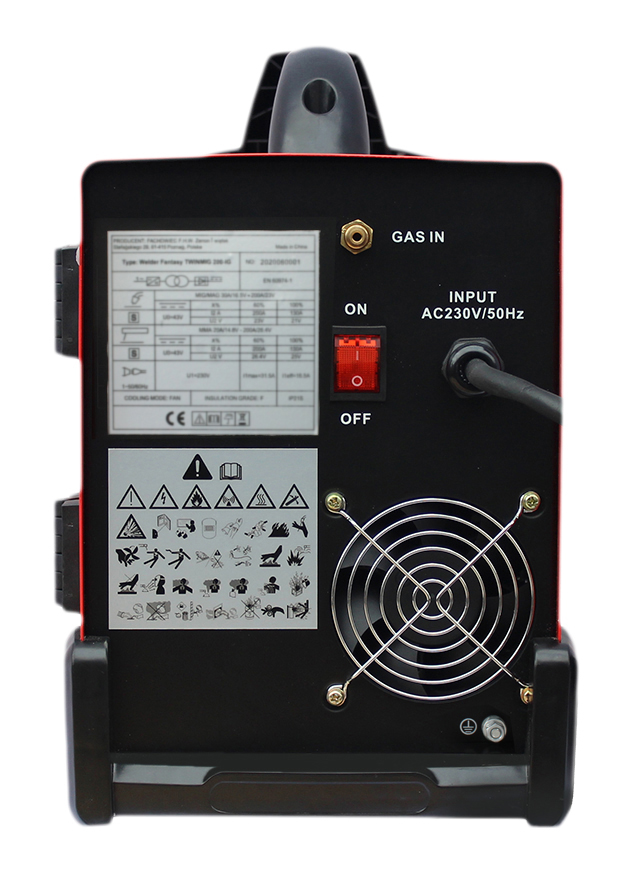
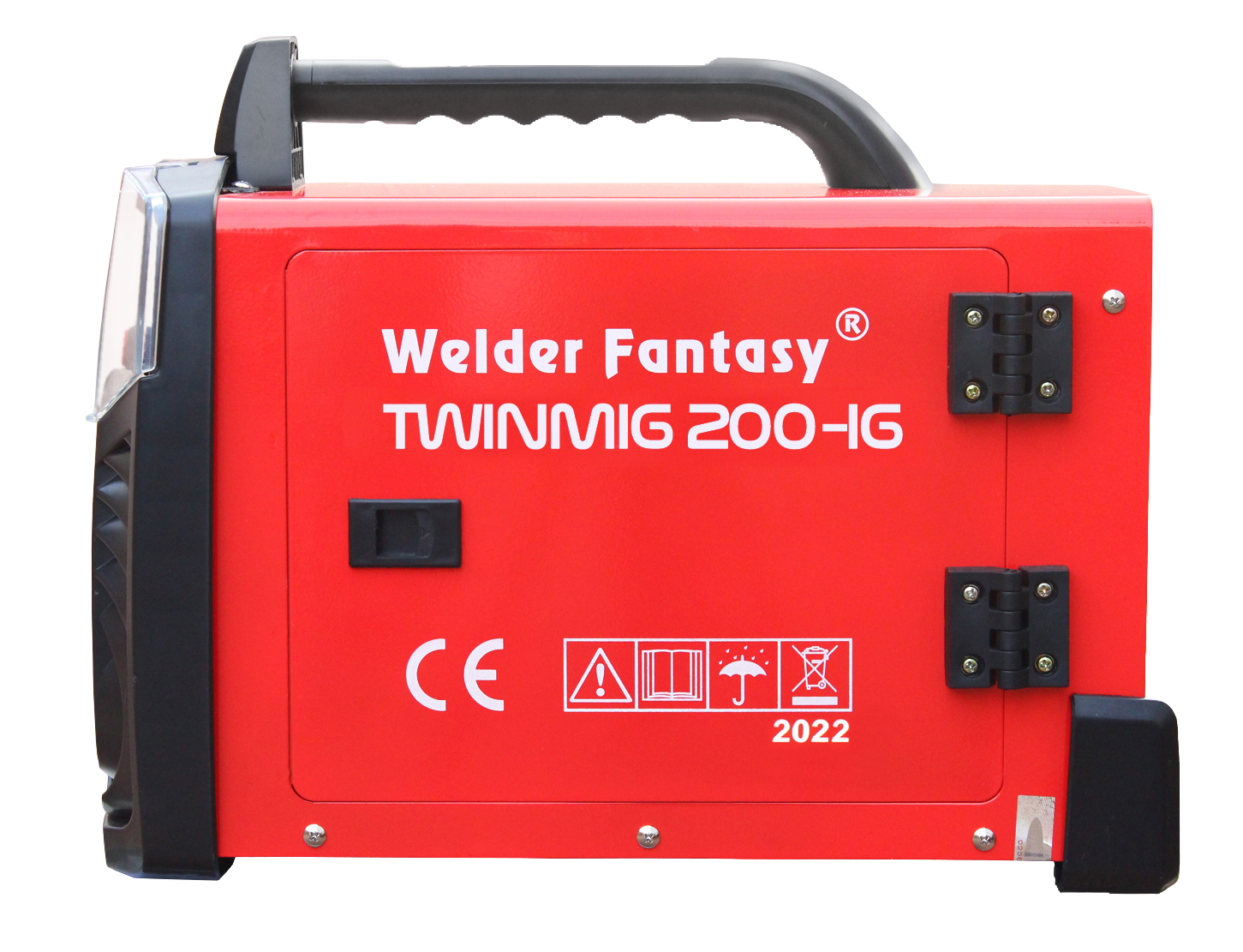
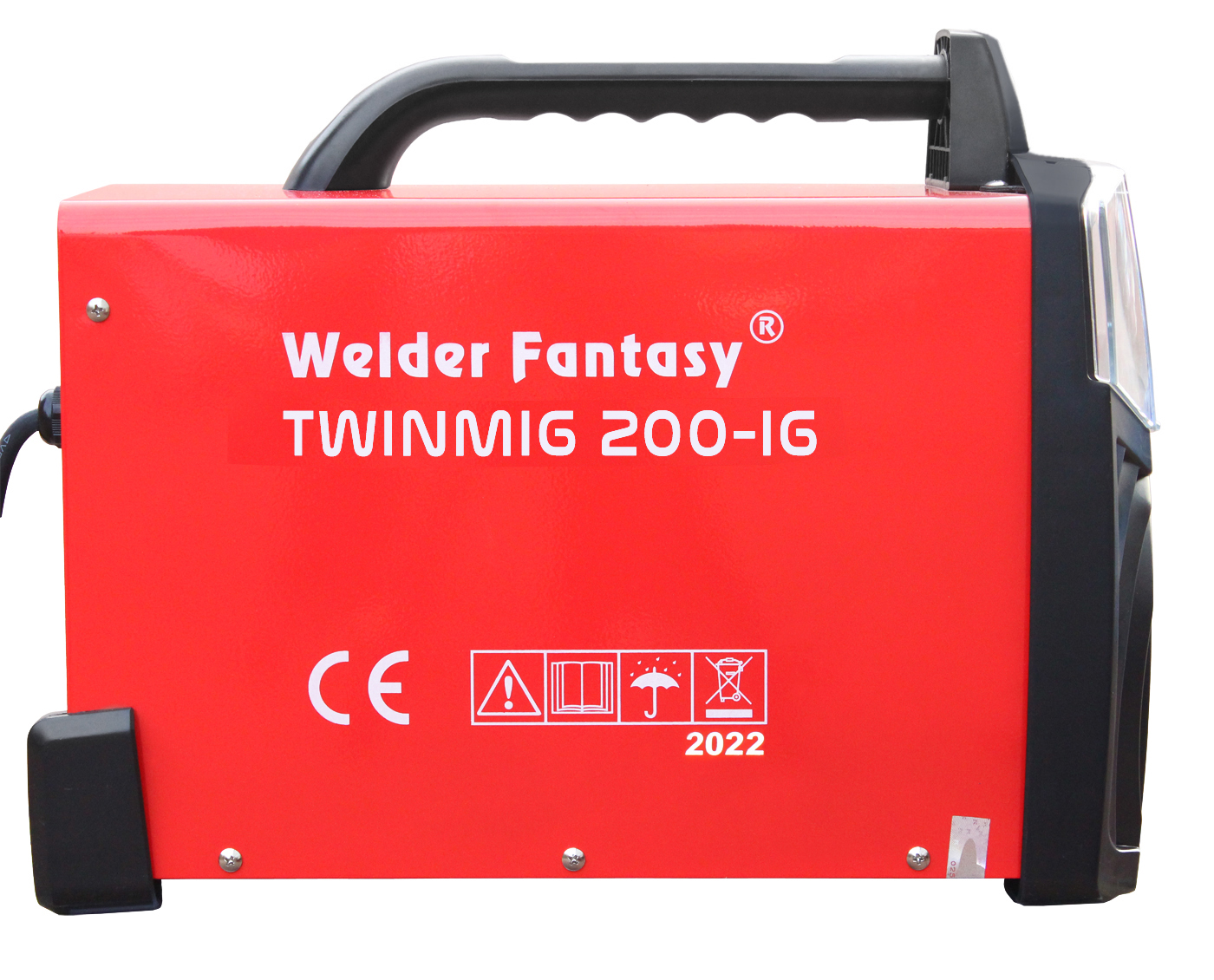
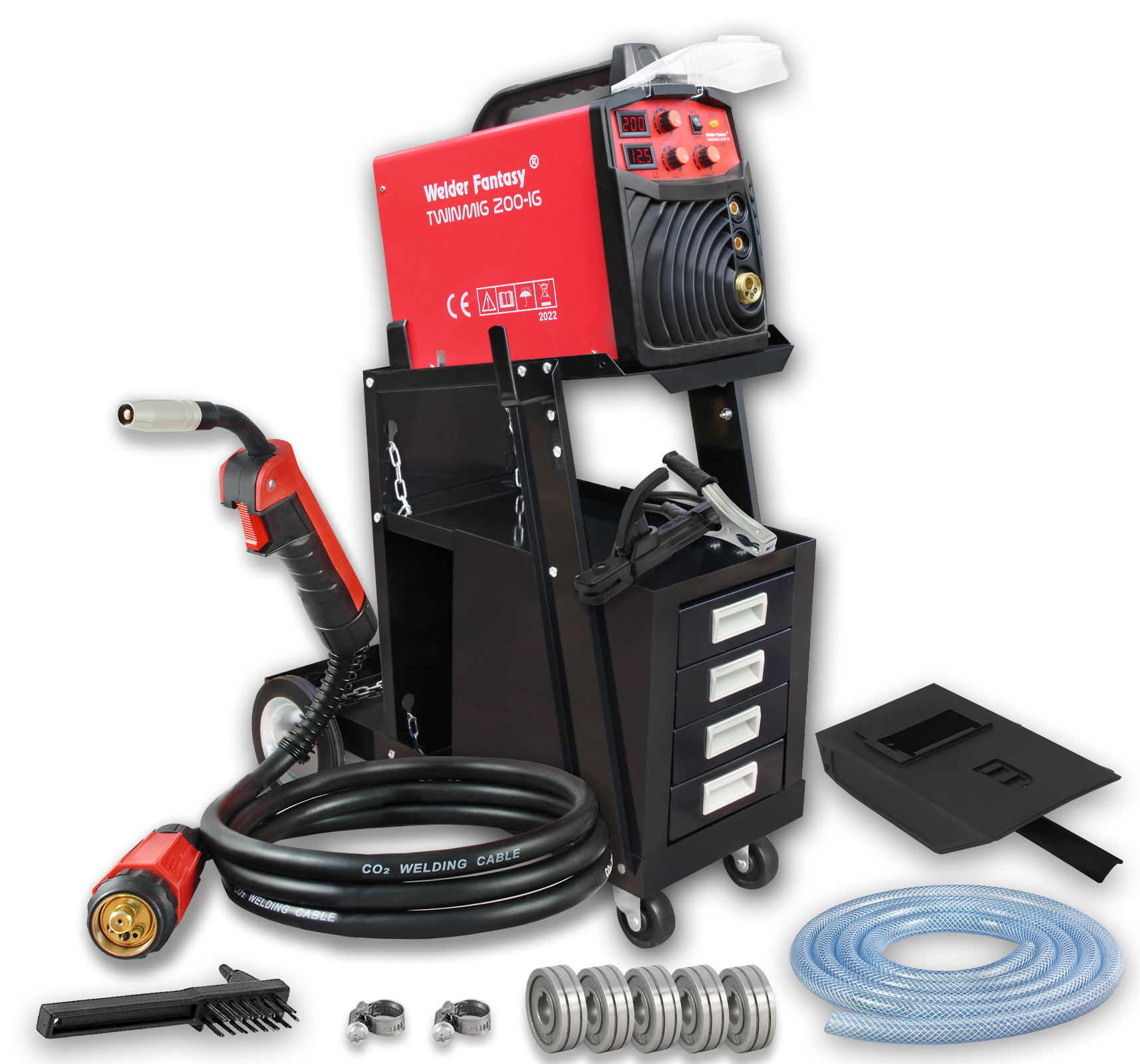
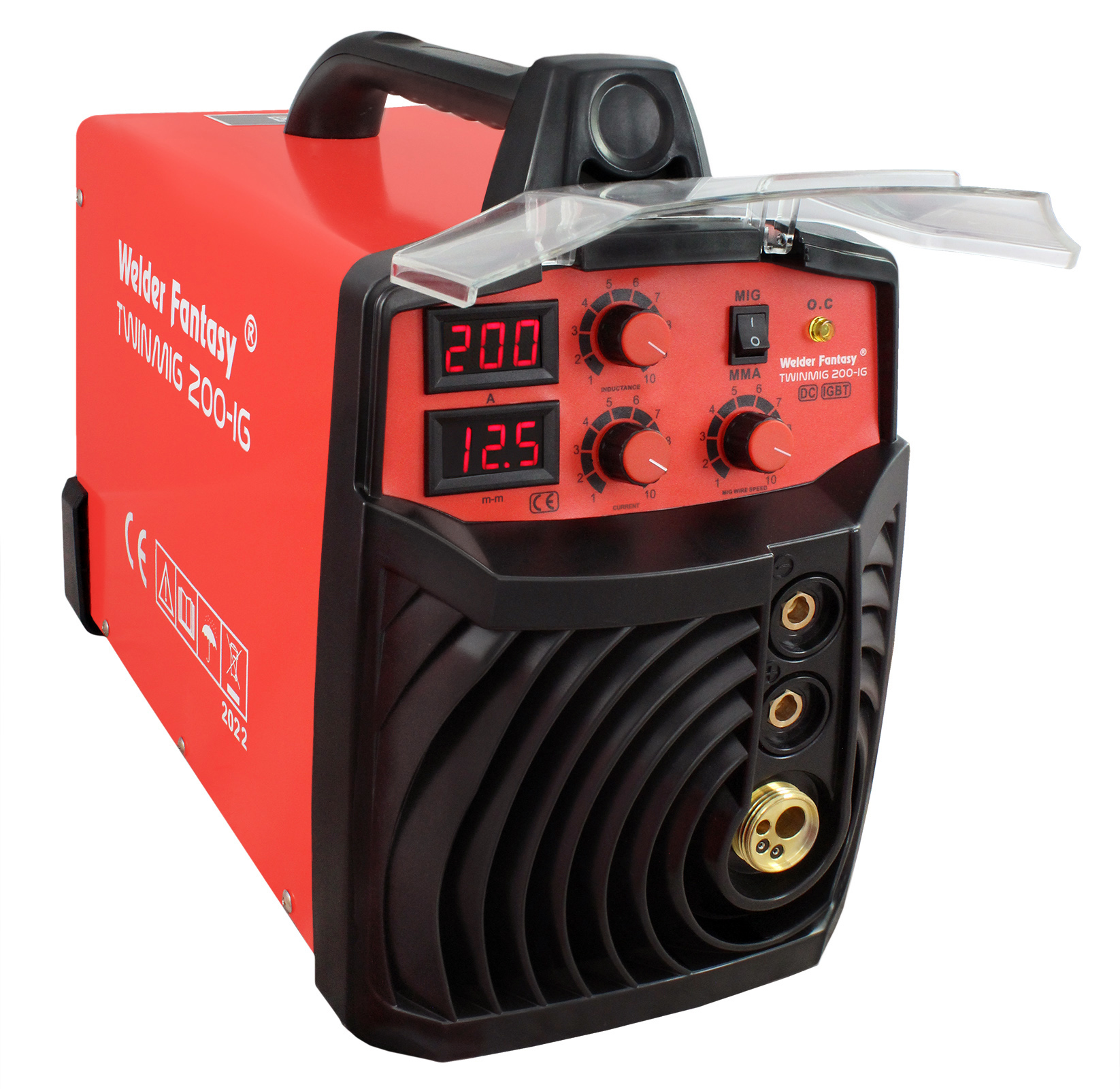
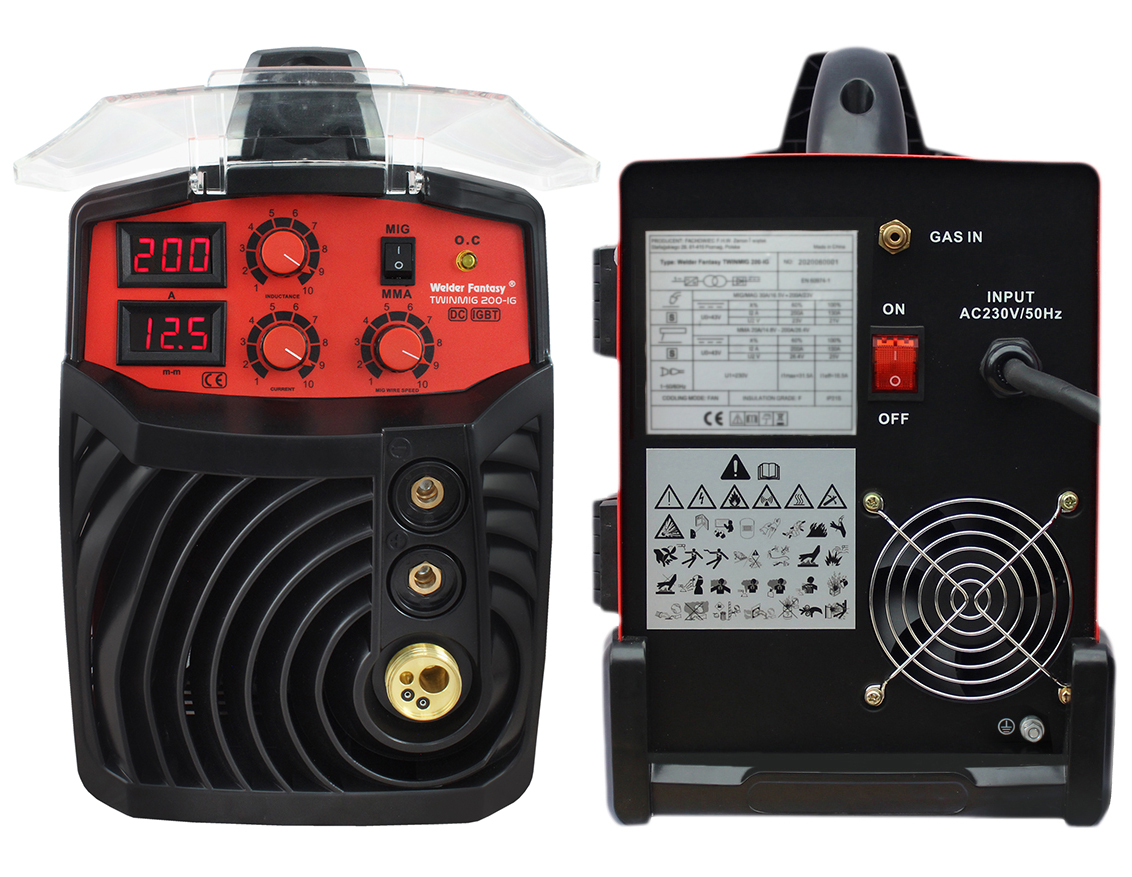
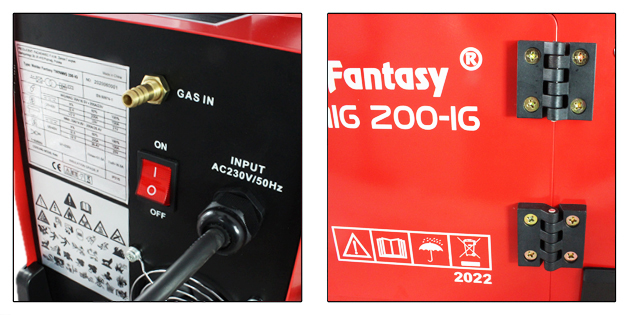
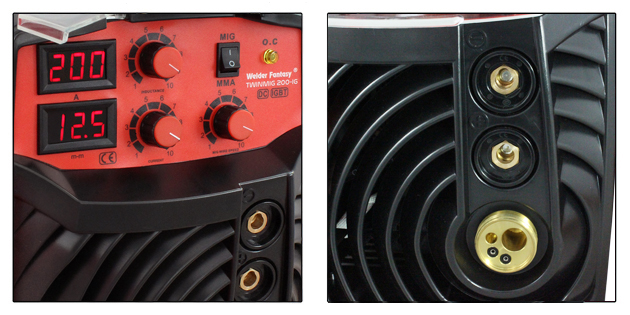
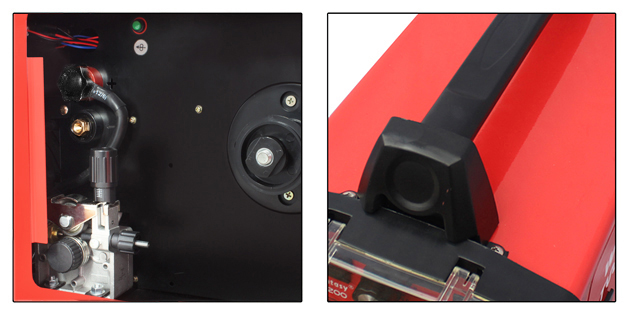
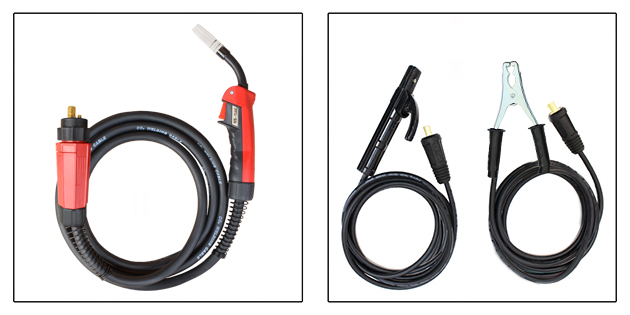
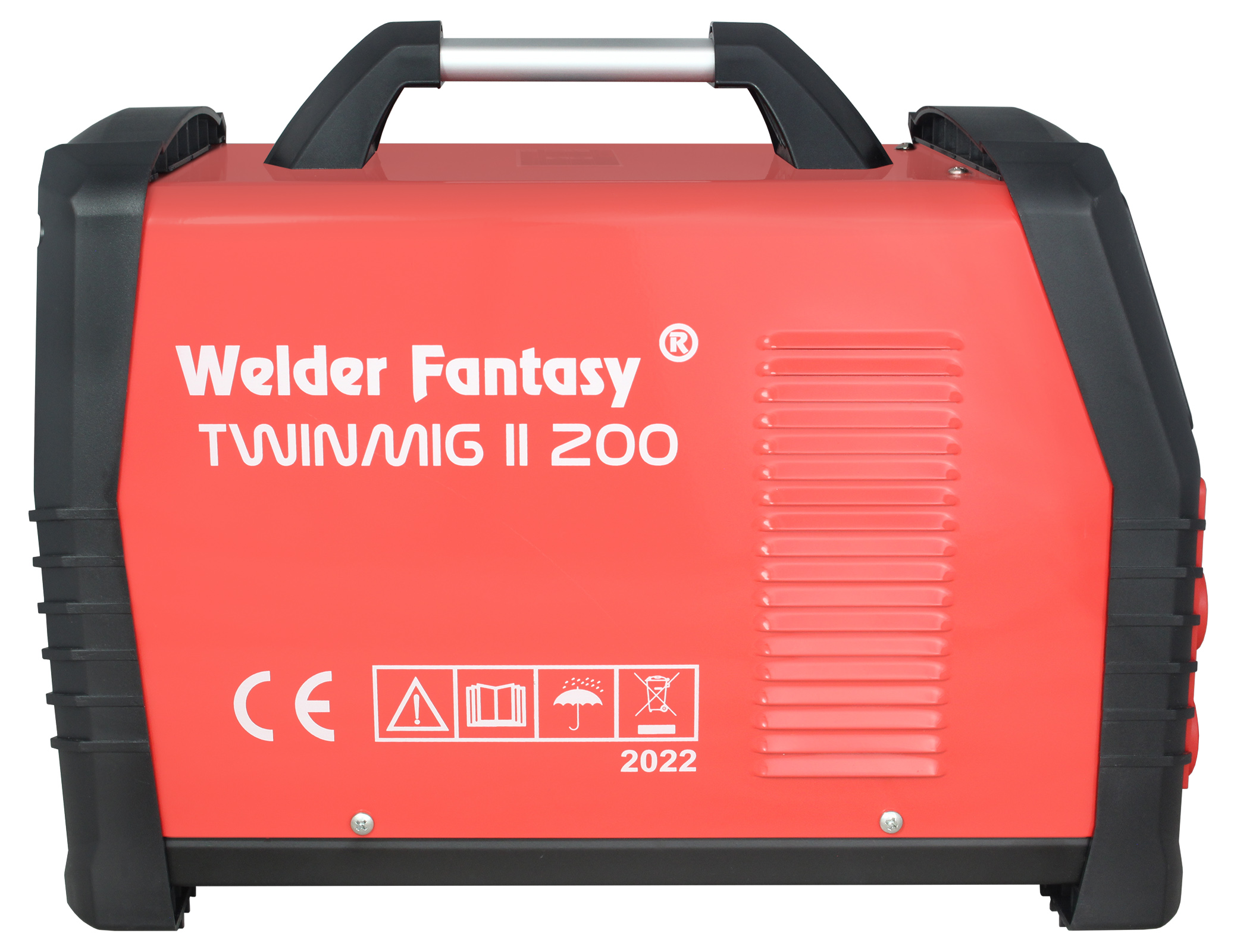
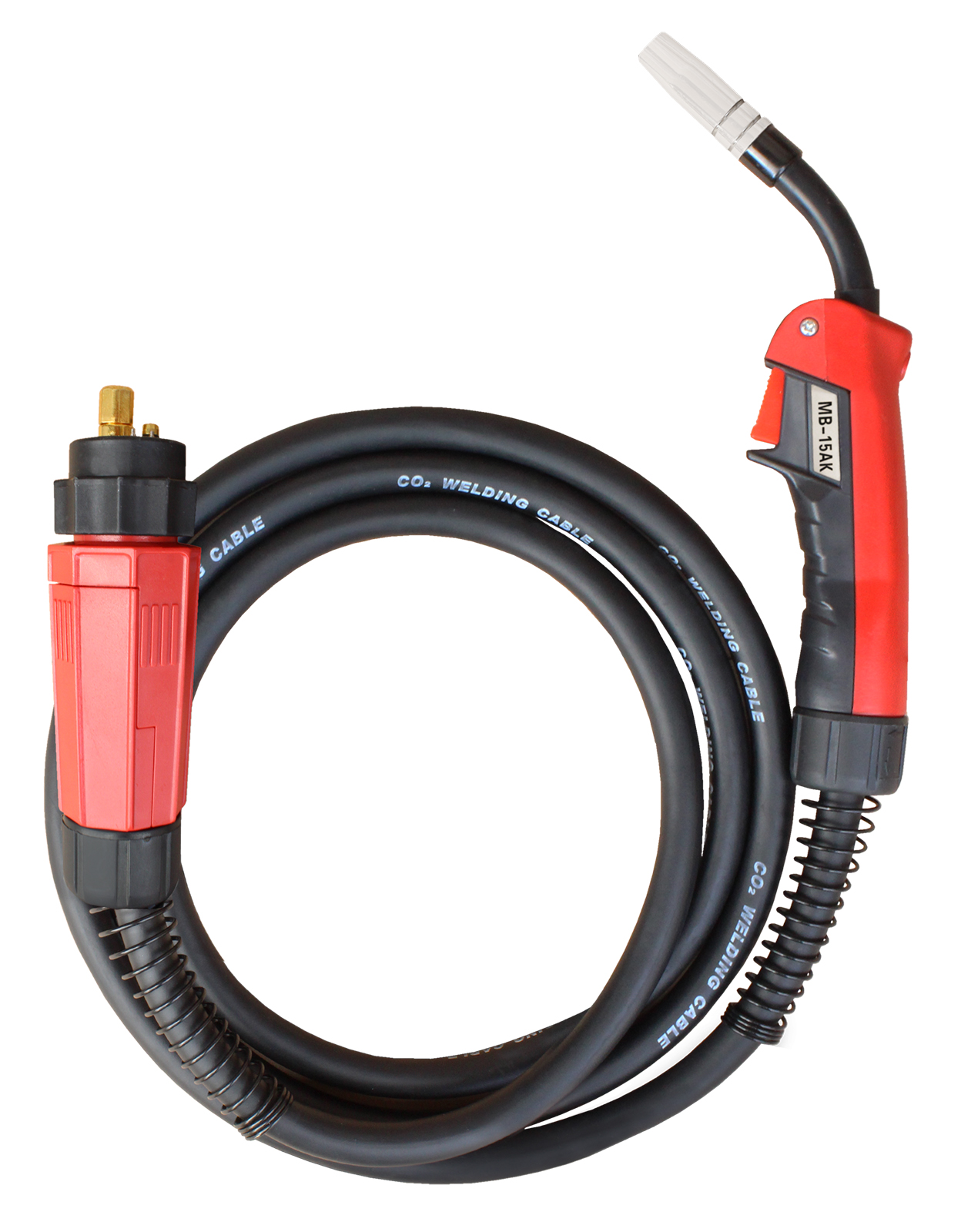
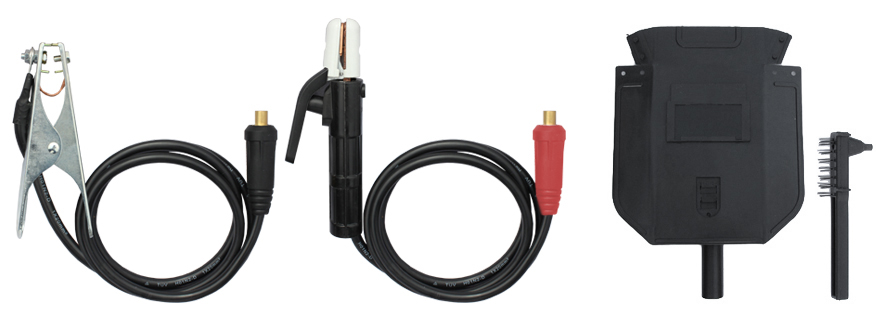
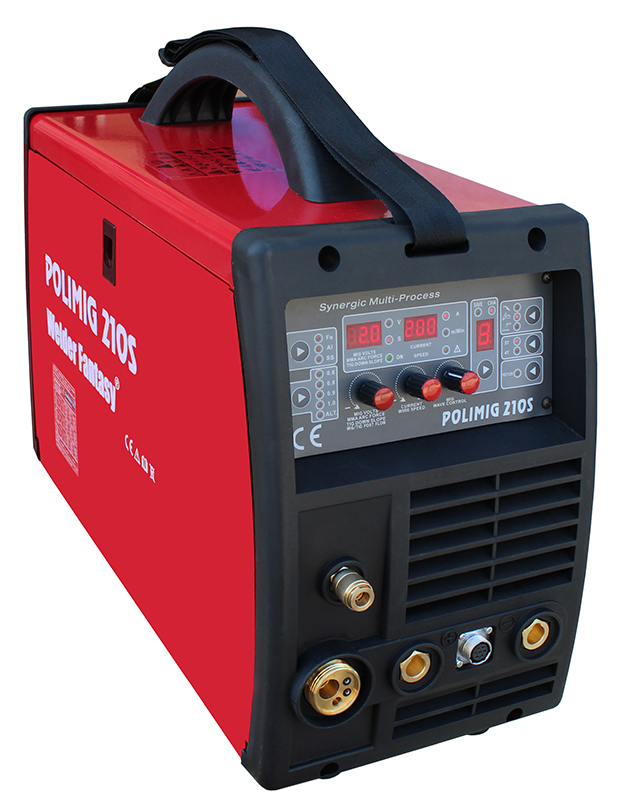
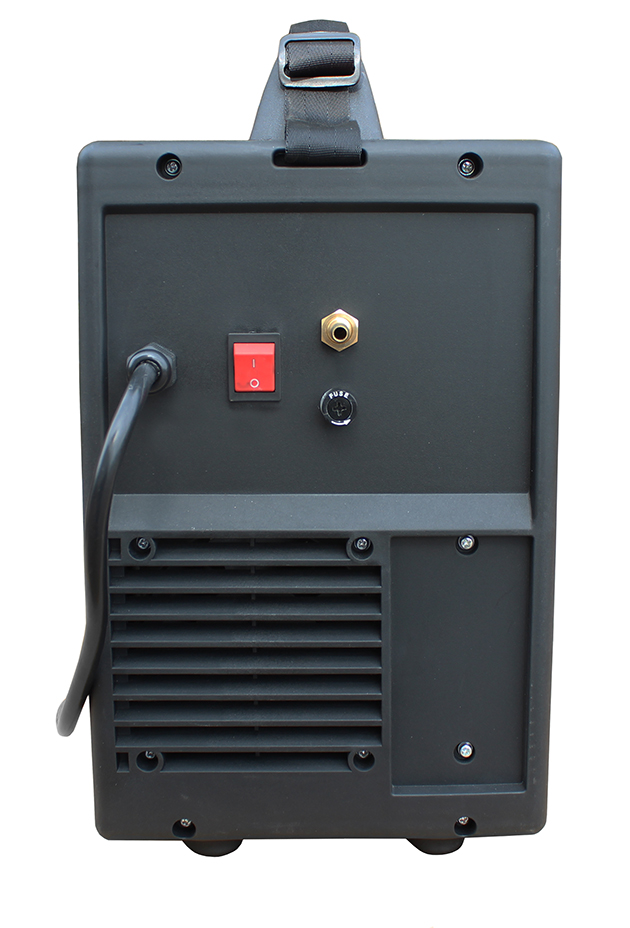
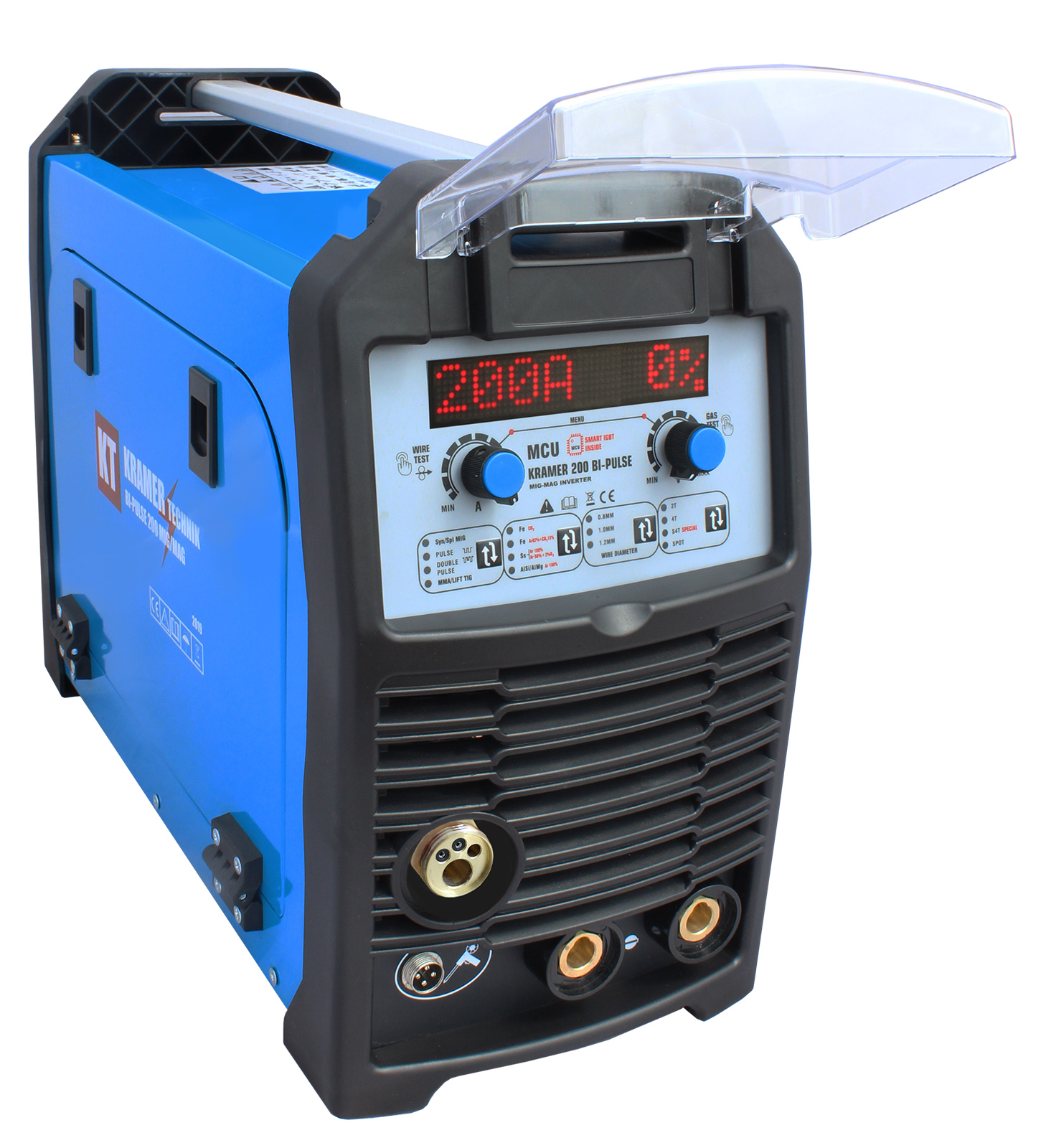
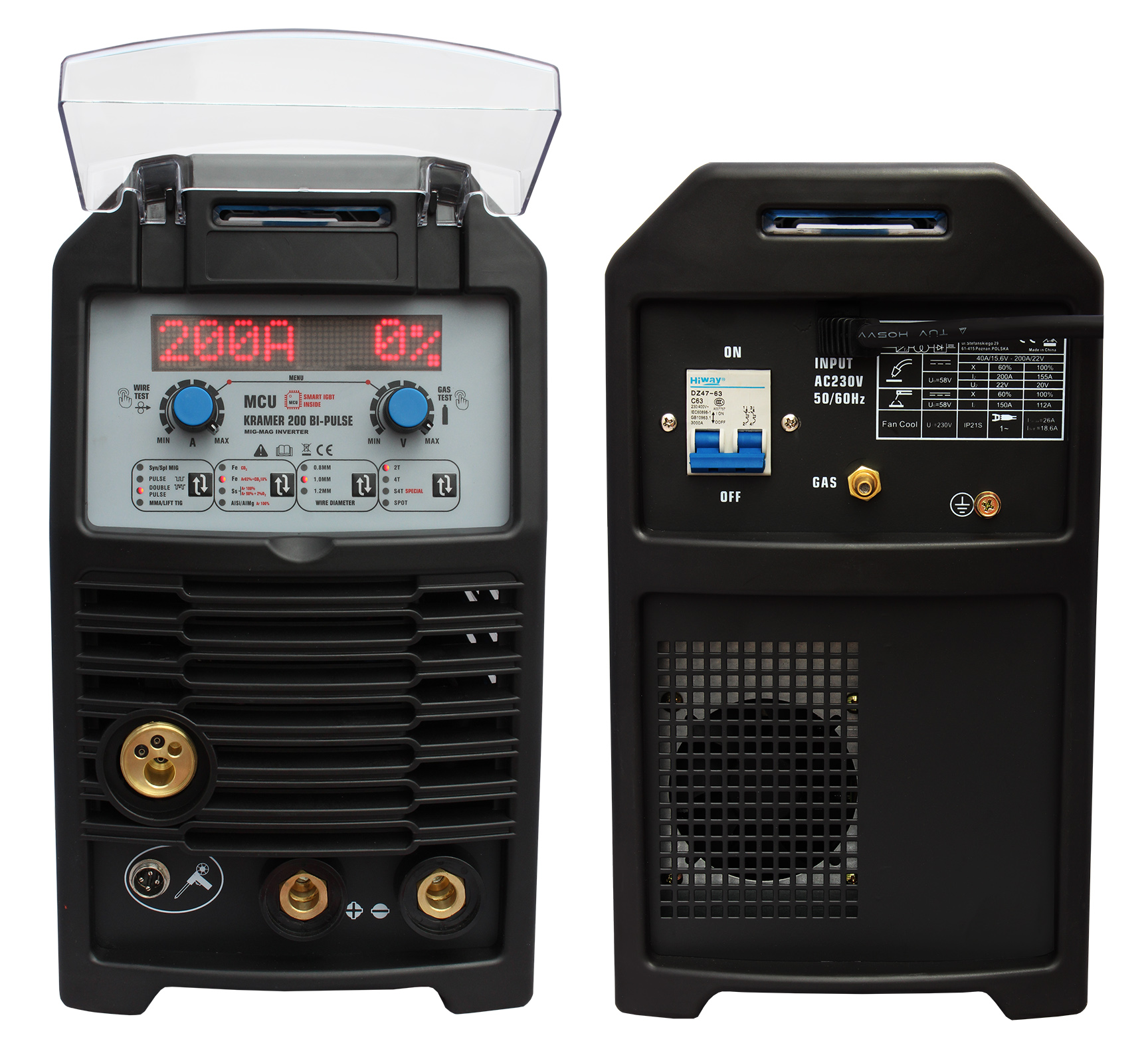
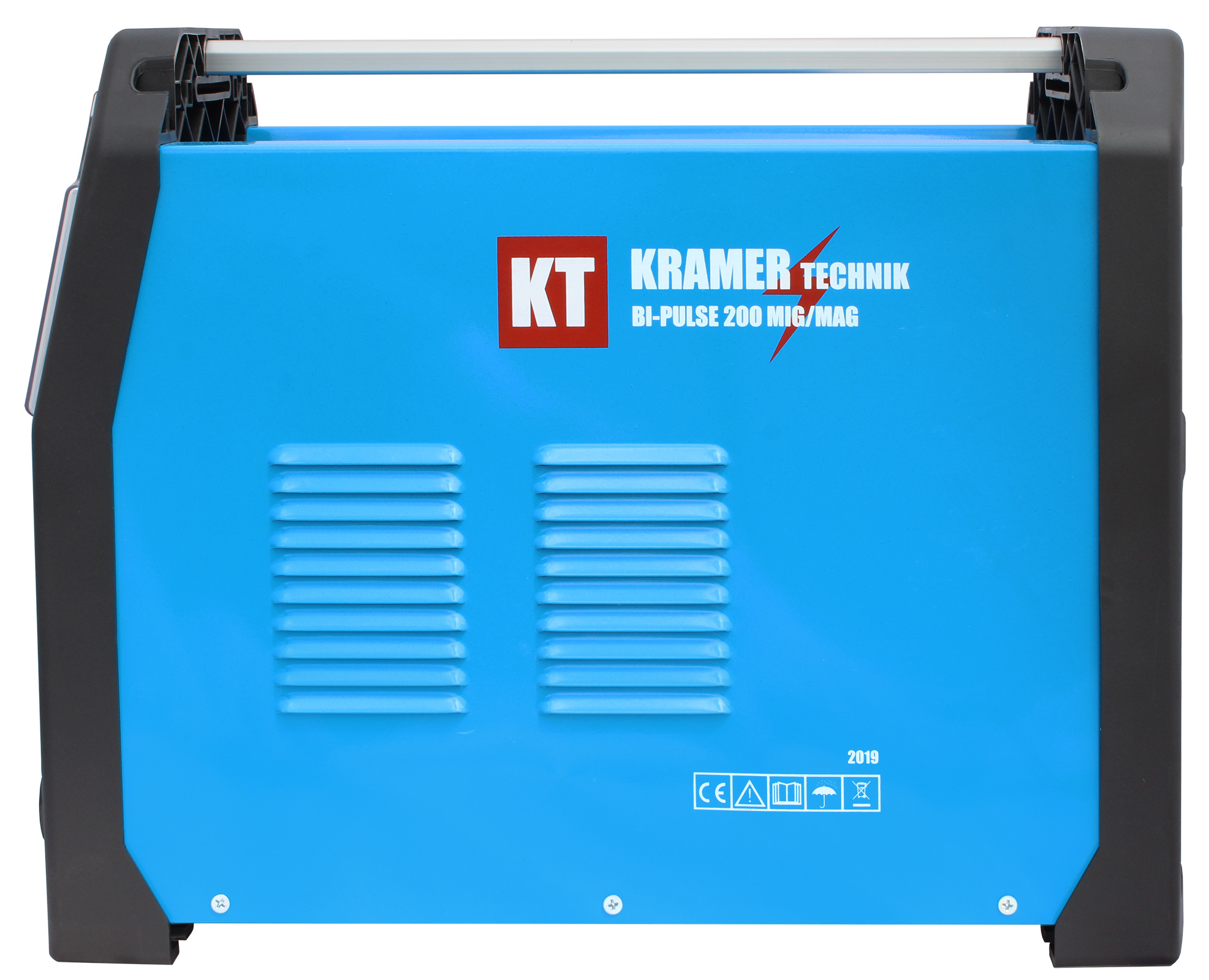
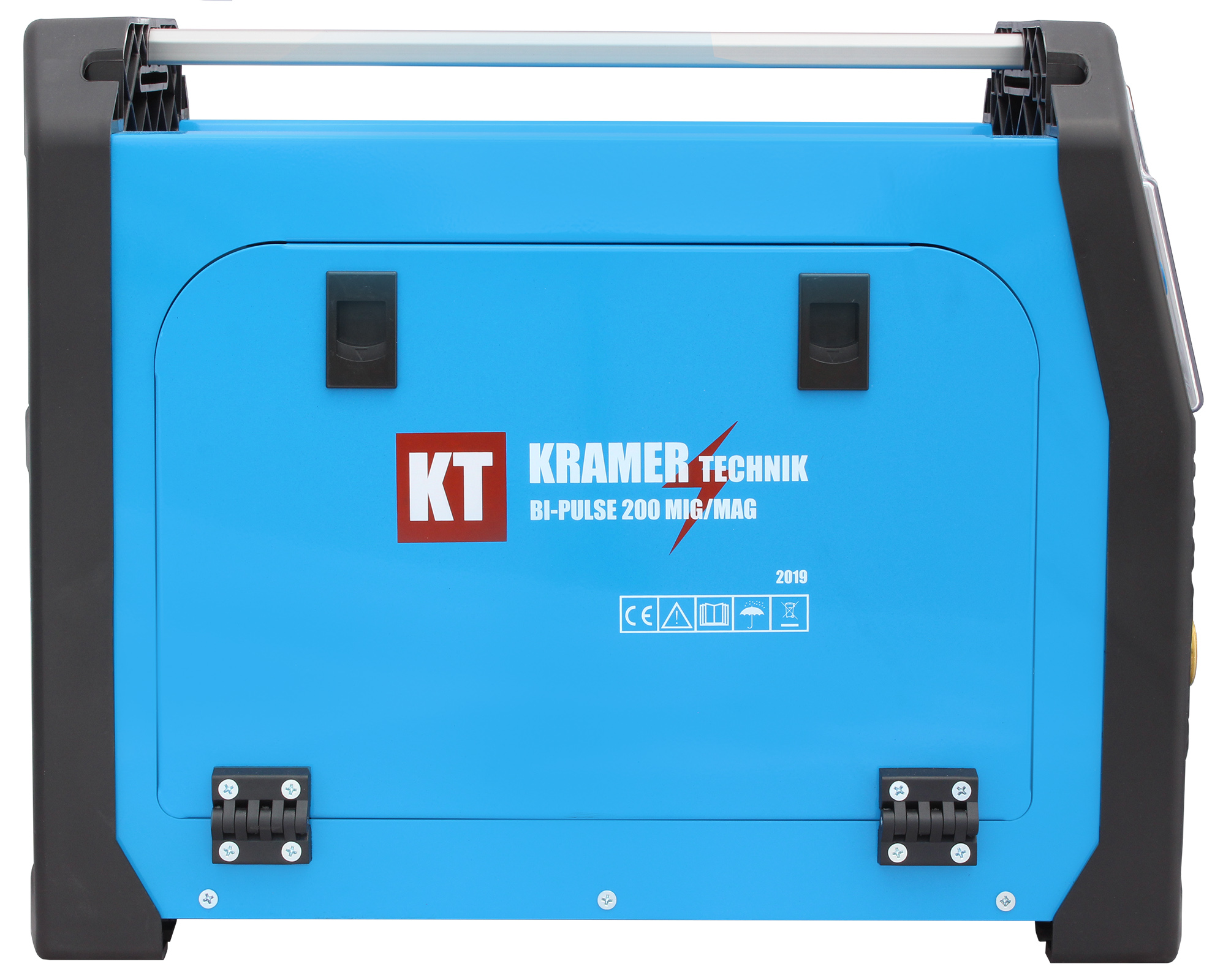
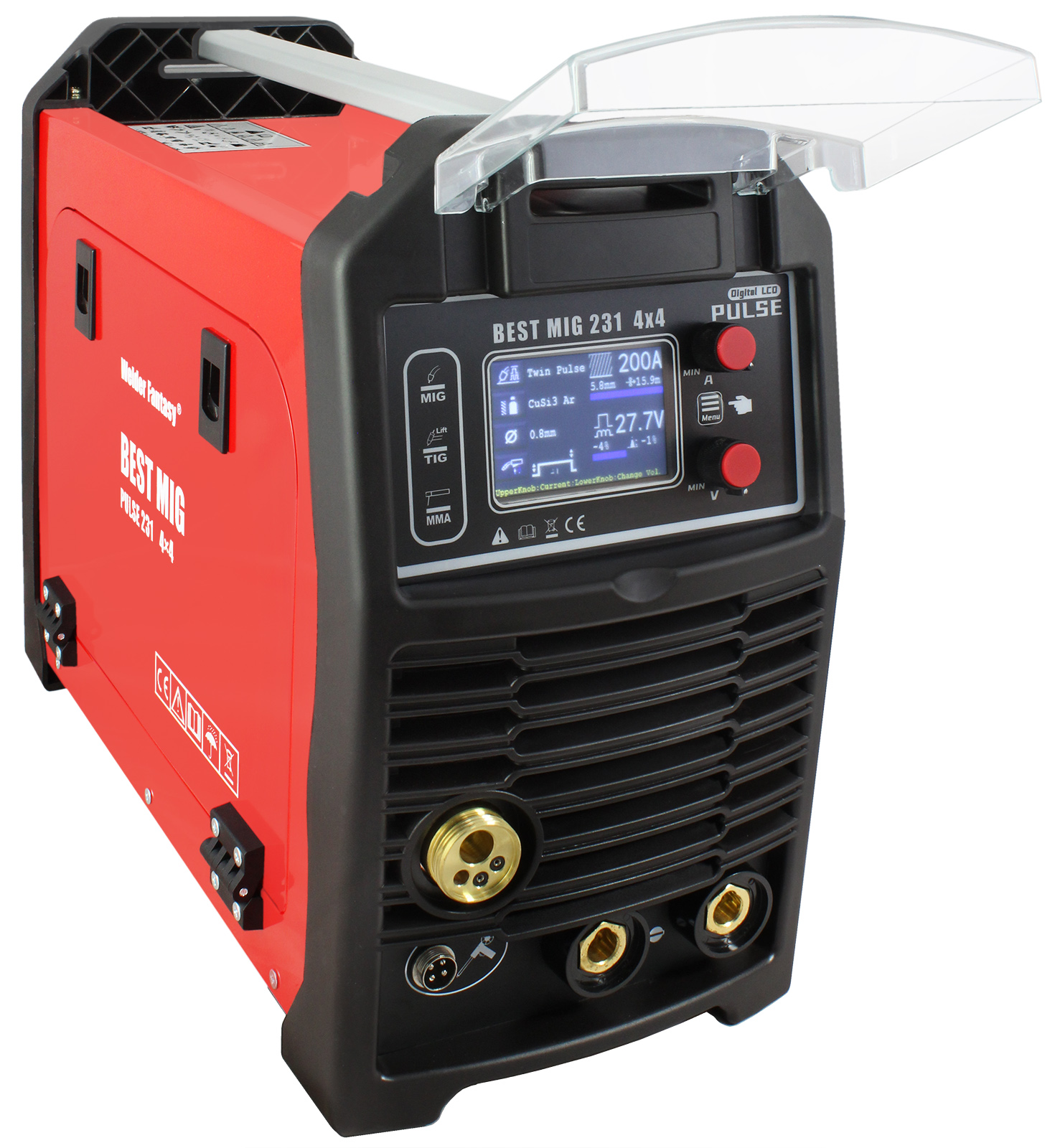
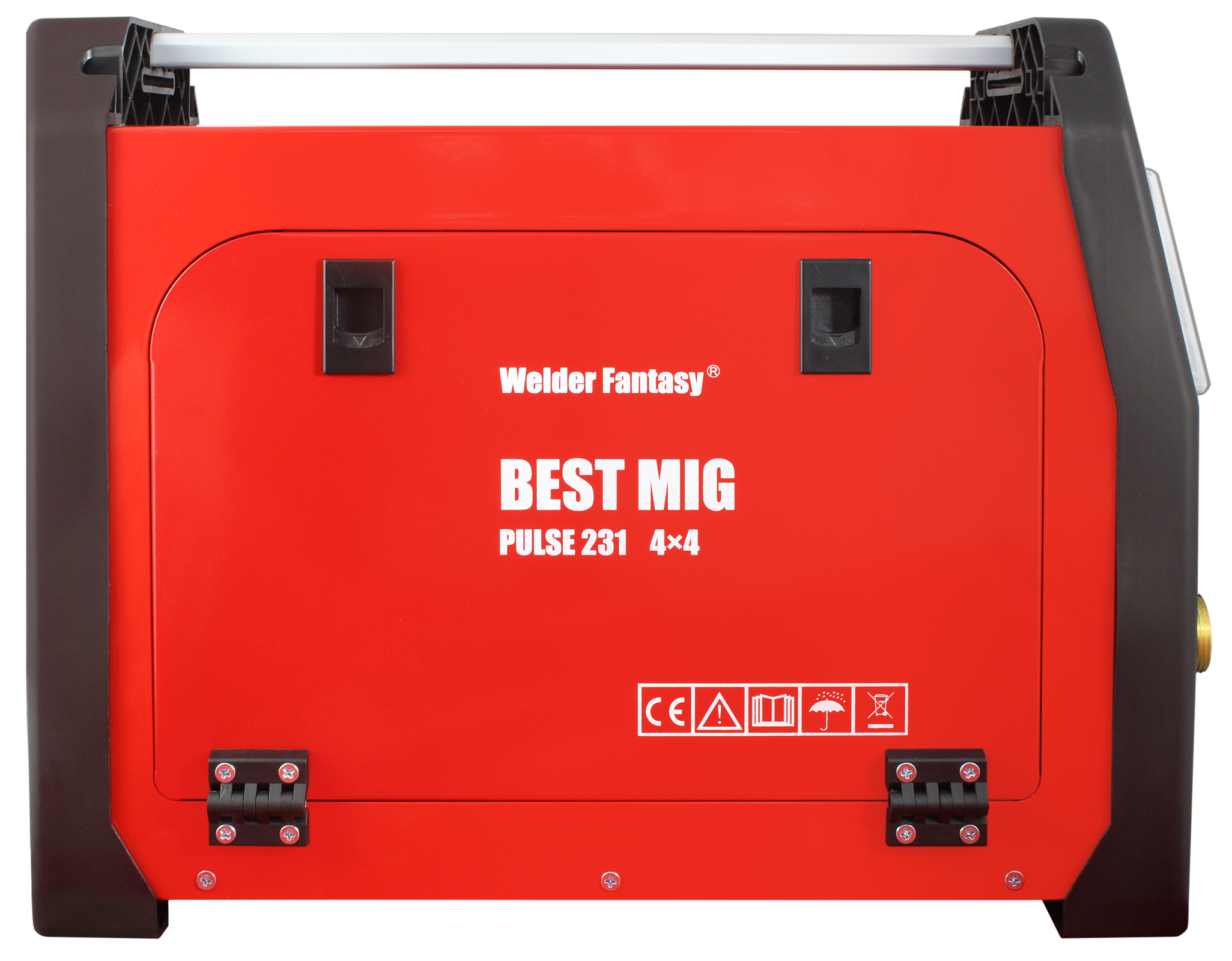
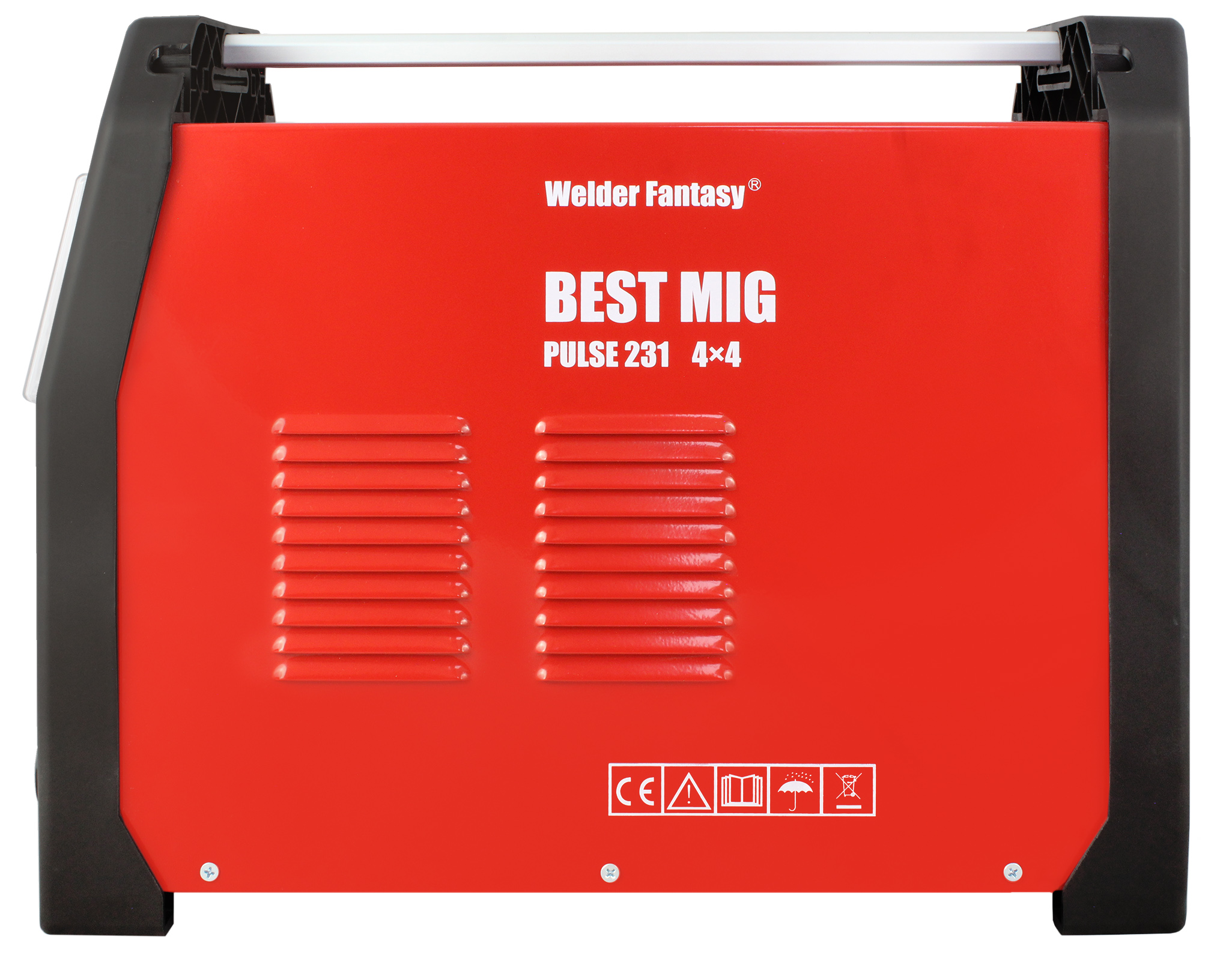
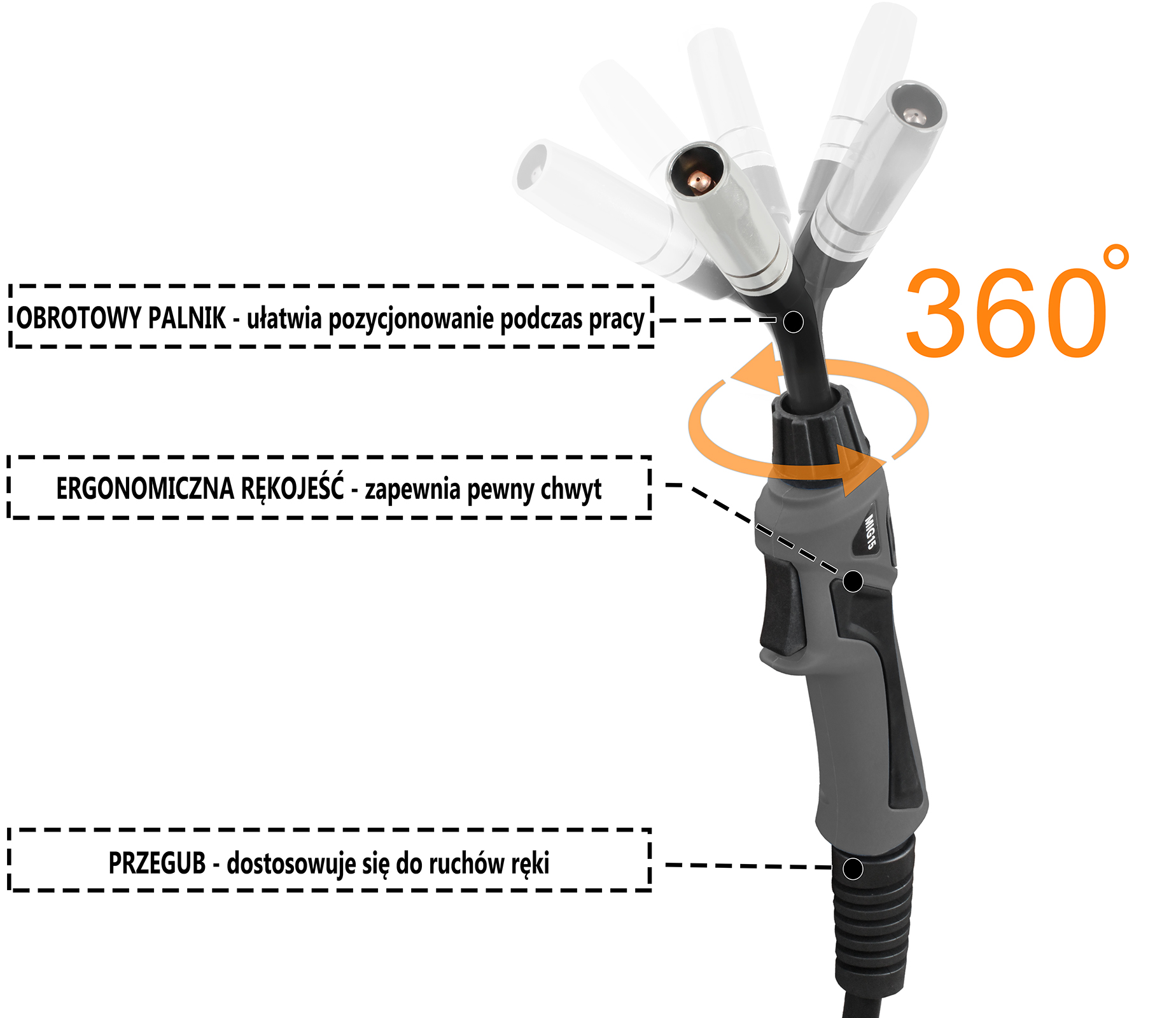
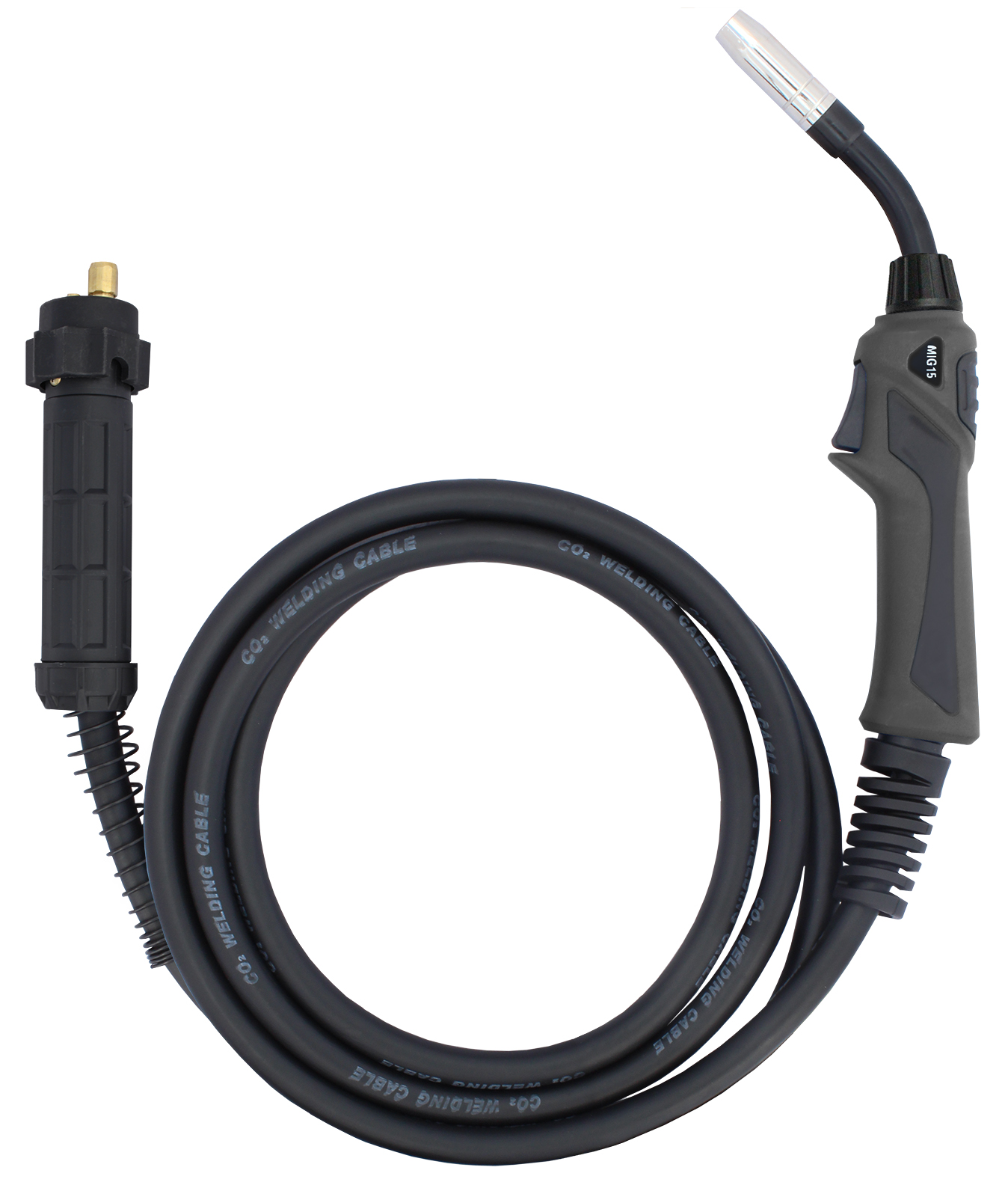
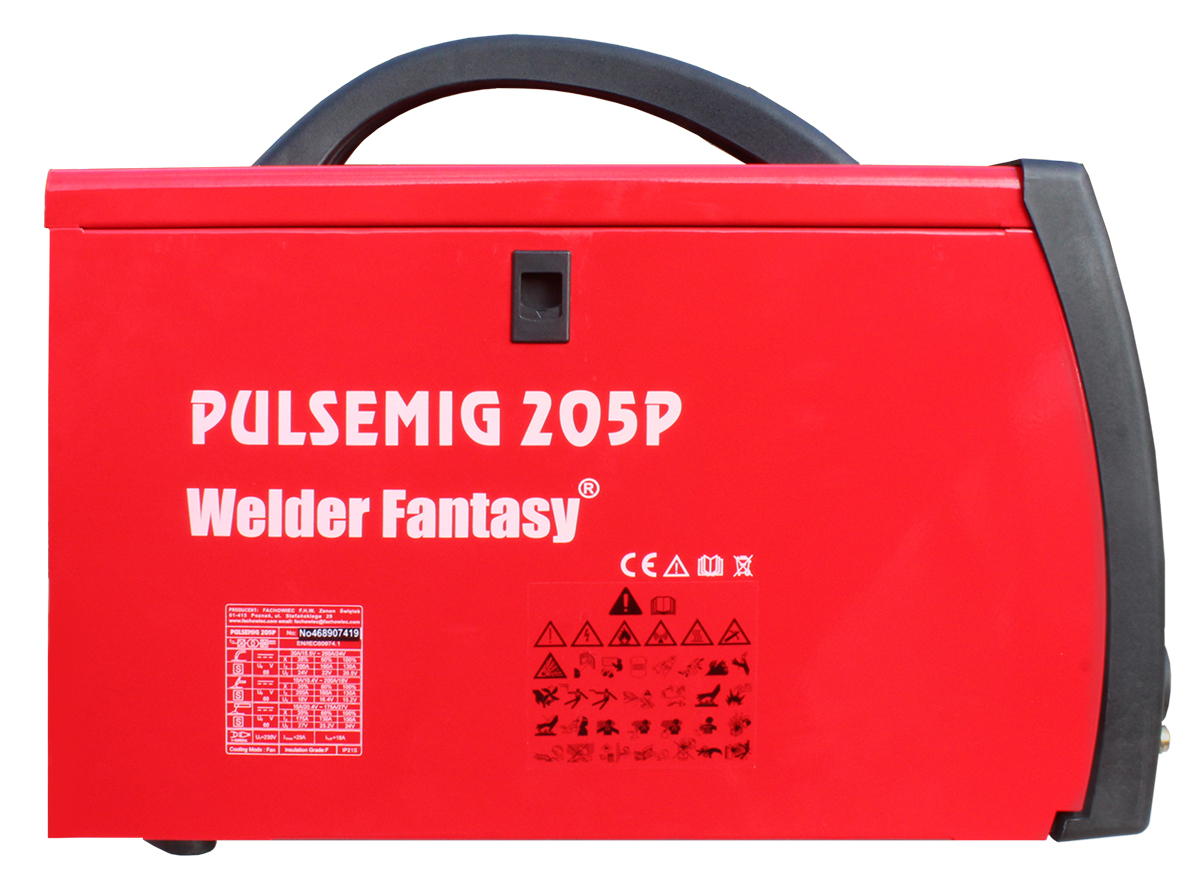
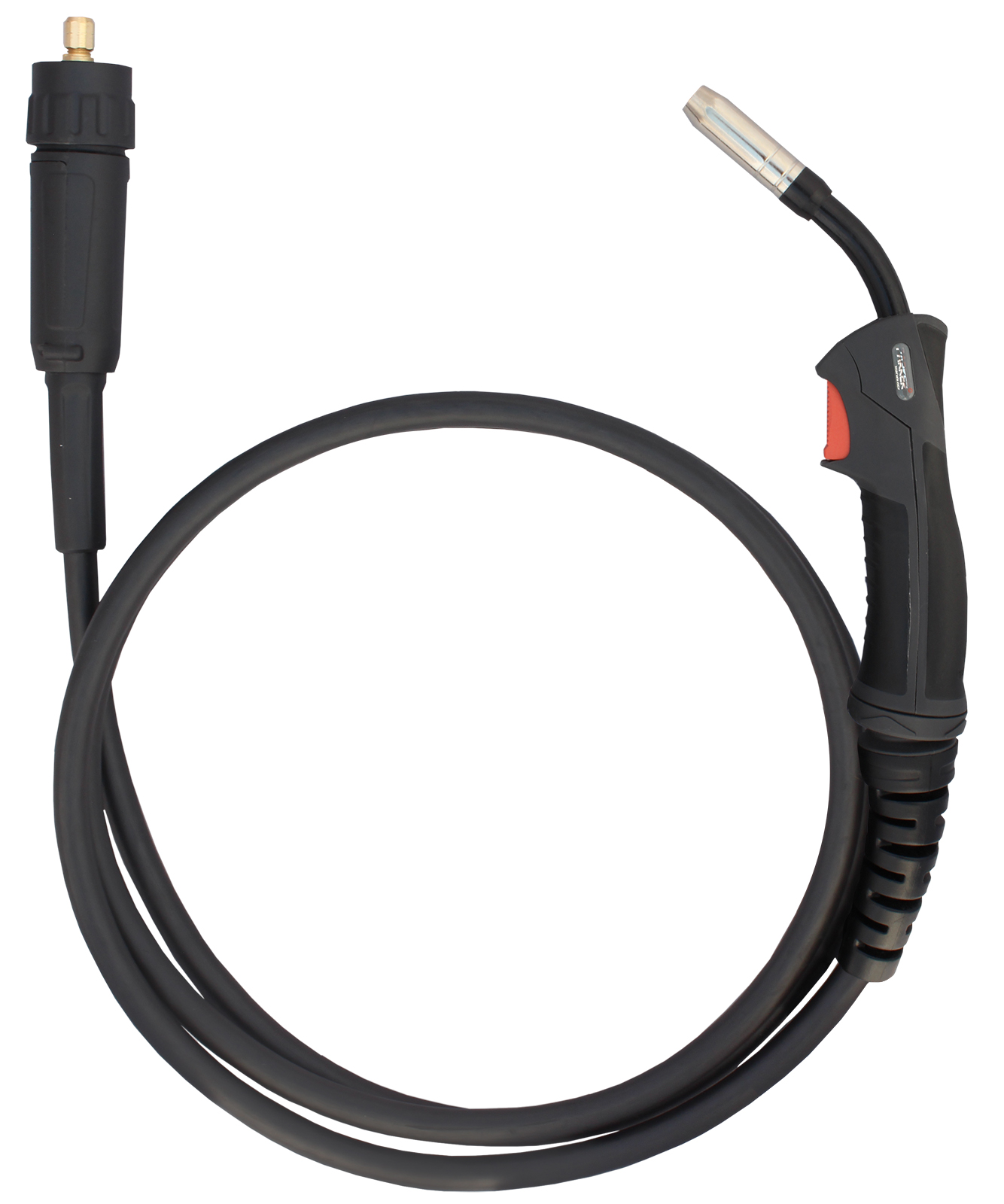
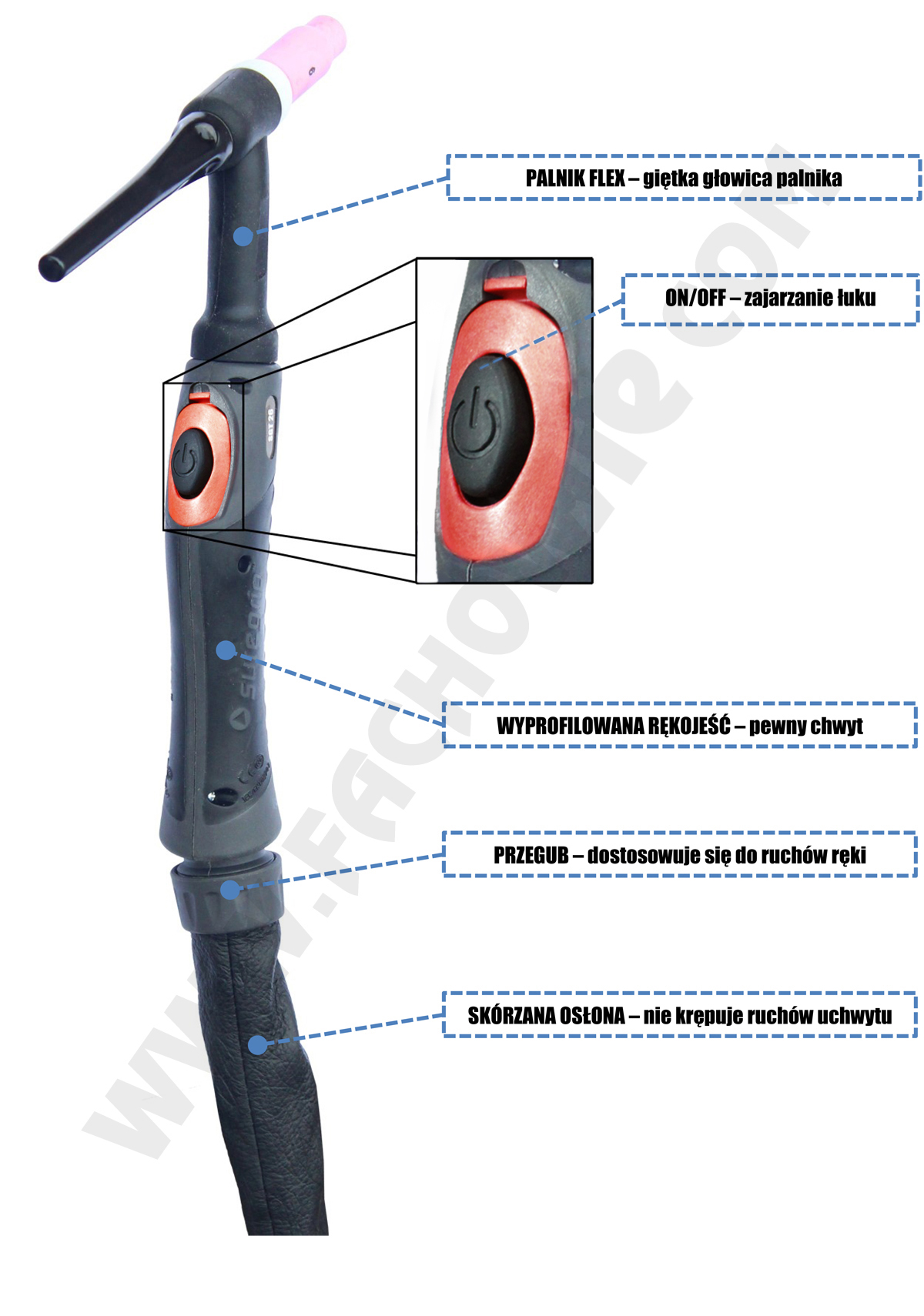
What is a multifunctional MIG/MAG welder?
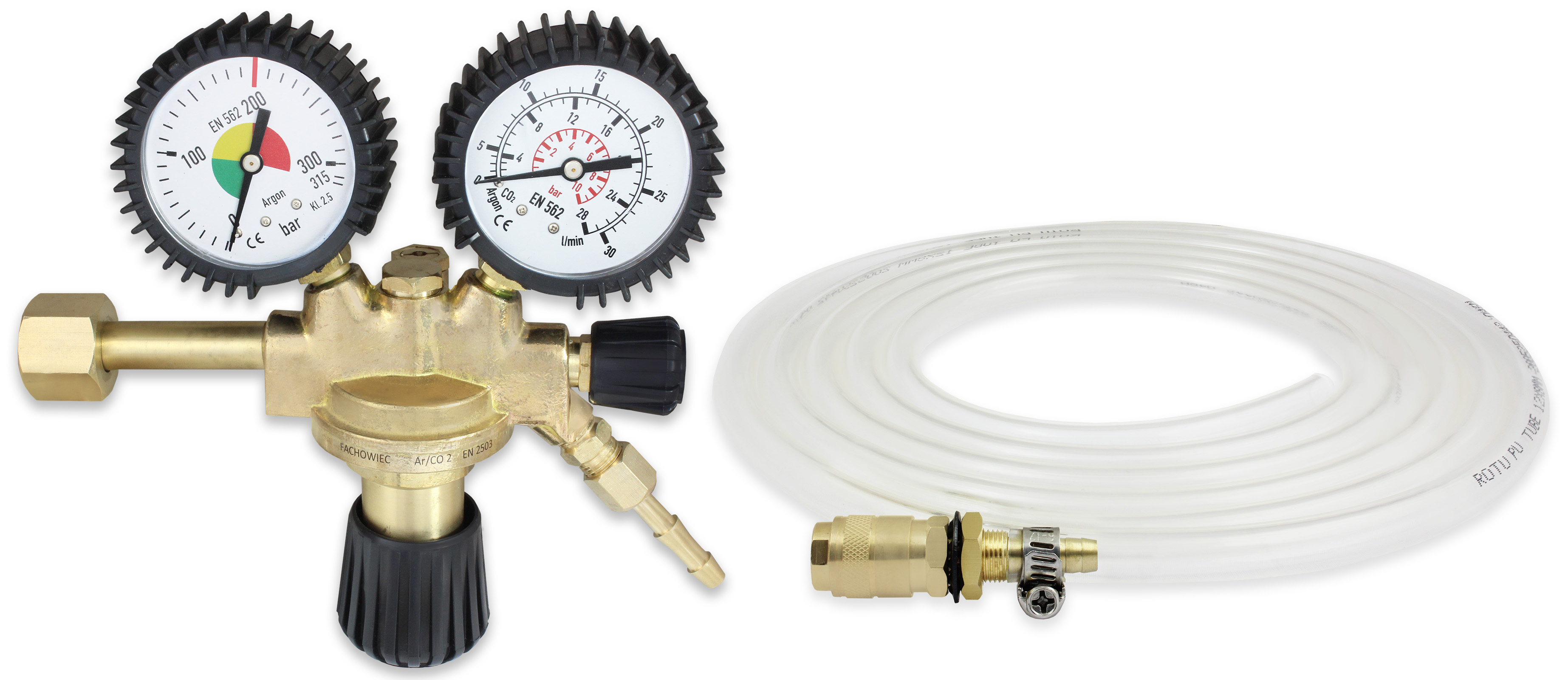
It involves creating an electric arc between a melting electrode (wire) and the welded material. The wire is fed automatically, and the weld is protected by a shielding gas that prevents atmospheric influence.
Uses inert gases, such as argon, for welding non-ferrous metals like aluminum and copper.
Uses active gases, such as carbon dioxide or its mixtures, for welding steel.
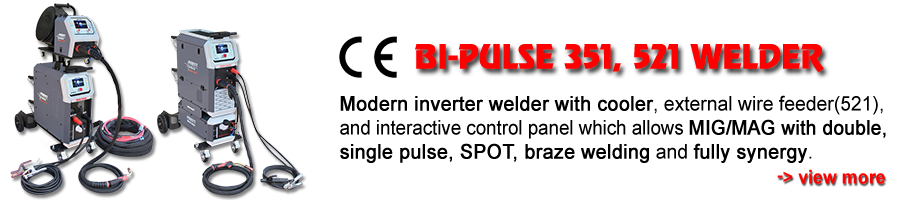
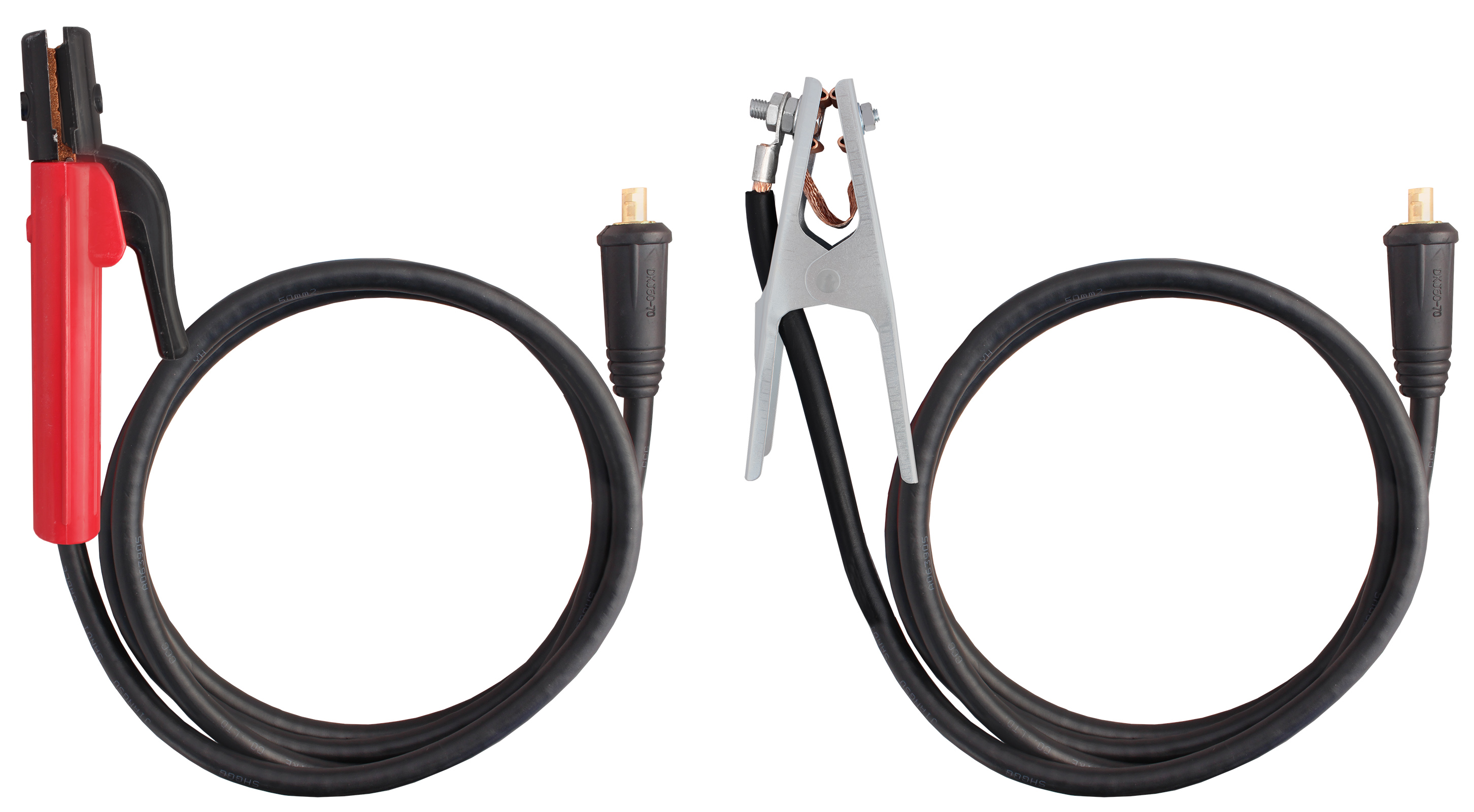
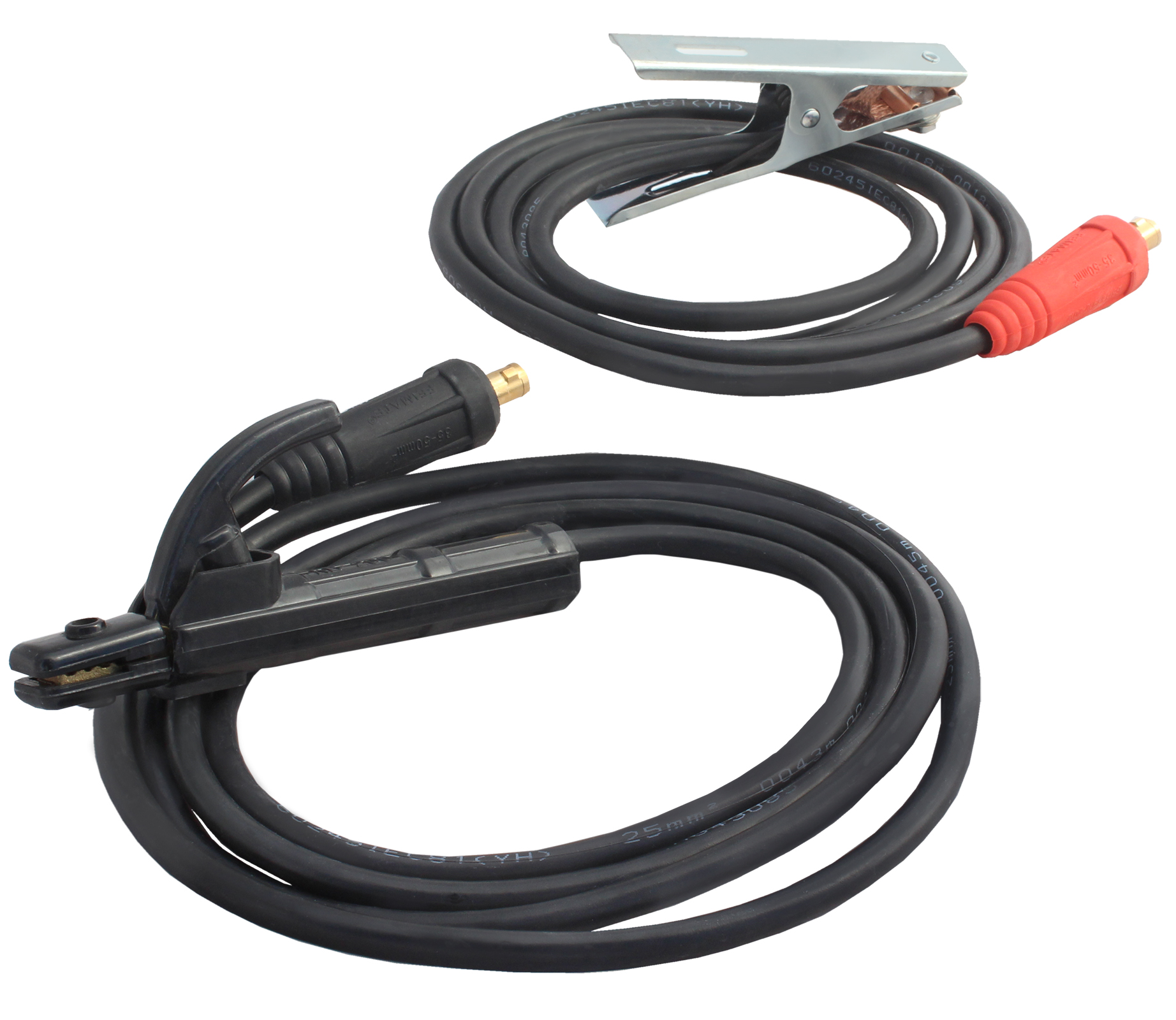
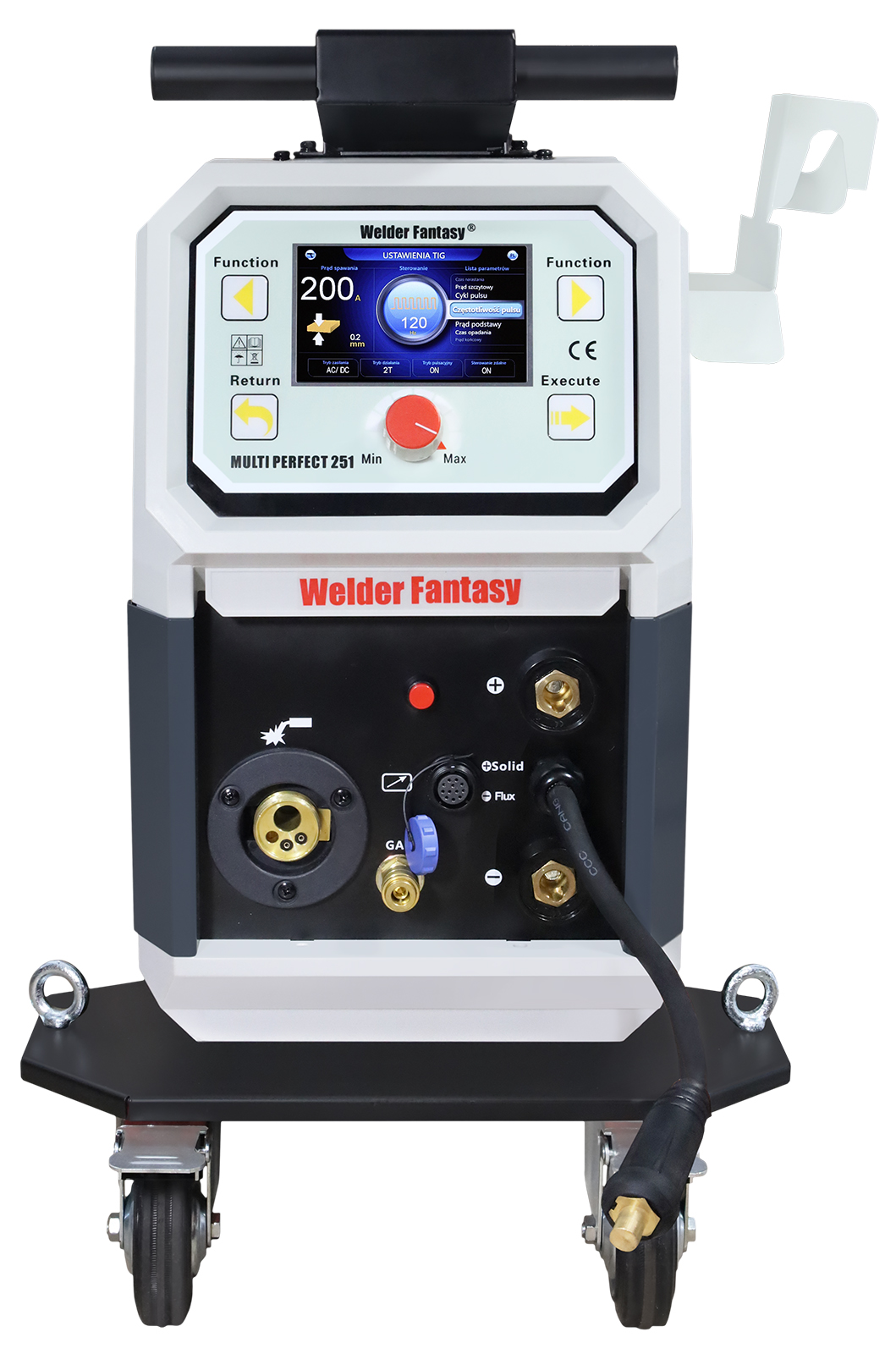
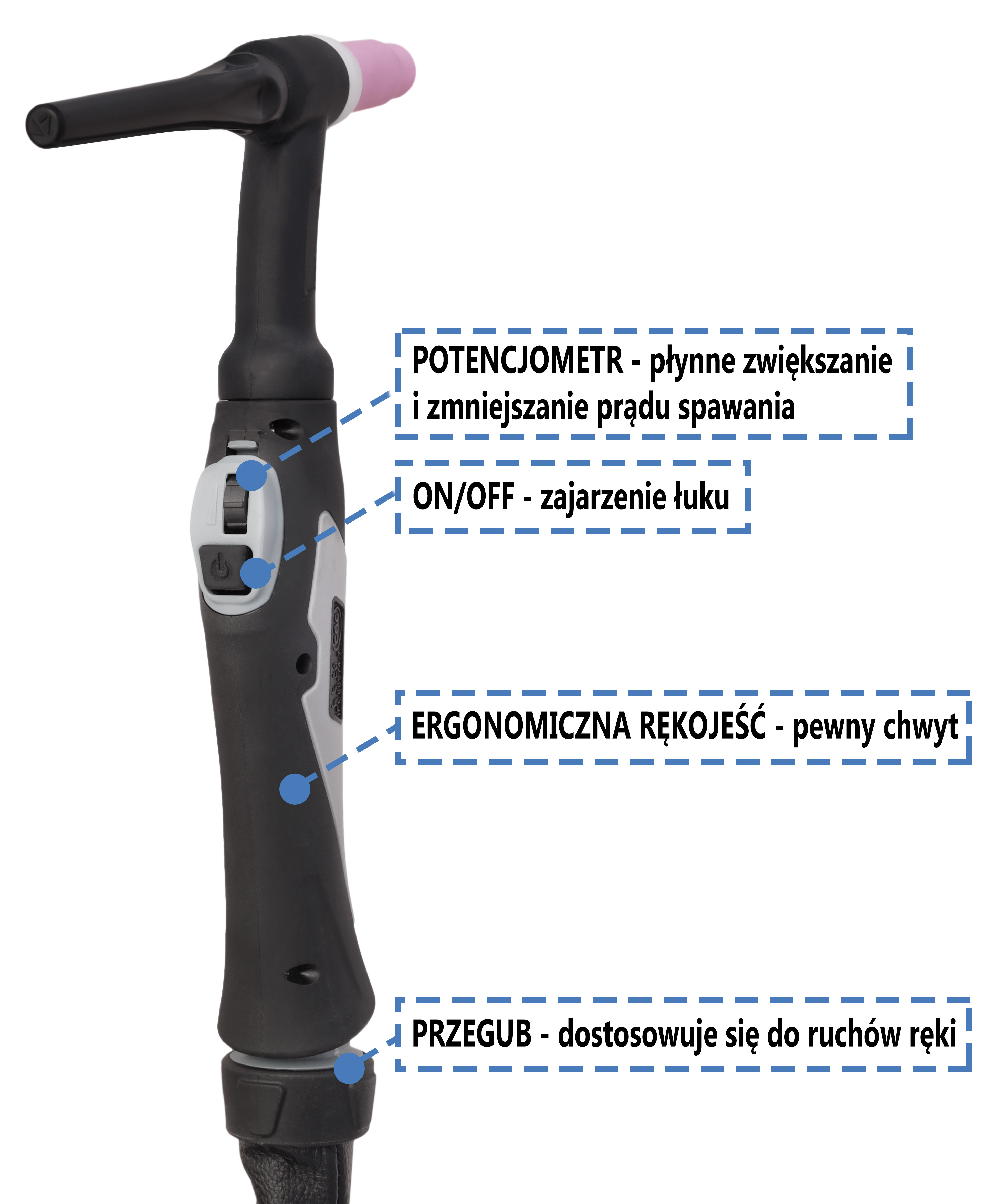
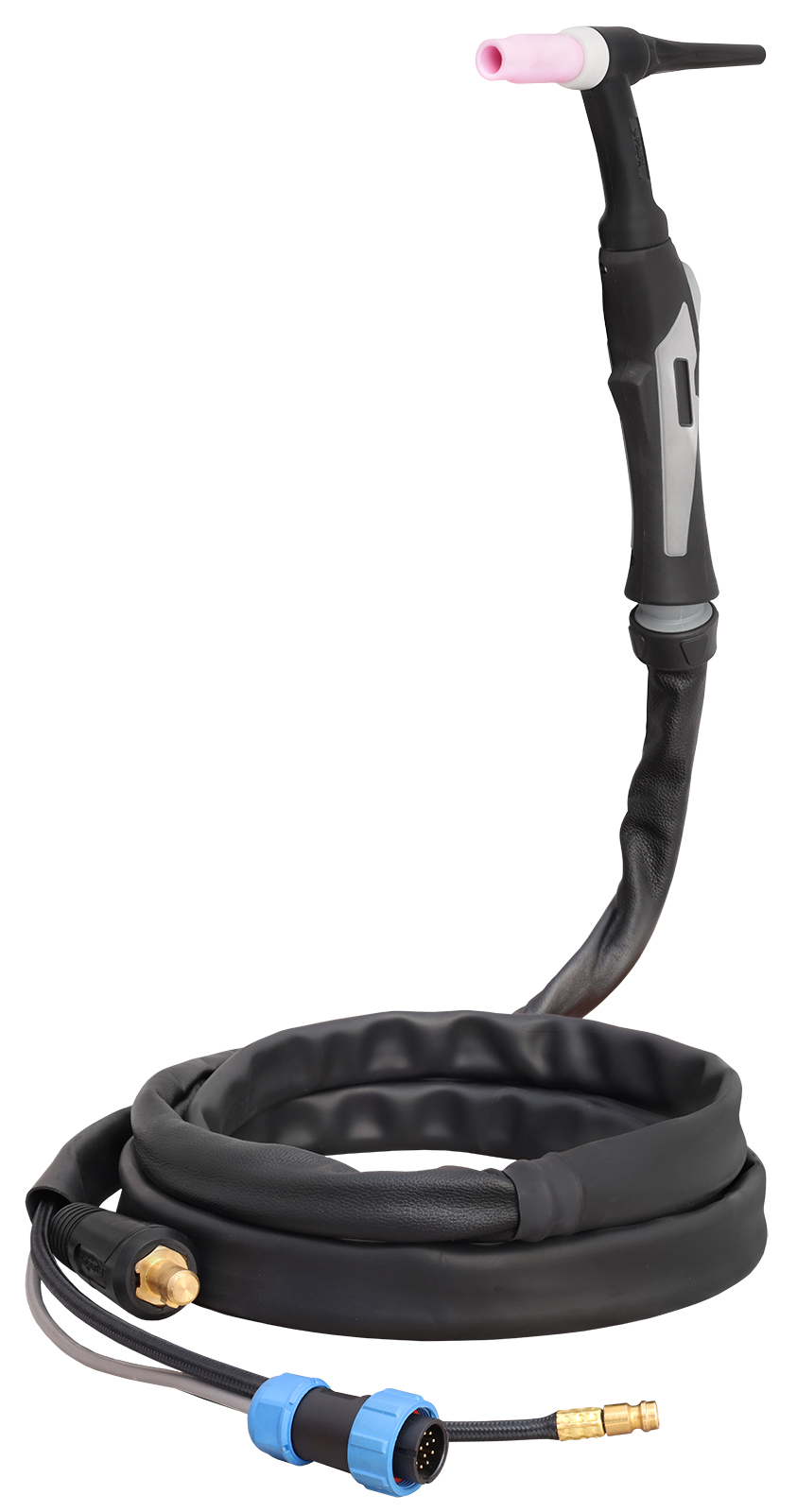
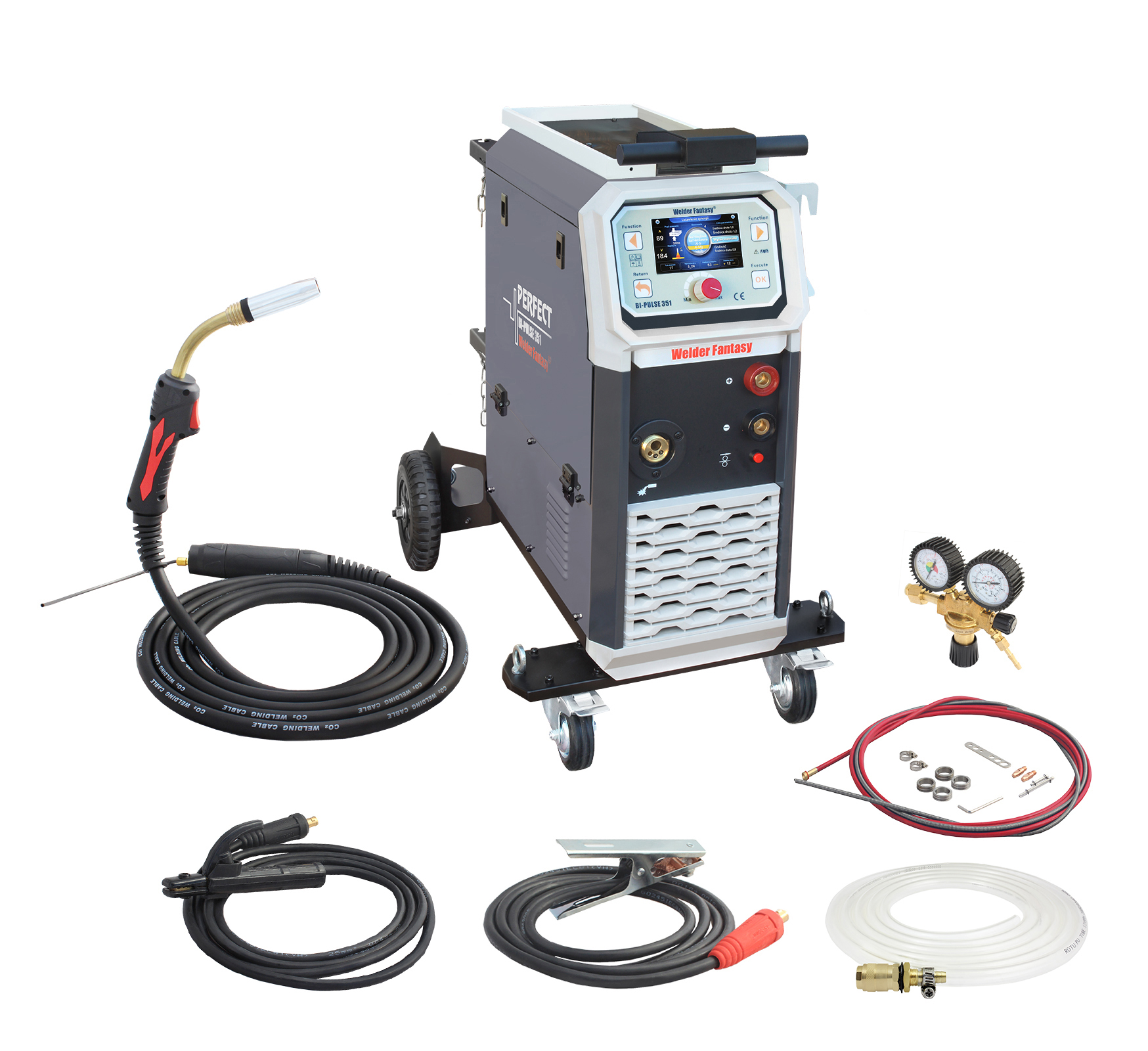
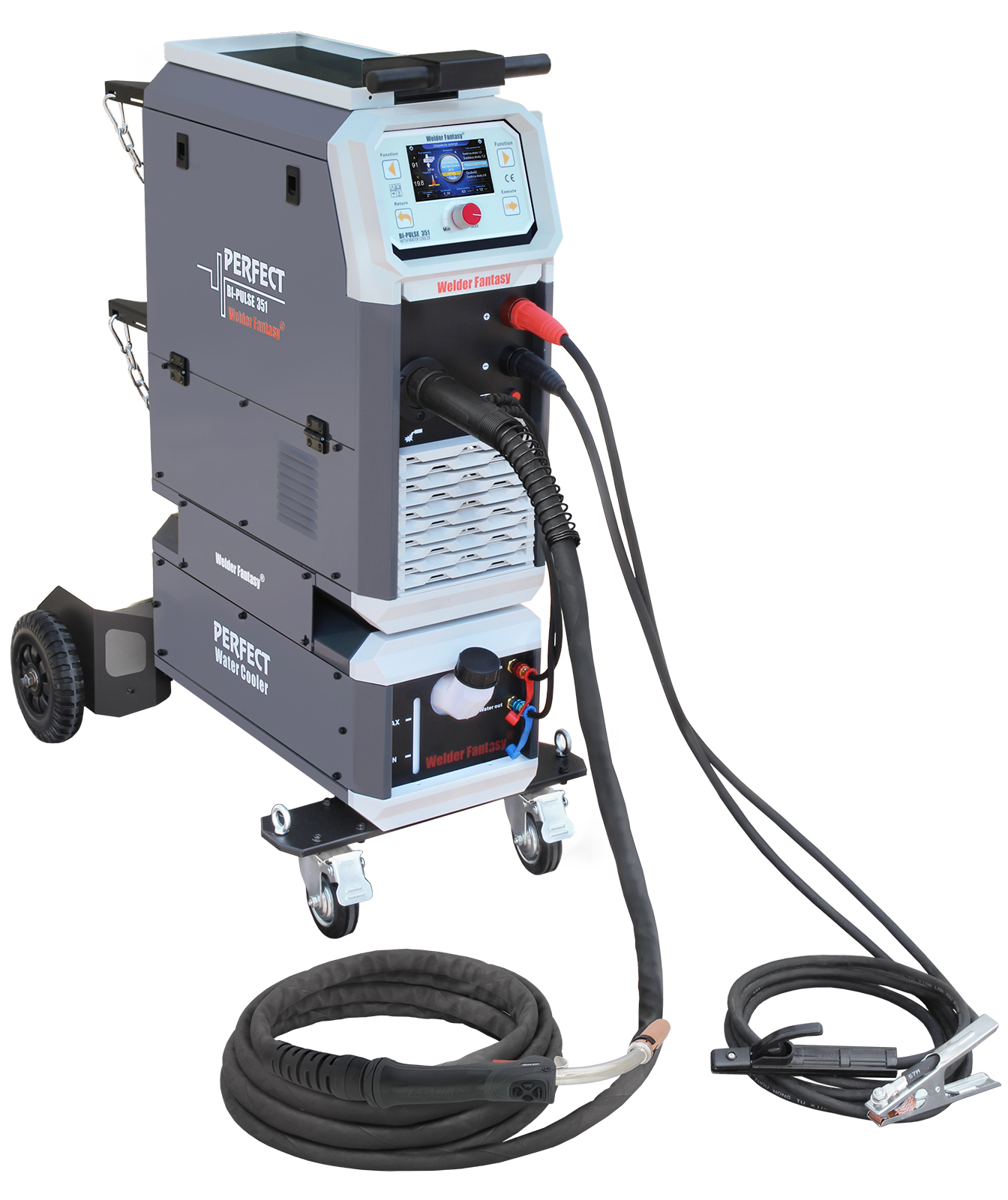
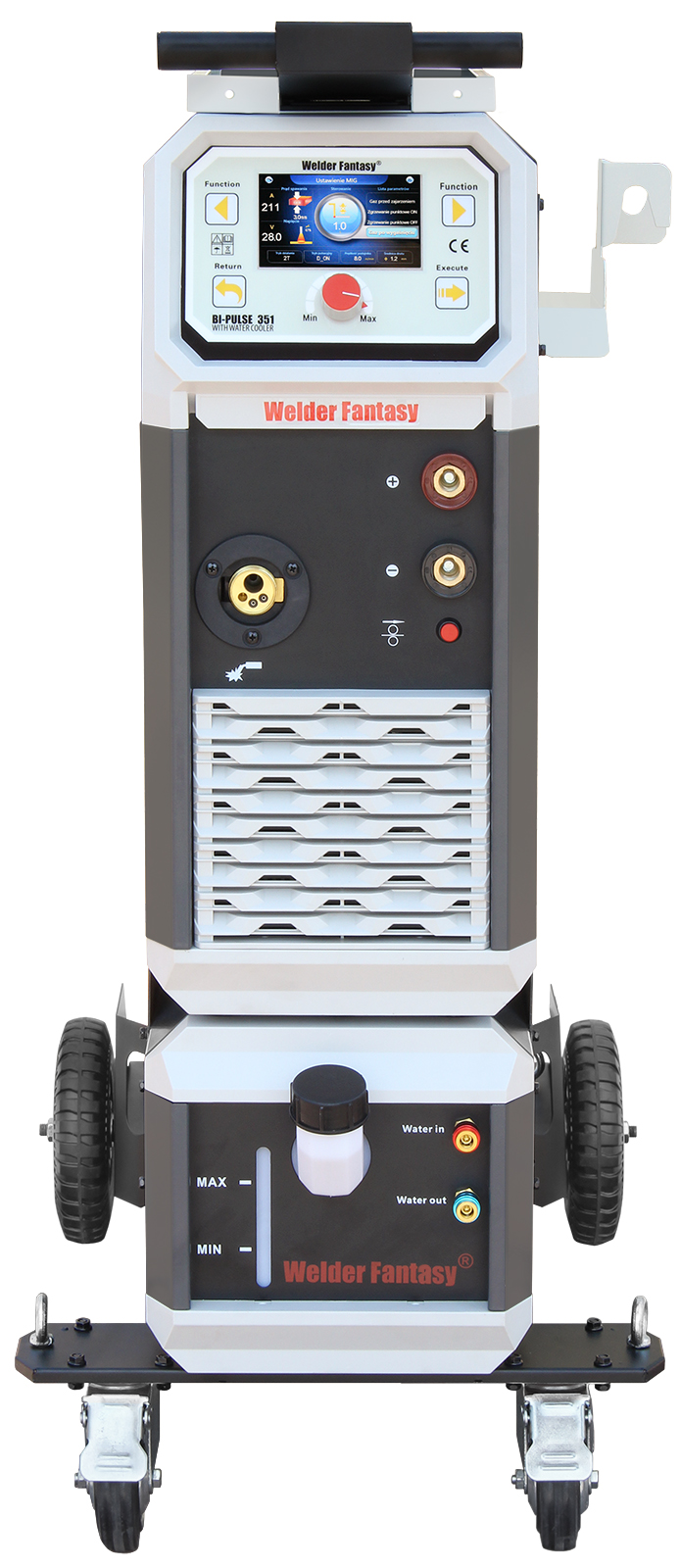
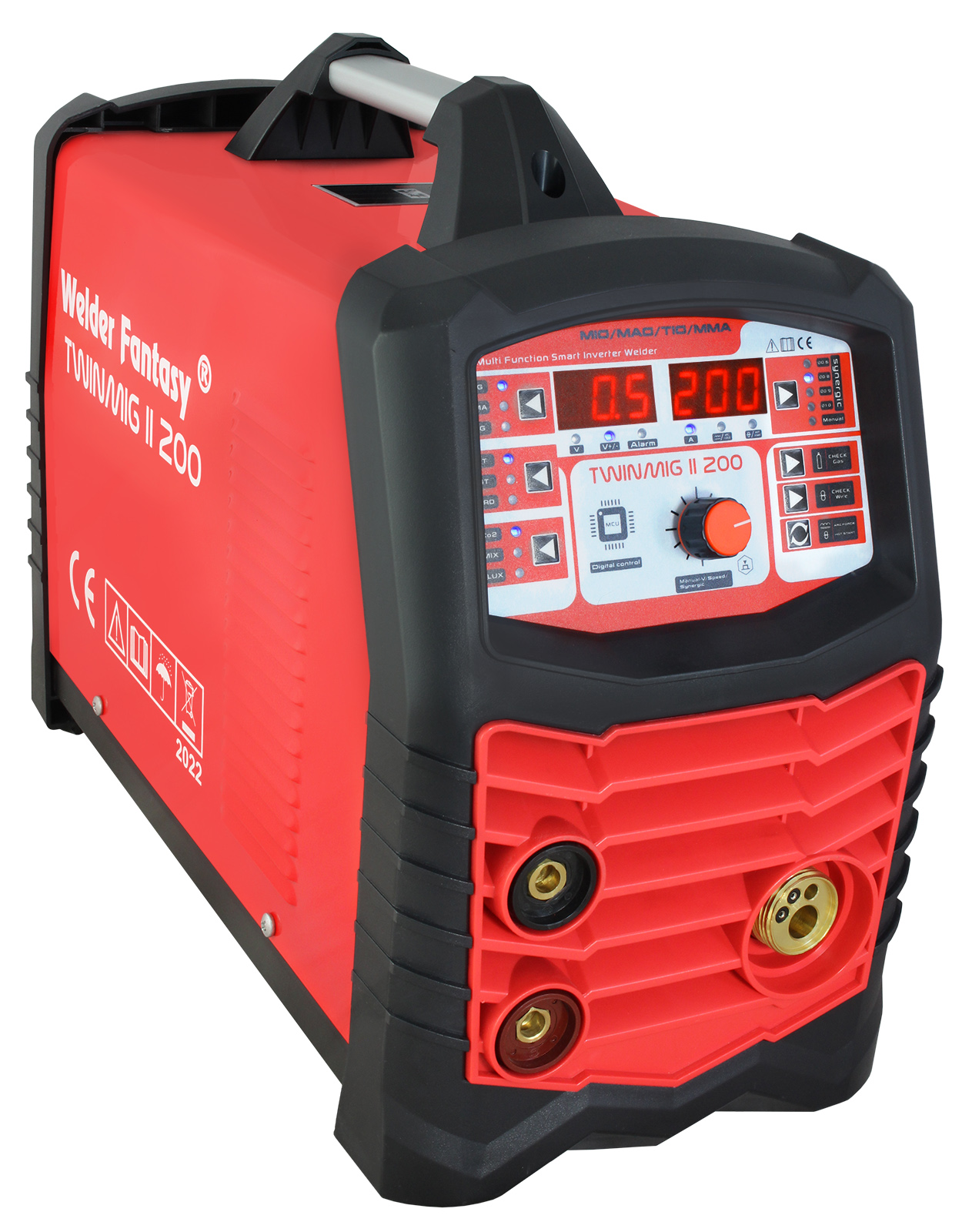
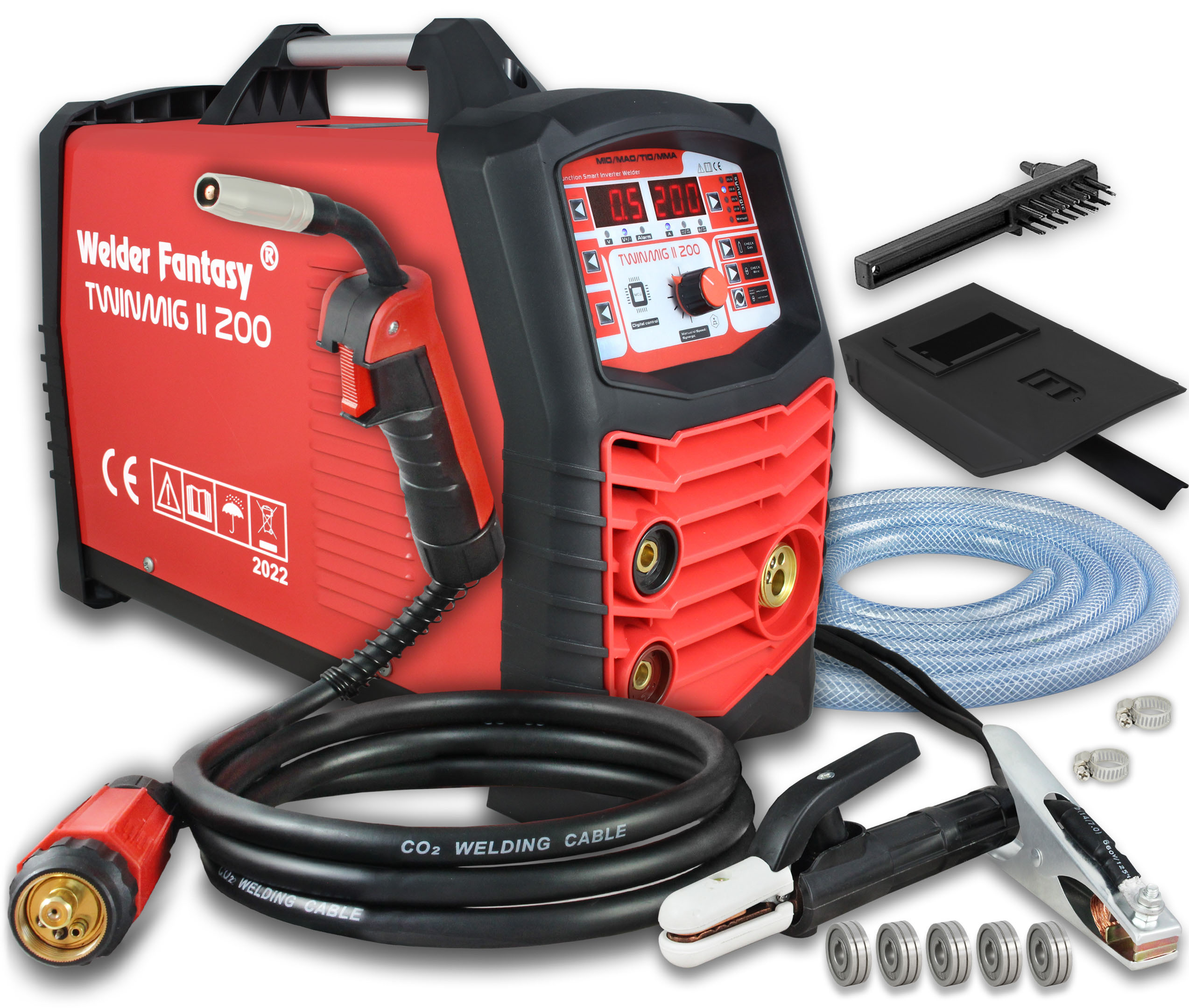
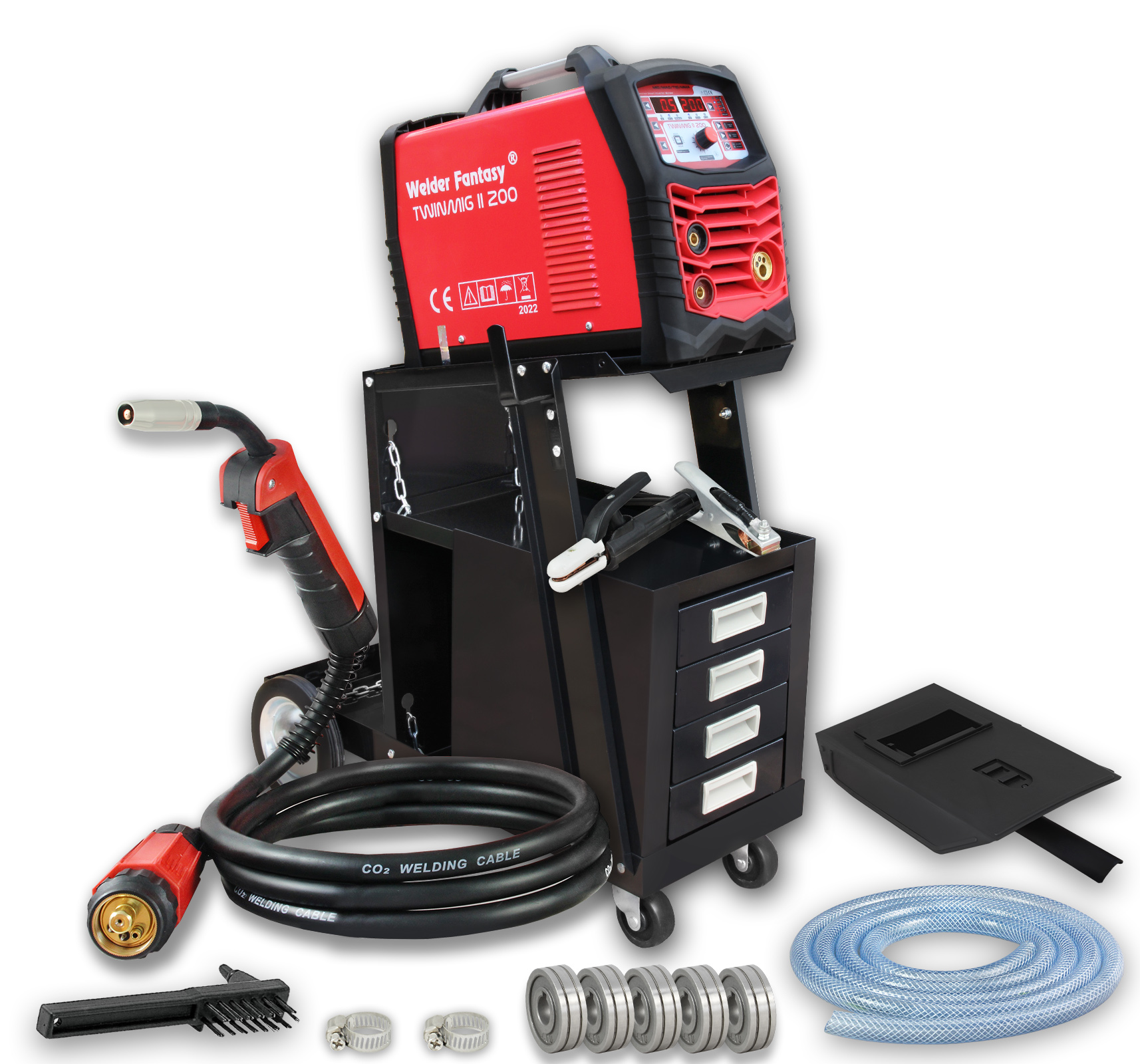
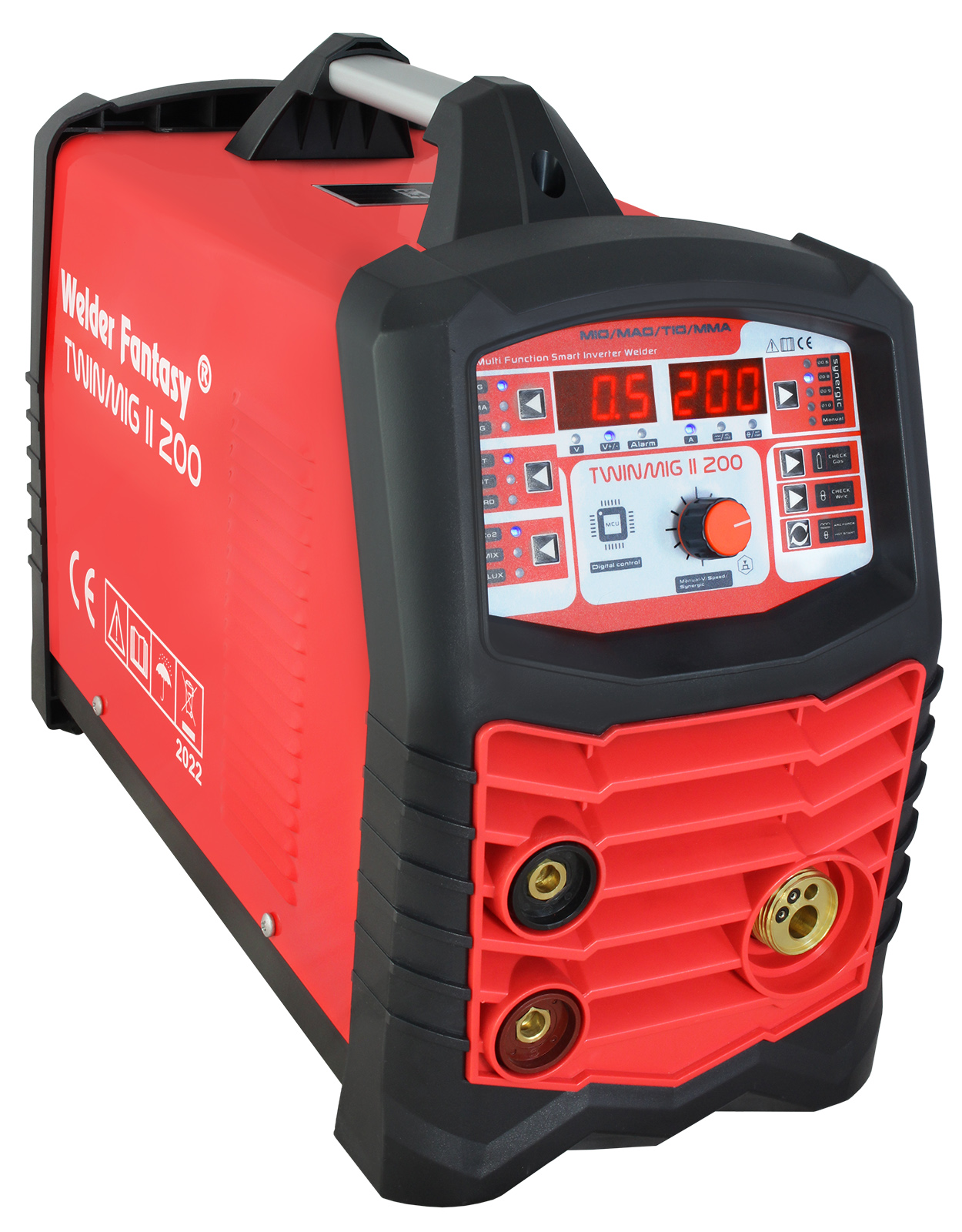
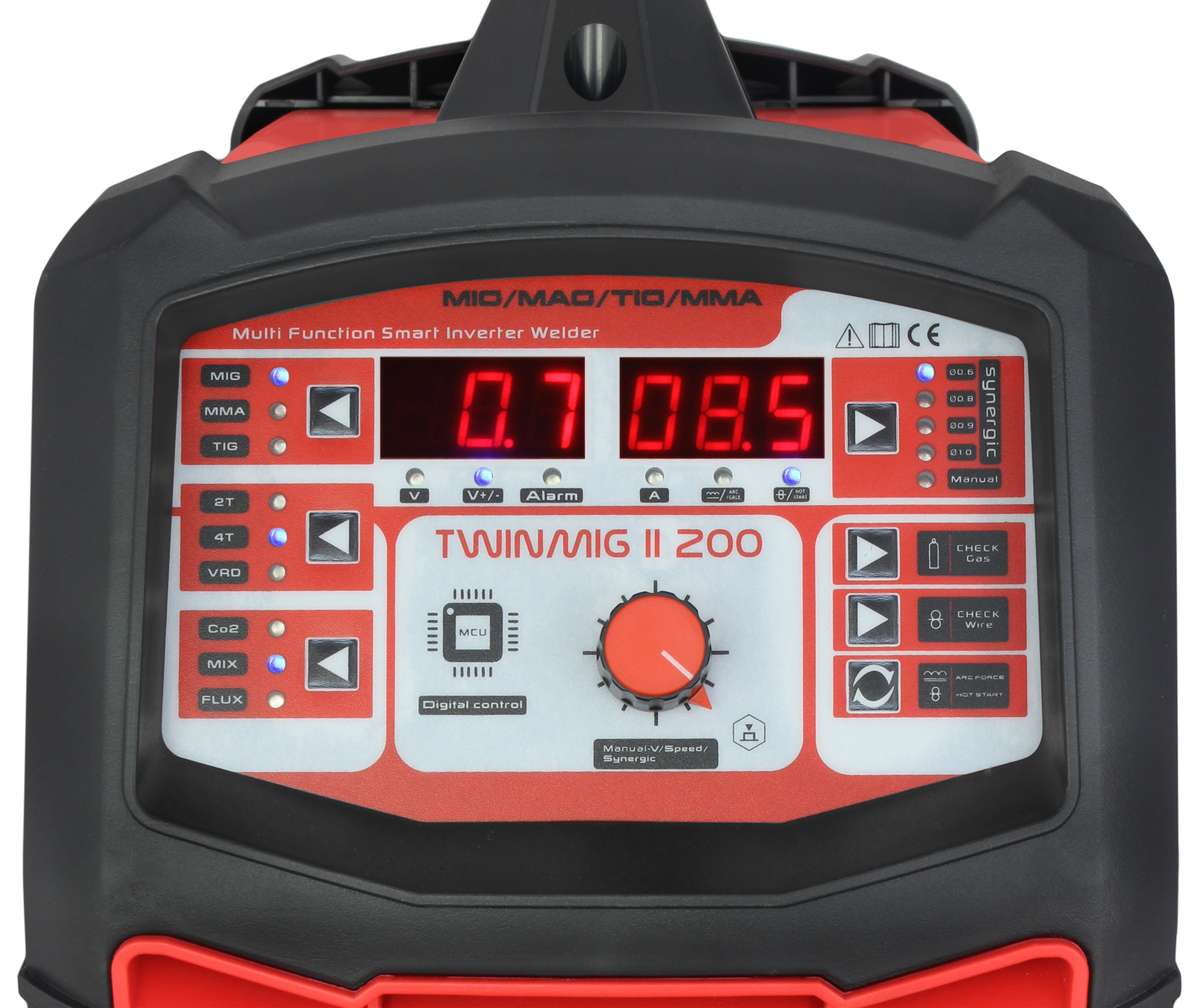
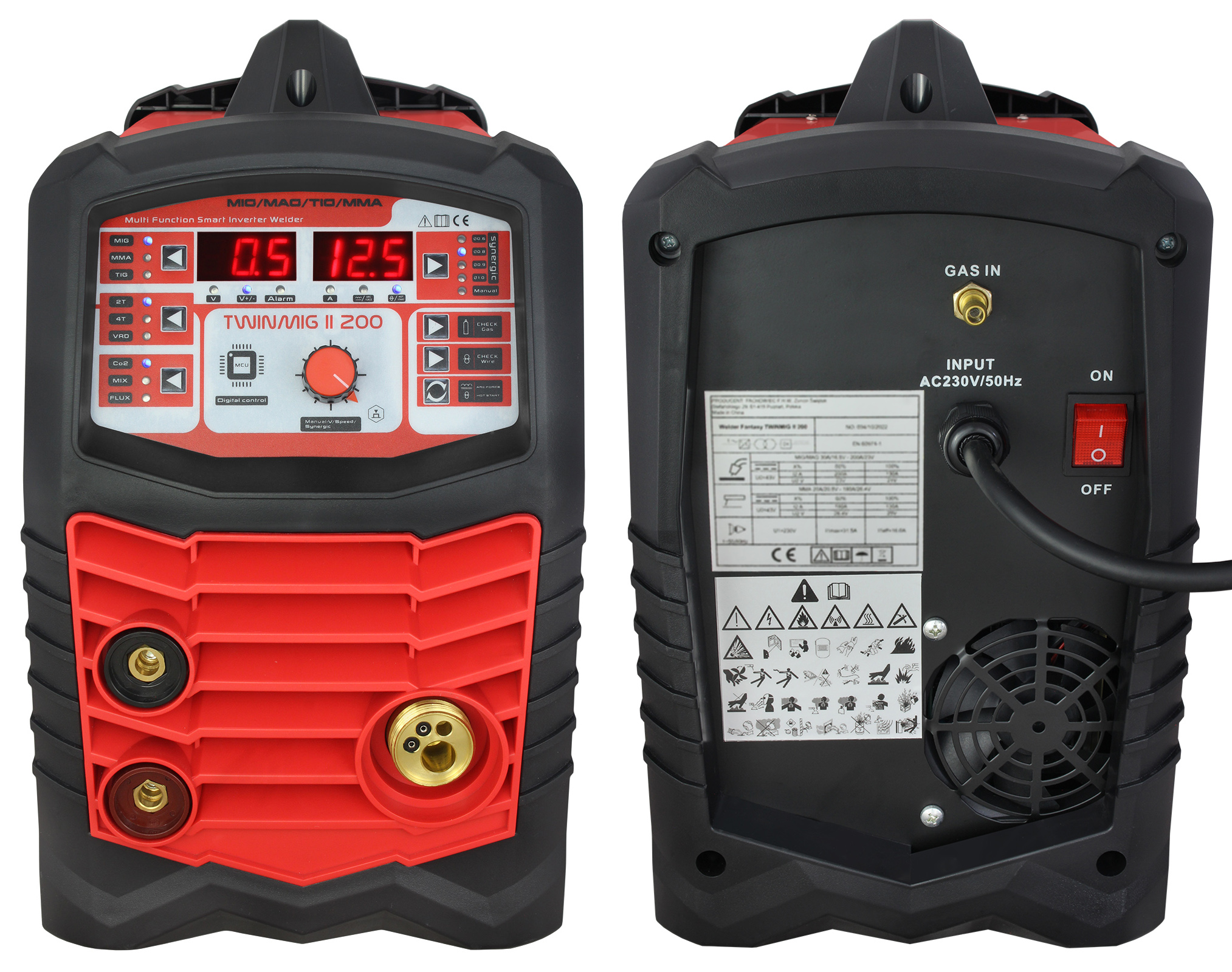
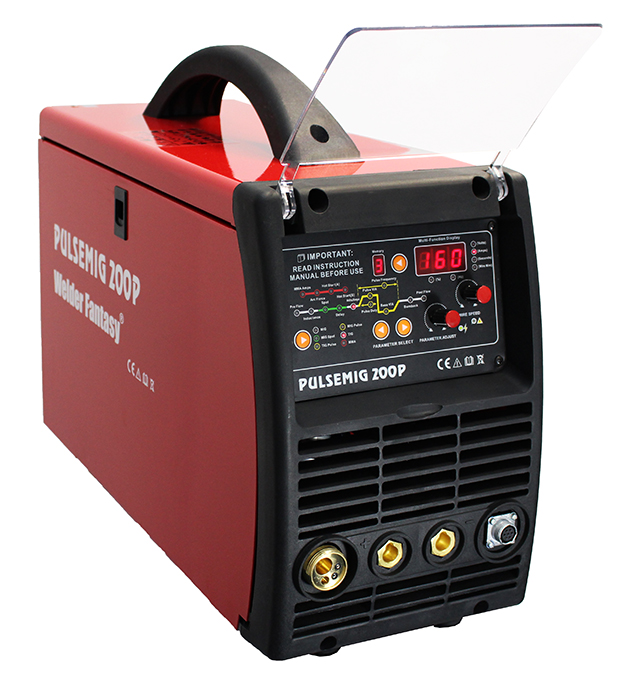
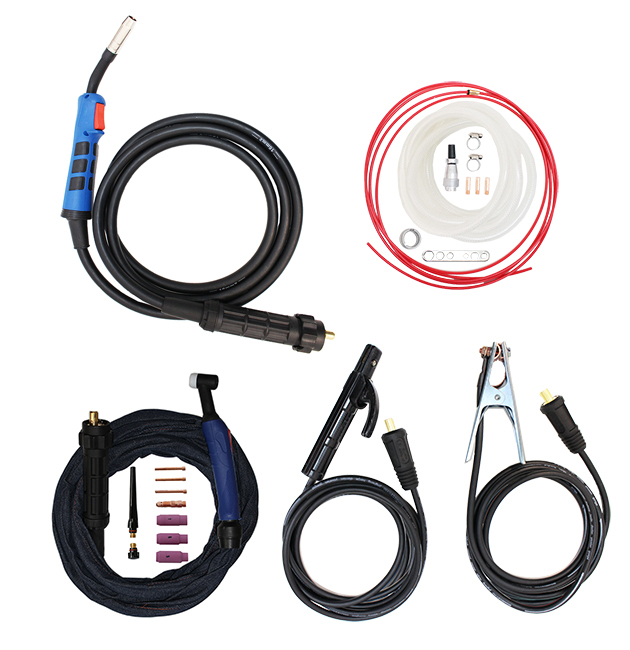
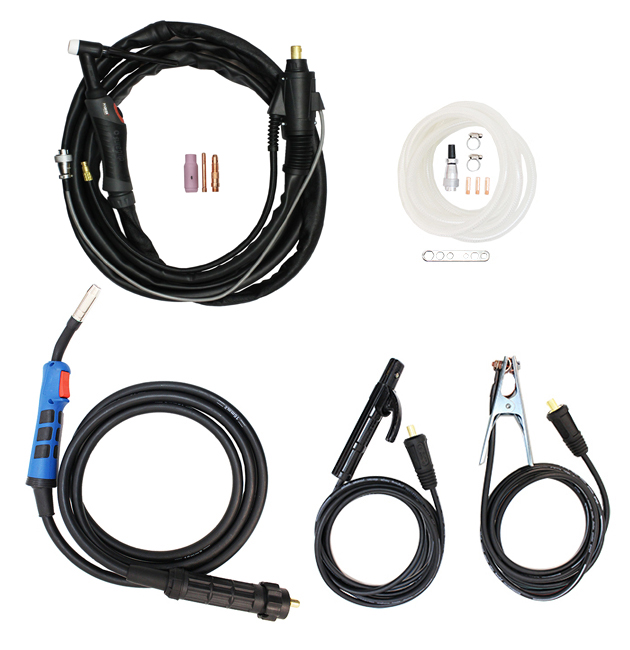
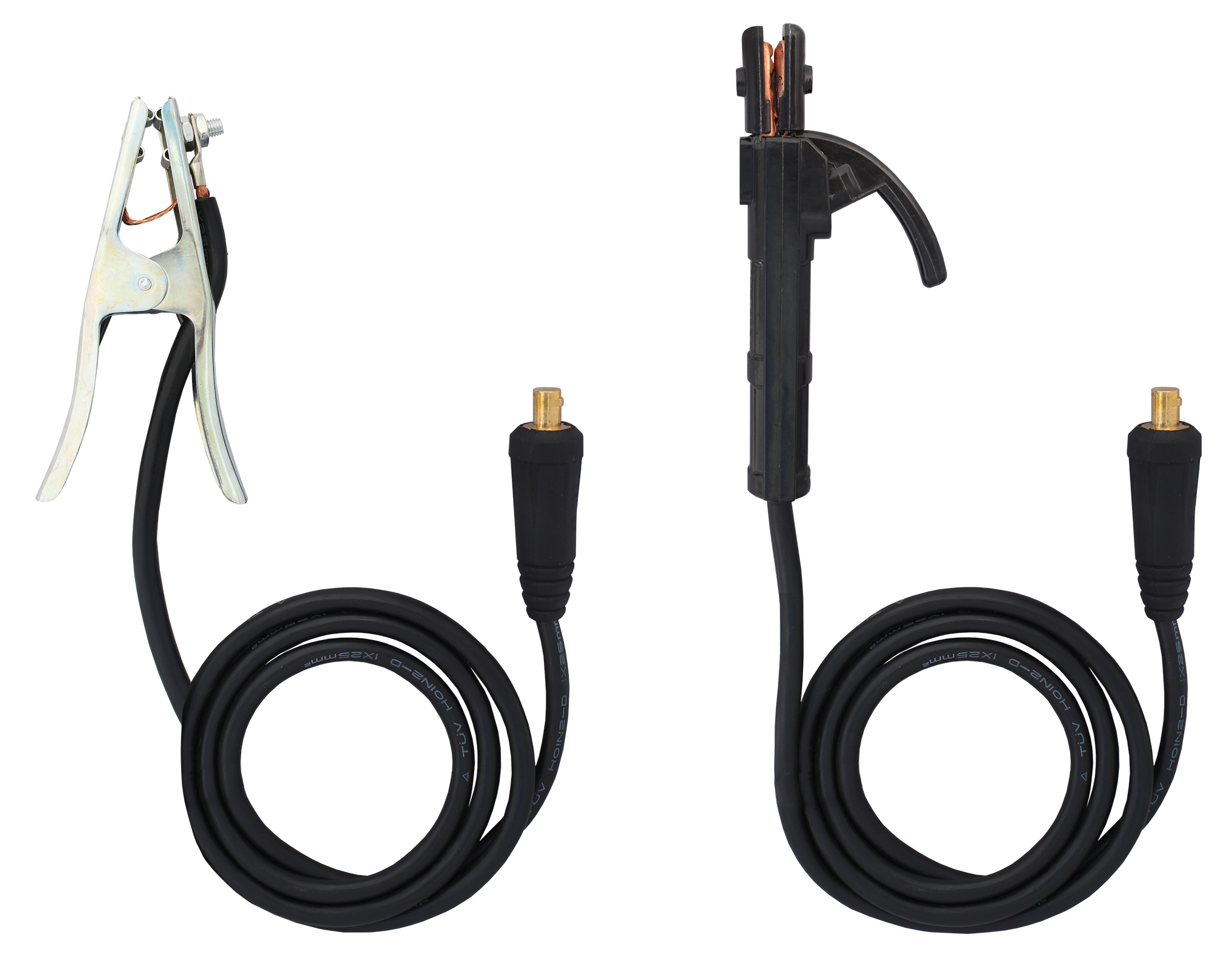
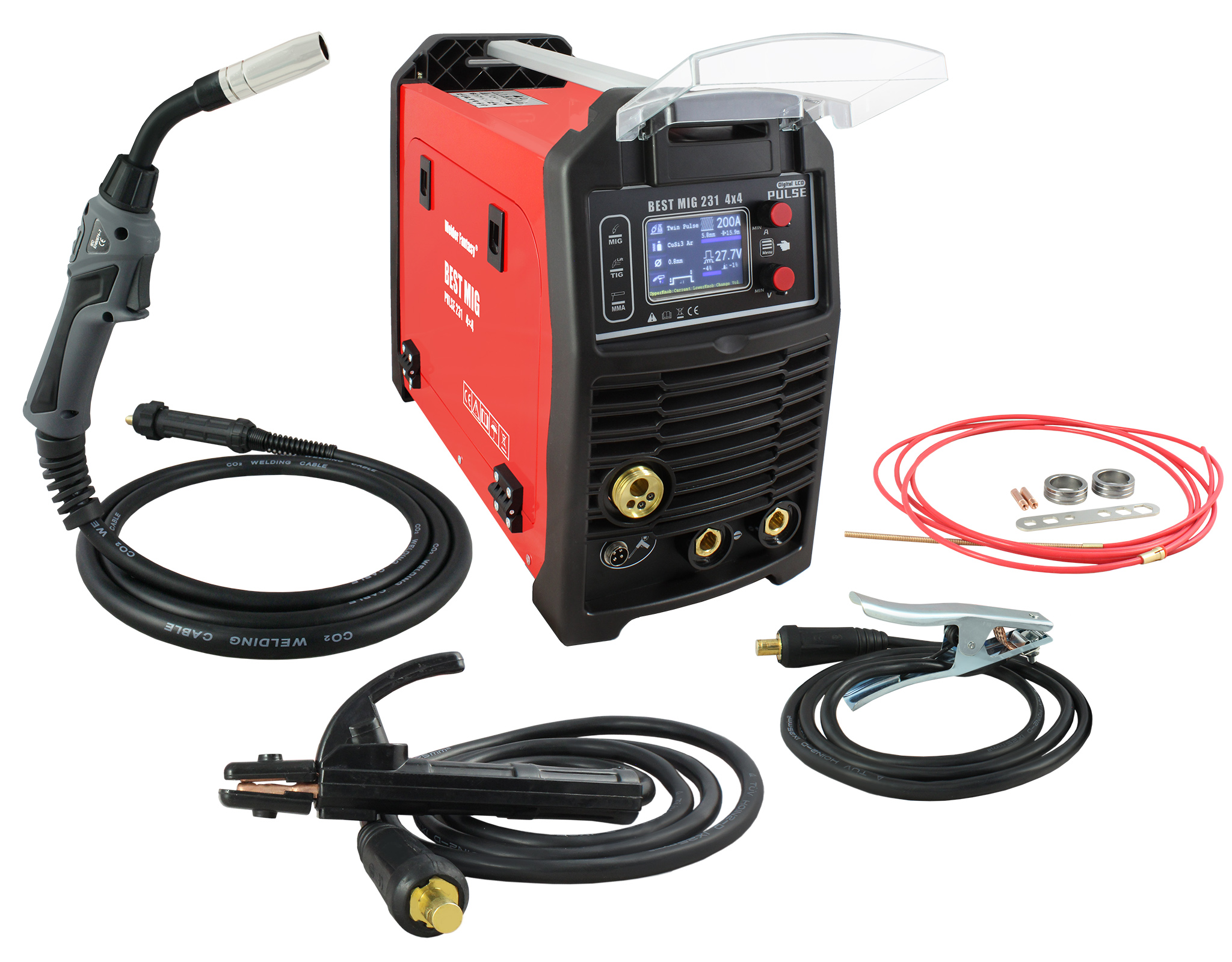
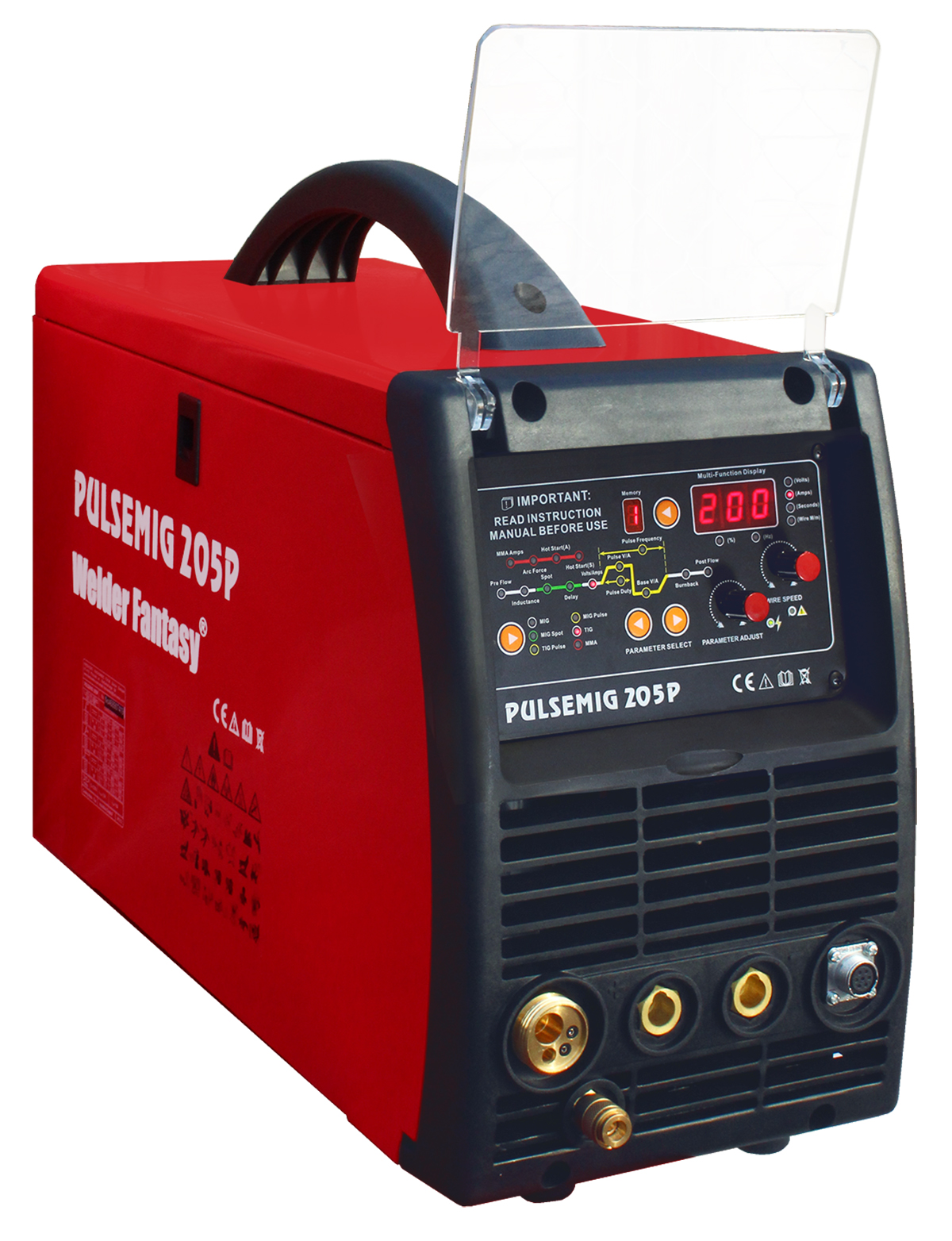
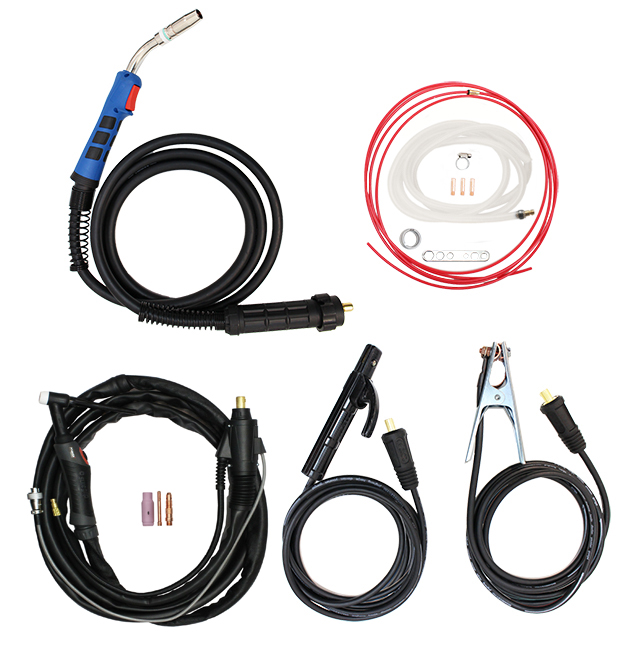
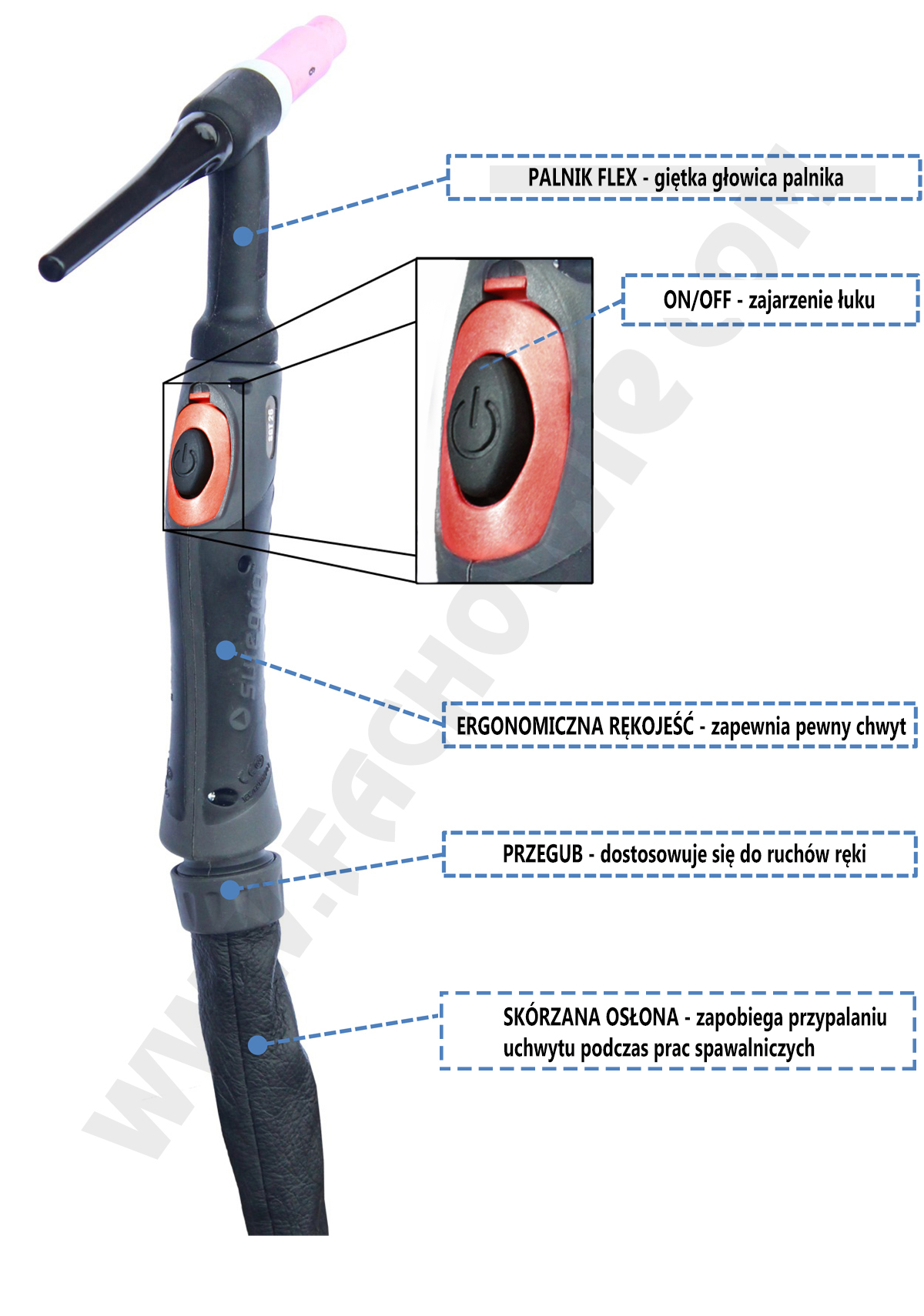
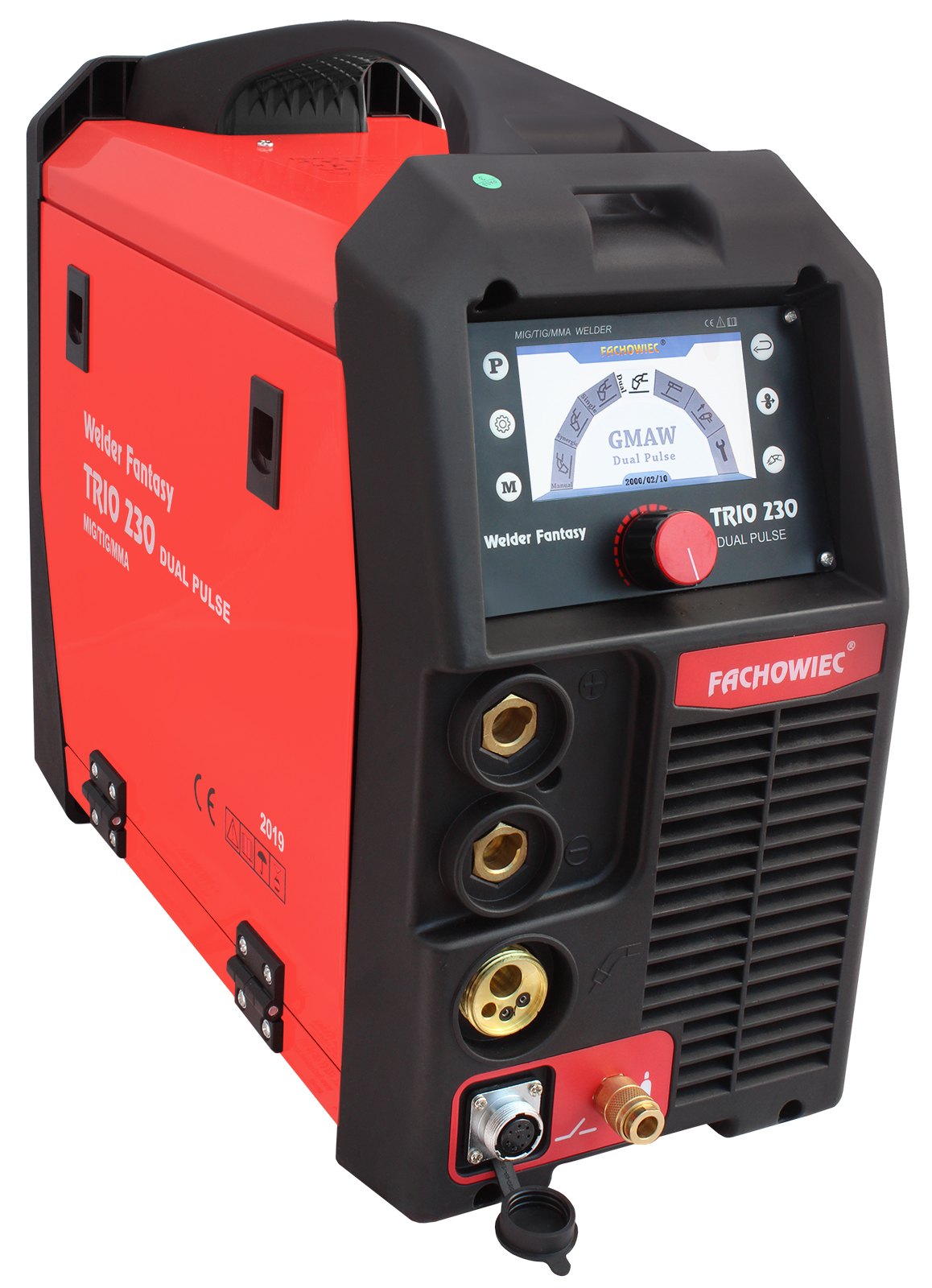
Multifunctional welders combine several techniques, allowing for welding with solid wire (MIG/MAG), coated electrode (MMA), and self-shielding wire (FLUX), and often also with the TIG Lift method using a non-melting tungsten electrode.
Types and features of multifunctional welders
Welders can be inverter-based (lighter, more energy-efficient) or transformer-based.
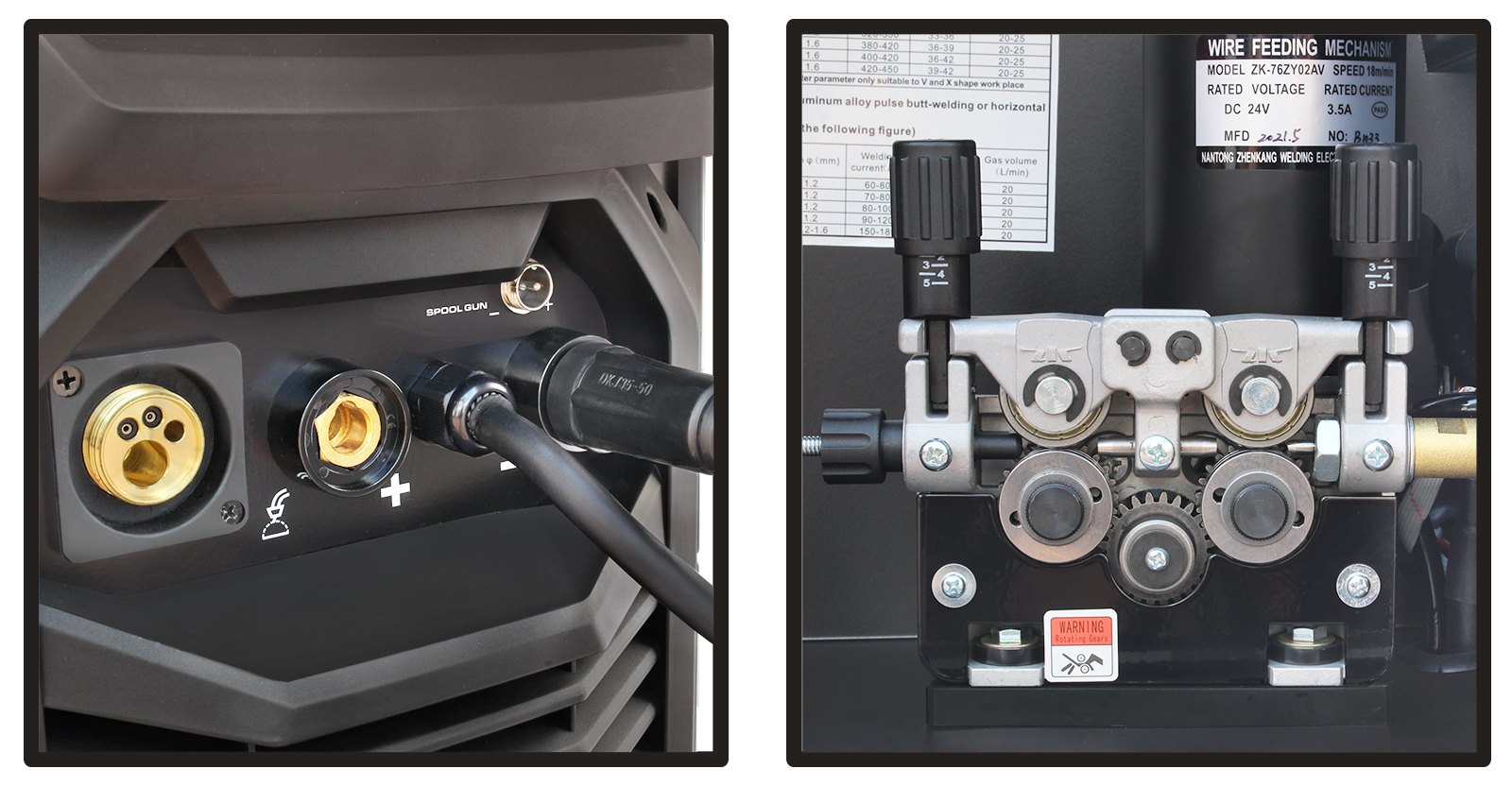
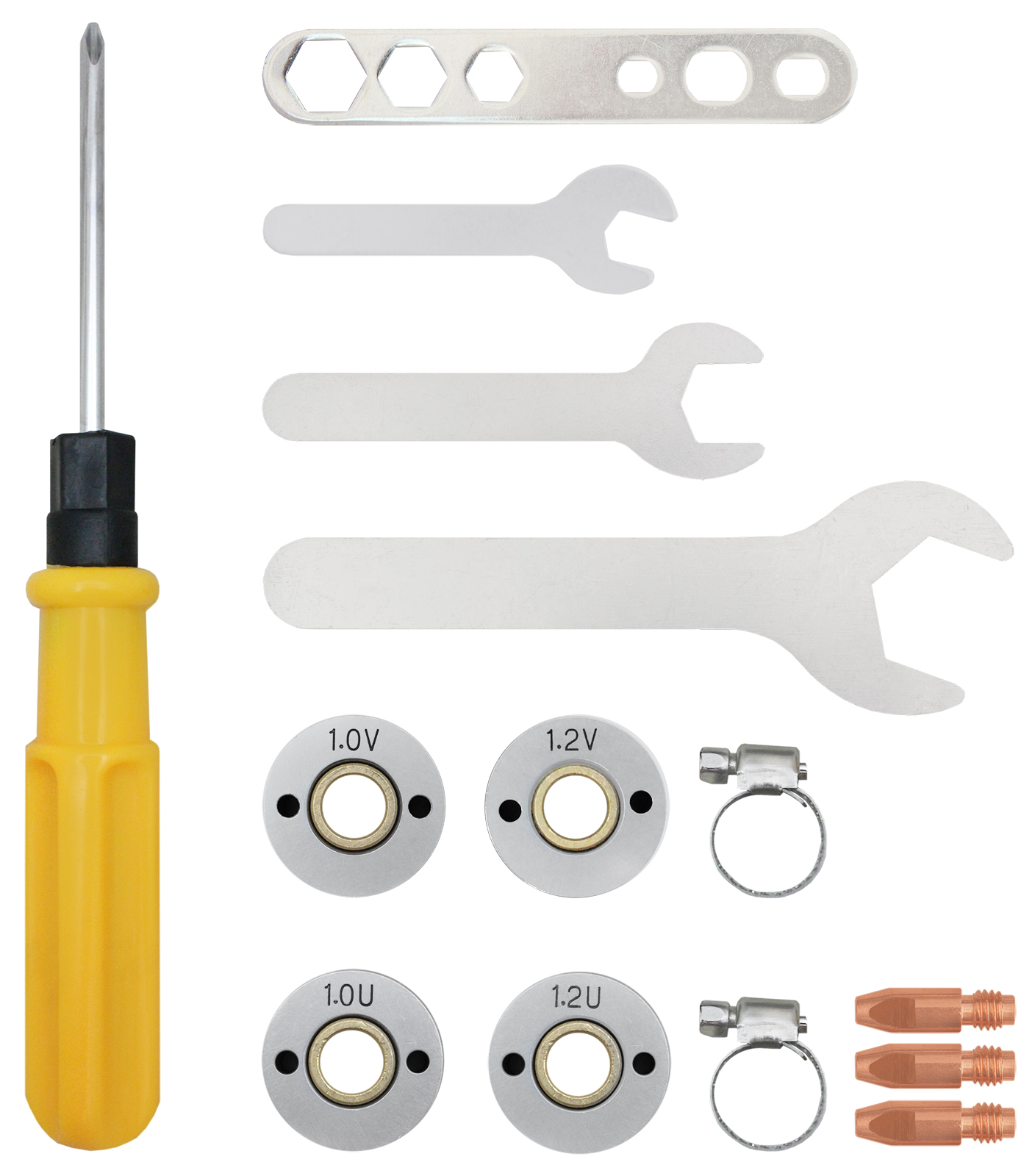
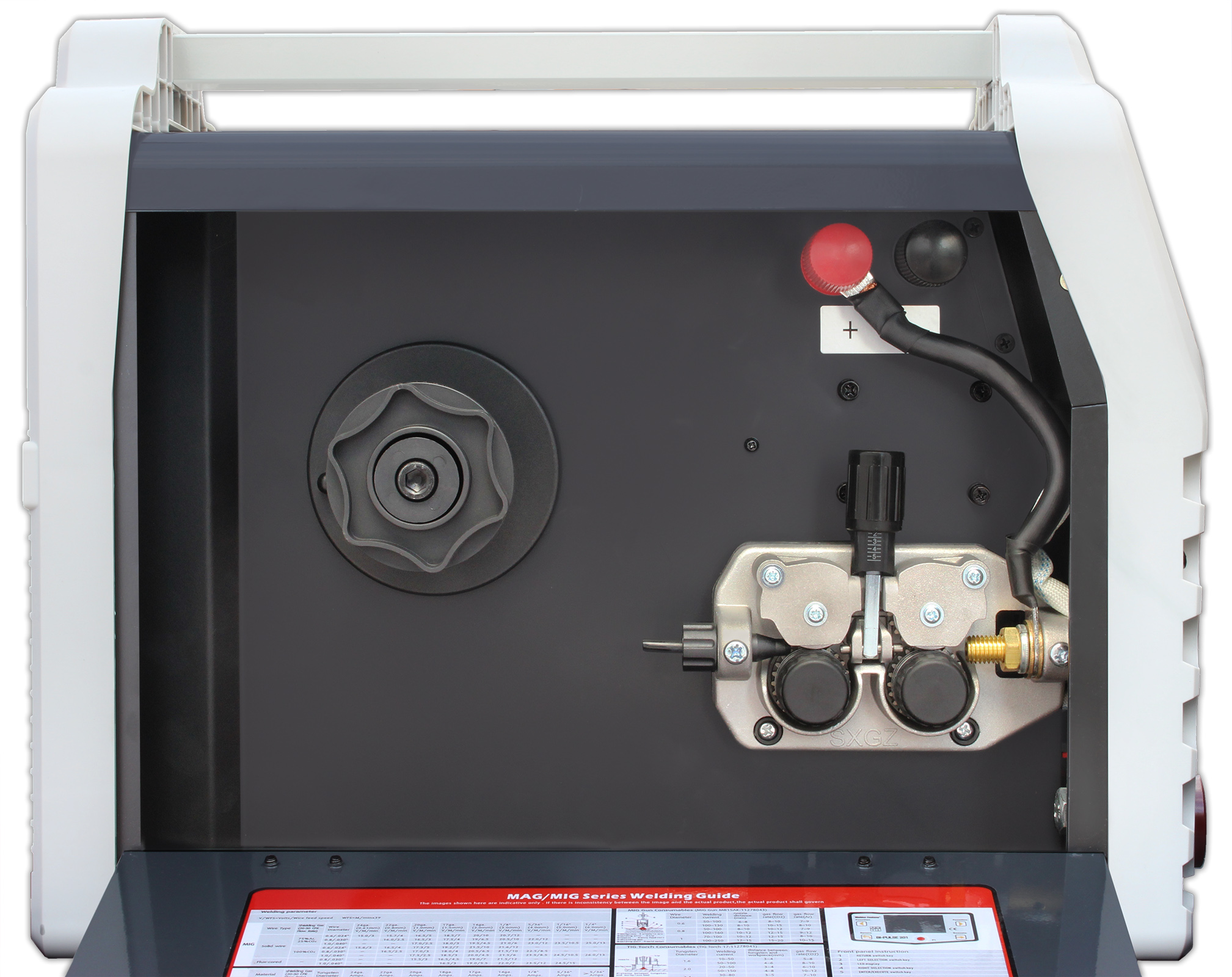
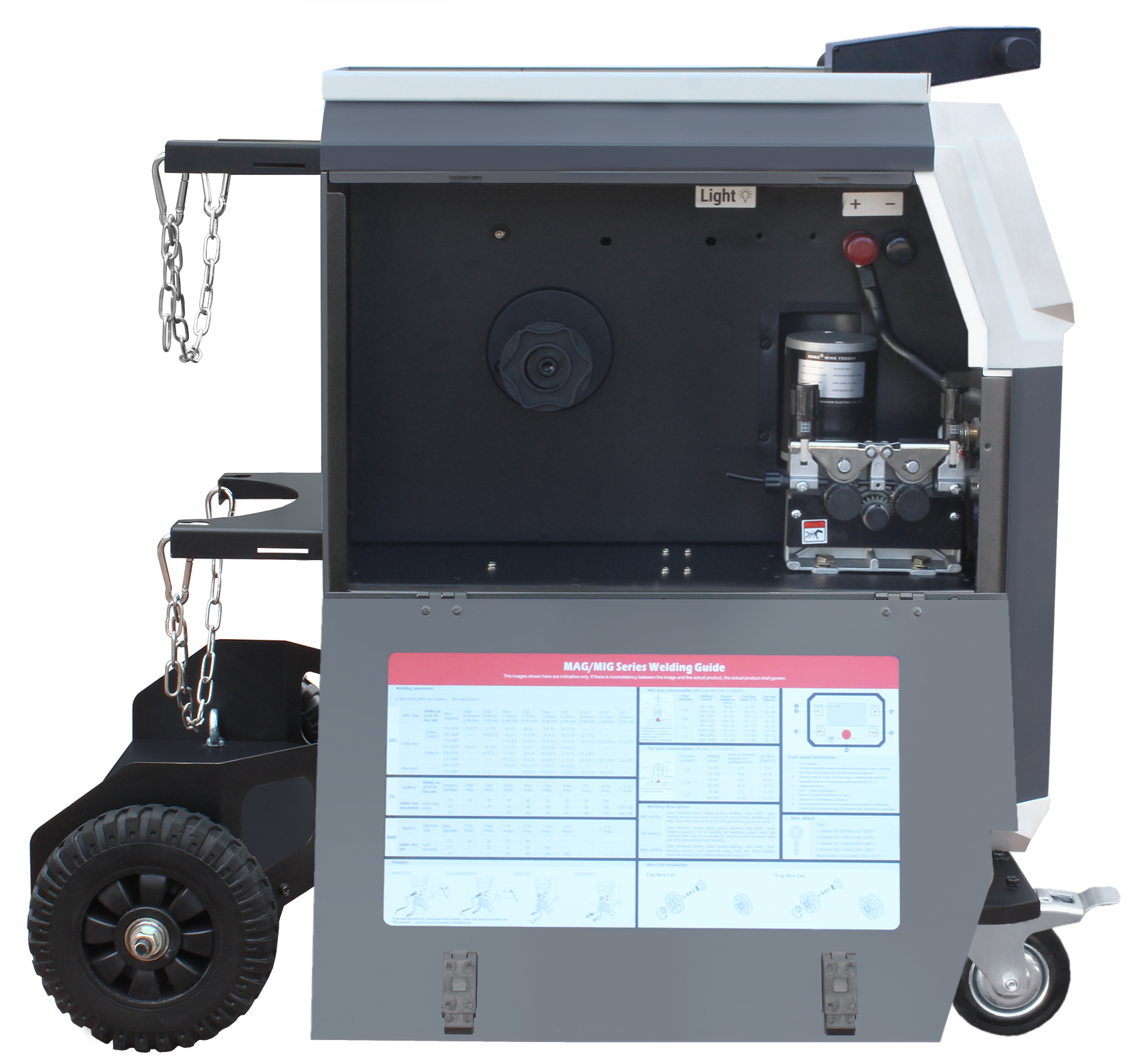
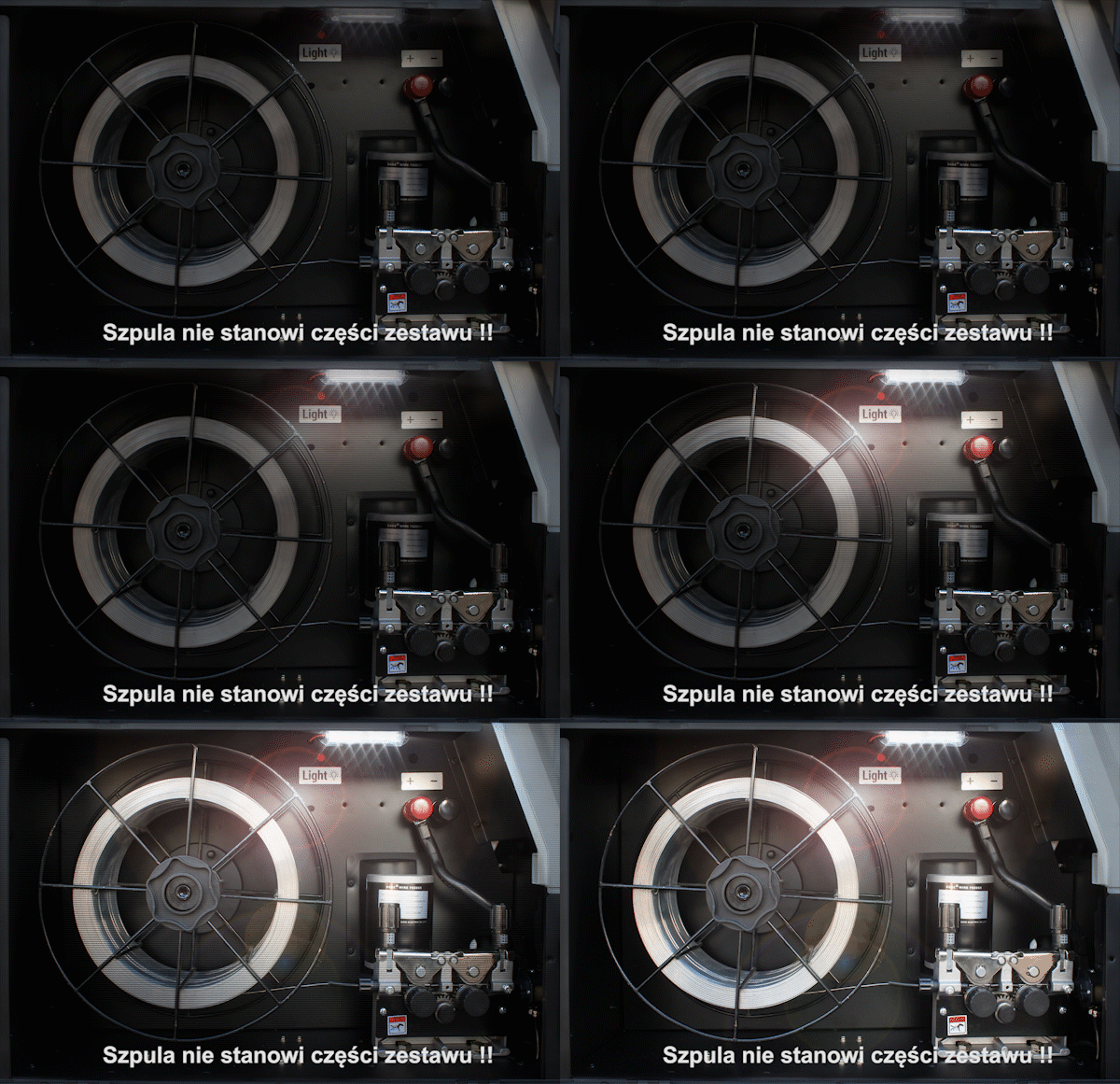
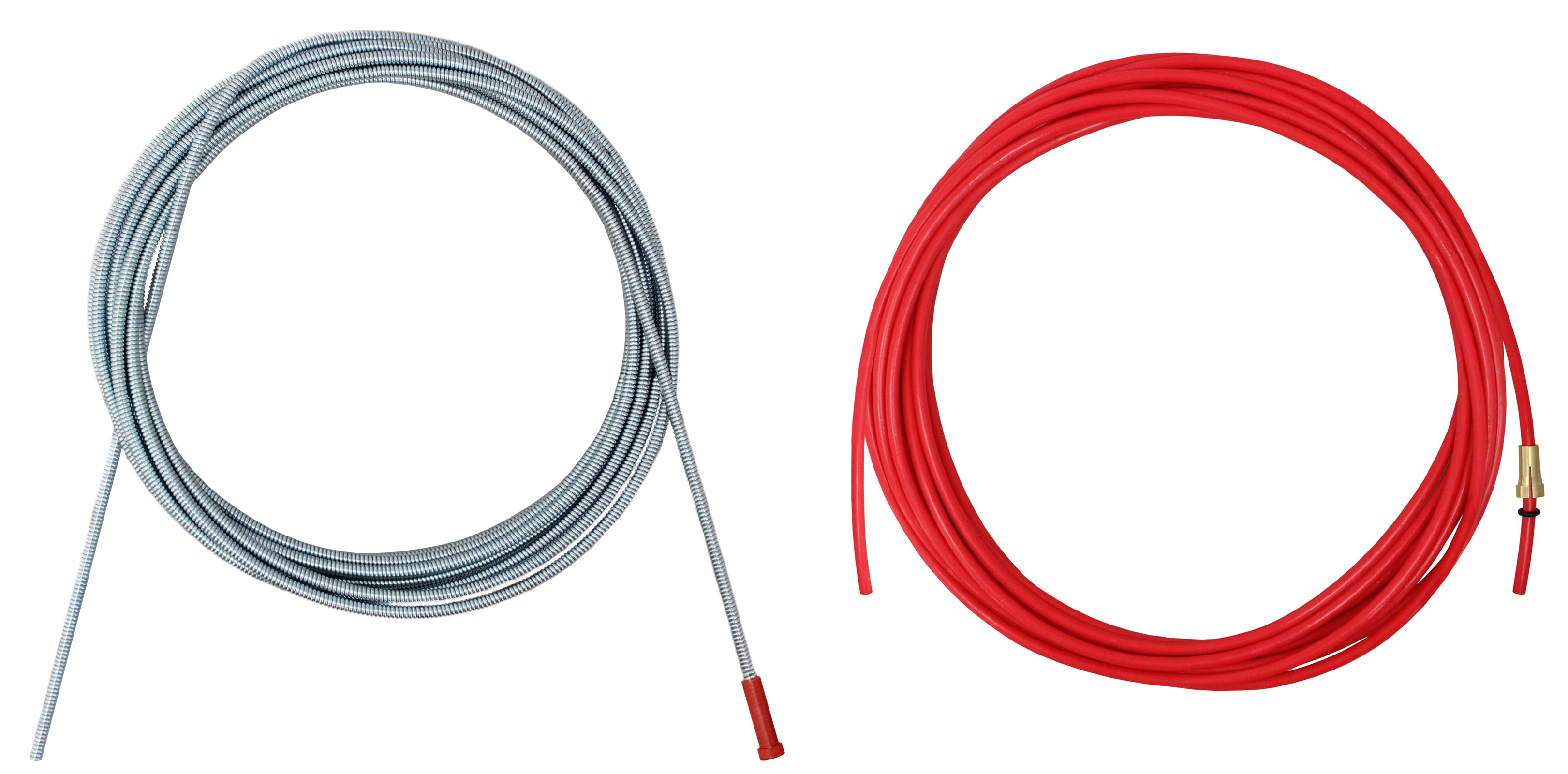
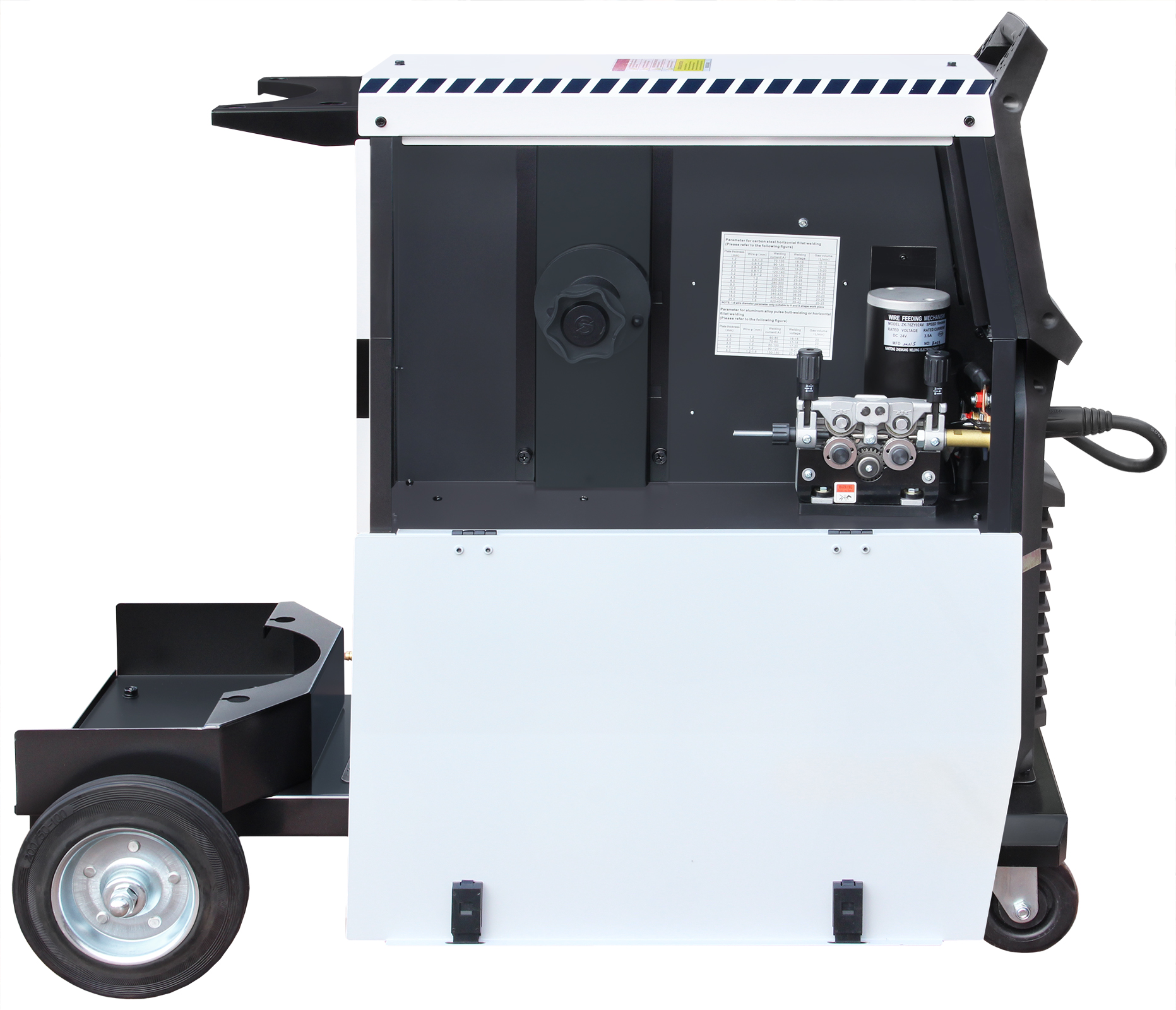
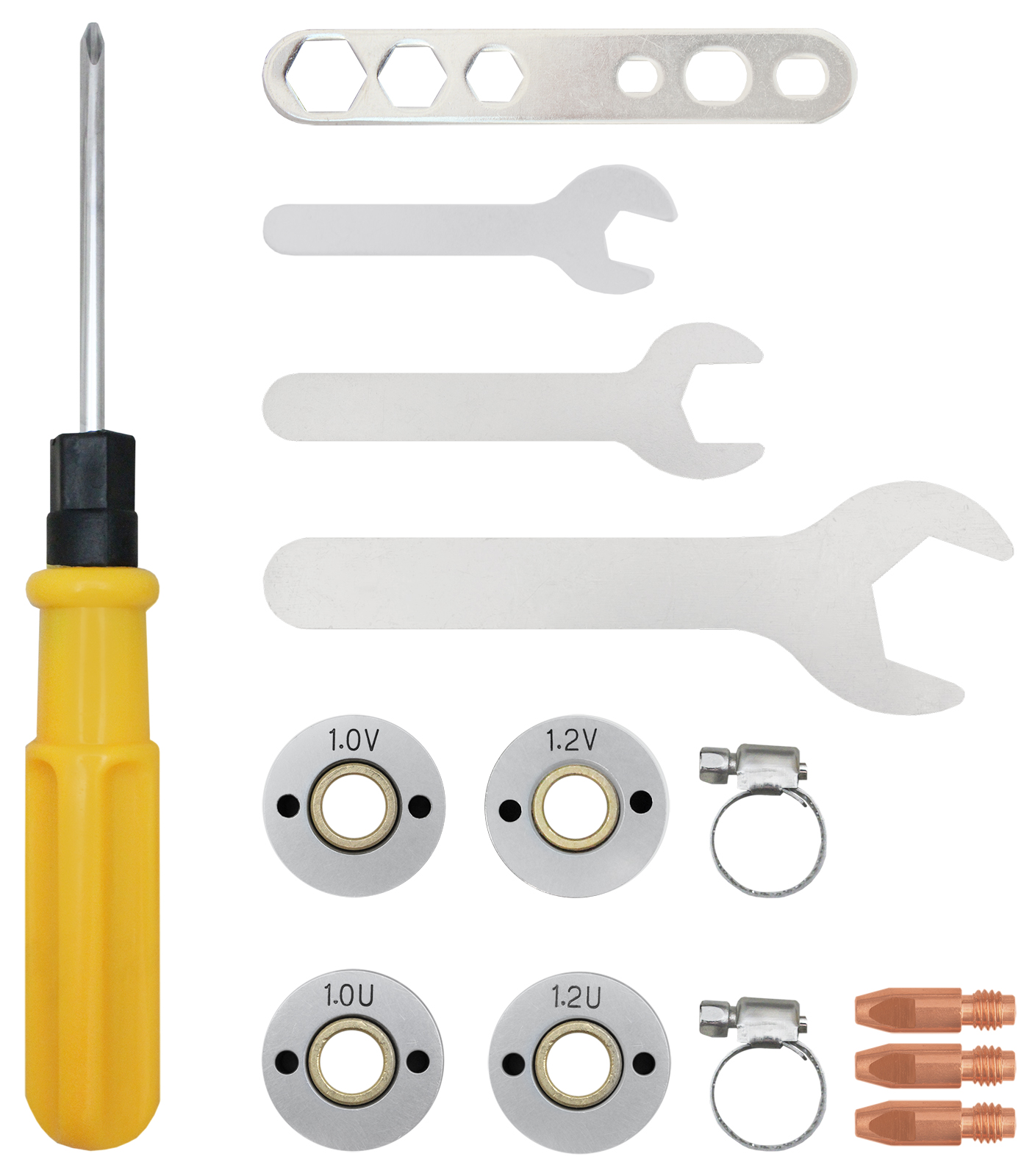
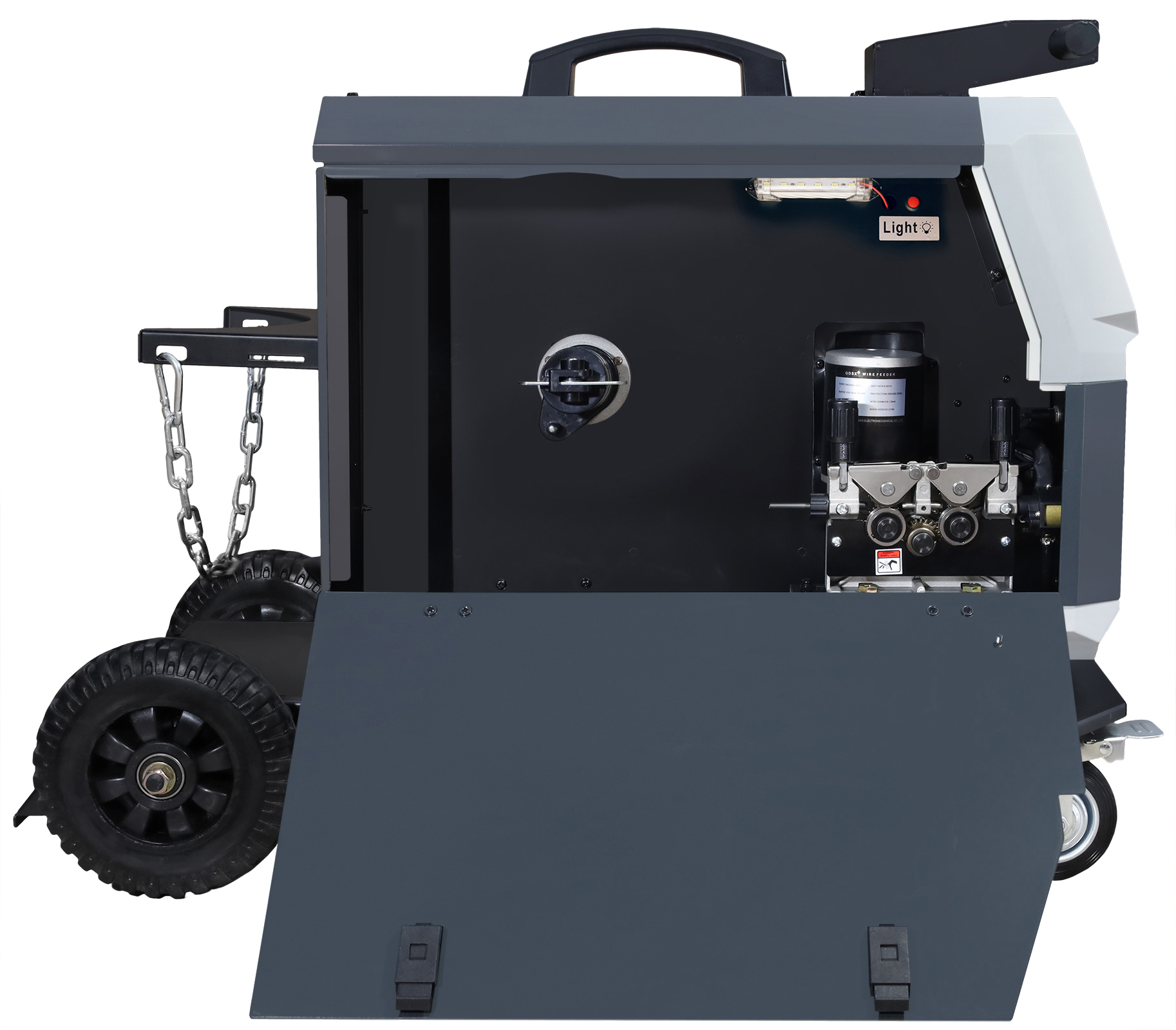
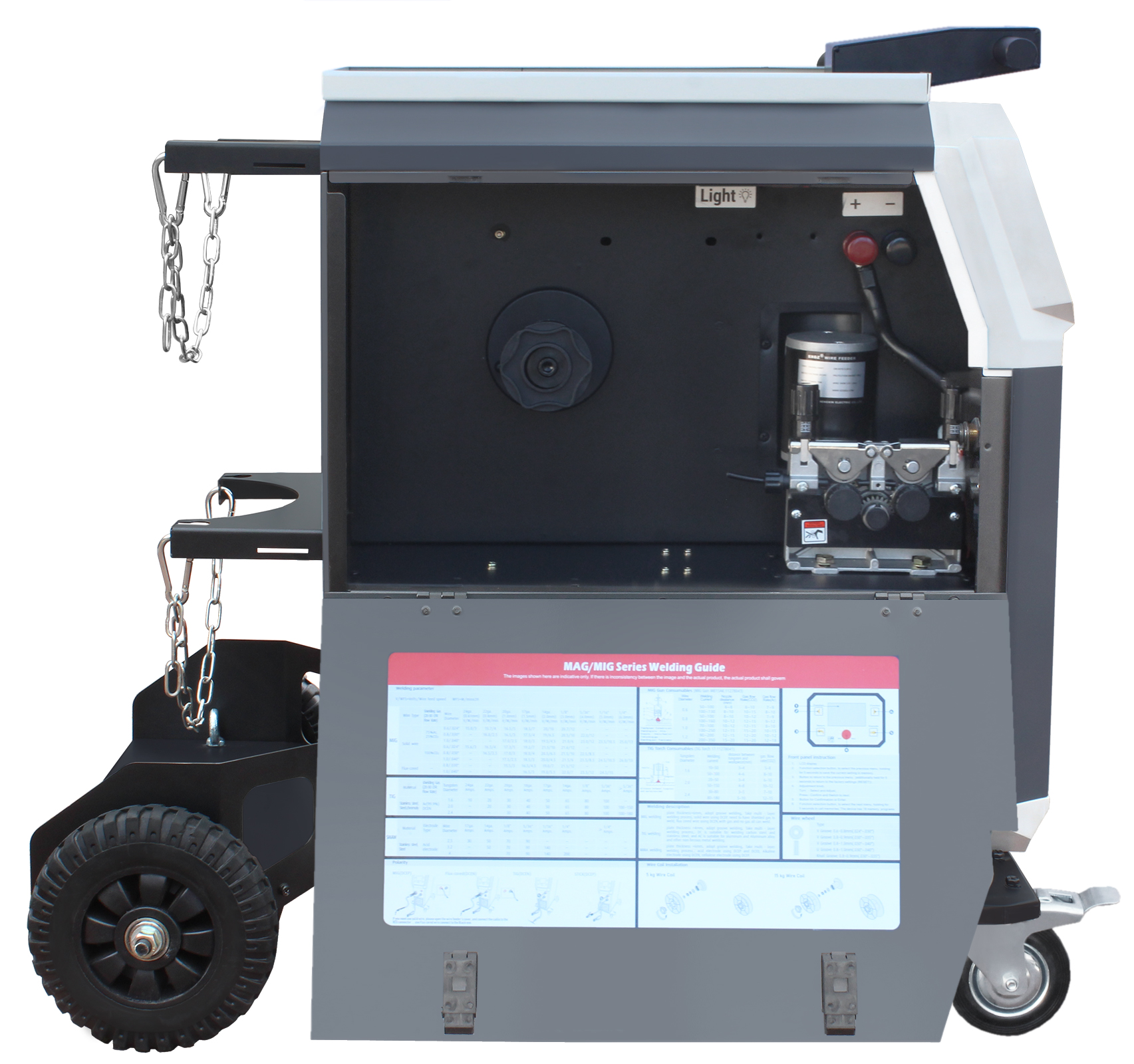
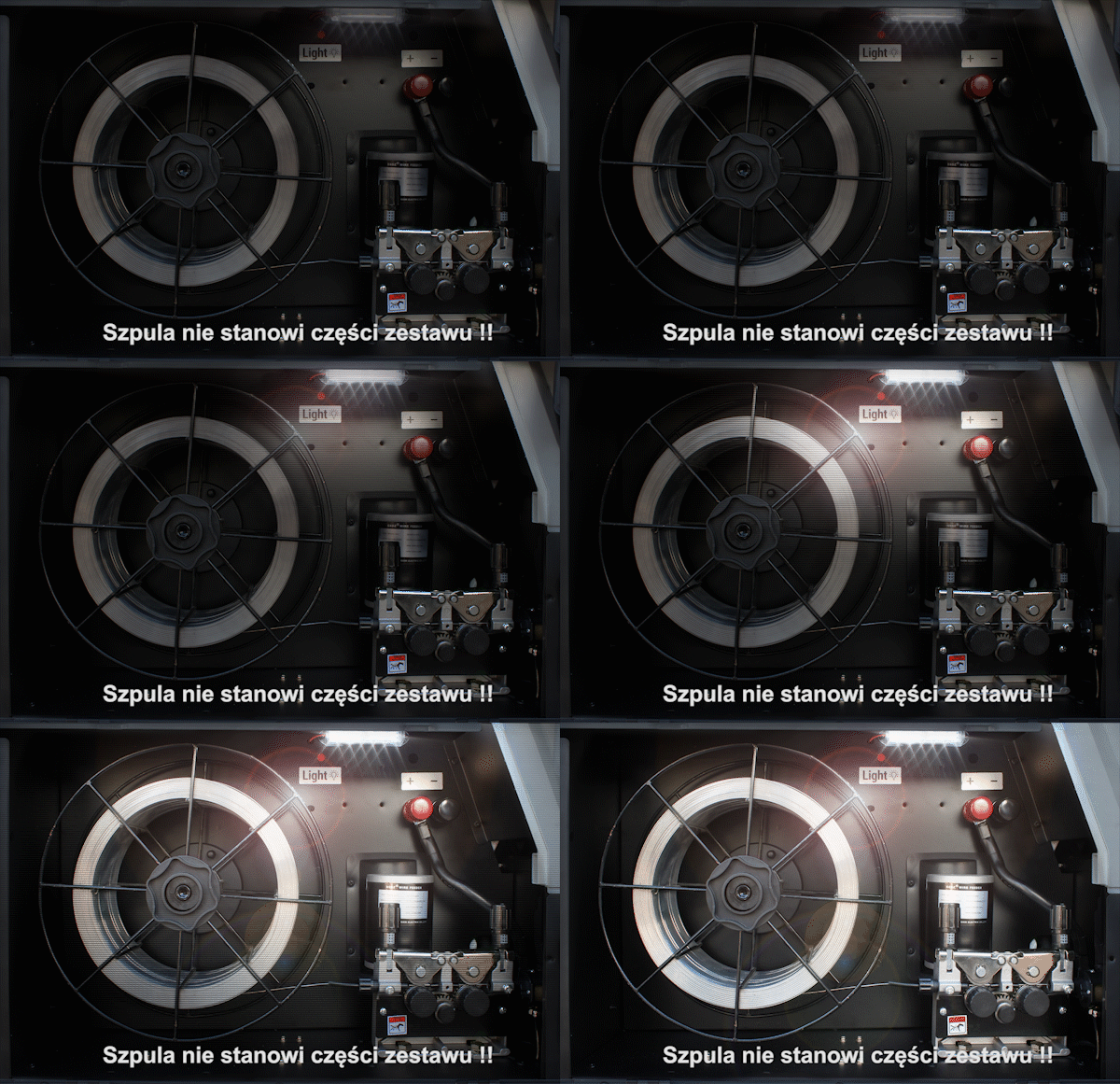
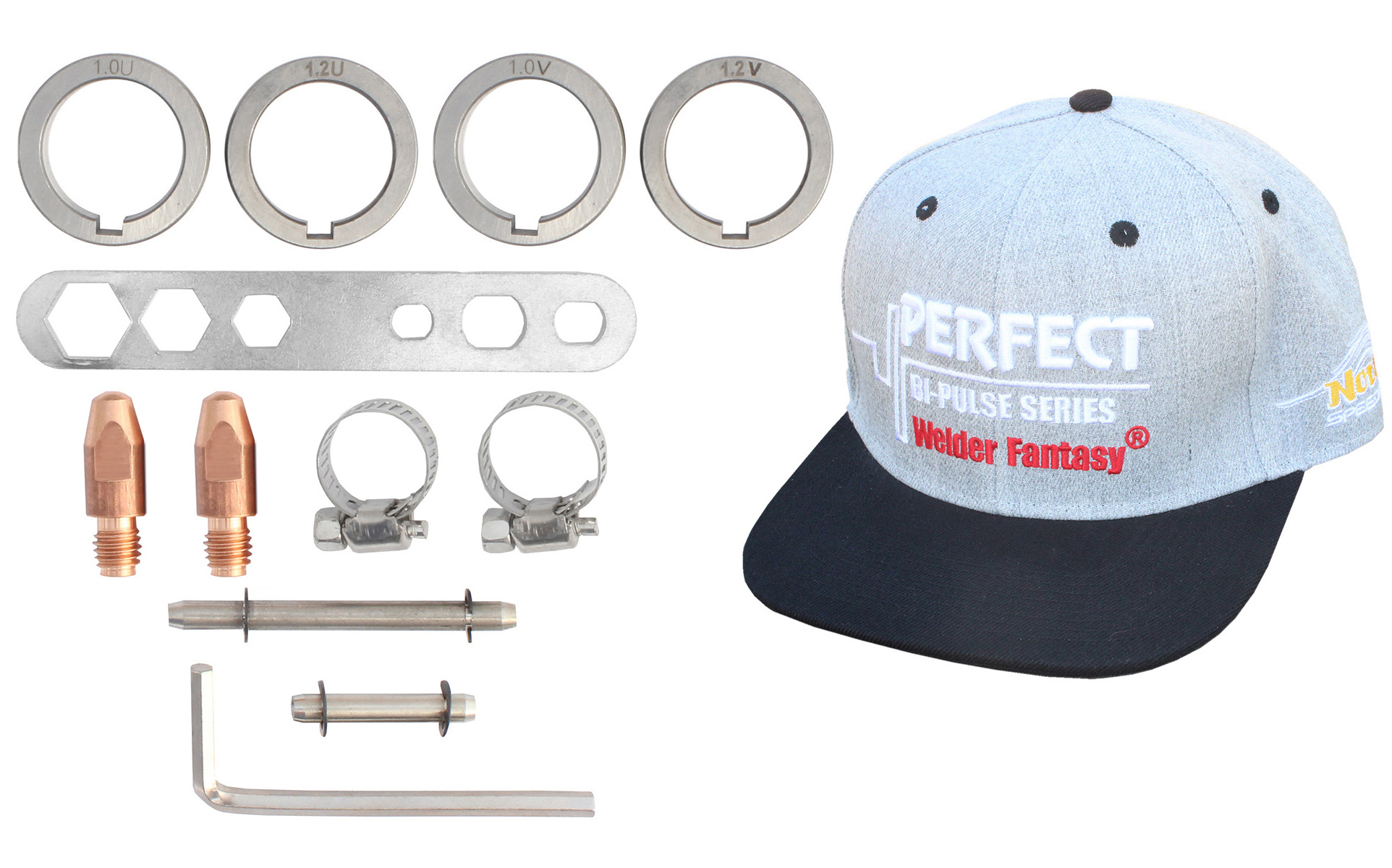
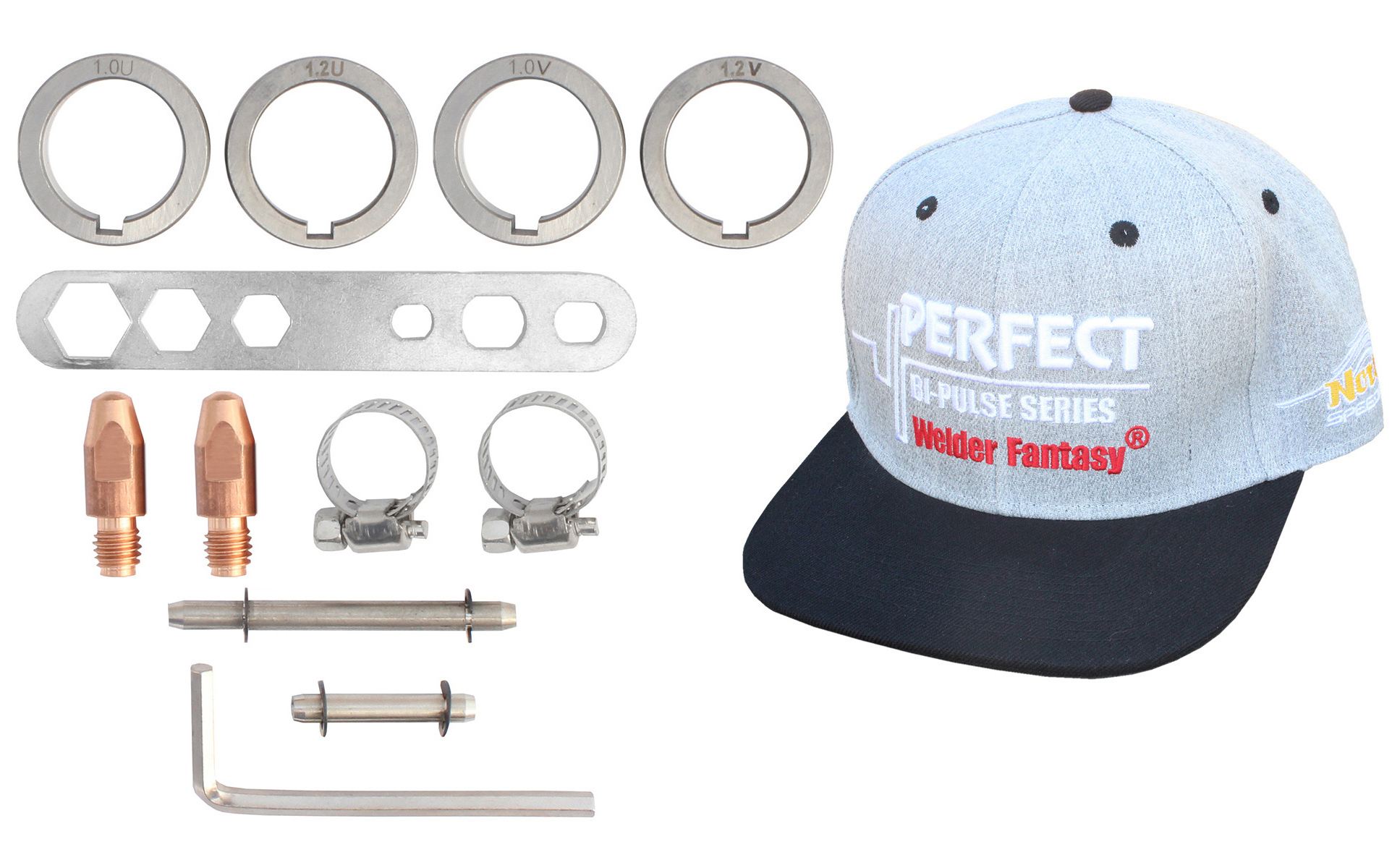
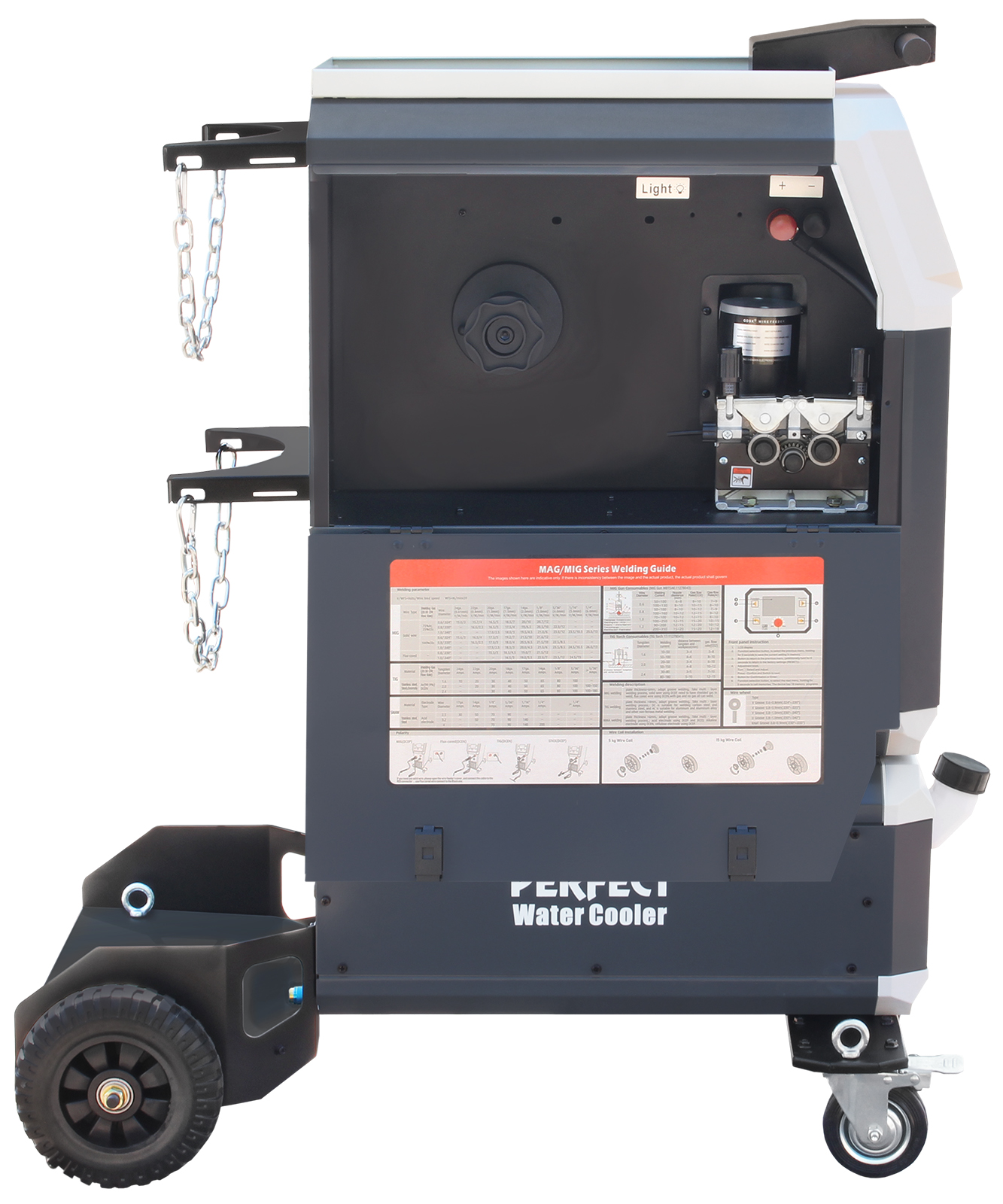
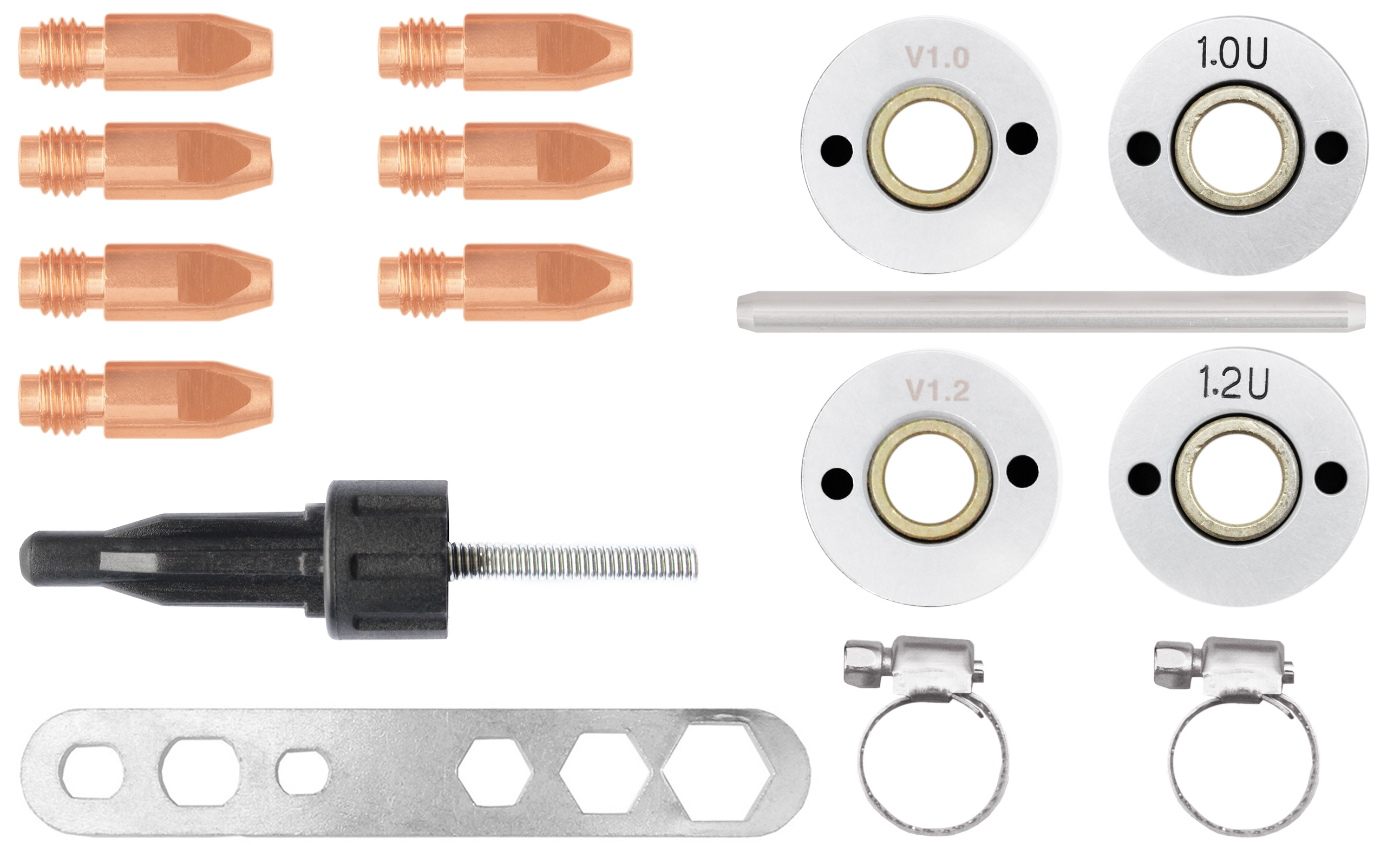
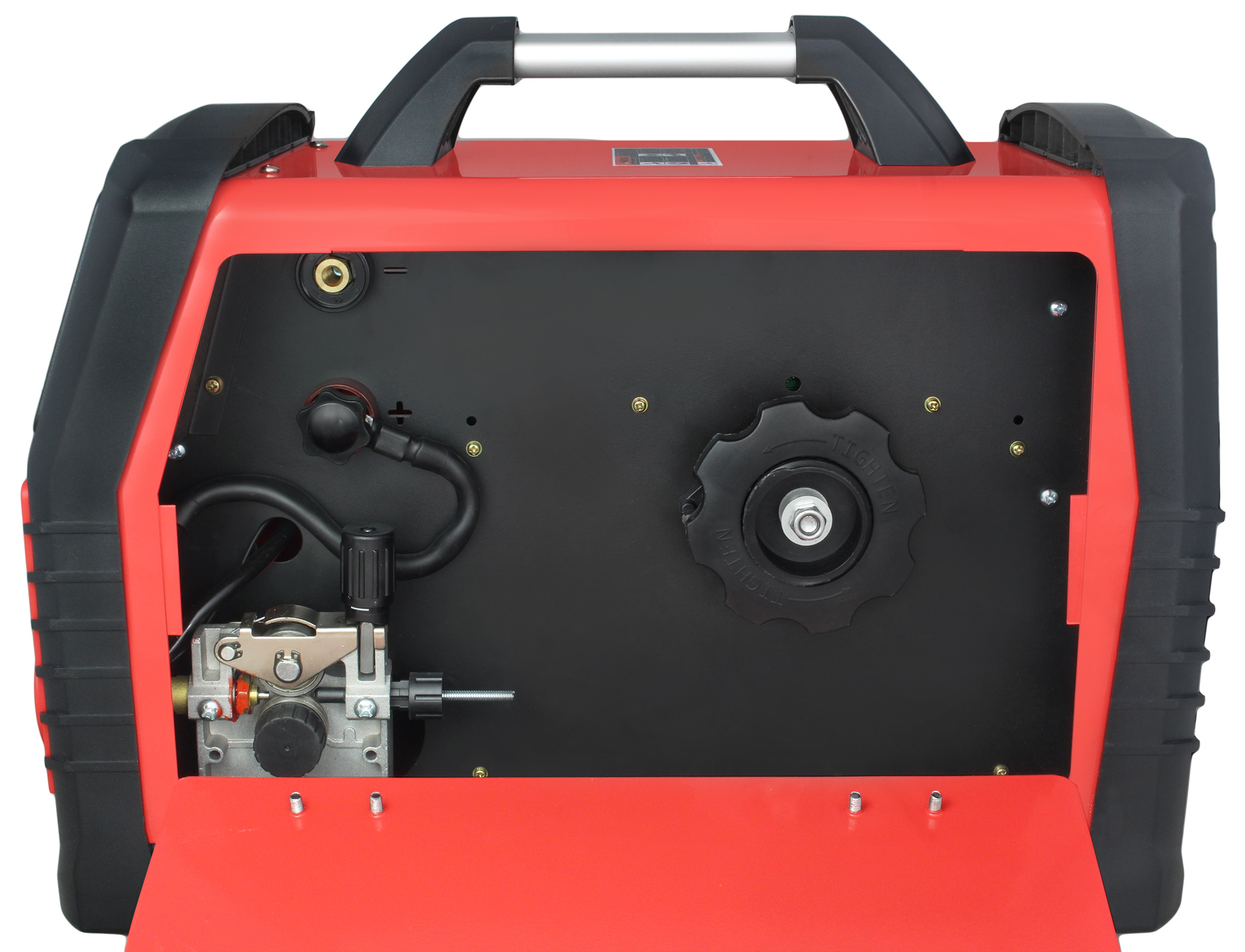
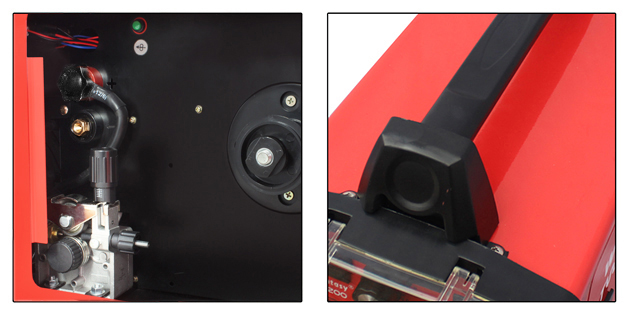
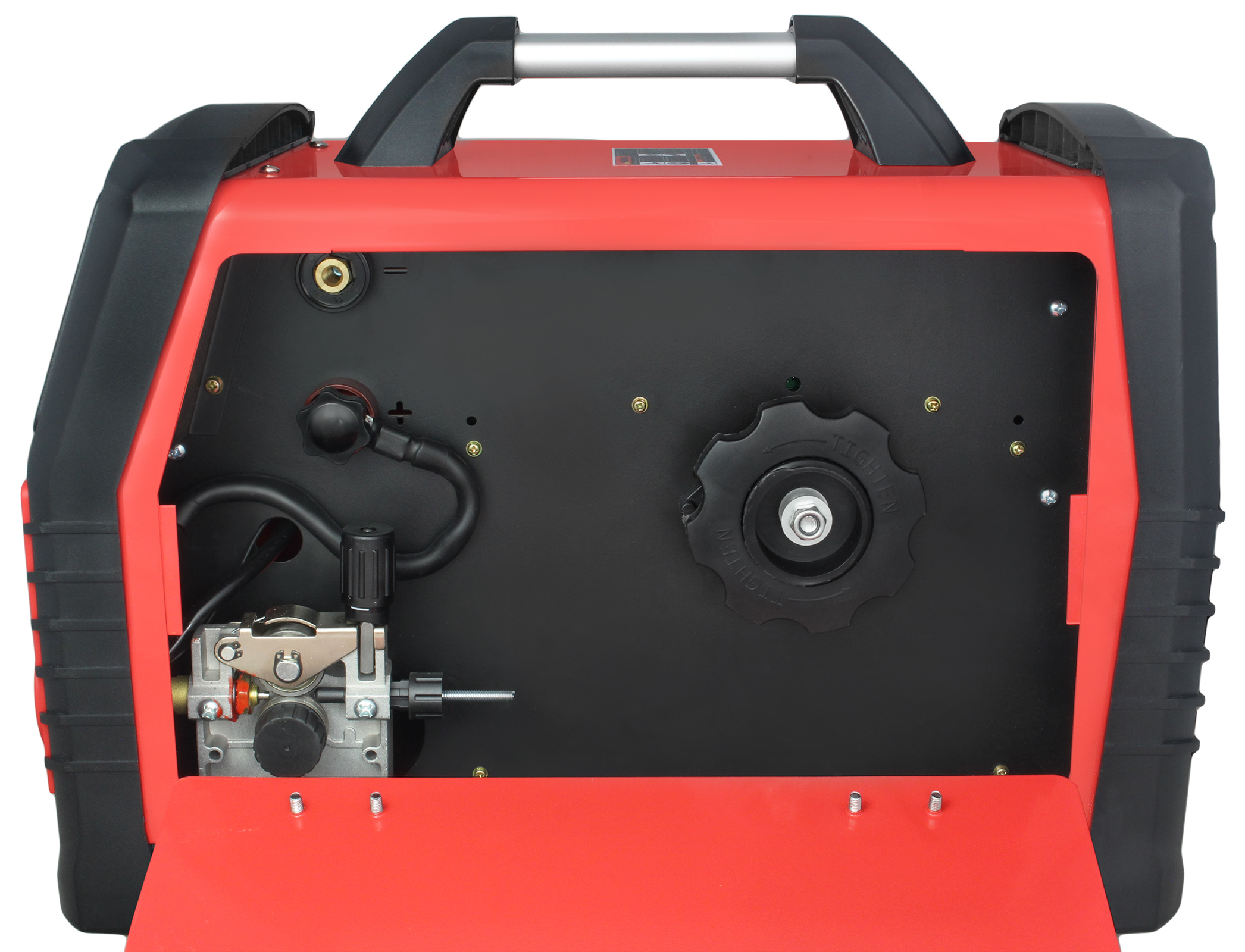
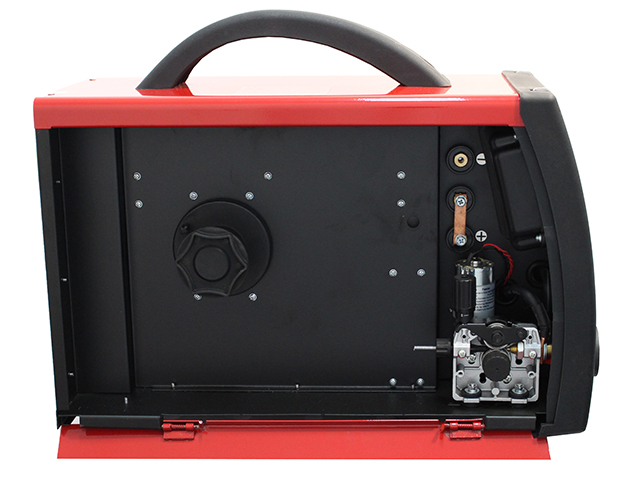
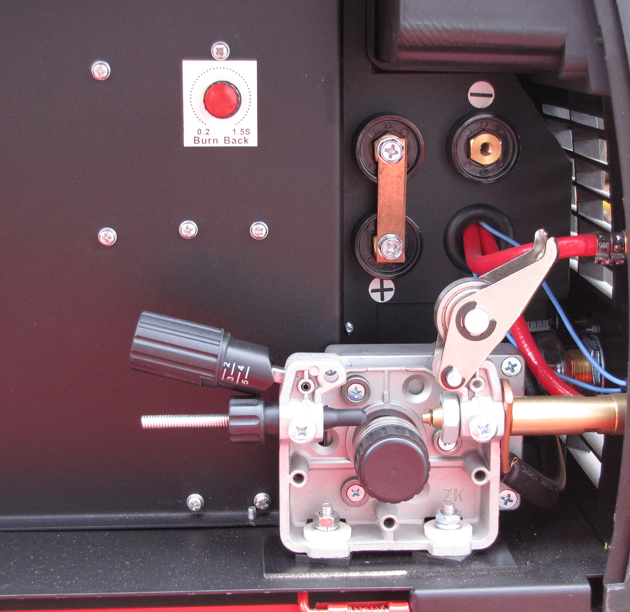
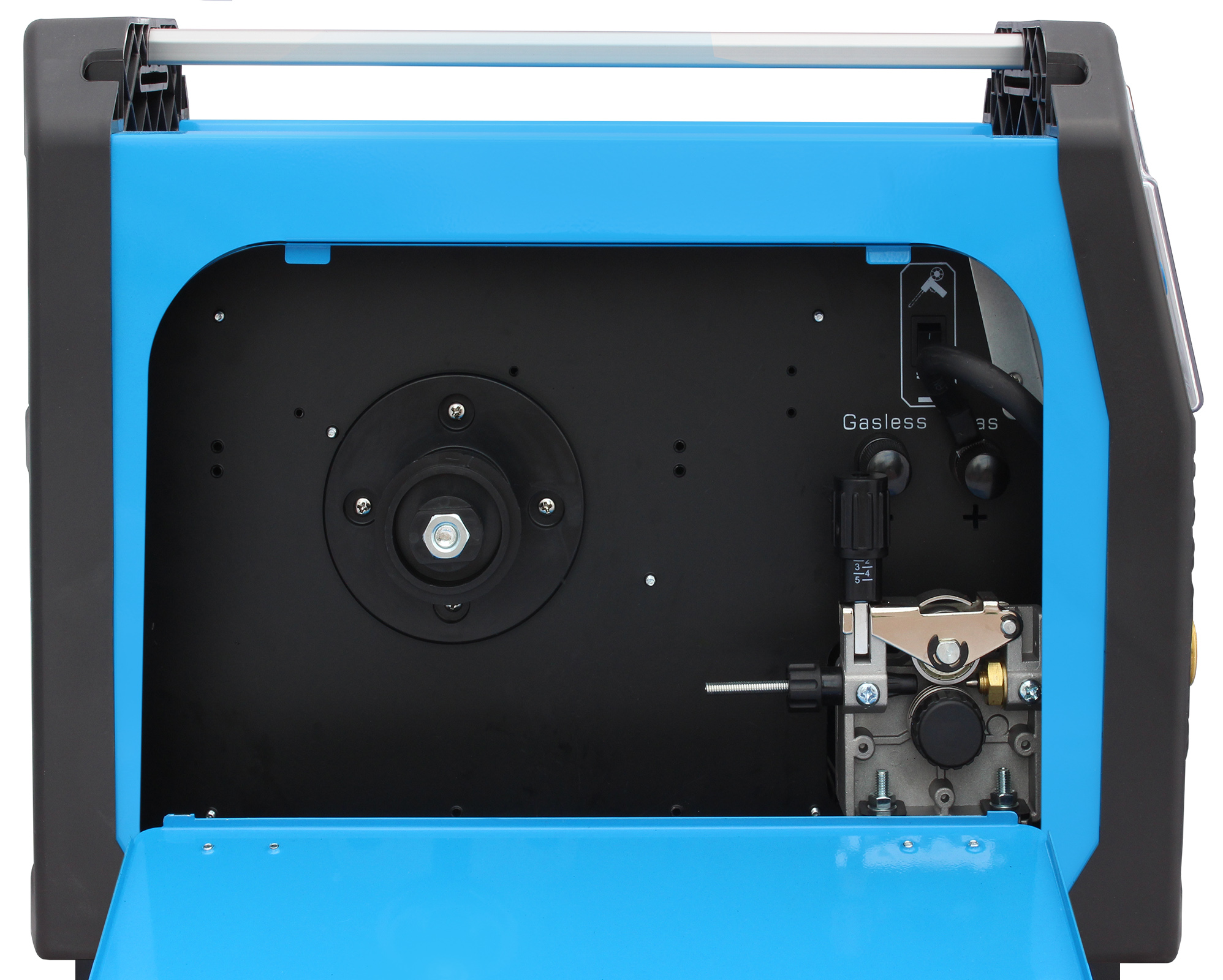
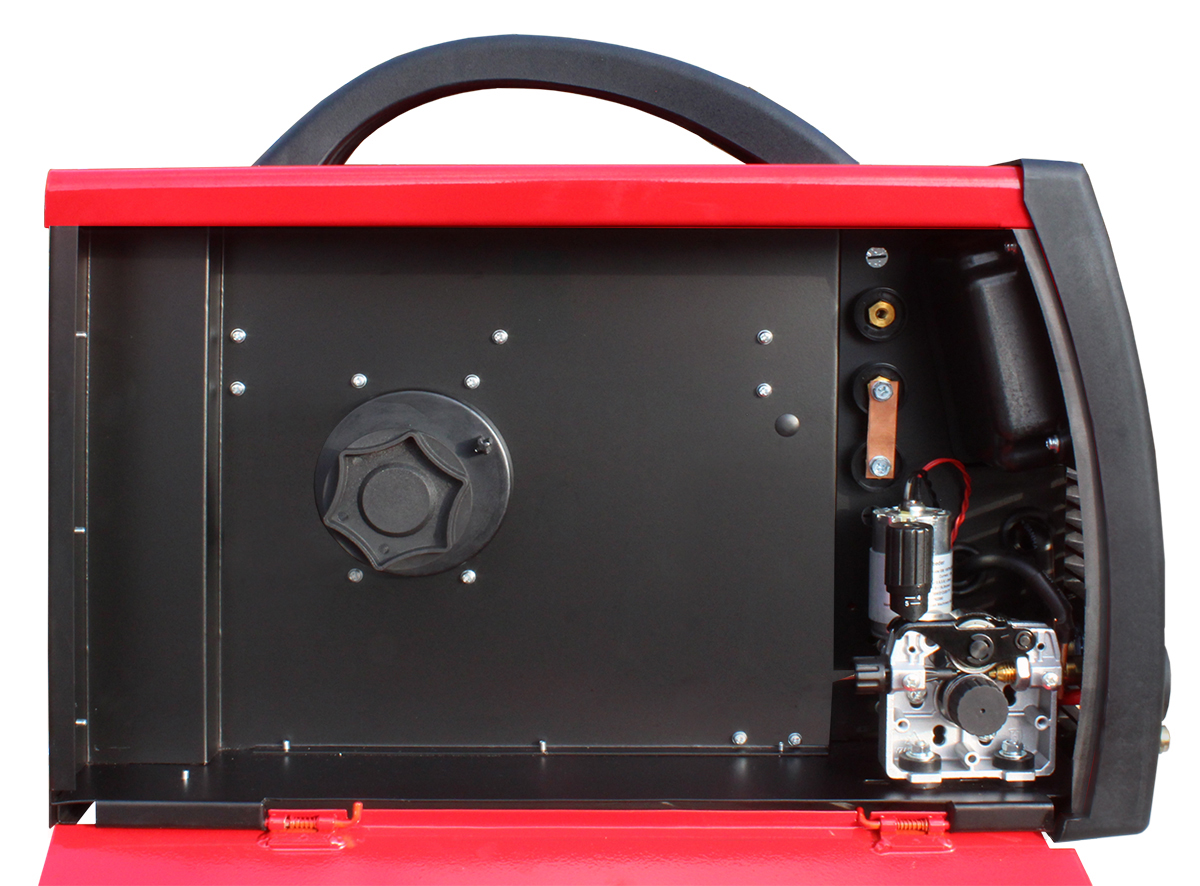
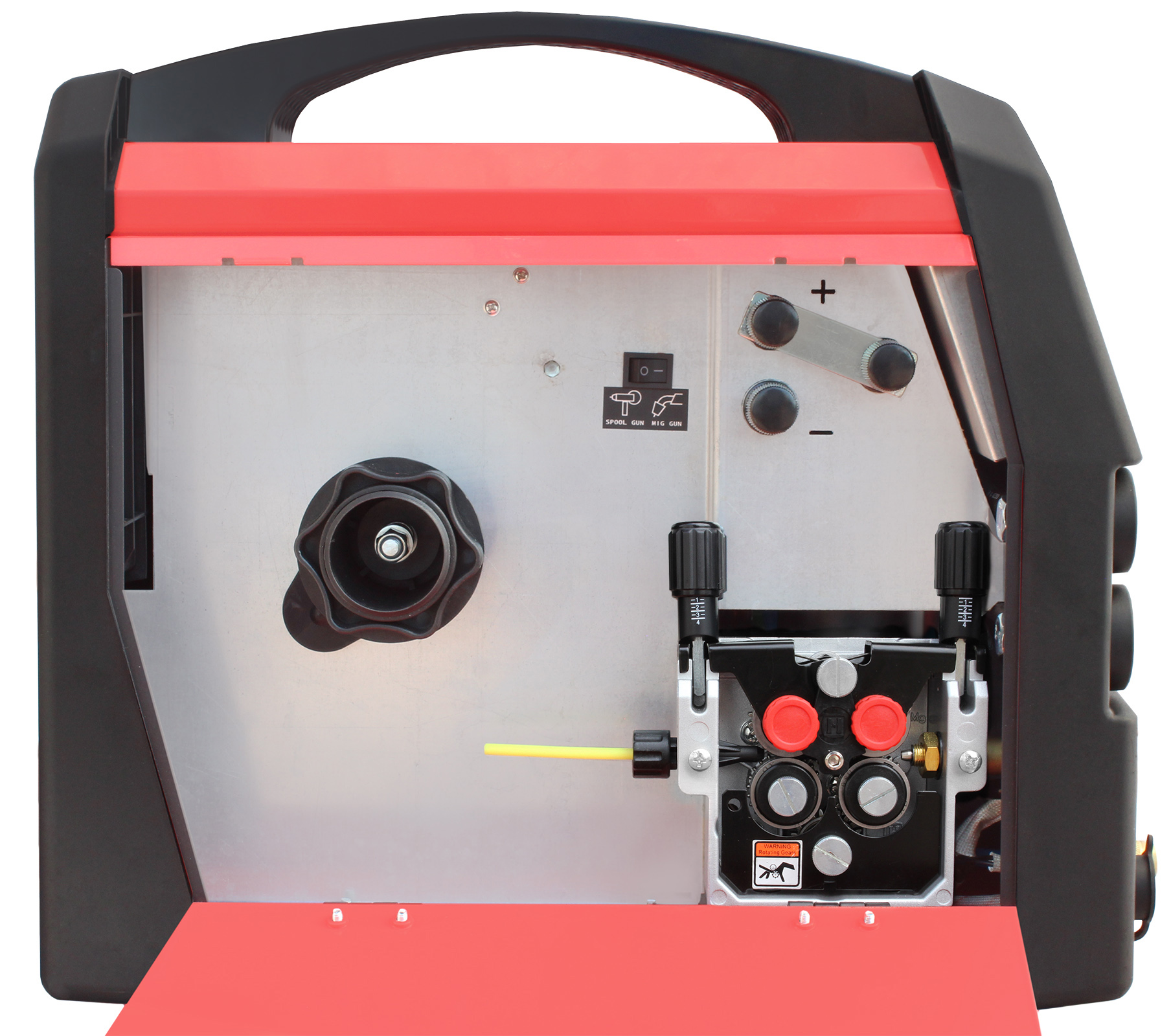
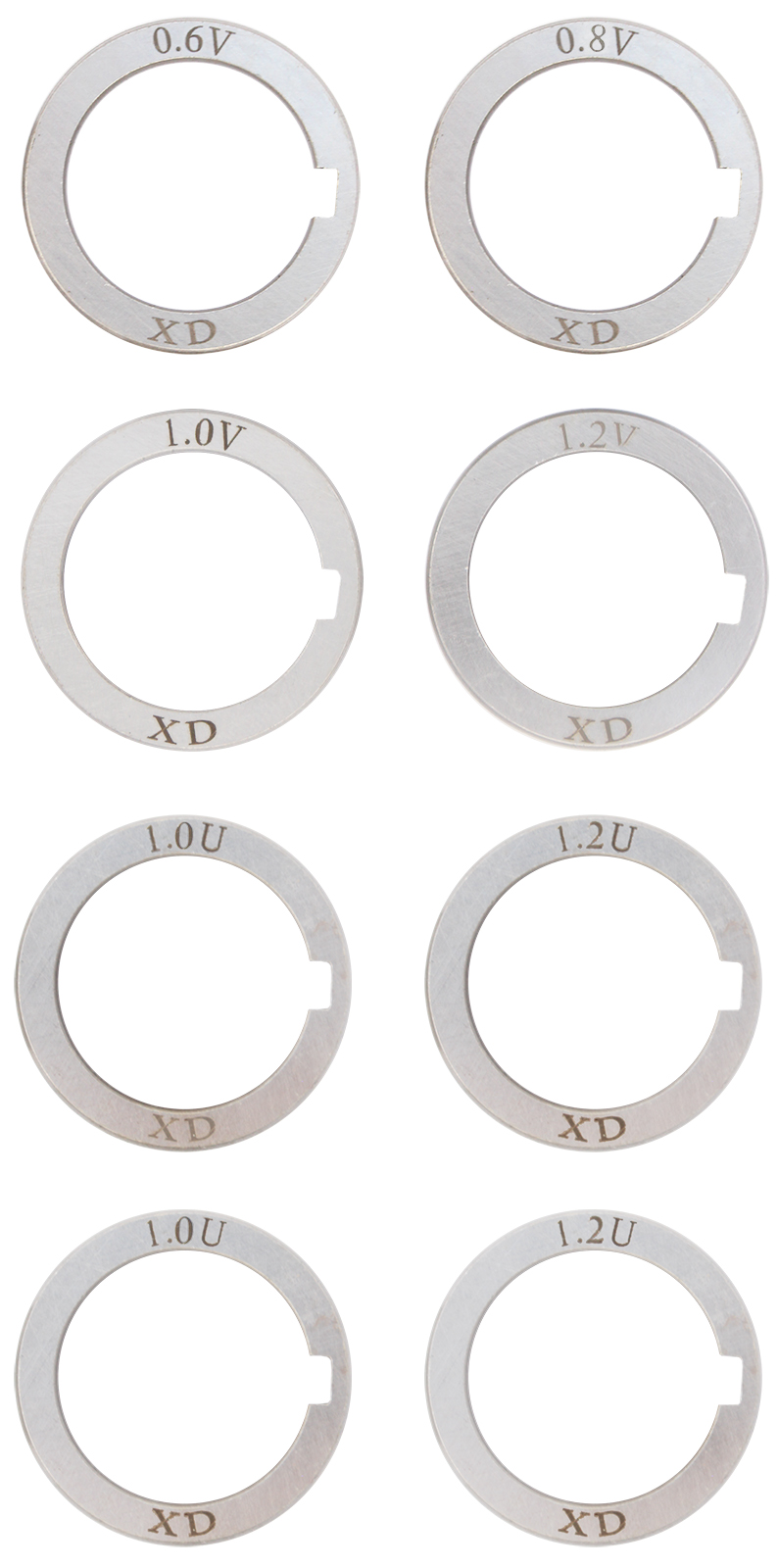
Devices can handle various wire spools, from small (e.g., D100, 0.5-1 kg) to larger ones (e.g., D200, D300). There is also an option to connect a SPOOLGUN for working with fine wire.
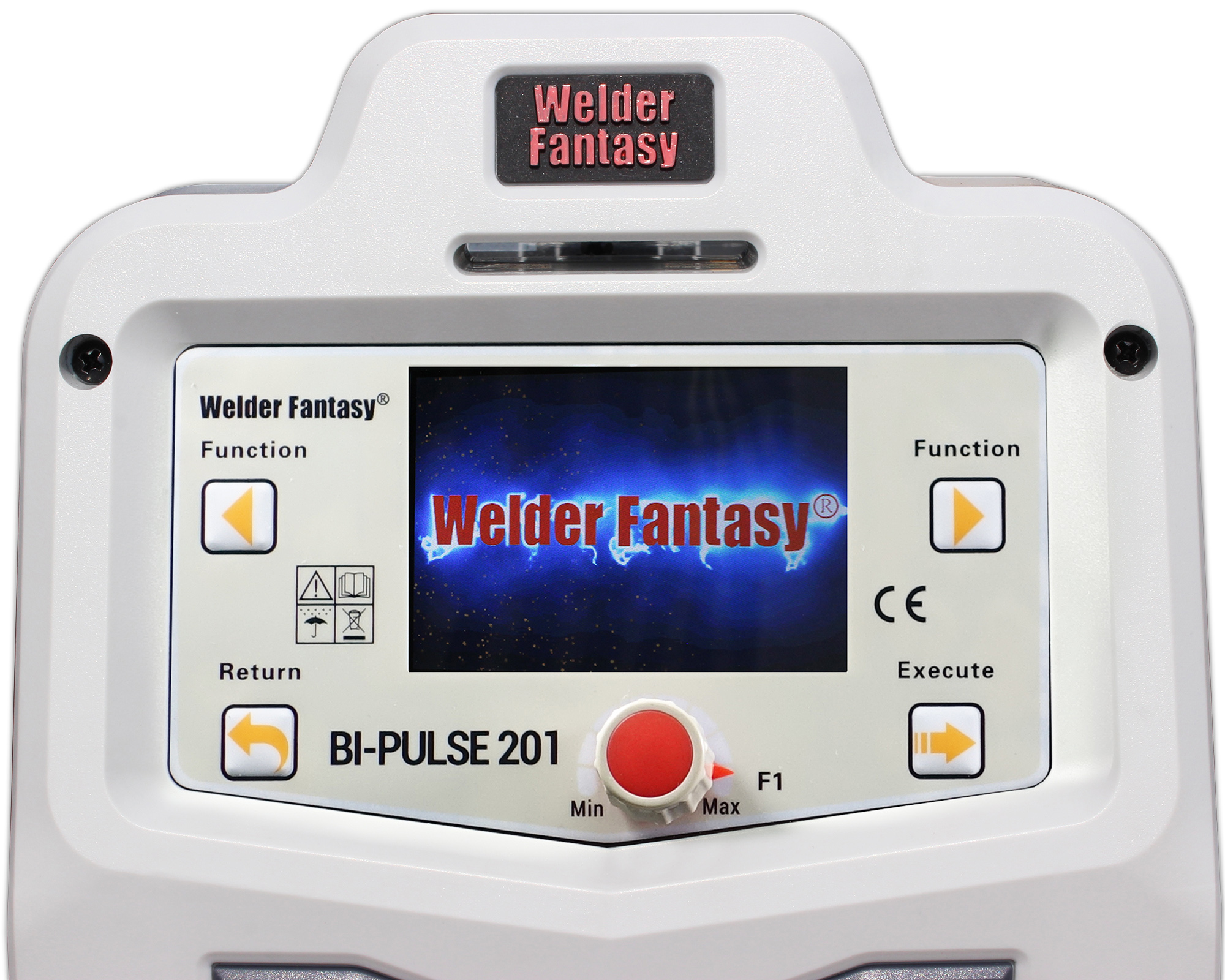
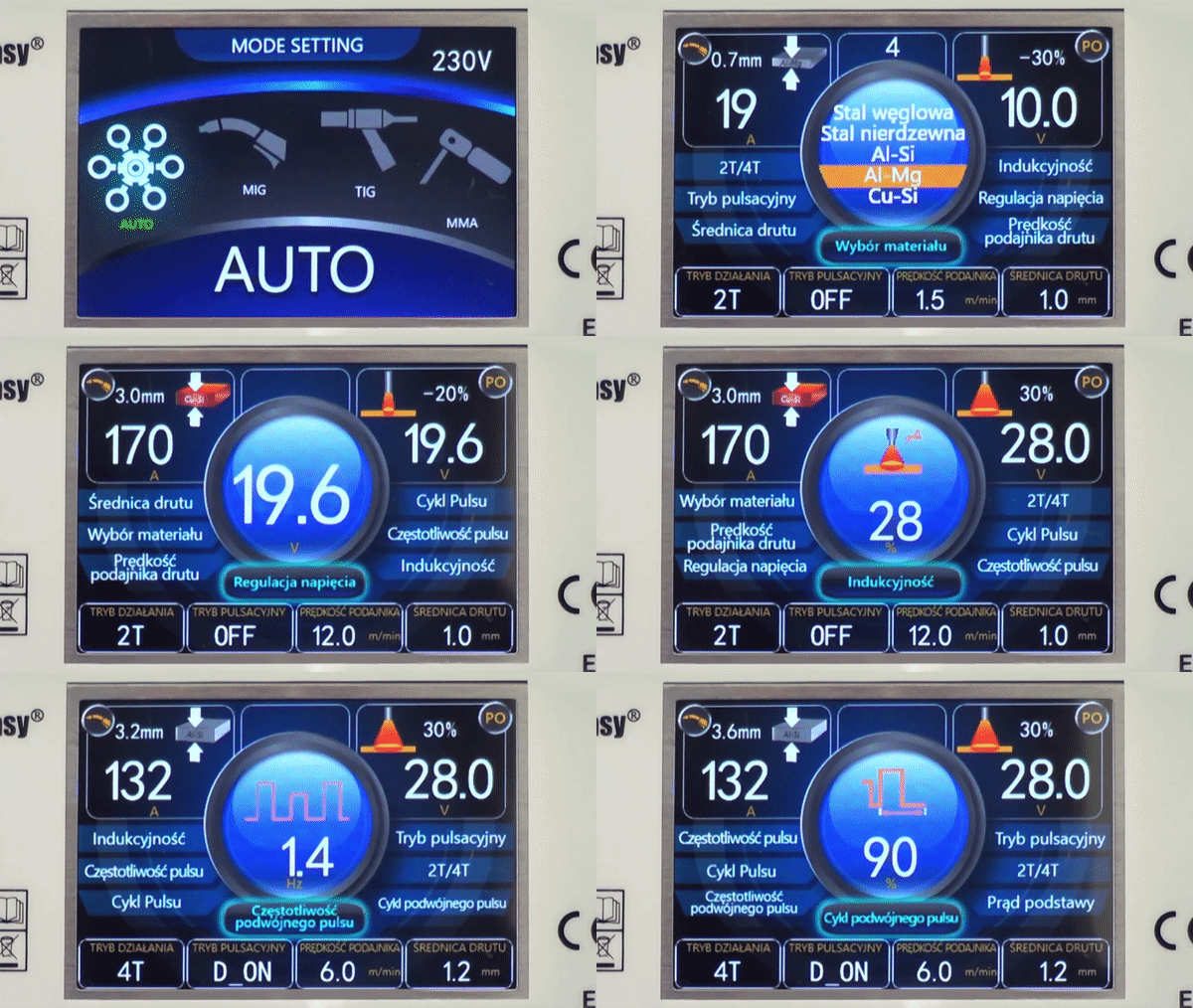
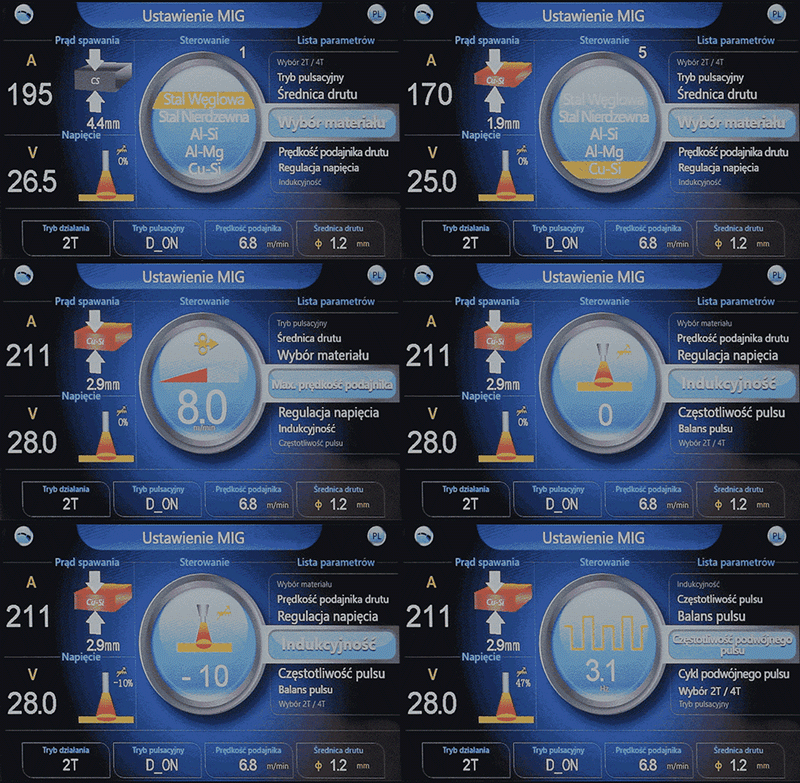
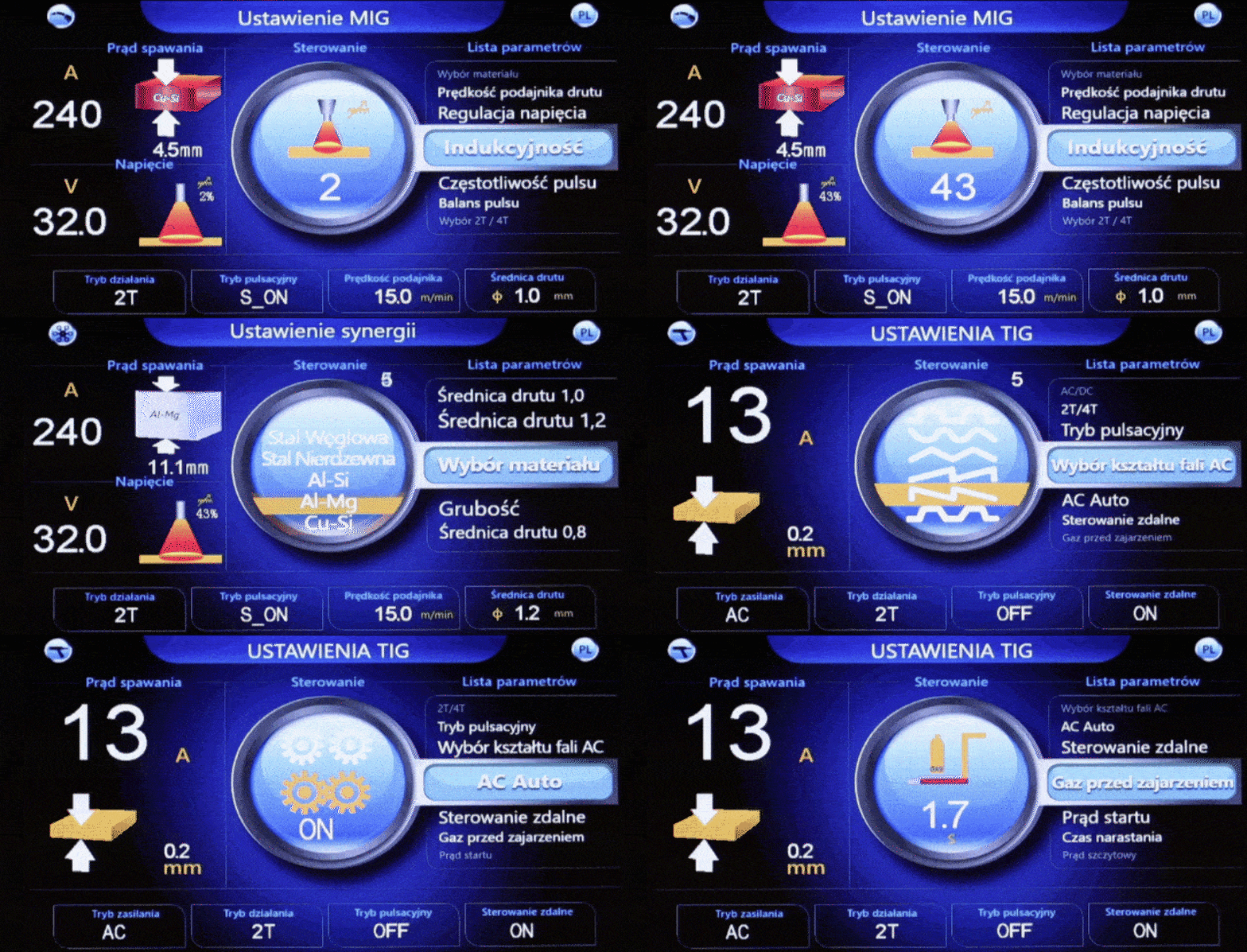
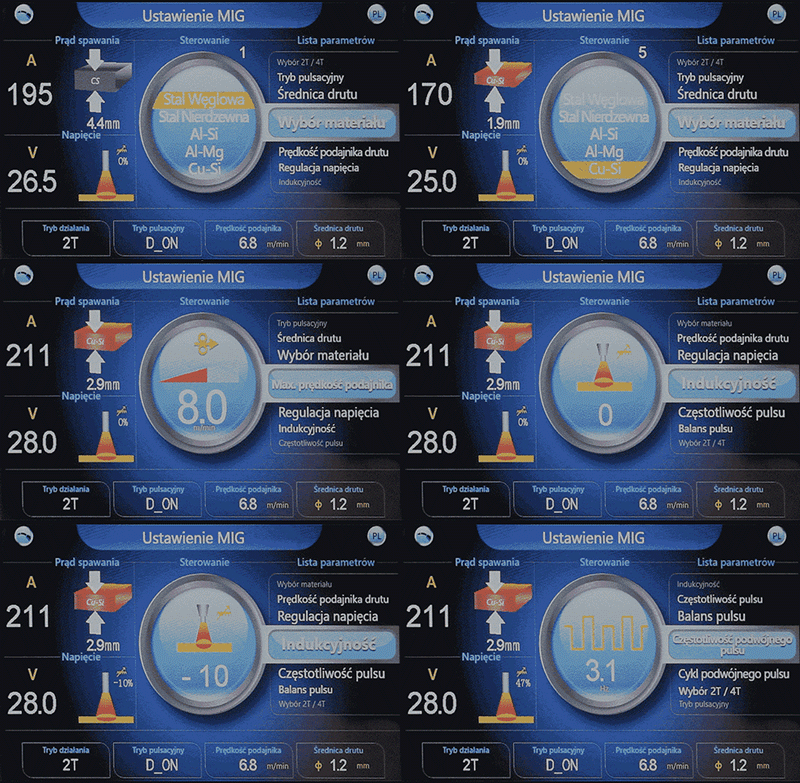
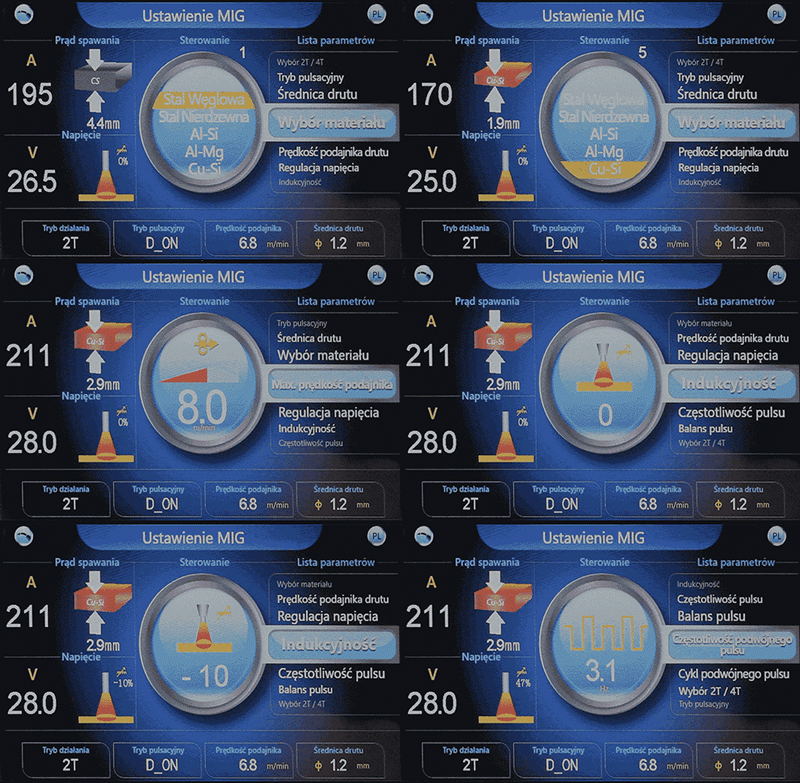
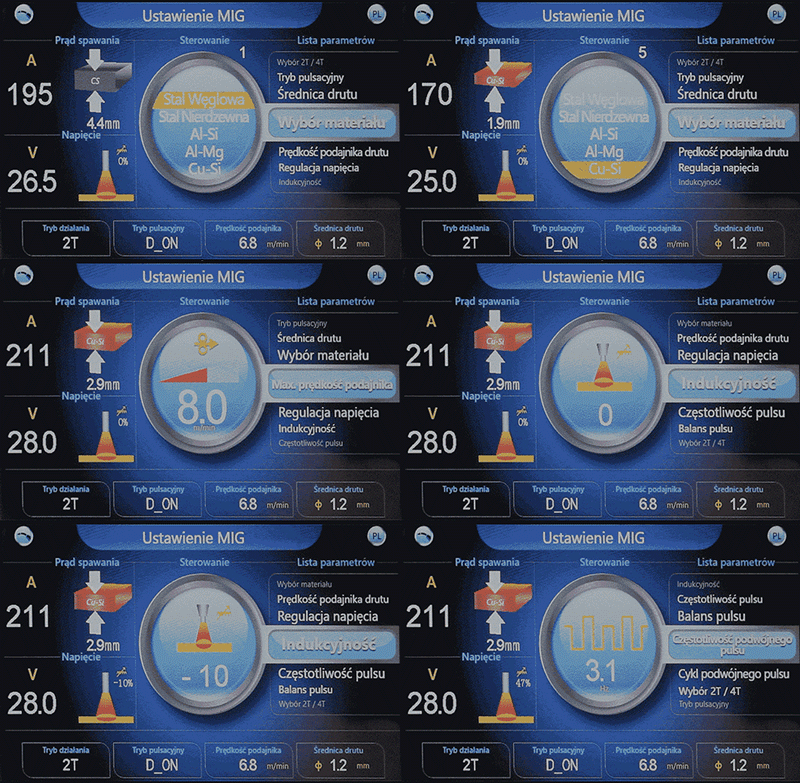
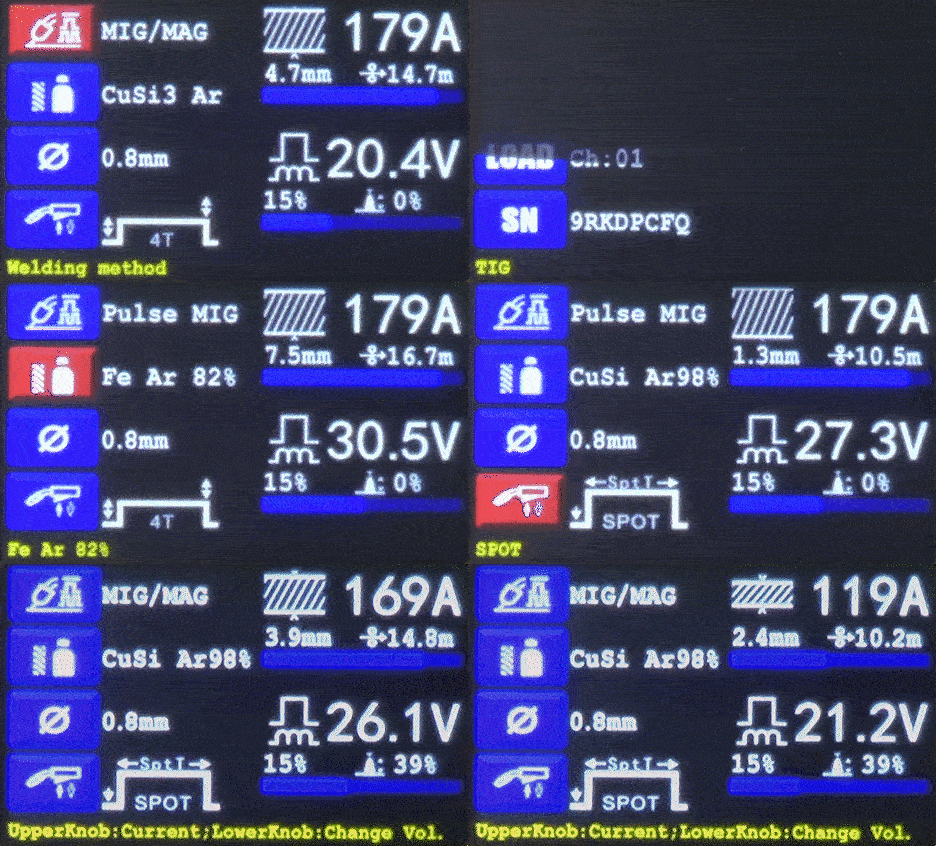
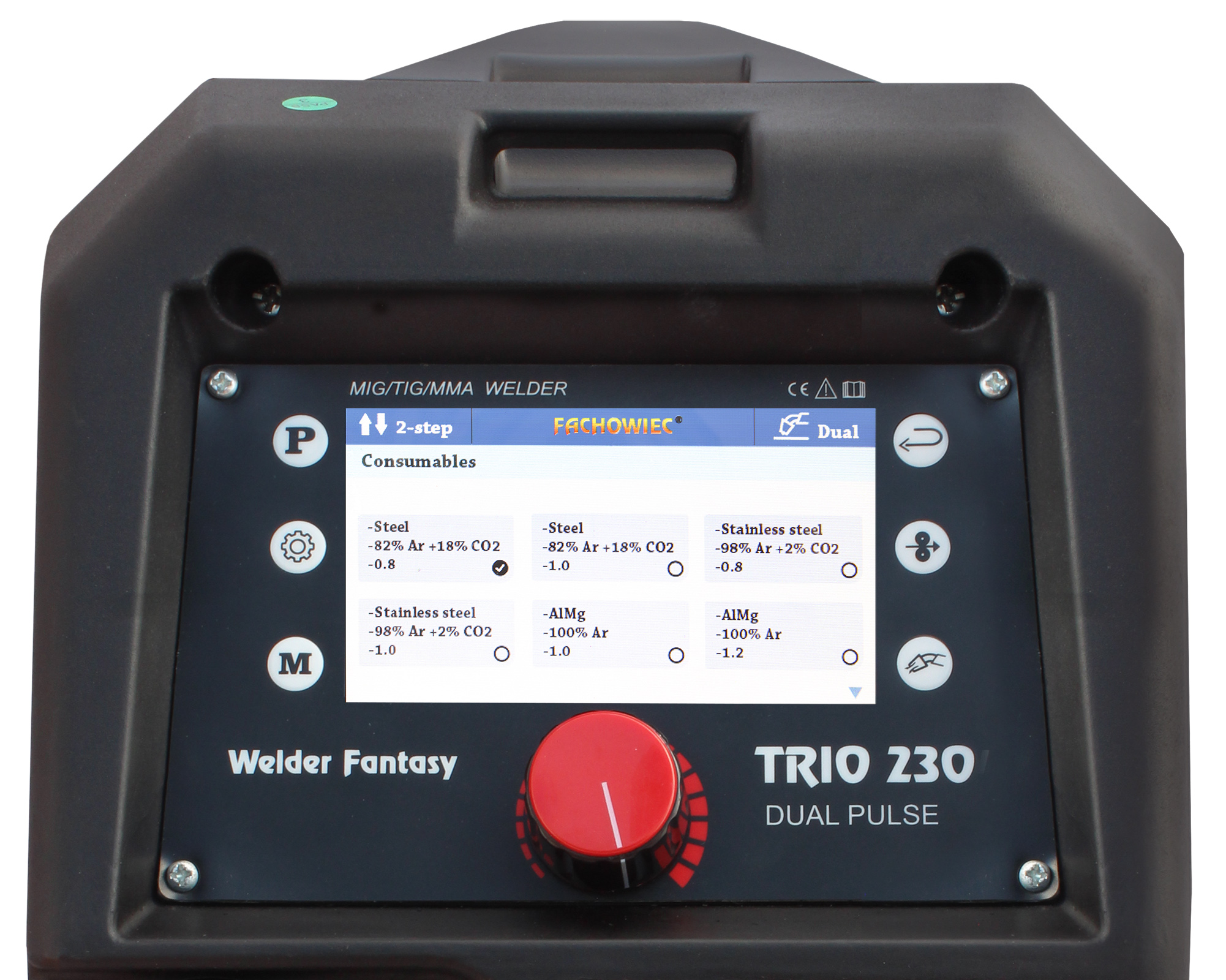
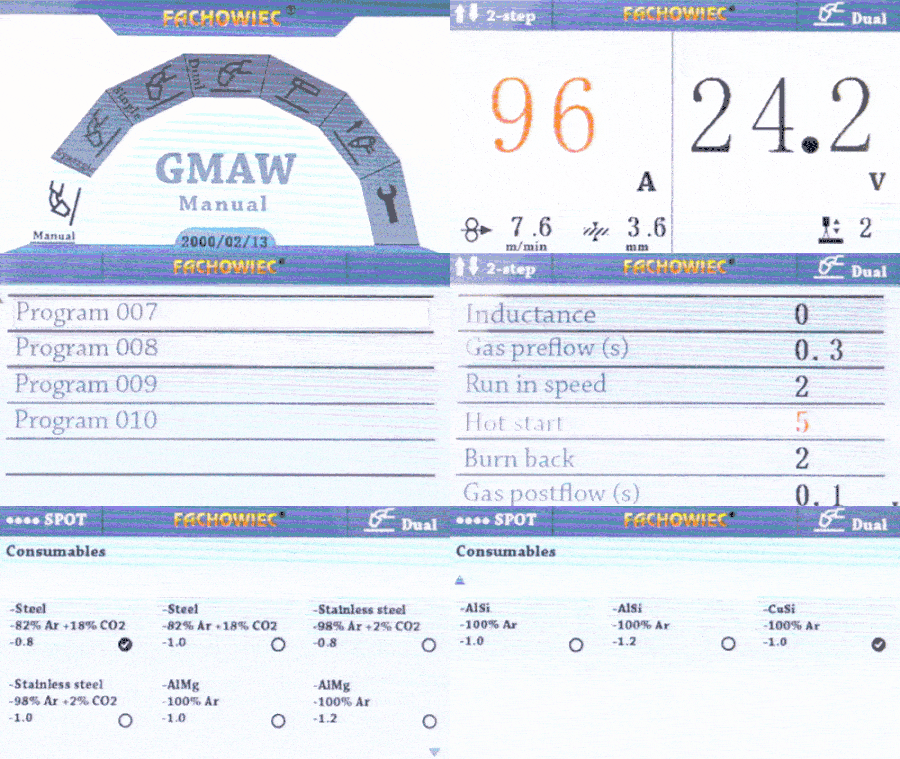
Synergy and Dual Puls: Facilitate parameter setting and allow for high-quality welds, especially when welding aluminum and stainless steel.
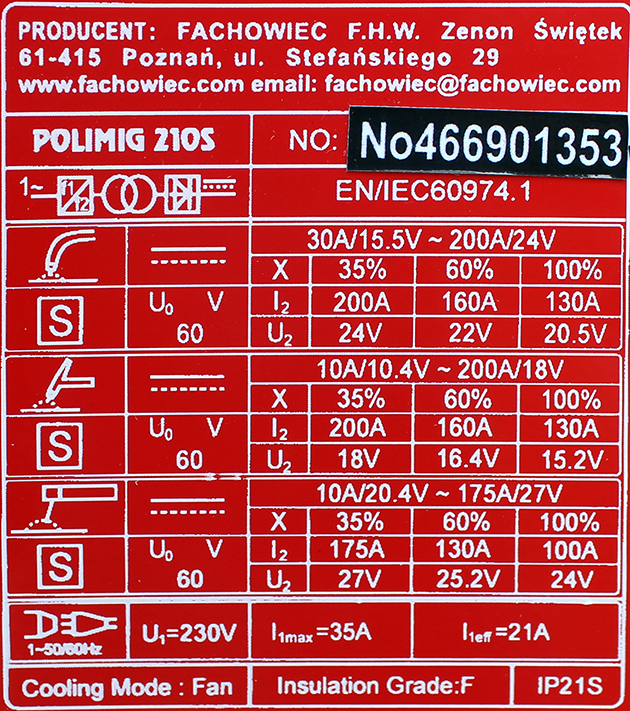
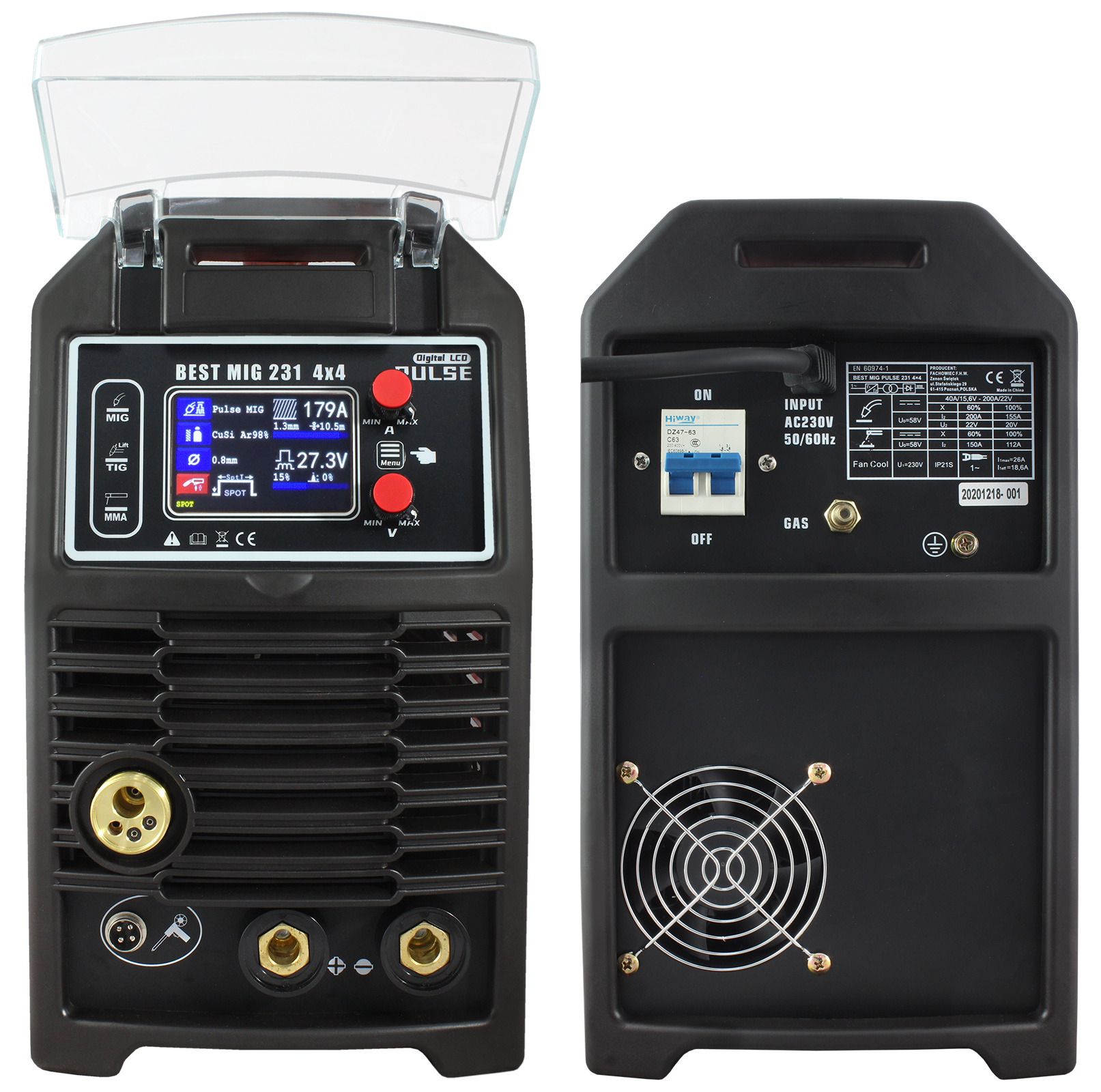
- Duty cycle: Indicates how long the device can operate without overheating.
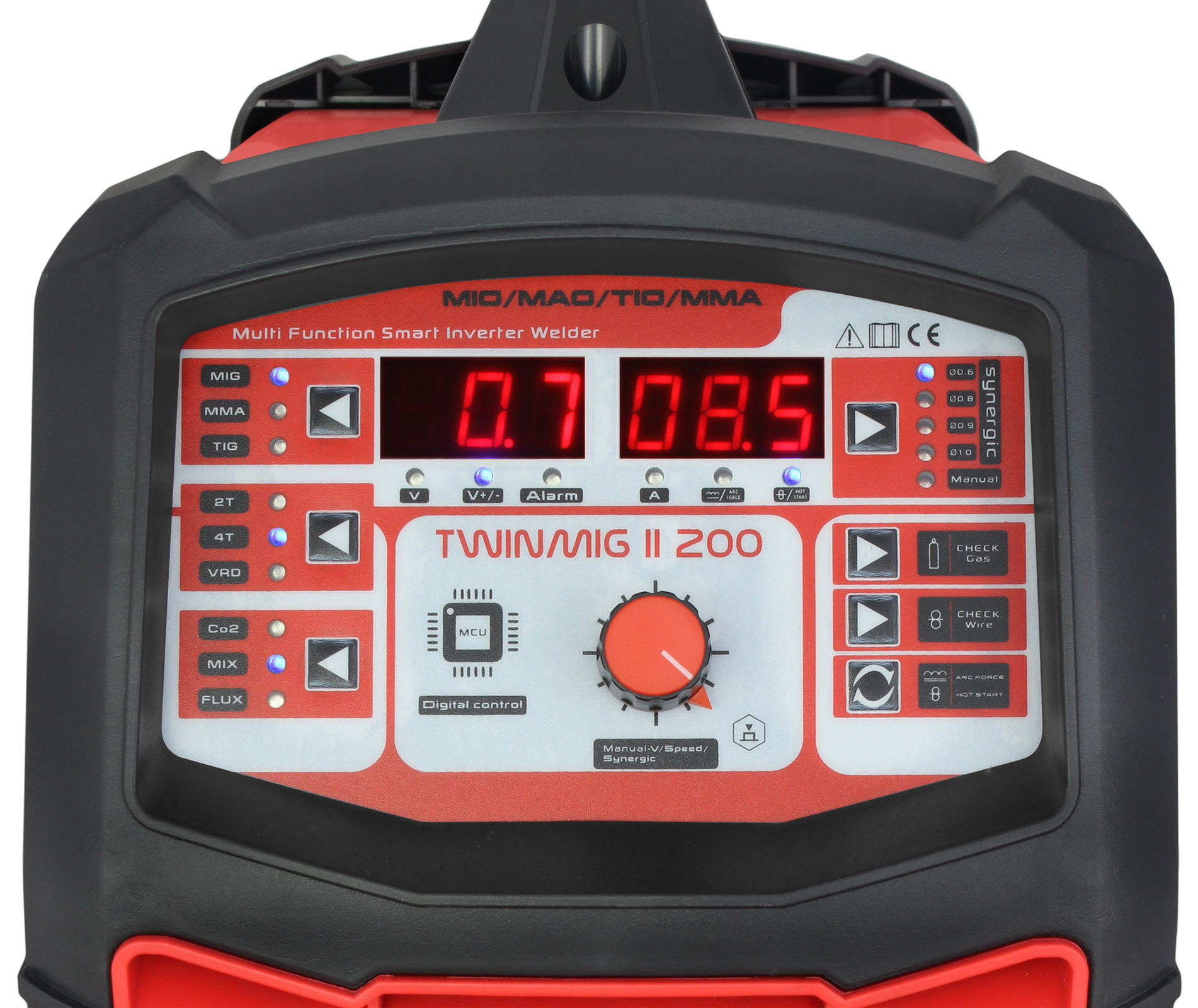
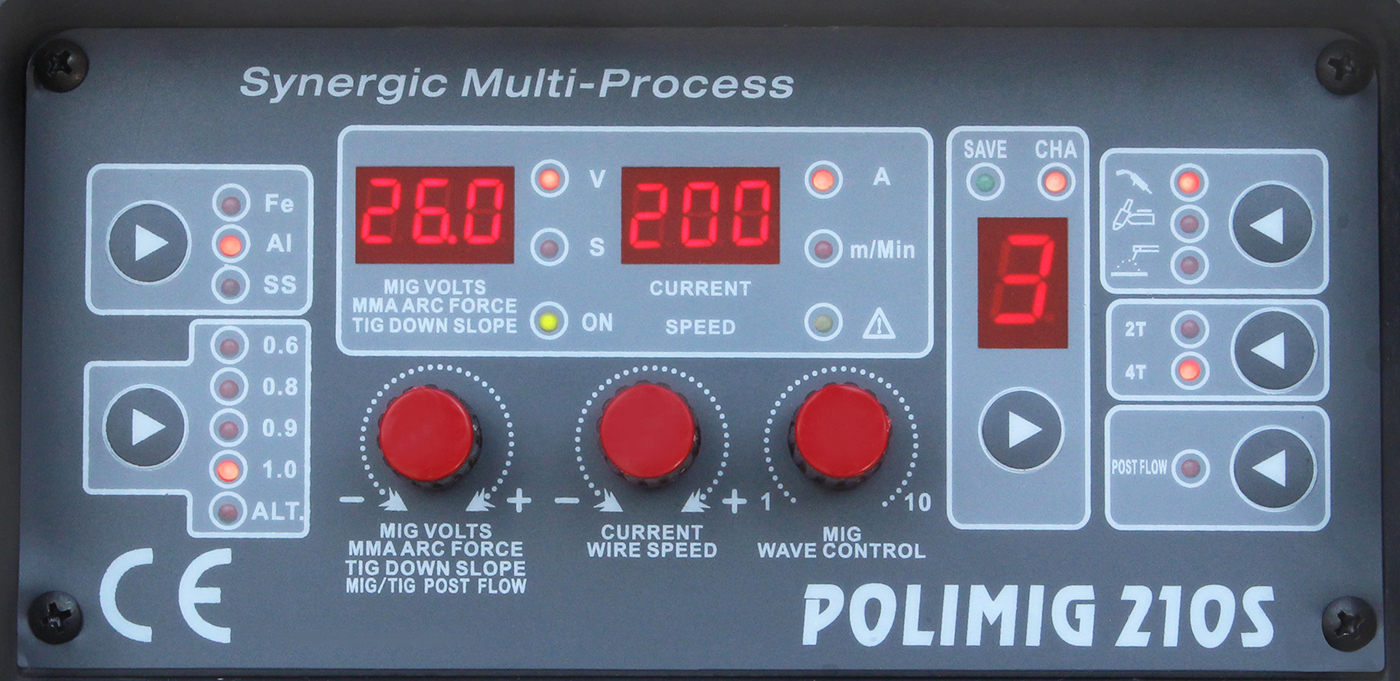
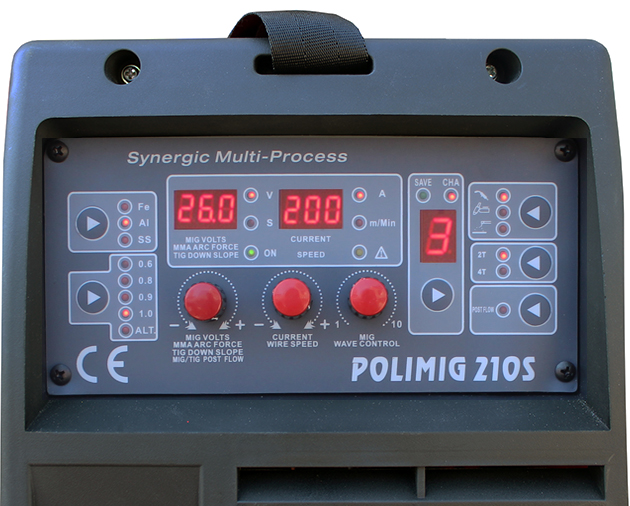
- 2T/4T mode: Allows control over the welding process, choosing between short touches and more advanced trigger control.
- POST GAS function: Regulates the flow time of the shielding gas after welding is completed.
Advantages of multifunctional MIG/MAG welders
- Efficiency: High speed and work efficiency, which is crucial in mass production.
- Versatility: Ability to weld different materials and use various methods.
- Precision: Accurate control of parameters such as current, voltage, and wire speed.
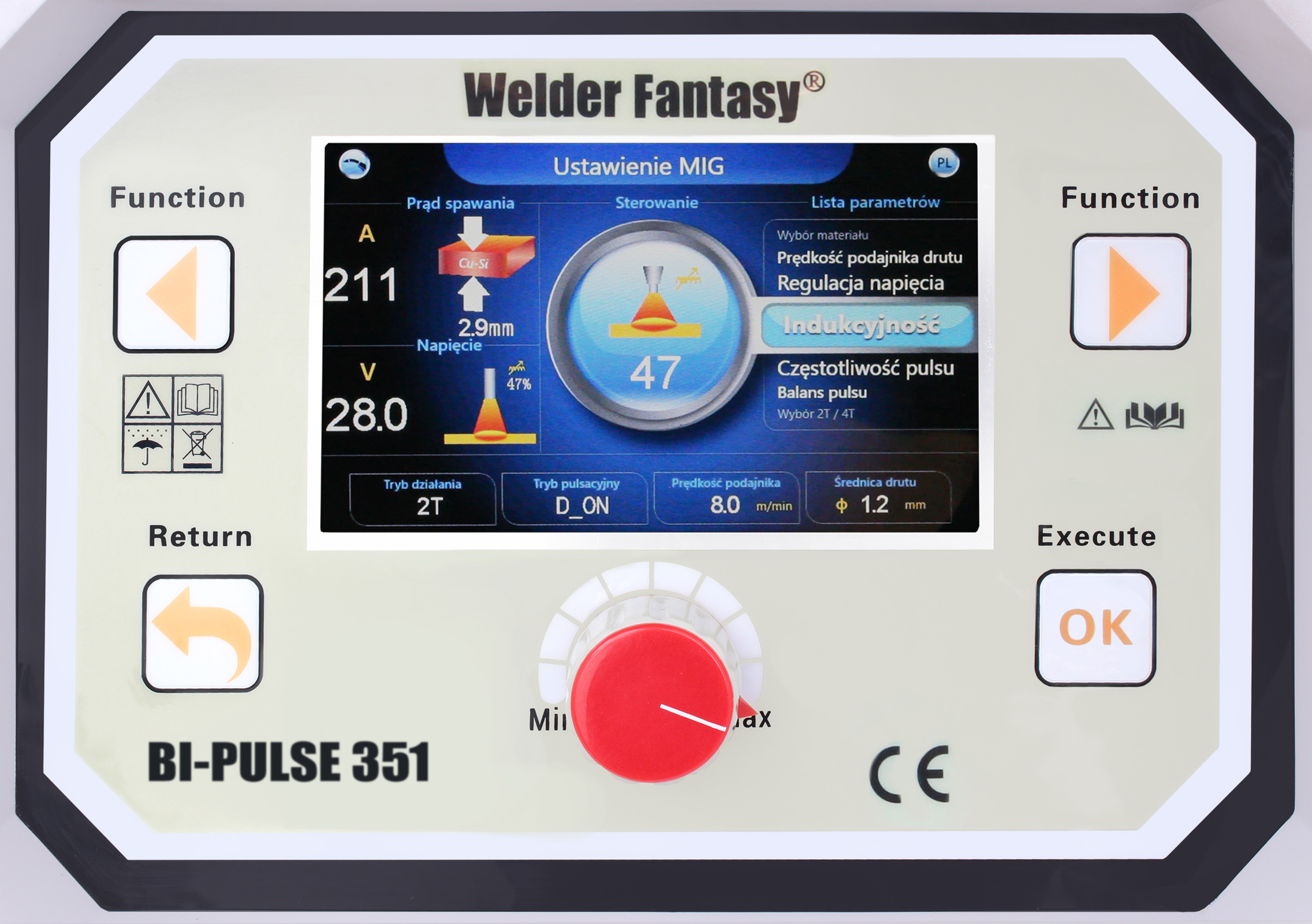
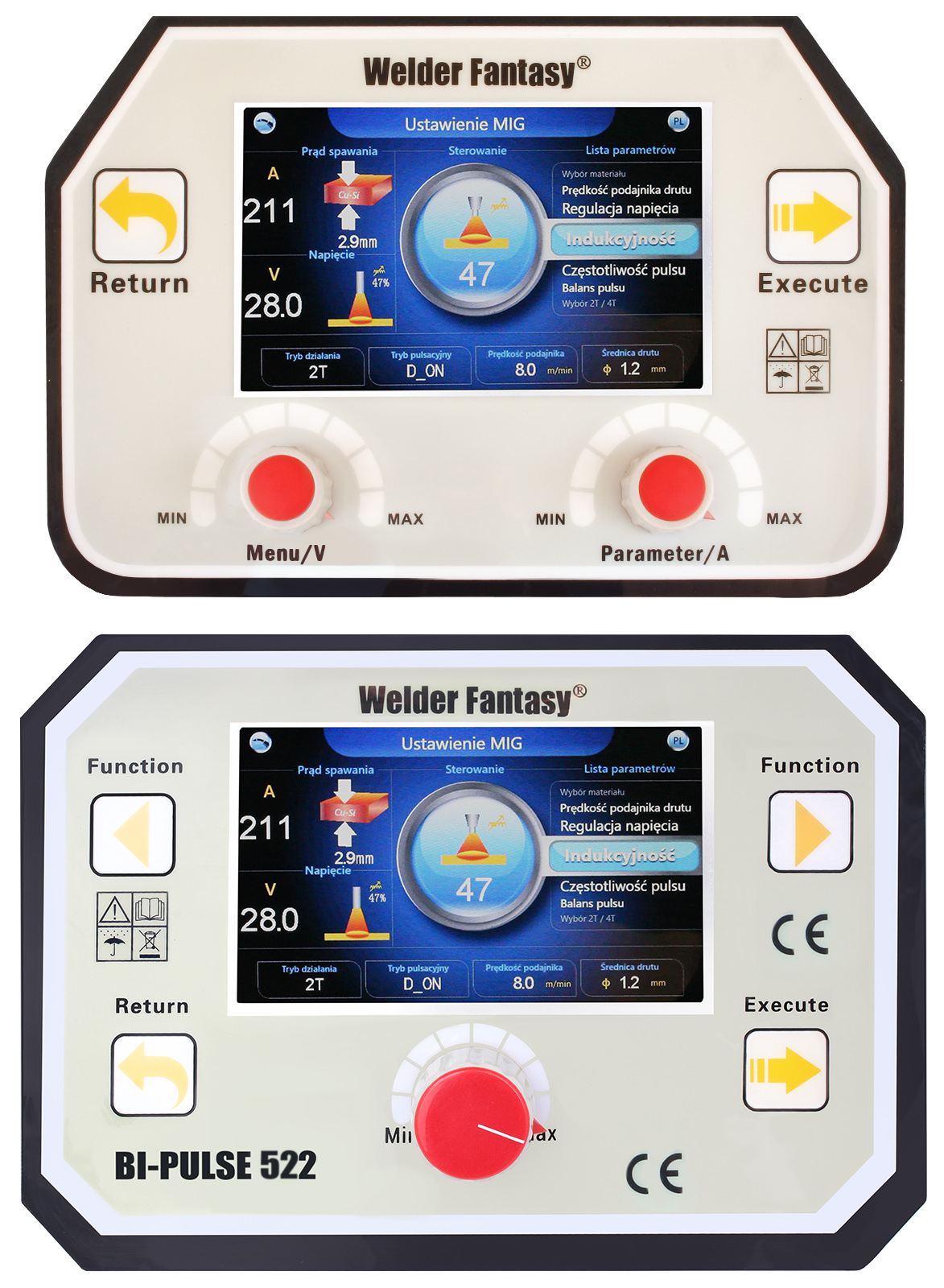
- Ease of use: Simplified control panels and programmable settings.
To choose a multifunctional MIG/MAG welder, you should determine the purpose of the device (e.g., for home, workshop, professional work), consider the required amperage range and thickness of the welded materials, and check the duty cycle of the device for different current intensities. Additional features such as Hot Start or Anti-Stick, ease of use (clear panel), and the quality of the wire feeder are also important.
1. Determine the purpose and type of work:
A single-phase (230V) welder is sufficient, which will be suitable for welding thin sheets and small components.
A more powerful welder will be needed, often three-phase, with higher amperage and better duty cycle to handle longer and heavier tasks.
2. Choose the appropriate welding current range (amperage):
Material thickness vs. amperage: It is assumed that 1 mm of material requires about 40-50 A of current.
Adjustment to thickness:
- For thin sheets (e.g., car bodies): a welder with a range up to 200 A is sufficient.
- For medium thickness materials (e.g., steel structures): look for devices up to about 250 A.
- For thick materials: amperage above 250A will be needed.
3. Pay attention to the duty cycle:
This is a key parameter that determines how long the welder can operate at a given current. The duty cycle value is provided for a specific welding current (e.g., 35% or 60%) and for 100% operation at a lower intensity.
4. Check additional features:
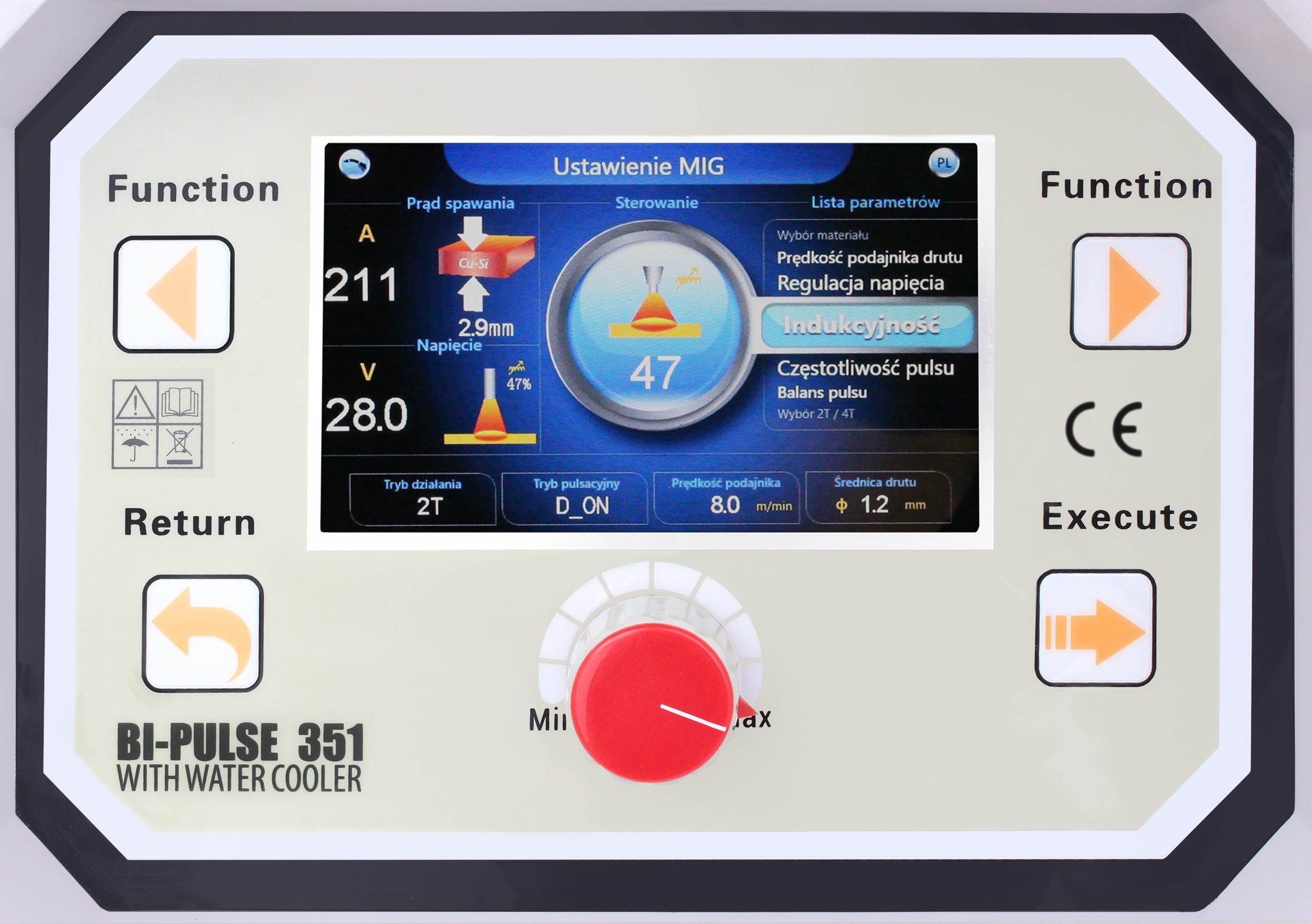
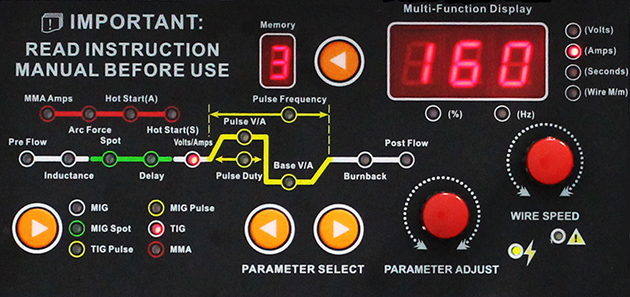
- Synergy: Automatic setting of welding parameters for optimal quality.
- Hot Start: Facilitates arc ignition by temporarily increasing the current.
- Anti-Stick: Prevents the electrode from sticking to the material by immediately cutting off the current.
- Arc Force: Ensures a stable welding arc, improving the quality of the weld.
5. Pay attention to the quality of workmanship:
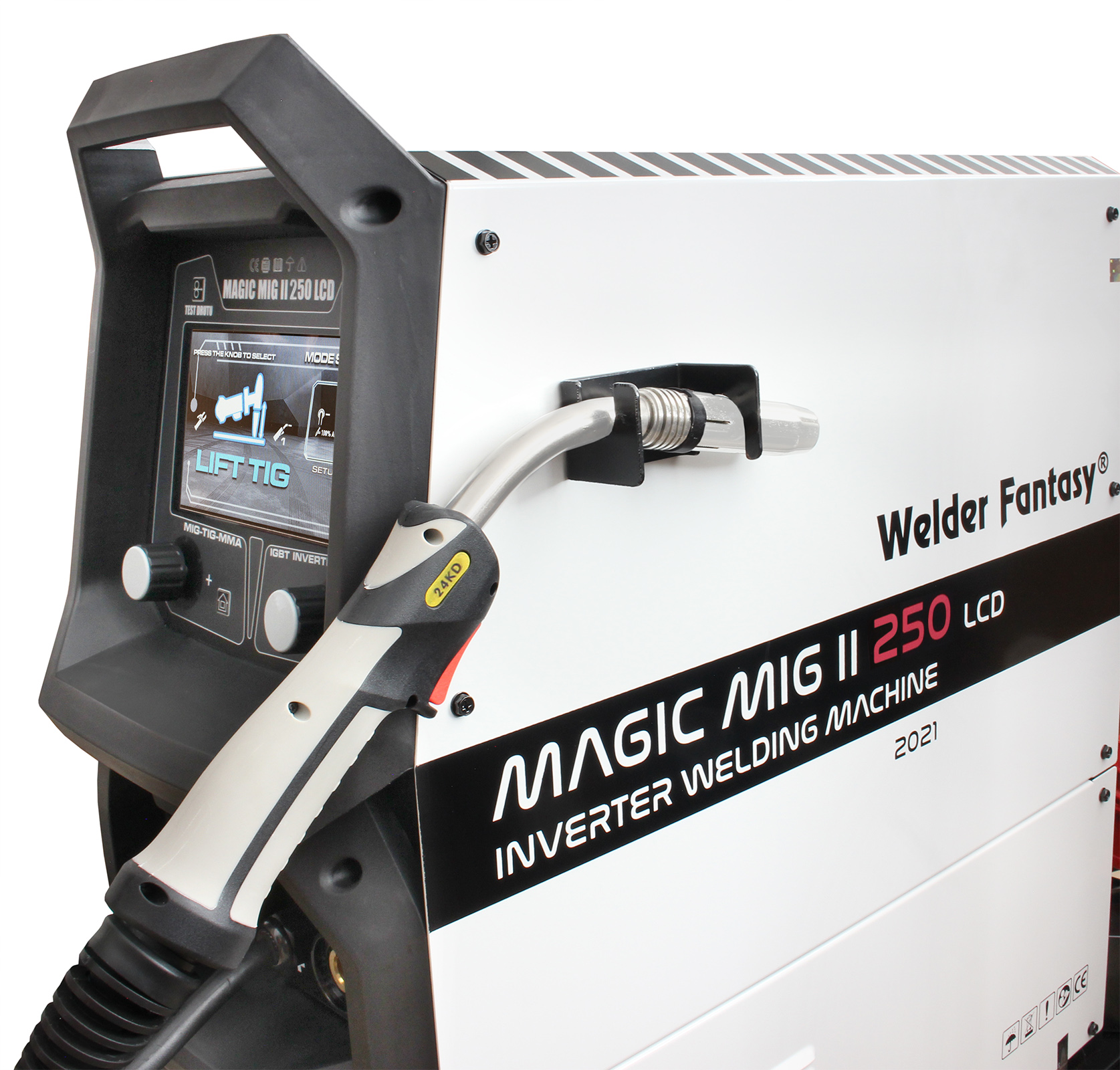
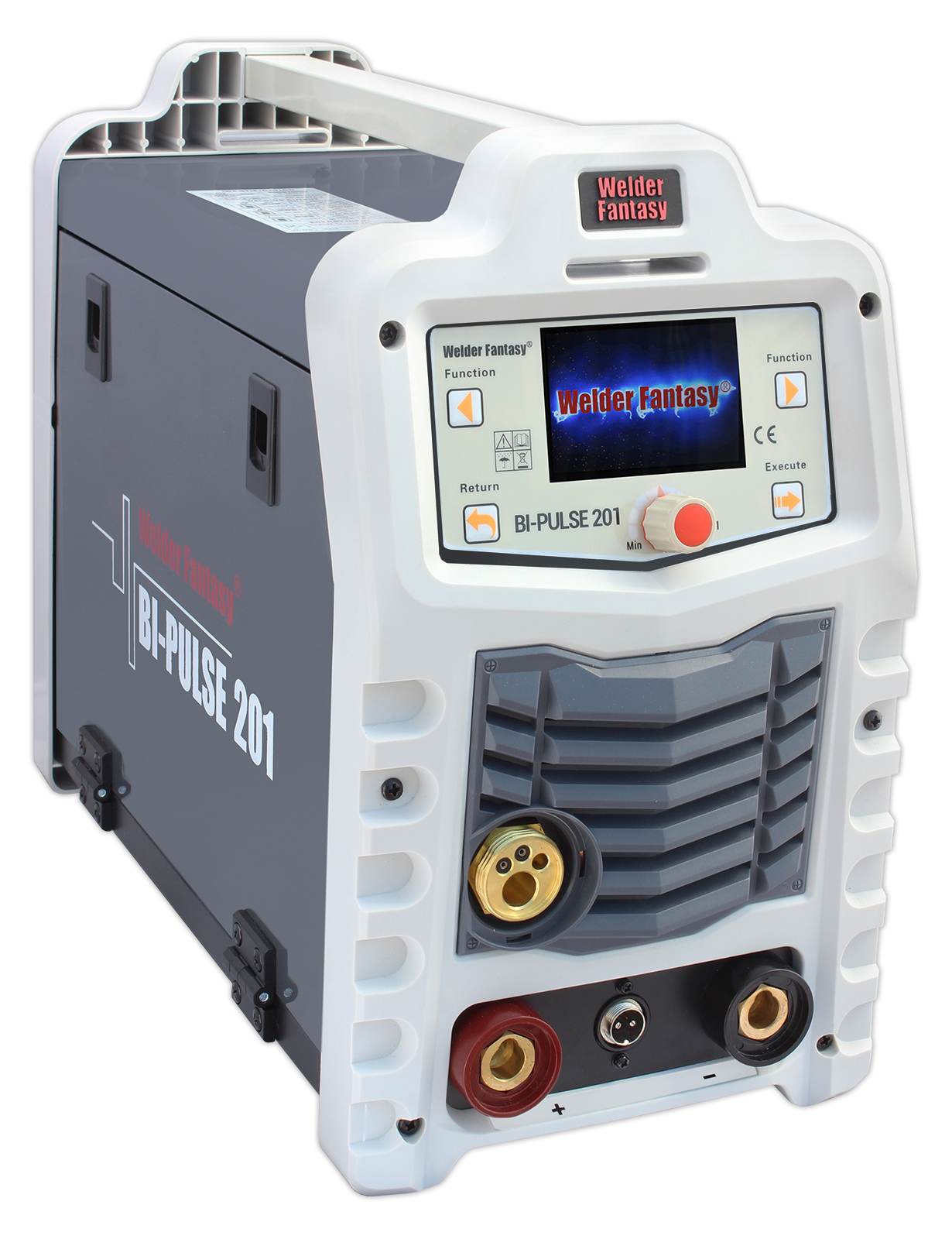
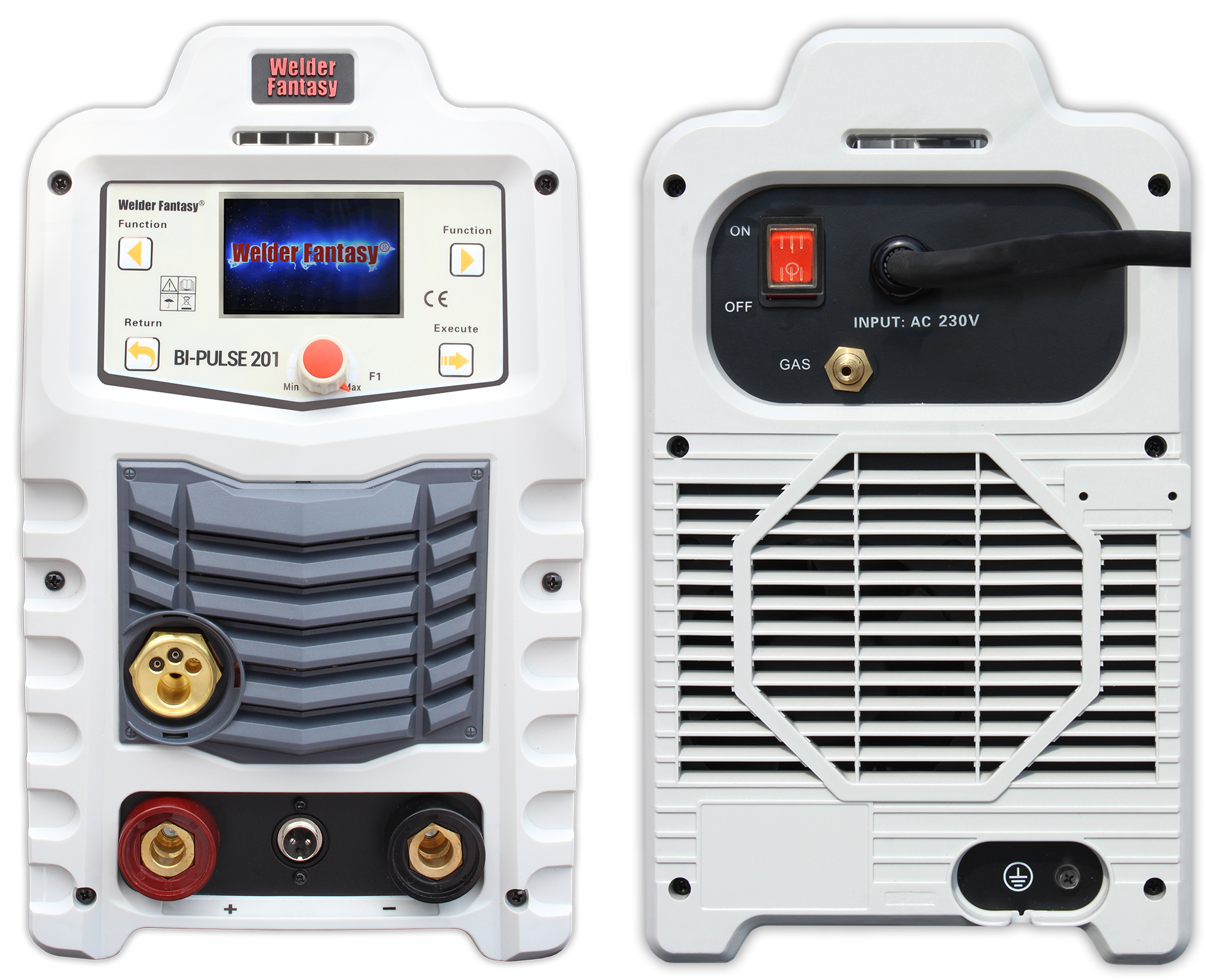
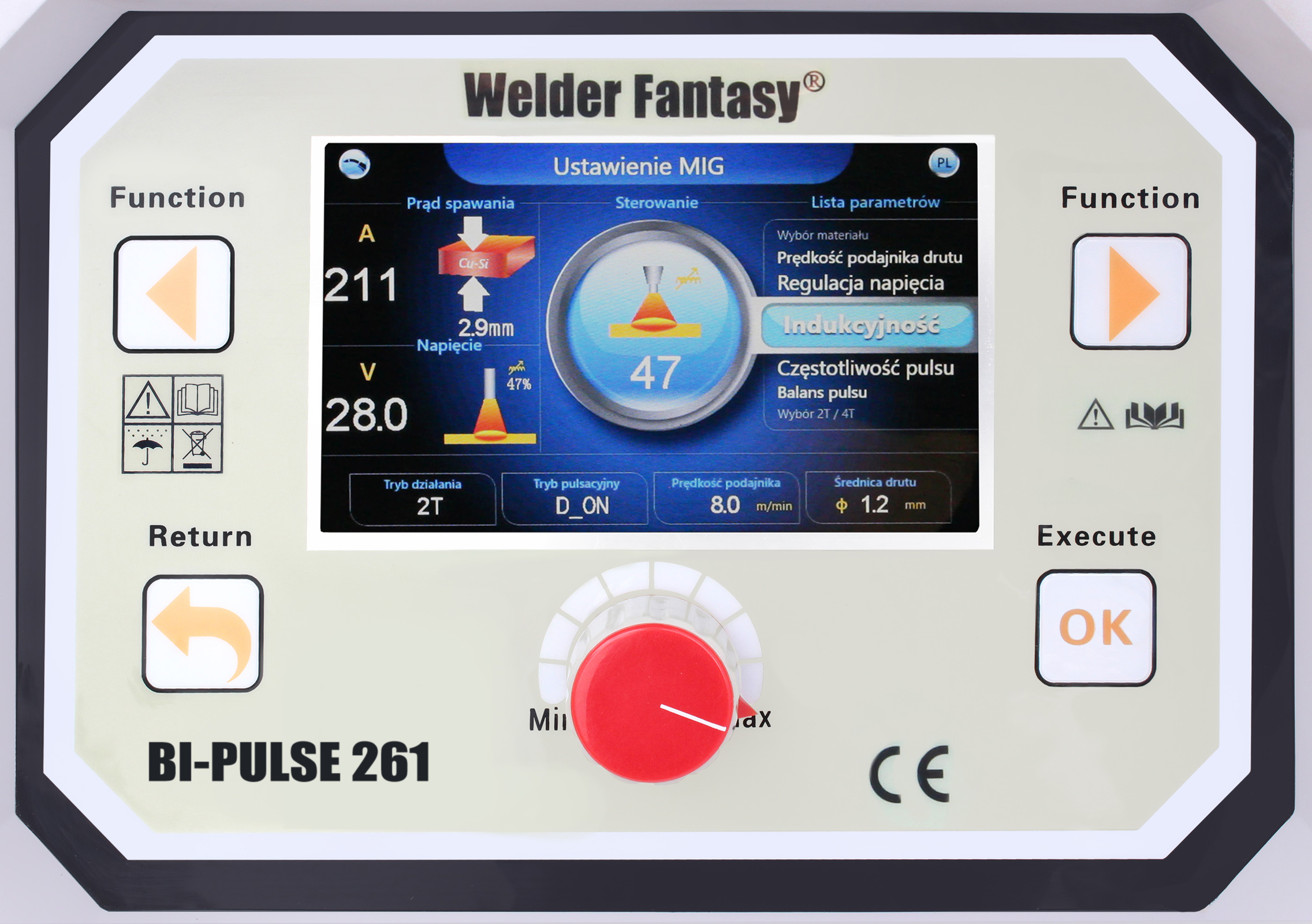
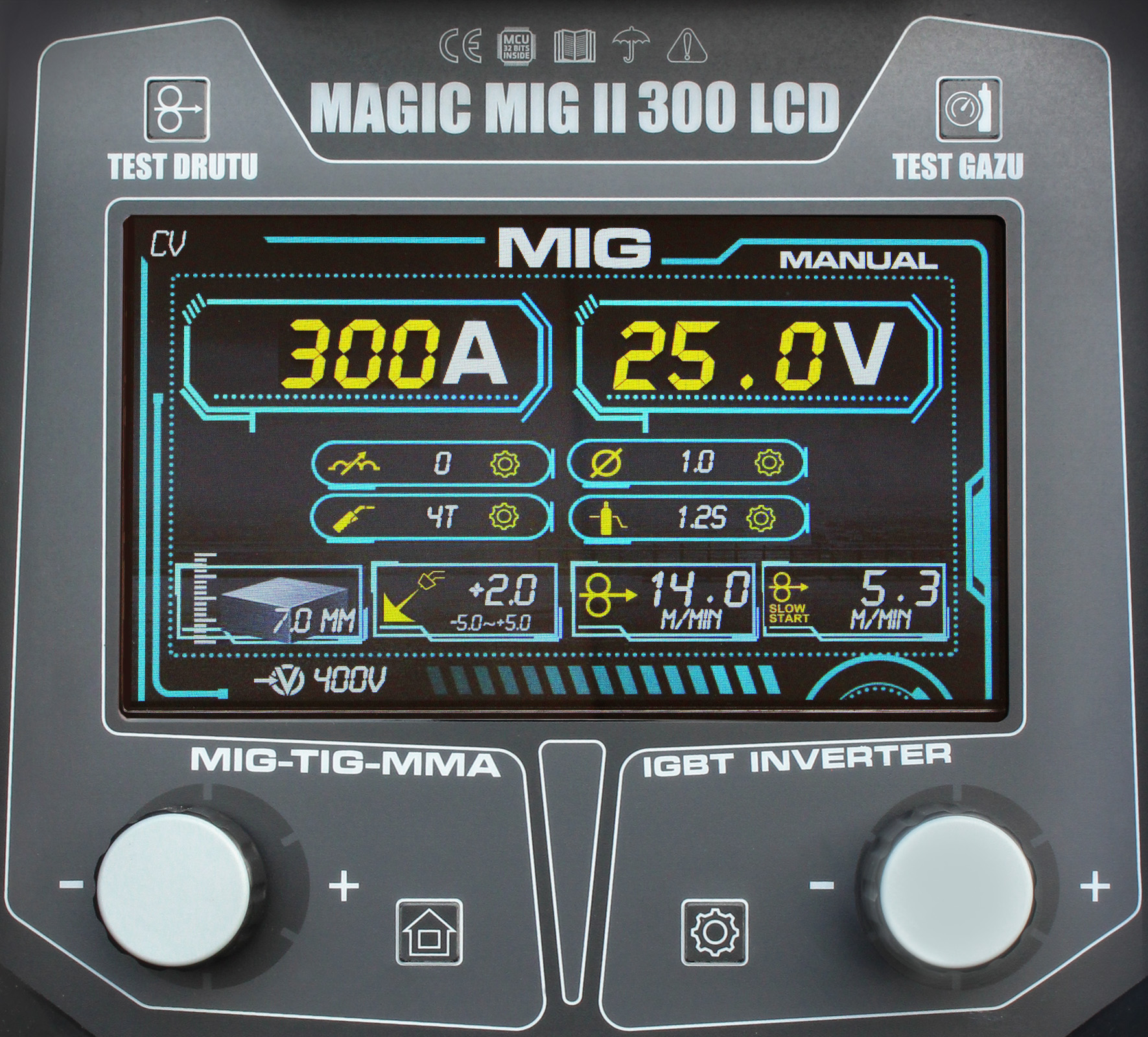
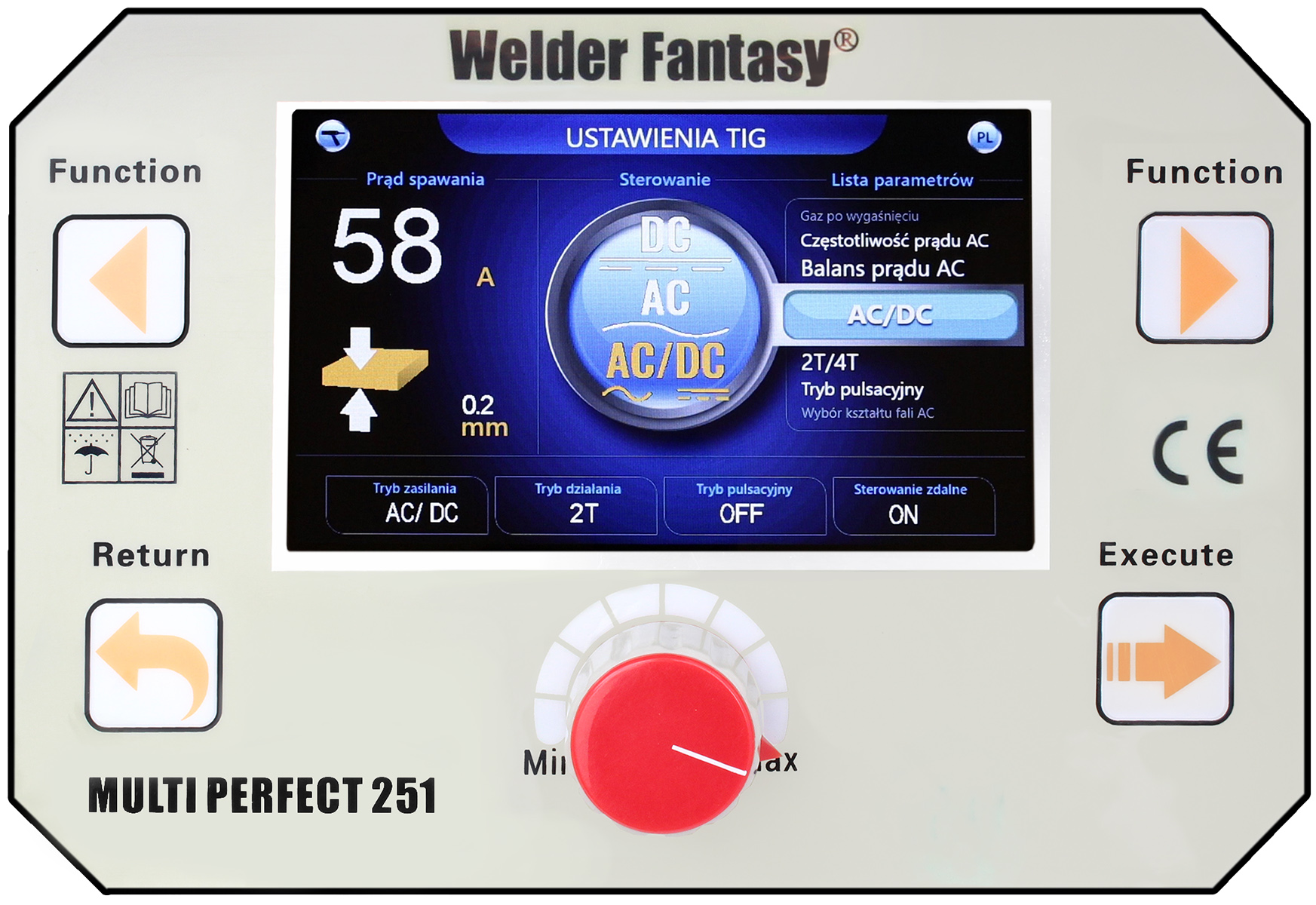
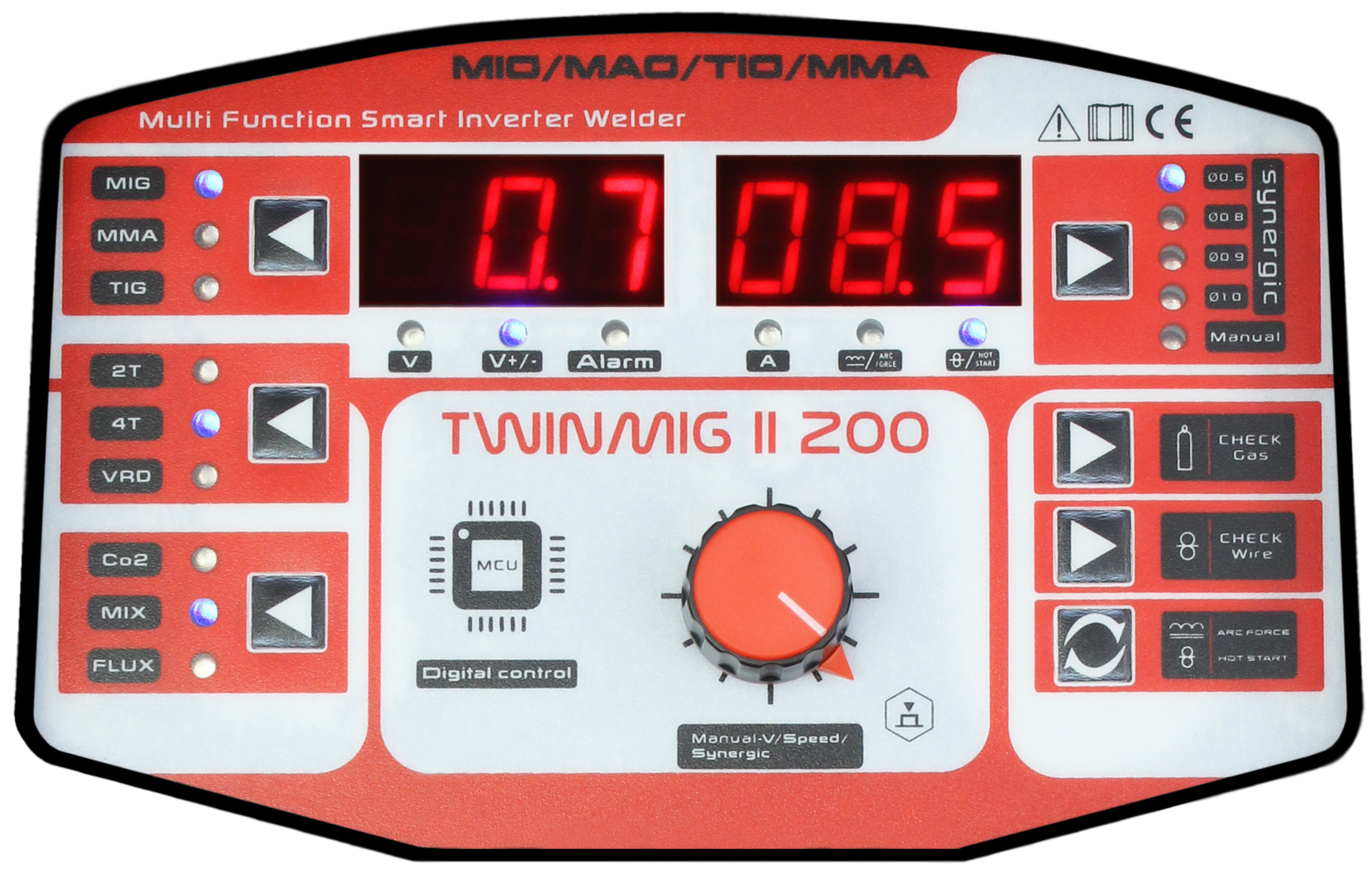
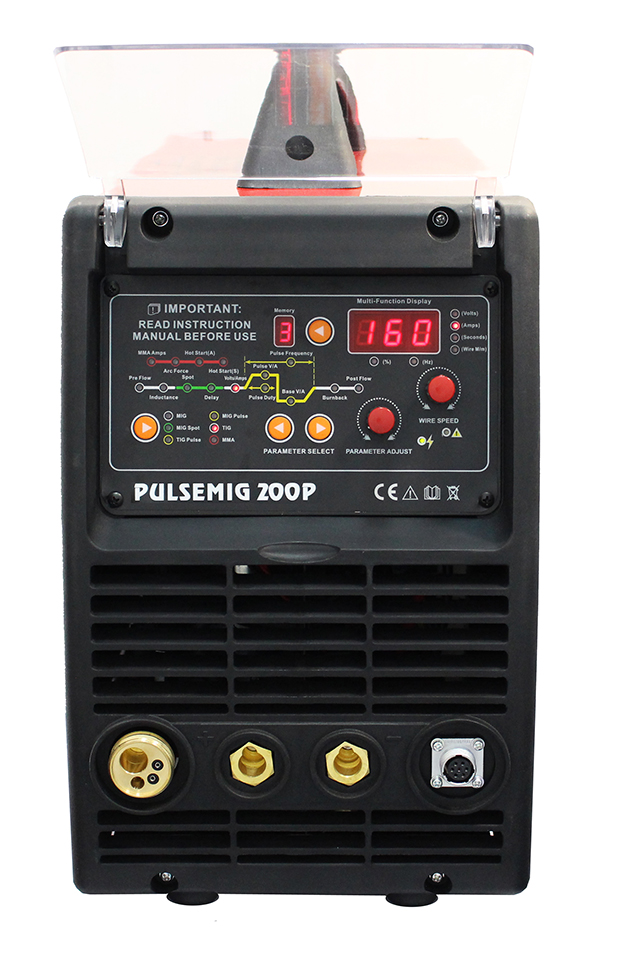
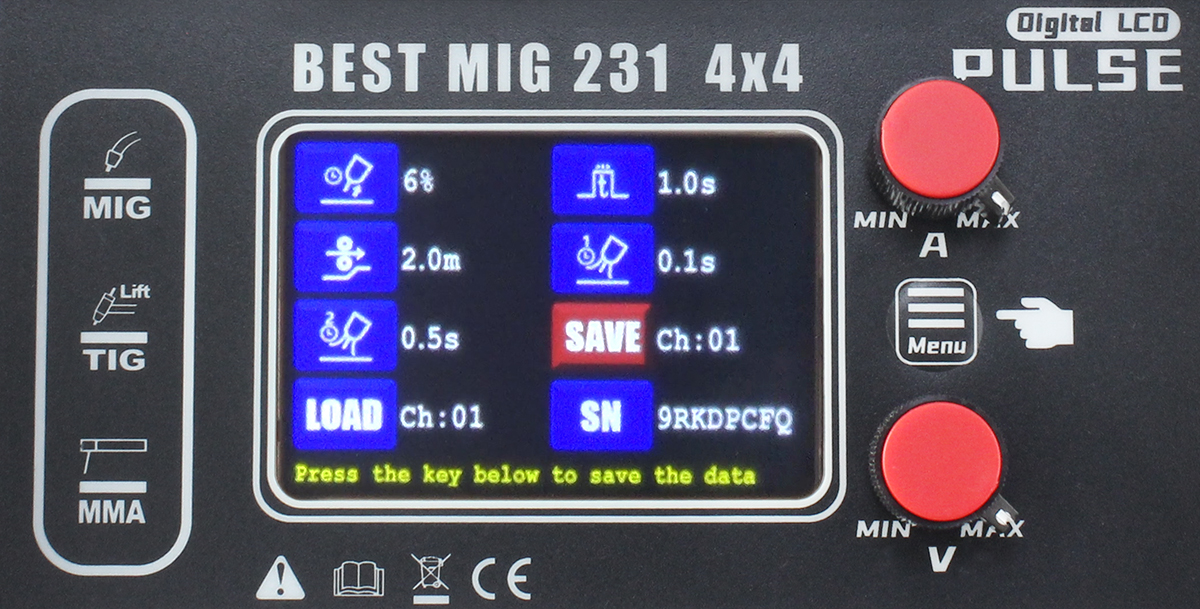
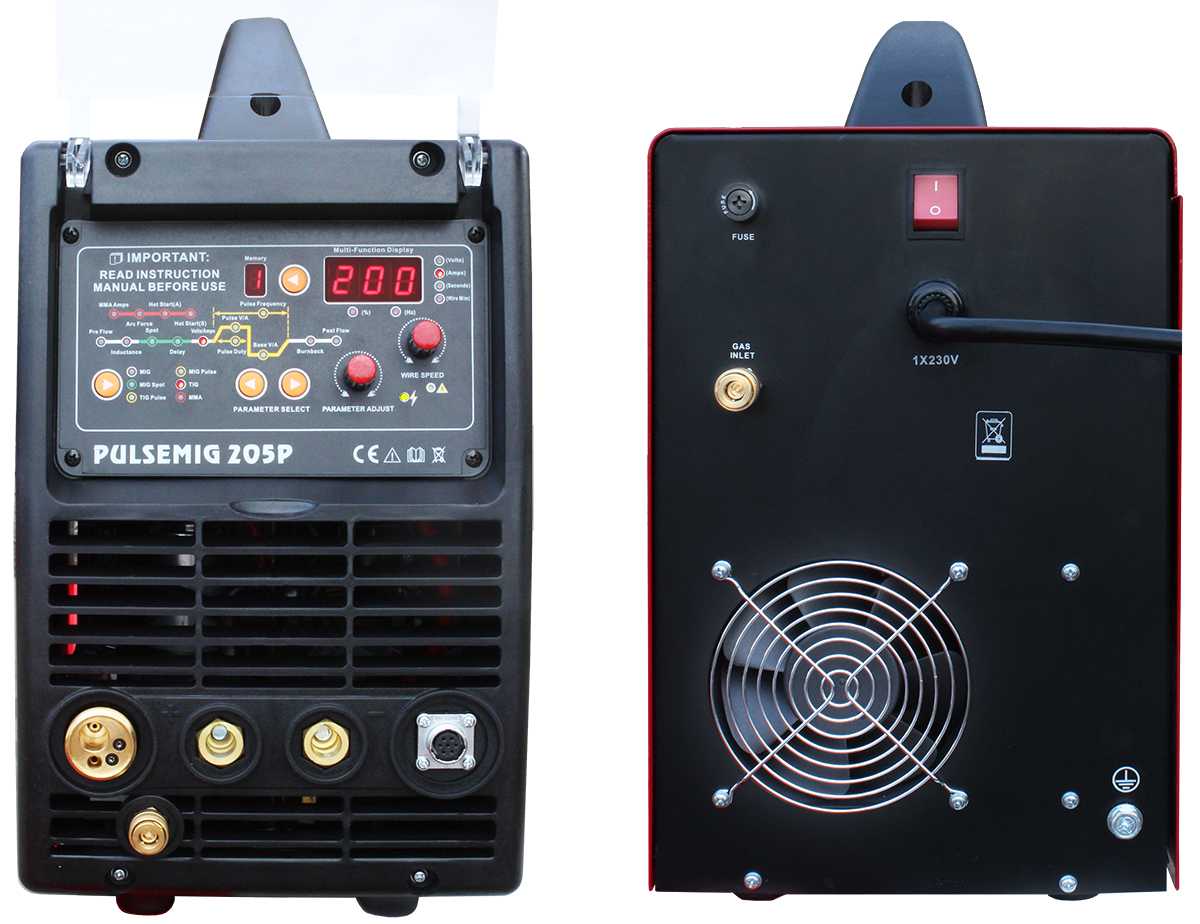
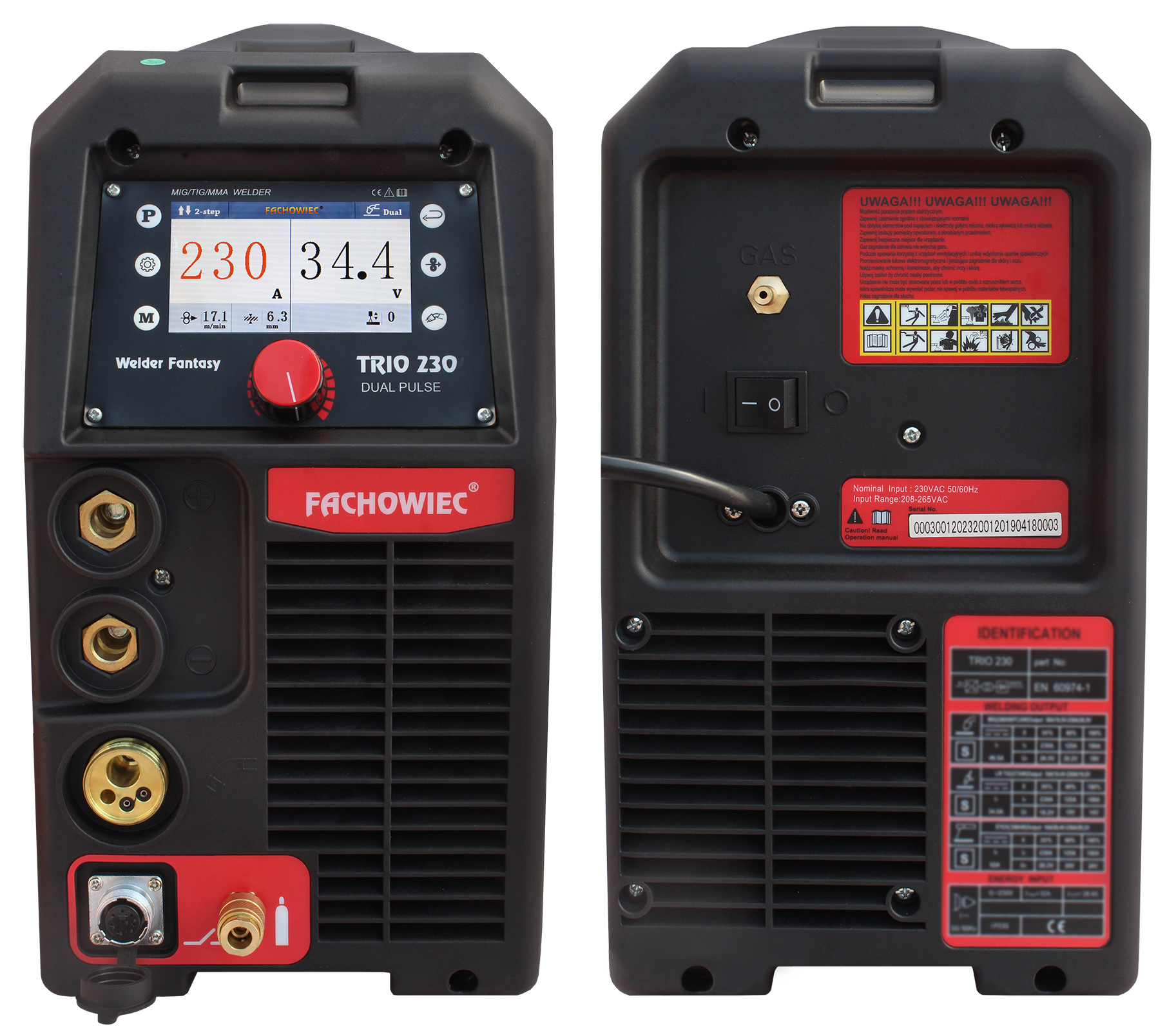
It should be clear, with a large display and knobs/switches that can be operated while wearing gloves.
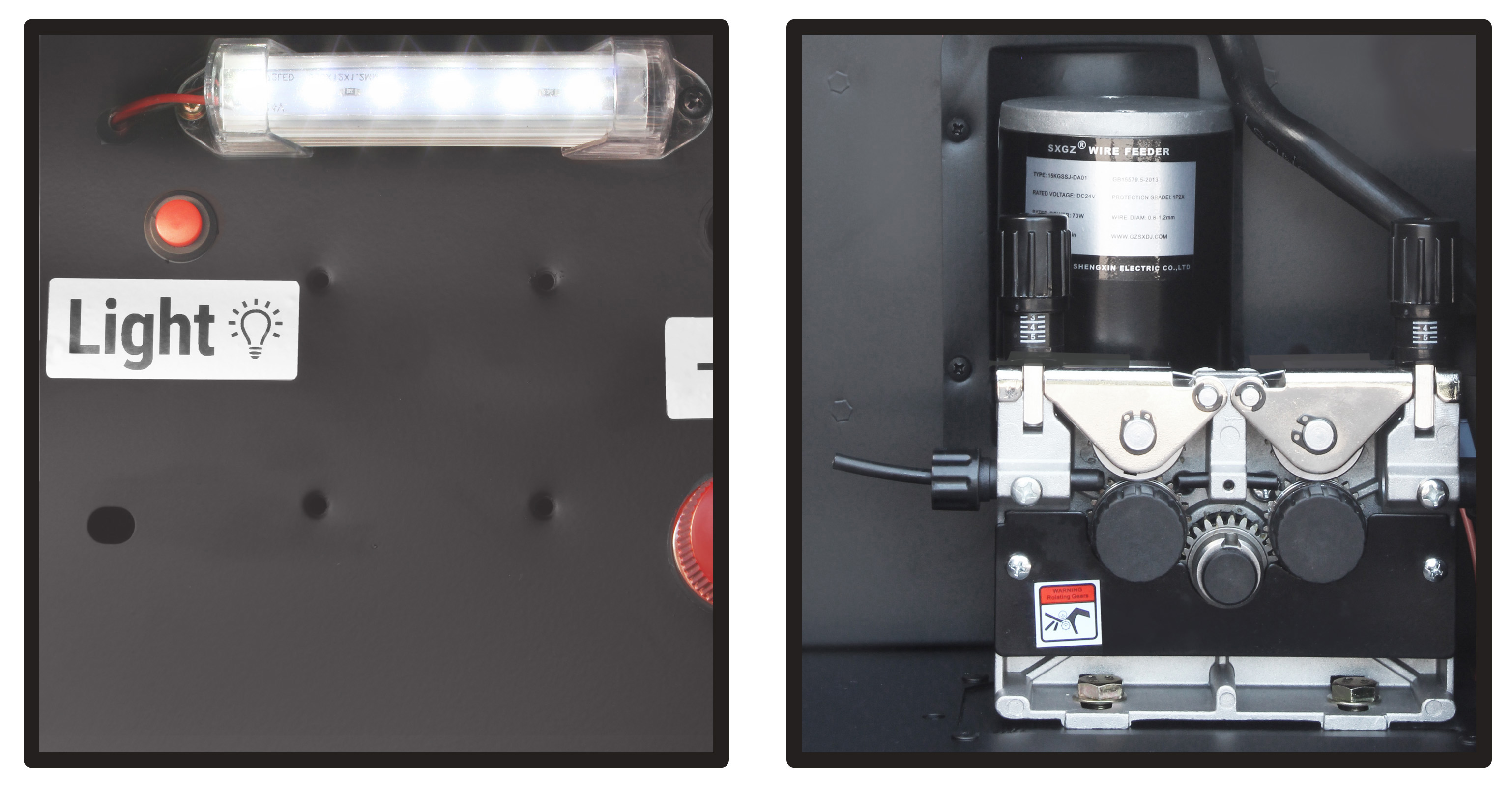
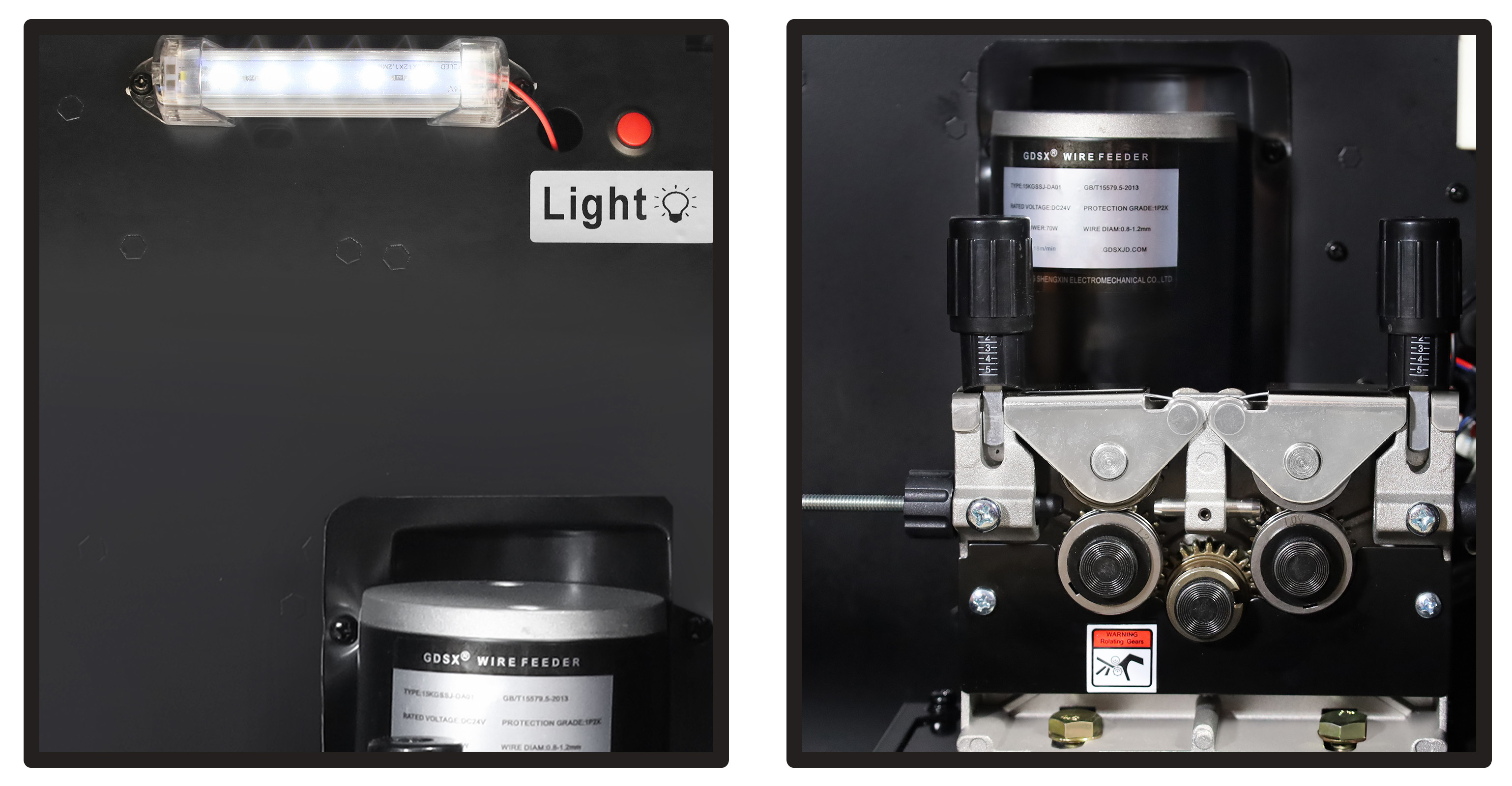
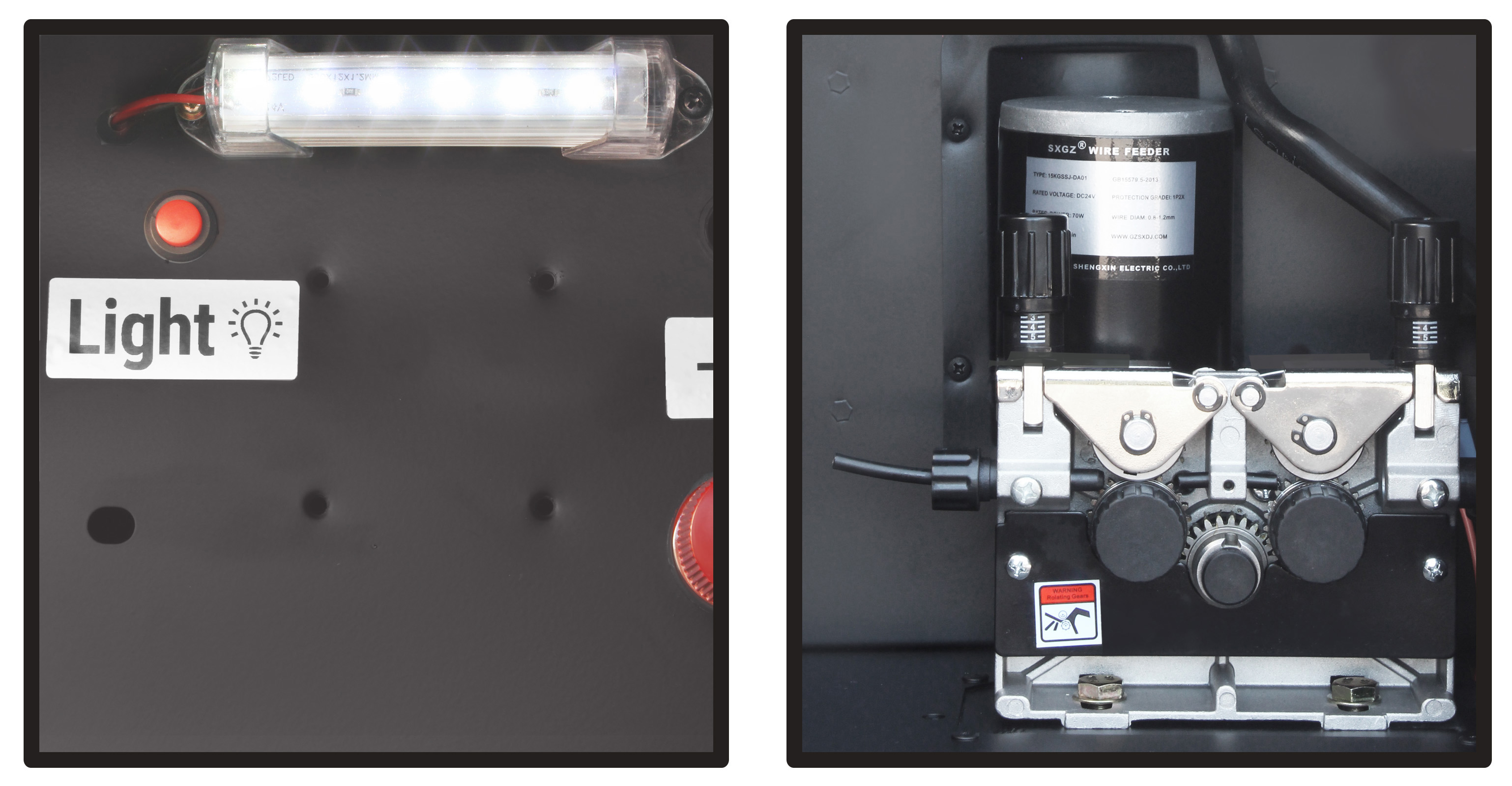
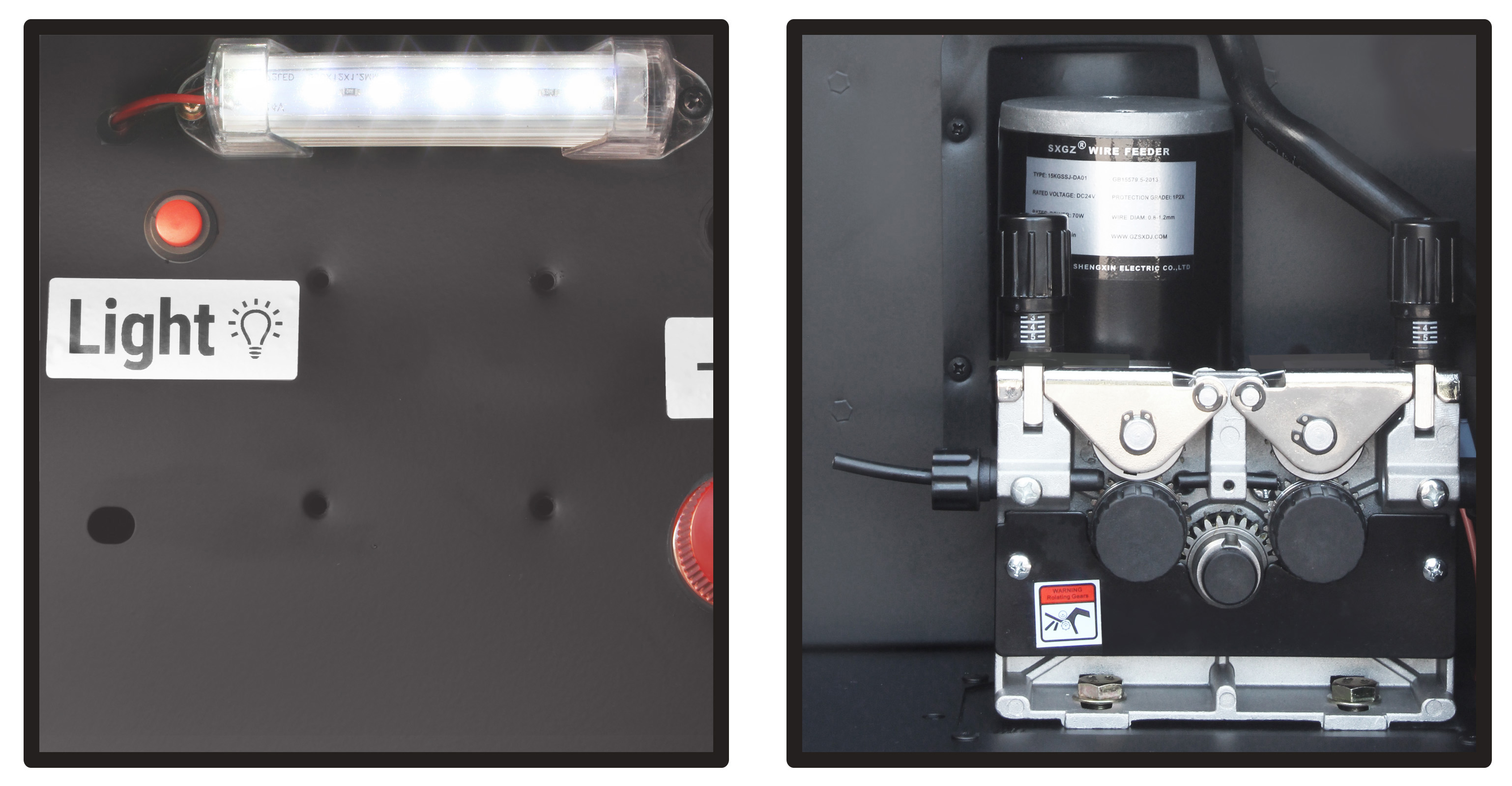
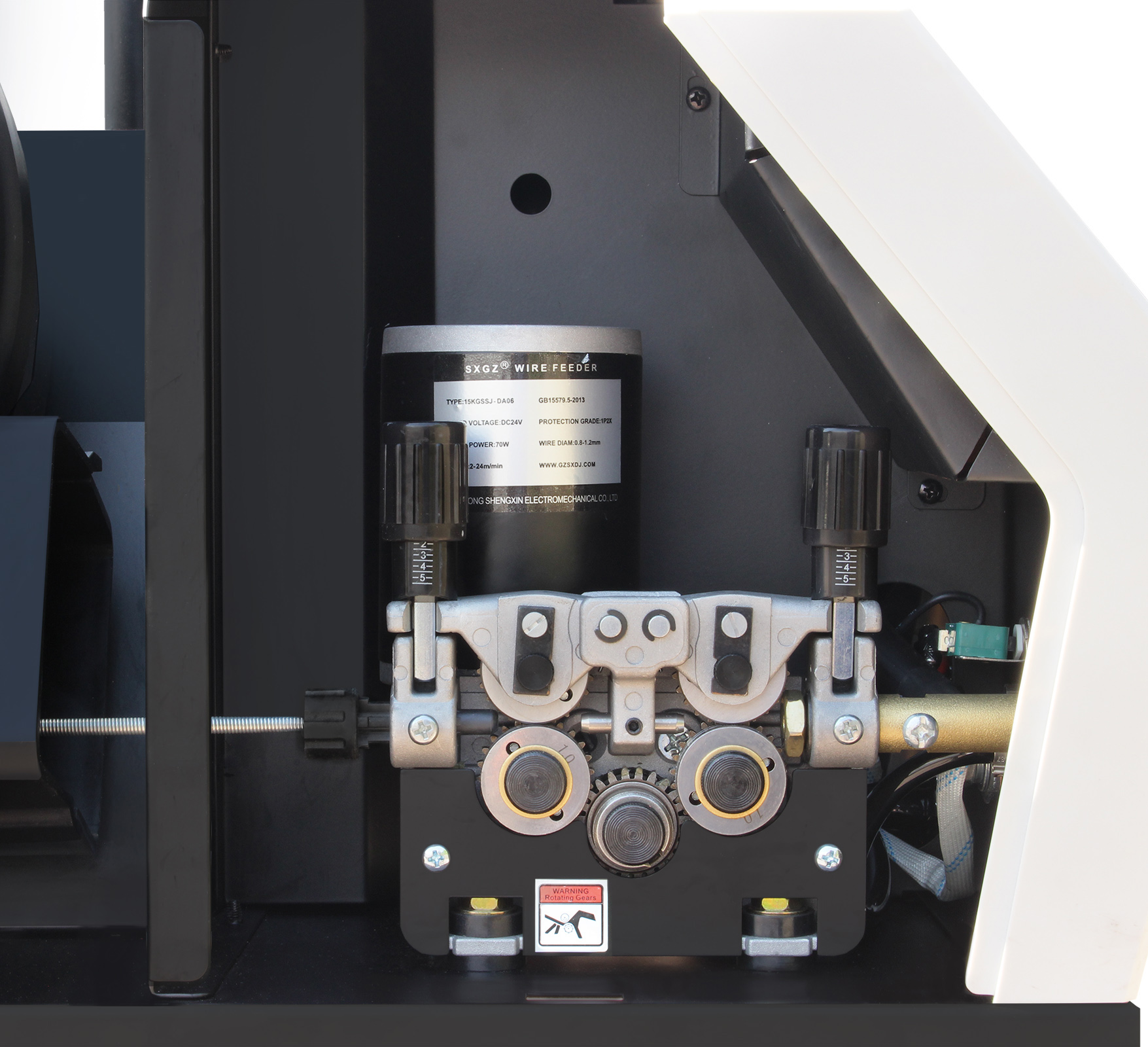
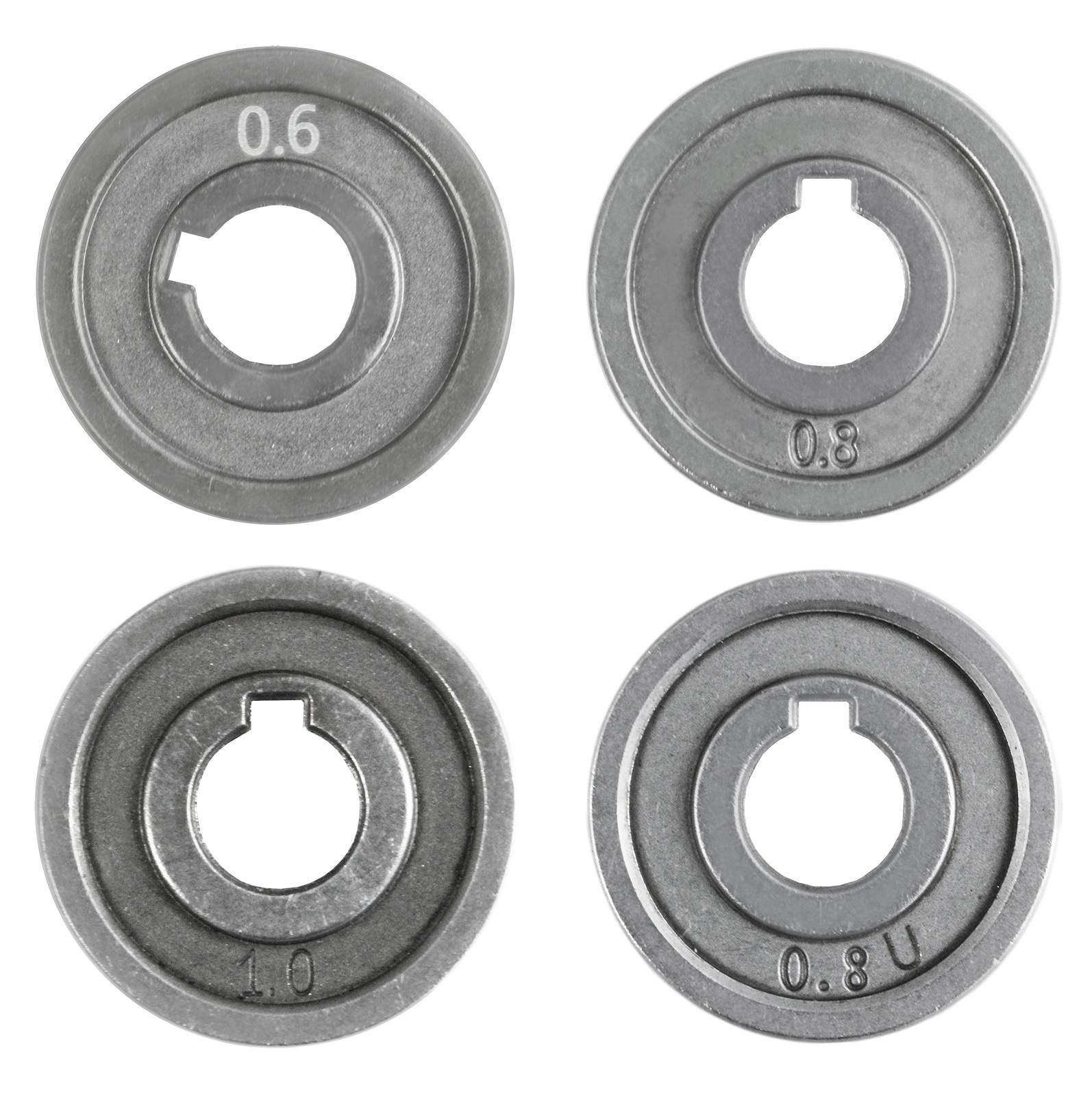
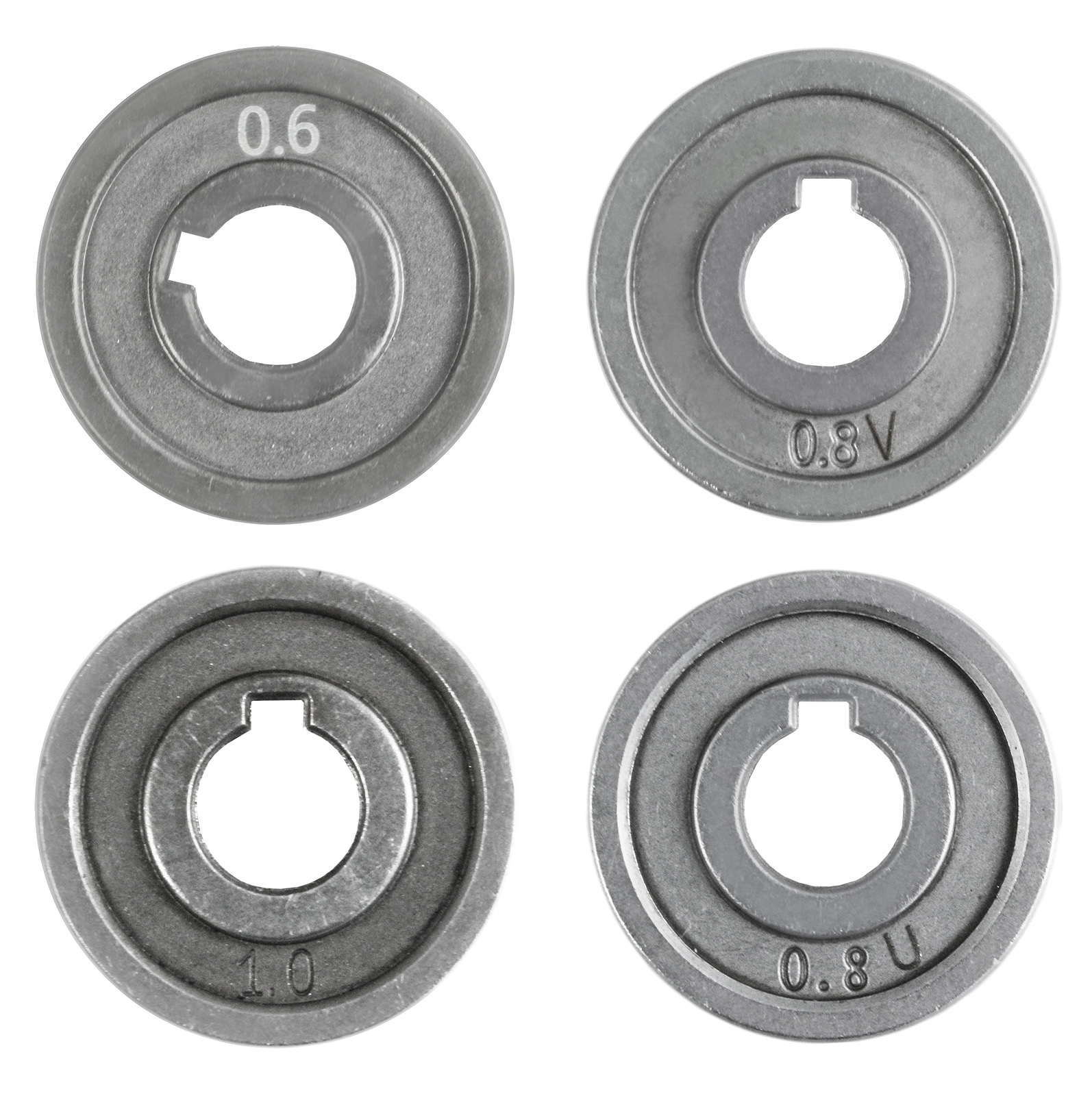
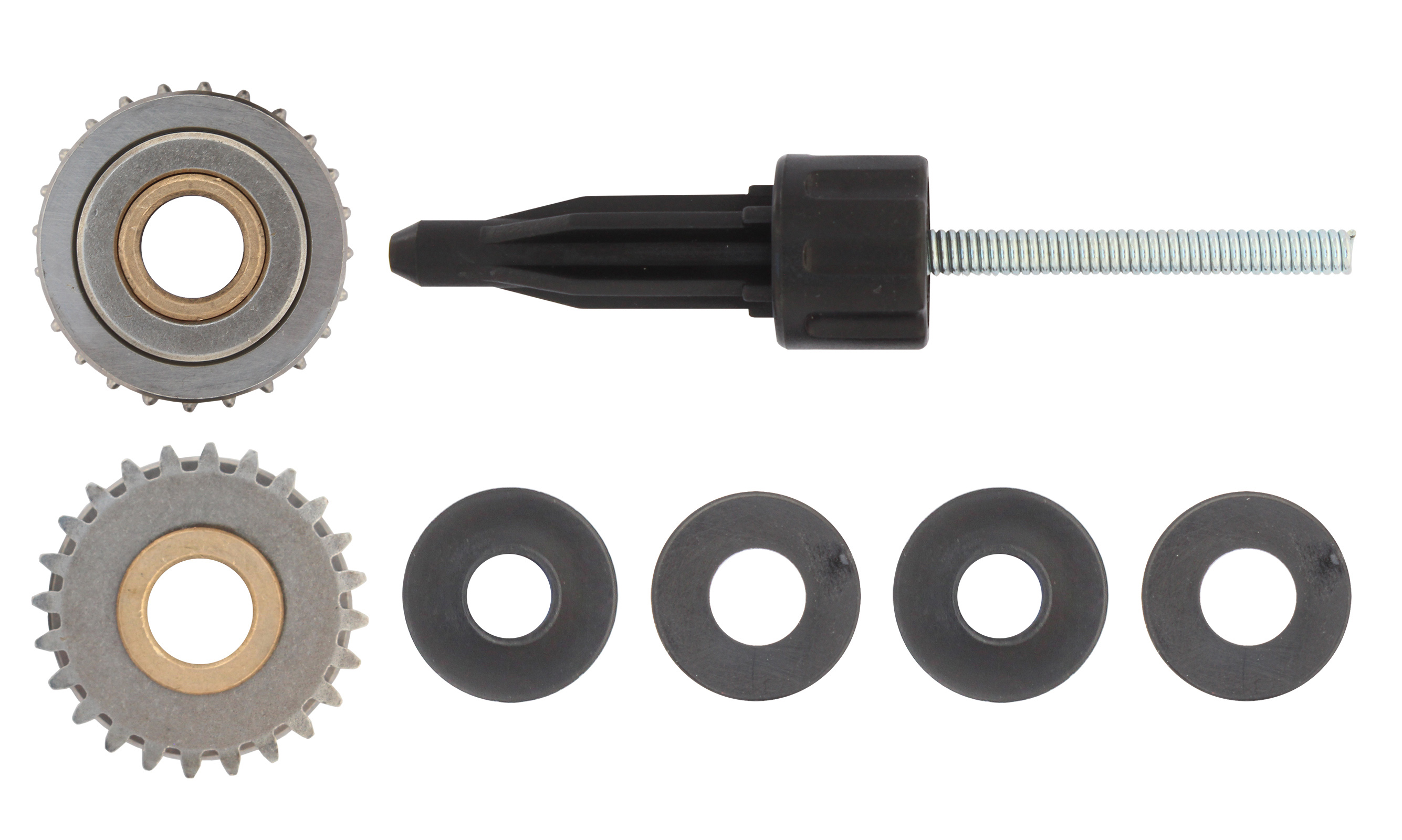
In home MIG welders, a 2-roll feeder is sufficient, while in professional devices, a 4-roll feeder works better.
6. Other aspects of multifunctional welders:
- Compatibility with different methods:
Check if the device supports various welding methods, such as MIG/MAG, MMA, or TIG.
- Efficiency and operating costs:
Higher quality components translate to better welding but may increase operating costs (e.g., consumption of welding wire and electrodes).