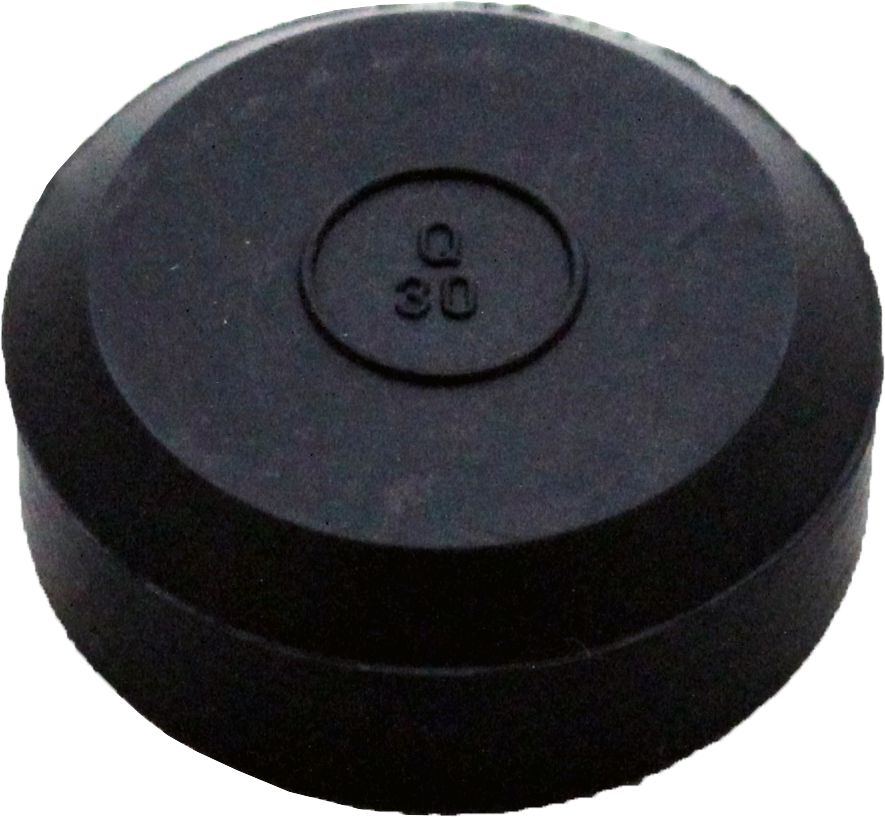
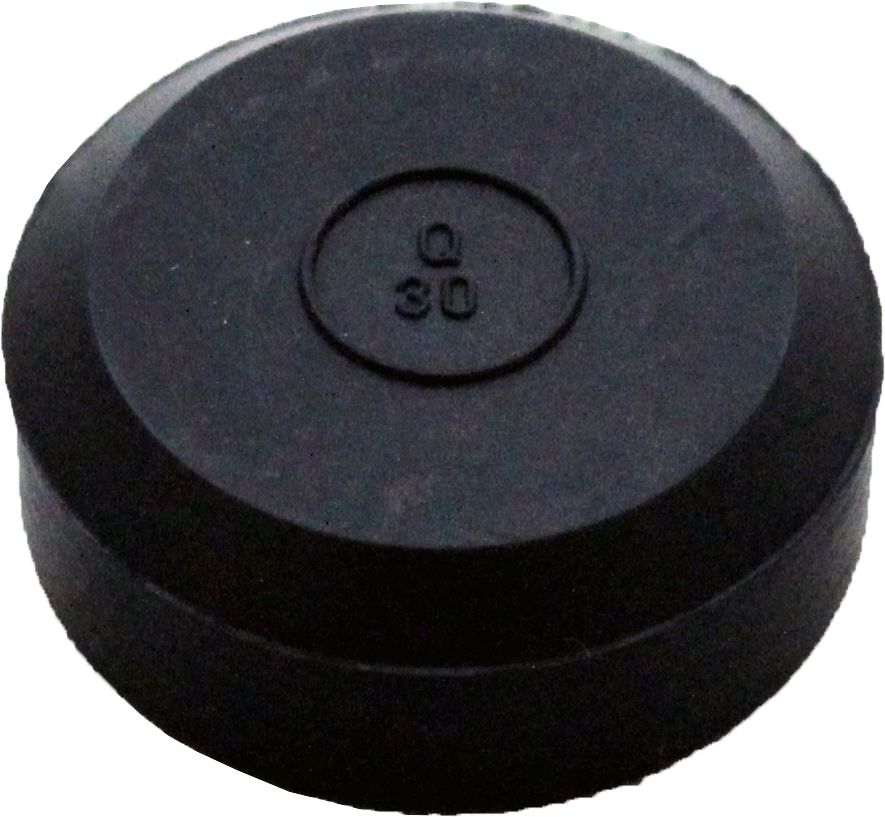
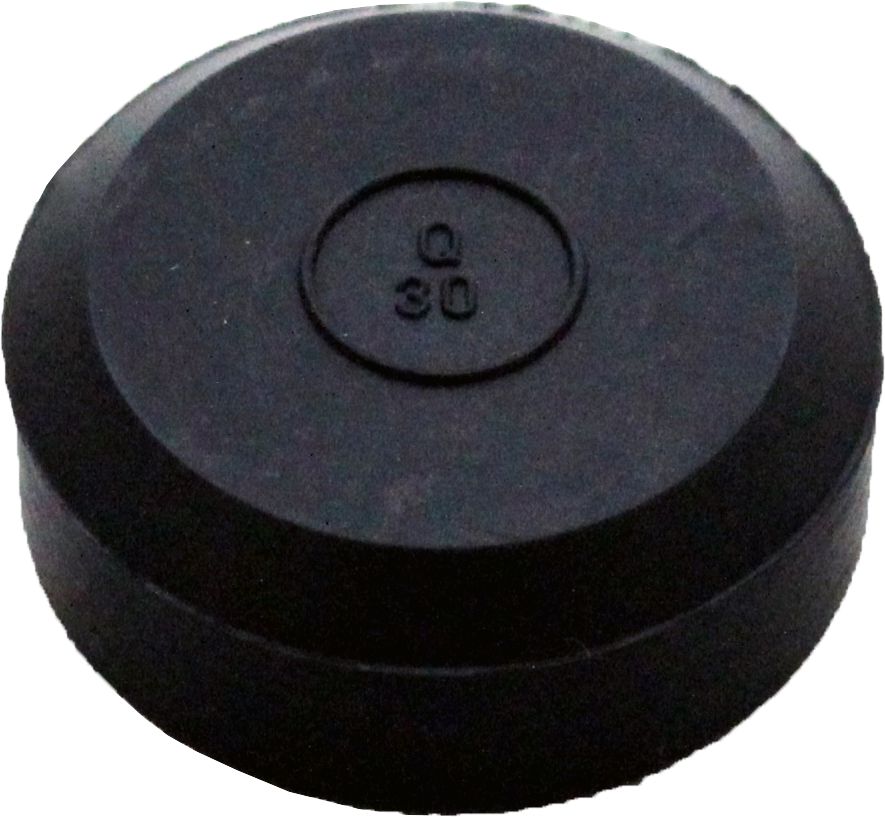
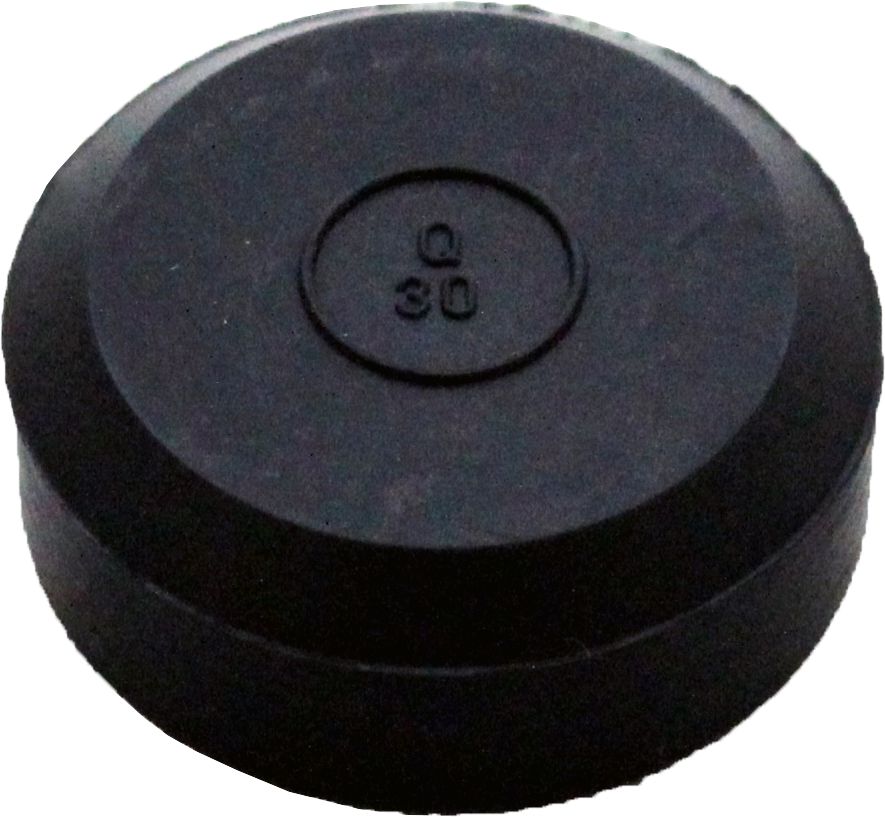
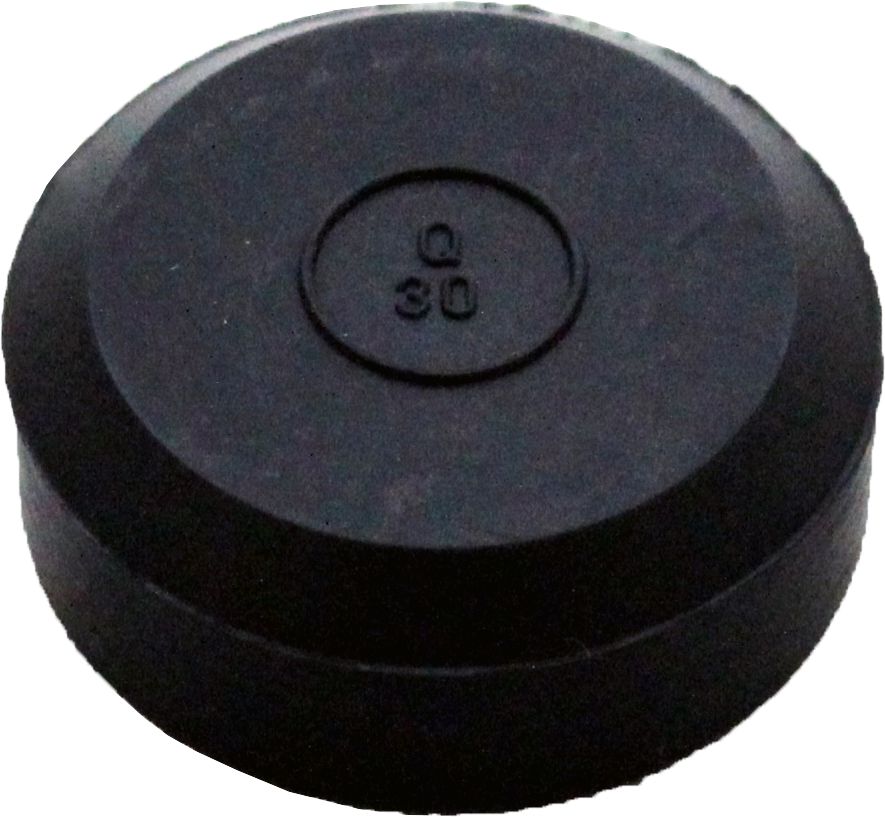
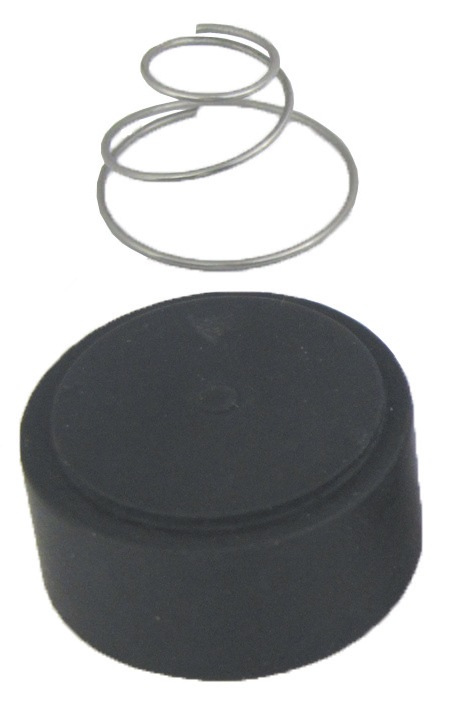
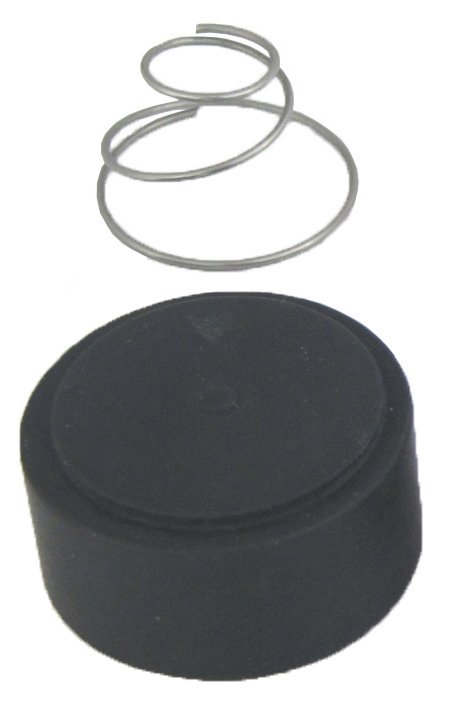
The inserts for the check valves of compressors are designed to prevent the backflow of compressed air from the tank to the compressor after it is turned off, ensuring unidirectional flow, protecting the motor and pump, and relieving the system before restarting. The construction of such an insert (closing element) usually involves the use of a flap or mushroom pressed by a spring or flow force, which opens or closes the flow with a pressure difference.
Function of the piston compressor check valve:
- Preventing air backflow: the main task is to stop the flow of compressed air from the tank back to the compressor when it stops working.
- Protecting the compressor: it prevents air backflow, which could overload the motor and pump during restart, leading to overheating and damage.
- Allowing system relief: many check valves are connected to a relief valve that, upon reaching pressure, releases residual air from the section between the pump and the valve, facilitating startup.
- Controlling the direction of flow: these inserts ensure unidirectional flow of the medium throughout the pneumatic system.
Construction of the check valve:
- Flow blocking: this is a movable element, e.g., a flap or mushroom, that closes the flow of the medium in the reverse direction.
- Pressing element: in some types of valves (e.g., mushroom valves), the flap or mushroom is pressed against the seat by a spring, ensuring a tight seal.
- Seat: the surface on which the flow blocking (flap/mushroom) seals, creating a barrier for the backflowing medium.
The necessity of precise construction
To ensure effective operation and tightness, the elements of the inserts must be made with high precision.
The insert for the compressor check valve should be replaced when there are signs of failure, such as: hissing air after the compressor is turned off, the motor running under heavy load, problems starting the compressor that "buzzes" and cannot reach speed due to back pressure from the tank. Replacement is necessary to prevent further damage, as well as when visible damage, corrosion, contamination, or leaks appear during a visual inspection of the valve.
Typical signals indicating the need to replace the insert
- Hissing air after the compressor is turned off – this is a symptom of a leak in the check valve that does not stop the backflow of air from the tank.
- Continuous operation of the motor under heavy load or problems starting the compressor – the motor may "buzz," trying to start against the back pressure from the tank, indicating a faulty valve.
Visual inspection and maintenance
- Regularly check seals, connections, and the valve itself for corrosion, contamination, or visible damage.
- Documenting inspections and maintenance facilitates planning future actions, including parts replacement.
- Preventing further damage: Ignoring these symptoms and delaying the replacement of a faulty check valve can lead to costly engine or pump failure.
- Regular inspection and replacement of worn consumables, including the check valve insert, is essential for the long and trouble-free operation of the device.