What are welding helmets and goggles
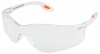
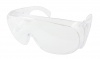
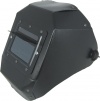
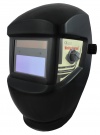
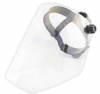
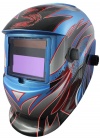
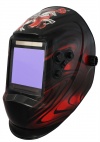
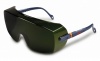
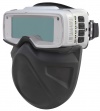
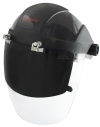
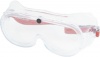
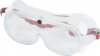
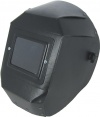
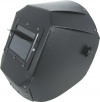
Welding helmets and goggles are personal protective equipment for welders that differ in the scope of protection. Helmets cover the entire face and head, providing the highest level of protection against sparks, radiation, and light. Welding goggles only protect the eyes from light and sparks, but are less enclosed and lighter.
Welding helmets:
- Provide comprehensive protection:
They protect the eyes, face, and often the neck from sparks, splashes, UV and infrared radiation, as well as the intense light generated during welding.
- Available in different types:
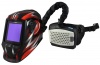
There are passive helmets (with a fixed filter) and active helmets (auto-darkening).
- Auto-darkening helmets (active):
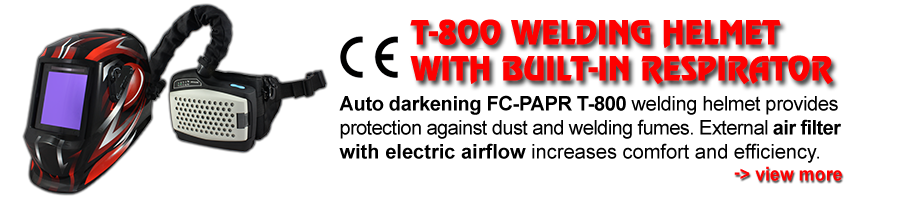
They have sensors that automatically darken the filter when an arc is detected, allowing for continuous work without the need to raise and lower the helmet.
Some helmets offer features such as grinding (work without darkening), delay in filter lightening, reduction of detection angle, natural color function, and even airflow for better ventilation.
Welding goggles:
- Smaller scope of protection:
They only protect the eyes from sparks, splashes, and light, but are lighter and more comfortable to wear, especially for short-term tasks.
They do not protect the face and neck from splashes and radiation like helmets do.
Like helmets, welding goggles can be equipped with an auto-darkening filter.
They should have an appropriate filter that meets the DIN EN170 and PN-EN 166 standards, protecting against radiation generated during welding.
Choosing the right helmet and protective goggles:
The choice depends on the welding method and the level of protection required. For precise welding tasks where good visibility of the weld pool is necessary, auto-darkening goggles or helmets with a natural color function may be a better choice.
For longer tasks, helmets with airflow and fatigue reduction features may be more comfortable.
Always choose protective equipment with certifications that meet safety standards.