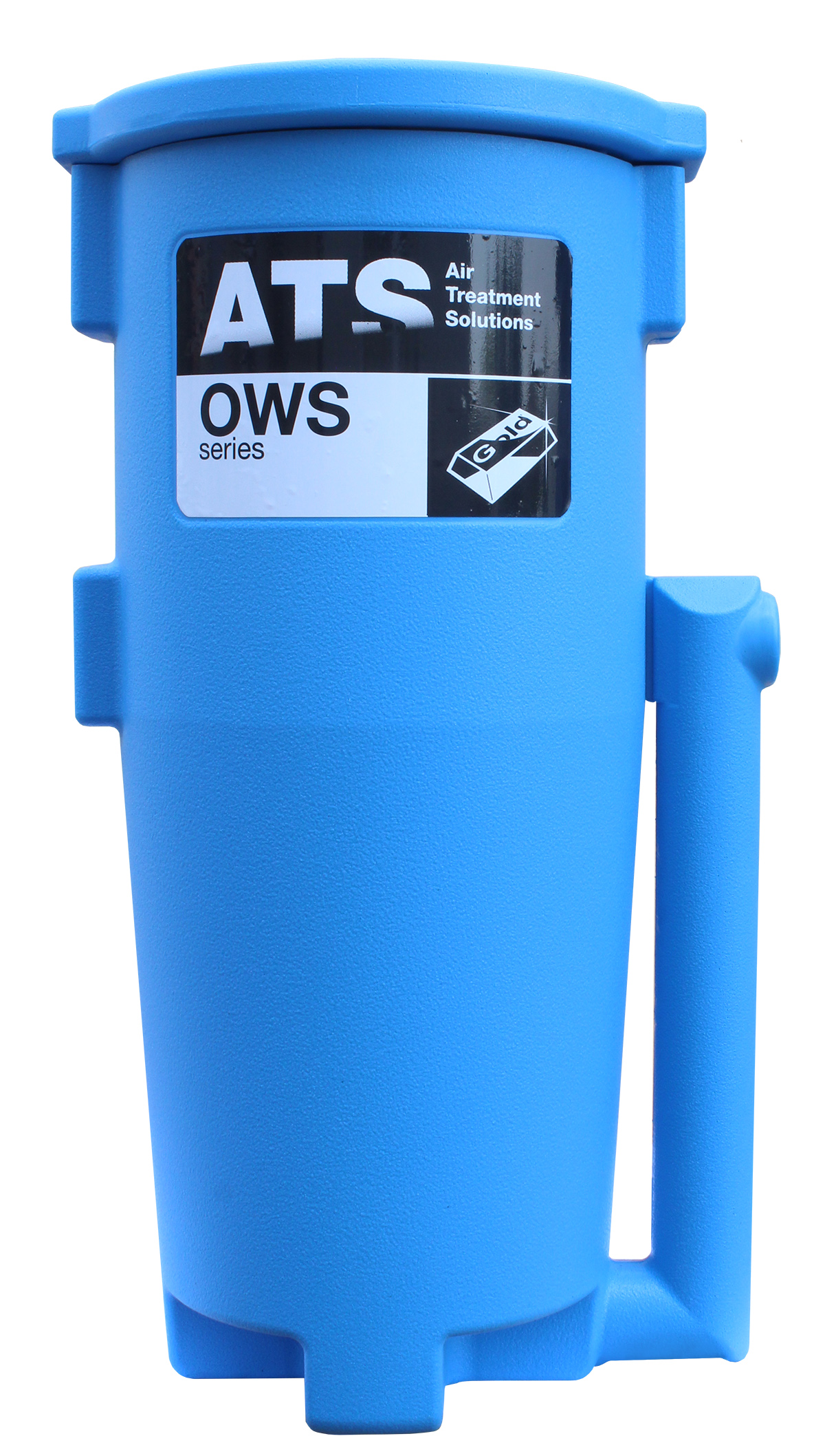
Condensate separators for water-oil are used to purify condensate from compressed air by separating oil and allowing the purified water to be discharged into the sewage system. They are built in several stages that utilize gravity, coalescence, and filtration (often using activated carbon) to effectively separate oil from water in accordance with environmental regulations.
How condensate water-oil separators are built and work
Water-oil separators typically operate in several stages to effectively remove oil from condensate:
- Pressure reduction and preliminary separation: The condensate first enters a chamber where the flow is calmed, facilitating the preliminary separation of oil from water due to gravity – the lighter oil rises to the surface.
- Coalescence: In this stage, small oil droplets are combined (coalescence) into larger droplets, making their further separation easier.
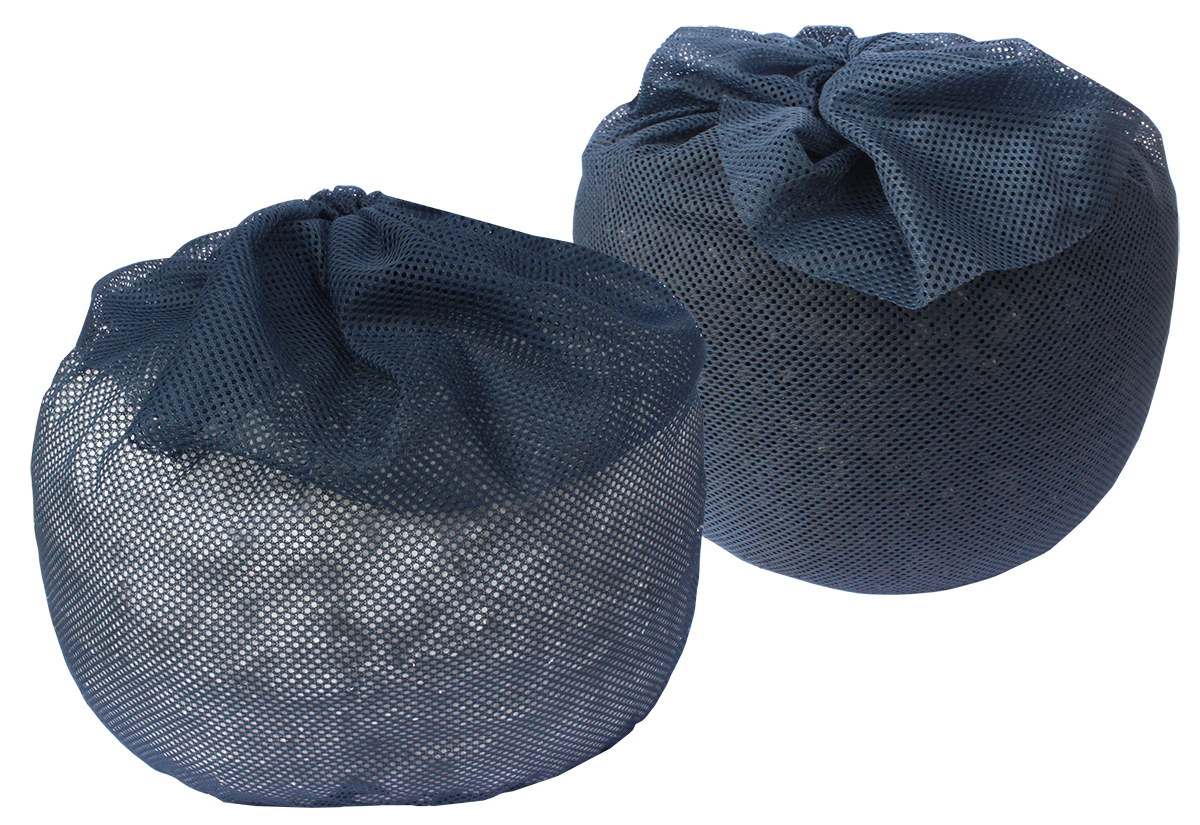
- Filtration: In the later stages, filters are used, including activated carbon inserts, which adsorb (bind) residual oil and impurities.
- Oil collection: The separated oil is collected in a special container, and safety systems protect against overflow.
- Purified water: Water, after passing through all stages, is clean enough to be discharged into the sewage system, meeting the oil content requirements.
What they are used for
- Environmental protection: Separators allow compliance with strict regulations regarding pollution limits in wastewater, preventing oil from entering the aquatic environment.
- Economic management of condensate: They enable the purification of condensate at the point of generation, eliminating the need for a specialized and costly disposal process for oily condensate.
- Removal of oil from compressed air: They separate compressor oil, which is generated by oil-lubricated compressors, from condensate, ensuring water purity.
How to choose?
To choose a water-oil condensate separator, you need to determine the maximum capacity of the compressed air system (l/min or m³/h), consider the type of oil used in the compressor, and select the filtration technology that meets the requirements for water purity levels and applicable environmental standards.
Key factors when choosing:
- System performance: determine the maximum flow of compressed air (l/min or m³/h) and the amount of condensate that will be processed. The separator must be matched to the compressor's performance.
- Type of oil: pay attention to the type of oil used in the compressor, as different oils have different adsorption characteristics by filter inserts, which affects separation efficiency.
- Environmental requirements: Check the applicable standards for the purification or disposal of condensate, as regulations require the protection of the natural environment from pollution.
- Separation technology: Different models of separators offer various technologies for removing contaminants. Choose a solution with the appropriate level of filtration for your needs, e.g., activated carbon inserts for oil removal.
- Operating pressure: Ensure that the operating pressure of the separator (expressed in bars) matches the pressure in the compressed air system.
- Quality and manufacturer: Choose separators from reputable manufacturers, made from high-quality materials, to ensure long life and effective operation of the device.
- Expert support: In case of doubts, it is advisable to consult with experts who can help precisely match the device to the specific needs of your system.