Description and types of penetrant testing (PT) materials:
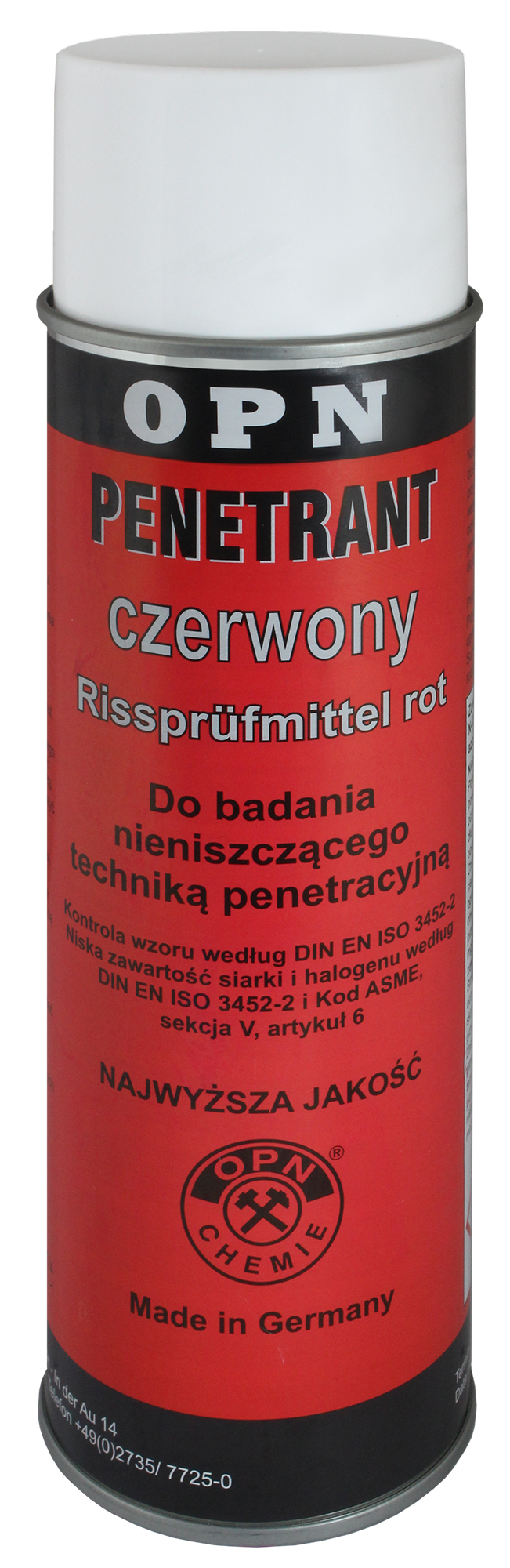
A low-viscosity liquid that penetrates microscopic cracks and other discontinuities on the surface of the material.
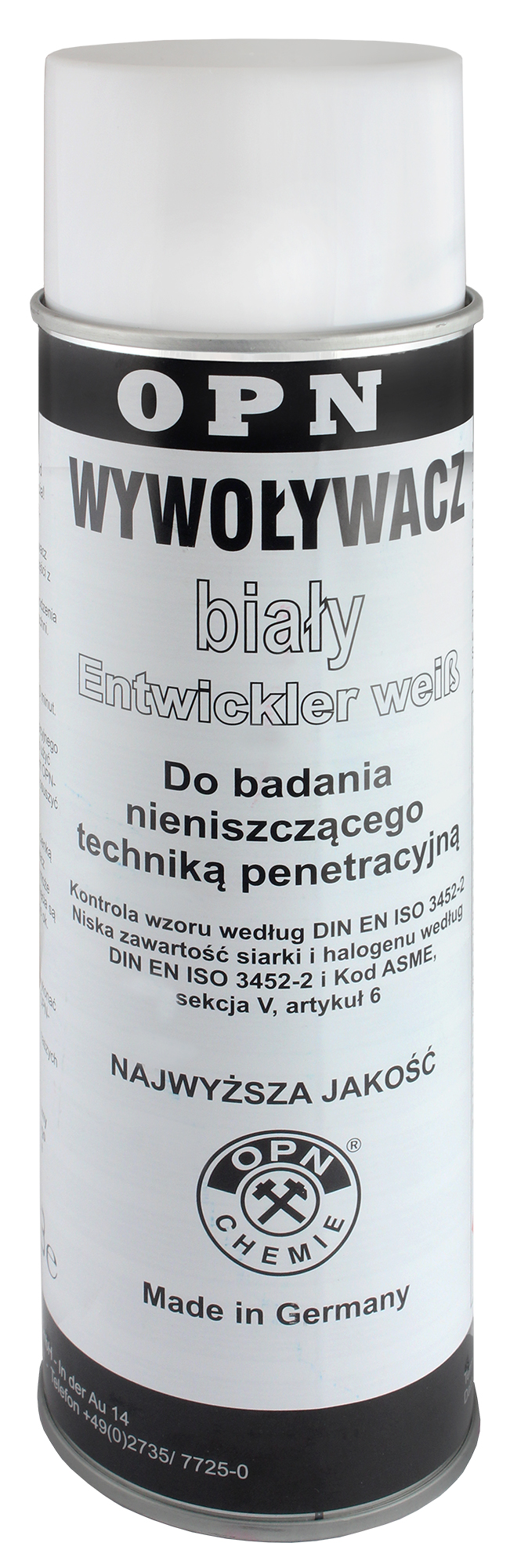
A substance applied to the surface after excess penetrant has been removed. It draws the penetrant out of the defects, making them visible.
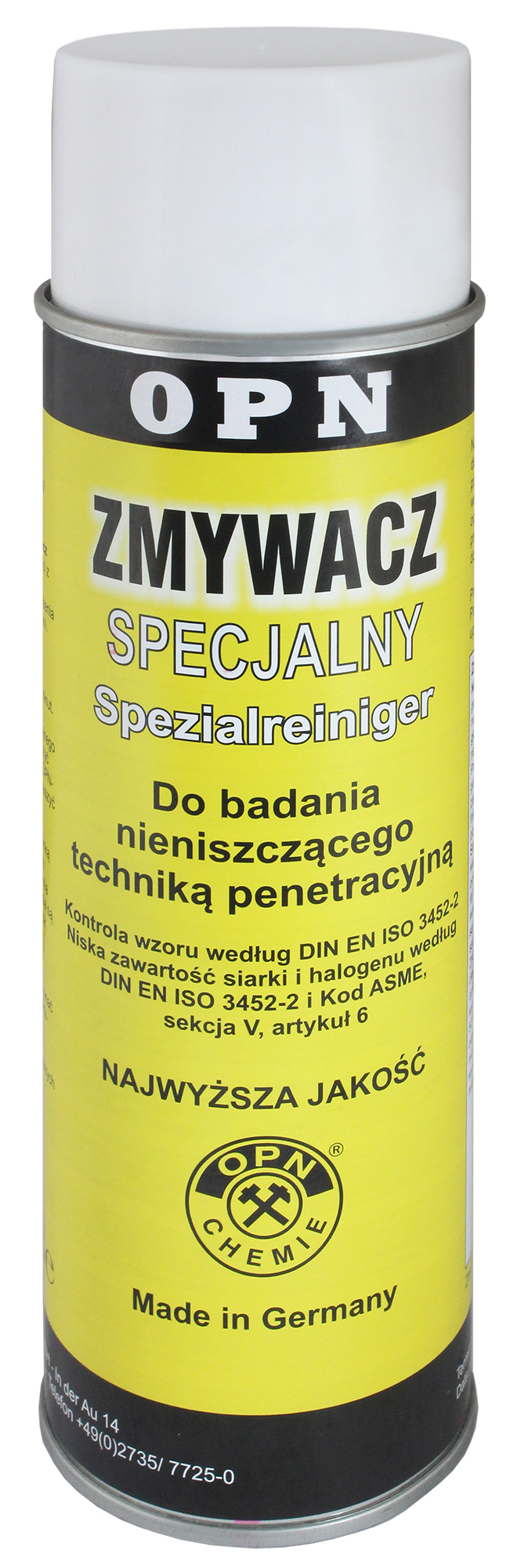
Used to remove excess penetrant from the surface of the tested material, leaving traces only in the defects.
Other non-destructive testing (NDT) methods and related materials:
- Magnetic particle testing (MT):
Utilizes magnetic powder (colored or fluorescent) that is attracted by a magnet to defects on the surface of ferromagnetic materials.
Uses ultrasonic waves to penetrate the material and analyze reflected or scattered signals, allowing for the detection of internal flaws.
The simplest method, involving visual inspection of the weld with the naked eye or using optical instruments.
Used to detect leaks in joints, often utilizing special gases or liquids.
- Eddy current testing (ET):
Uses eddy currents to detect changes in the material structure, such as cracks or corrosion.
Application:
Penetrant testing materials are used to detect surface discontinuities in welds, such as cracks, pores, pits, or delaminations. Other NDT methods allow for the detection of both surface and internal defects.
Additional information:
Non-destructive testing (NDT) allows for the assessment of weld quality without damaging them.
The choice of the appropriate NDT method depends on the type of material, the type of weld, and the type of potential defects.
The results of NDT allow for the assessment of weld compliance with standards and quality requirements.