Industrial pneumatic automation uses compressed air to control and drive machines and devices in various industries. Compressed air, as an energy carrier, is used to move machine elements, regulate processes and automate production.
Industrial pneumatics is a technology widely applied in production, robotics and process automation. Pneumatic systems are simple in construction, reliable and able to work in harsh conditions.
What is industrial pneumatics?
Industrial pneumatics is a field of engineering that deals with the use of compressed air to control and drive various devices and systems. Due to its versatility, it finds application in many industries, from manufacturing to robotics. Pneumatic systems are valued for their reliability, simplicity of design, and ability to operate in demanding industrial conditions.
Operating principle and components of pneumatic systems offered by FACHOWIEC
The basis of industrial pneumatics is air compressed in special compressors, which is then stored in pressure cups. The energy stored in the compressed gas is released in a controlled manner using control valves, allowing for the performance of specific mechanical actions. A typical system consists of pipes transporting the medium, actuators responsible for performing movements, and valves that control the flow of air. Proper arrangement of these components enables precise control over the operation of the entire system.
Applications of pneumatics in industry
Pneumatics is used in a wide range of industries, such as automation, logistics, and construction. In manufacturing plants, pneumatic actuators drive assembly machines, feeders, and presses. In the food industry, these systems are used in packaging lines, where speed and precision of operation are crucial. In logistics, compressed air drives internal transport systems, enabling efficient handling of goods on production lines or in warehouses.
Main components of a pneumatic system include:
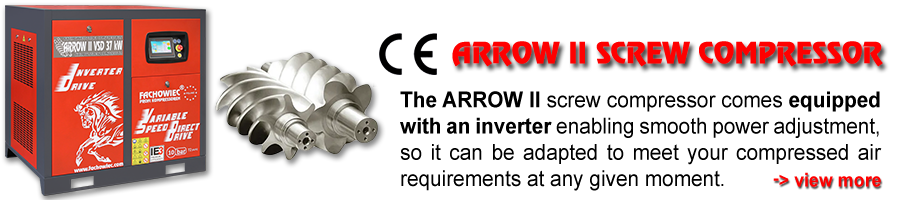
- Compressor: A device that generates compressed air.
- Pressure tank: Stores compressed air.
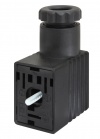
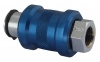
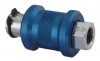
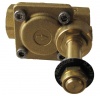
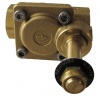
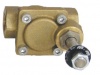
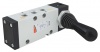
- Valves: Control the flow of air, directing it to the appropriate actuators.
- Actuators: Convert air energy into mechanical motion (e.g., linear or rotary).
- Pipes: Transport compressed air from the compressor to the individual components of the system.
- Filters, dryers, and regulators: Ensure the appropriate quality and parameters of compressed air.
Types of control:
- Pneumatic control: Uses air directly to control the movement of drives.
- Electropneumatic control: Combines electrical and pneumatic elements, where electrical signals control the flow of air using solenoid valves.
Applications of industrial pneumatics:
- Automation of production processes: Controlling the movement of conveyors, feeders, grippers, and other devices.
- Control of industrial robots: Driving the arms of robots and their grippers.
- Assembly and disassembly of components: Precise positioning and joining of components in assembly processes.
- Operation of machines and devices: Controlling valves, pumps, actuators, and other machine components.
- Other applications: Pneumatics is also used in transport, medicine, and many other fields.
Industrial pneumatics is an important element of automating production processes, allowing for increased efficiency, precision, and safety at work.