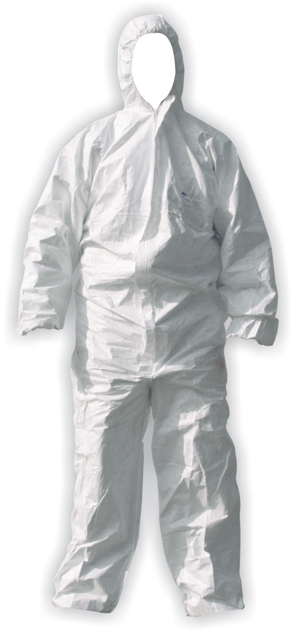
Why is it worth investing in protective clothing?
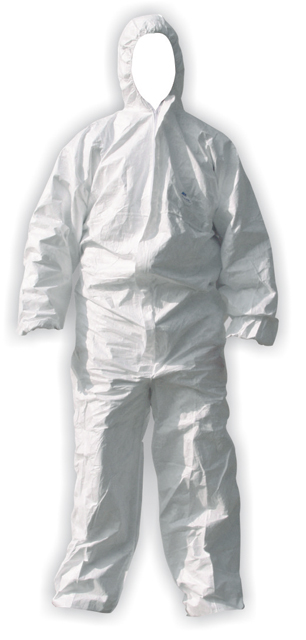
Welding protective clothing is specialized protective gear designed for welders, aimed at safeguarding them from hazards associated with welding work. It should provide protection against high temperatures, sparks, molten metal splashes, thermal radiation, and also minimize the risk of electric shock.
Characteristics of welding clothing:
- Limited flame spread capability:
Clothing should be made from flame-resistant materials that do not support combustion and prevent the spread of fire.
- Resistance to molten metal droplets:
Clothing should protect against molten metal splashes, and its resistance is measured in classes (e.g., class 1 - 15 droplets, class 2 - 25 droplets).
- Protection against thermal radiation:
Clothing should protect against thermal radiation generated by the electric arc.
- Protection against sparks and splashes:
The material and construction of the clothing should minimize the risk of sparks and splashes entering the inside of the garment.
- Protection against electric shock:
Clothing should minimize the risk of electric shock in case of accidental contact with live wires.
- Proper cut and construction:
Clothing should cover the entire body, and in the case of overalls, the jackets should overlap the pants, creating a flap.
- Materials and workmanship:
Clothing should be made from flame-resistant materials that are resistant to abrasion and damage.
Clothing may include additional protective elements such as neck guards, hoods, sleeves, aprons, or gaiters.
- Standards and certifications:
Welding clothing should meet specific standards, such as PN-EN ISO 11611, PN-EN ISO 11612, and have appropriate certifications.
Examples of welding clothing items:
- Welding overalls (insulated and summer versions)
- Welding jackets
- Welding pants
- Welding gloves
- Welding aprons
- Welding sleeves
- Welding footwear
- Welding helmets and masks (protecting the head and face)
The importance of welding clothing:
Proper welding clothing is not only a legal requirement but also a key element ensuring the safety and health of welders while performing their duties. It provides protection against injuries and occupational diseases, as well as enhances comfort and work efficiency.