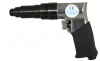
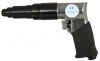
How a pneumatic screwdriver works:
1. Compressed air:
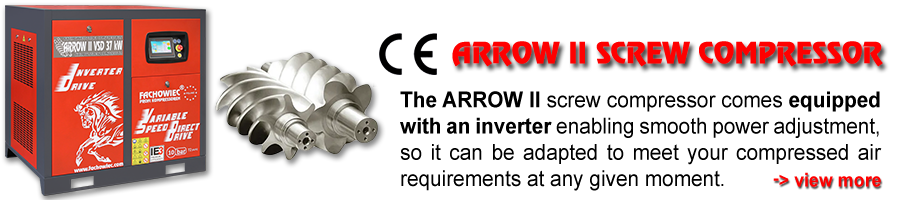
A pneumatic screwdriver requires access to compressed air, which is usually generated by a compressor.
2. Pneumatic hose:
Compressed air is delivered to the screwdriver via a hose or pipe.
3. Pneumatic motor:
Inside the screwdriver, there is a pneumatic motor that rotates under the influence of compressed air.
4. Gear mechanism:
The rotating shaft of the motor transmits motion to the screwdriver head, where the driving bit is located.
5. Screwing/unscrewing:
The screwdriver head with the bit rotates and performs a screwing or unscrewing motion, depending on the tool's setting.
Construction of a pneumatic screwdriver:
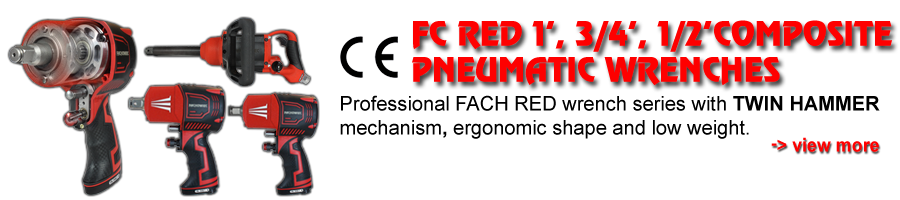
- Housing: Usually made of durable material, it protects the interior of the tool.
- Motor: Drives the screwdriver mechanism.
- Head: The mounting place for the driving bits.
- Clutch mechanism: Regulates torque and protects against overload.
- Trigger/Button: Allows starting and stopping the airflow.
Advantages of pneumatic screwdrivers:
They can generate high torque, making it easier to work with difficult-to-screw elements.
Simple construction and lack of electrical components contribute to high durability and reliability.
They are usually lighter than their electric counterparts, making work easier, especially in hard-to-reach places.
The absence of sparks during operation eliminates the risk of explosion in hazardous areas.
When choosing a pneumatic screwdriver, it is crucial to match its parameters to the intended applications. Consider torque, rotational speed, air consumption, and working pressure. Additionally, pay attention to the type of grip and the weight of the tool.
In summary, before purchasing a pneumatic screwdriver, it is worth thoroughly analyzing your needs and selecting the appropriate technical parameters to ensure the tool meets expectations and provides effective operation.