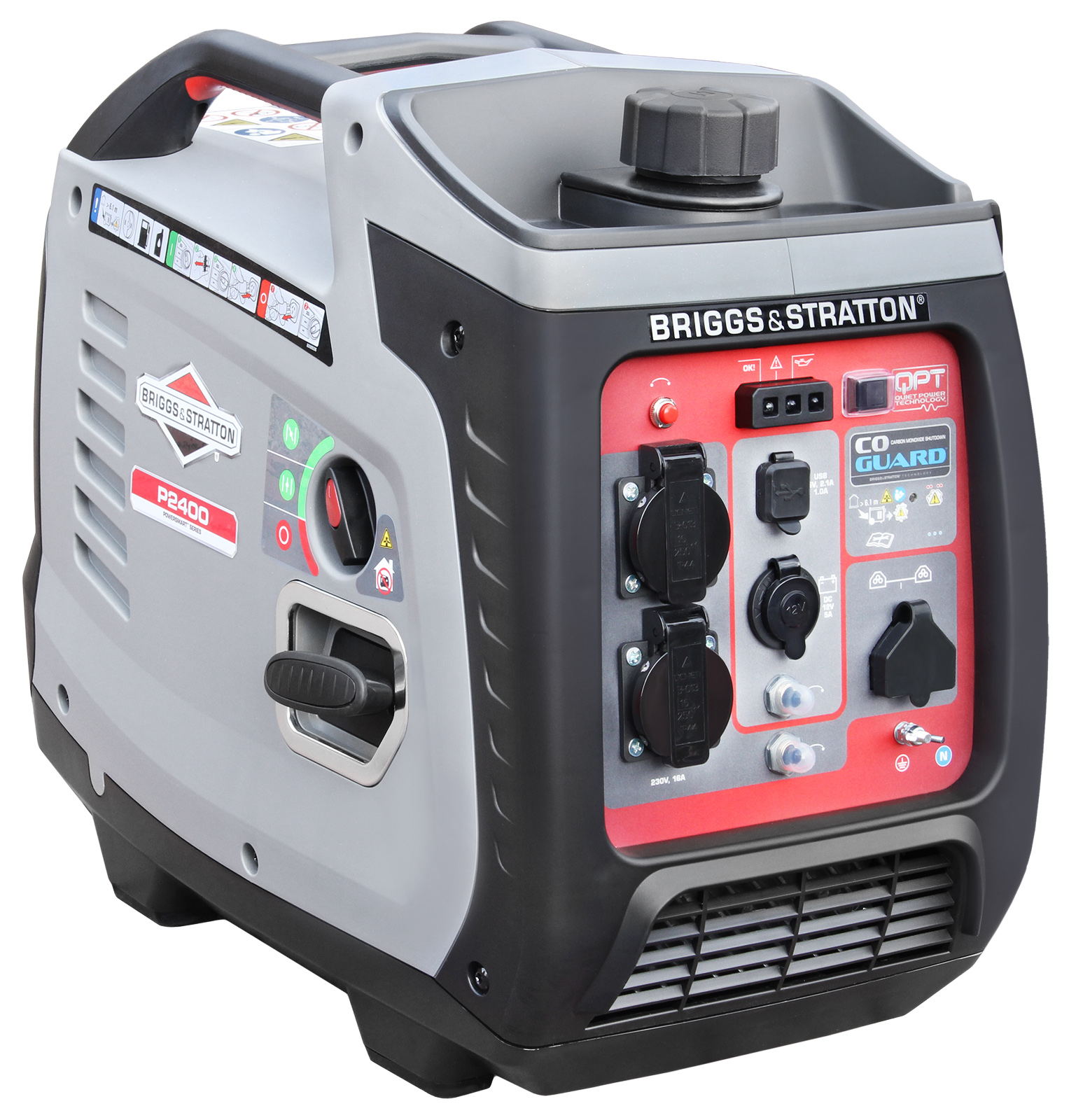
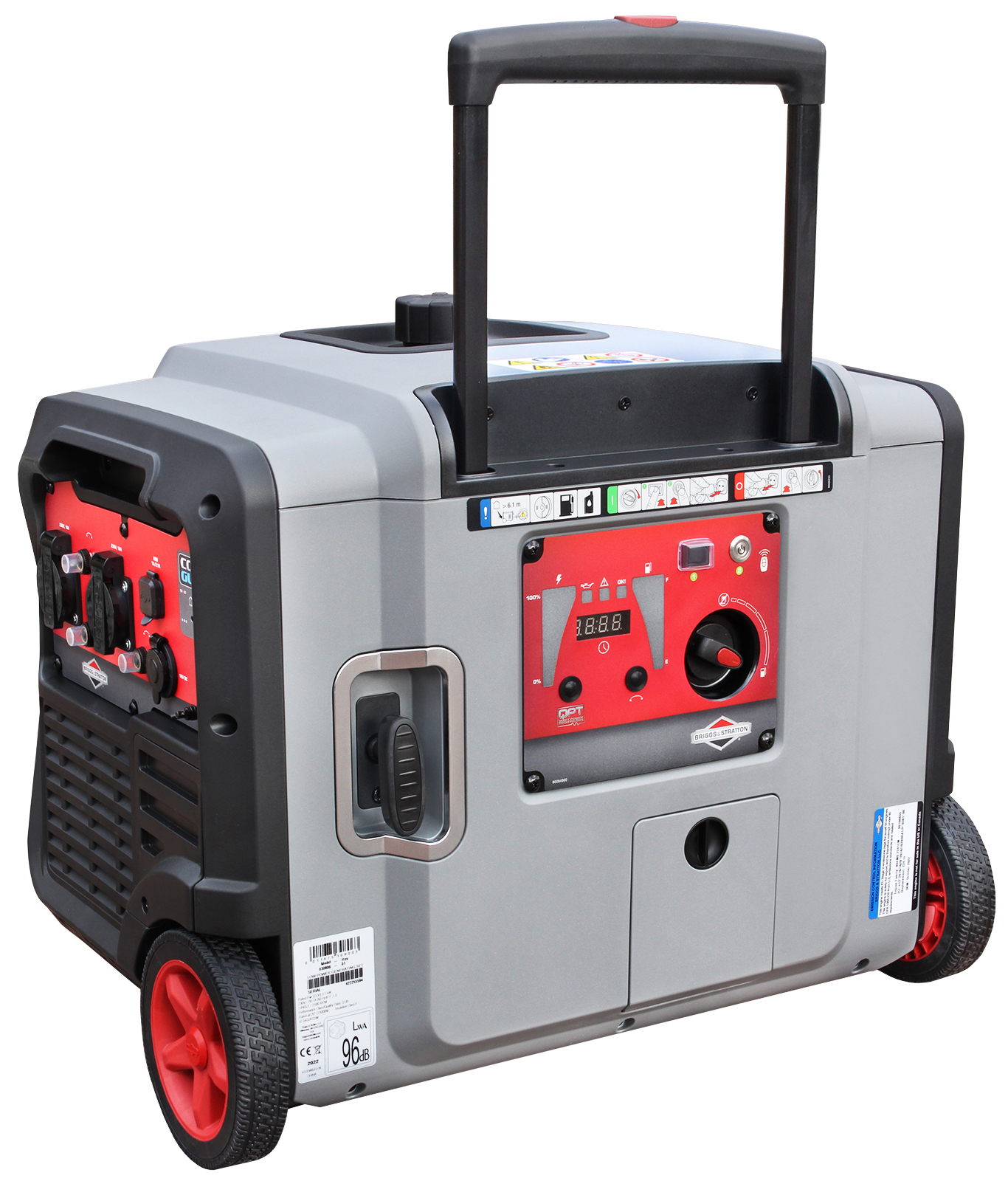
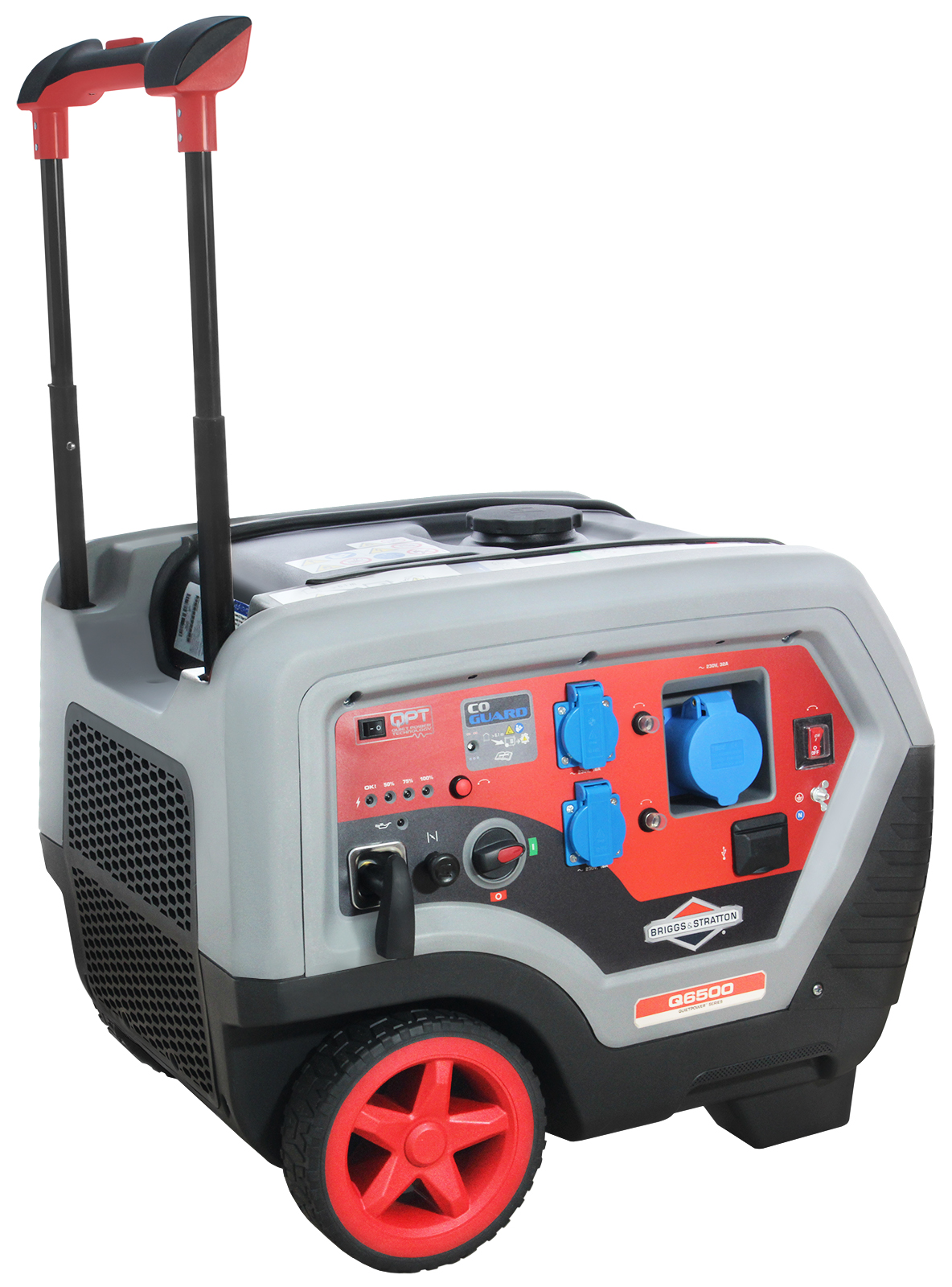
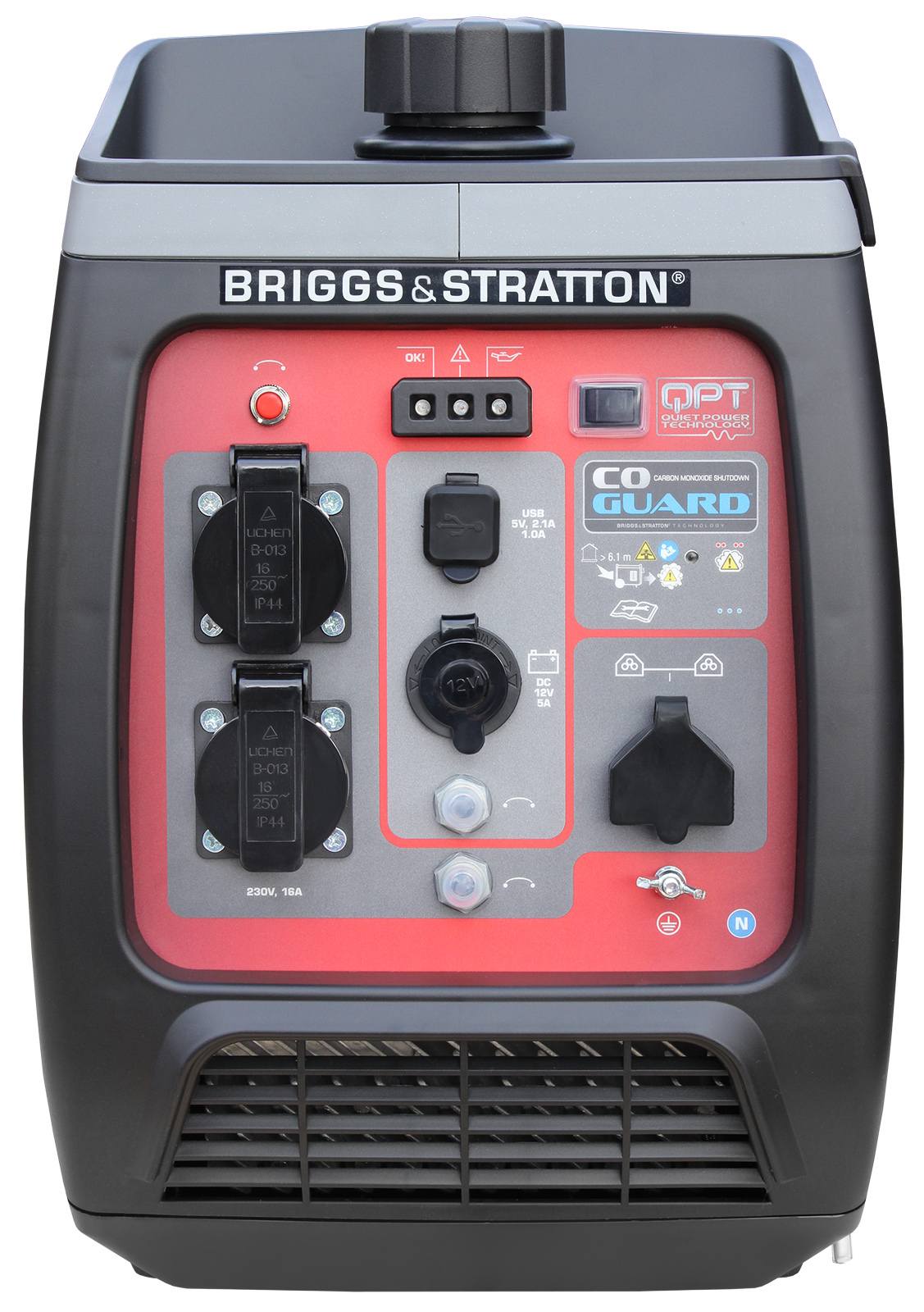
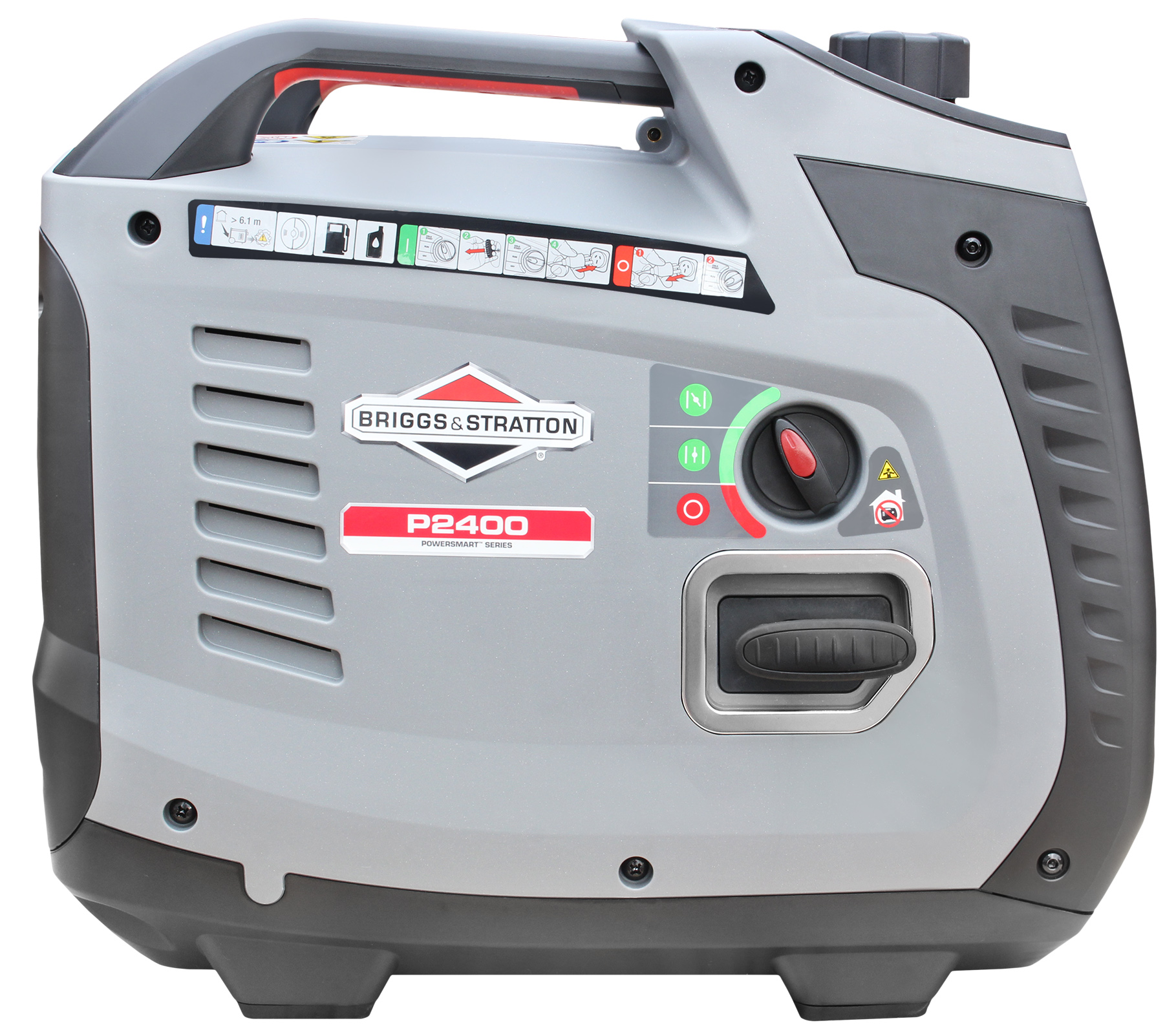
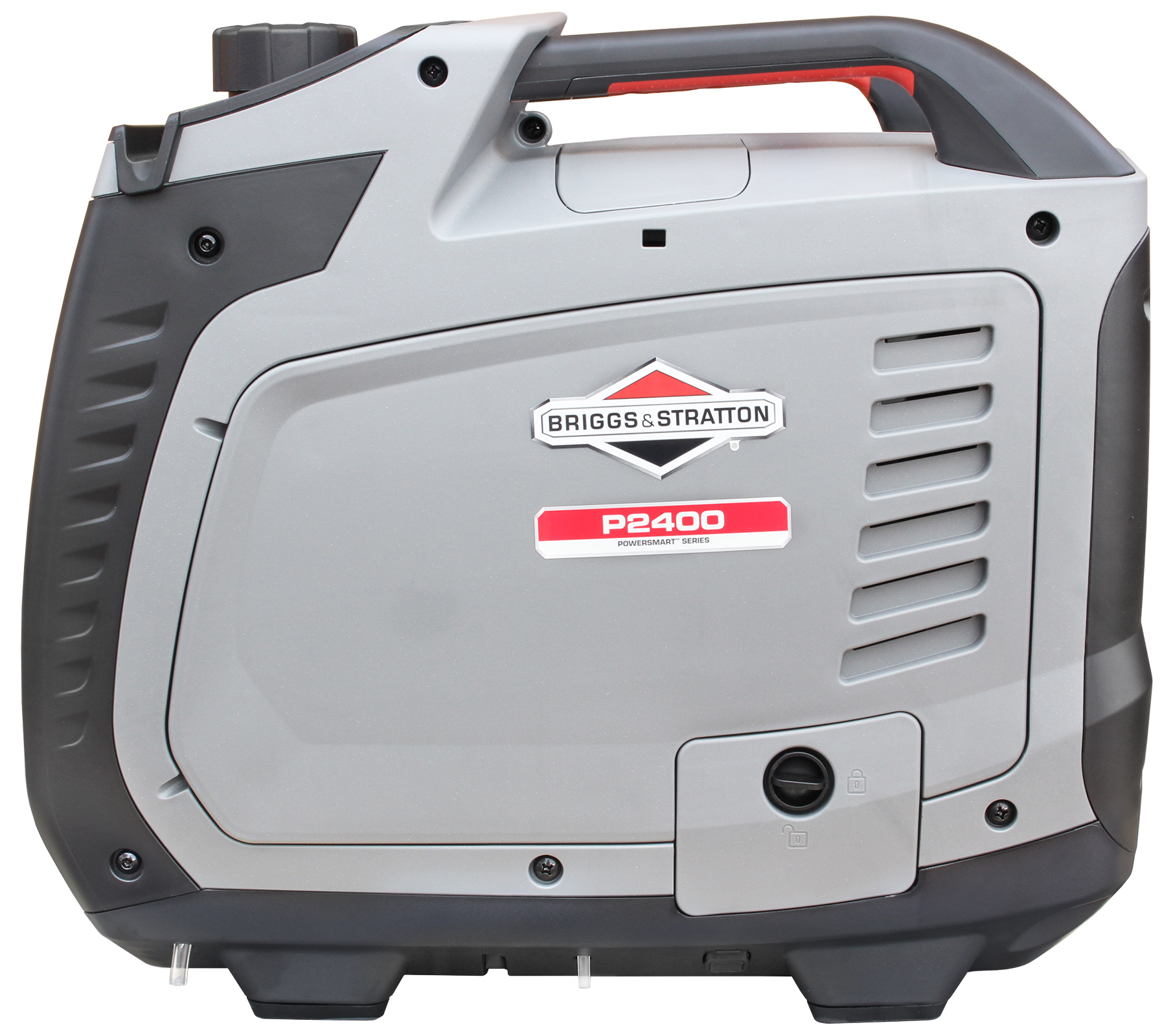
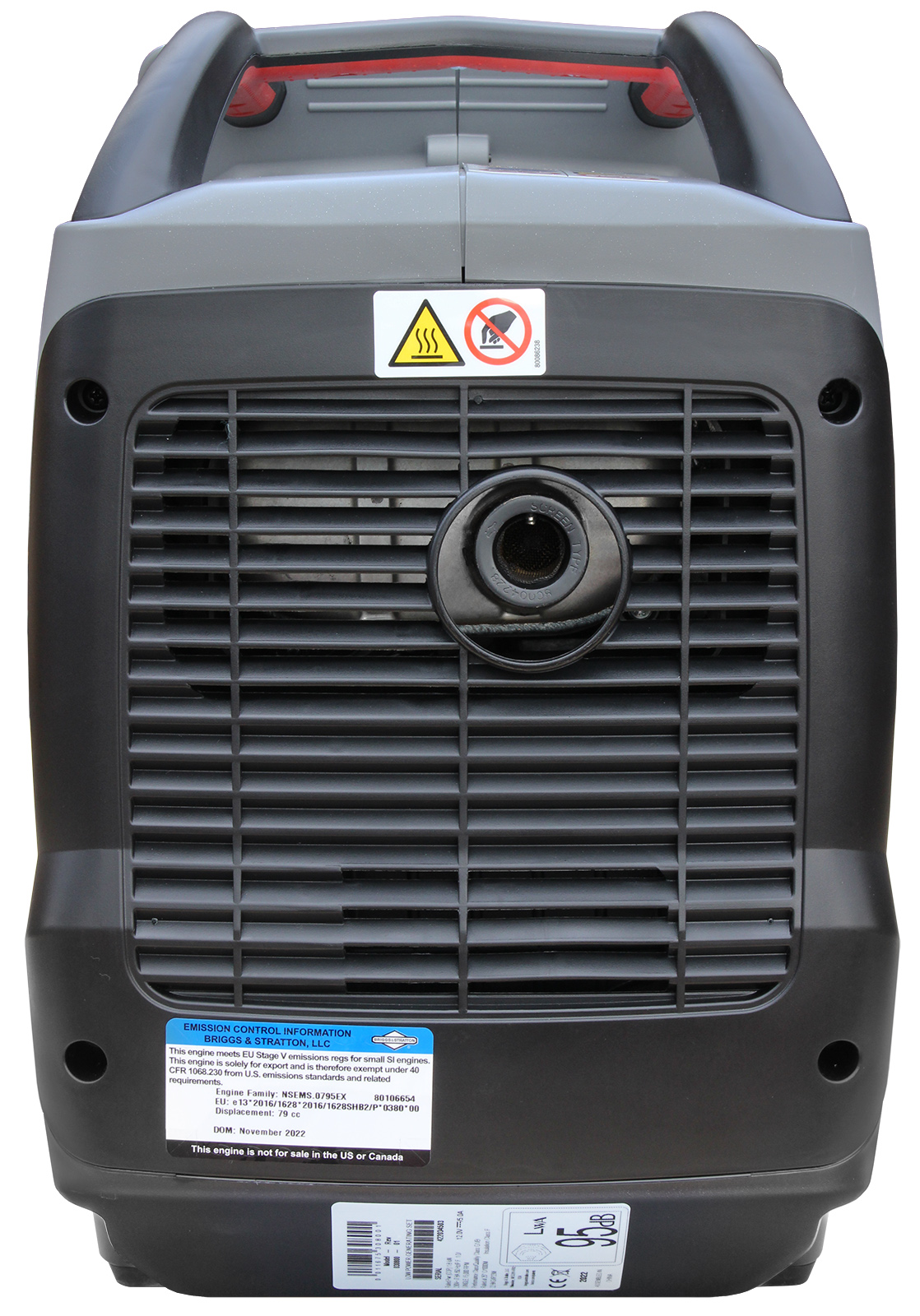
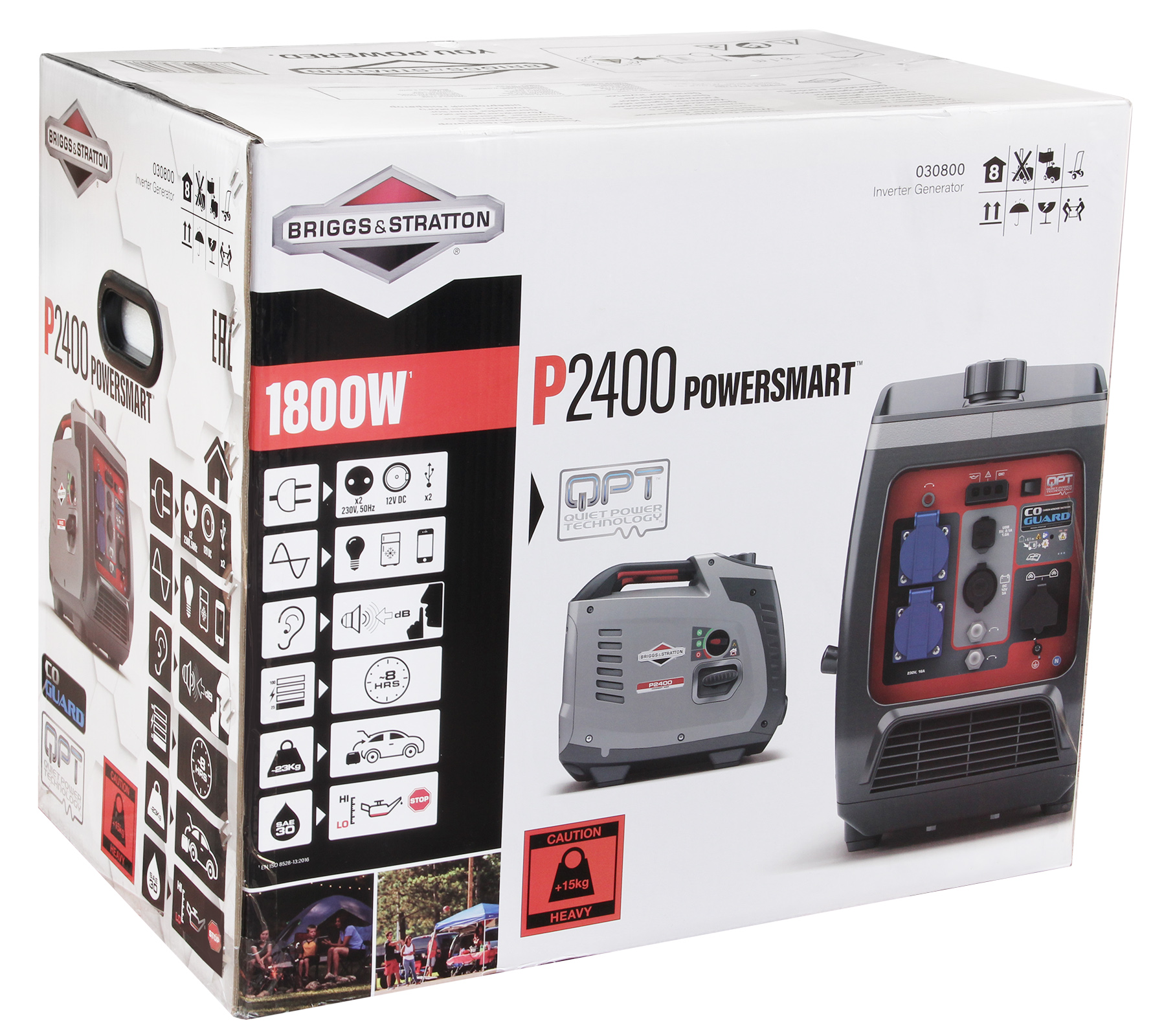
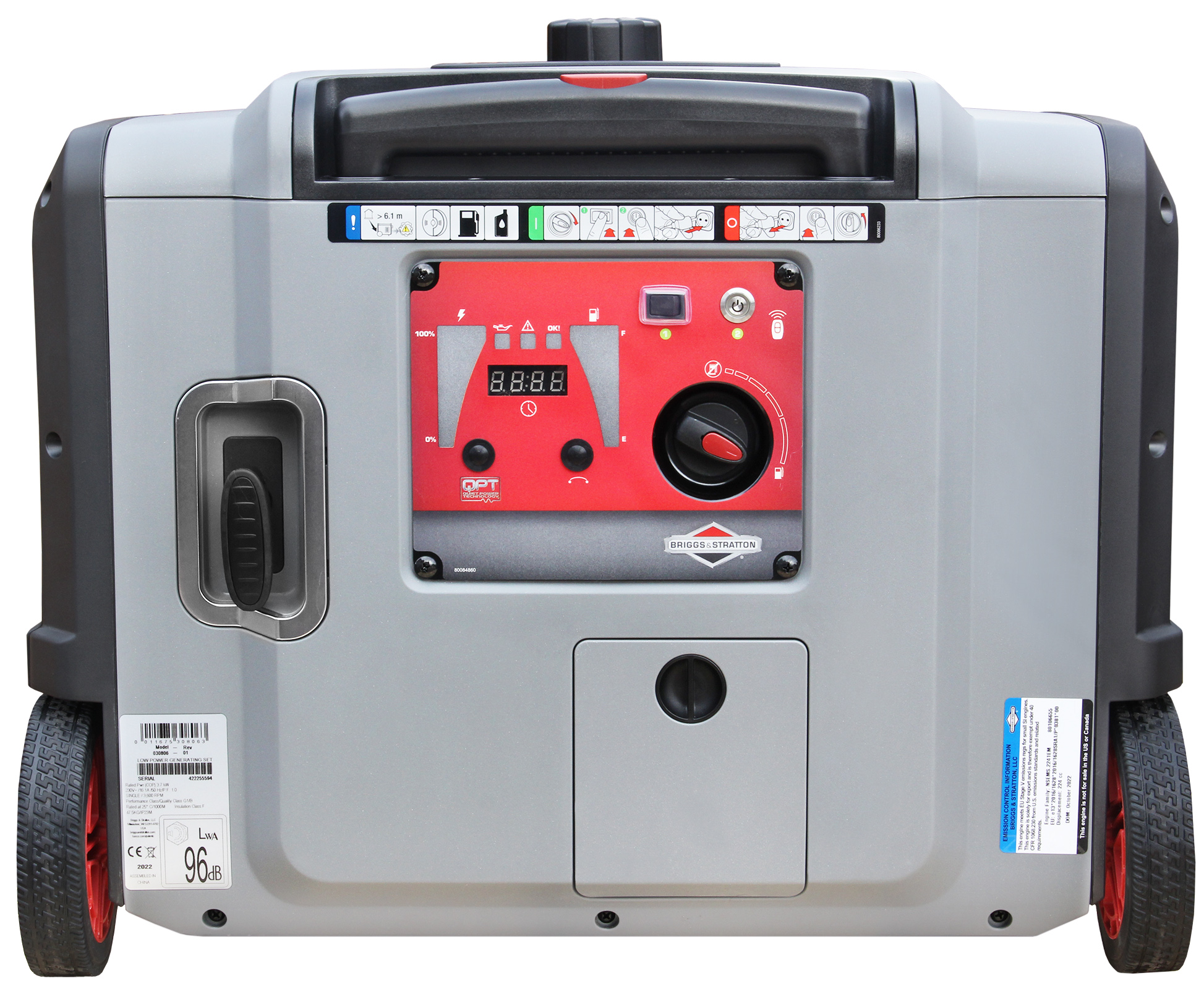
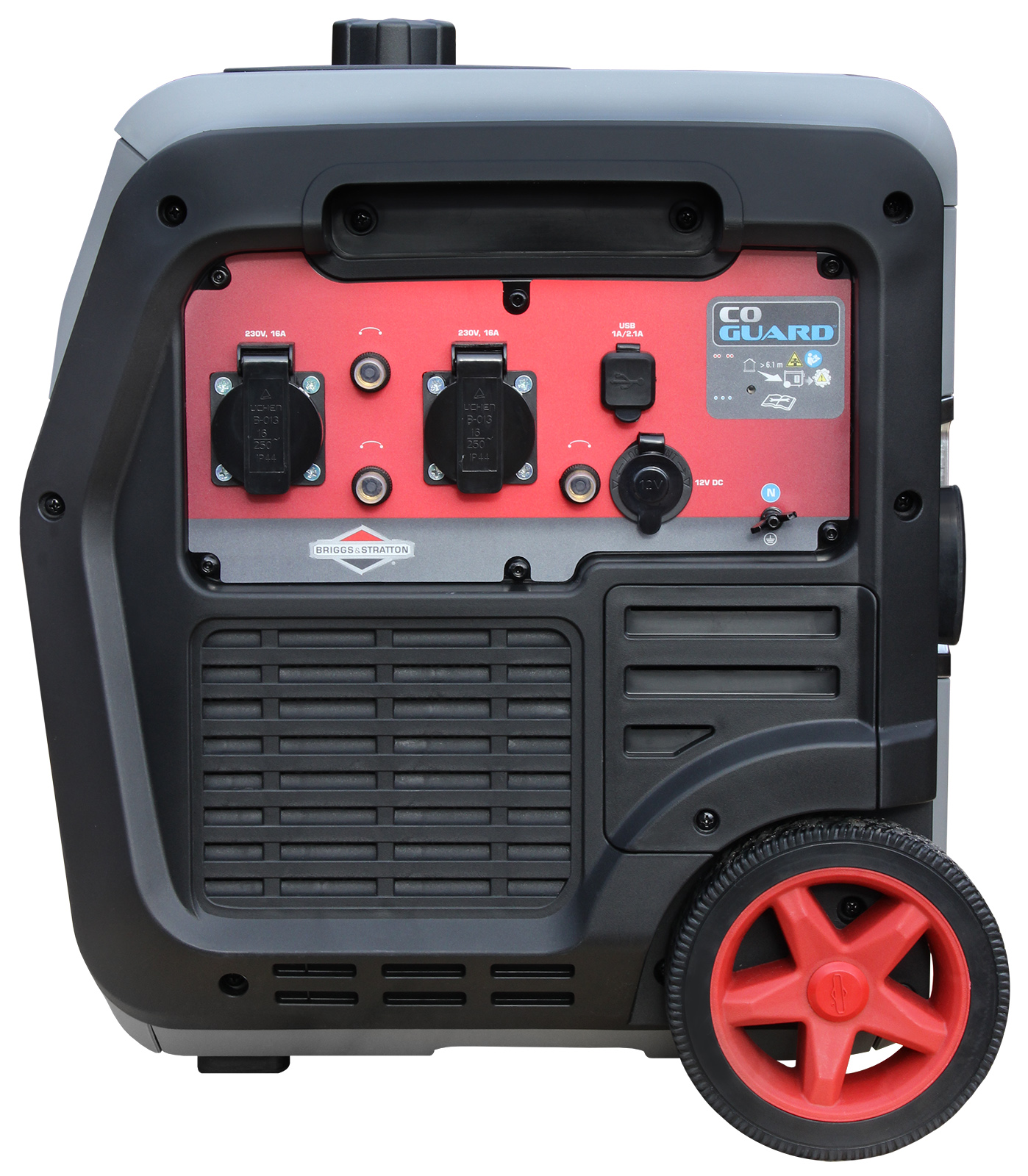
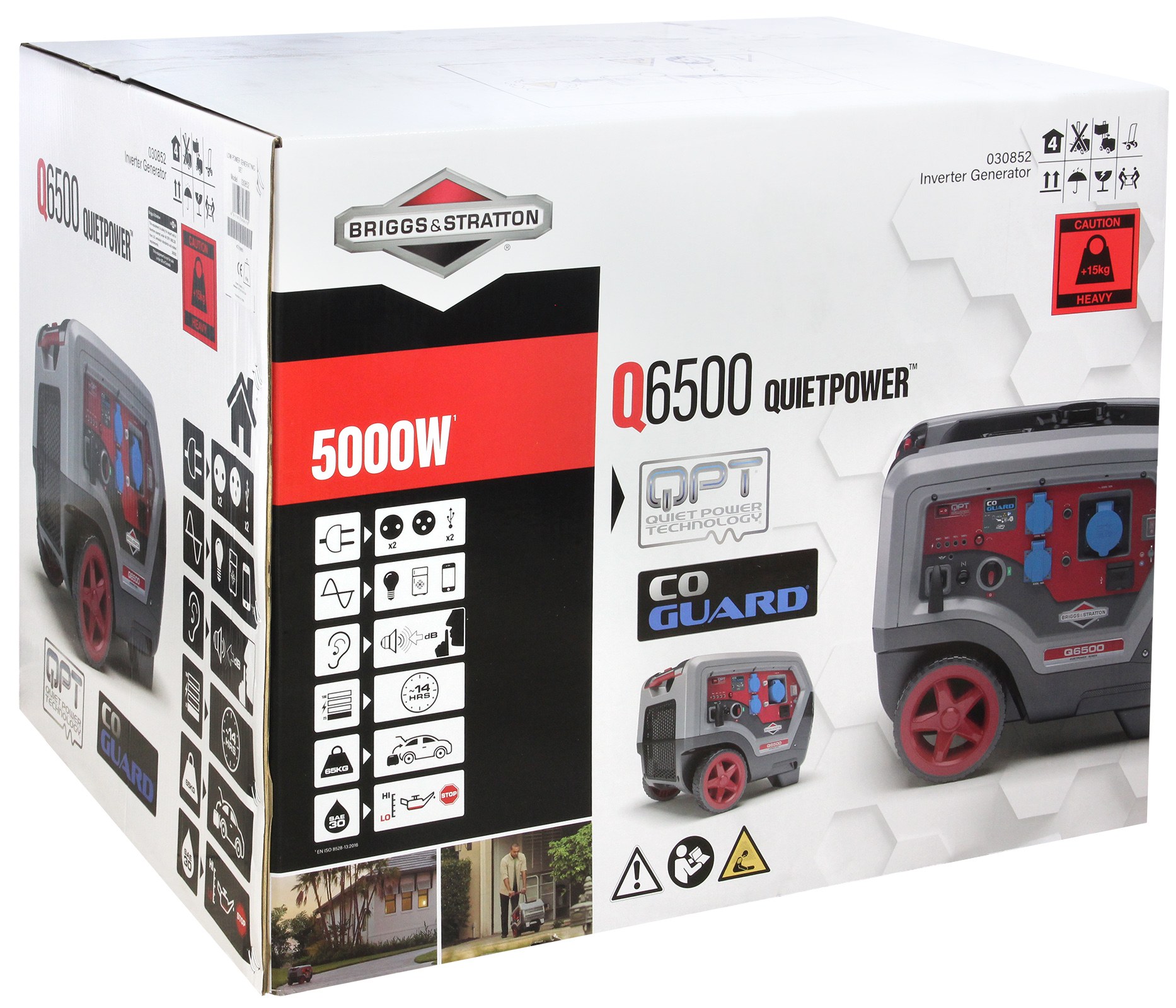
Key features and characteristics of Briggs & Stratton generators:
- Power availability: These are portable devices that provide energy for home, garden, camping, or construction work.
- Variety of models: Compact and easy to use, designed to power basic devices such as lighting, televisions, or computers. Equipped with inverter technology (e.g., Quiet Power Technology®), which ensures stable voltage (sine wave) and is safe for sensitive electronics like laptops or smartphones. Reinforced with industrial Vanguard engines, intended for professionals requiring high durability and reliability.
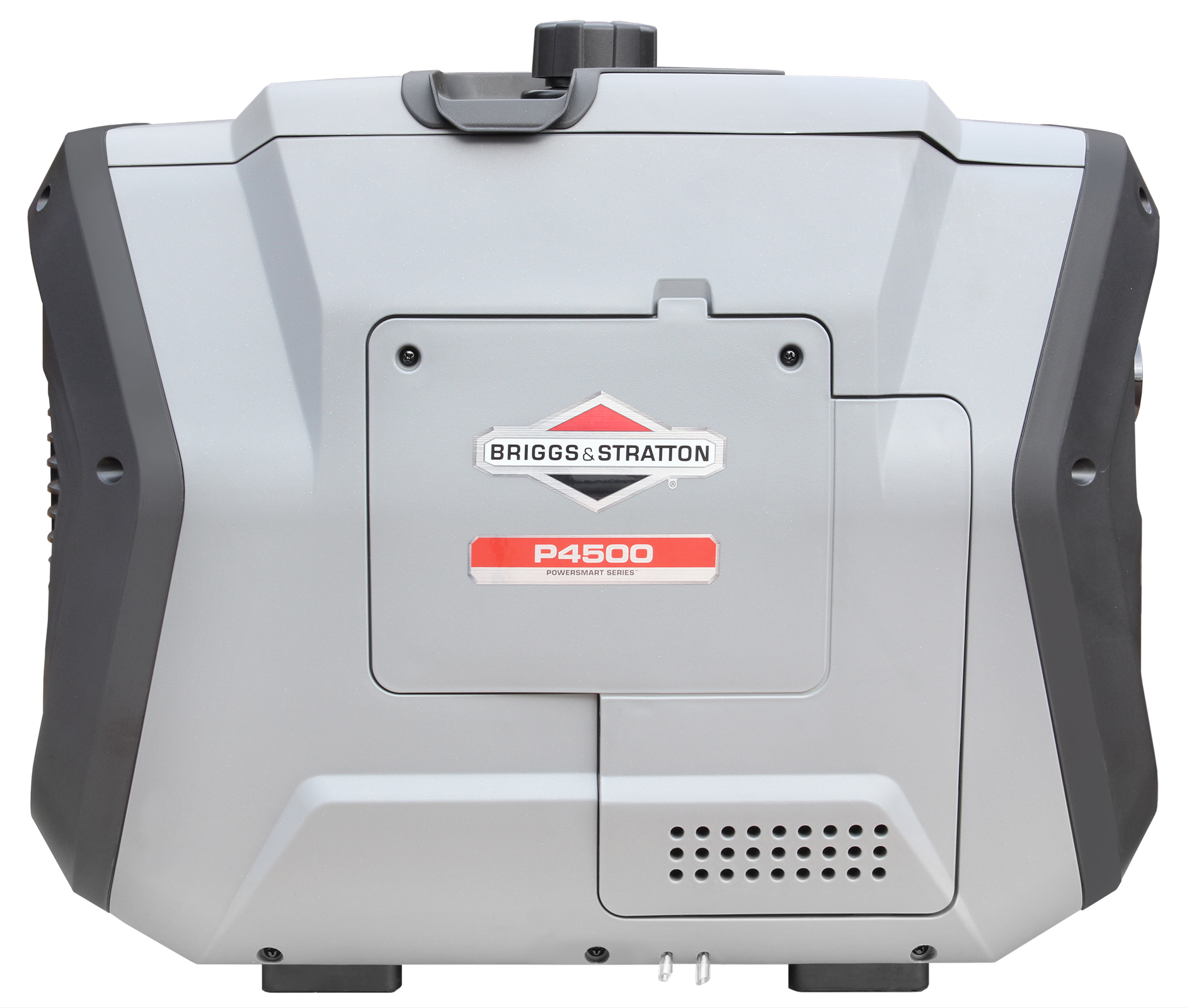
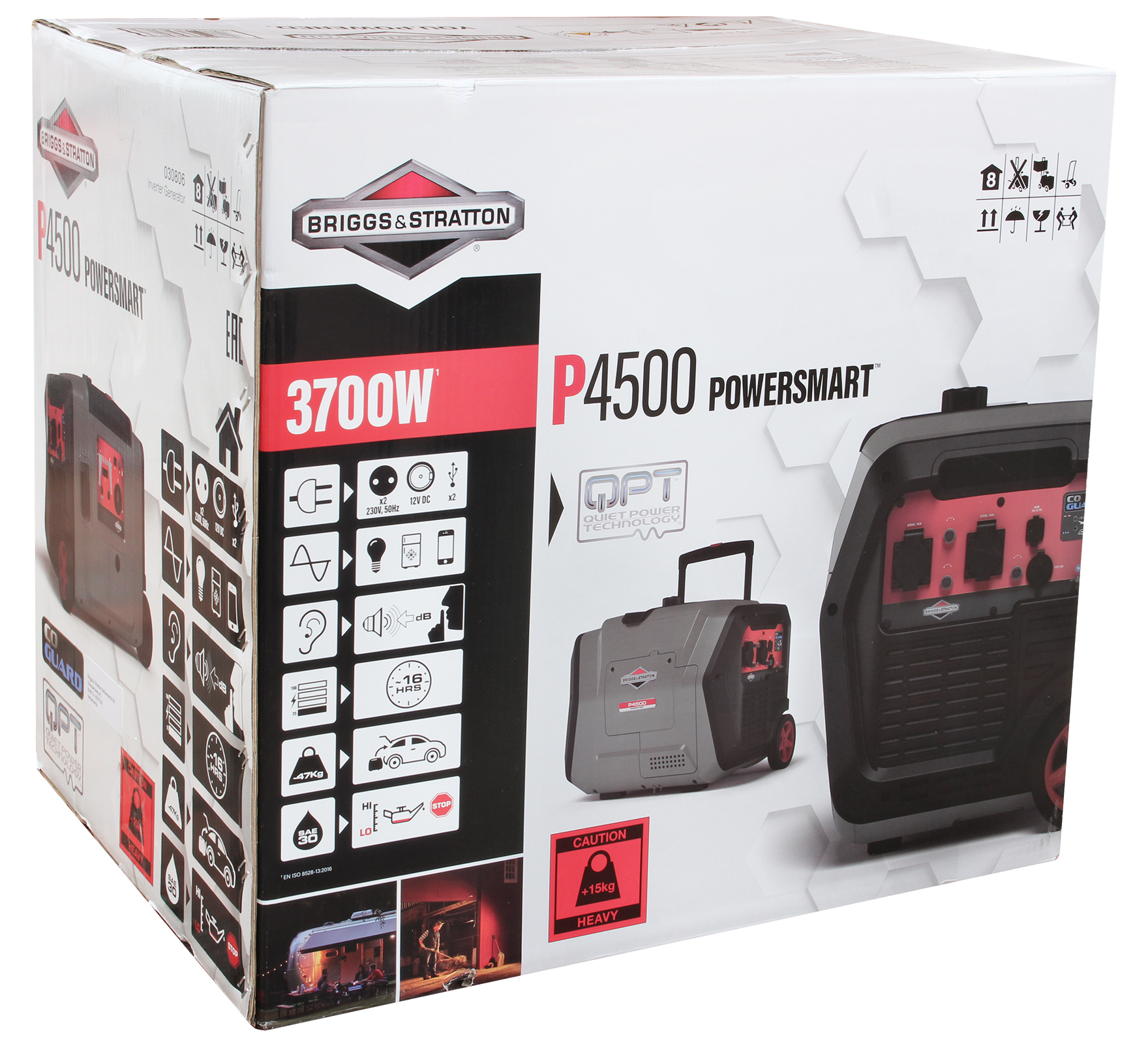
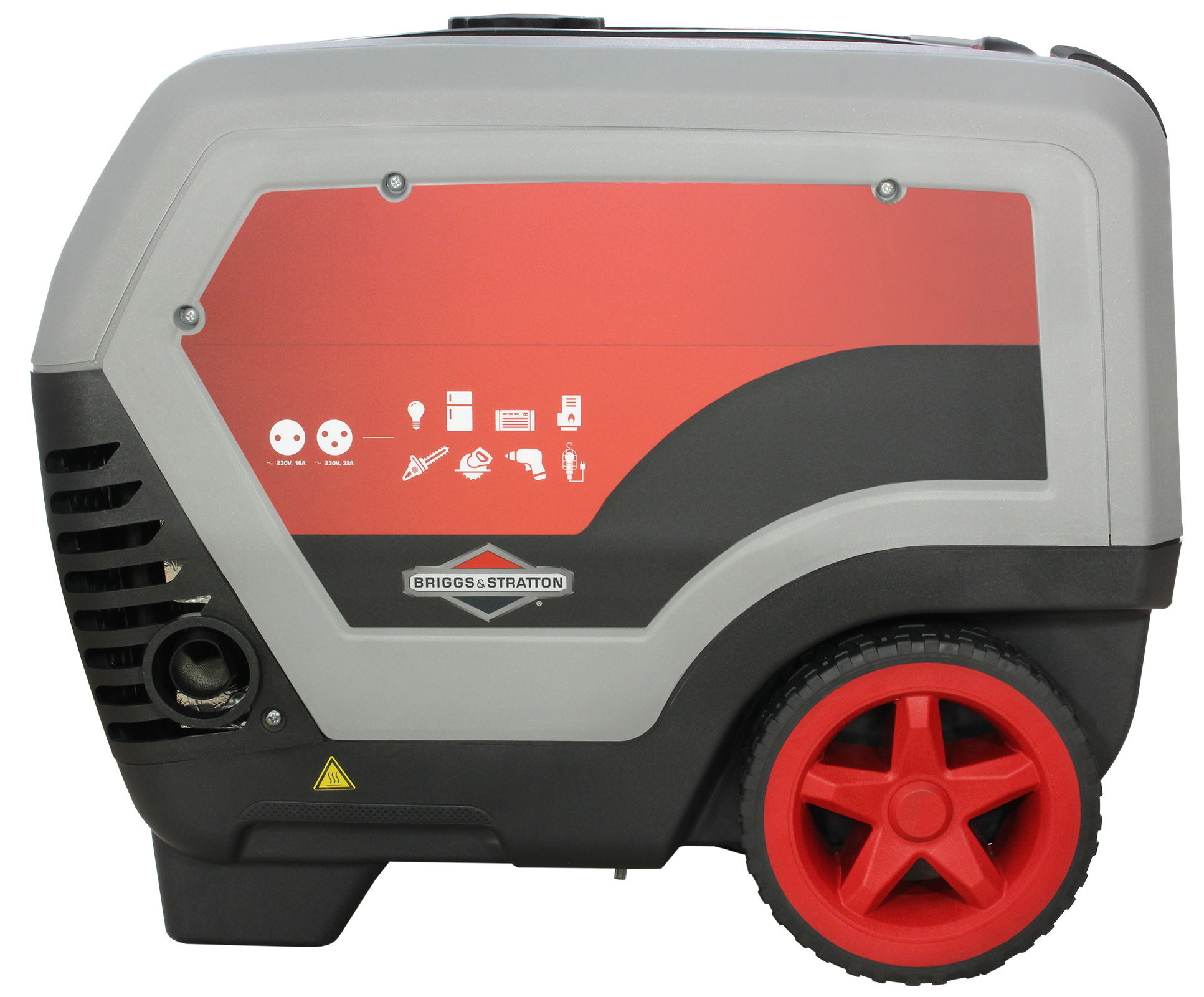
- Convenience and mobility: Many models are compact, lightweight, and have optional wheel kits, making transportation easier.
- Advanced technologies: Quiet Power Technology®: Reduces noise, providing quieter operation compared to traditional generators.
Inverter technology (PowerSmart): Delivers clean, stable energy suitable for electronic devices. Automatic Voltage Regulation (AVR) system: Stabilizes output voltage, protecting connected devices from damage.
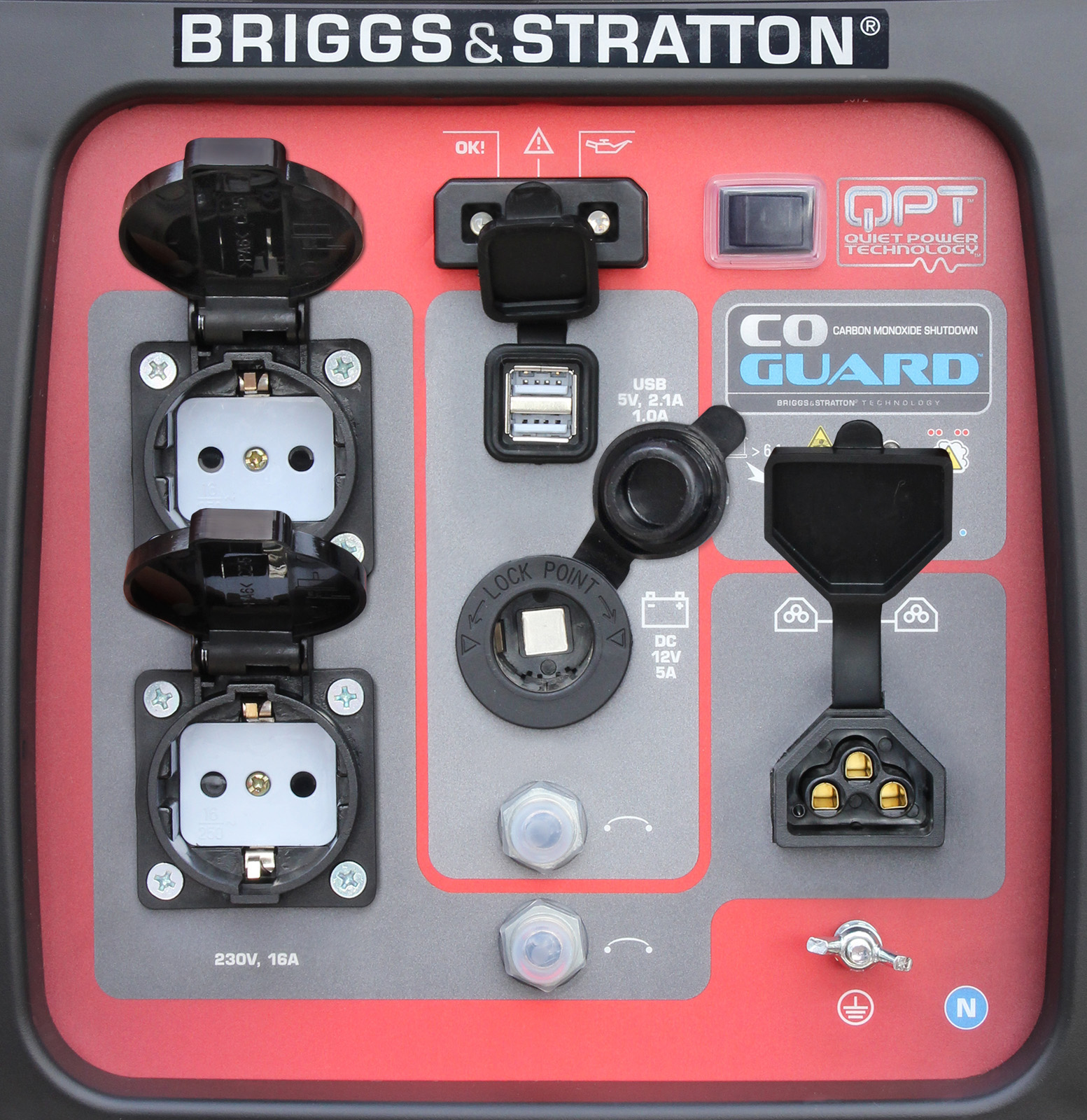
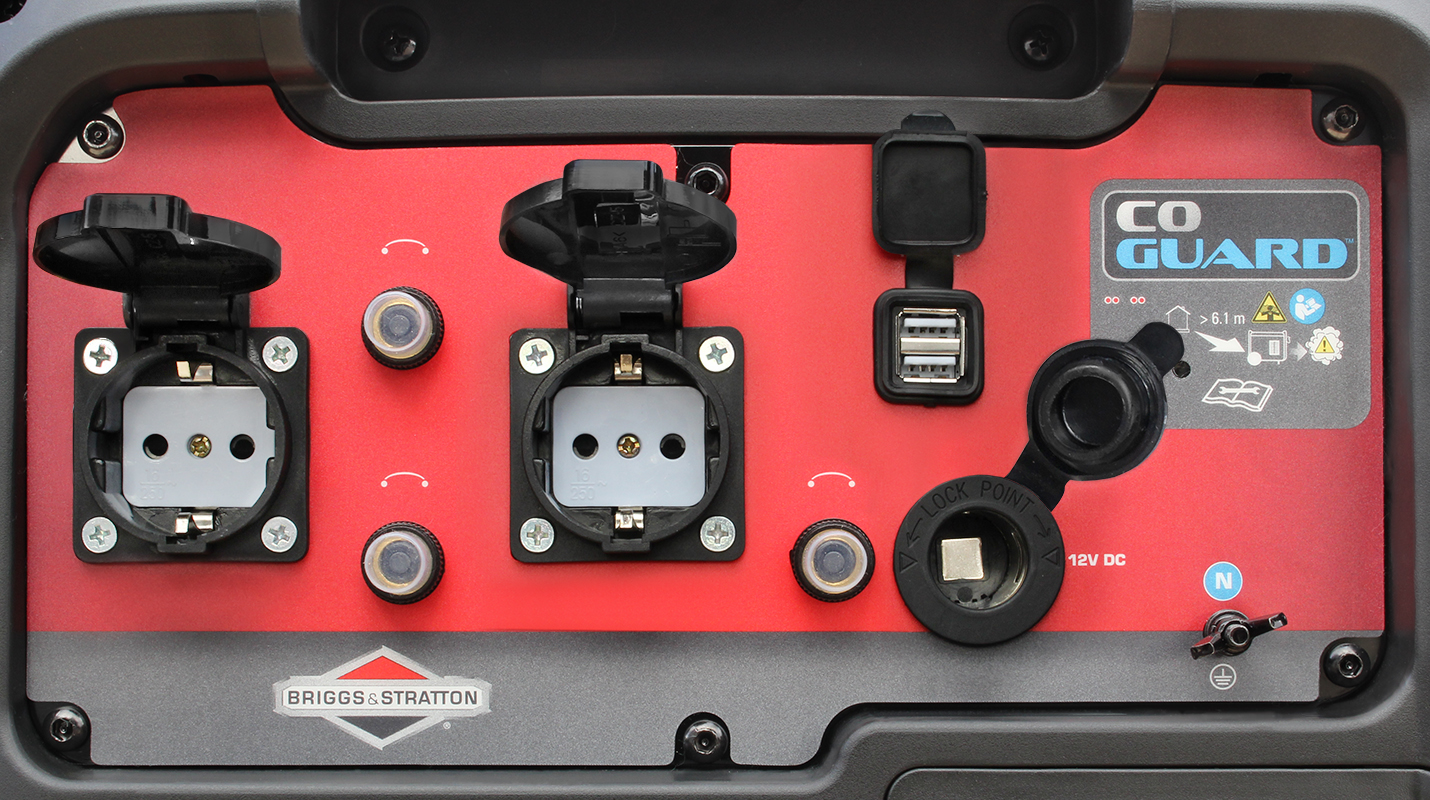
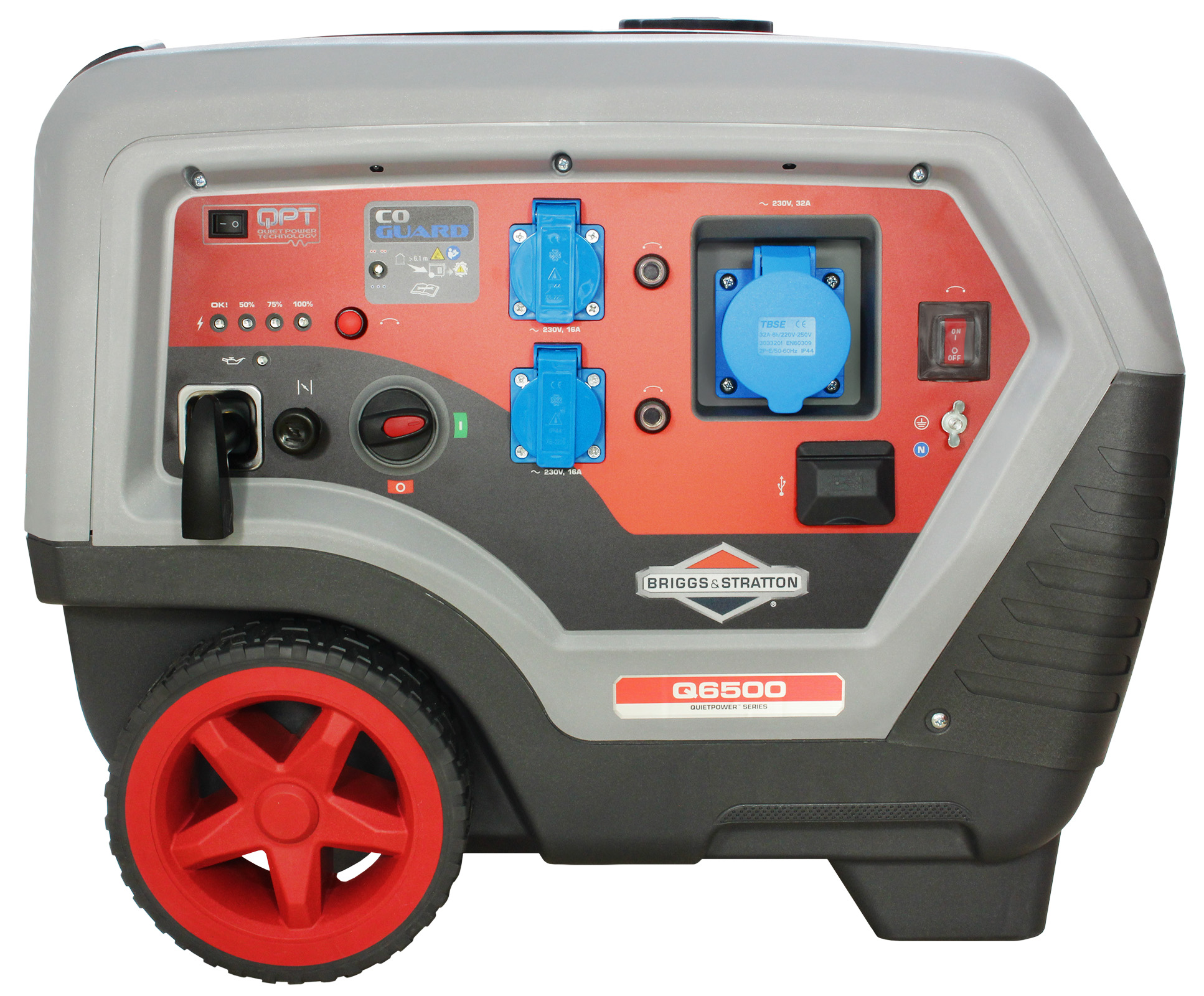
- Additional features: Built-in USB ports and 12V DC sockets for charging devices.
- Ability to synchronize two generators (in some models) for increased power.
- Clear LCD screen (in PowerSmart models) indicating power, runtime hours, and service reminders.
Construction of the inverter generator
Inverter generators produce electricity with stable parameters, safe for electronics, thanks to a three-stage process: the gasoline engine drives the generator, which produces direct current (DC), and then the inverter converts it into stable alternating current (AC). The key differences from traditional generators are the inverter and engine speed regulation, which ensures lower noise levels, reduced fuel consumption, and clean electricity.
A standard inverter generator consists of:
- Gasoline engine: Converts the chemical energy of fuel into mechanical energy.
- Generator: Generates electrical current as a result of the rotor's movement in the stator's magnetic field.
- Inverter: The most important element that distinguishes an inverter generator. Responsible for current conversion.
- Control system: Responsible for regulating engine speed and monitoring generator operation.
- Housing and fuel tank: Protect components and ensure safe fuel storage.
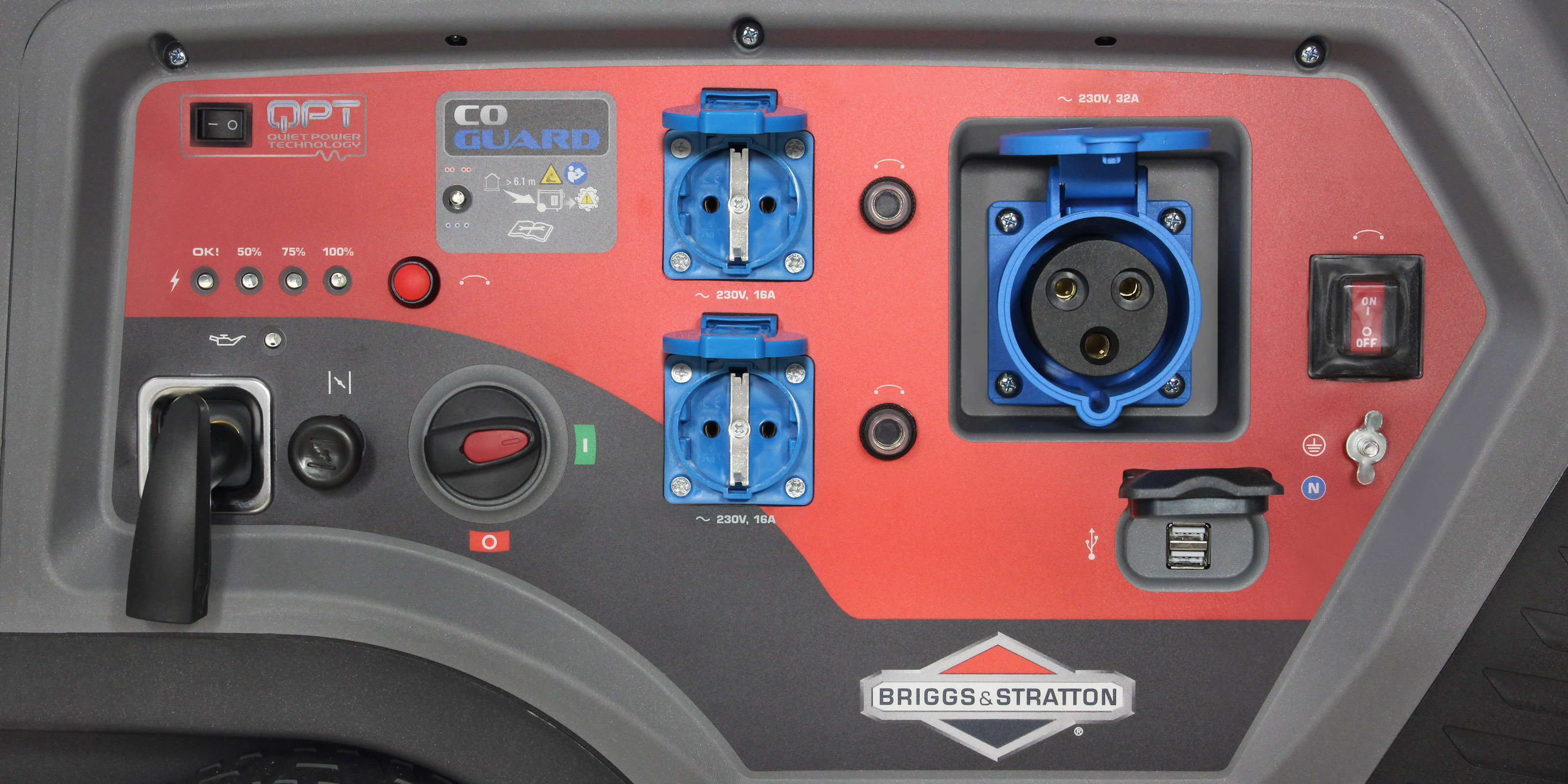
- Output panel: With sockets and connectors for connecting devices.
Operation principle of the inverter generator
Conversion of mechanical energy to electrical energy:
- The gasoline engine, by moving the generator's rotor, generates current with variable frequency and voltage.
- Generation of direct current: In an inverter generator, the current from the generator is first converted to direct current (DC) by the electronic system.
- Regulation and stabilization of current: The inverter then converts the direct current into alternating current (AC) with perfectly stable voltage and frequency.
- Power adjustment: The inverter engine adjusts its speed to current demand, consuming less fuel and emitting fewer pollutants.
Through this process, inverter generators provide clean and stable electricity that is safe for sensitive electronics, such as laptops or medical devices.
To choose an inverter generator, first calculate the total power of all devices you want to power, add about 20-30% power reserve (or more, e.g., x2 for devices with induction motors), and then consider voltage stability, runtime, mobility, and noise level. An inverter generator provides clean, stable electricity, ideal for electronics, which is its key advantage.
1. Determine the power of devices
Sum the rated power of all devices you plan to connect to the generator. You can find the power information on the nameplate of each device.
Consider starting power: Devices with motors, such as refrigerators or pumps, draw more power at startup. Multiply the power of these devices by 2 or 2.5 to account for this one-time increase in energy consumption.
2. Calculate the required power of the generator
Add 20-30% reserve to the sum of the rated power of the devices. This surplus will ensure stable operation of the generator without exceeding its capabilities.
For example:
If the total power of your devices is 1000 W, and one of them is a refrigerator (which needs, for example, 200W of starting power), then you add 20-30% of the starting power to the total.
3. Pay attention to key parameters
- Voltage stability (inverter technology): Inverter generators produce stable voltage (clean sine wave), which is crucial for electronic devices such as computers, smartphones, or televisions.
- Runtime: Check how long the generator can run on a single tank of fuel, especially if you plan to use it for extended periods.
- Noise level: Inverter generators are generally quieter than traditional models.
- Mobility and weight: Ensure that the generator is lightweight and easy to carry if you plan to use it in different locations.
4. Additional tips
Choose a generator from a reputable brand: Better components provide higher quality power and greater reliability.
Pay attention to the fuel tank capacity: A larger tank will allow the generator to run longer without the need for refueling.