Types of pneumatic grinders:
The most versatile, used for cutting and grinding metal, welds, and other elements. Equipped with a grinding or cutting disc mounted at an angle to the housing.
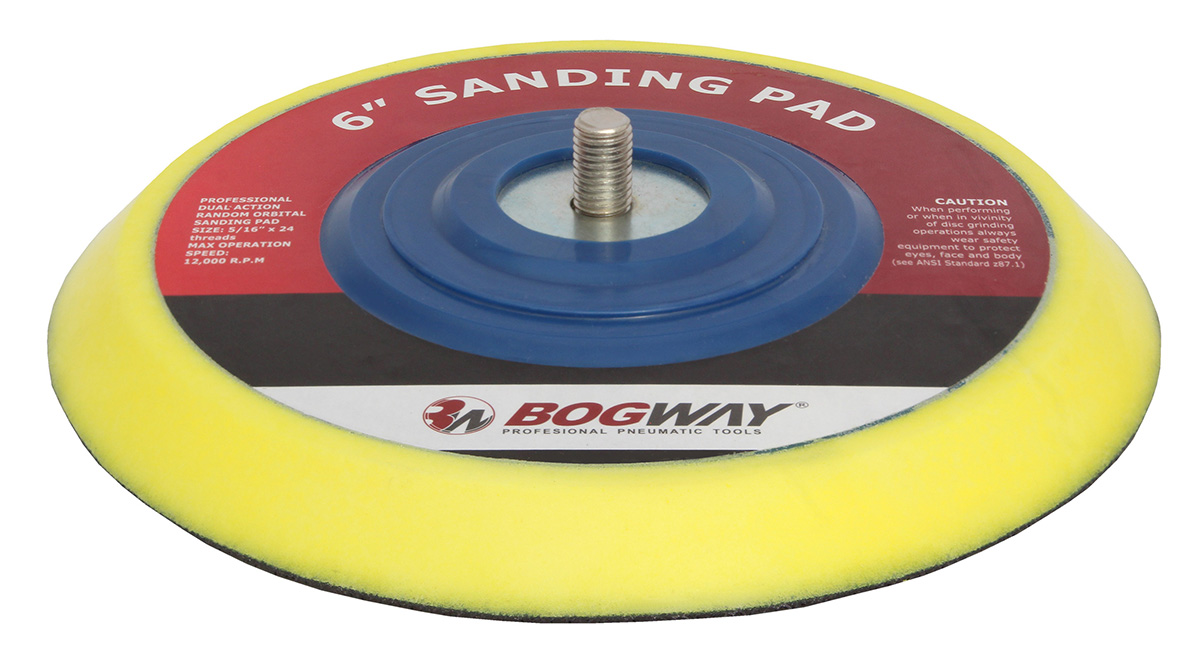
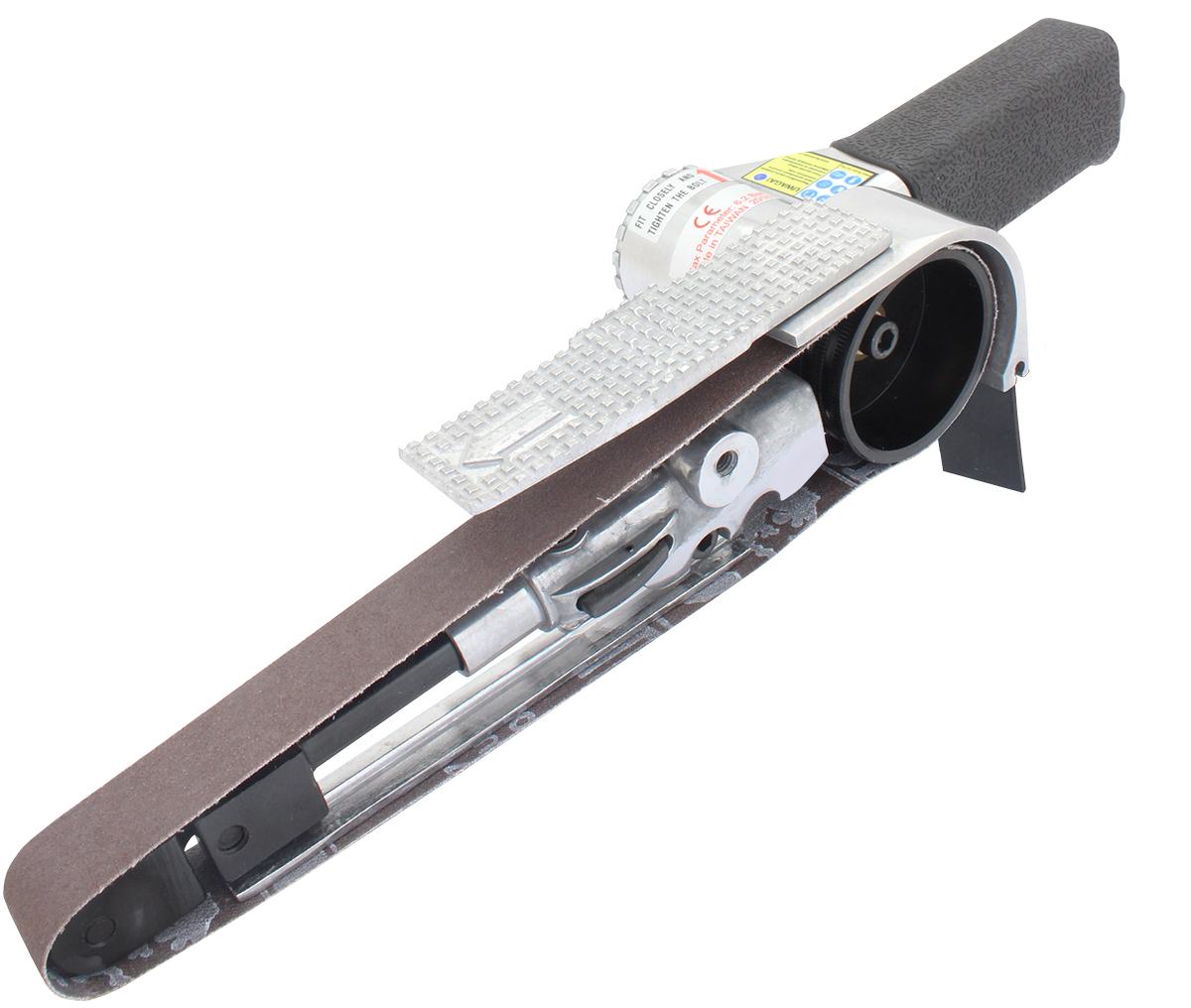
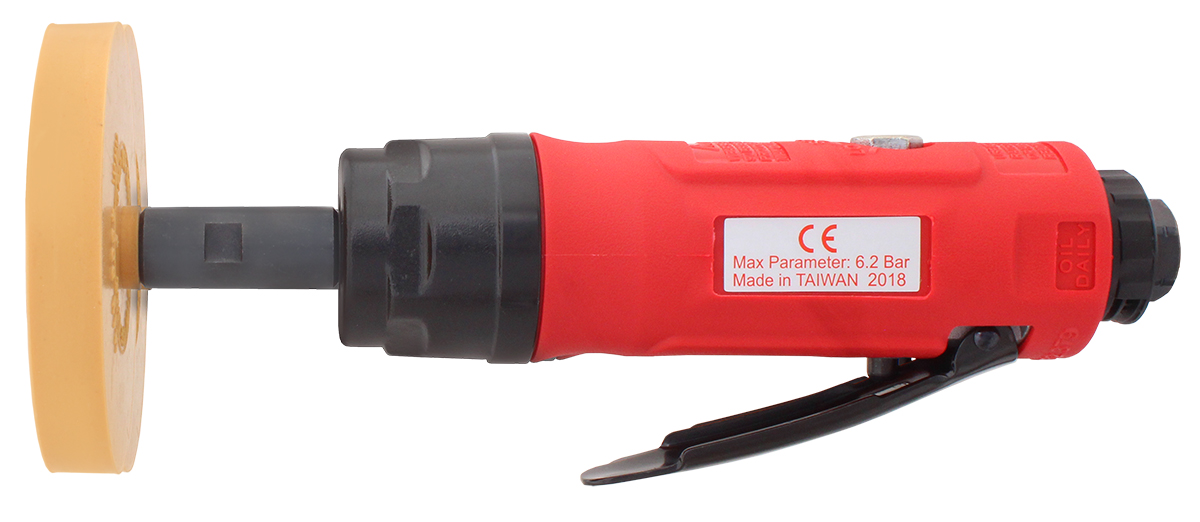
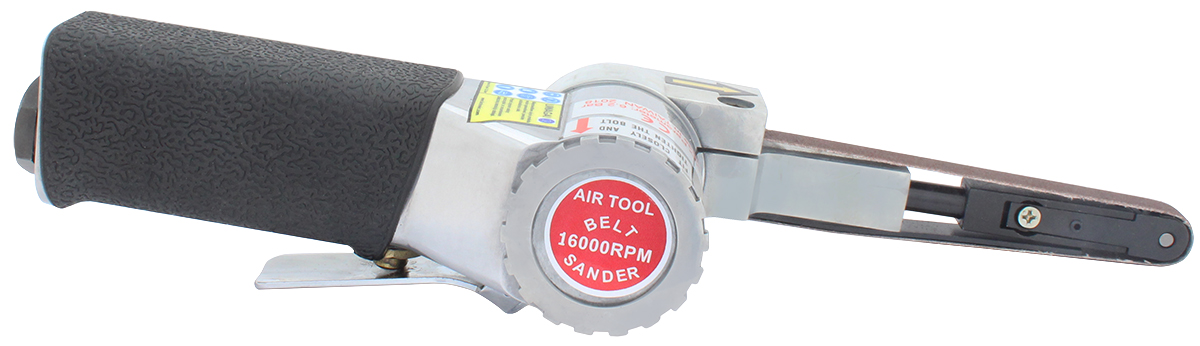
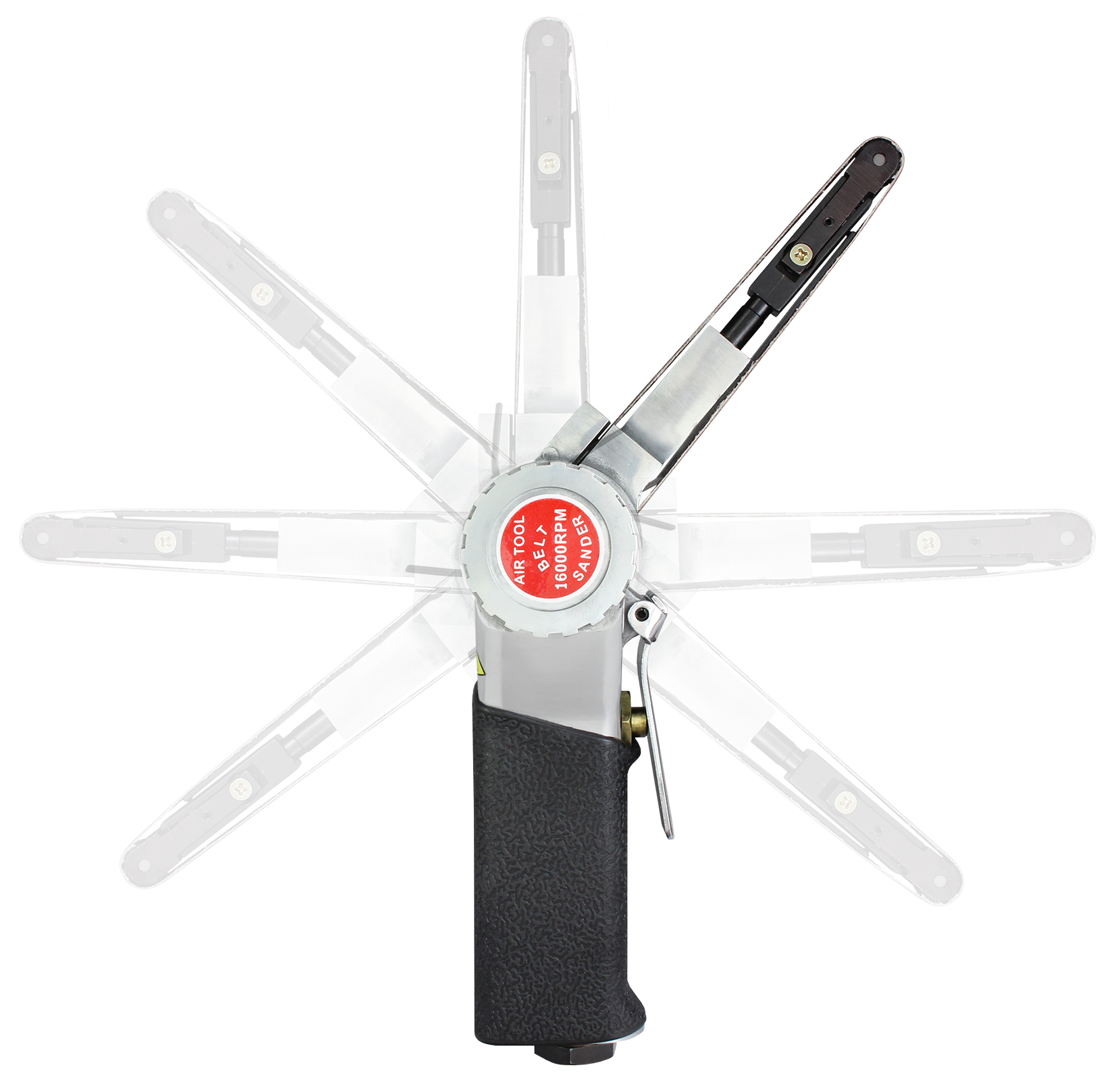
Versatile, suitable for sanding flat, concave, and convex surfaces. Effective in removing old coatings, processing plastics, and wood.
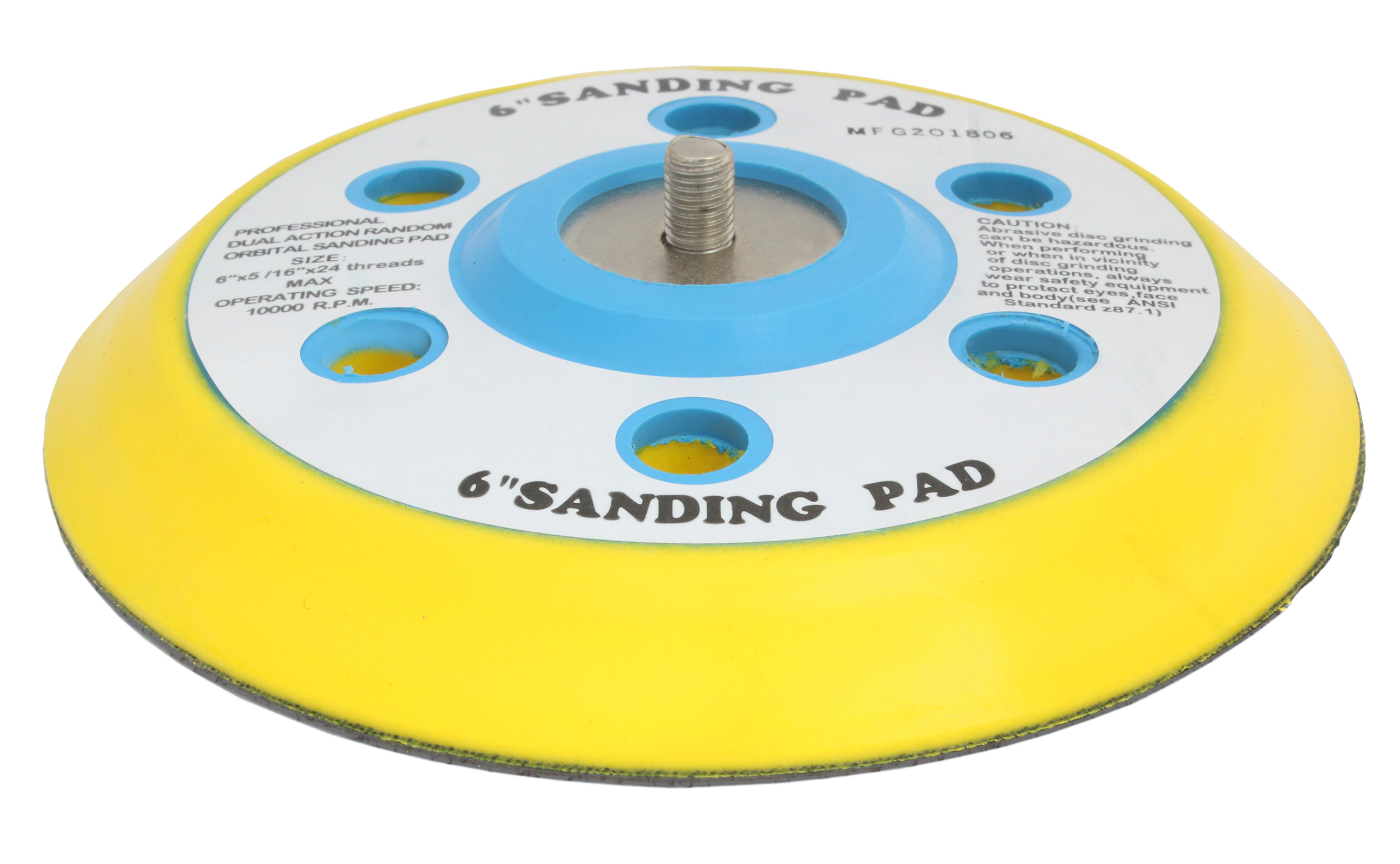
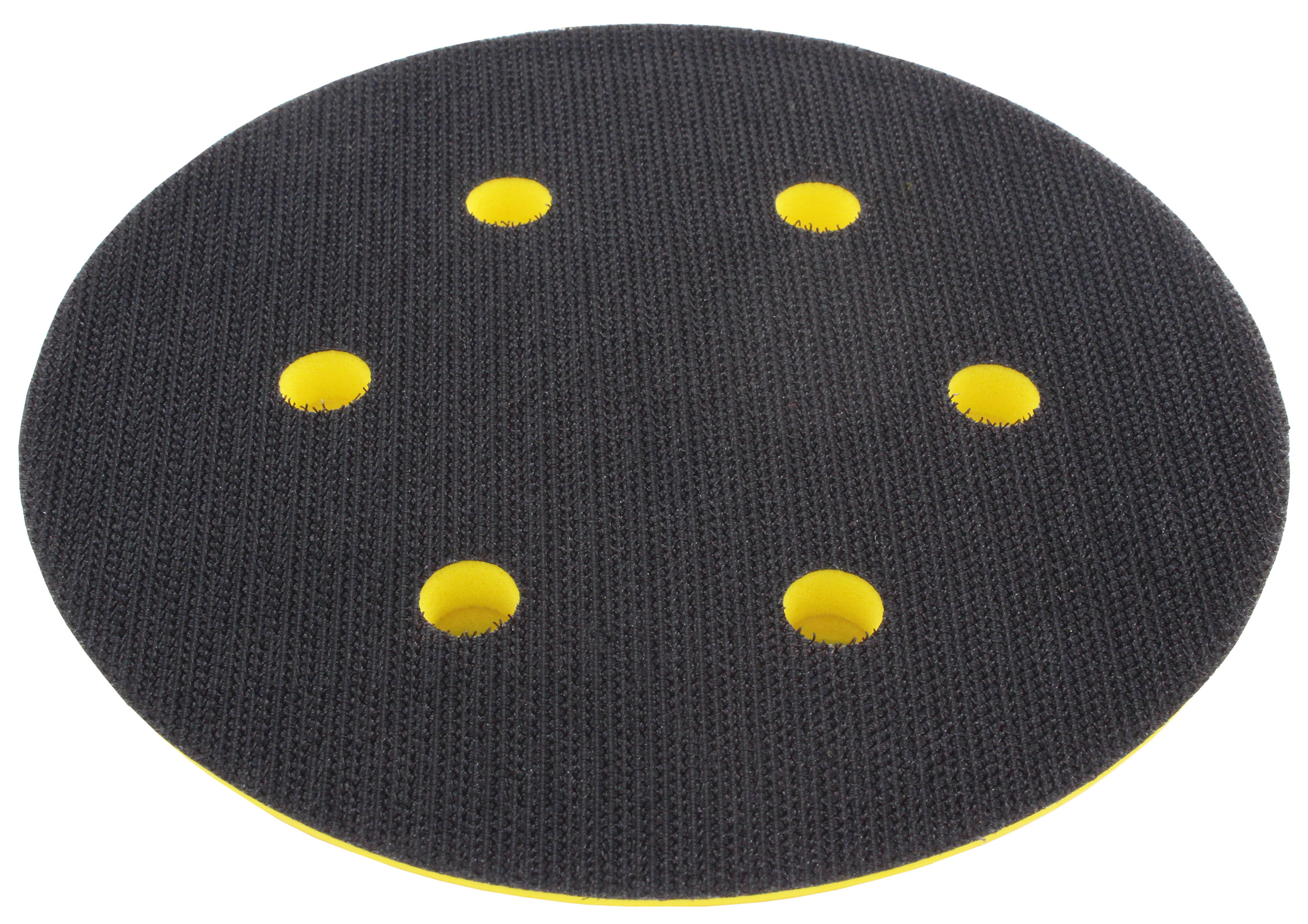
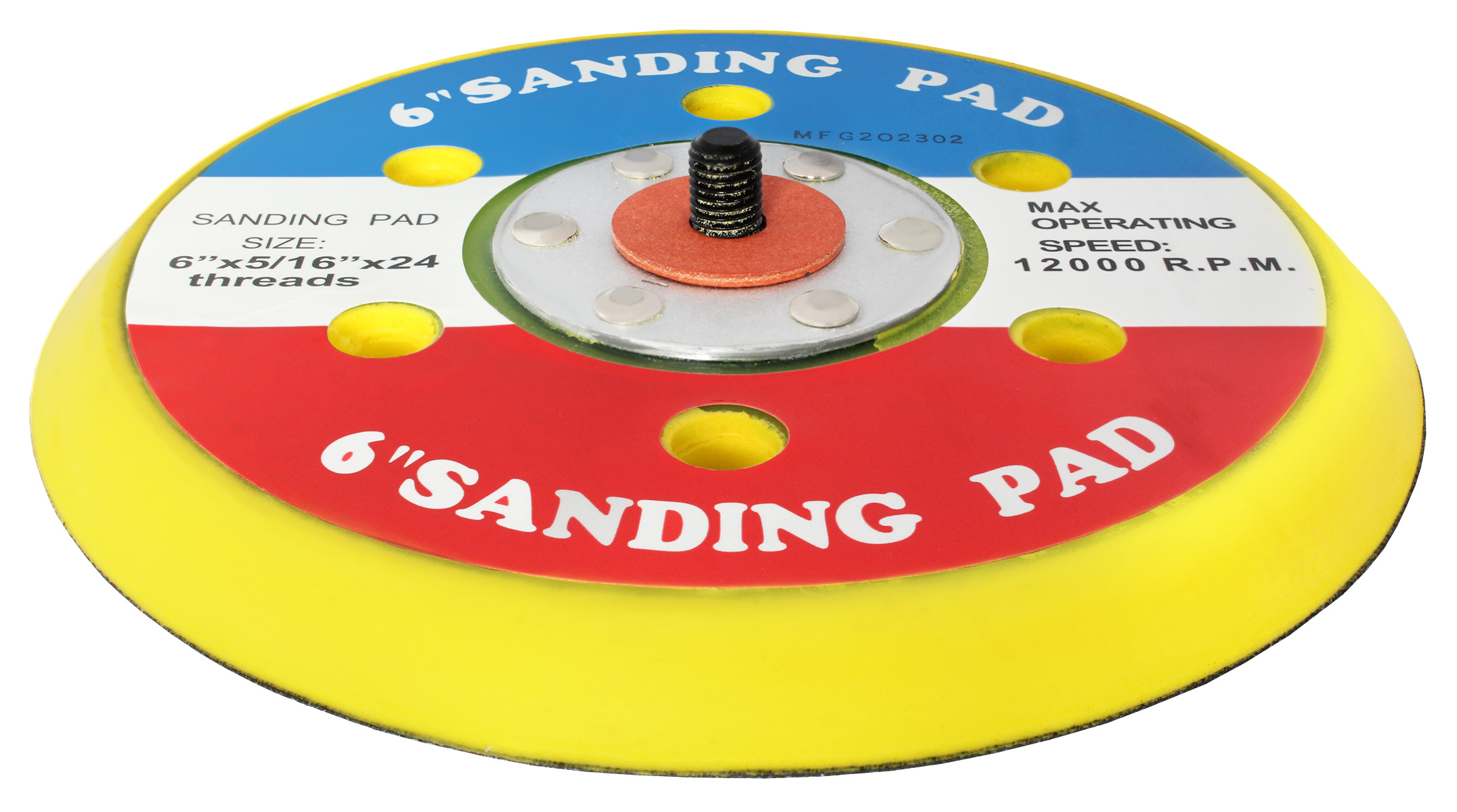
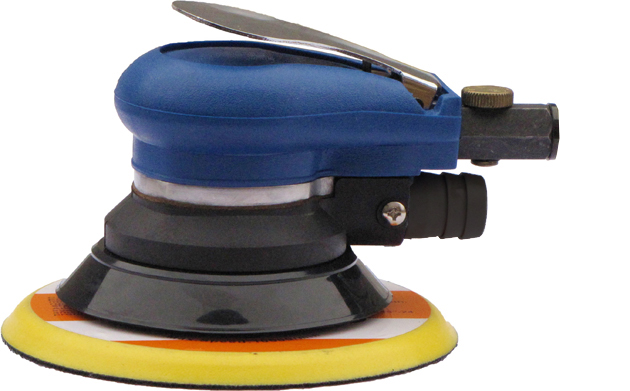
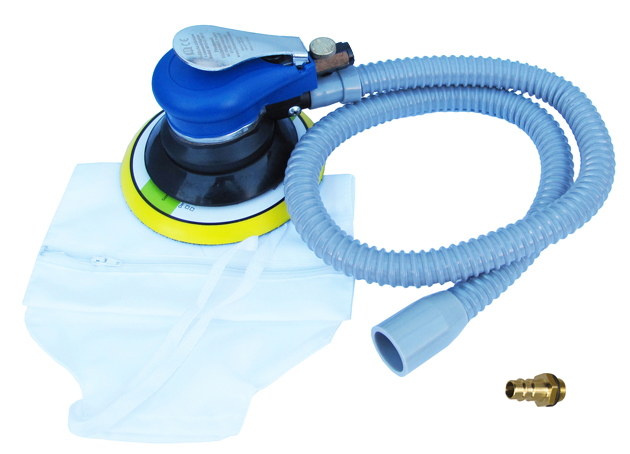
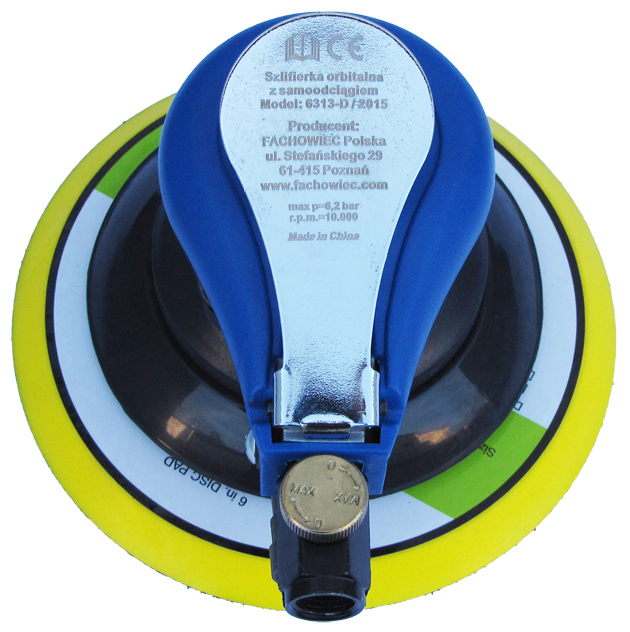
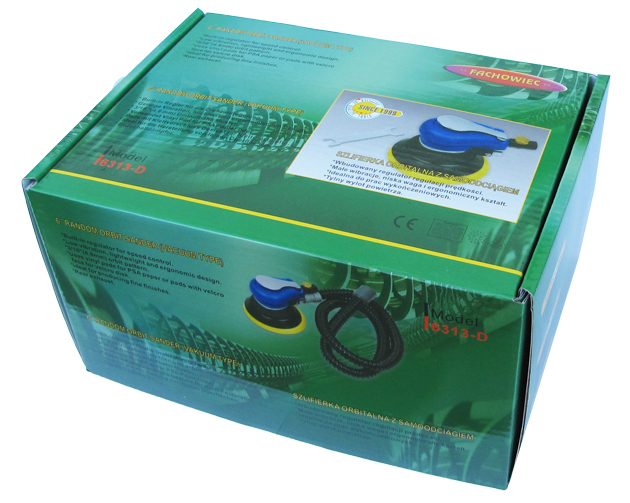
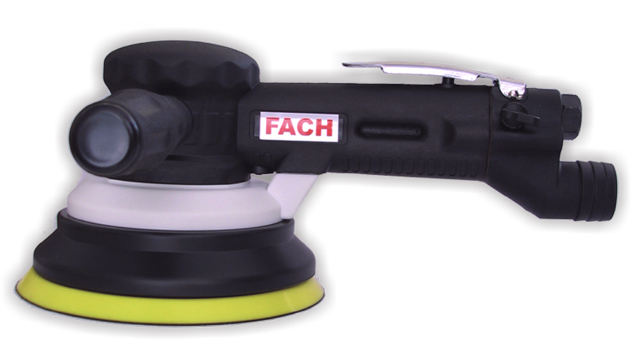
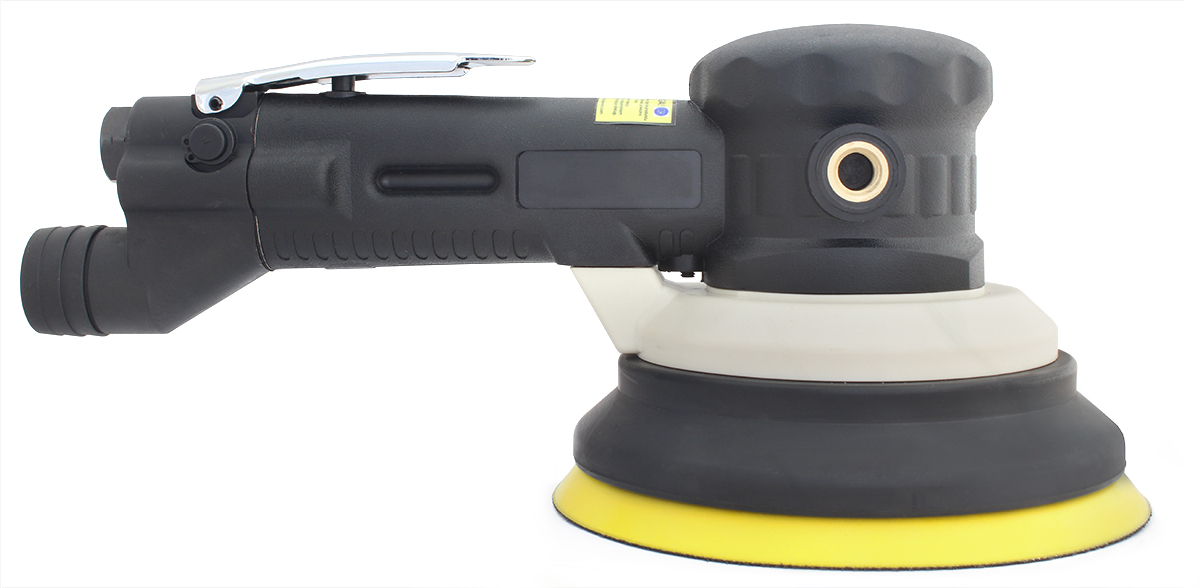
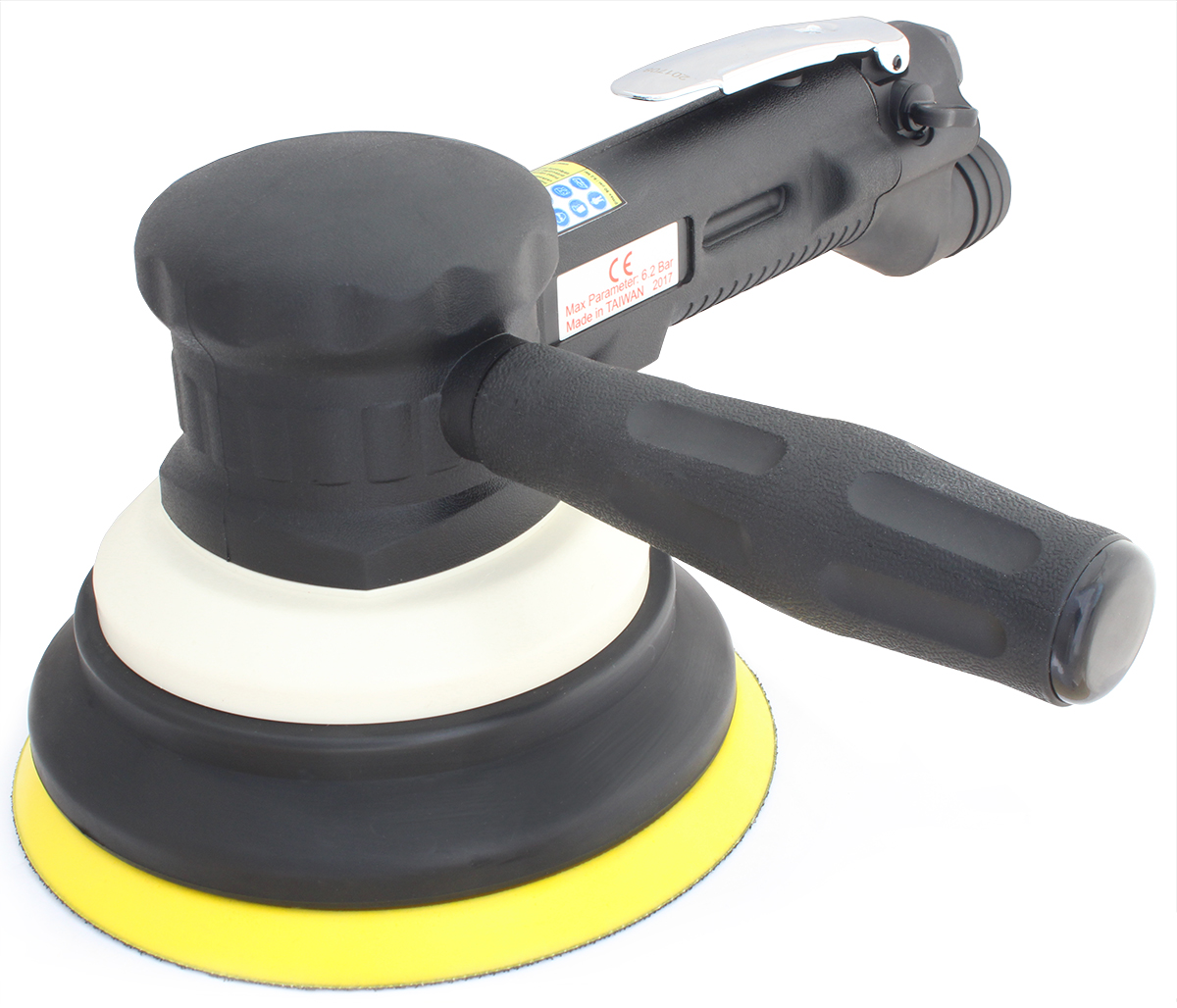
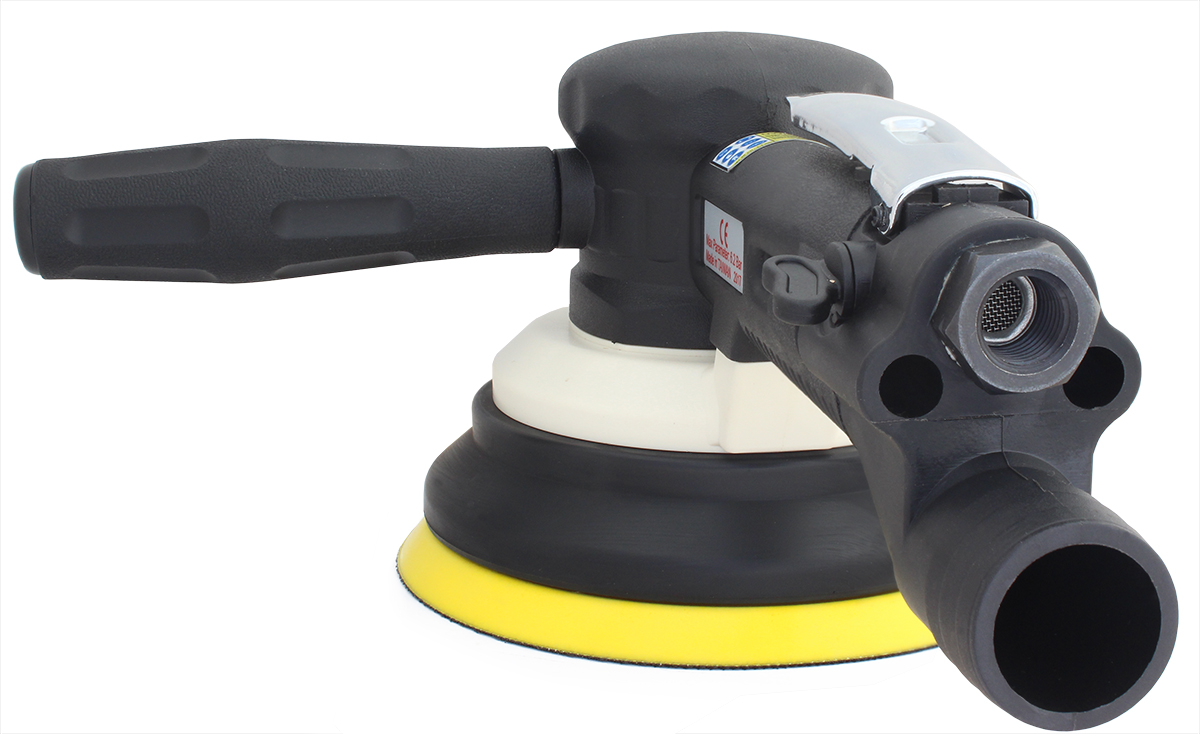
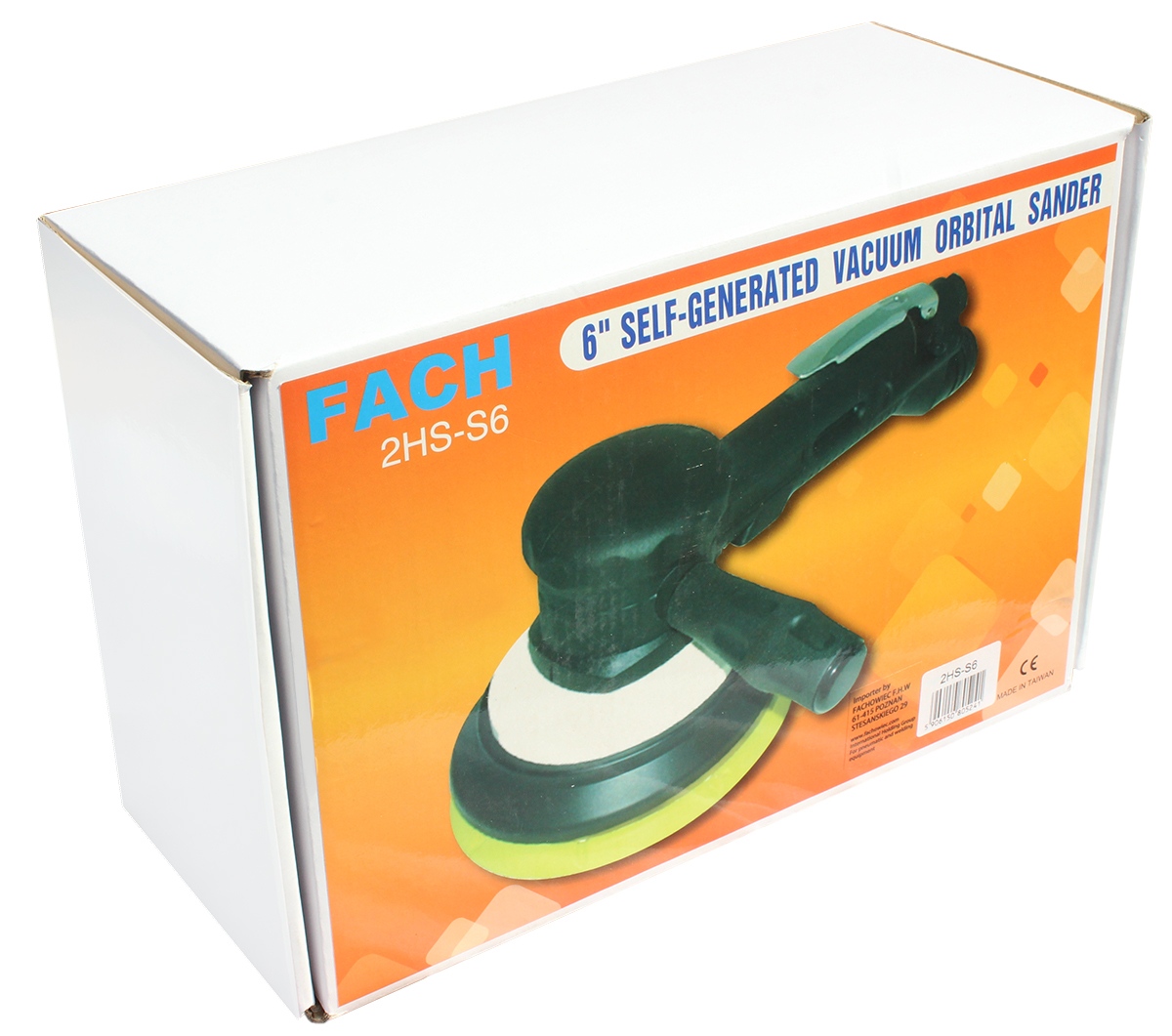
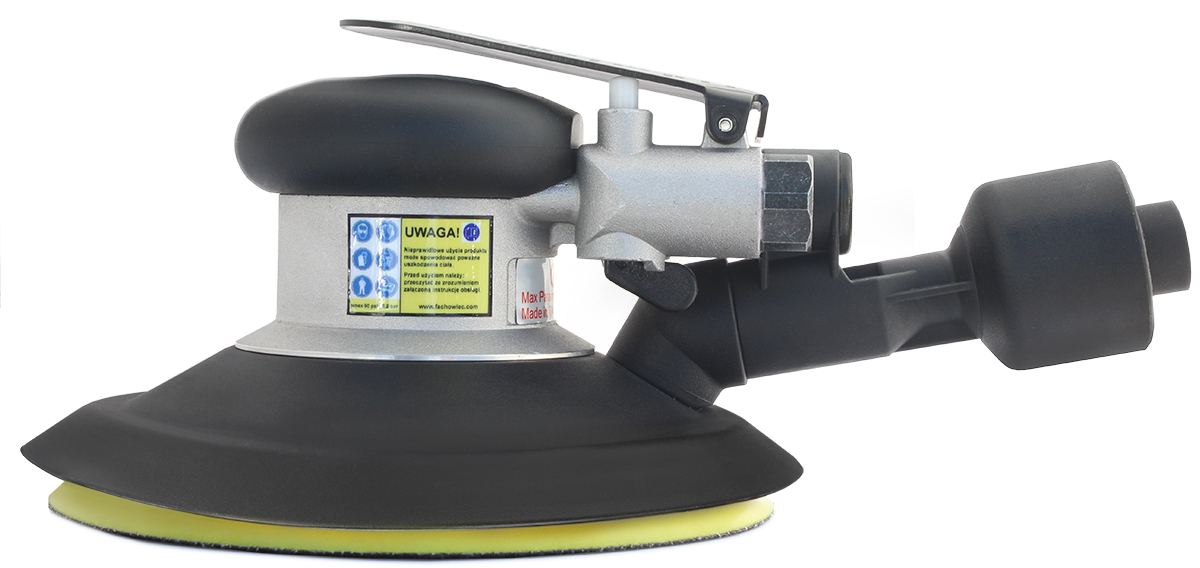
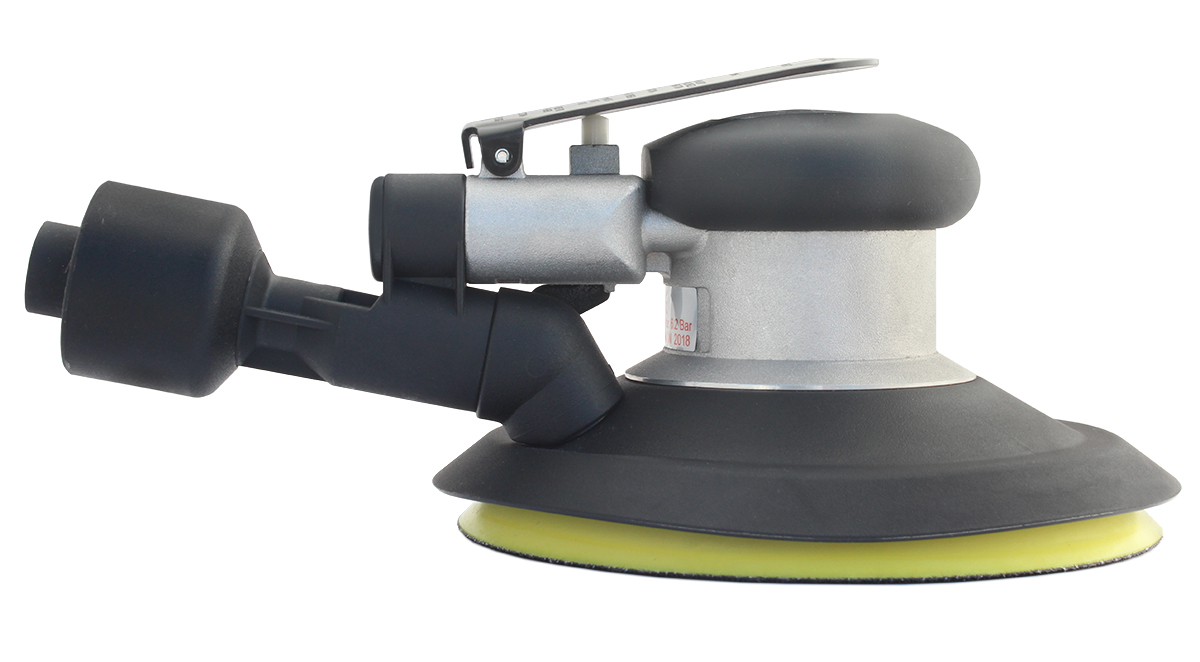
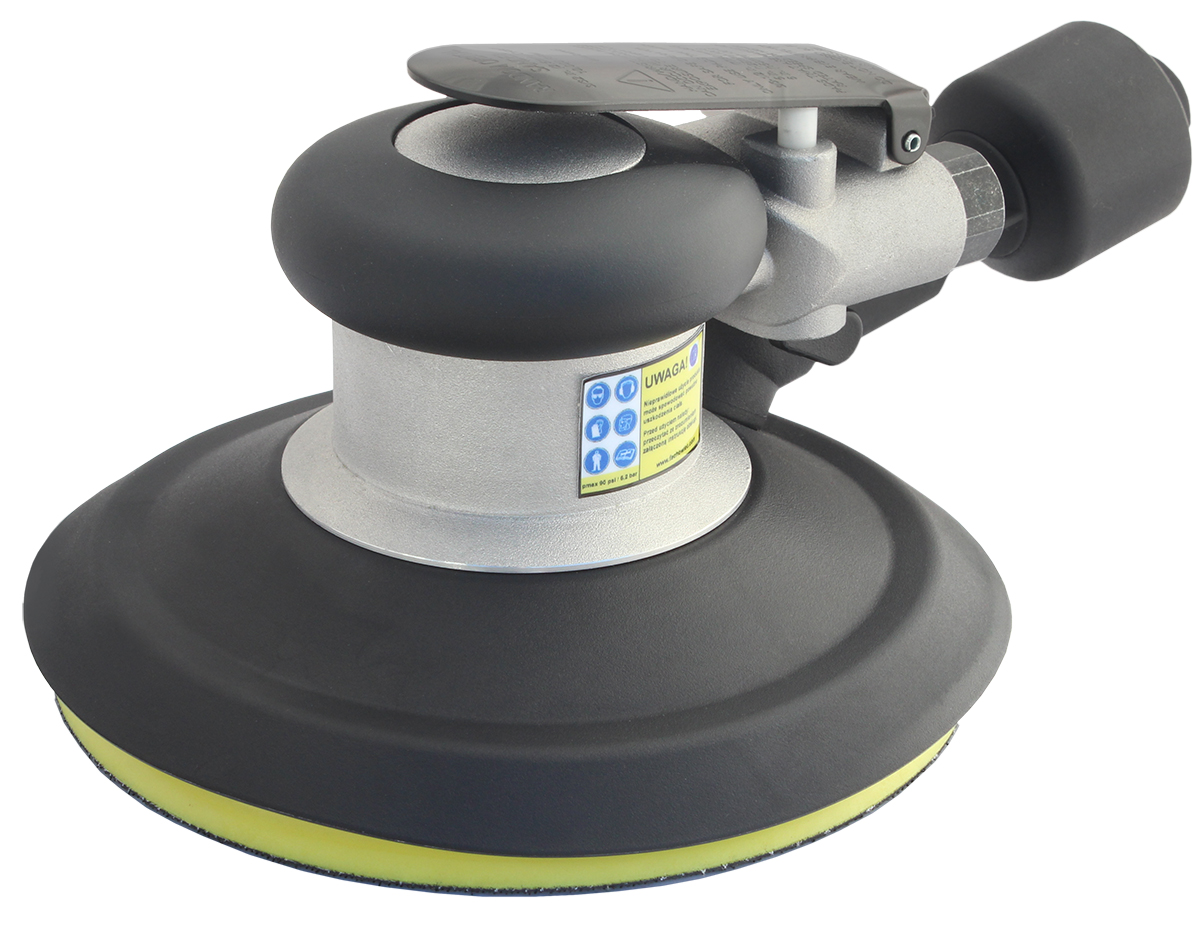
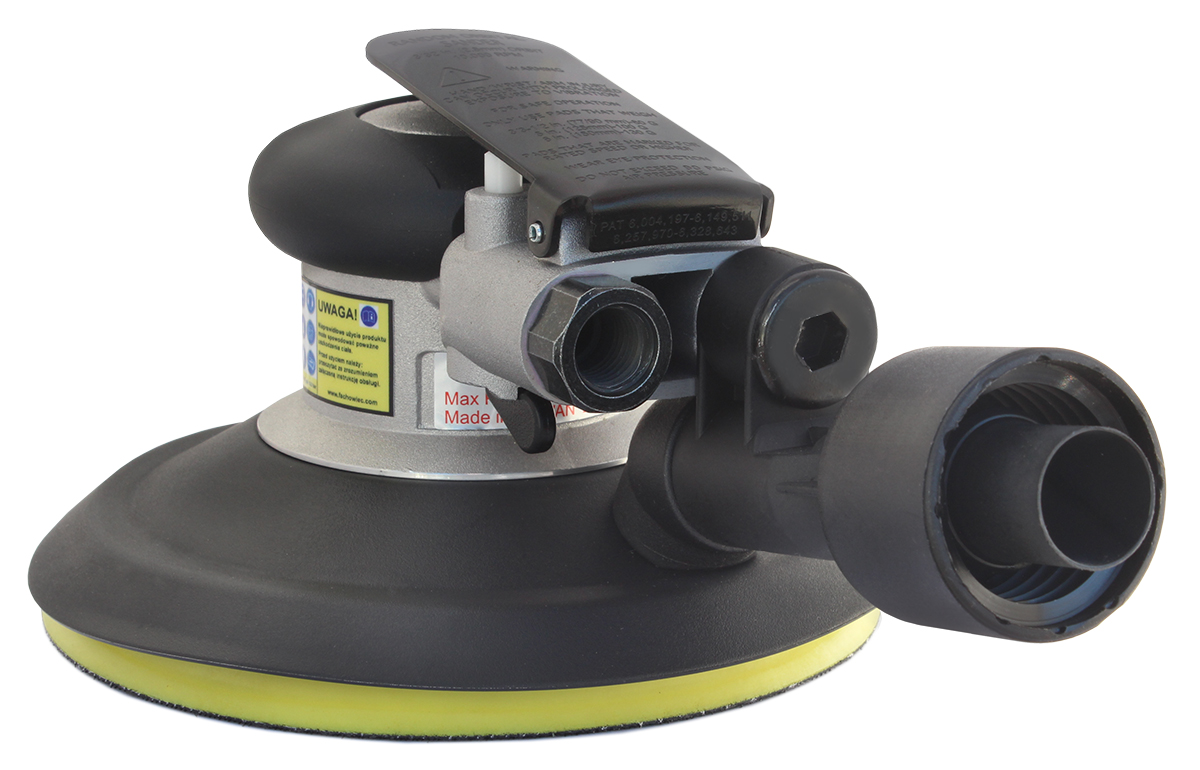
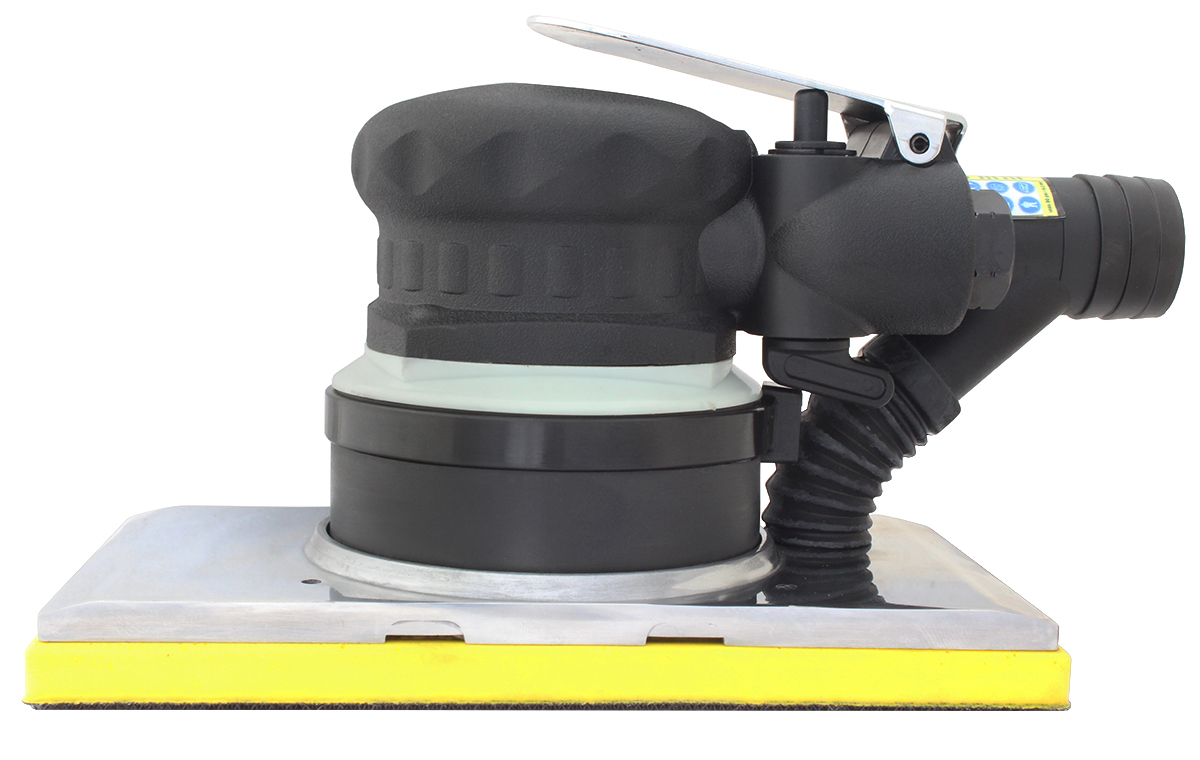
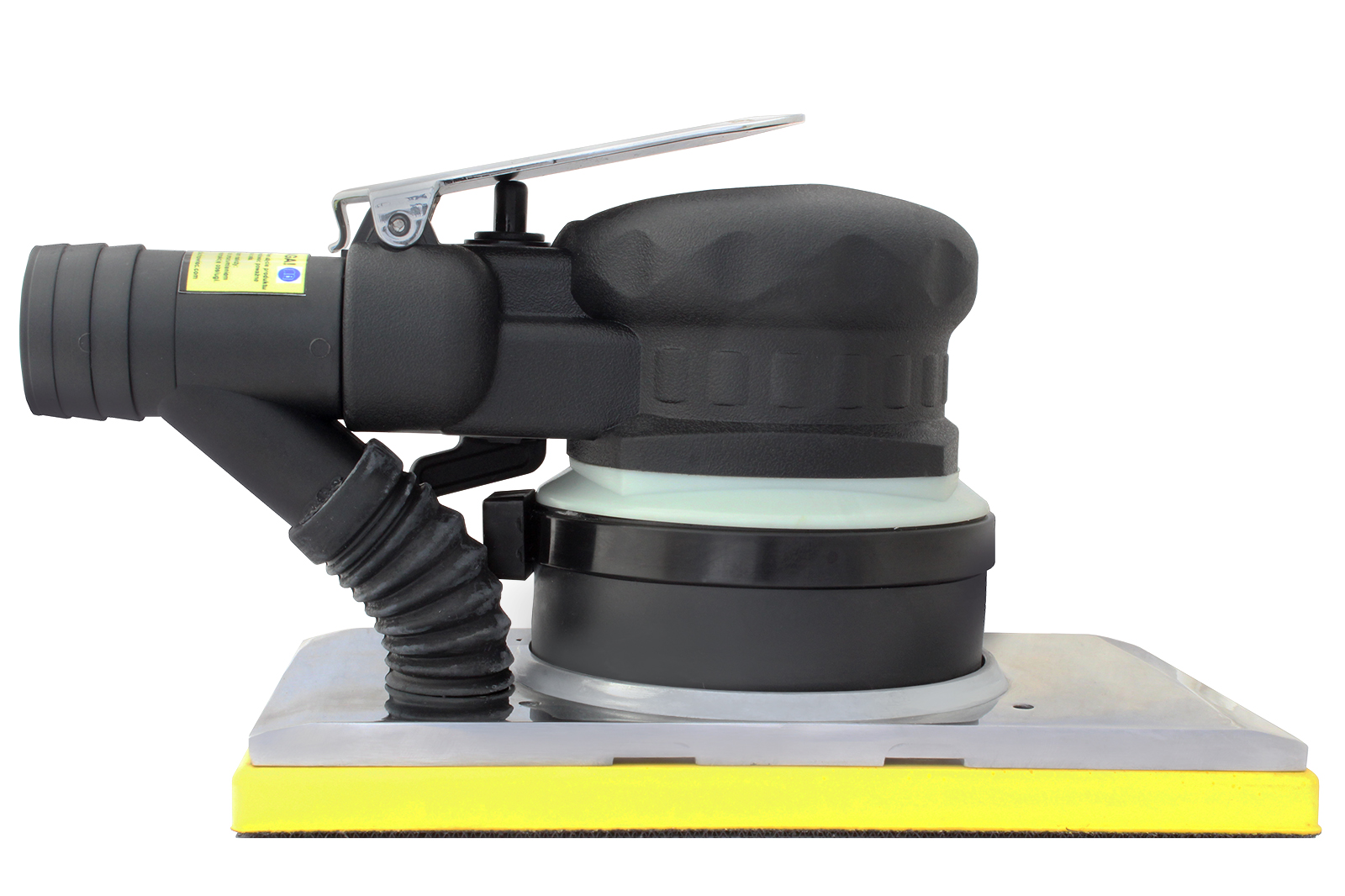
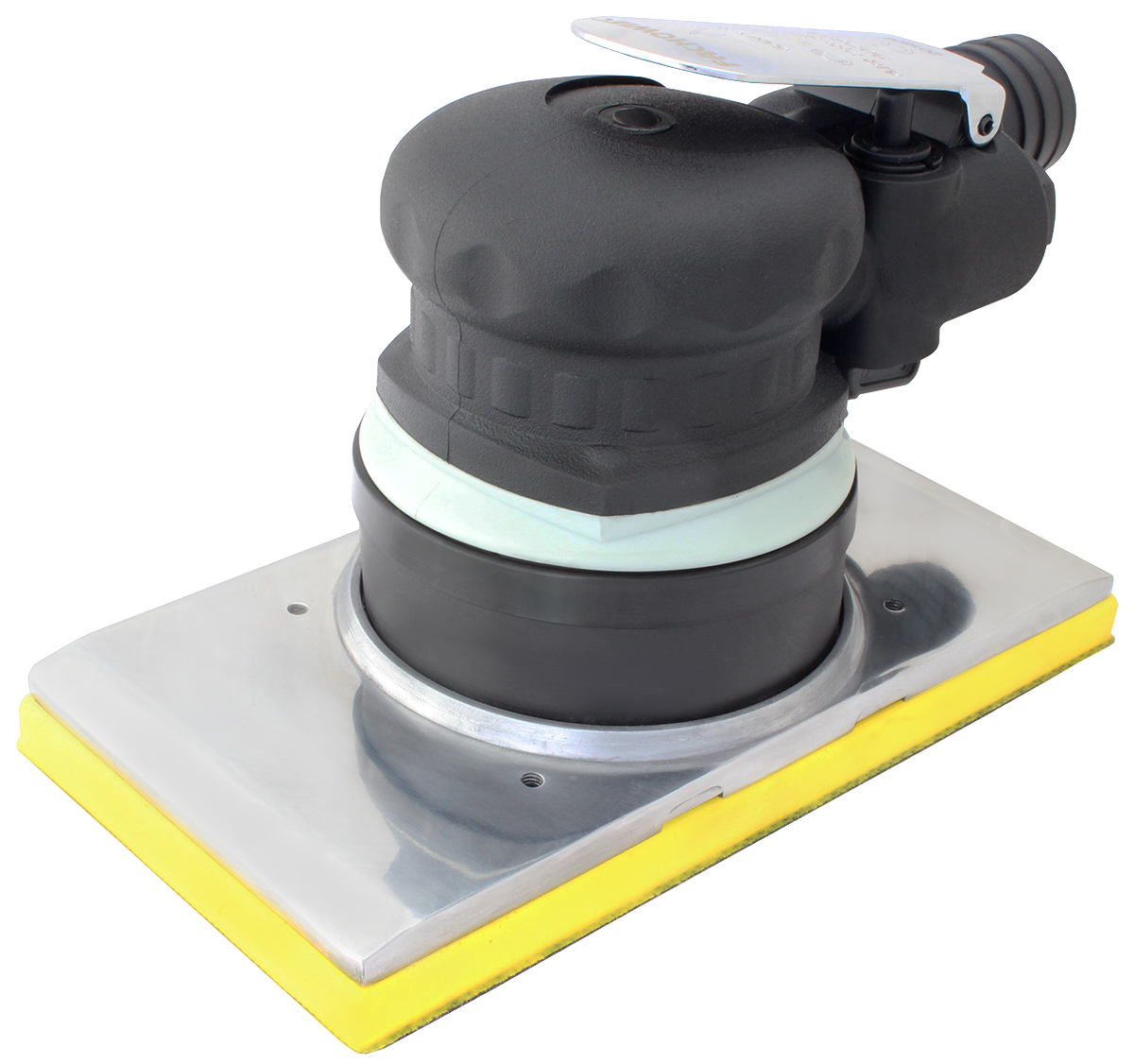
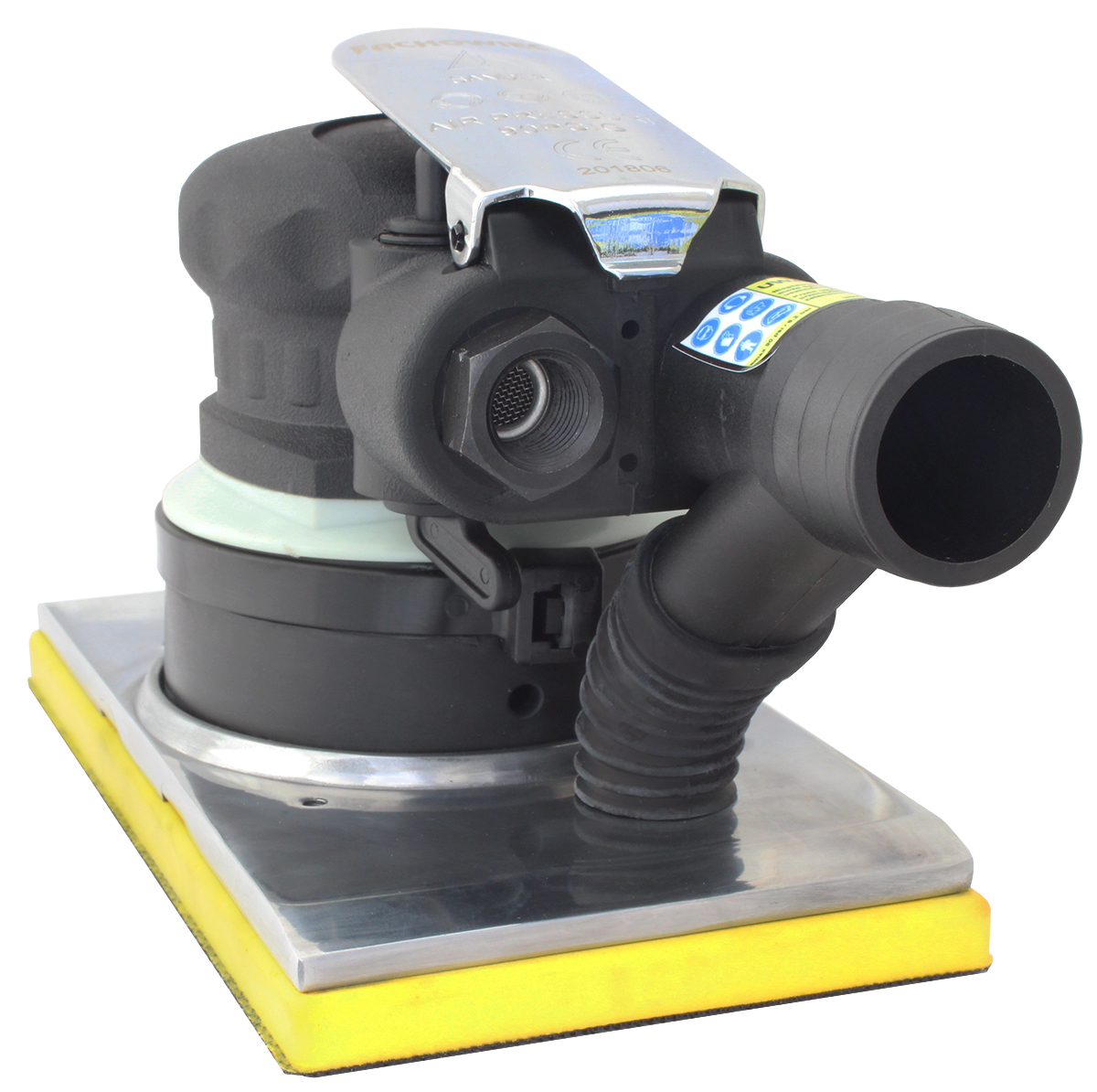
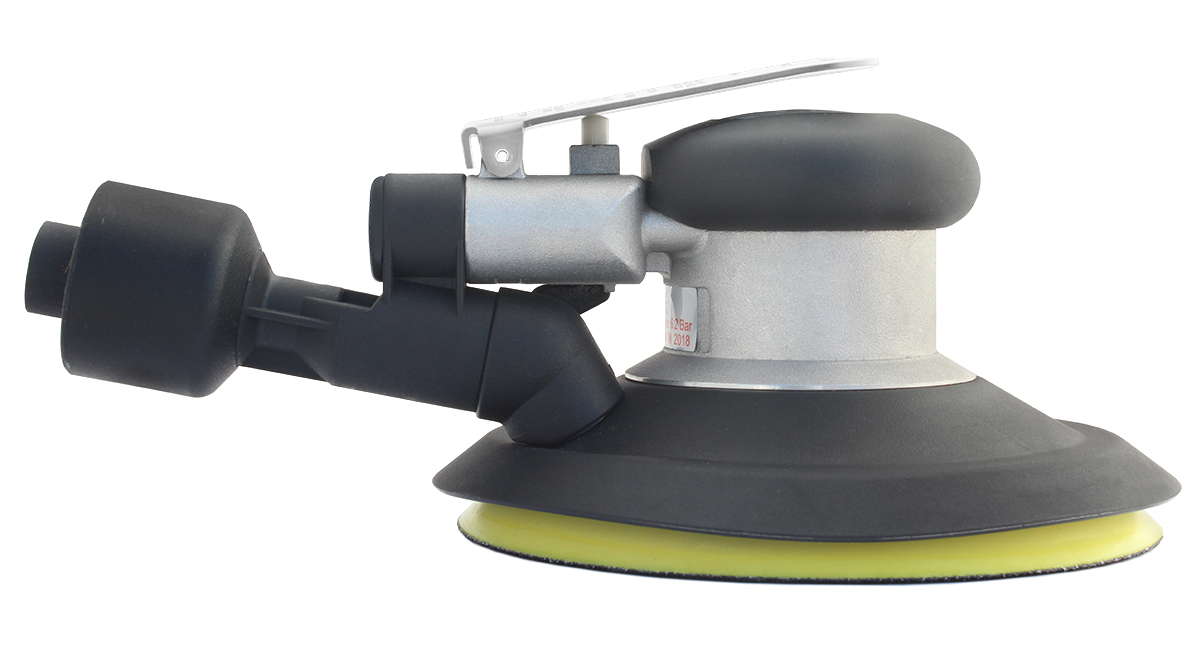
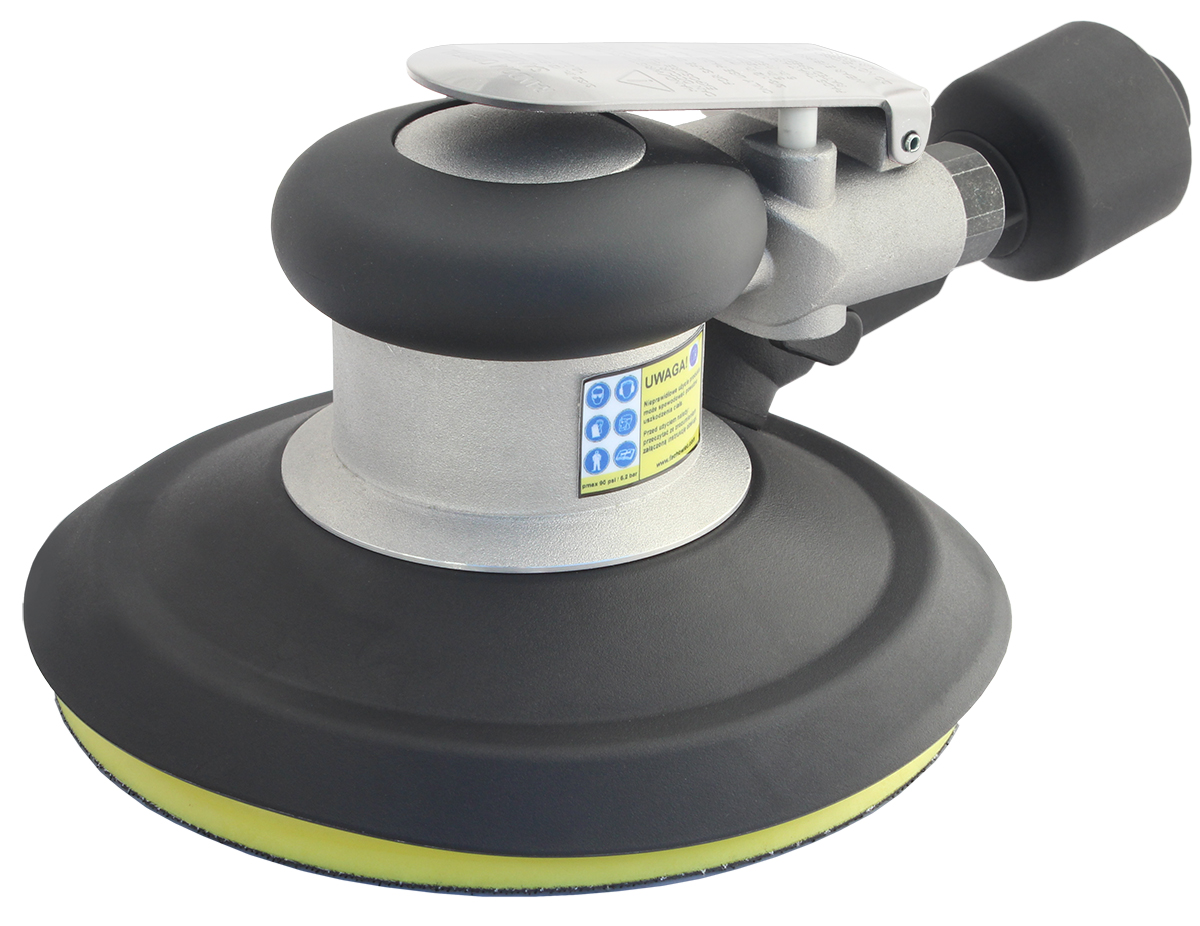
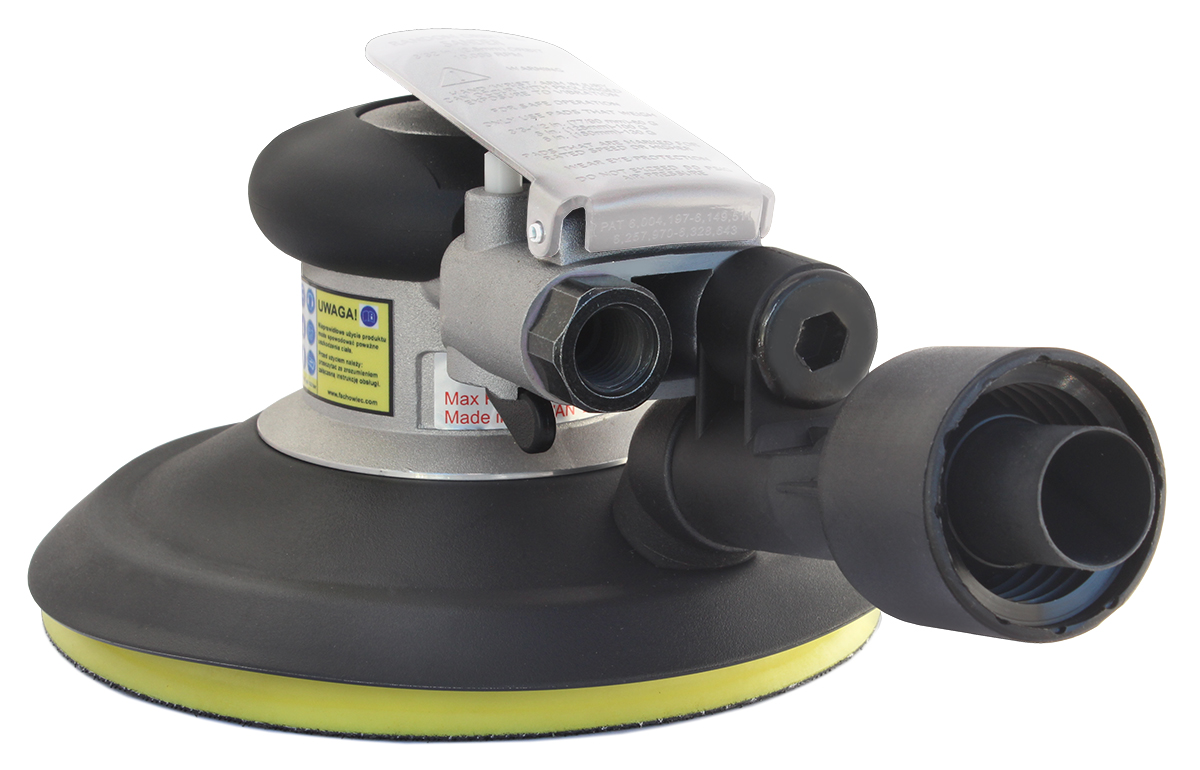
Ideal for sanding flat surfaces, including painted ones. The orbital motion ensures precise and repeatable finishing.
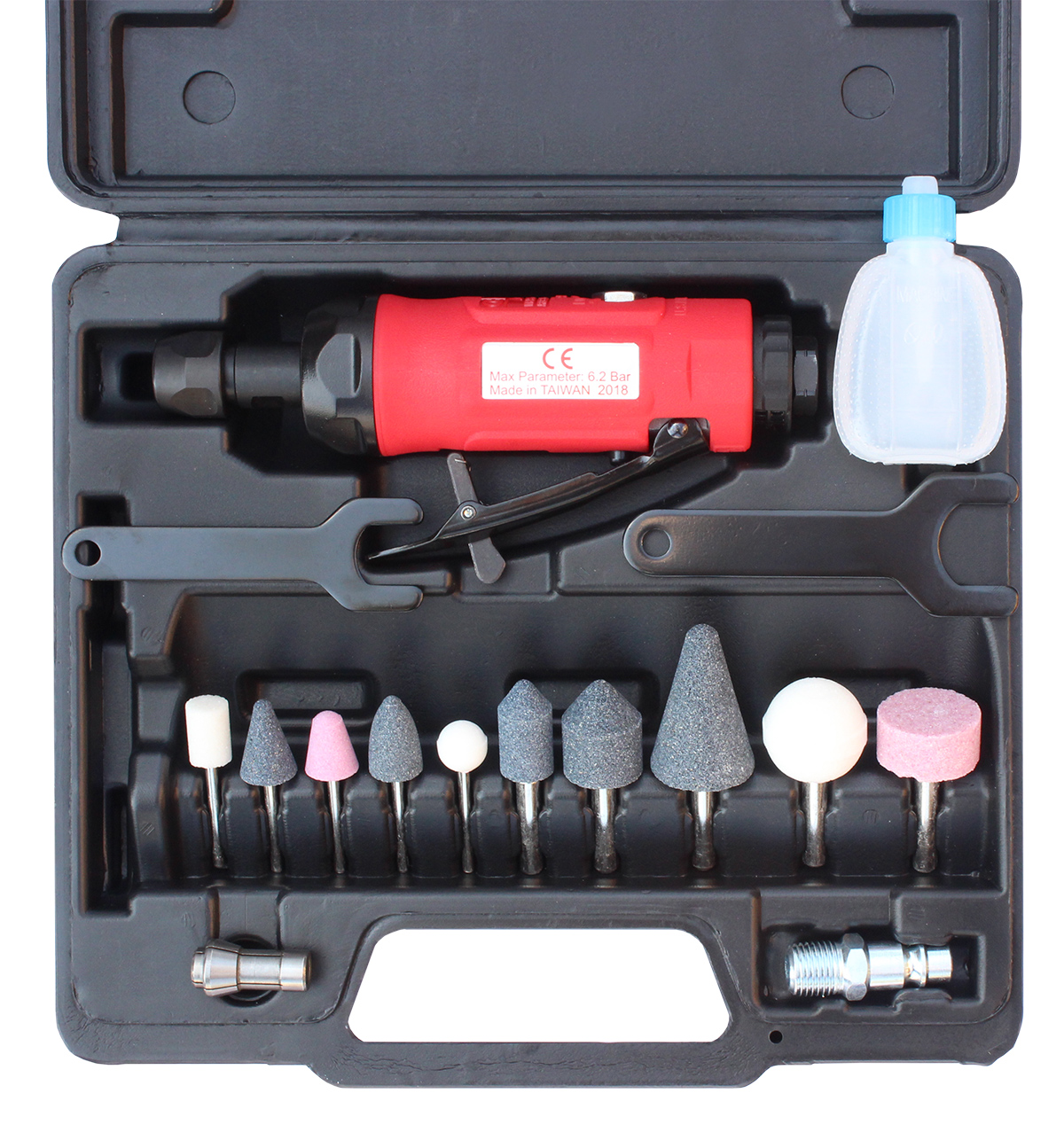
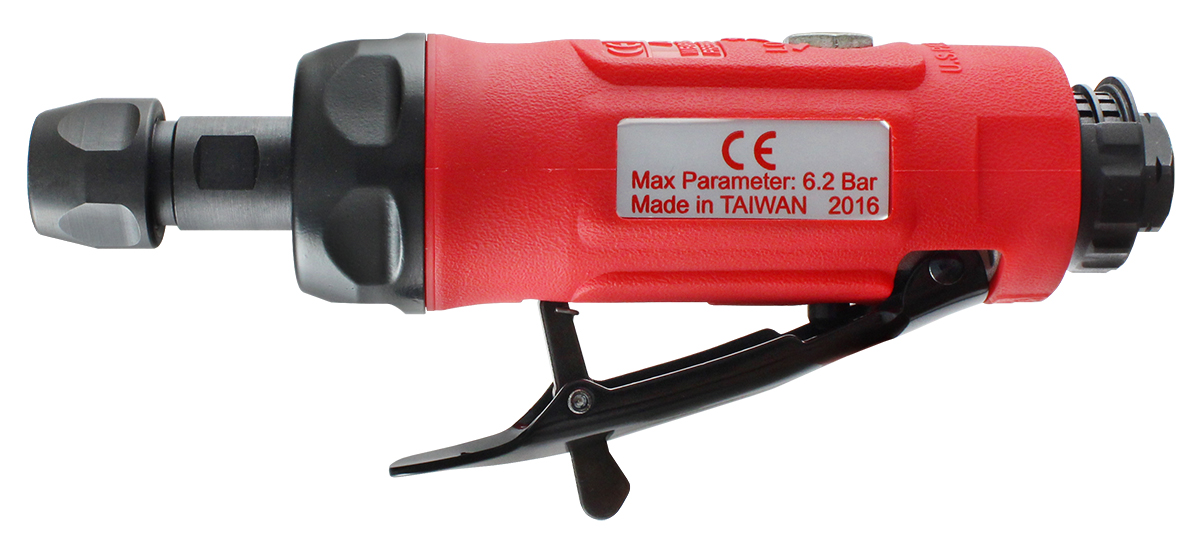
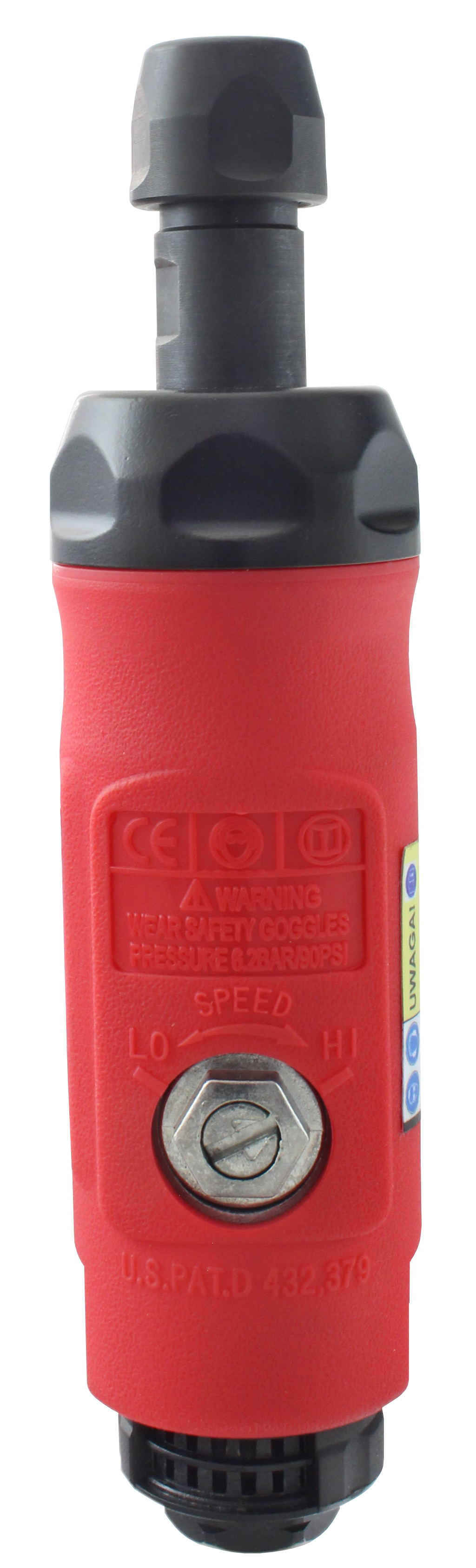
For precision work, deburring small elements, processing castings, and glass surfaces. Can be equipped with grinding wheels or wire brushes.
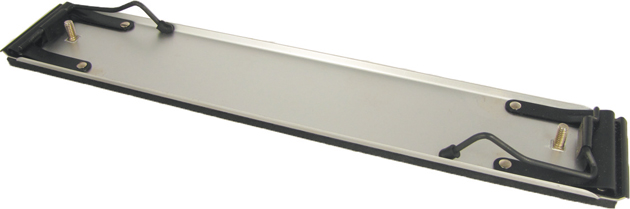
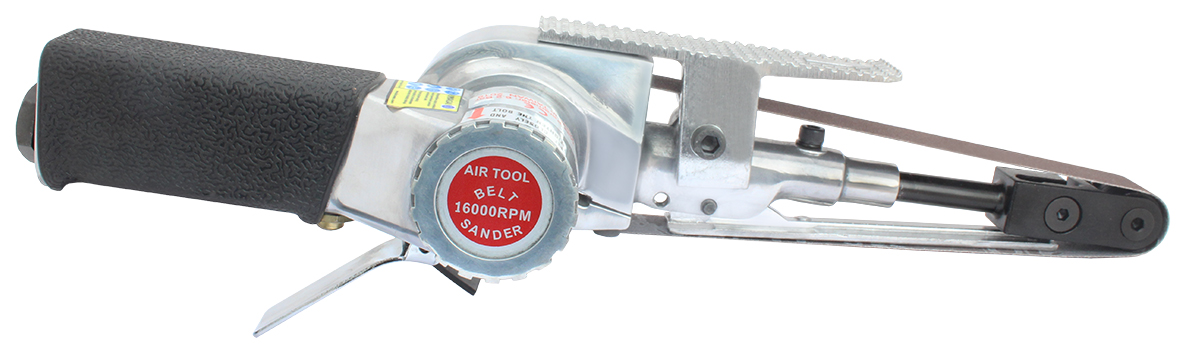
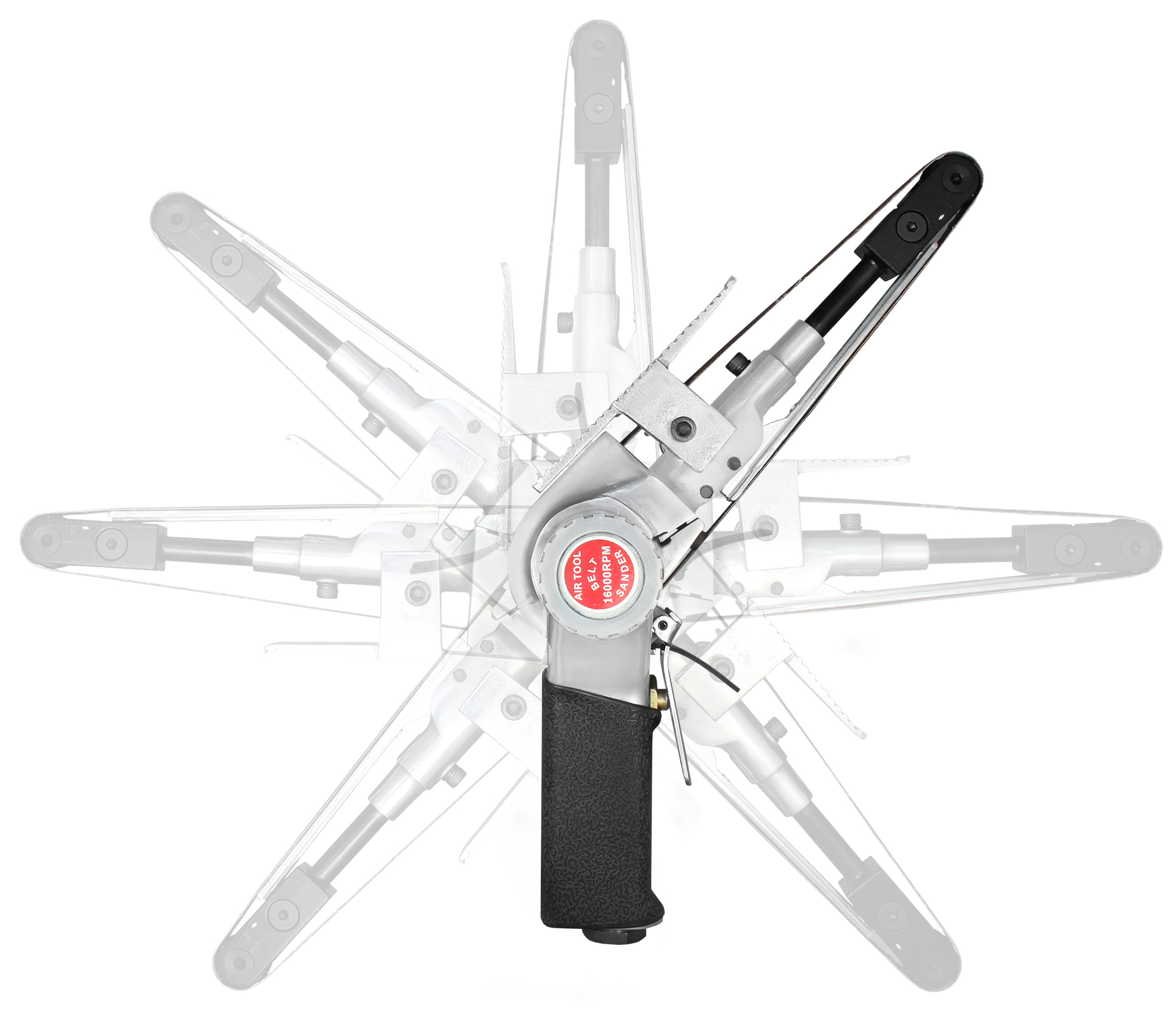
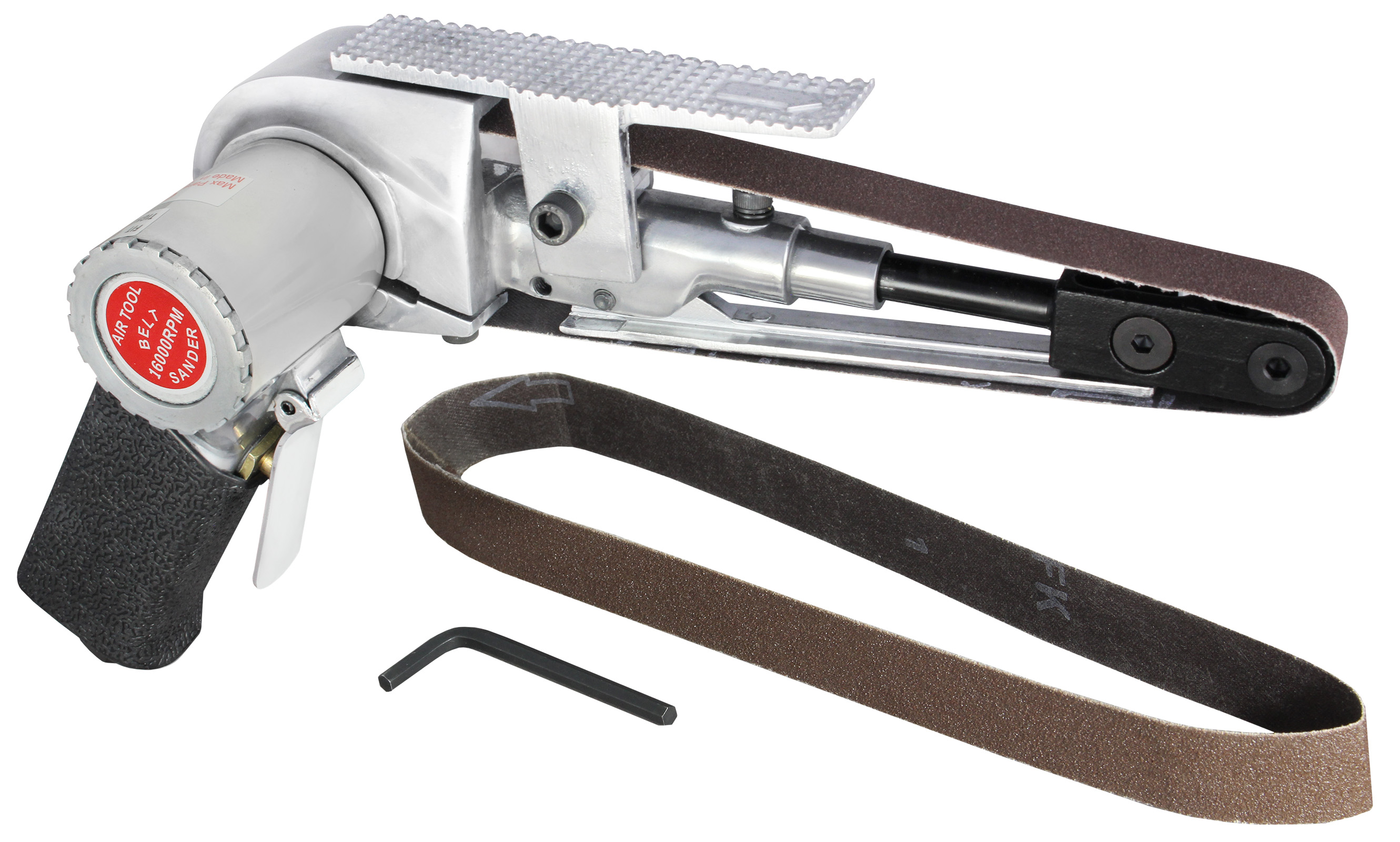
Designed for processing large surfaces, e.g., removing burrs from wood.
Construction of a pneumatic grinder:
The general construction of a pneumatic grinder includes:
- Pneumatic motor: Driven by compressed air, converting it into mechanical energy. Pneumatic motors are resistant to overloads.
- Rotor, cylinder, blades: Elements of the motor responsible for rotational movement.
- Front and rear housing: Protects the motor and other elements of the grinder.
- Bearings: Ensure smooth rotor movement.
- Pins: Connecting elements.
- Switch: Controls the airflow to the motor.
- Valve: Regulates the airflow.
- Filter: Cleans the air.
- Spindle: Driven by the motor, on which the grinding disc is mounted.
- Grinding disc: Working element, selected depending on the type of processing.
- Speed regulator: Allows adjusting the rotational speed to needs.
Operating principle of a pneumatic grinder:
A pneumatic grinder is powered by compressed air, which is supplied to the motor. The air sets the rotor in motion, which drives the spindle on which the grinding disc is mounted. The rotational speed can be adjusted, and in some models, there is also an oscillating motion.
When choosing a pneumatic grinder, several key criteria should be considered to match the tool to specific needs and applications. Attention should be paid to the type of grinder (straight, angle, random orbital), power and efficiency, weight and ergonomics, as well as compatibility with the available compressor.
Criteria for choosing a pneumatic grinder:
1. Type of grinder:
2. Power and efficiency:
Depends on the type of material and the scope of work. For light tasks, lower power is sufficient; for heavier tasks, more power is needed.
The efficiency of the grinder is related to the parameters of the compressor (CFM/LPM, PSI/BAR).
3. Weight and ergonomics:
A lighter grinder provides greater comfort during work, especially during prolonged use.
An ergonomic shape and appropriate weight distribution facilitate maneuvering and reduce hand fatigue.
4. Compatibility with the compressor:
A pneumatic grinder needs an appropriate compressor that delivers sufficient amounts of air at the right pressure.
It should be checked whether the grinder is compatible with the existing compressor, and if not, consider purchasing a new one.
5. Additional features:
Some grinders have additional features, such as a spindle lock that facilitates accessory changes, or automatic balancing systems that increase work comfort and extend the lifespan of grinding discs.
6. Application and material:
The choice of grinder depends on the type of material it will work with (metal, wood, stone, plastics).
The specifics of the work should be taken into account (sanding, cutting, polishing).
7. Price and quality:
It is worth comparing the prices of different models and choosing a grinder with a good price-to-quality ratio, considering your needs and budget.
When looking for savings, consider purchasing tool sets, which often offer better prices.
In summary, choosing a pneumatic grinder is an individual matter, dependent on the specifics of the planned work, the types of materials, and user preferences. It is worth paying attention to the mentioned criteria to make an informed choice and enjoy the comfort and efficiency of the tool.