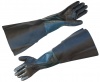
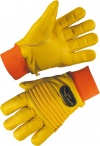
Types of protective and work gloves:
Made of natural latex, flexible, good for precision work, but may cause allergies.
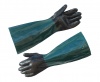
Made of synthetic nitrile, resistant to chemicals and abrasion, a good alternative to latex, popular in industry and laboratories.
Made of PVC, cheaper than latex and nitrile, good for general and food-related tasks.
Durable, cut-resistant, ideal for tasks requiring high strength and protection against mechanical hazards.
Coated with various materials (e.g., nitrile, latex, polyurethane) to increase resistance to specific factors.
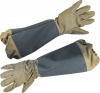
Provide thermal insulation, protect against low and high temperatures.
Dissipate electrostatic charges, protect against discharges and equipment damage.
Made of cut-resistant materials, e.g., Kevlar, stainless steel.
Latex, nitrile, or vinyl, used in medicine, cosmetics, and gastronomy.
Cotton, polyester, dotted, offering varying levels of dexterity and grip.
Criteria for selecting protective and work gloves:
Choose gloves according to the specifics of the tasks performed, e.g., contact with chemicals, work in low temperatures, risk of cuts, work with small parts.
Consider the advantages and disadvantages of different materials (latex, nitrile, leather, PVC, etc.).
Pay attention to the standards and markings on the gloves that inform about the level of protection against specific hazards (e.g., EN 388 for mechanical damage, EN 374 for chemicals).
Fit, flexibility, and freedom of movement are important for work comfort.
- Frequency of replacement/cleaning:
Some gloves are disposable, others are suitable for reuse and cleaning.
Examples of the use of protective and work gloves:
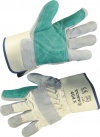
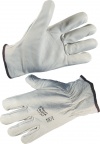
- Construction work: Leather, nitrile, or coated gloves, protecting against mechanical injuries and chemicals.
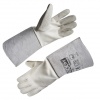
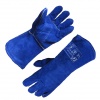
- Welding work: Leather gloves, protecting against burns and injuries.
- Laboratory work: Nitrile or latex gloves, protecting against chemicals and ensuring precision of movements.
- Culinary work: Disposable nitrile or latex gloves, ensuring hygiene.