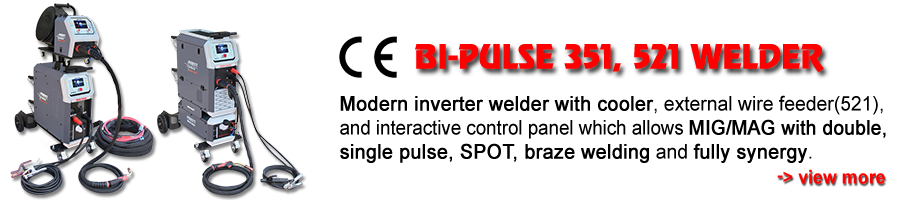
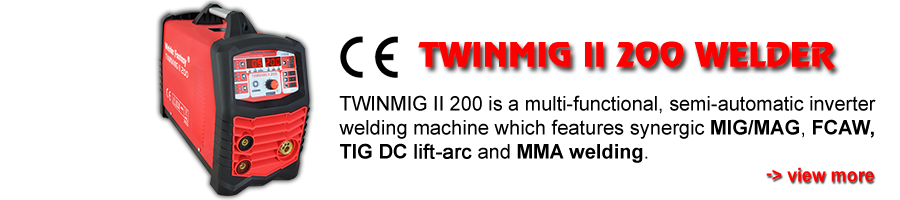
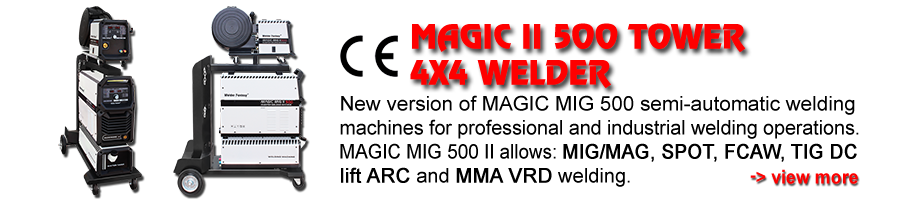
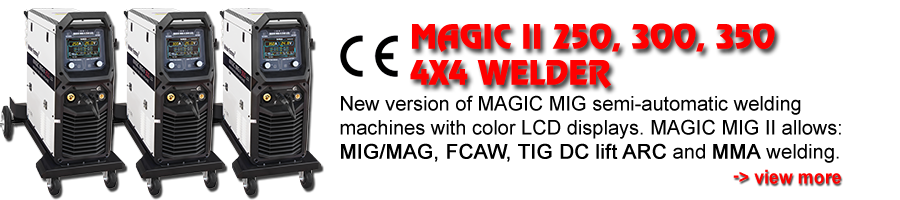
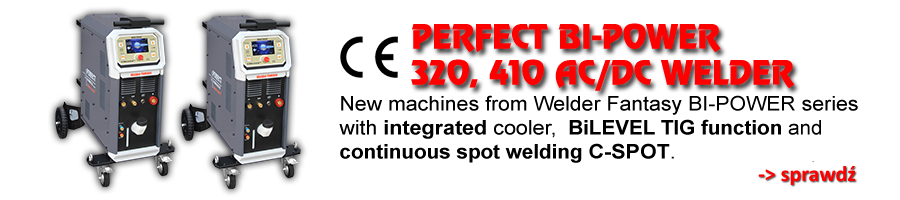
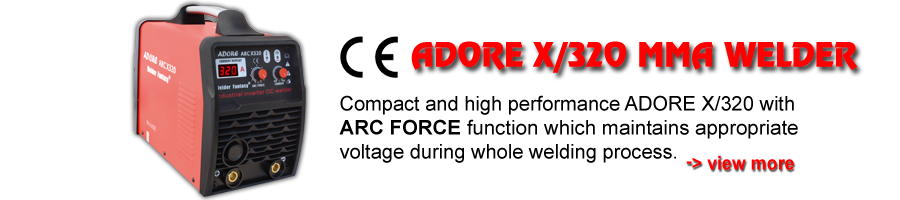
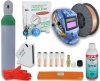
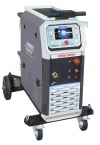
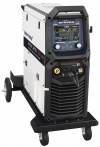
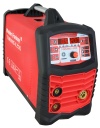
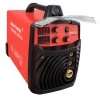
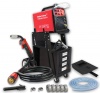
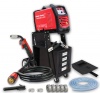
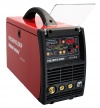
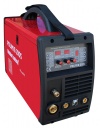
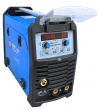
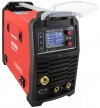
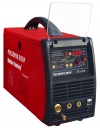
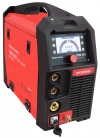
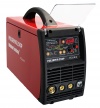
To choose a MIG/MAG welder with accessories, determine the purpose of the device (hobby, workshop, industrial), budget, and preferred features (e.g., synergic welding, pulse welding, MIG/MAG mode, MMA, TIG LIFT). Good models include TWINMIG, TWINMIG II, and Perfect BI-PULSE 201. When selecting accessories, focus on the right mask, wire, shielding gas, gloves, and protective clothing that will ensure safety and quality of welding.
1. Determine your needs
Purpose:
Consider whether the welder will be used for hobby work, in a home workshop (e.g., repairing fences, furniture), or in professional applications (structures, exhaust systems).
Budget:
Prices for welders range from a few hundred zlotys for amateurs to several thousand for professionals.
Welding materials:
Make sure the device can handle welding different metals, including low-carbon steel, alloy steel, stainless steel, and aluminum.
2. Choose a welder
Manufacturers:
Among many manufacturers, choose those who offer devices along with warranty and post-warranty service and provide accessories and technical support.
Features:
- Synergy: The synergic function automatically adjusts welding parameters, making it easier for beginners.
- Single and double pulse welding: Allows for precise welding of thin materials.
- Operating modes: 3-in-1 welders allow for MIG/MAG, MMA welding, and sometimes also TIG LIFT or FLUX.
3. Choose the right accessories
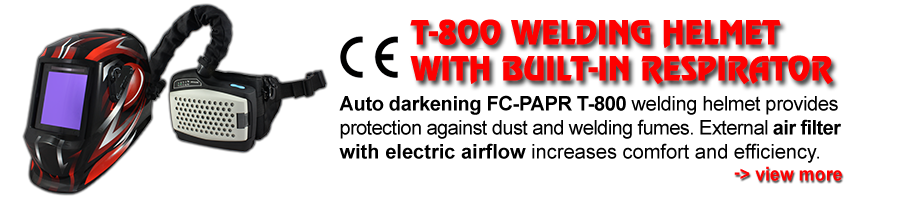
A good helmet with automatic darkening (auto-darkening) is essential to protect the eyes and face from harmful radiation.
Select wire with the appropriate diameter and grade for the materials you plan to weld.
Typically, CO2 or argon gas mixtures are used, depending on the materials being welded.
- Protective accessories:
- Welding gloves and protective clothing (jacket, pants, shoes) are crucial for safety.
- Consumables:
It is advisable to have spare parts for the torch and other consumable items, such as nozzles or connectors.
When choosing a MIG/MAG welder with accessories, it is also important to consider key criteria such as welding current, duty cycle, power supply, the ability to weld with different wires, and additional features like inductance adjustment or soldering, which increase the versatility of the device.