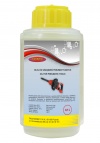
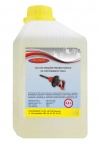
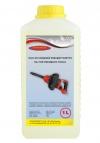
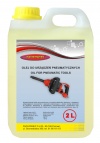
Oil for pneumatic tools is used for lubrication and maintenance, ensuring smooth operation, protection against corrosion and reduced wear of parts. It features increased adhesion, anti-corrosion properties and water-binding capability. It prevents friction and overheating of moving elements, which extends tool life.
Features of pneumatic tool oil:
- Lubricating properties: Ensures smooth operation of moving parts of tools such as wrenches, drills, screwdrivers, hammers, or staplers.
- Corrosion protection: Protects metal components from rust and corrosion.
- Anti-wear properties: Minimizes friction between components, delaying their wear and preventing seizure.
- Water-binding properties: Helps remove moisture from the system, further protecting against corrosion.
- Good adhesion: Allows the lubricating layer to remain on parts, even during intensive work.
- Aging resistance: Retains its properties for a long time, ensuring tool reliability.
What pneumatic tool oil is used for:
- Lubrication: Ensures proper operation of mechanisms in pneumatic tools.
- Maintenance: Keeps tools in good technical condition and prevents damage.
- Protection against wear: Extends the life of tools by reducing friction.
- Corrosion protection: Protects internal parts of tools from rust.
- Increased efficiency: Allows tools to operate with higher performance and in harsher conditions, including preventing overheating.
- Operation in installations: It is also used in spray lubricators in pneumatic systems to lubricate all system components, such as valves or actuators.
For pneumatic tools, choose a specialized, lightweight oil with the appropriate viscosity, preferably mineral, which protects against wear and corrosion. The viscosity of the oil should be adjusted to the working conditions: low viscosity for low temperatures and high viscosity for high temperatures. A good oil should be thermally stable and resistant to oxidation.
Main features of good pneumatic tool oil:
- Specialized purpose: Use oils specifically designed for pneumatic tools, which are lightweight, leave no residues, and provide excellent protection.
- Appropriate viscosity: The viscosity of the oil should be adjusted to the working temperature. Low viscosity: At low temperatures, to ensure smooth lubrication of moving parts. High viscosity: At high temperatures, to maintain the proper lubricating layer.
- Properties: Anti-wear: Protects mechanisms from wear and increases their lifespan. Anti-corrosive: Protects parts from rust and corrosion.
- Thermal stability and oxidation resistance: Prevents oil breakdown and the formation of undesirable residues at high temperatures.
Applications:
Ensure that the oil is suitable for the specific type of tool, e.g., for wrenches, guns, impact drills, or pneumatic hammers.