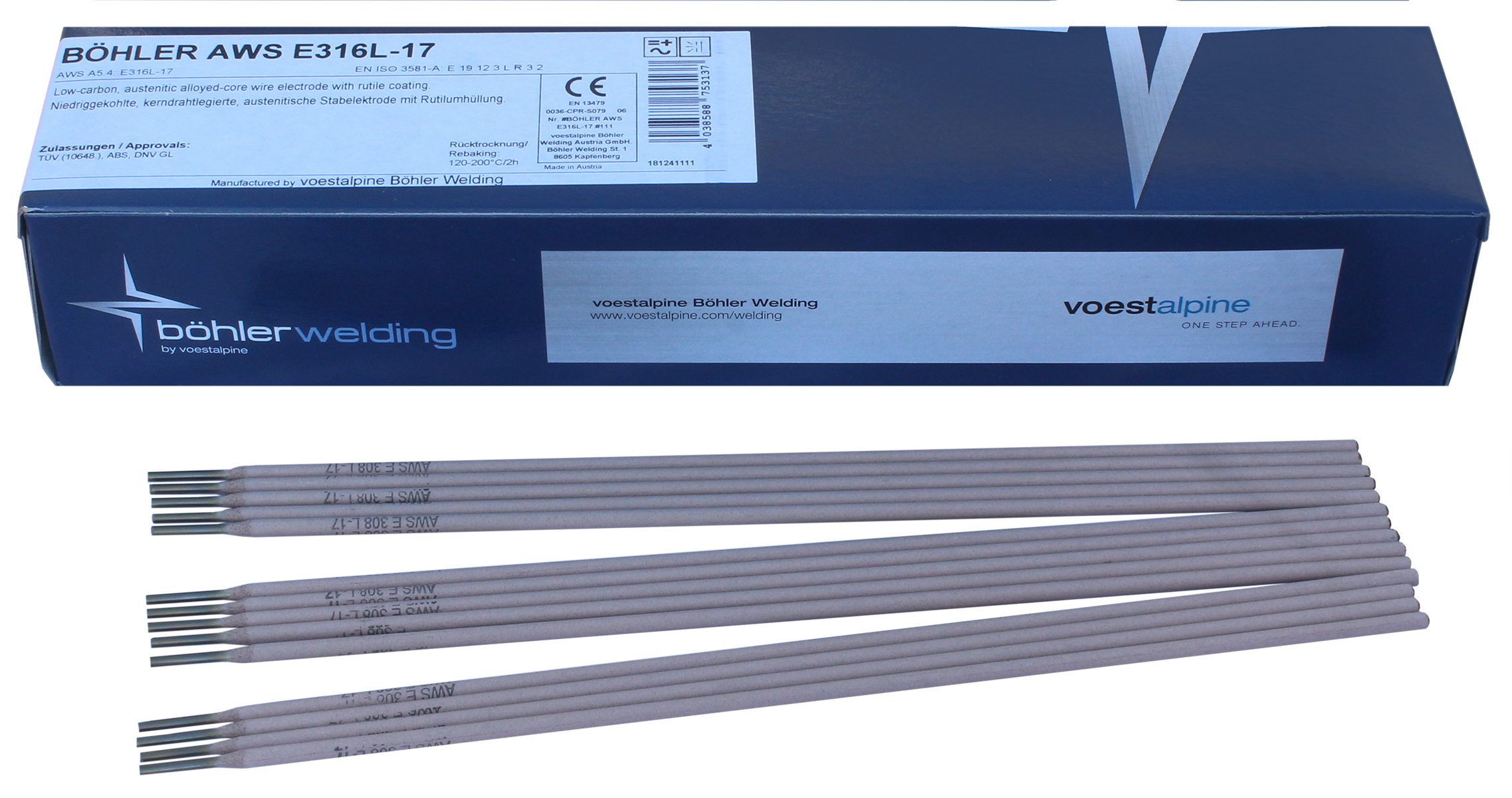
Description of chromium-nickel electrodes:
- Core:
The metal core of the electrode is usually made of chromium-nickel steel, which allows for the introduction of appropriate alloying elements into the weld.
- Coating:
The electrode coating contains components that protect the welding arc and the weld from atmospheric influences, as well as affect the properties of the weld.
- Chemical composition:
These electrodes are characterized by a high content of chromium and nickel, which ensures resistance to corrosion and oxidation at high temperatures.
- Application:
They are used for welding stainless steels (e.g., 1.4301, 1.4401, 1.4541), heat-resistant and heat-resistant alloys, as well as for joining various grades of steel, including alloyed and non-alloyed steels.
Types of chromium-nickel electrodes:
- According to the type of coating:
- Rutile (R): Characterized by ease of welding, universal application, and the creation of smooth welds.
- Basic (B): Provide high ductility of the weld and resistance to cracking, but require drying before use.
- Cellulosic (C): Mainly used for field welding, especially of pipelines, and do not require drying.
- Acidic (A): Allow for obtaining welds with a smooth face, but have average mechanical properties.
- According to the chemical composition of the coating:
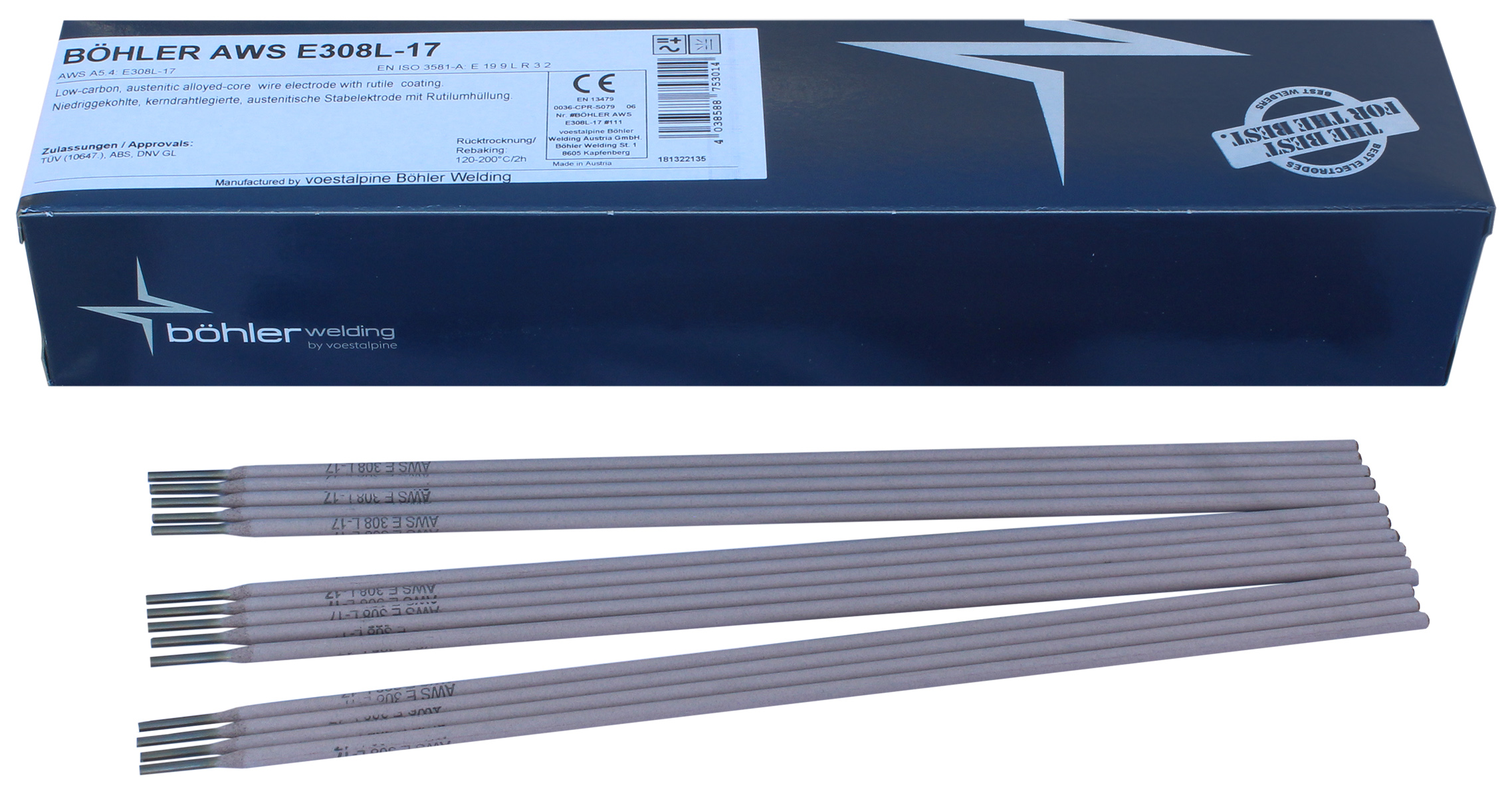
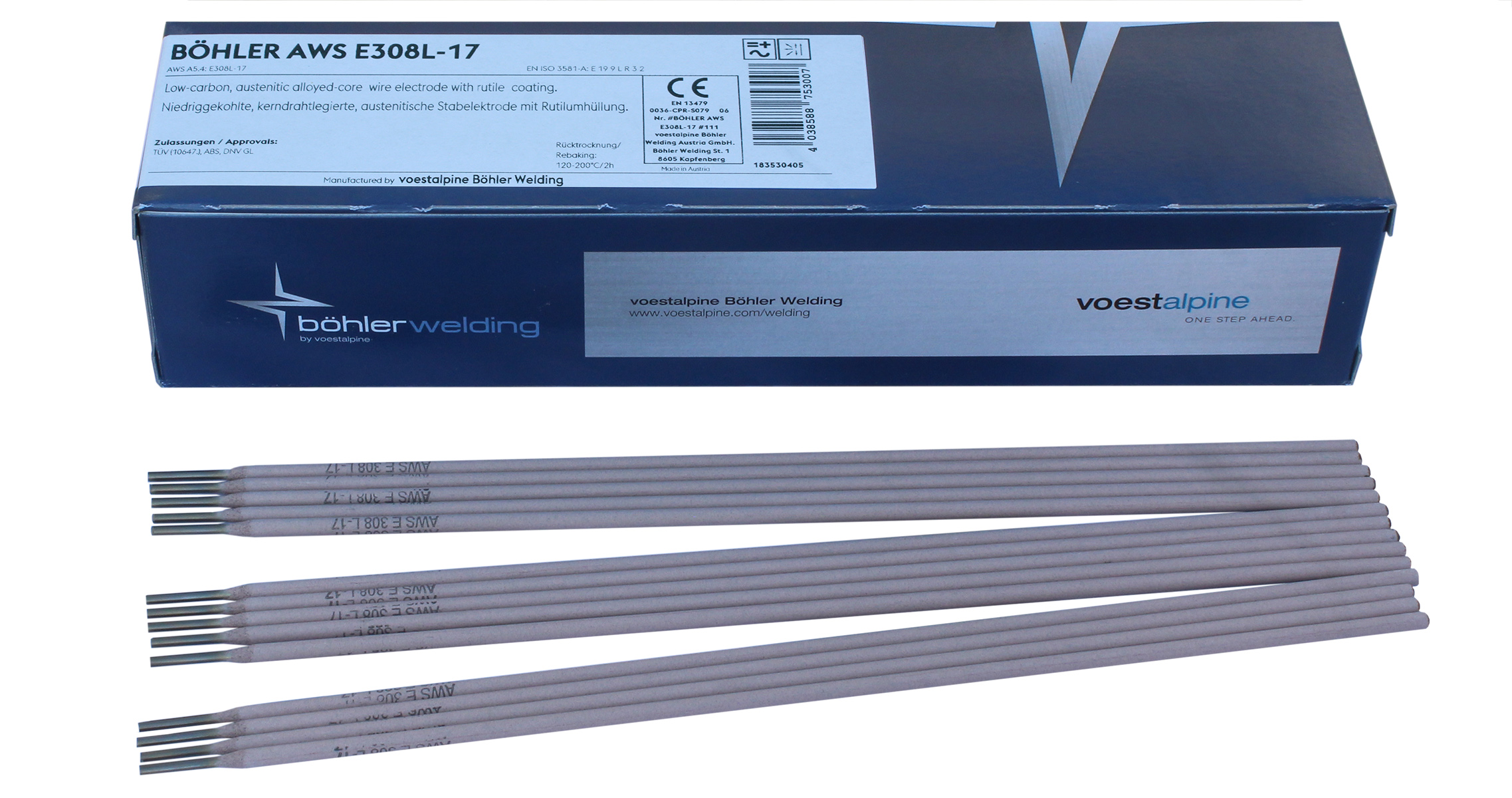
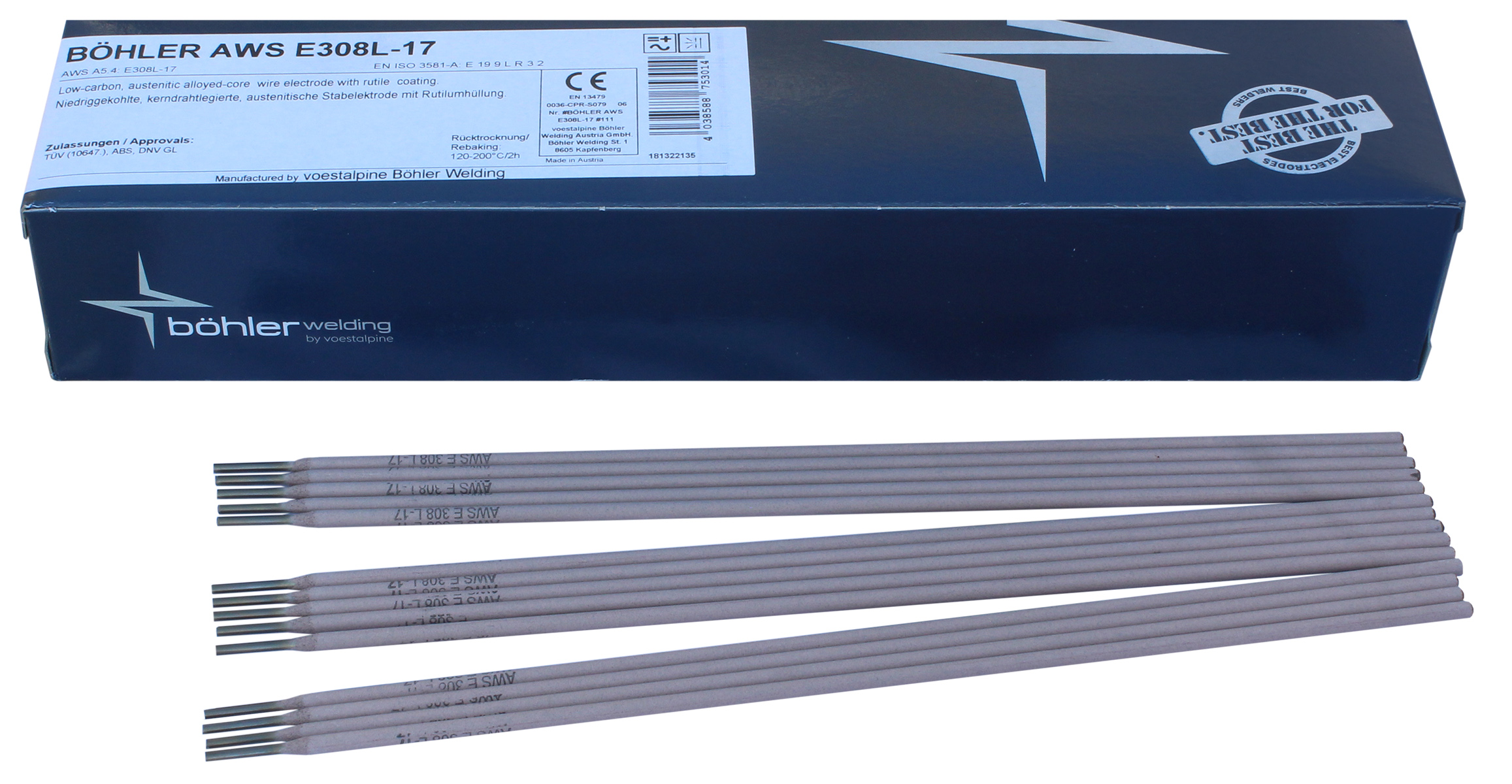
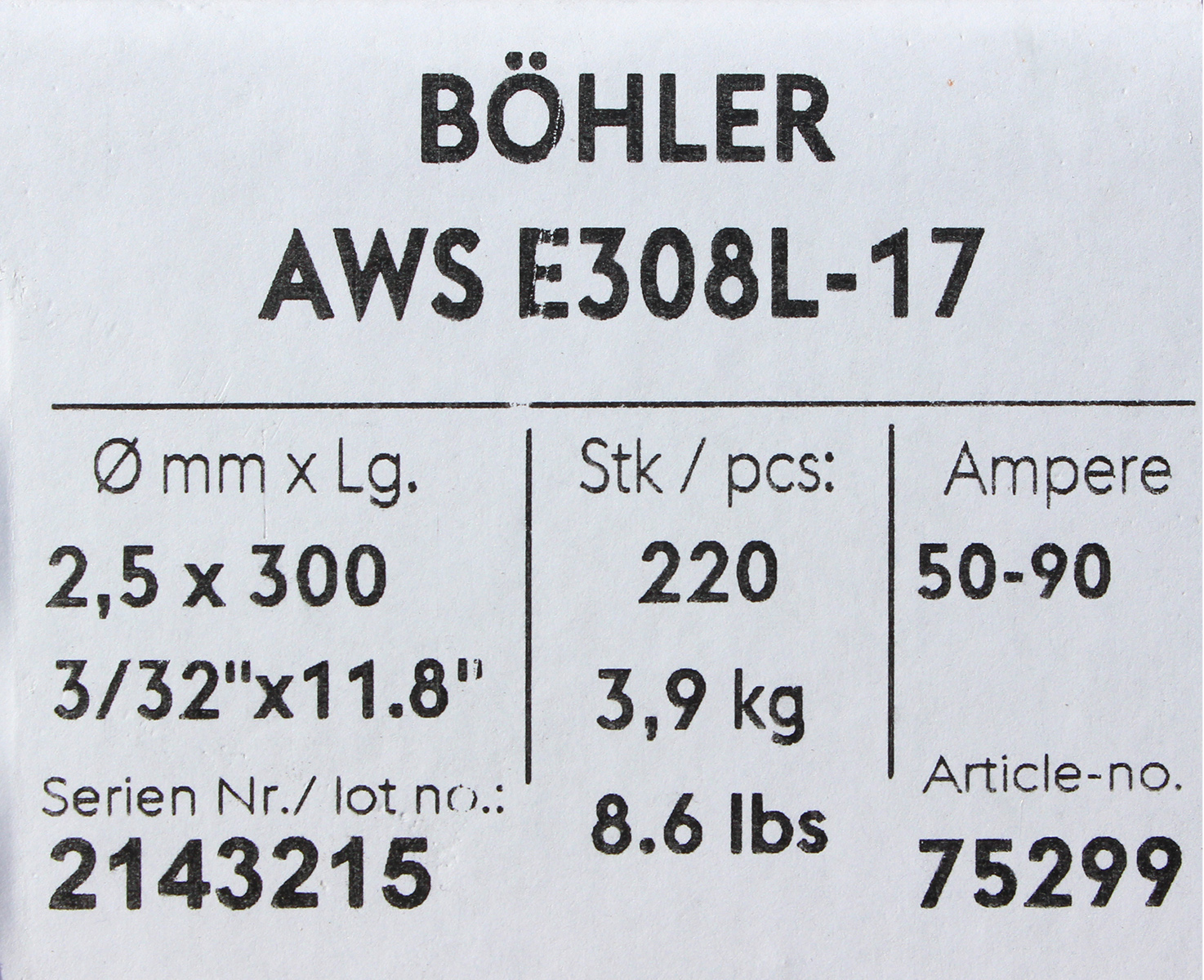
- 18/8 (308L): Electrodes for welding austenitic steels, such as 1.4301 and 1.4306, with low carbon content, which prevents intergranular corrosion.
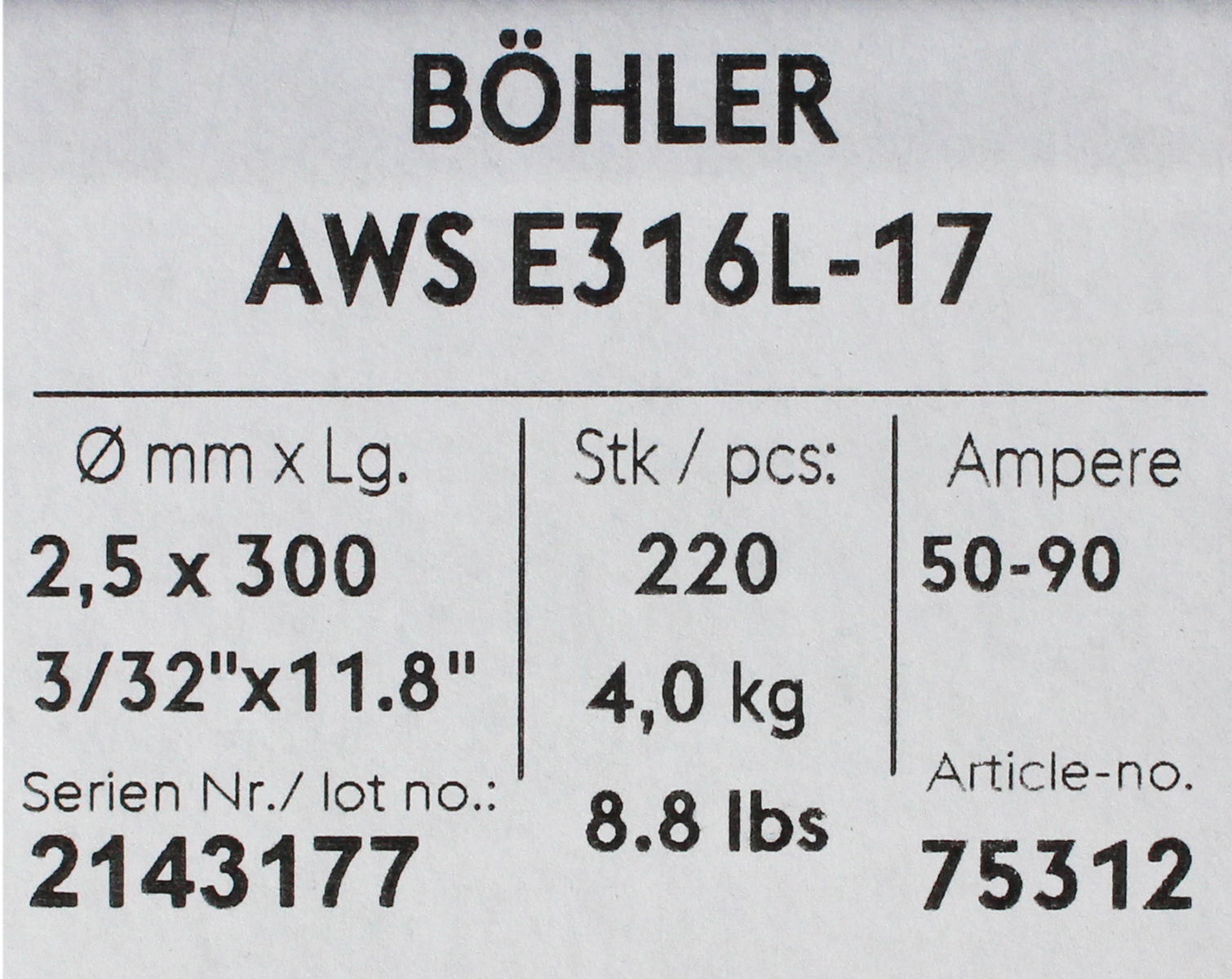
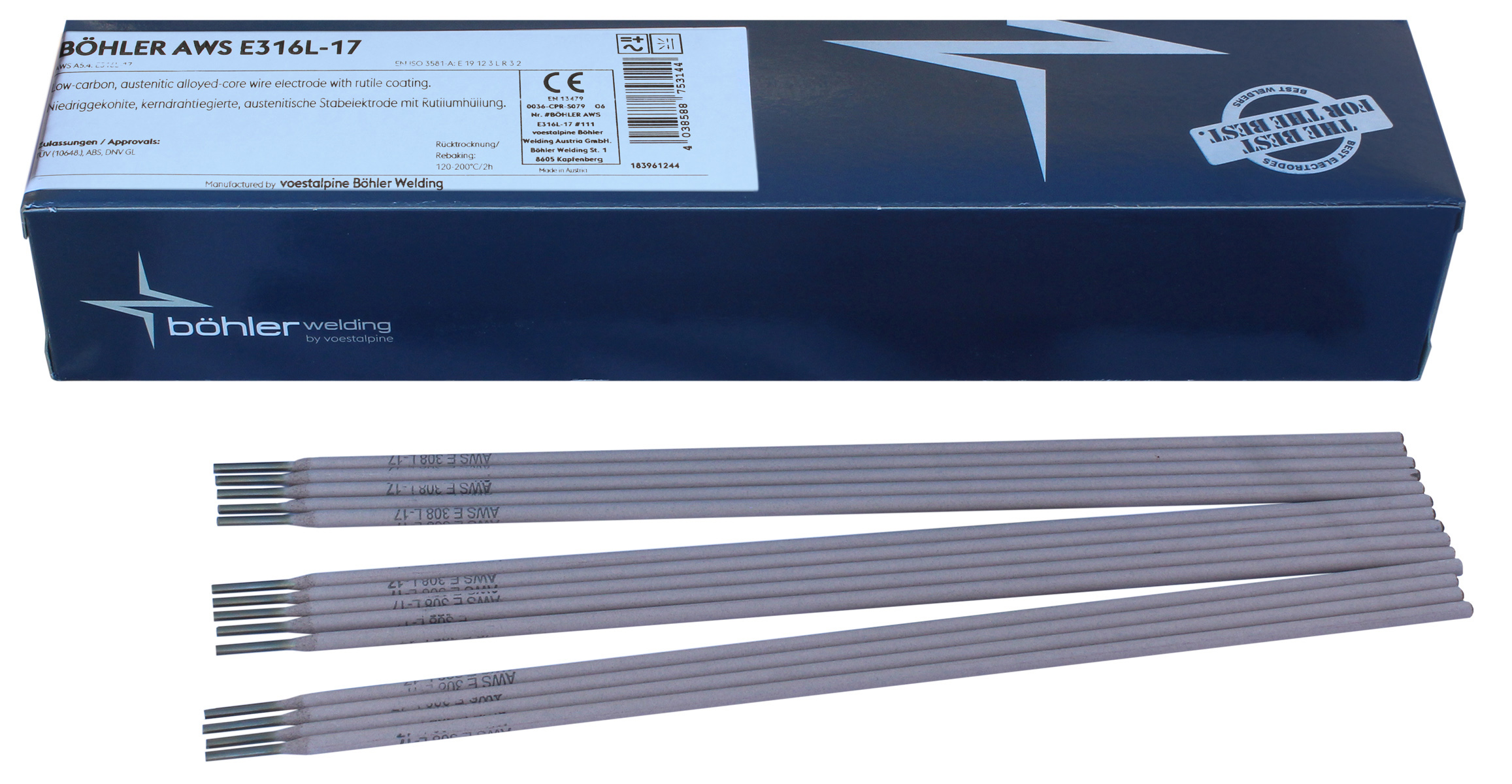
- 19/12/3 (316L): Electrodes for welding acid-resistant steels, such as 1.4401 and 1.4404, containing molybdenum, which increases resistance to corrosion in aggressive environments.
Other alloyed chromium-nickel electrodes: May contain additional elements such as niobium, titanium, or others, depending on the specific requirements of the welded material.
Additional information:
- Markings:
Chromium-nickel electrodes may be marked according to EN ISO 3581 standards (e.g., E 19 9 L R 32) or AWS A5.4 (e.g., E308L-16).
- Electrode selection:
The choice of the appropriate electrode depends on the grade of the welded material, the welding position, the requirements for the properties of the weld, and the type of welding current.
- Application in industry:
These electrodes are commonly used in the chemical, food, petrochemical industries, as well as in construction and shipbuilding.