What are paint and dust masks?
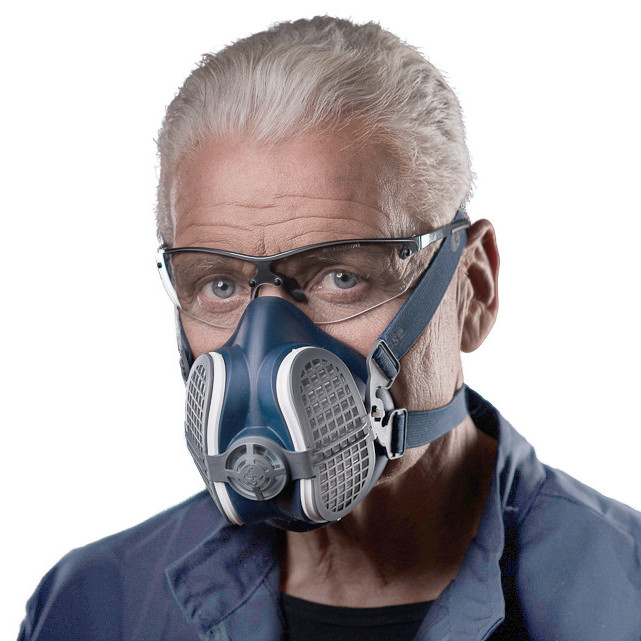
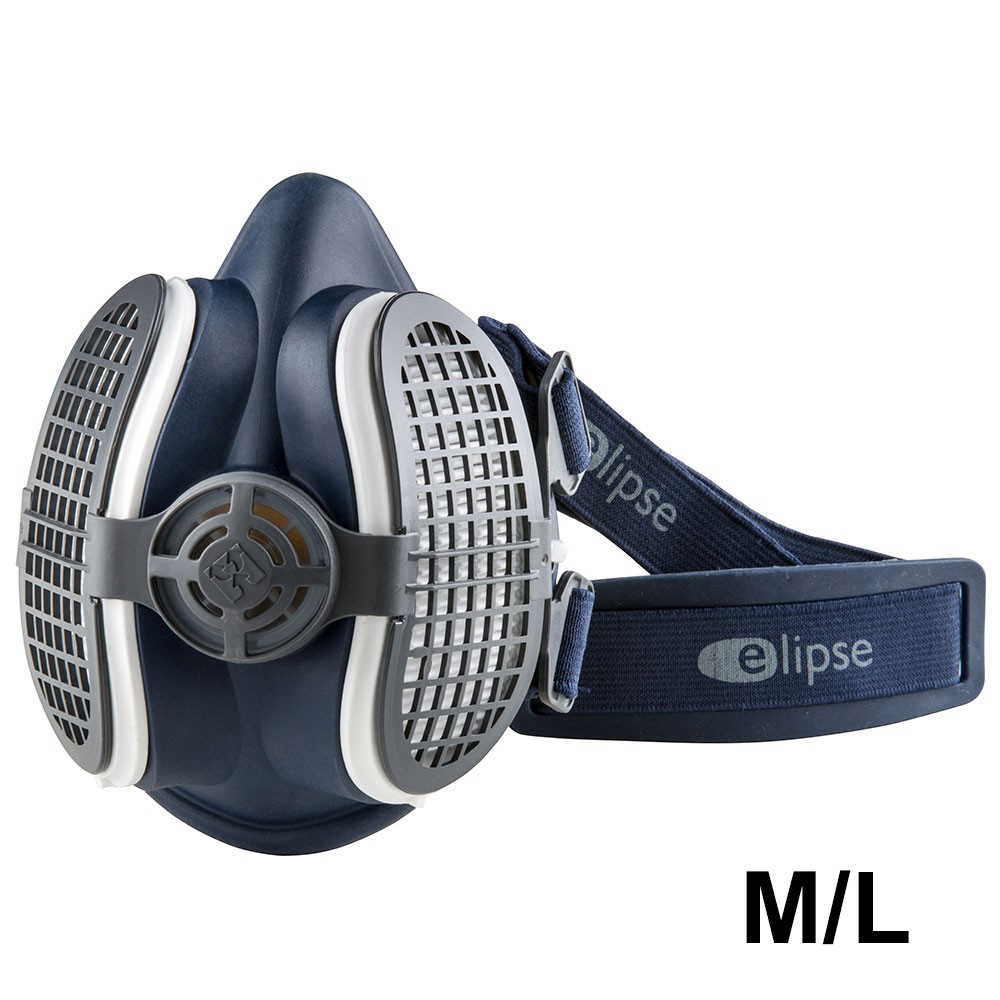
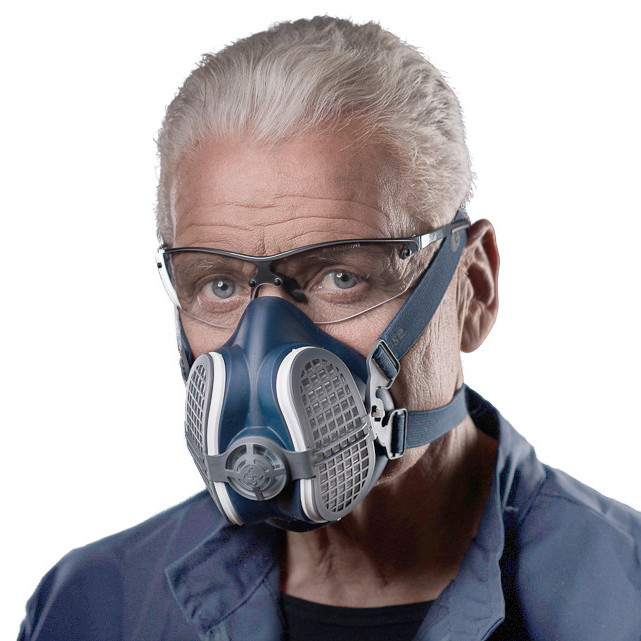
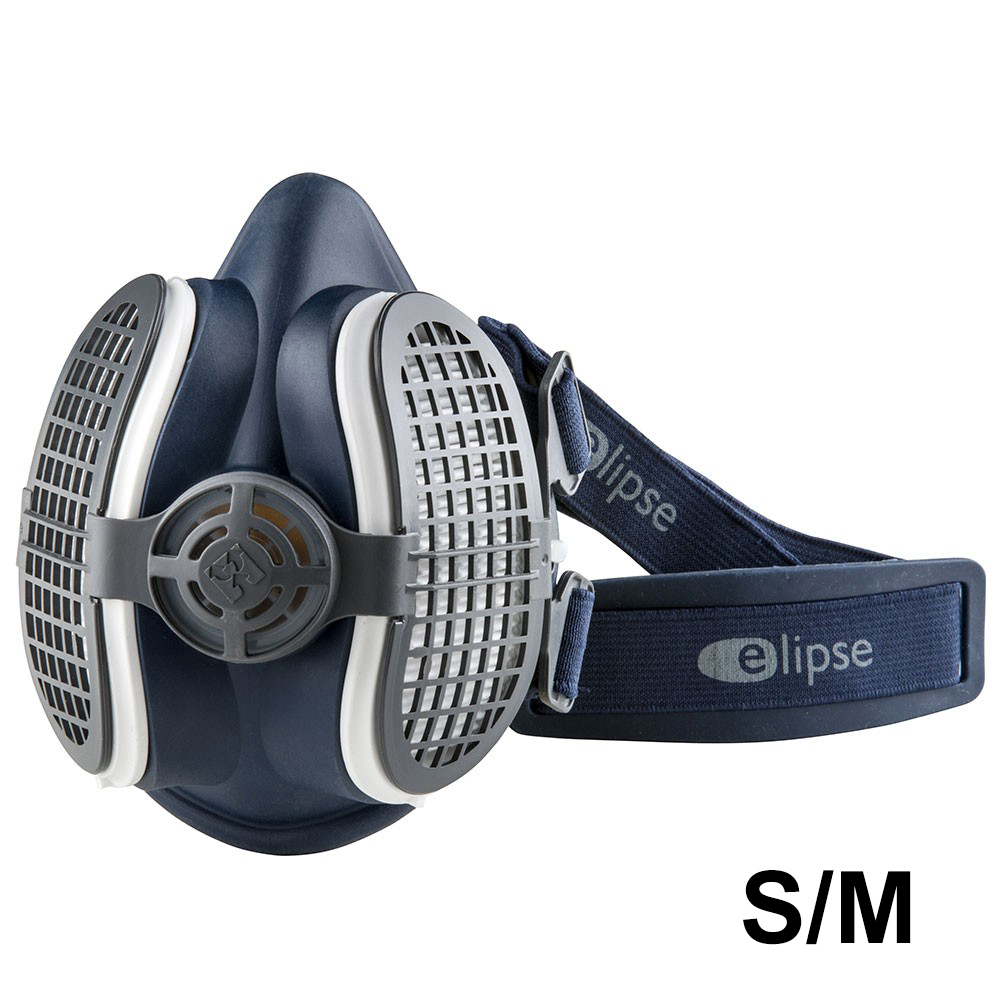
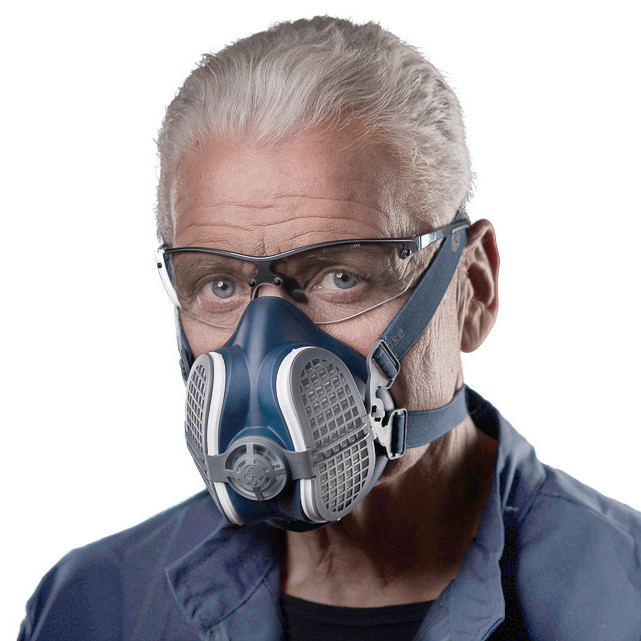
A dust mask, also known as a paint mask, protects the respiratory system from harmful dust, gases, and vapors generated during painting work and other processes where air pollution occurs. Various types of masks are available, including disposable and reusable masks, as well as half masks and full-face masks, which differ in the level of protection and comfort of use.
Why should protective half masks be used during work?
A protective mask for painting is a basic protective element that should be used by anyone involved in painting work. Theoretically, modern paints are safer for human health than those produced several years ago. However, this does not mean that they do not contain harmful substances.
Harmful components of painting products penetrate the human body through the eyes, skin, and primarily, through the respiratory system. These are primarily dust particles, organic gases, and vapors of all kinds. Harmful components pose a threat to humans both during work in a professional paint shop and during amateur painting in one's own garage. It does not matter whether the painting takes place in a closed paint booth, in an open room, or in an open area.
Types of dust/paint masks:
- Disposable masks: Most commonly used in amateur painting work, they are economical and convenient, but provide limited protection and usage time.
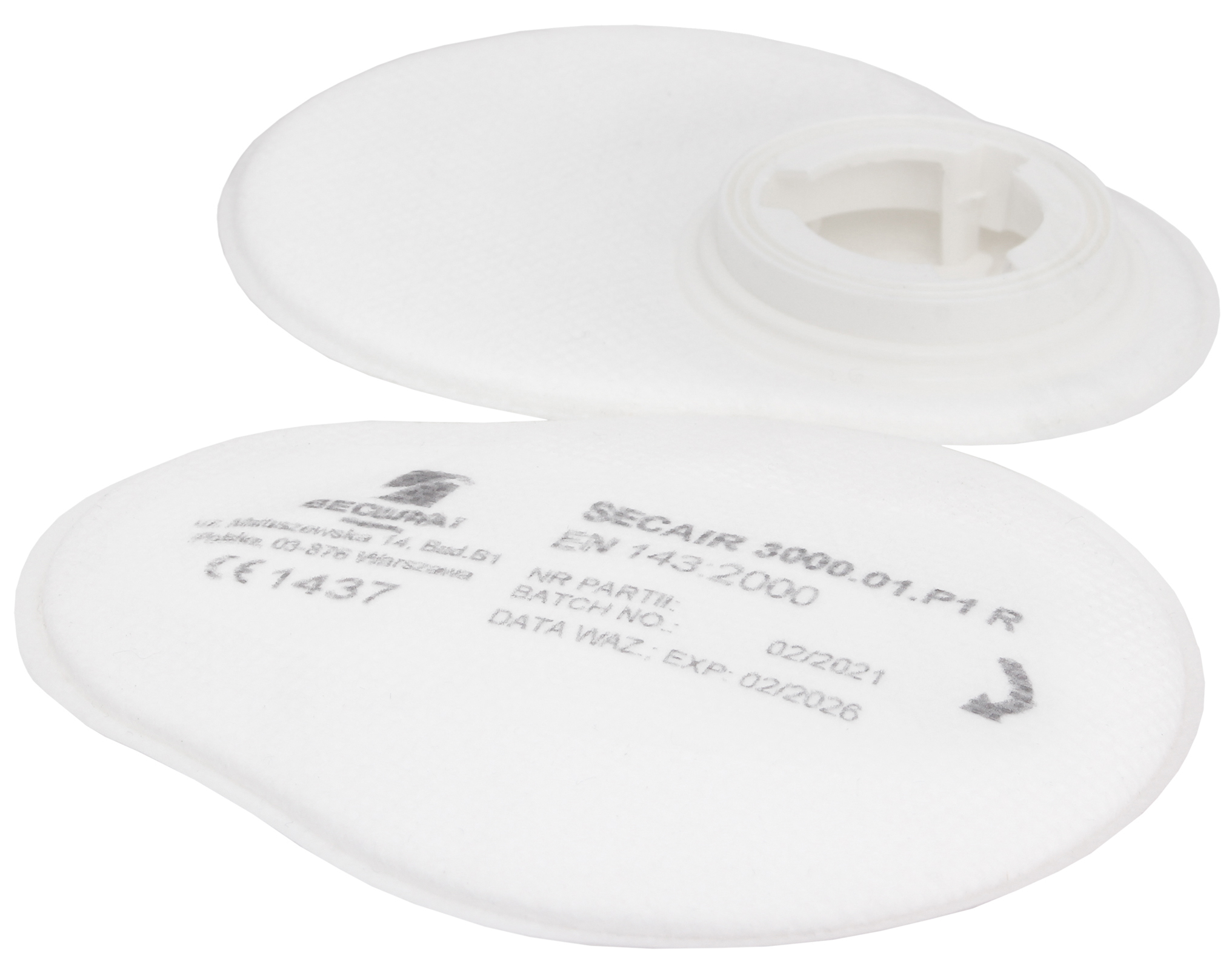
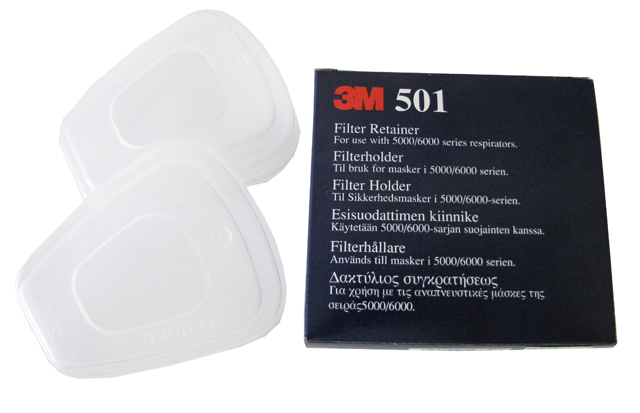
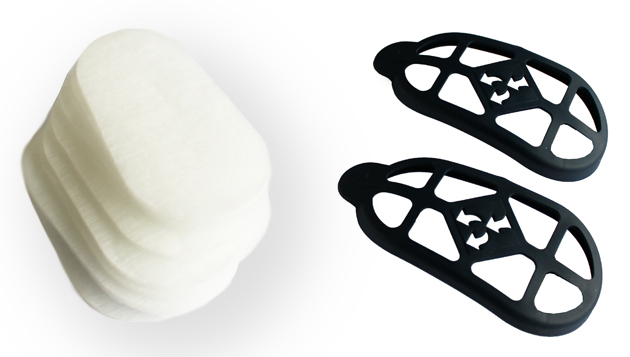
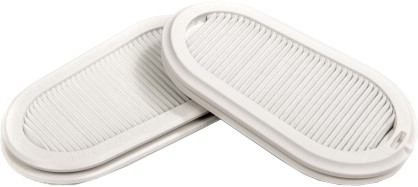
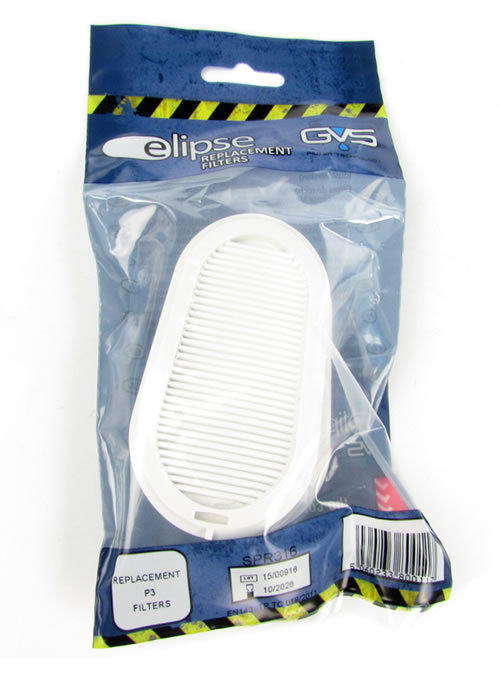
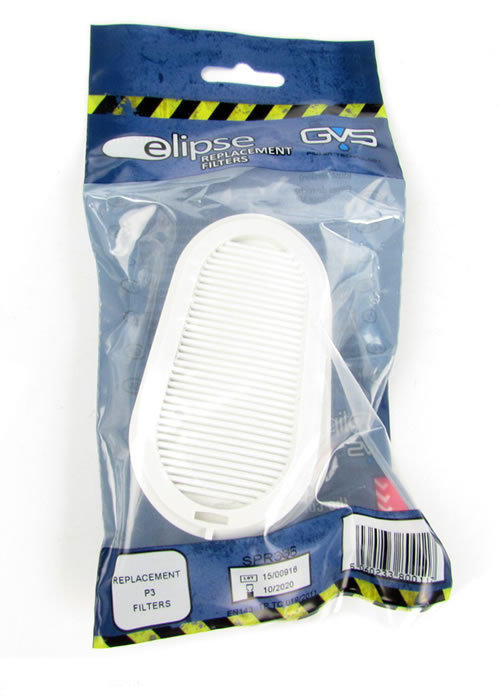
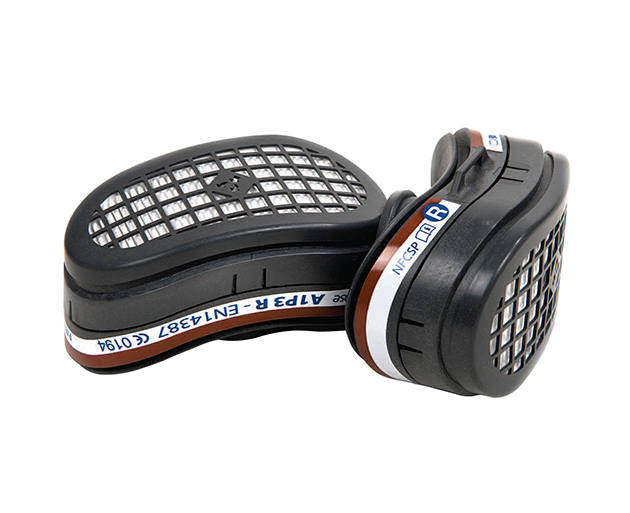
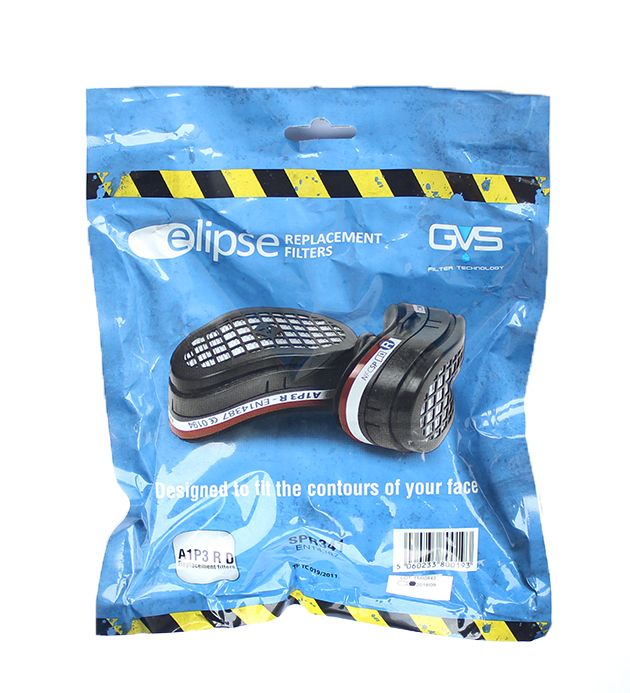
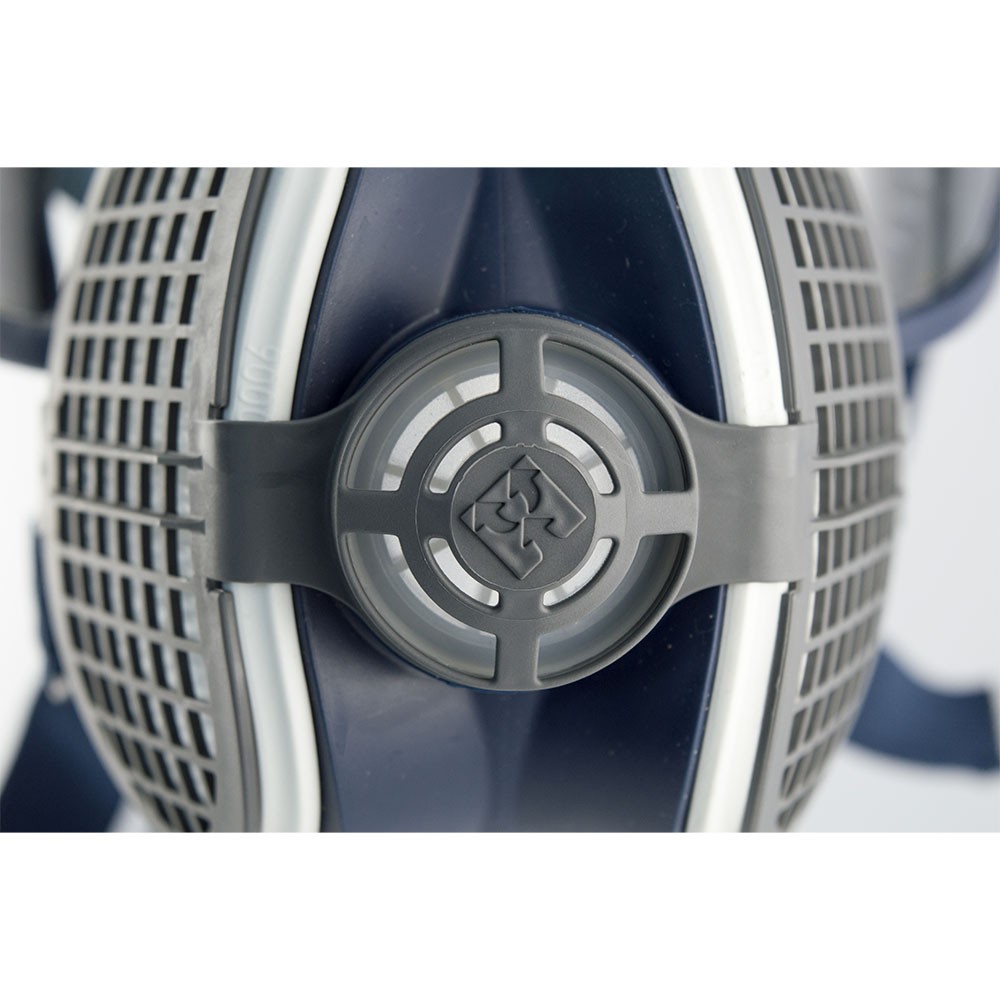
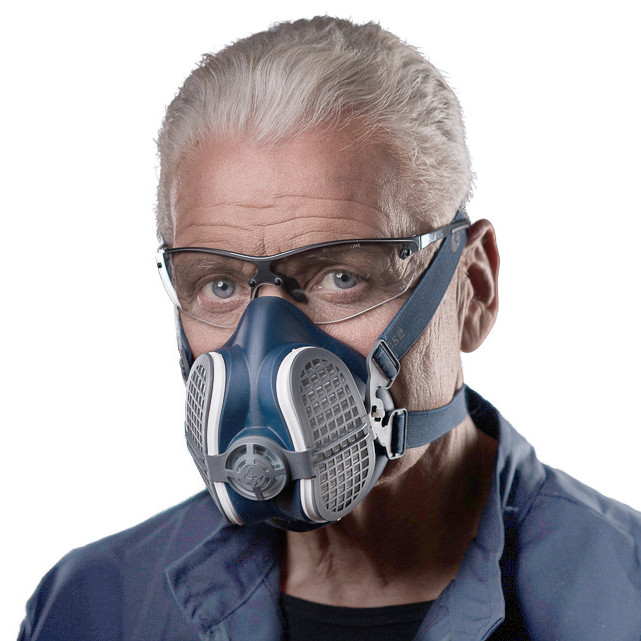
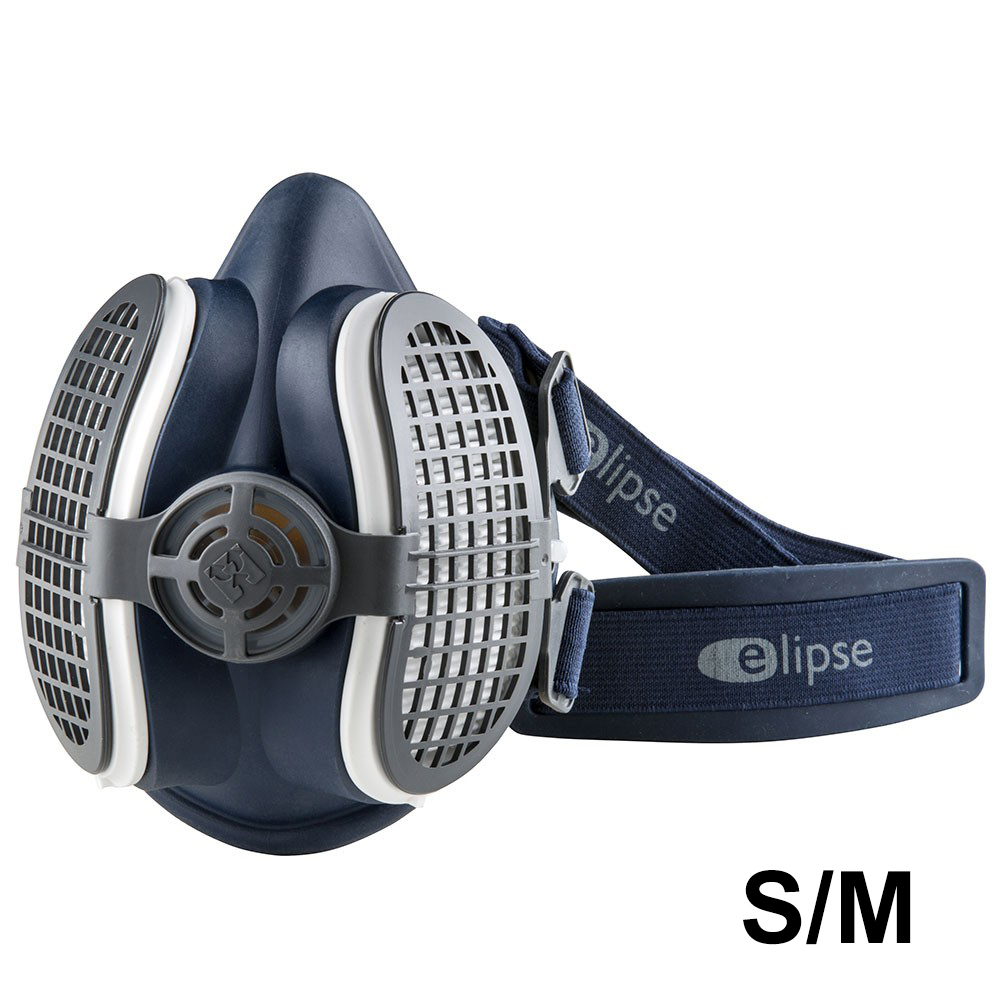
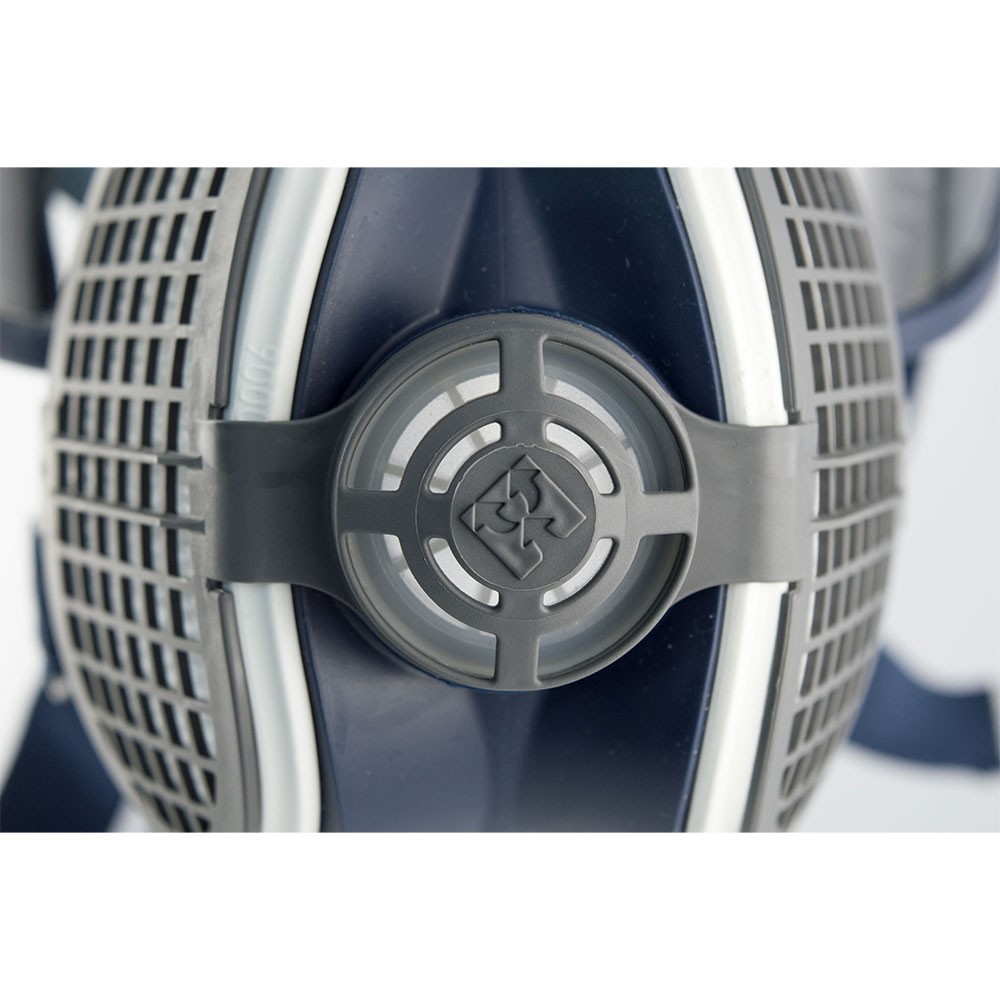
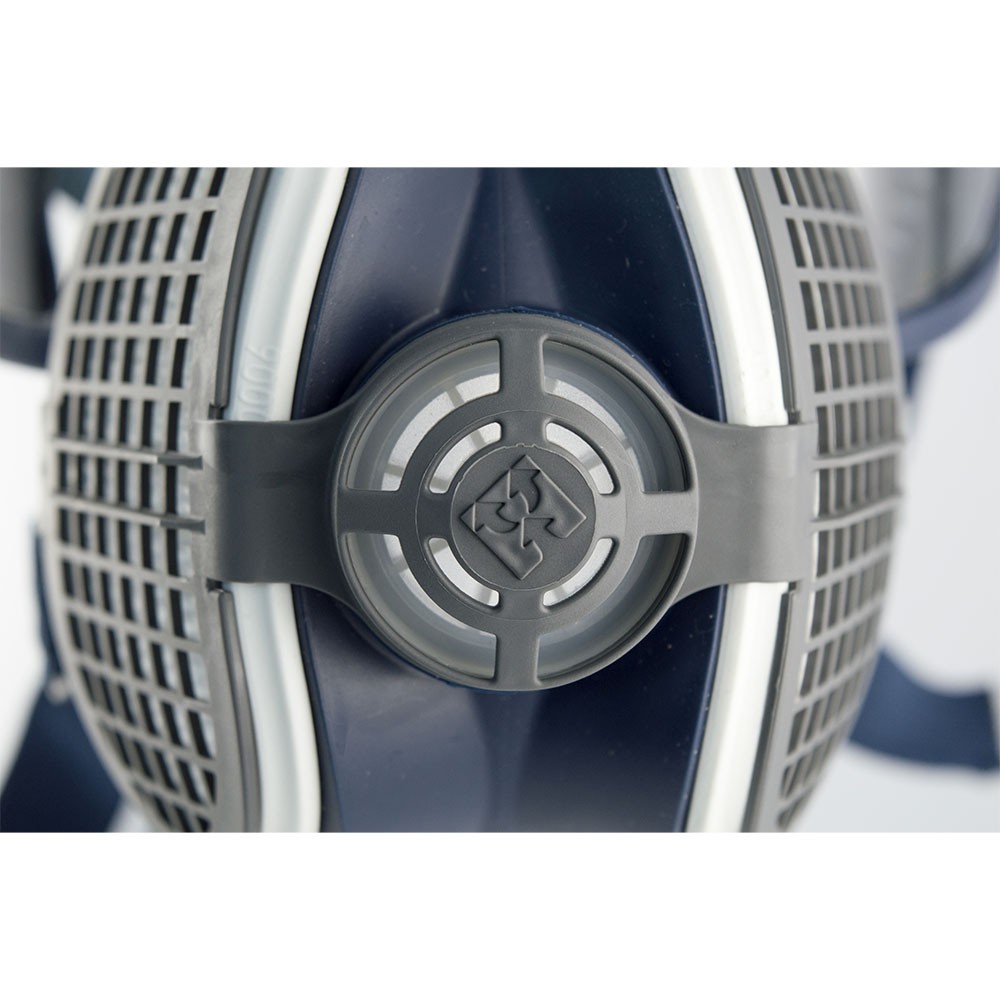
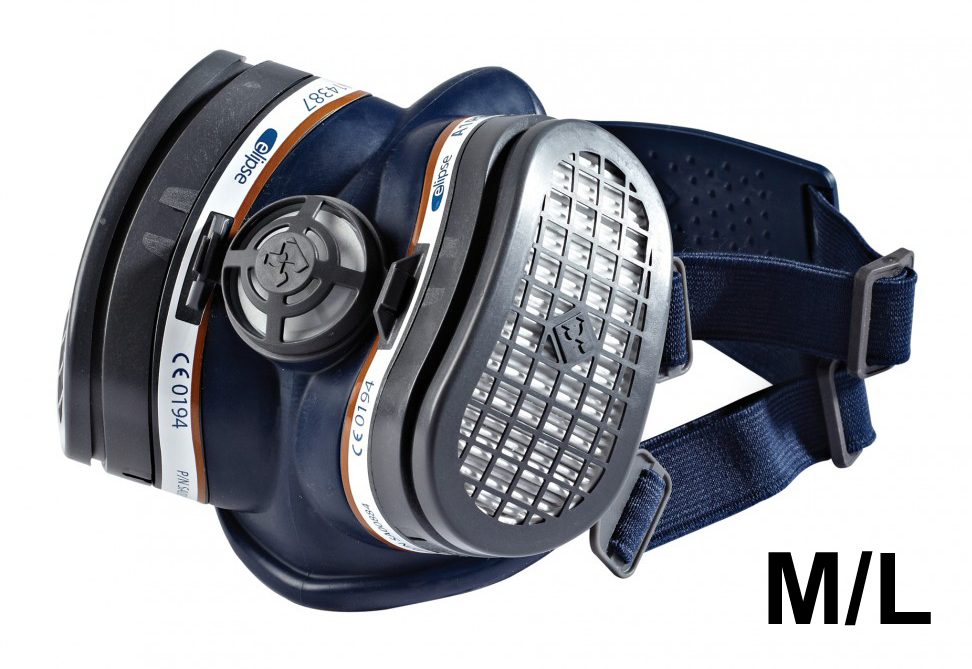
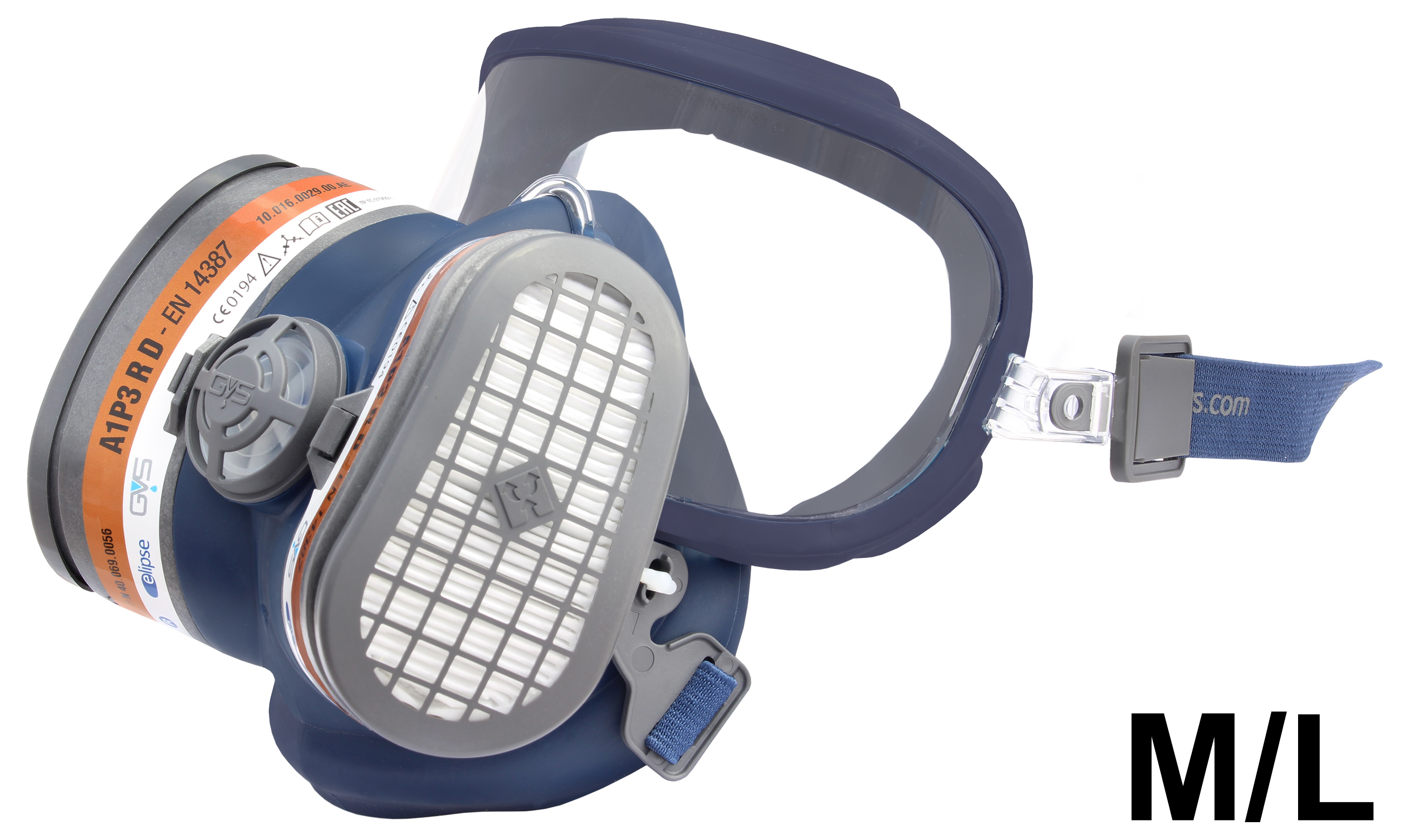
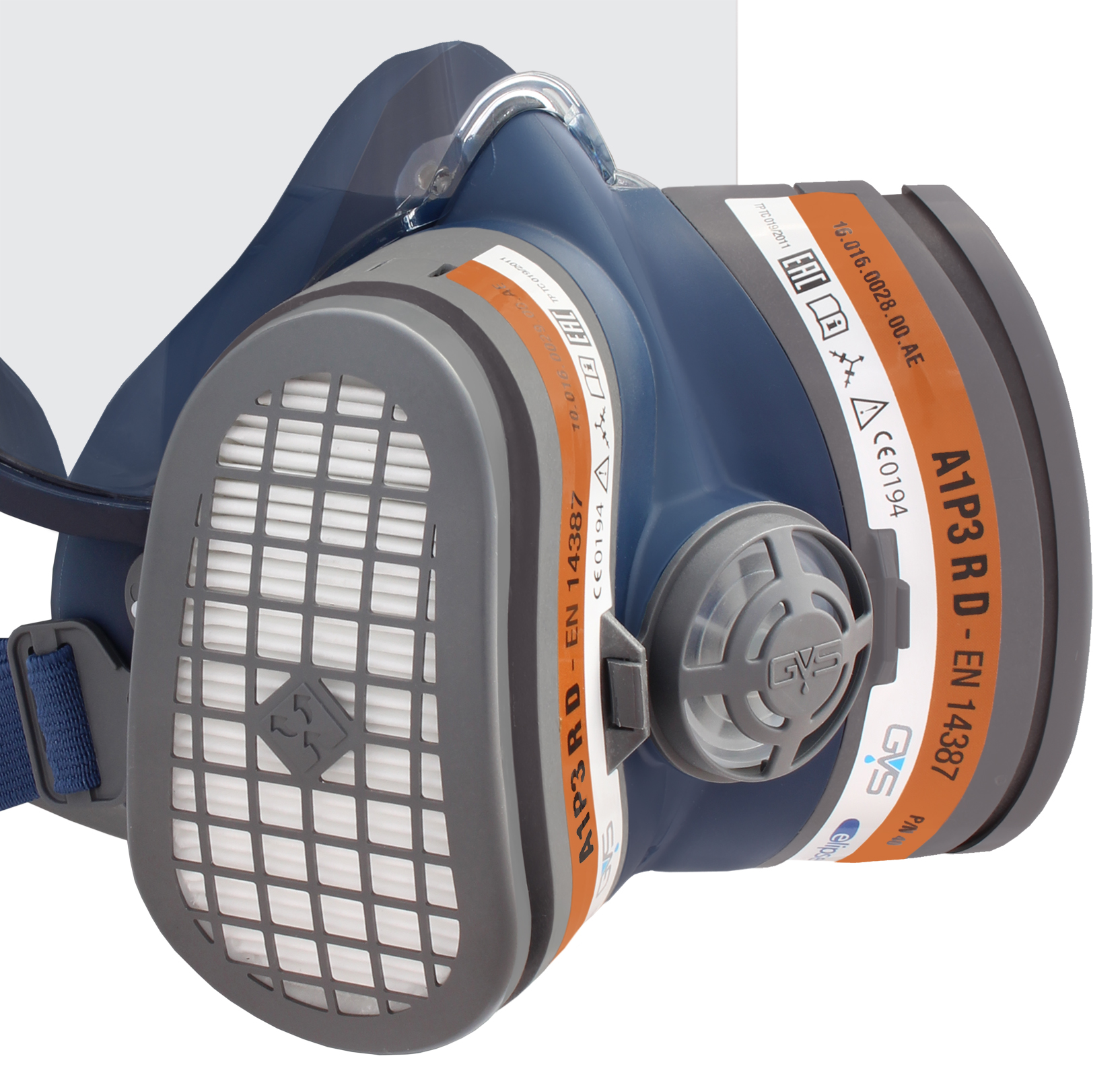
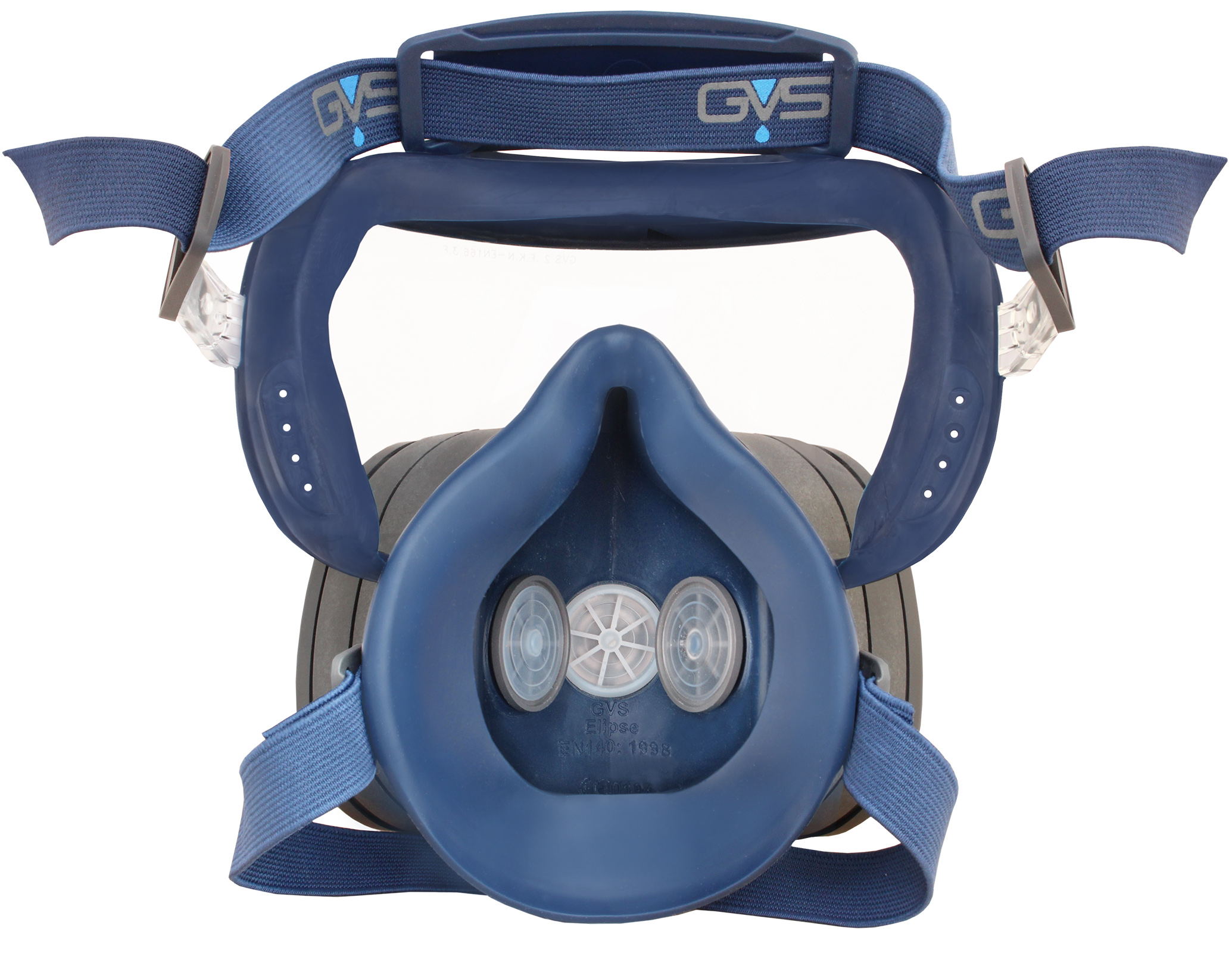
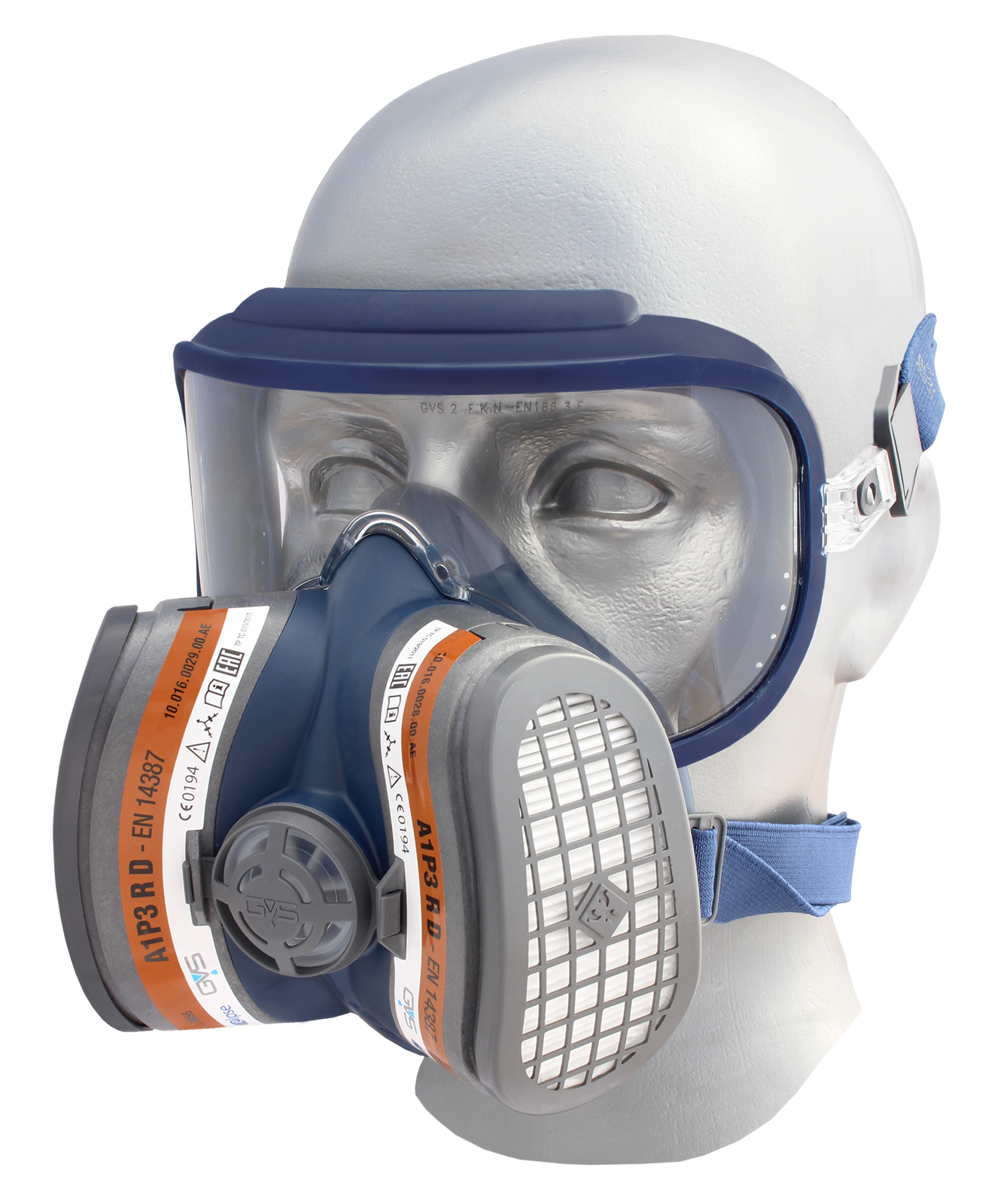
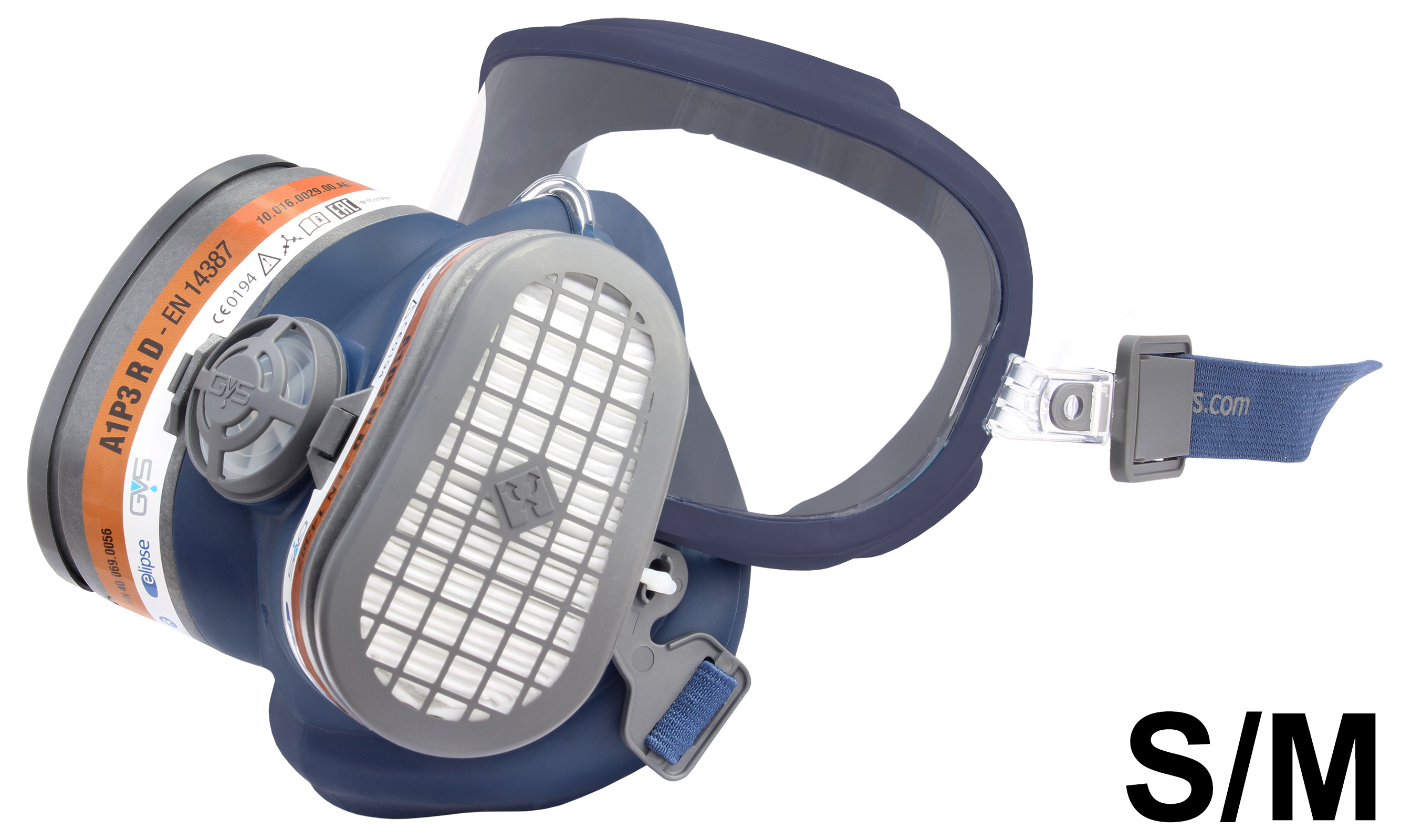
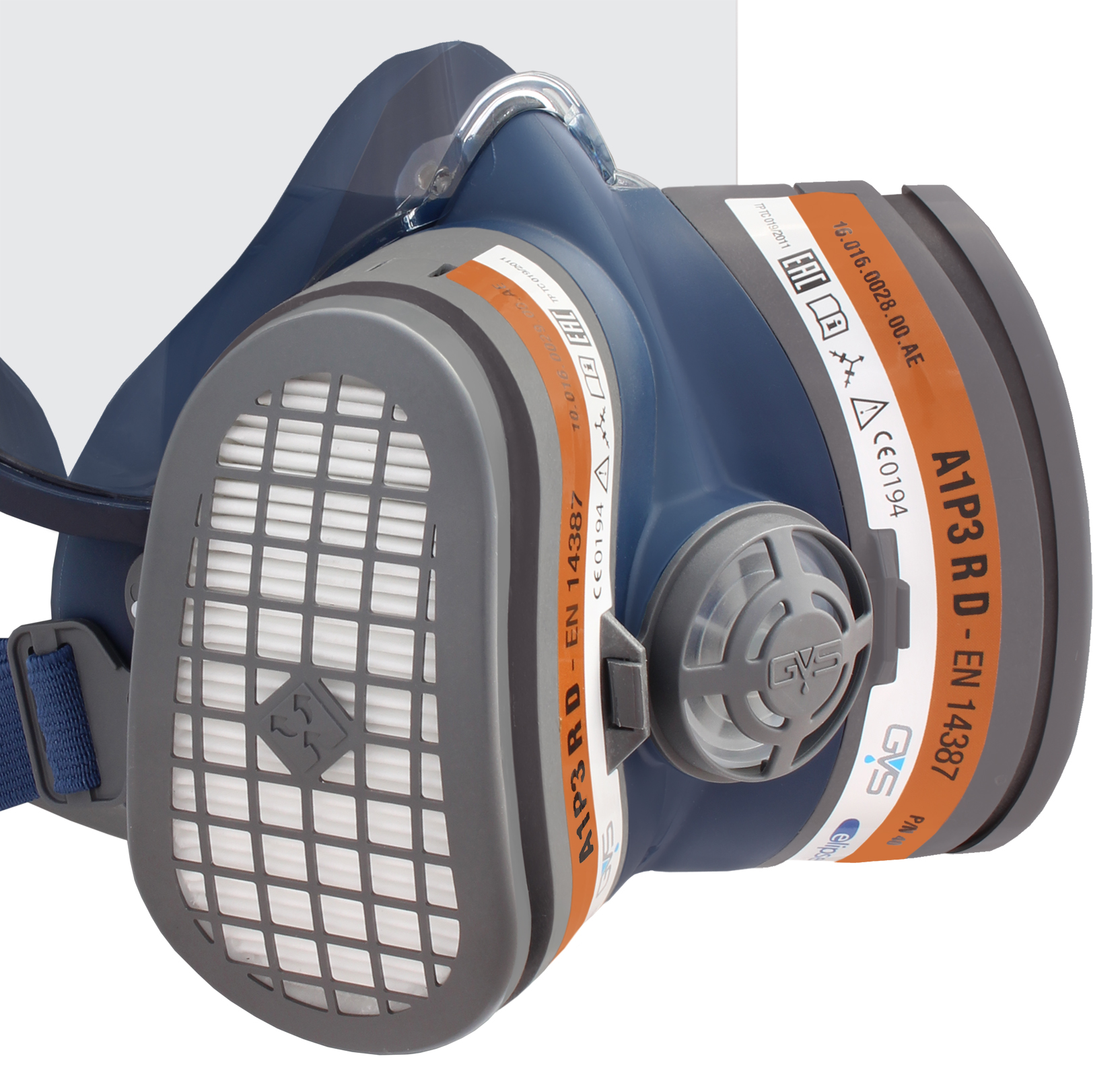
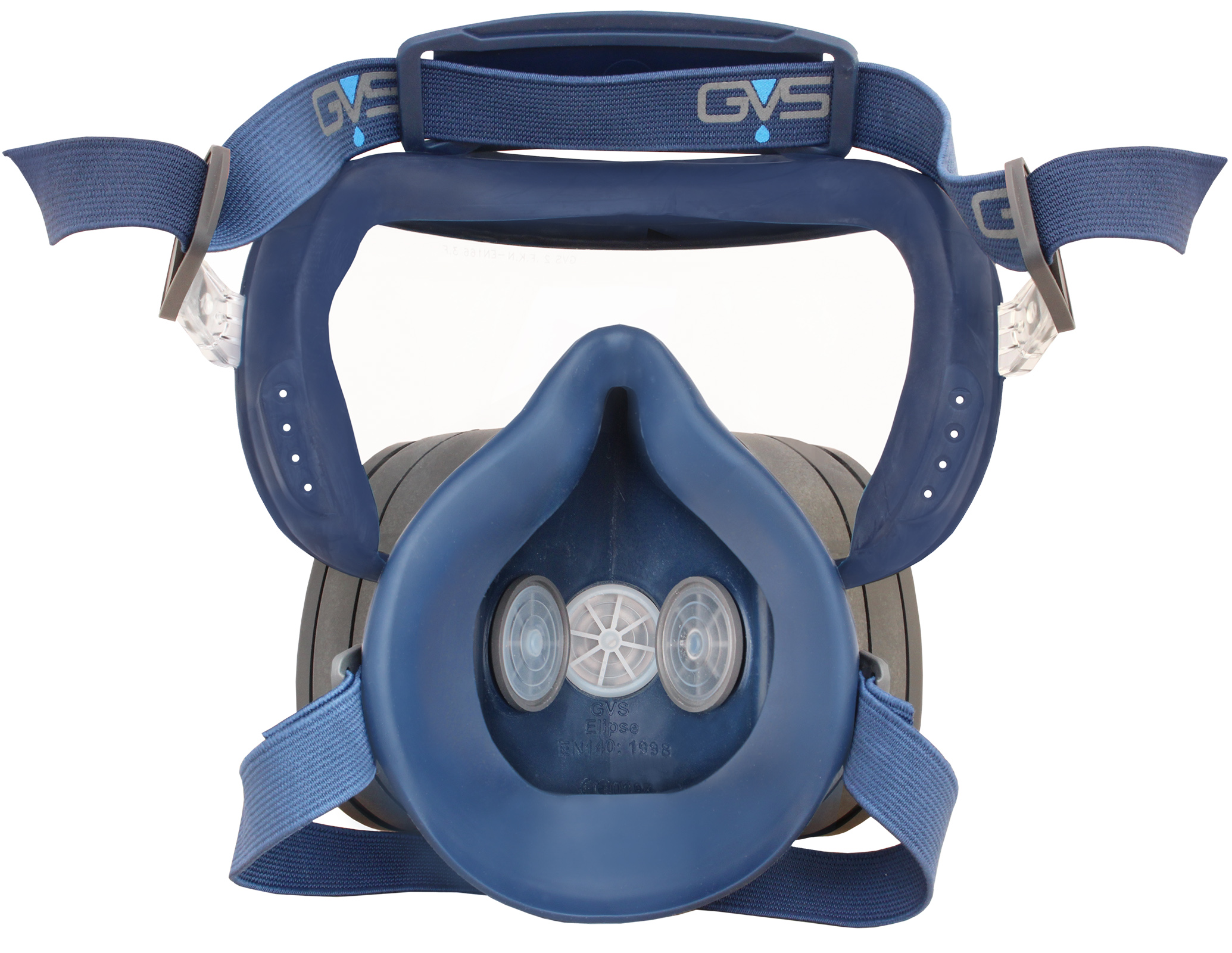
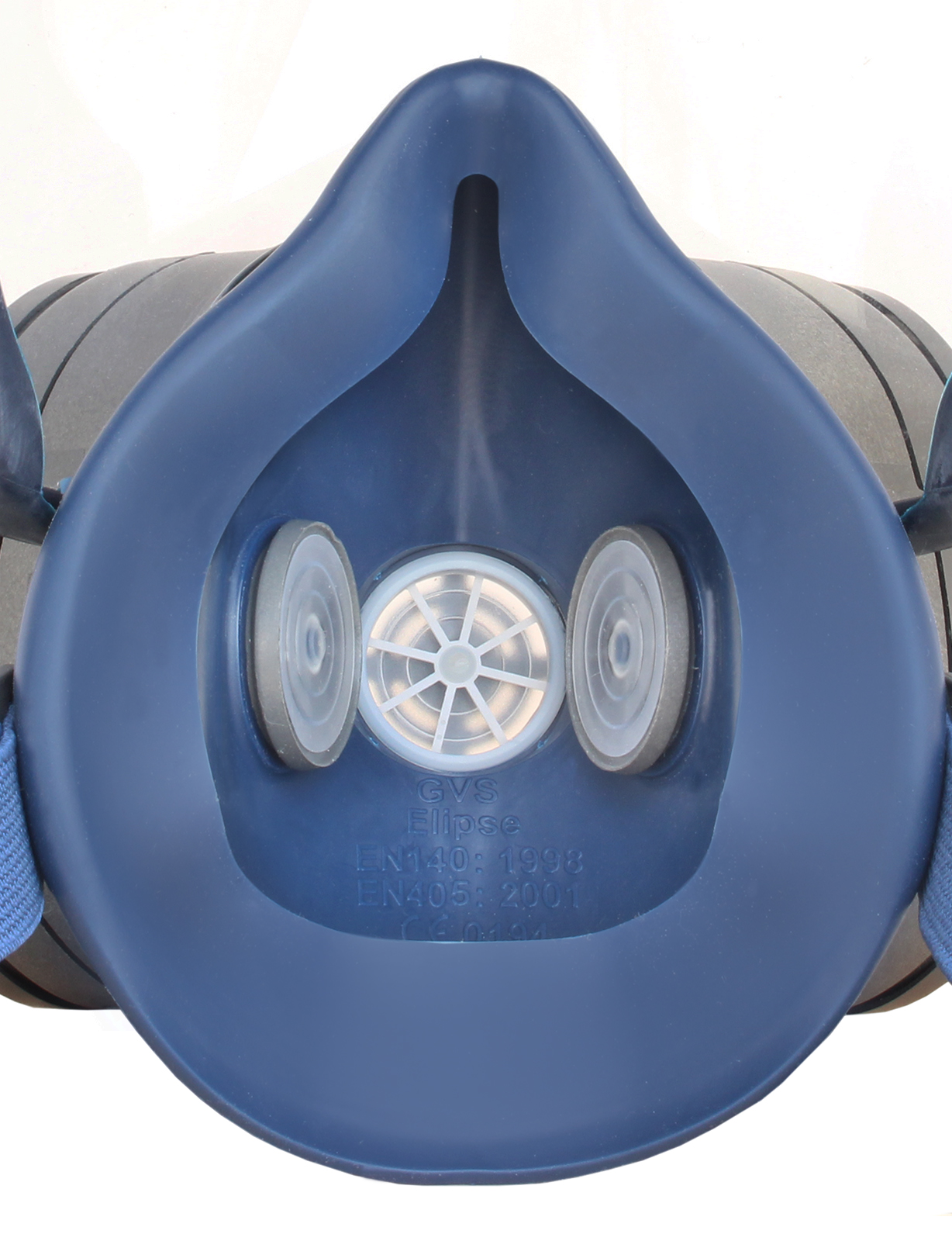
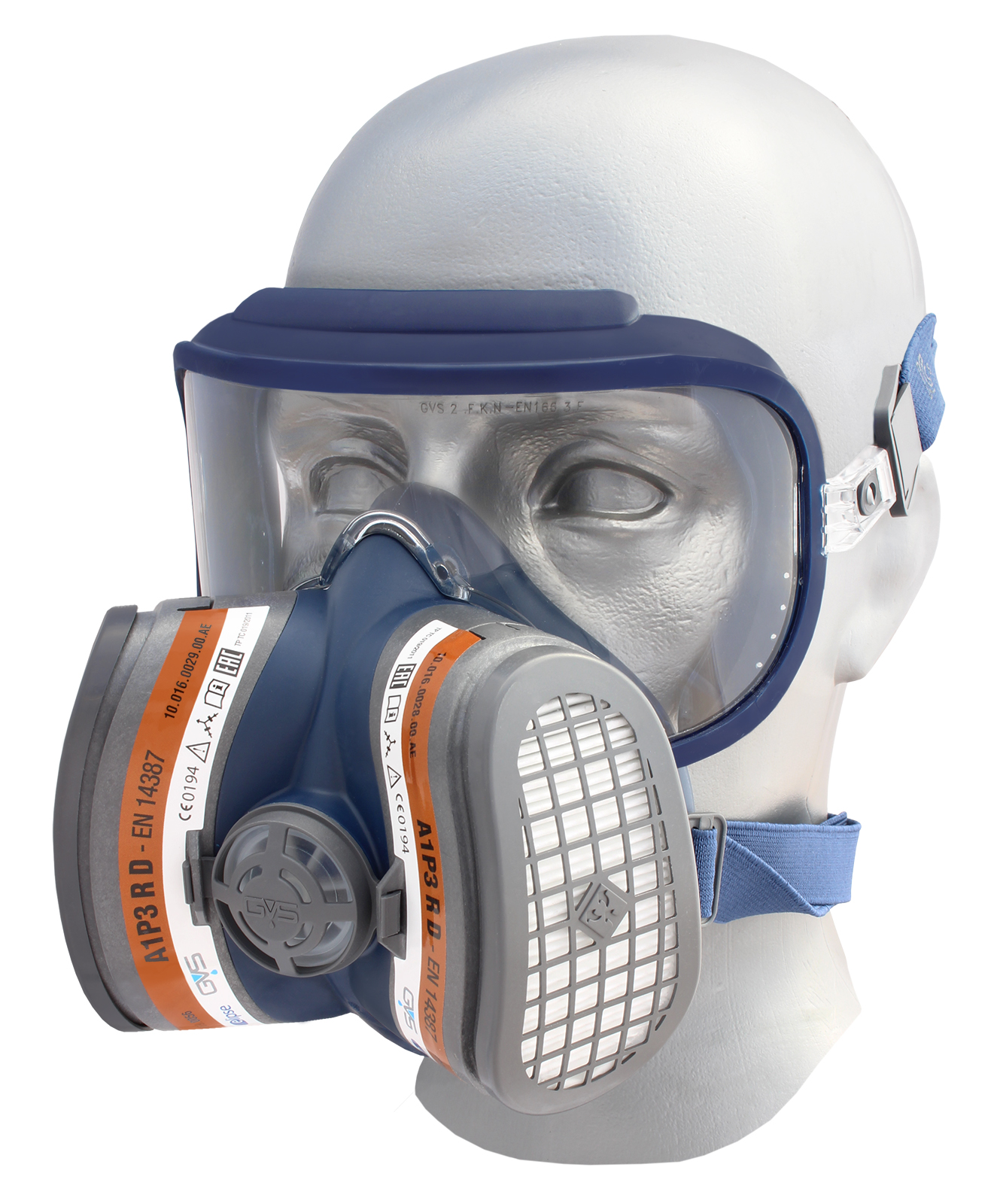
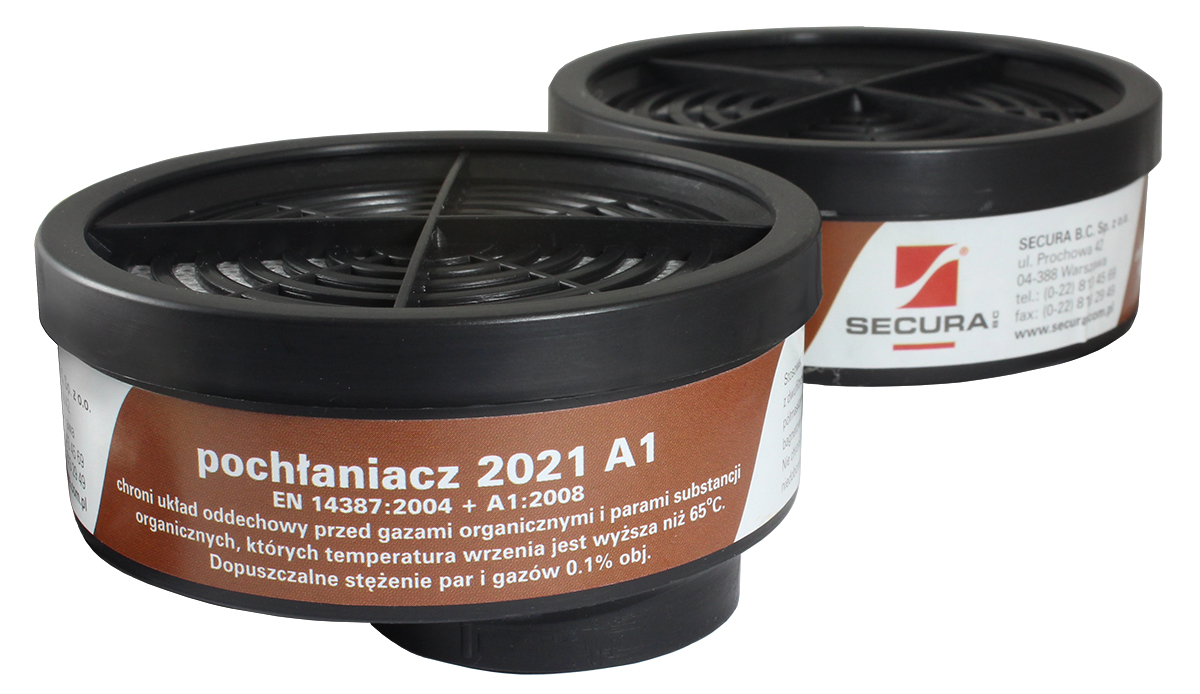
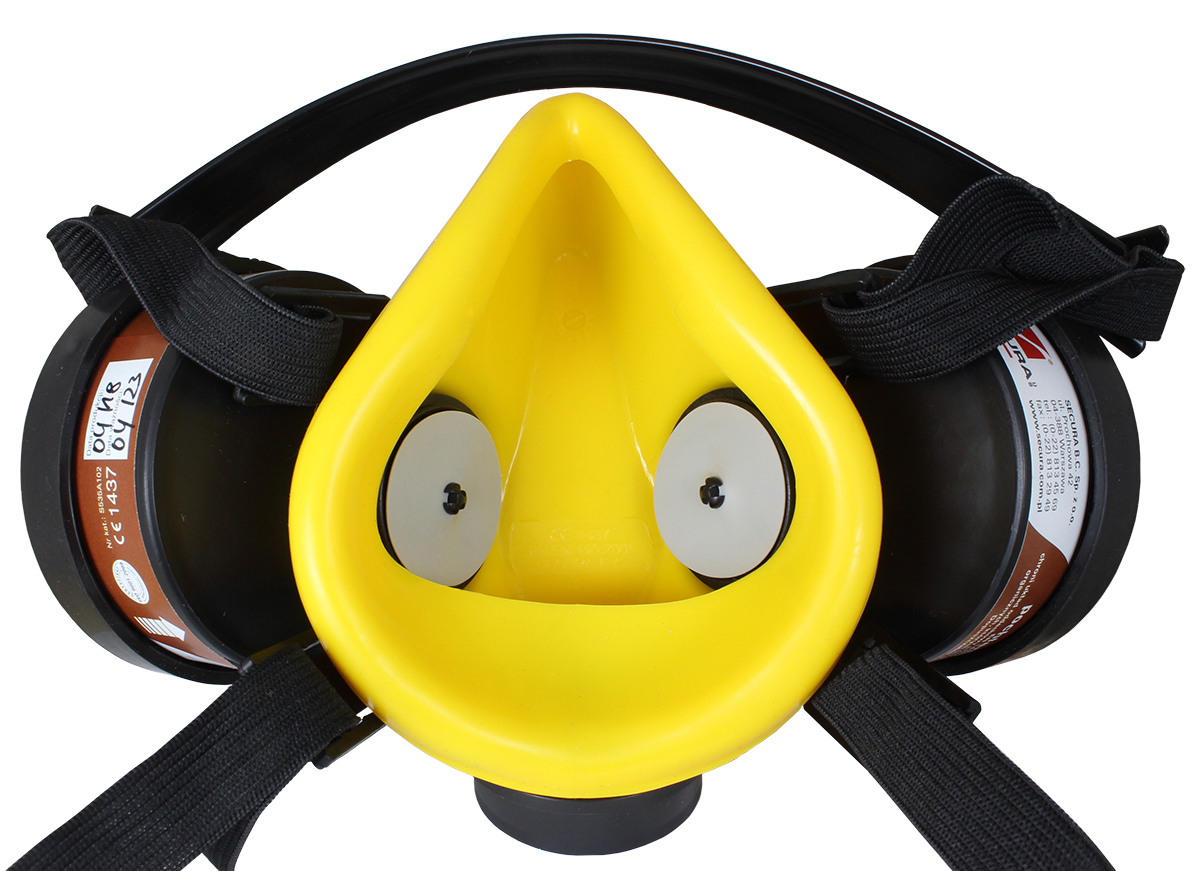
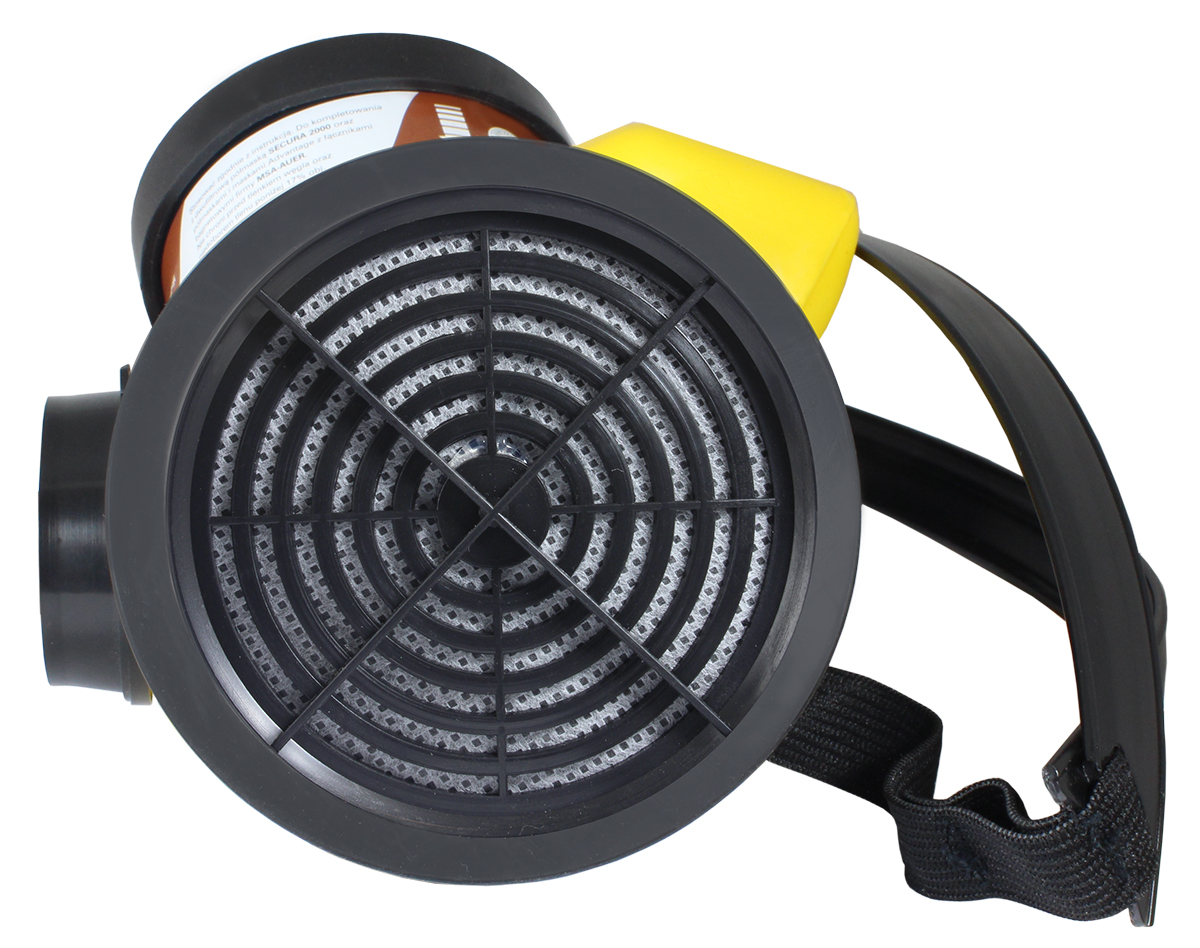
- Half masks: Provide a higher level of protection than disposable masks, fit more tightly to the face, and can be equipped with replaceable filters.
- Full-face masks: Offer comprehensive protection for the respiratory system and eyes, recommended in environments with high concentrations of harmful substances.
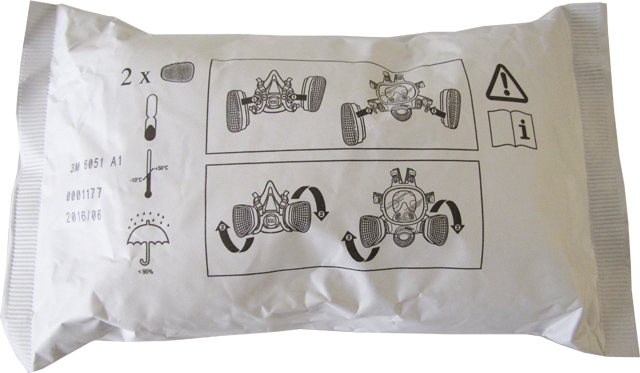
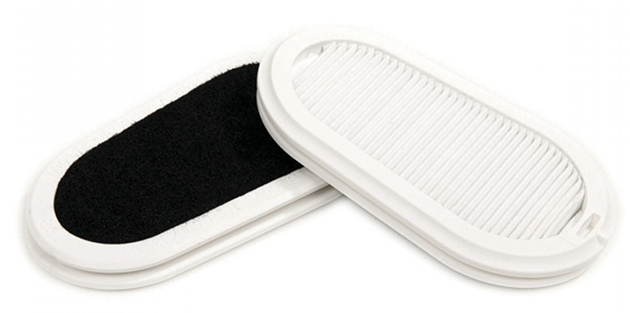
- Carbon filter masks: Equipped with an activated carbon filter that removes chemical vapors.
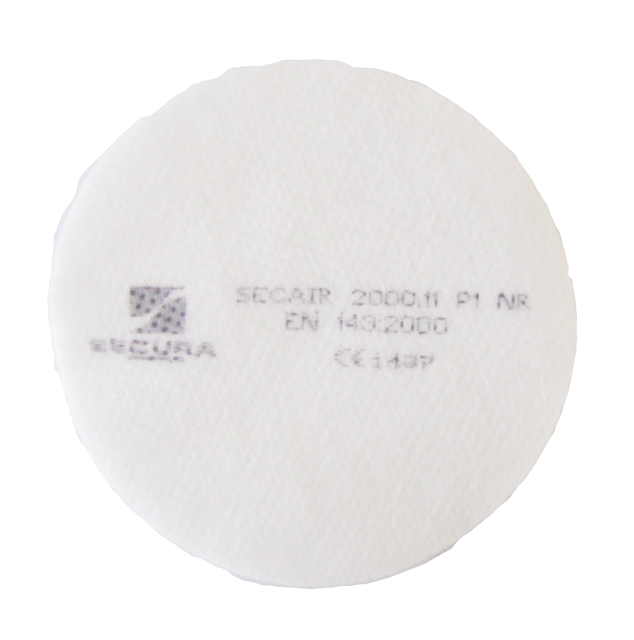
- Dust filter masks: Effectively filter dust and solid particles present in the air.
Protective classes of masks:
Dust masks are divided into protective classes that define the level of filtration and degree of protection.
The lowest class, provides protection against dust and fibers, with a leakage limit of 25%.
Medium class, protects against dust, fibers, and aerosols, with a leakage limit of 11%.
The highest class, provides protection against dust, smoke, aerosols, and solid particles sized 0.3-0.5 μm, with a leakage limit of 5%.
The choice of the appropriate mask depends on the type of work being performed, the level of exposure to harmful factors, and user preferences. It is important that the mask fits properly to the face and is regularly replaced in the case of disposable masks or filters in reusable masks.