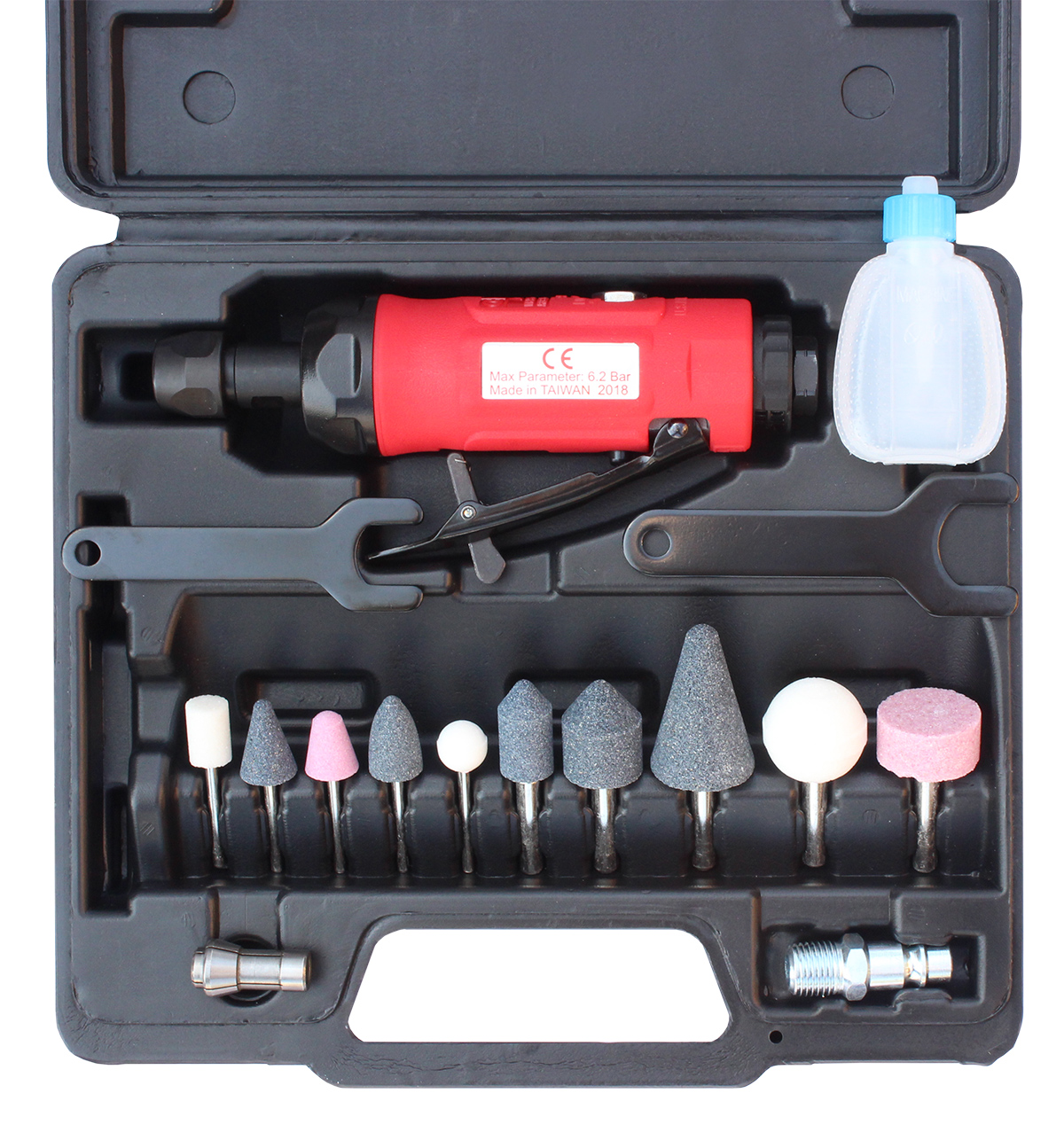
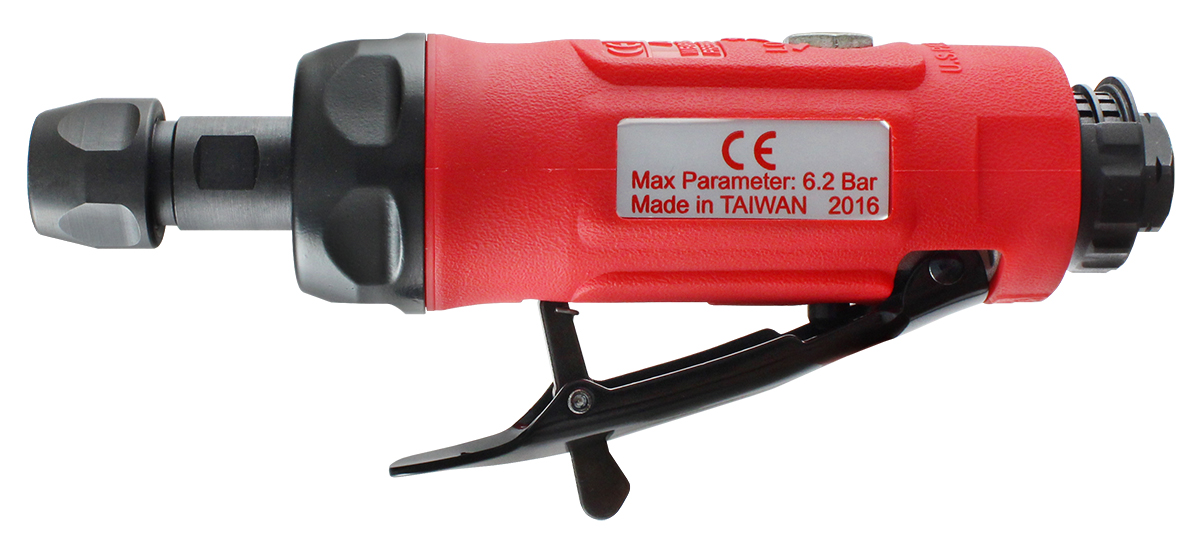
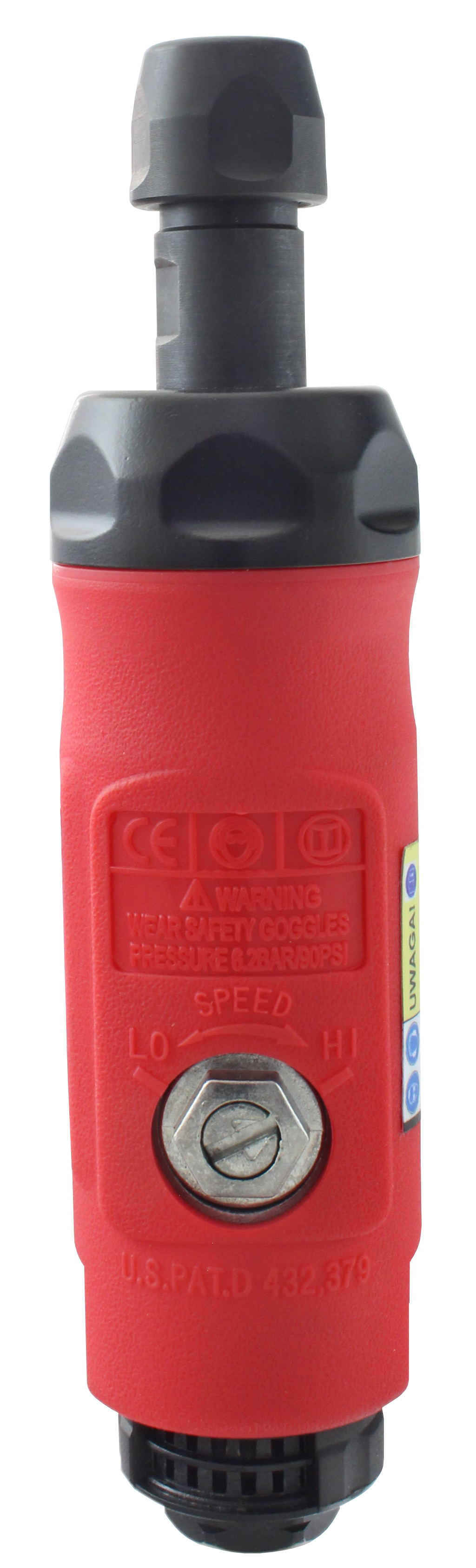
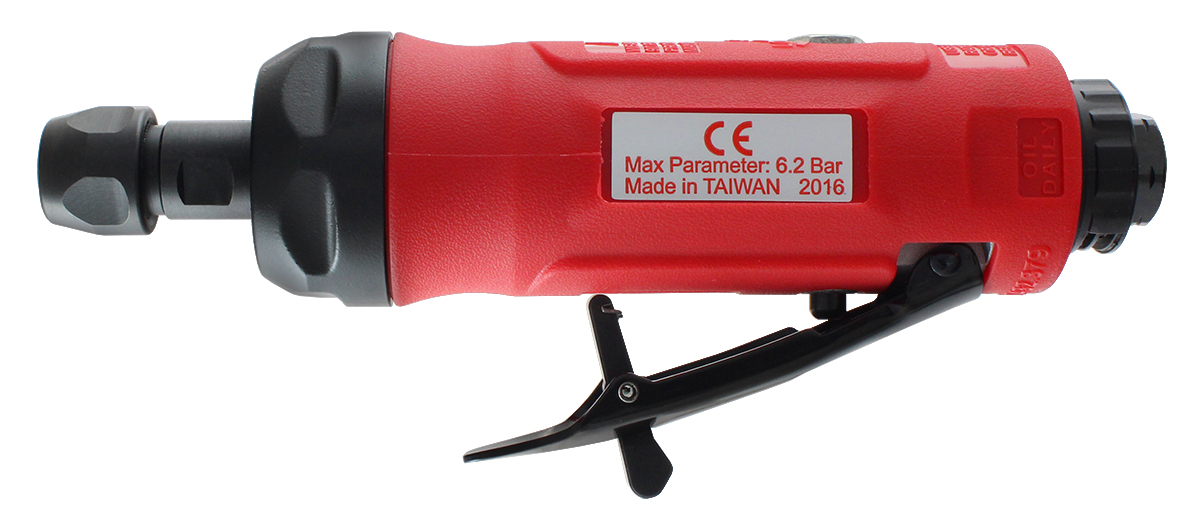
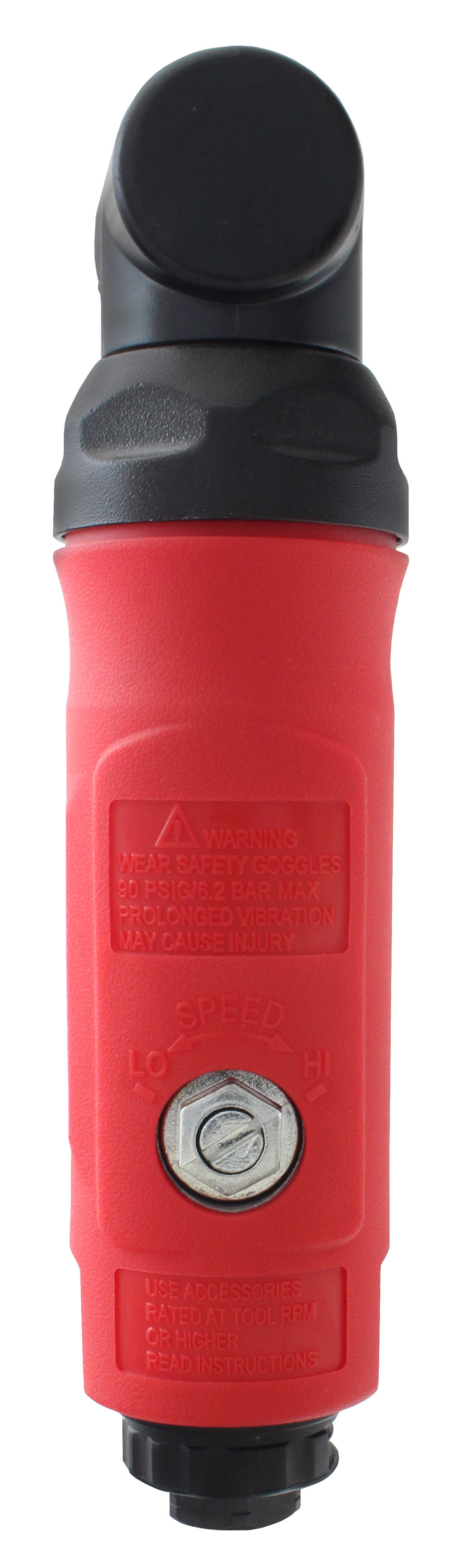
Construction of a pneumatic spindle grinder:
- Pneumatic motor: Powered by compressed air, which is converted into mechanical energy.
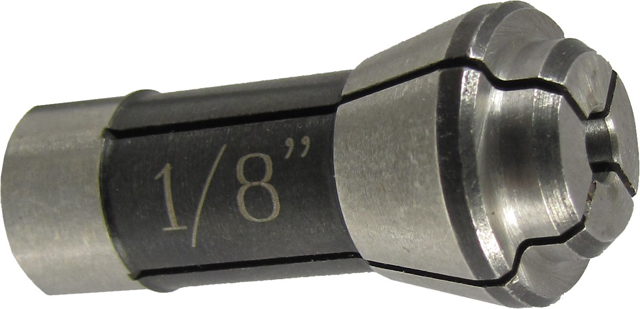
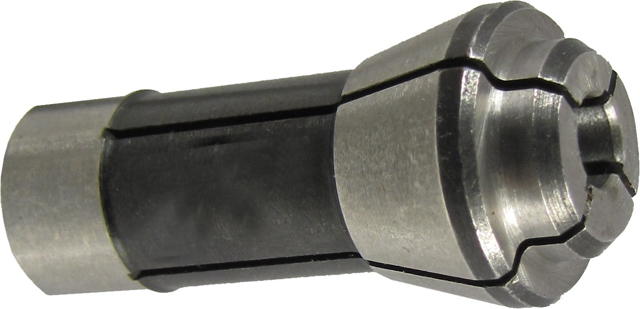
- Spindle: The element on which grinding wheels or cutters are mounted.
- Housing: Usually ergonomic, reducing vibrations and providing work comfort.
- Speed regulator: Allows for adjustment of the motor's rotational speed, which is important for different materials and tasks.
- Air inlet: The connection point for the compressed air supply hose.
- Air outlet: Often located at the rear of the grinder, it can be used for cooling the tool or removing dust.
Operating principle:
- Compressed air is supplied to the grinder.
- It passes through the speed regulator, which controls the airflow intensity.
- The air drives the pneumatic motor, causing the spindle to rotate.
- A grinding tool or cutter is mounted on the spindle, which processes the material.
- The rotational speed is adjustable, allowing the work to be tailored to the specific material and task.
Applications of pneumatic spindle grinders:
- Metalworking, including deburring, grinding welds, polishing.
- Work in hard-to-reach places, e.g., in channels, holes, recesses.
- Precision work, such as engraving, modeling, jewelry making.
- Furniture restoration, processing decorative details.
- Work with castings, molds, injection molds.
Advantages of pneumatic spindle grinders:
- High precision and control over the machining process.
- High power and efficiency, especially for machining hard materials.
- Resistance to overloads and working conditions.
- Ergonomic shape and vibration reduction, contributing to work comfort.
- Application in many industries, from manufacturing to crafts.
Criteria for choosing a pneumatic spindle grinder:
Criteria for selecting a pneumatic spindle grinder include power, rotational speed, type and size of the spindle, design (straight, angled, extended), ergonomics, and compressor requirements (pressure and airflow). It is also important to match the grinder to the type of material being processed and the work being performed.
Detailed criteria:
- Power and rotational speed:
The choice of power depends on the type of material being processed and the precision of the work. Higher power usually means larger grinder dimensions. The rotational speed should be adjusted to the type of grinding tool (e.g., disc, cutter) and material to avoid exceeding the maximum allowable speed.
- Type and size of the spindle:
Spindle grinders use grinding wheels and cutters with a spindle diameter typically of 3-6 mm.
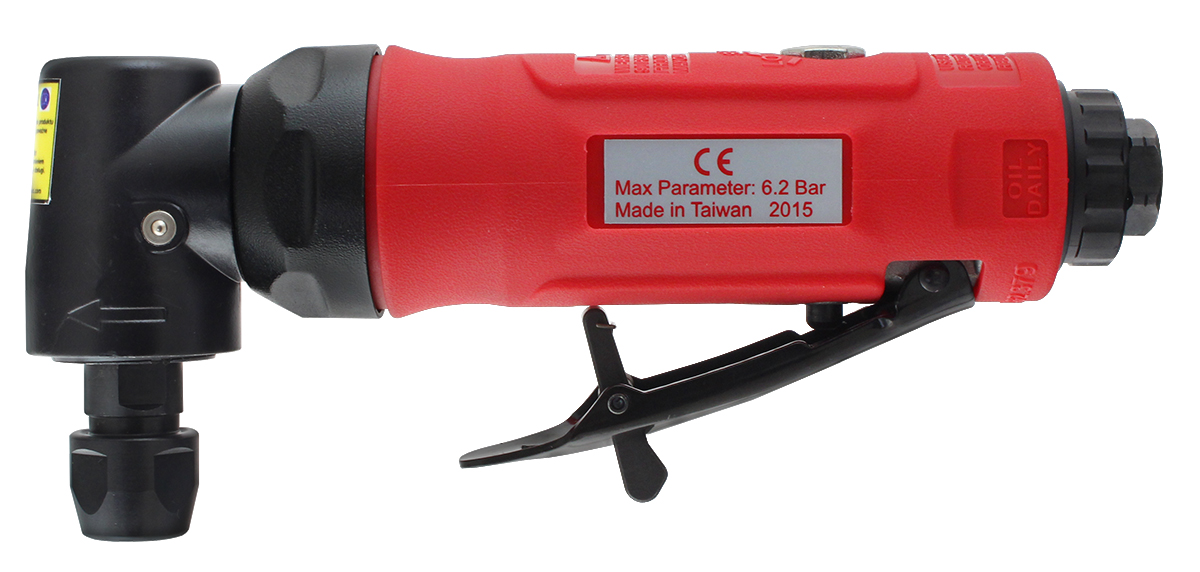
The choice between a straight, angled, or extended grinder depends on the availability of space and the difficulty of the workpiece. Angled grinders allow for work in hard-to-reach places.
A comfortable handle, vibration and noise reduction increase work comfort.
The grinder should be matched to the compressor parameters, paying attention to pressure (usually 6.3 bar) and airflow (CFM or LPM).
Spindle grinders are used for processing welds, castings, molds, injection molds, as well as for removing corrosion and edge processing. They are useful in service centers, workshops, and also in restoration and modeling work.