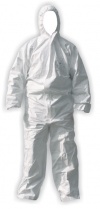
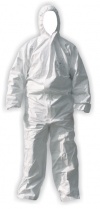
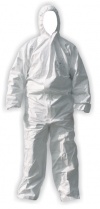
Painting overalls are specialized protective clothing designed for individuals working in professions related to painting and coating. Their main purpose is to protect the body from the harmful effects of chemicals, dust, paints, and varnishes, as well as to ensure comfort while working in difficult conditions.
Types of painting overalls:
Made from lightweight materials, intended for short-term use, e.g., during specific painting tasks. They provide protection against dust and chemicals and are disposed of after use.
Made from more durable materials, such as Tyvek or nylon, which provide higher resistance to damage and are intended for multiple washes and uses.
Provide additional protection for the head and neck, particularly useful in areas where there is a risk of contact with dust and chemicals.
Prevent the attraction of dust and contaminants, which is important in precision painting tasks.
Provide high breathability, which is essential during prolonged work, while also protecting against liquid and dust penetration.
Painting overalls should meet specific safety standards, such as CE III and EN 1149-5, as well as standards for protection against dust (Type 5) and limited liquid spray (Type 6).
Additional features of painting overalls:
- Comfort and freedom of movement:
Overalls should be ergonomically designed to not restrict the worker's movements while performing tasks.
Provide protection against the ingress of chemicals under the overall.
An important feature of overalls intended for prolonged work, preventing overheating and sweating.
Reusable overalls should be easy to wash and disinfect.
In addition to overalls, other protective clothing items used in painting include:
- Protective masks: Protect the respiratory tract from inhaling harmful substances.
- Safety glasses: Protect the eyes from dust, splashes, and chemicals.
- Protective gloves: Protect the hands from contact with chemicals and mechanical damage.
- Safety shoes: Provide foot protection against injuries and chemicals.
The choice of the appropriate painting overall depends on the specifics of the work being performed, the types of substances used, and the individual preferences of the worker.