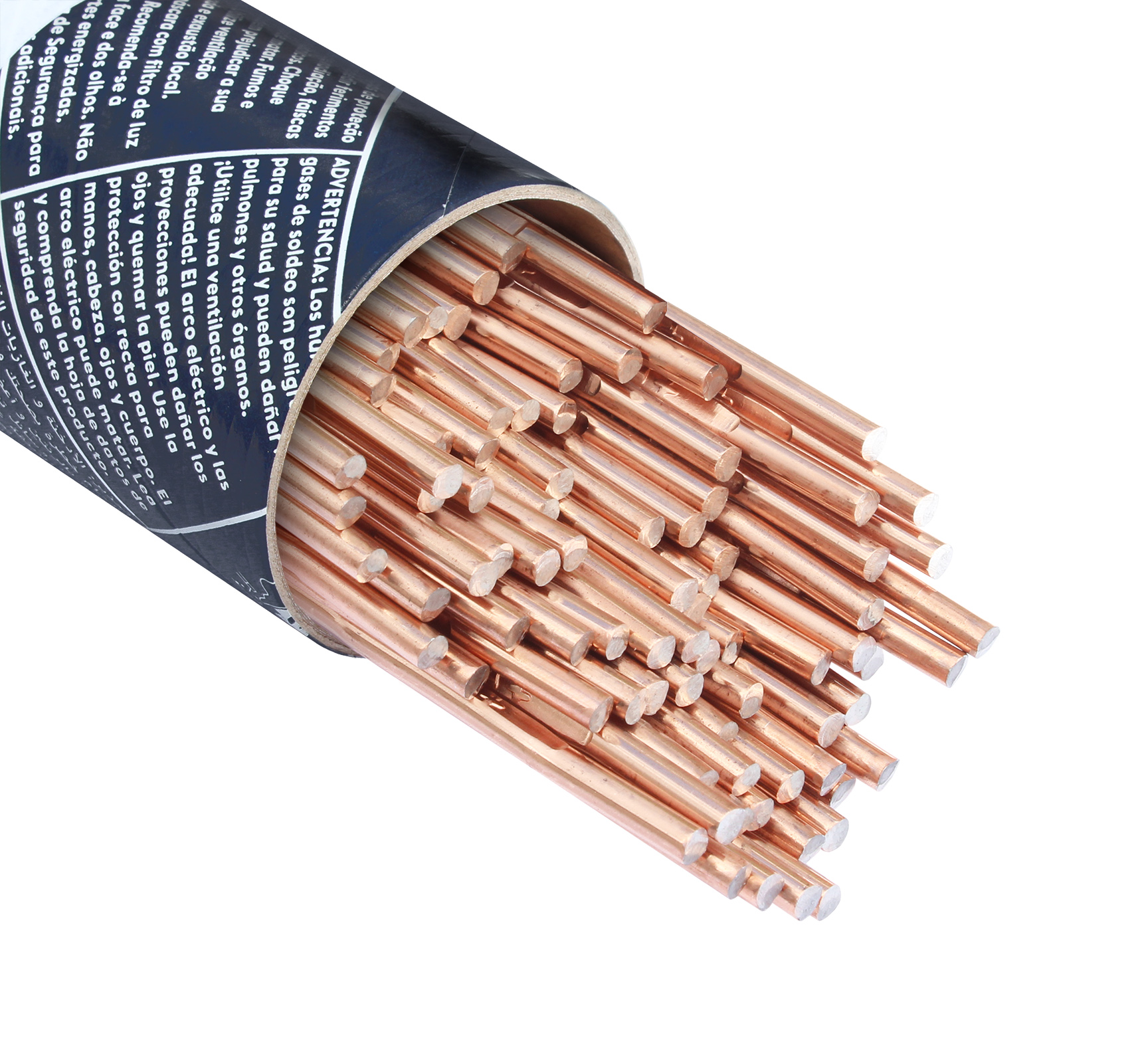
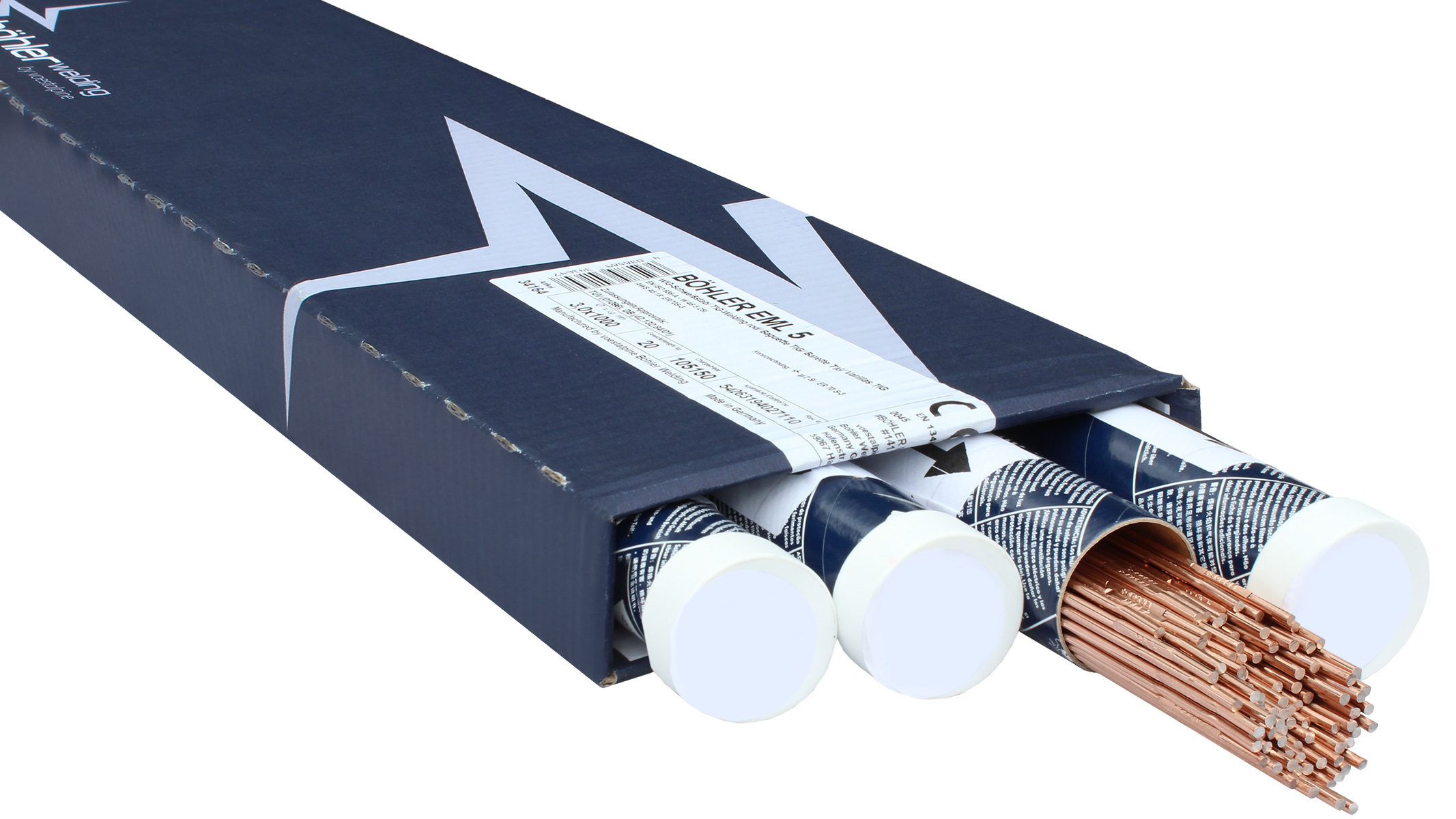
TIG welding rods with a diameter of 3.0 mm are used for precise welding, and their types depend on the material being joined. They are used for welding carbon steel, stainless steel, high-alloy steel, aluminum, and nickel and copper alloys in industries that require high quality and aesthetics of welds.
Types of 3.0mm TIG rods by material
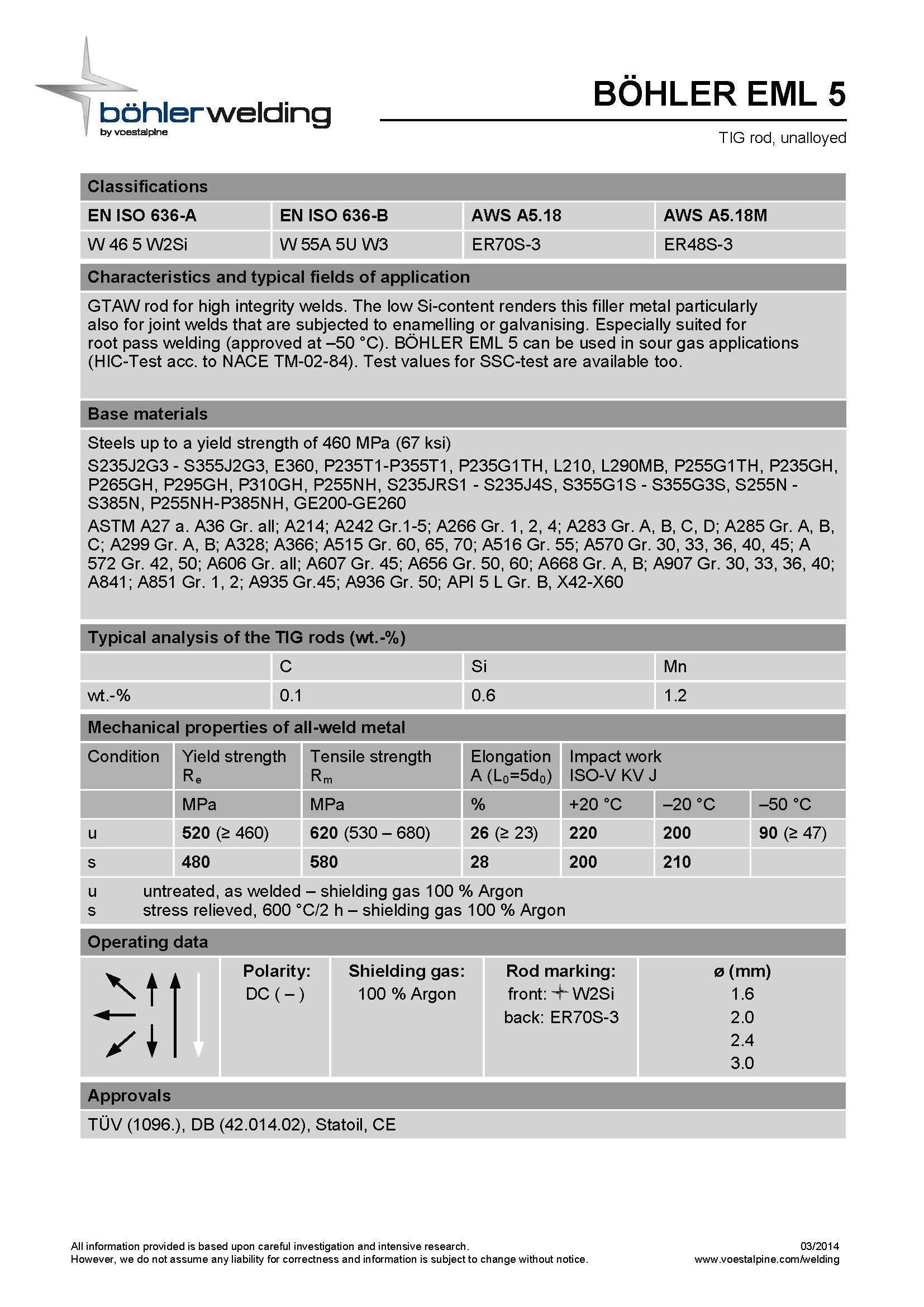
- Carbon and low-alloy steel: Standard rods for welding structural and mild steels.
- High-alloy and heat-resistant steel: Rods for welding stainless, acid-resistant, and heat-resistant steels.
- High-strength steels: Designed for welding HSLA and structural steels when high tensile strength and impact resistance are required.
- Aluminum alloys: Special rods for welding aluminum alloys, tailored to their specific properties.
- Nickel and copper alloys: Rods for welding non-ferrous metals, such as nickel and copper alloys.
What are 3.0 mm TIG rods used for
- Precision: The appropriate dimension allows for precise filling of the weld when welding thicker components.
- Strength: Using rods made from the right material ensures that the weld strength is comparable to the base material.
- Aesthetics: The TIG method using rods allows for aesthetic and smooth welds, which is crucial in many applications.
- Aerospace and automotive industries: Welding engine components, exhaust systems, or frames where high quality and strength are required.
- Medical equipment: Production of medical instruments and devices that must be sterile and durable.
- Food industry: Welding of corrosion-resistant and easy-to-clean pipelines and cups.
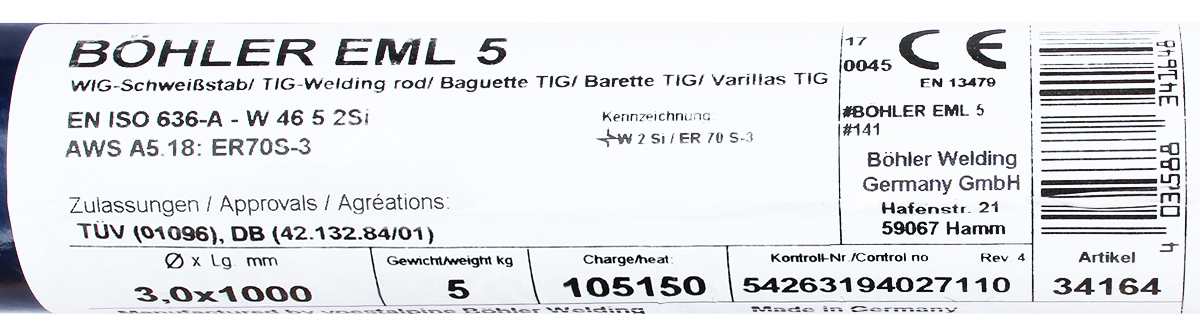
Check the manufacturer's recommendations on the packaging or in the instructions to select the appropriate parameters.