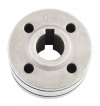
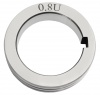
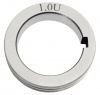
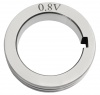
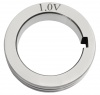
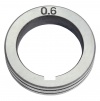
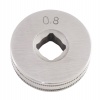
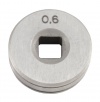
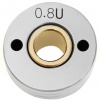
Wire feeder rollers in MIG/MAG welders serve to feed the welding wire smoothly and precisely towards the welding arc. They grip the wire and ensure its stable movement through the torch, which is crucial for continuity, stability and weld quality. Different types of rollers, with V- or U-shaped grooves, are designed for use with different kinds of wire, such as steel or aluminium.
Main functions of wire feeder rollers:
- Wire drive: The rollers are connected to the wire feeder mechanism, which controls their rotation, driving the wire towards the torch.
- Stabilization and guidance: They press the wire, ensuring its stable and correct guidance through the holder, preventing it from slipping or deforming.
- Material adjustment: There are different roller profiles (e.g., V for steel, U for aluminum) selected depending on the type of wire to ensure proper holding and feeding of the material.
- Control of wire feeding speed: The rollers are an integral part of the feeder mechanism, allowing precise adjustment of the speed at which the wire is fed.
Types of wire feeder rollers:
The types of wire feeder rollers for MIG/MAG are primarily type V (for steel and stainless steel wire), type U (for aluminum wire), and type R knurled (for flux-cored/self-shielding wire). They differ in the shape of the groove, which must match the diameter and type of welding wire to ensure smooth, undistorted feeding.
- Type V rollers: They have a groove shaped like the letter "V". They are designed for harder wires, such as steel or stainless steel, which are less prone to dents.
- Type U rollers: They have a groove shaped like the letter "U". They are used for feeding aluminum wires and other soft wires that are more easily deformed.
- Type R knurled rollers: They feature a special knurled groove that torches the wire well. They are used for feeding core wires (flux-cored), which require proper guidance and cannot be deformed to maintain their properties.
What to consider when choosing a wire feeder roller:
- Type and material of the wire: The shape of the groove must match the type of wire (steel, aluminum, flux-cored).
- Wire diameter: Each roller is designed for a specific wire diameter or range of diameters. You should choose a roller with the appropriate groove size to ensure proper wire guidance.
Why are they important?
- Continuity and stability of the process: They ensure continuous delivery of wire, which is essential for creating a uniform and stable weld.
- Welding quality: Proper functioning of the rollers directly affects the quality of the weld, as it prevents wire feeding issues that could lead to defects.
- Preventing wire damage: Special roller profiles and proper tension settings prevent wire deformation, which is particularly important when feeding delicate materials like aluminum wire.
We invite you to shop at our store! We offer a full range of products for welding enthusiasts and professionals, both for workshop work and home projects. With us, your welding will become even more efficient and comfortable!