Air Pollution
Compressed air treatment ensures the quality required in production processes. The air around us contains solid pollutants, plant spores, or water vapor, and it may also contain condensate and oil particles escaping from the compressor or already present in the pneumatic system.
The air supplied to the compressor, despite passing through the intake filter, is still contaminated, and the process of compressing the air and increasing its pressure only increases the concentration of these pollutants in a unit volume of air.
Due to the fact that there is a large amount of pollutants in compressed air, the compressed air should be filtered and dried before being delivered further to the pneumatic installation and pneumatic devices, thus achieving the appropriate quality.
Typical Contaminants in Compressed Air
Compressed air can contain various contaminants, including moisture, oil particles, dirt, and others. These contaminants can negatively affect the performance and lifespan of the compressed air system and its receivers such as pneumatic tools, machines, spray guns, and others. Appropriate compressed air treatment devices remove these contaminants and ensure the proper quality of air reaching various applications.
What Types of Air Treatment Are Available?
Check the list below for various air treatment solutions:
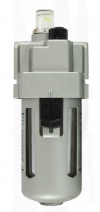
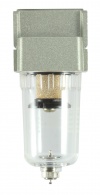
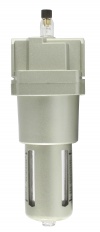
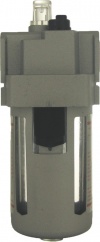
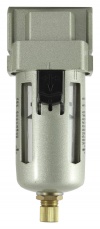
- Line filters: primarily used to remove rust, scale, dirt, and other solid particles. Solid particle filters are very versatile and can be used in both lubricated and non-lubricated compressors. They are often used to filter air before and after entering and exiting the compressor.
- Dryers: Remove moisture from compressed air. Various types of dryers are available, depending on the application and needs. Generally, the main types of air dryers are refrigerant dryers and adsorption dryers.
- Air/Oil Separator: A device in the compressor that separates oil from the oil-air mixture compressed in the compressor. This is essential for maintaining the cleanliness and safety of the air.
- Condensate drains: Collect and discharge liquids from aftercoolers, separators, cups, dryers, filters, and condensate drains. These drains prevent moisture accumulation in the system and causing damage.
Selection of Compressed Air Treatment Devices
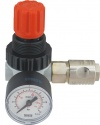
All compressed air treatment devices are selected based on the performance size of the compressor and operating conditions, such as ambient temperature ranges, temperature of the compressed air leaving the compressor, and working pressure.
Incorrect selection leads to certain damage to pneumatic devices. Solid particles, moisture, oil, and all contamination that is not captured by the separation, filtration, and drying system, and enters the installation with the compressed air, can cause malfunctions of pneumatic devices. The same will happen in the case of neglect, for example, of the filter element when it becomes contaminated by particles and additionally causes the compressed air pressure in the installation to drop.
Methods of Air Treatment
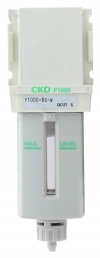
Water separators are used to remove moisture from the supply air. They ensure the flow of dry air through hoses and tools, preventing equipment damage caused by moisture.
Air compressor filters are used to remove contaminants such as oil, dirt, and other solid particles from the air stream. Depending on the application, specialized filters may be needed to meet specific cleanliness requirements, such as coalescing oil filters and activated carbon filters.
Compressed air dryers remove excess moisture from the air stream, preventing damage to receivers. Different types of dryers offer varying degrees of dew point performance, and selecting the appropriate dryer for a specific application is crucial for achieving optimal performance.
Regular Maintenance of Air Treatment Devices
Regular maintenance of air treatment devices is essential for ensuring the durability and efficiency of the compressed air system. To maintain their effectiveness, air filters should be regularly cleaned and replaced. Proper maintenance helps prevent damage to devices, improves air quality, and maintains the overall efficiency of the system.
Disposal of Compressed Air Contaminants
All contaminants contained in compressed air collected in the form of condensate are subject to disposal. Condensate is mainly water precipitated from moisture in the air and about 5% solid particles and oil from the lubrication system when operating an oil-lubricated compressor. Its treatment before disposal is partly mandated by applicable regulations and partly by economics, as the disposal cost depends on the volume of liquid sent for disposal (and after all, 95% of the volume is water, which can be disposed of in the available sewage system in the facility).
The use of an oil-water separator allows for the separation of oil from water before the condensate is disposed of.