Construction and operation of a pneumatic glass cutter:
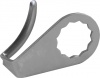
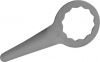
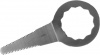
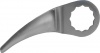
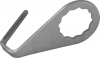
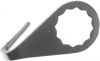
It consists of a blade (which can be straight or of a special shape) and a drive mechanism that puts the blade into oscillating motion.
Typically, it is a pneumatic motor that generates the reciprocating motion of the blade using compressed air.
The cutter requires connection to a compressor that supplies compressed air at the appropriate pressure (usually 6-6.3 bar).
Many models have speed adjustment for oscillation, allowing the tool's operation to be tailored to different types of glass and adhesives.
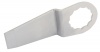
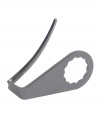
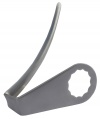
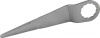
Depending on the model, cutters can be equipped with various types and shapes of blades, adapted to different applications and types of glass.
Advantages of using pneumatic glass cutters:
They enable precise and controlled cutting, minimizing the risk of damaging the glass and the bodywork.
They allow for quick and effective removal of glass, which translates into time savings and increased work efficiency.
Thanks to precise cutting, they minimize the risk of operator injury and vehicle damage.
Versatility:
Various models of cutters and blades are available, allowing work with different types of glass and adhesives.
They are used both in industrial plants and by professional service providers engaged in glass replacement.