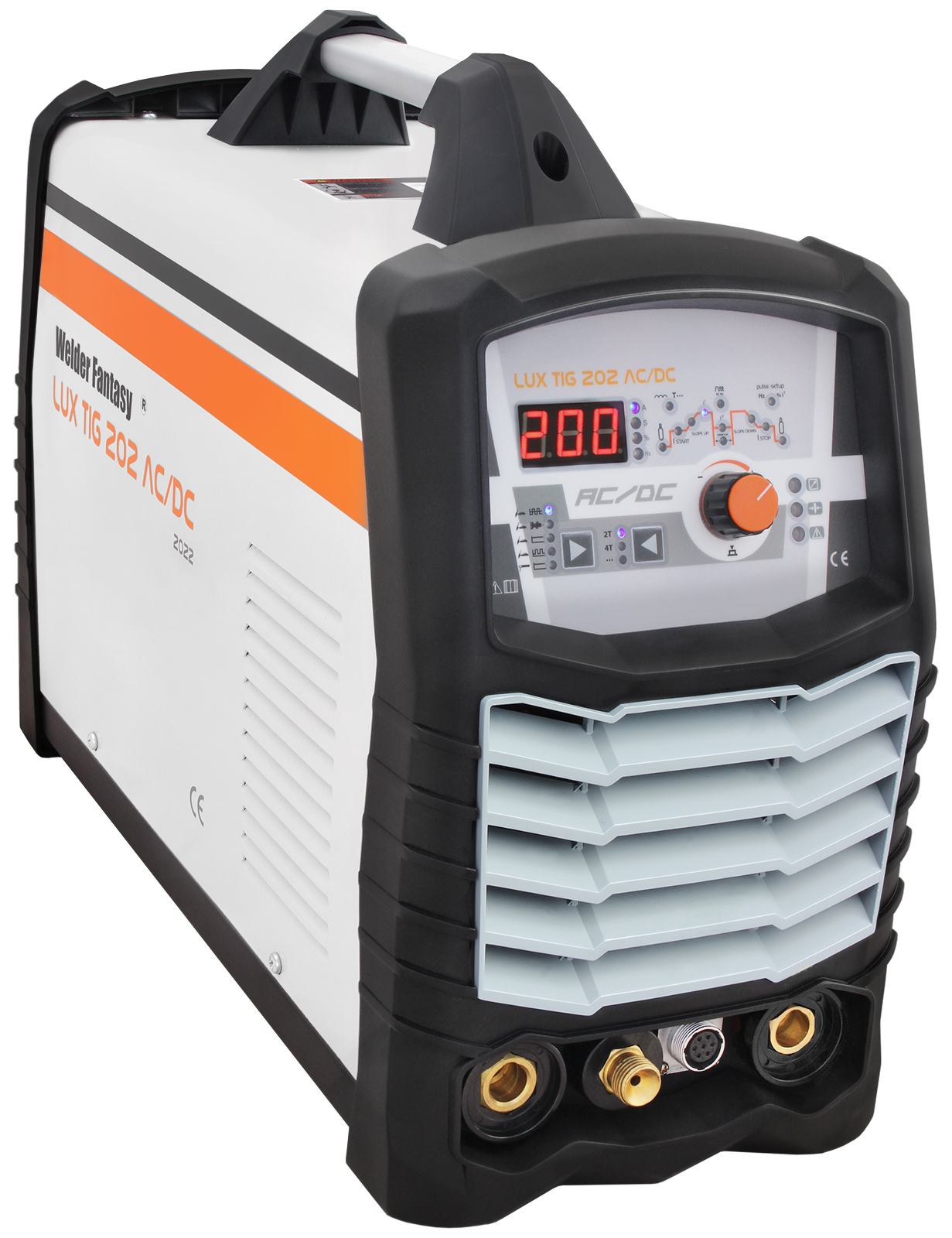
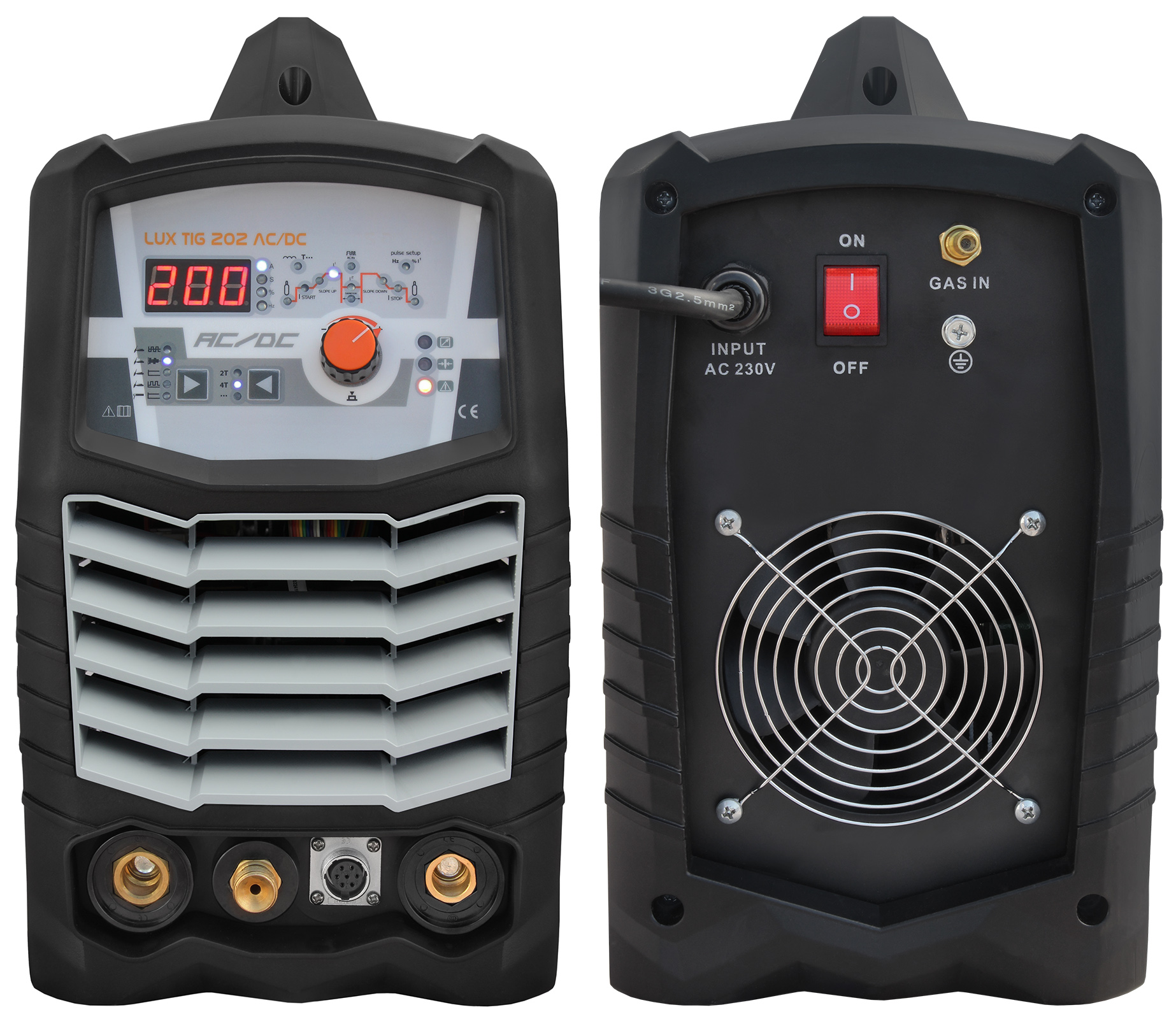
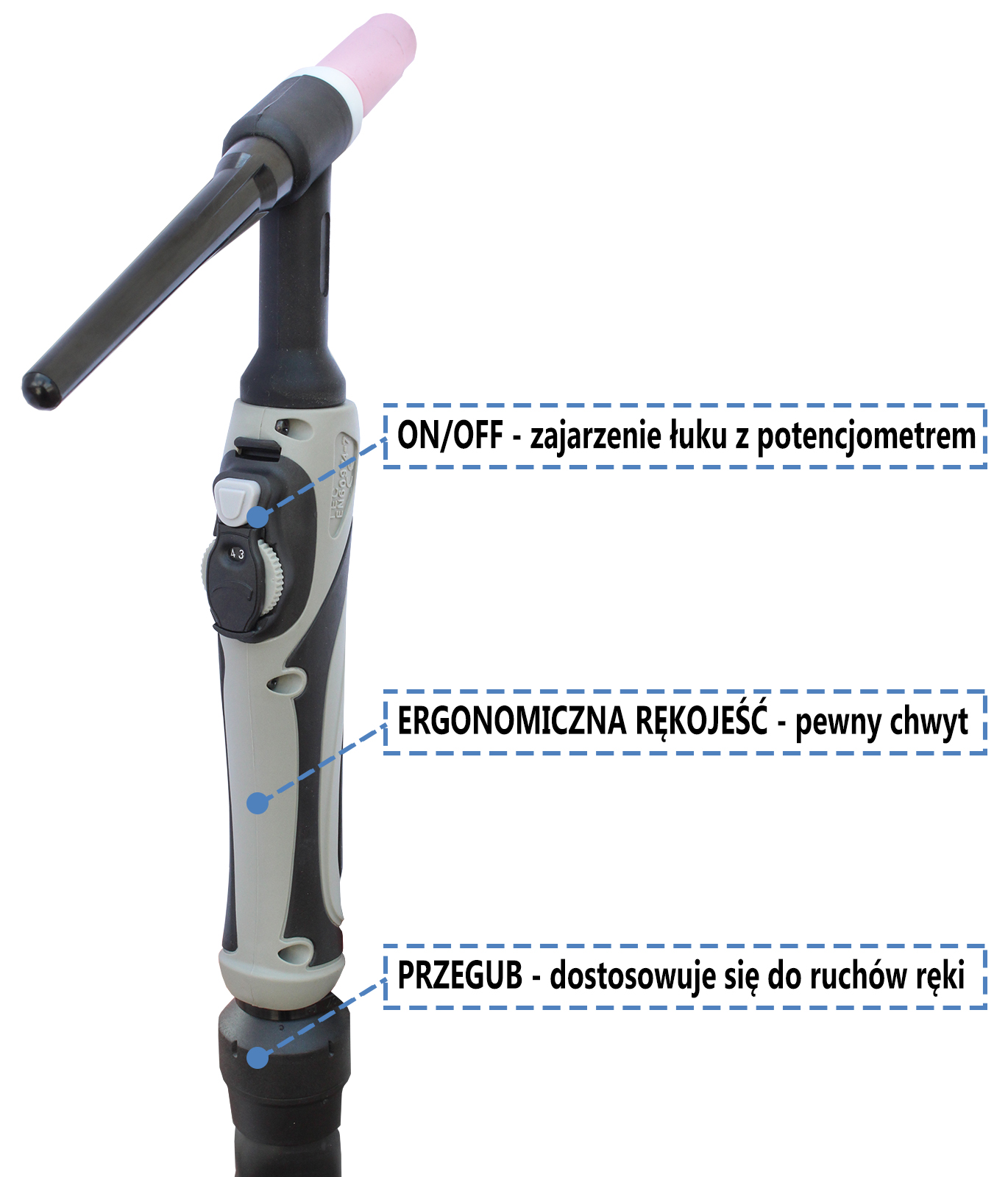
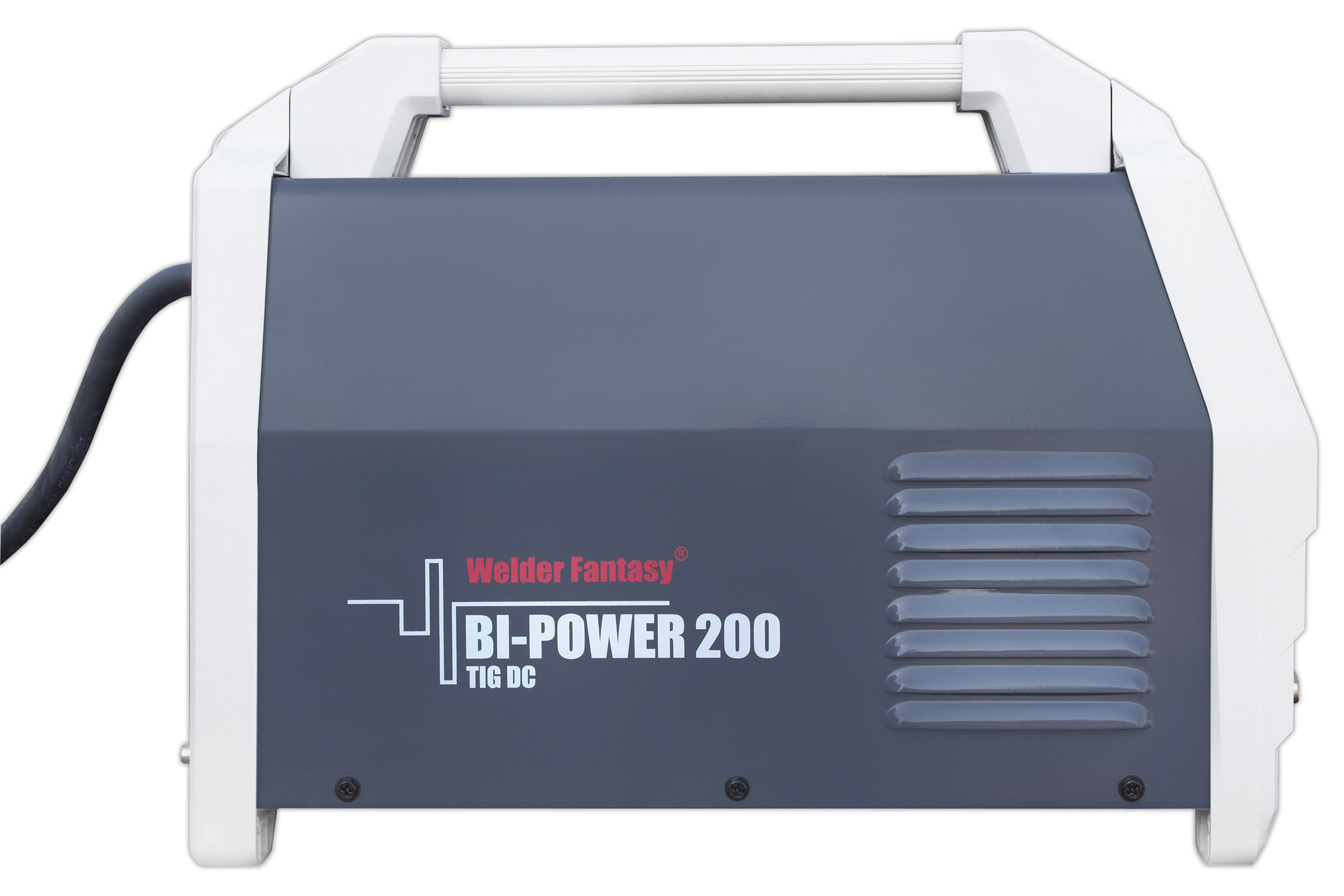
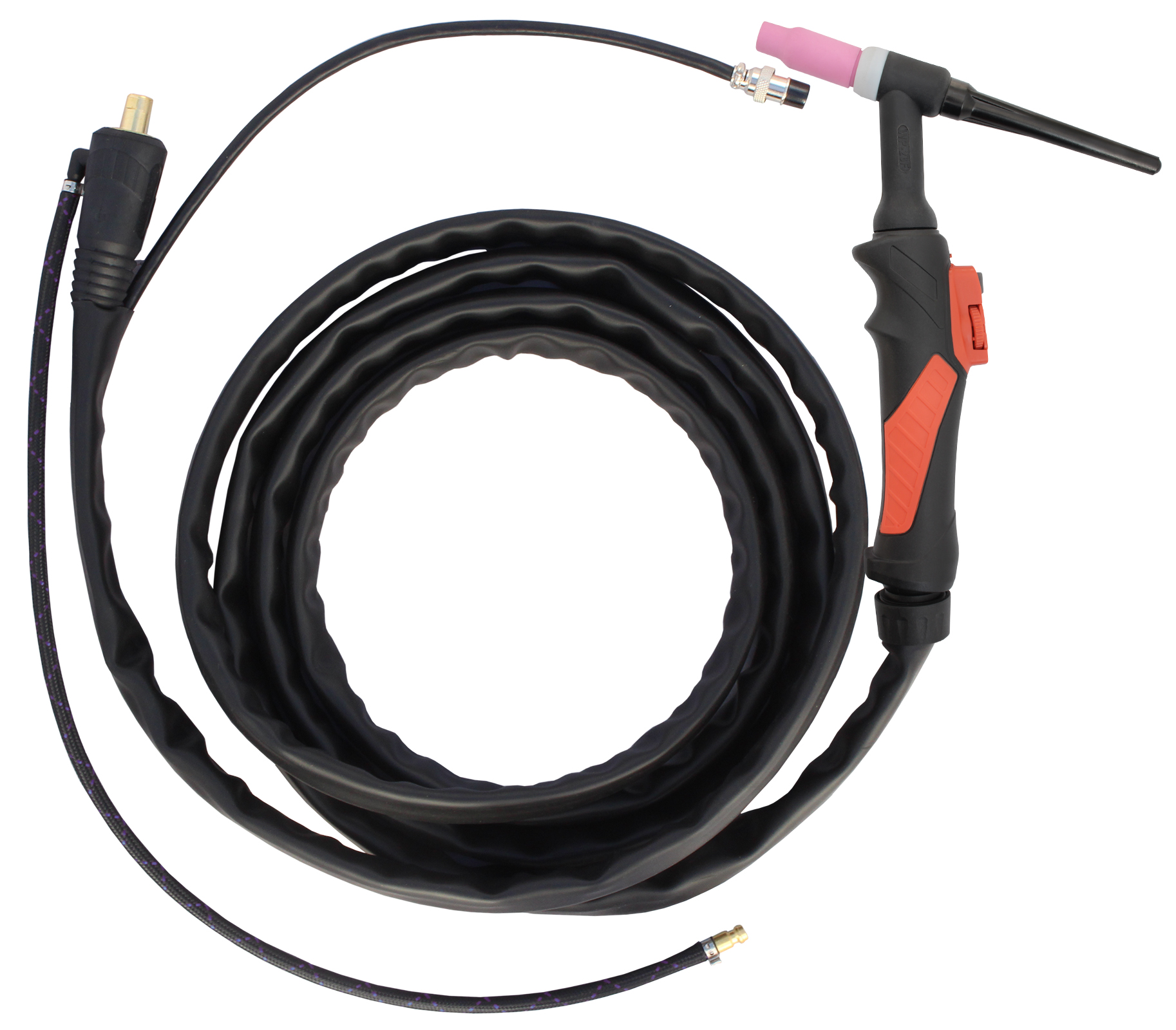
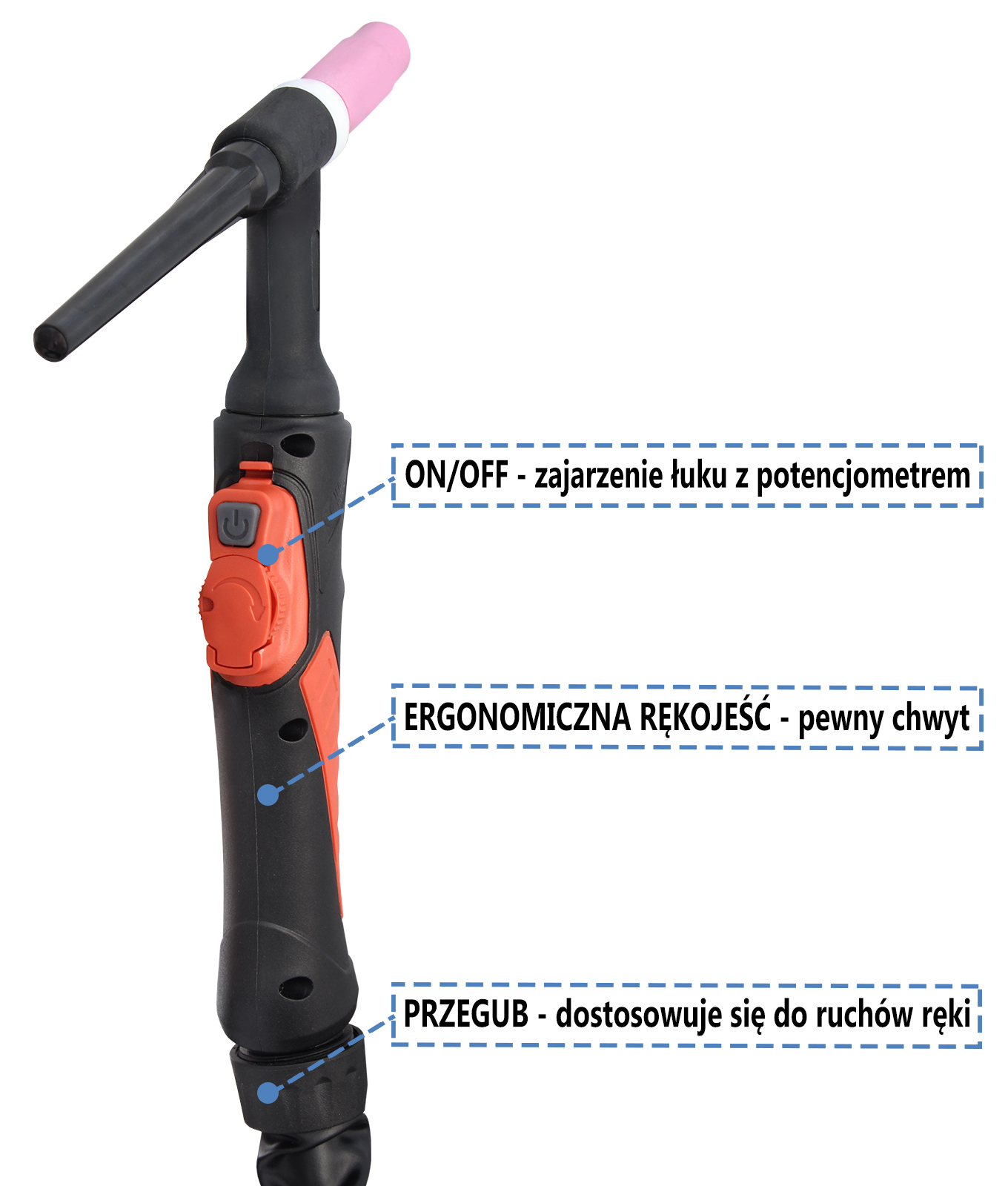
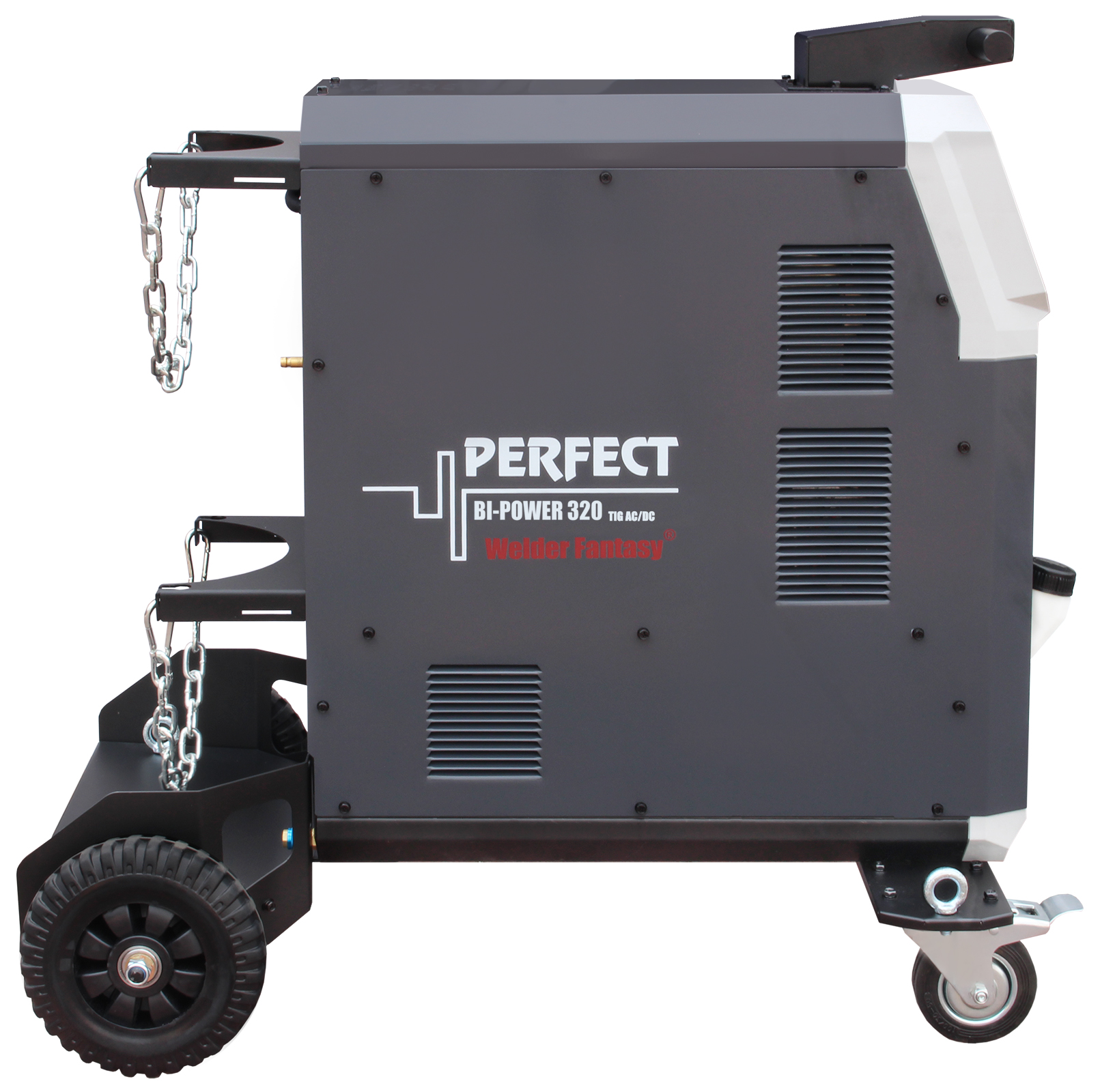
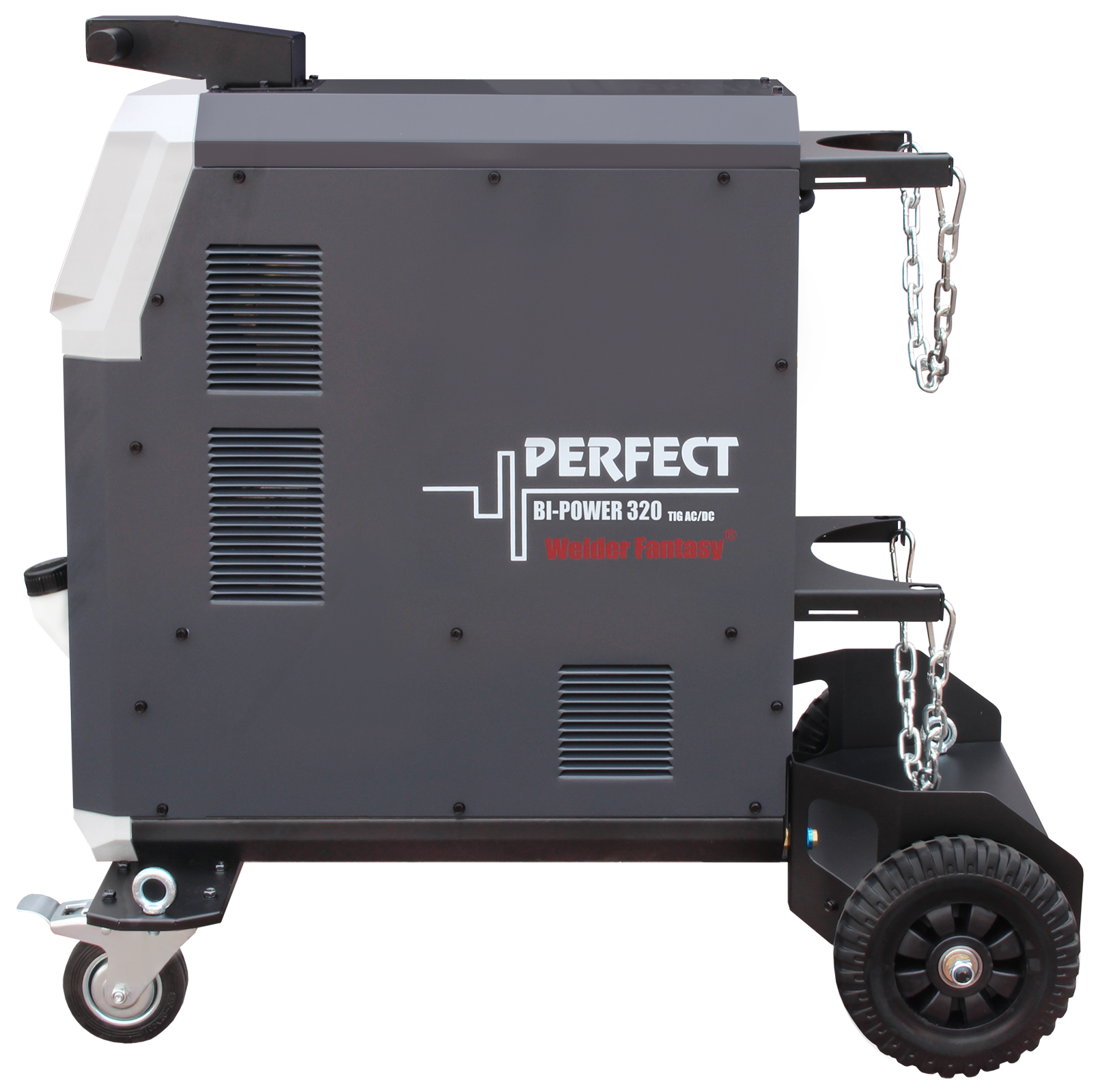
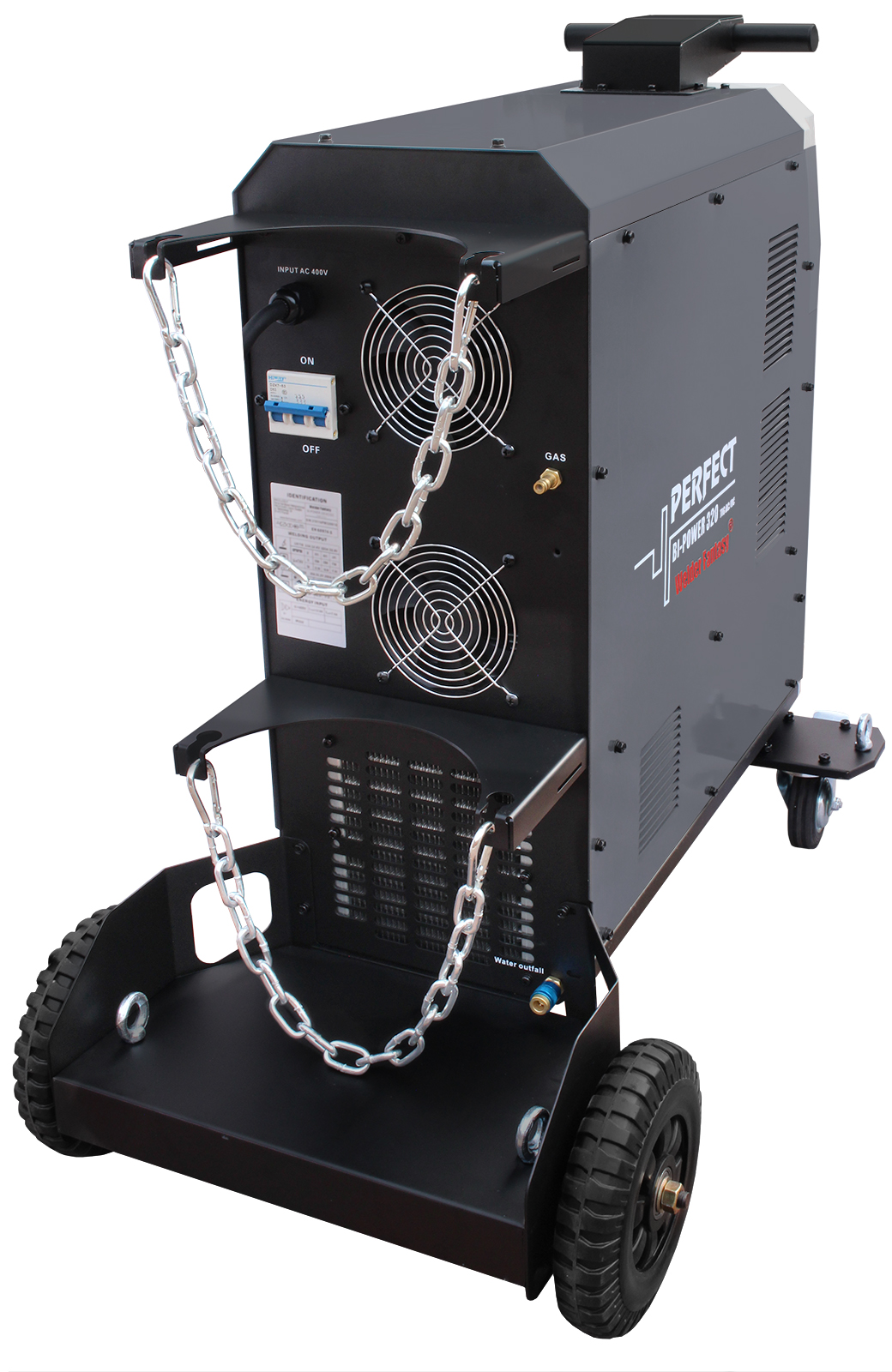
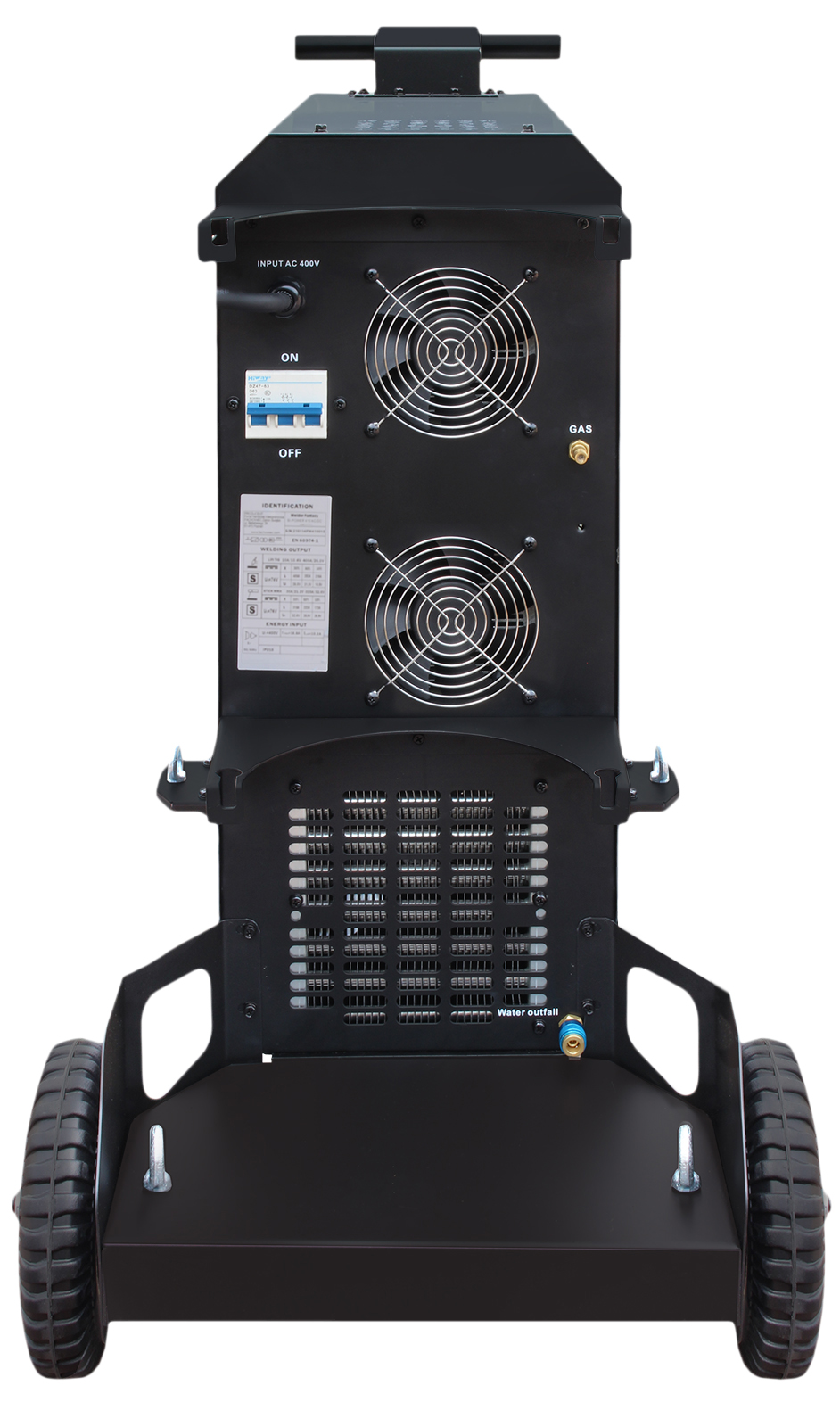
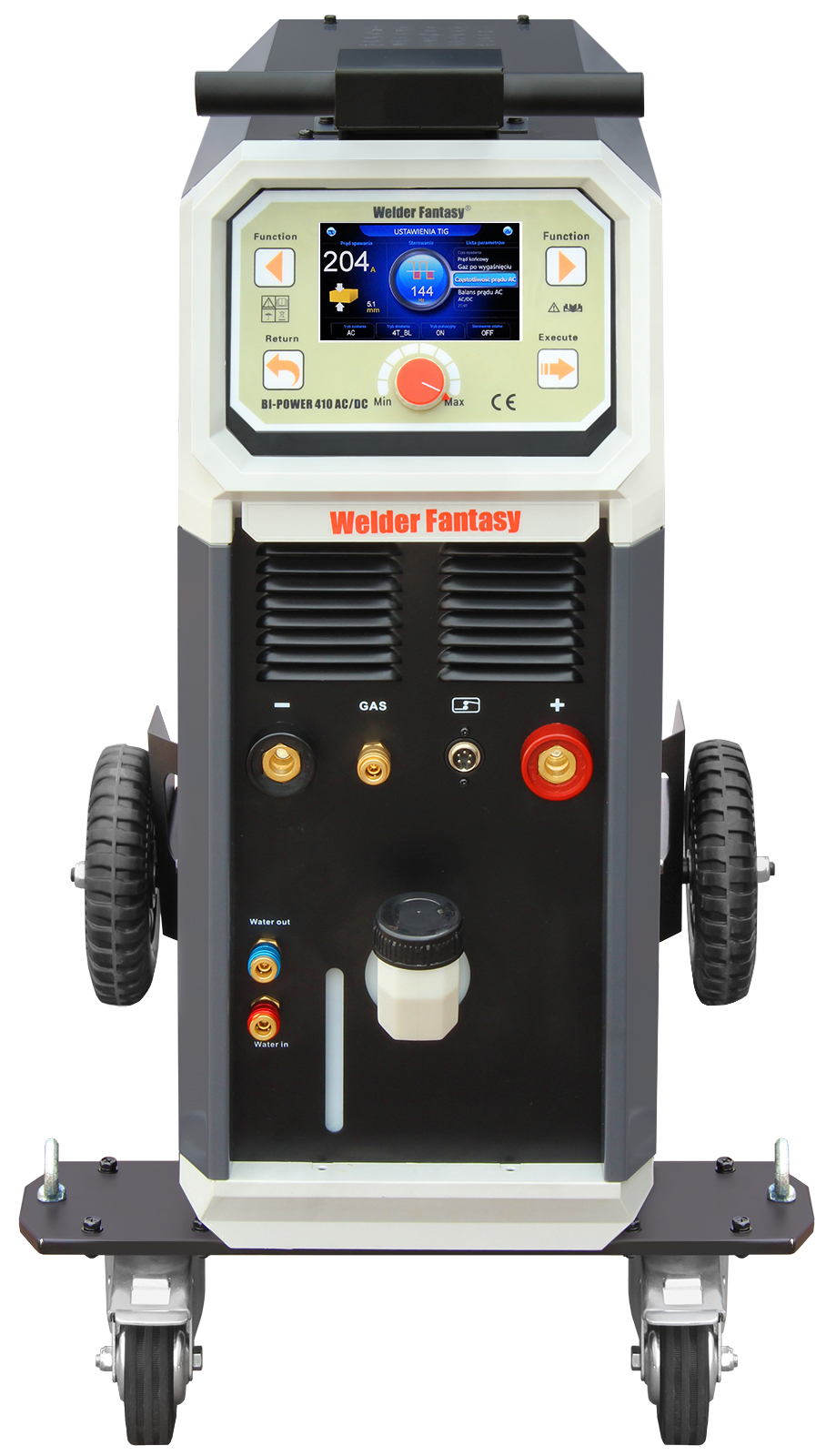
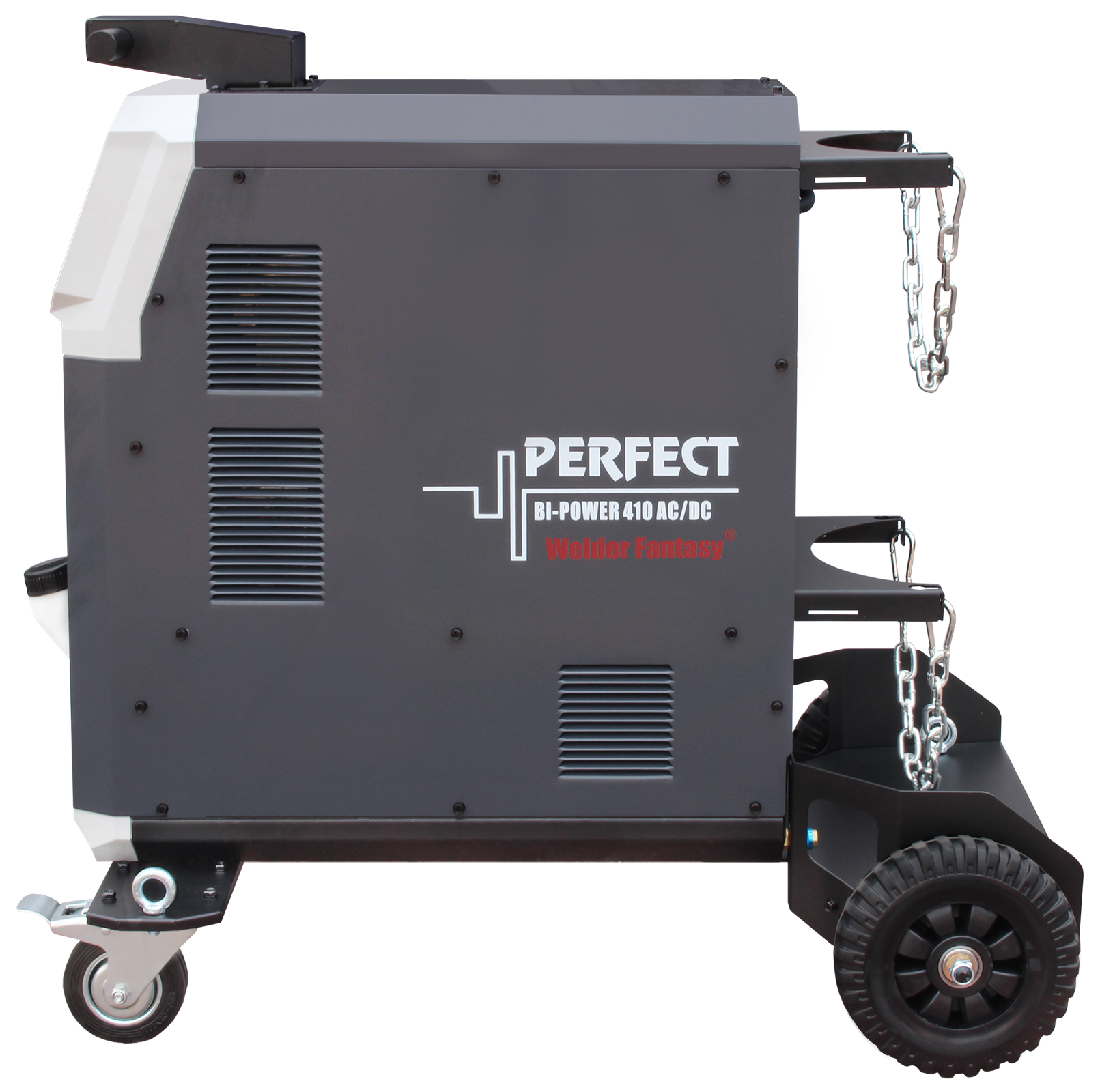
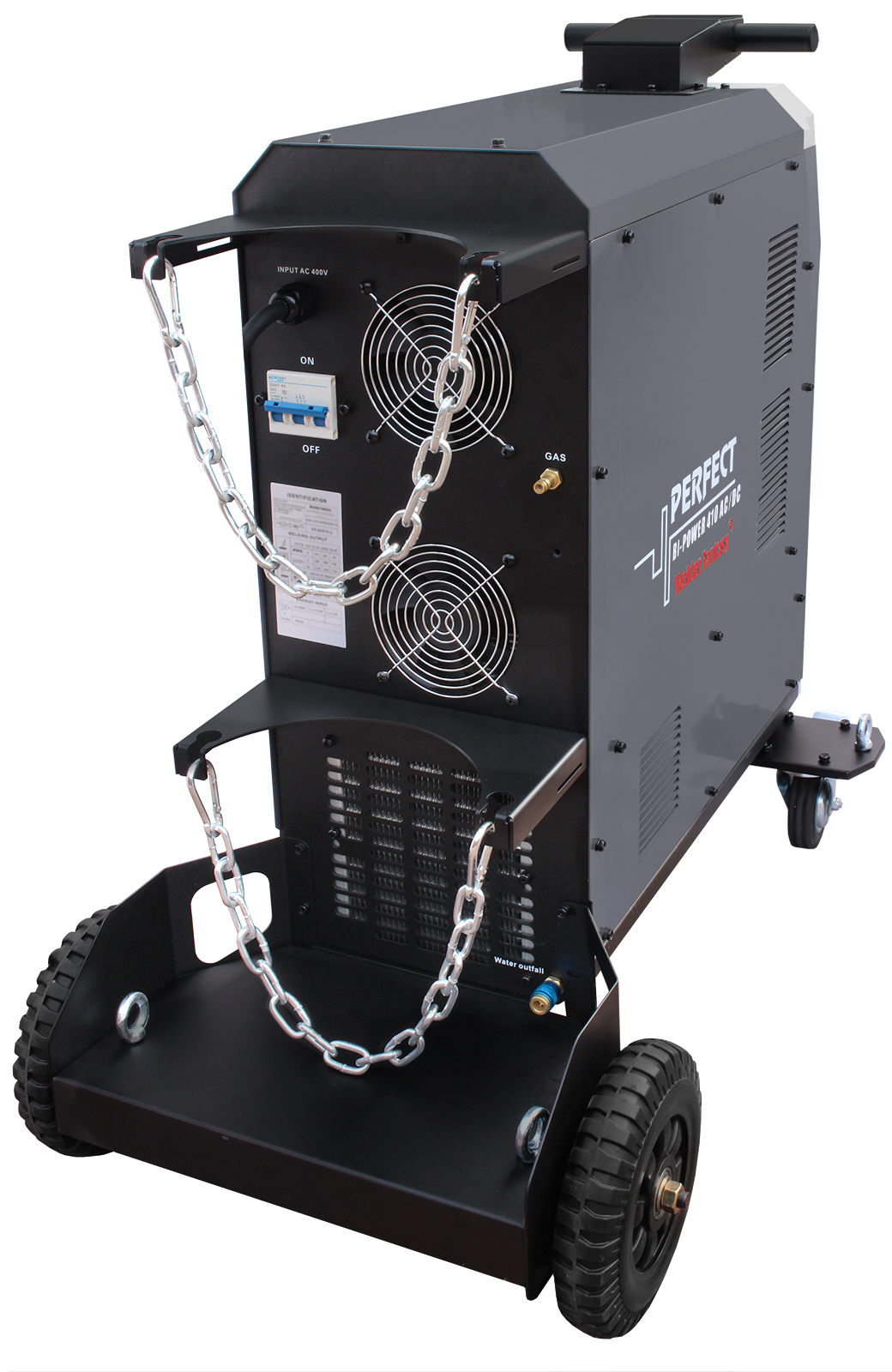
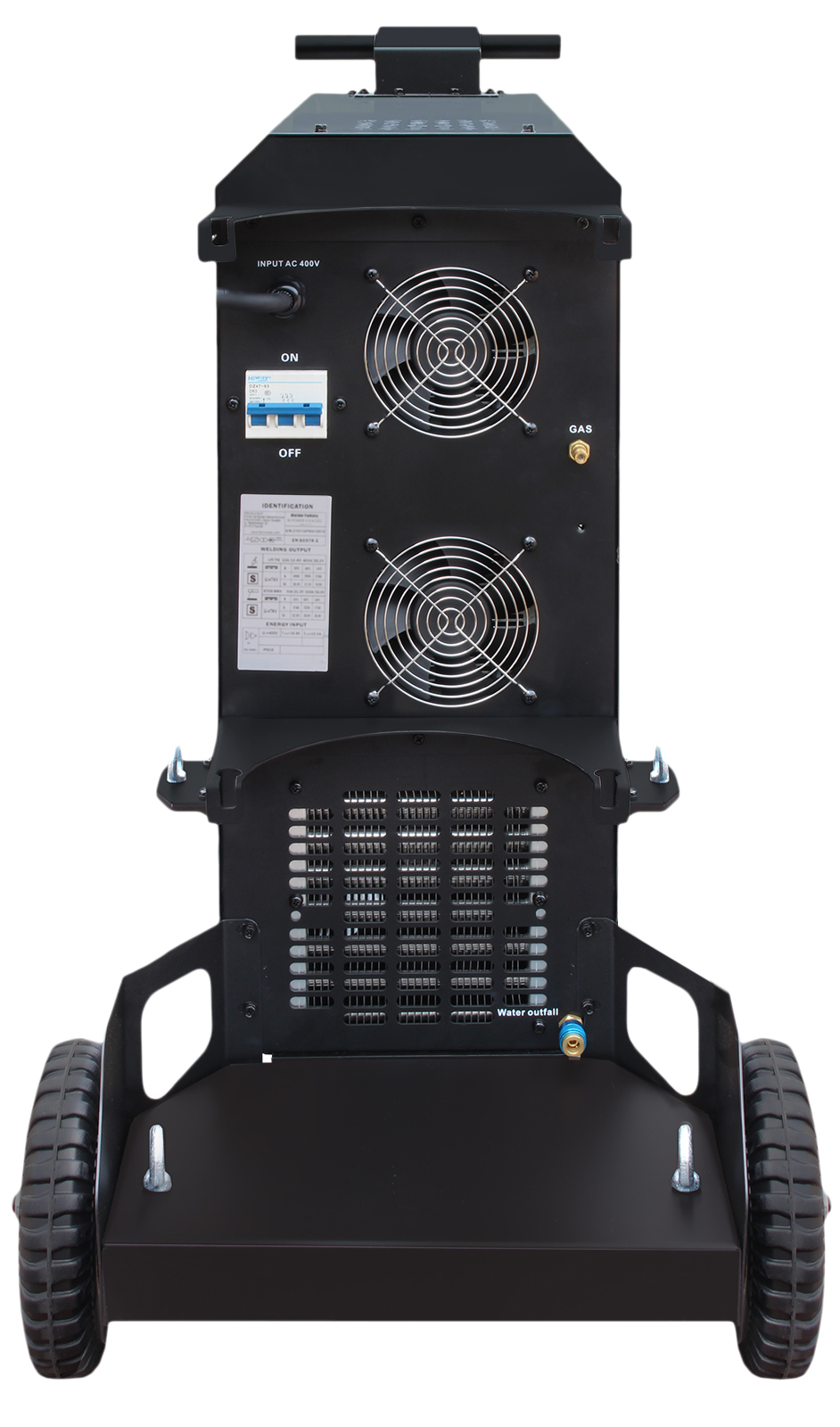
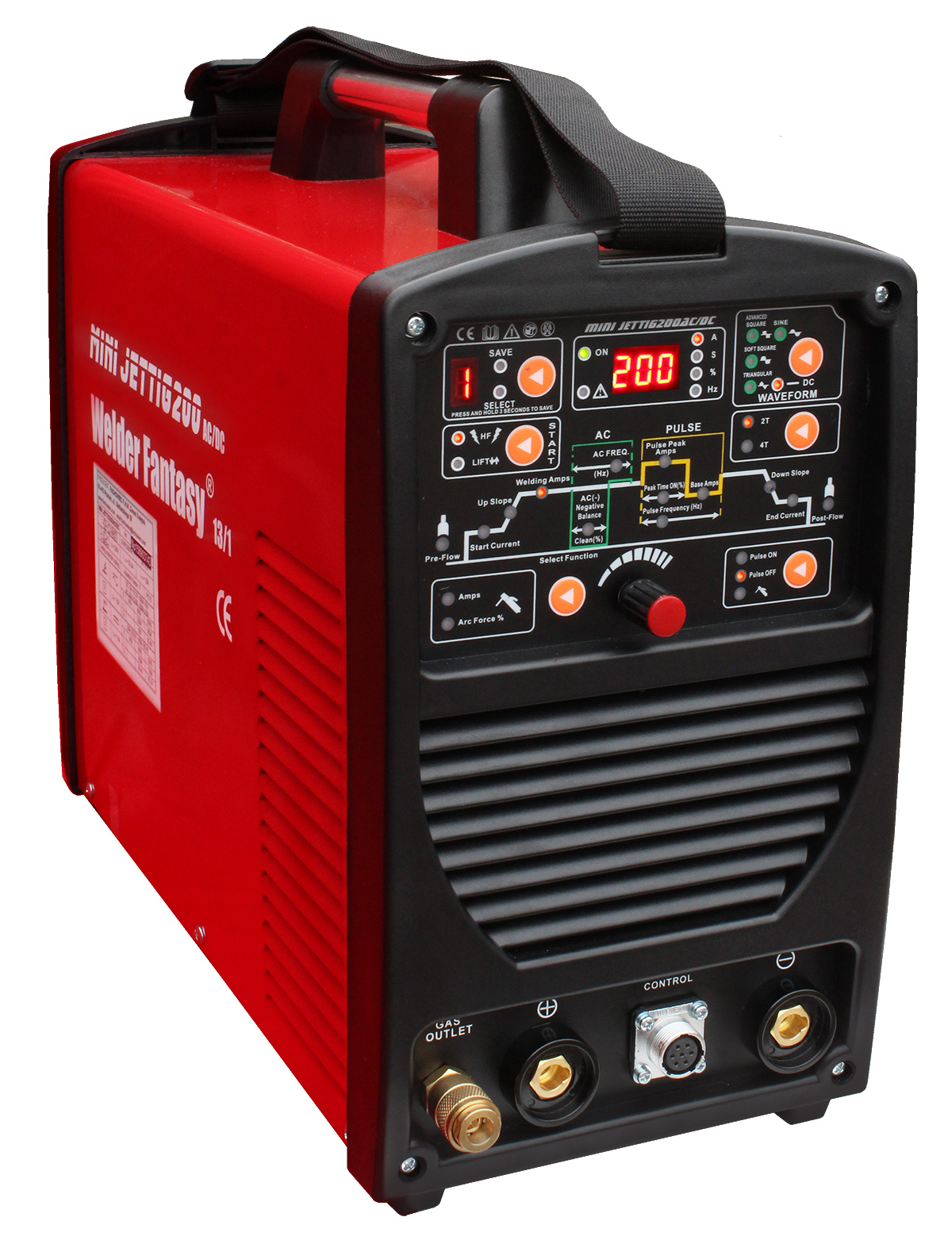
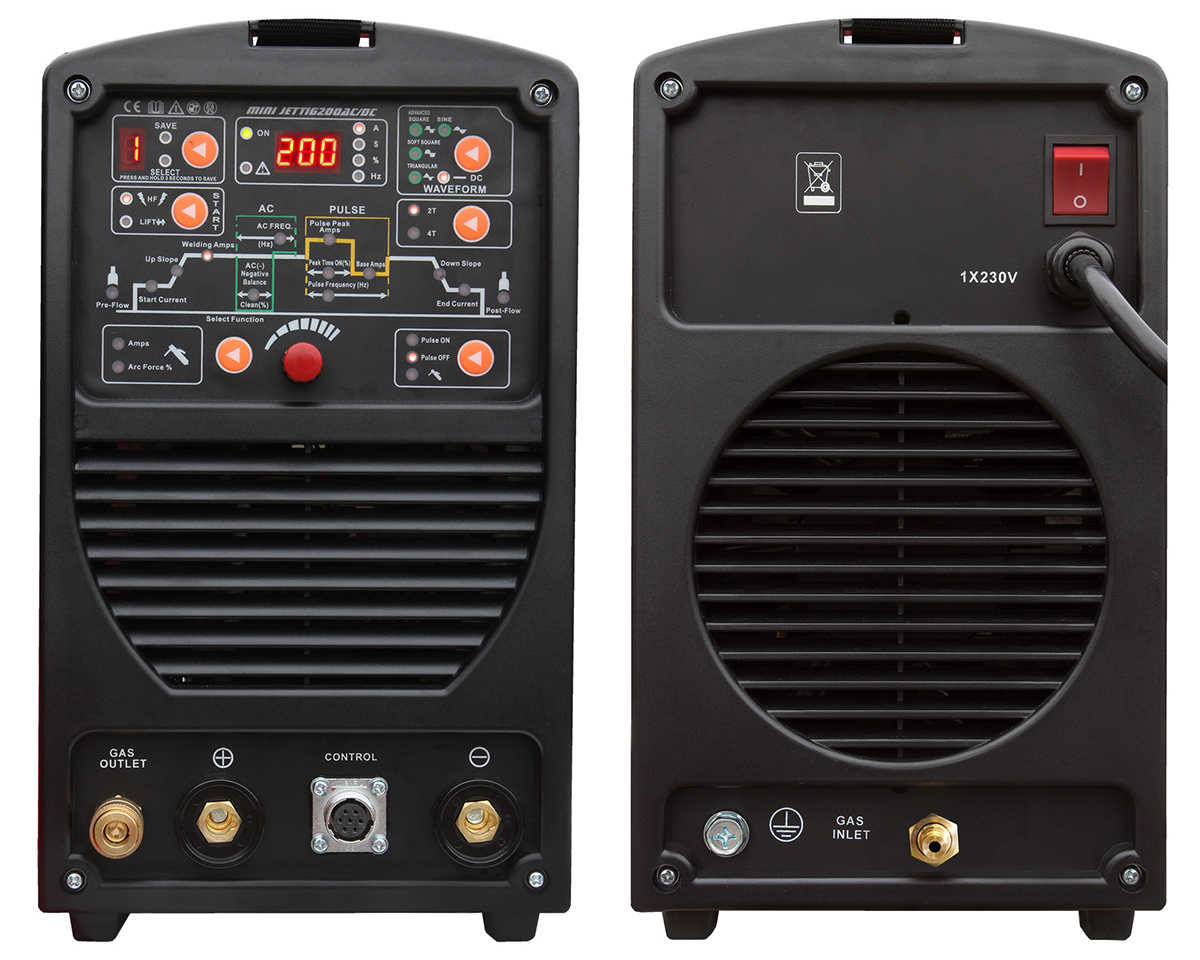
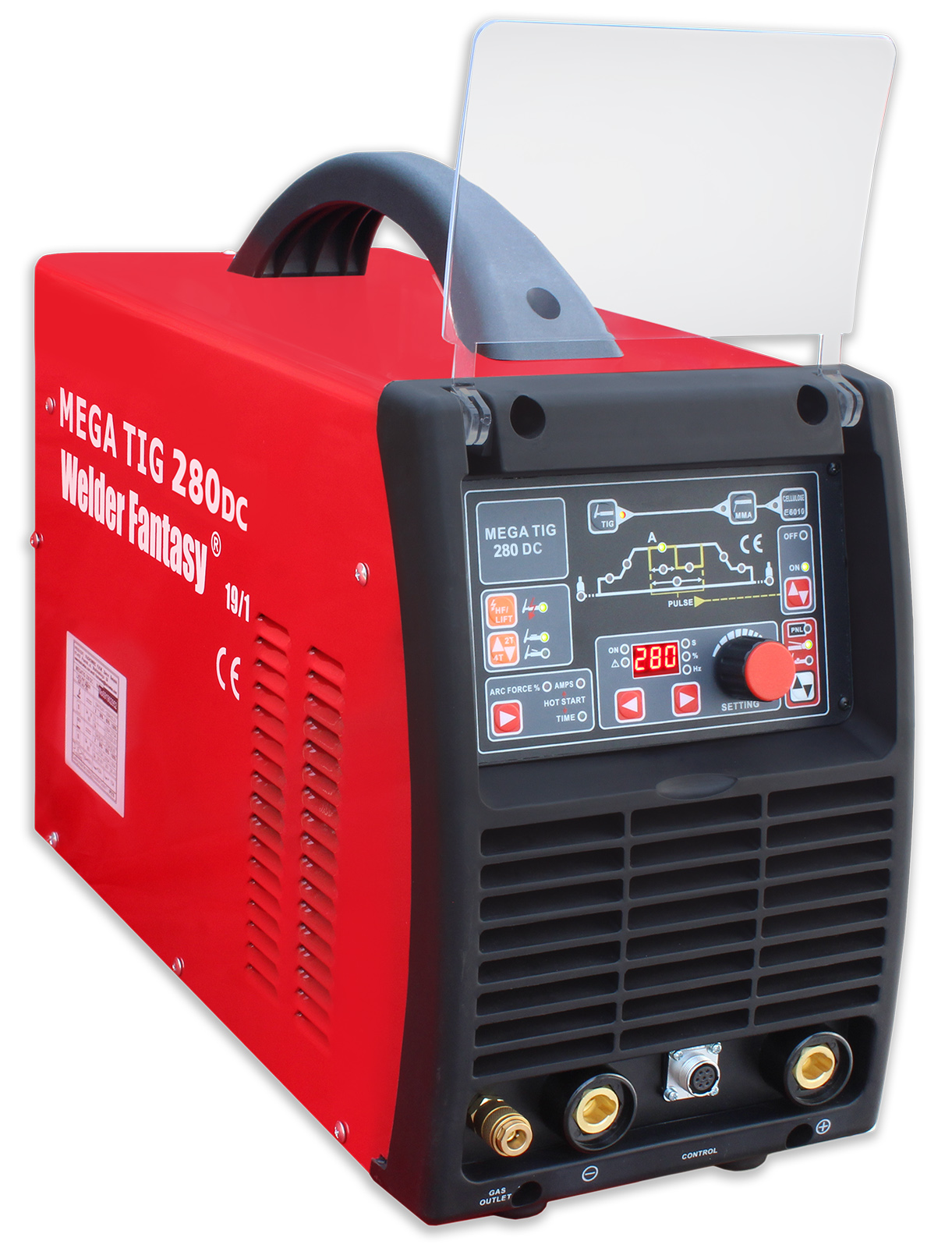
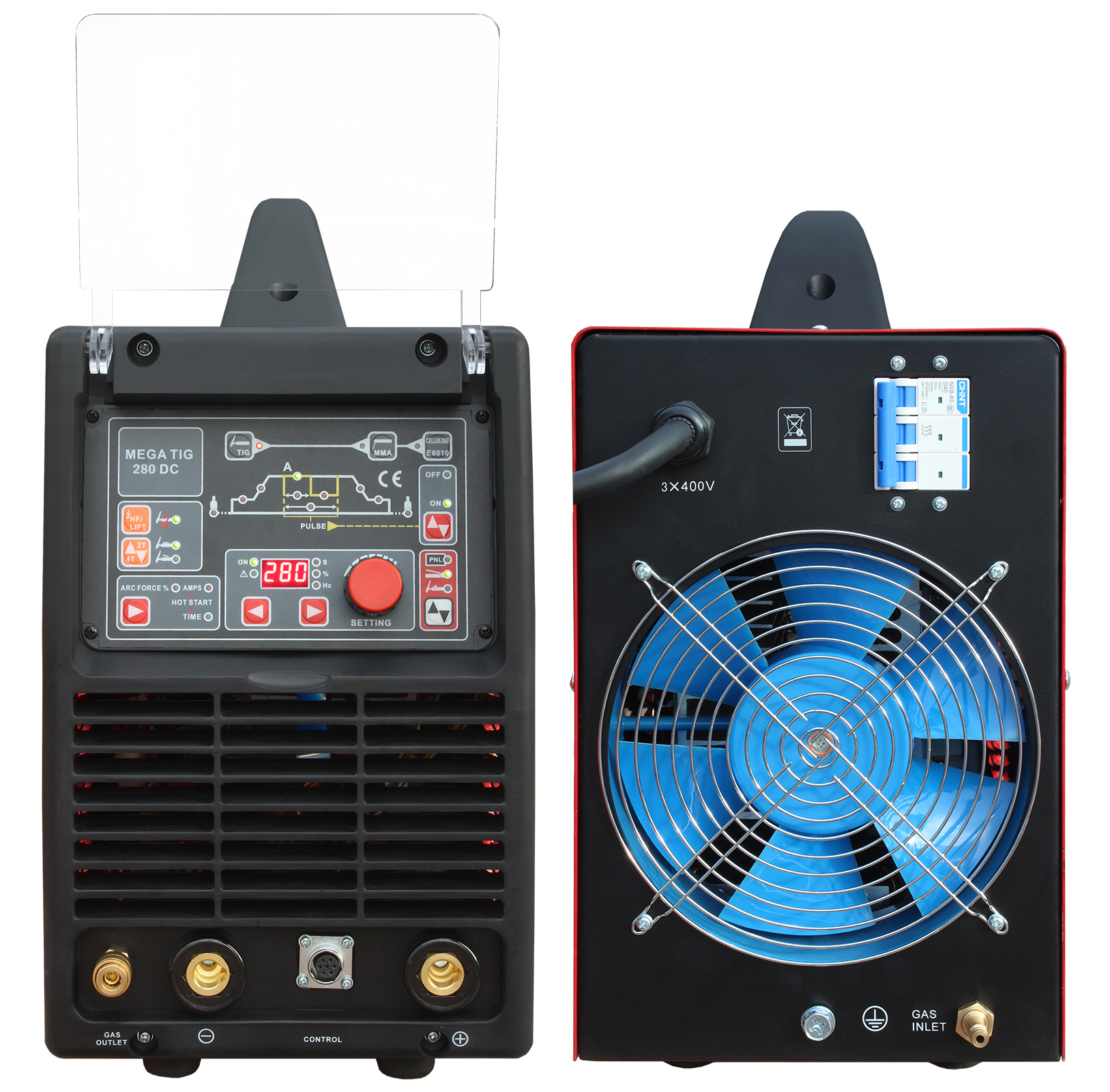
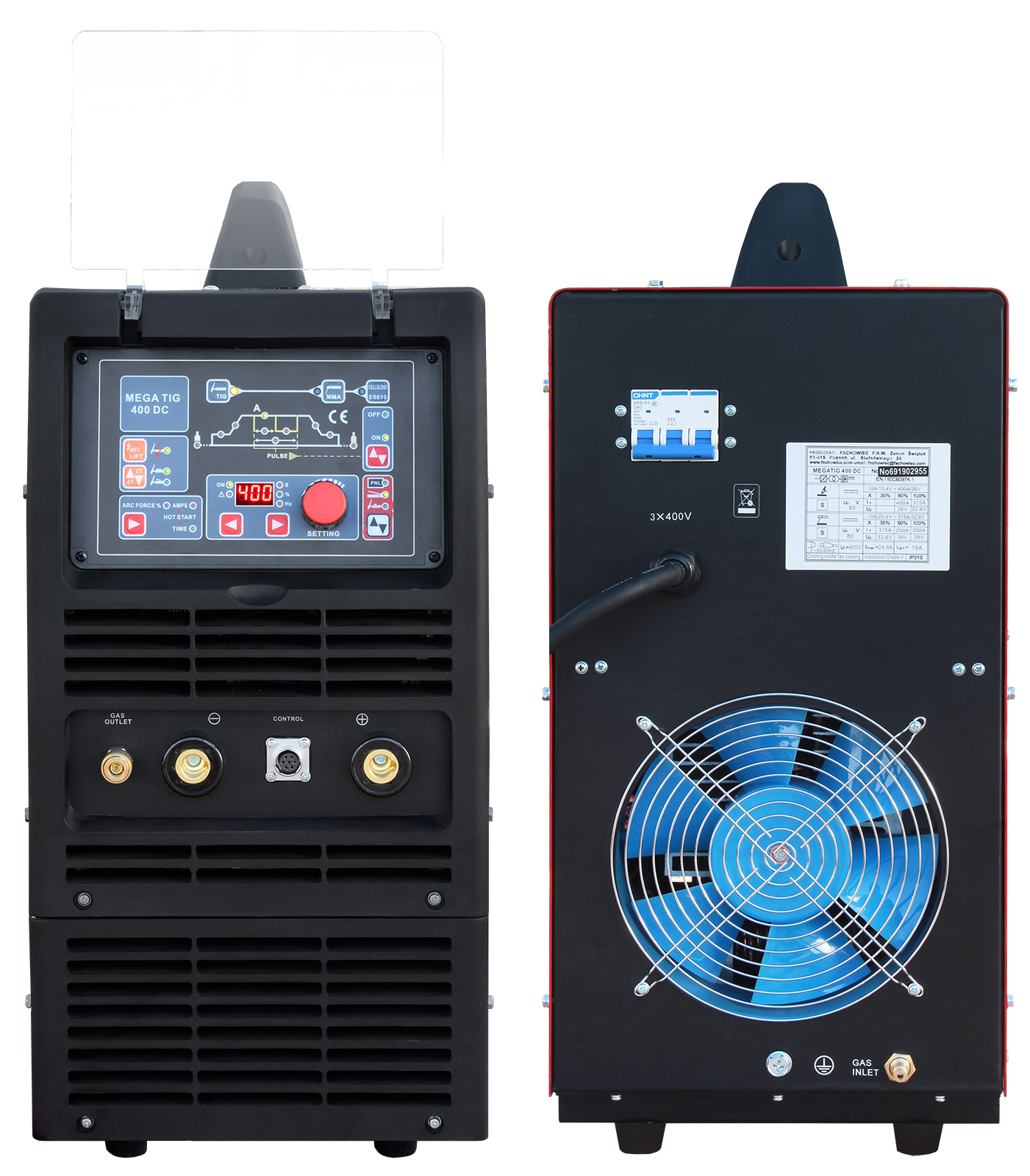
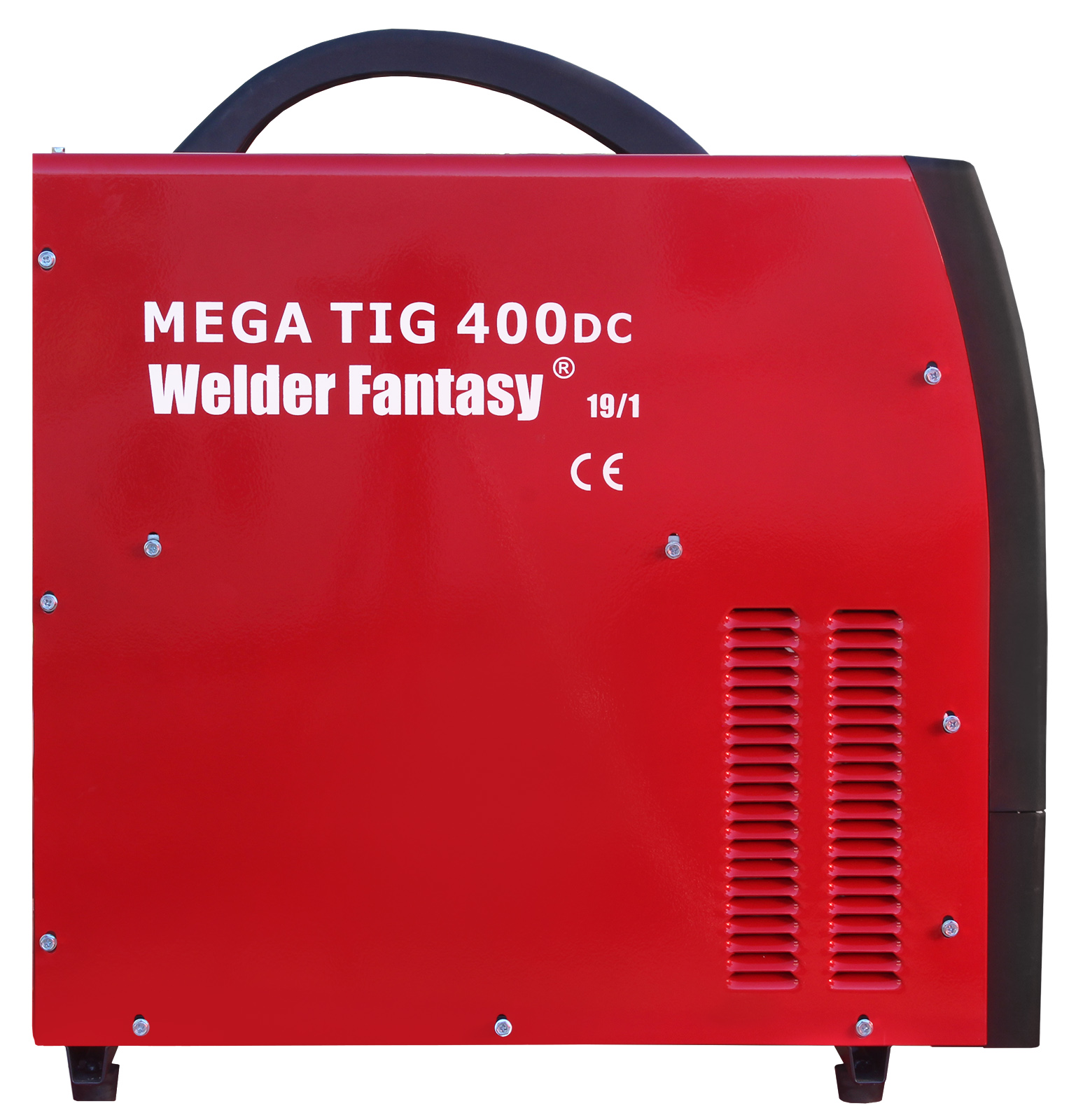
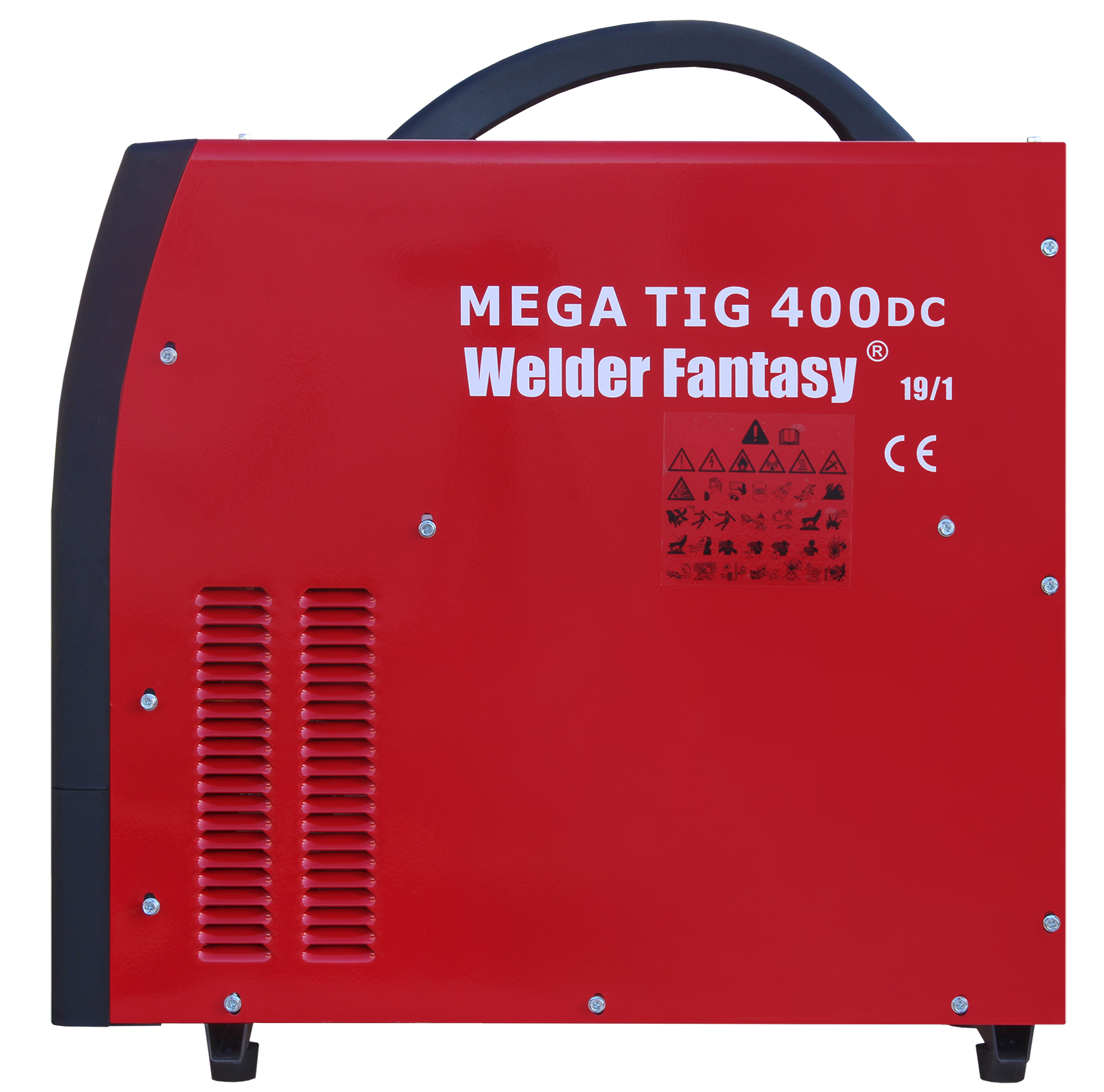
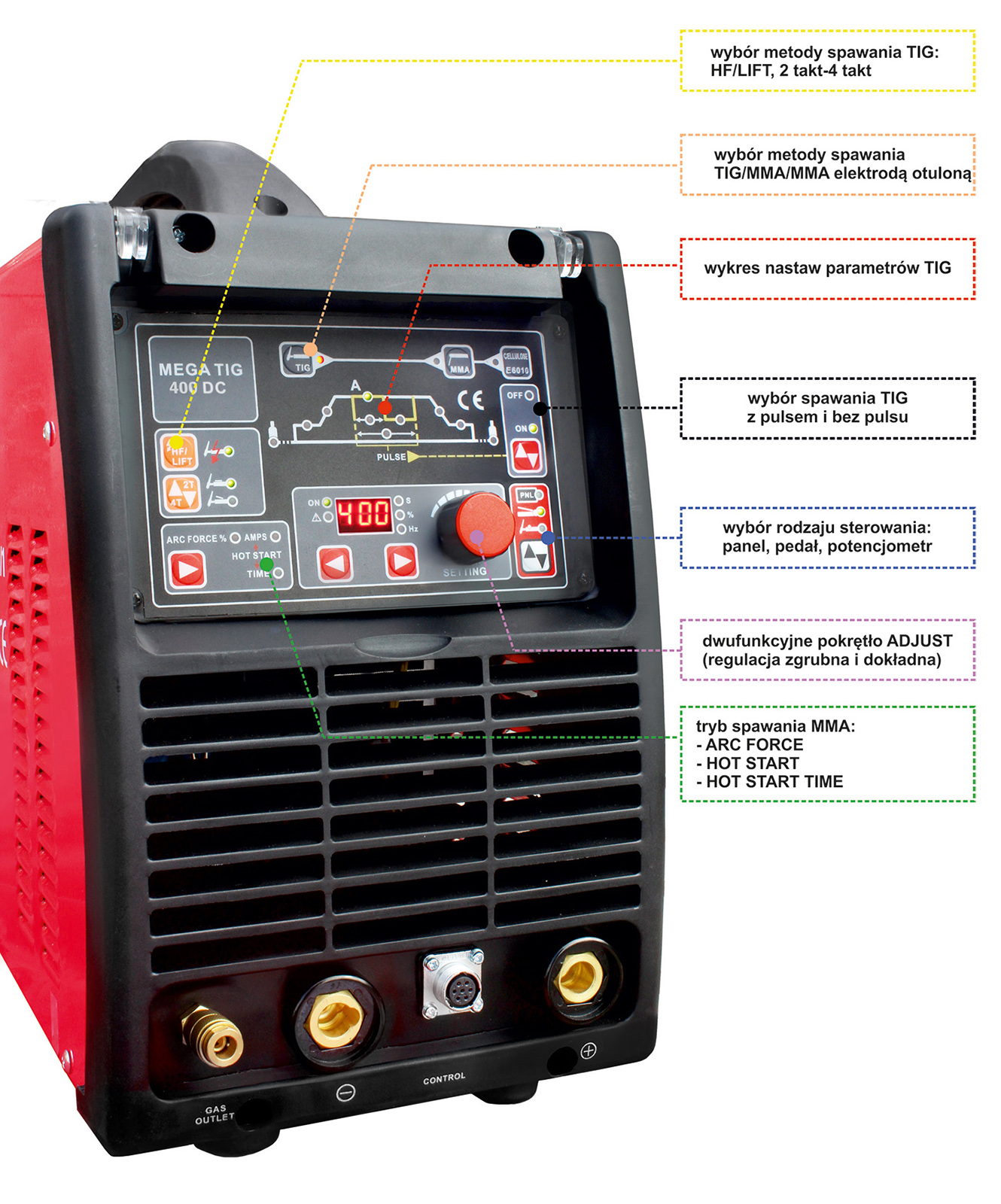
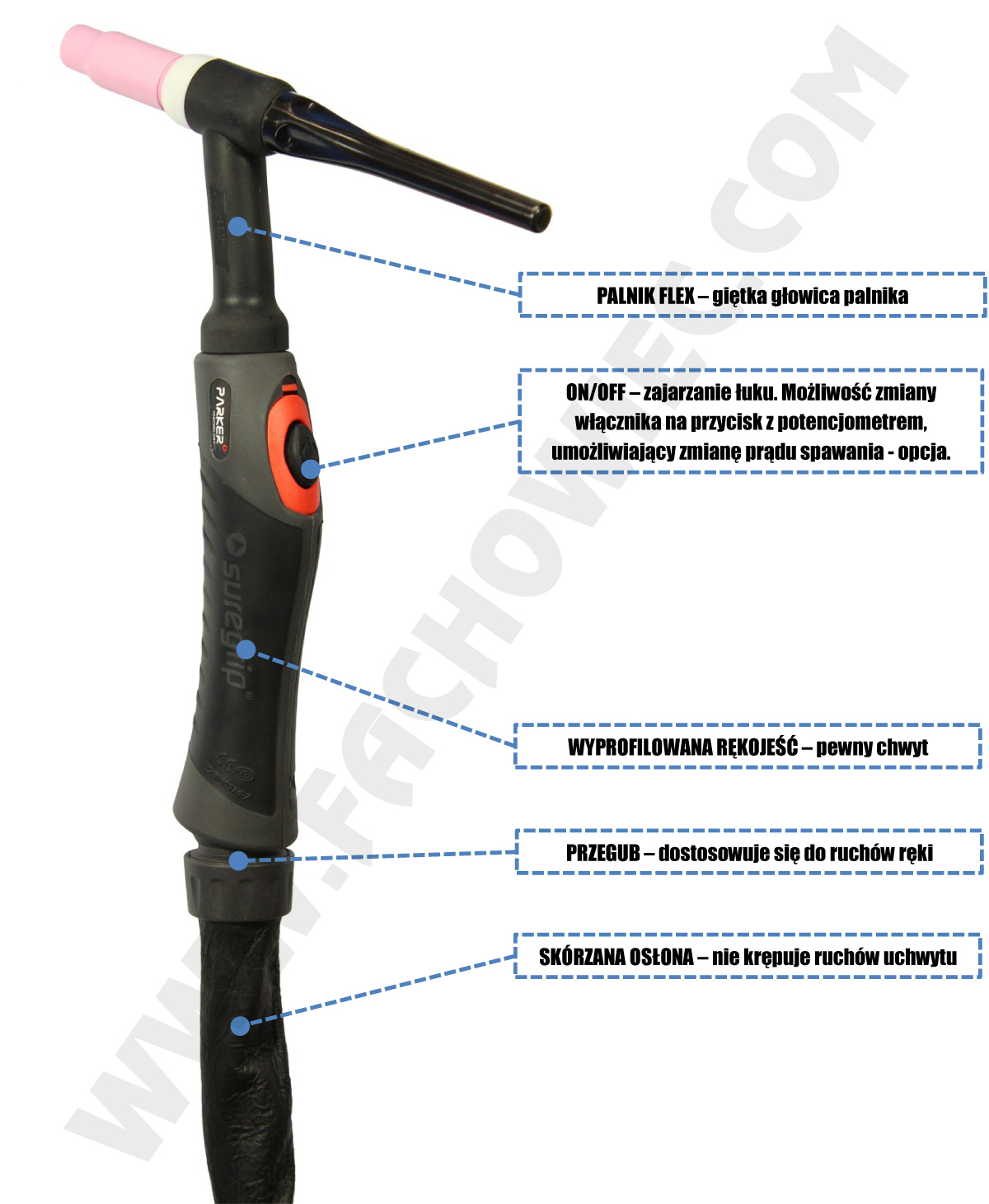
Description and capabilities of TIG welders up to 400A
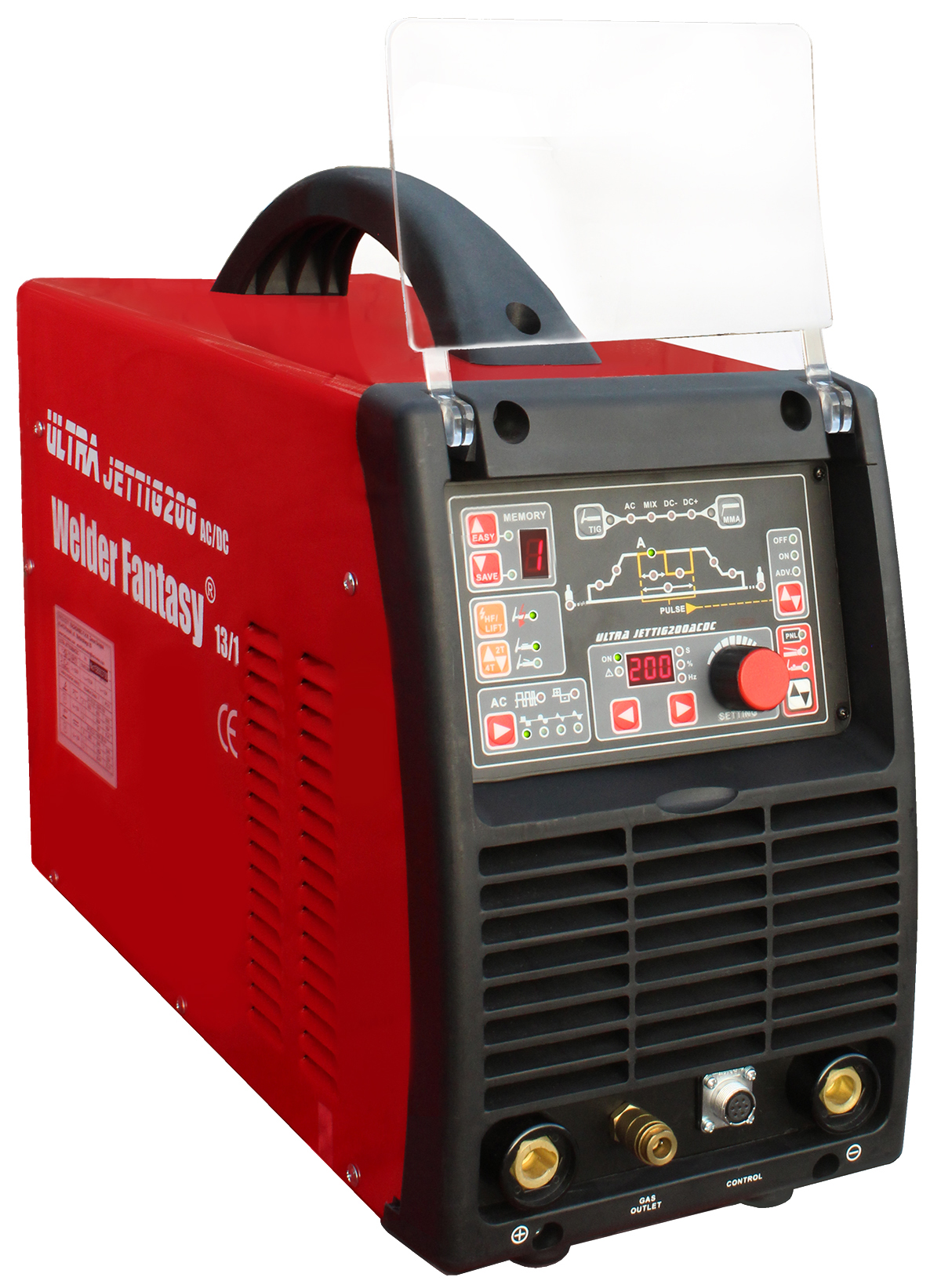
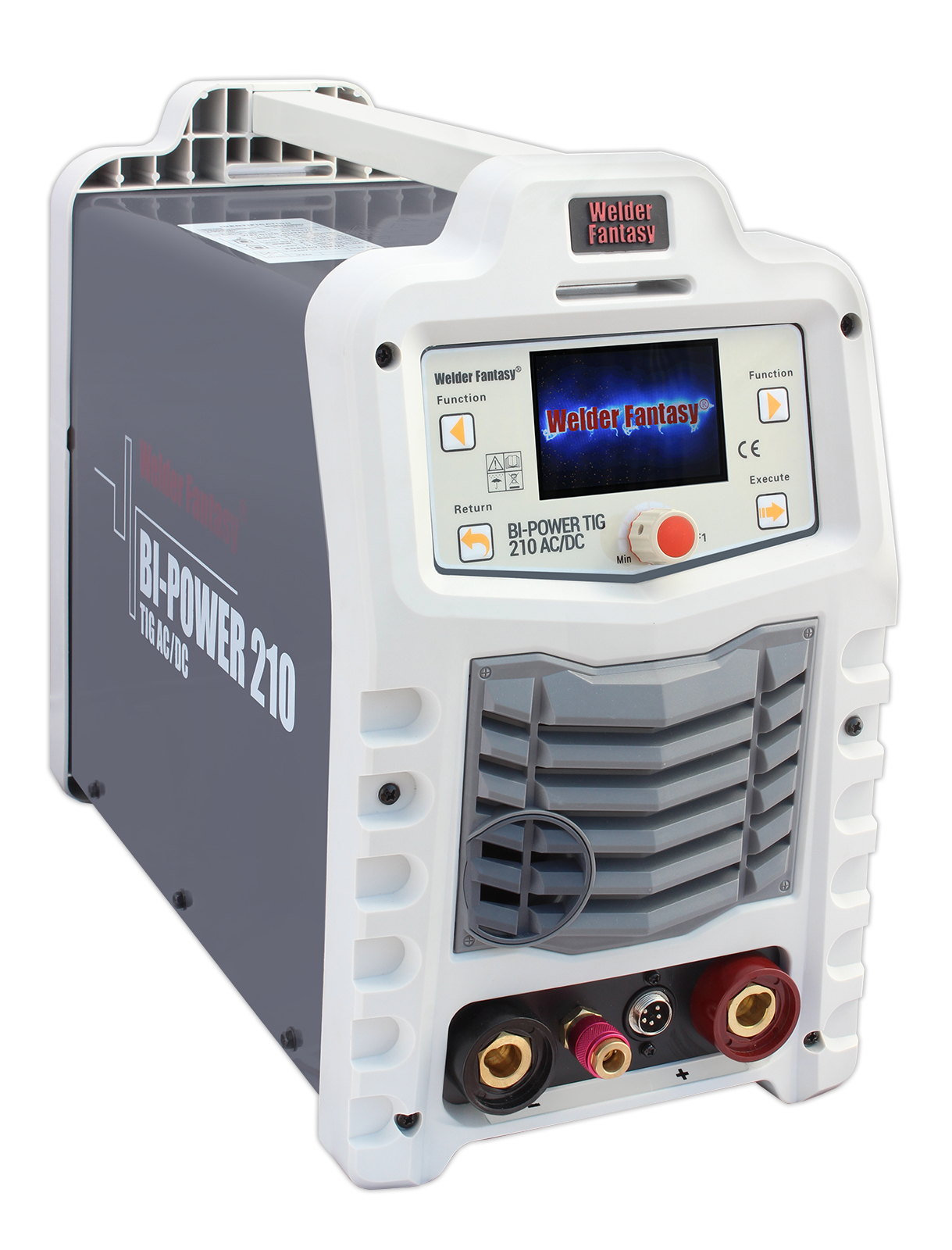
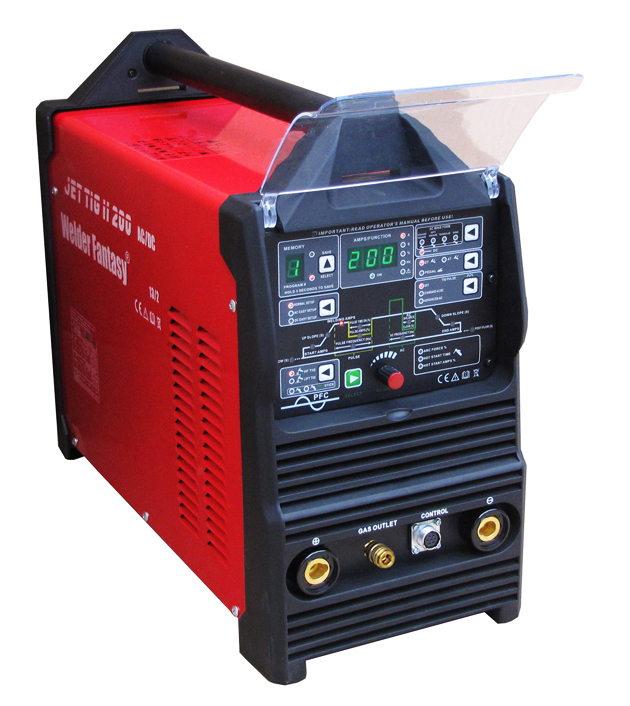
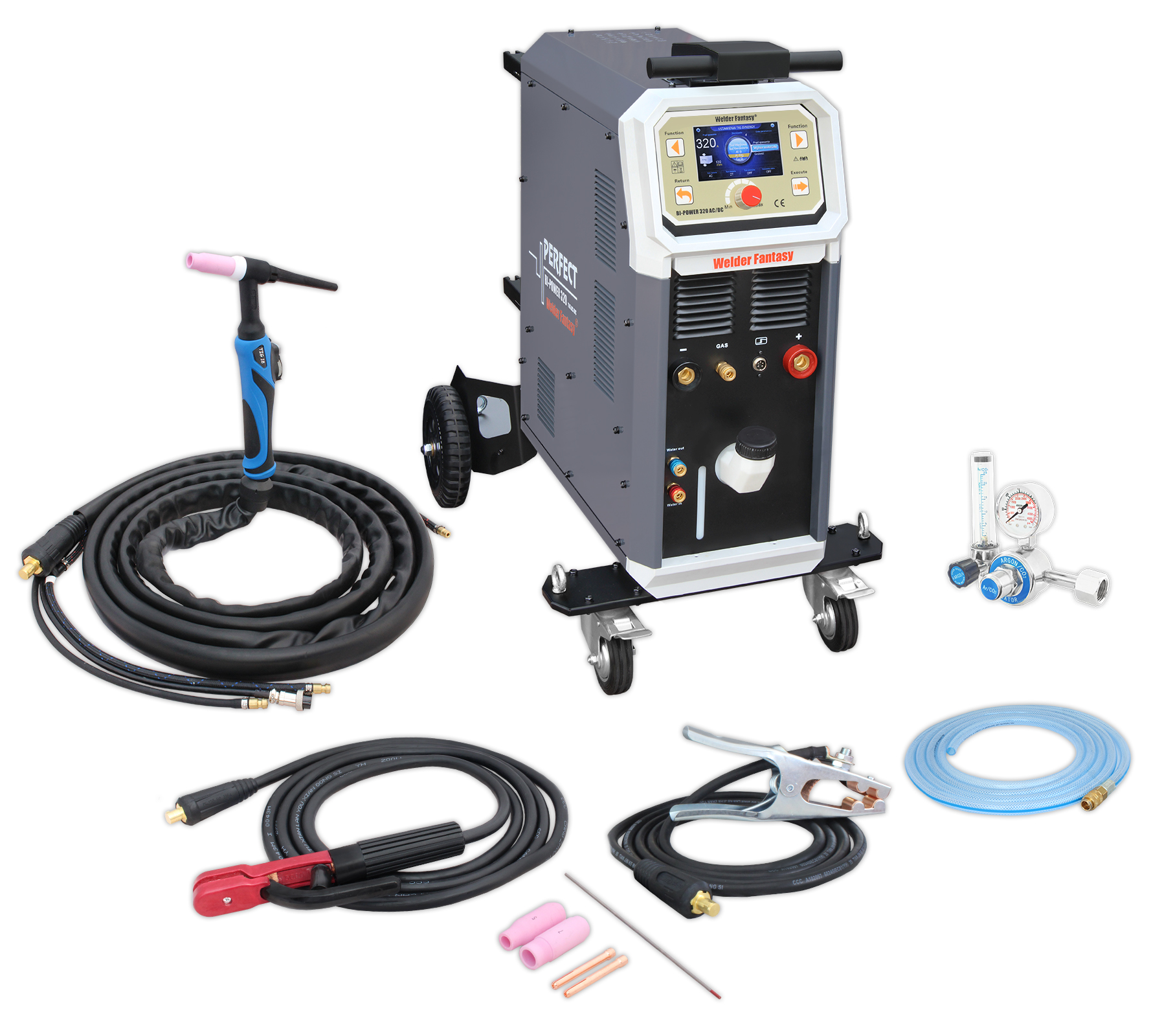
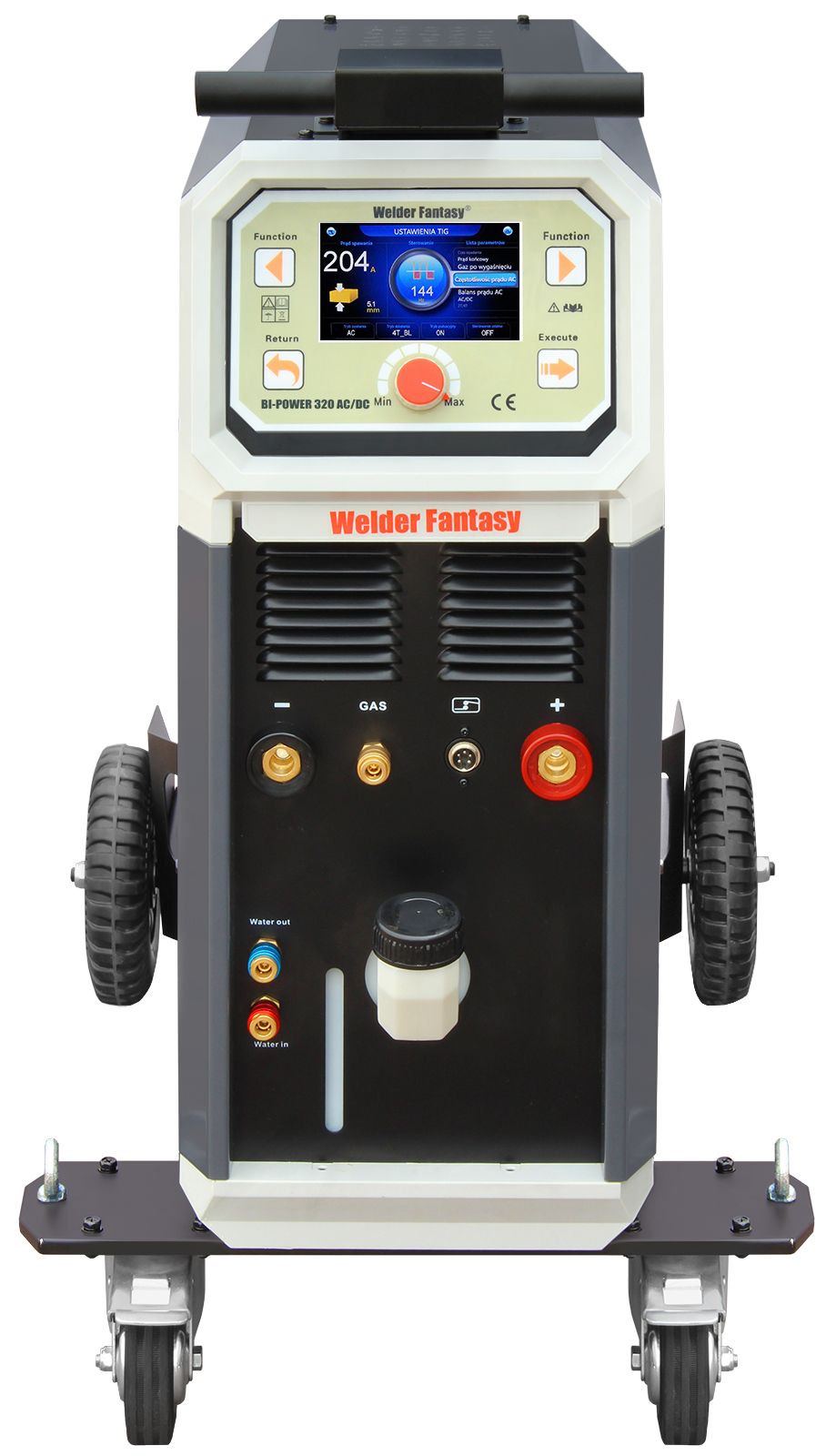
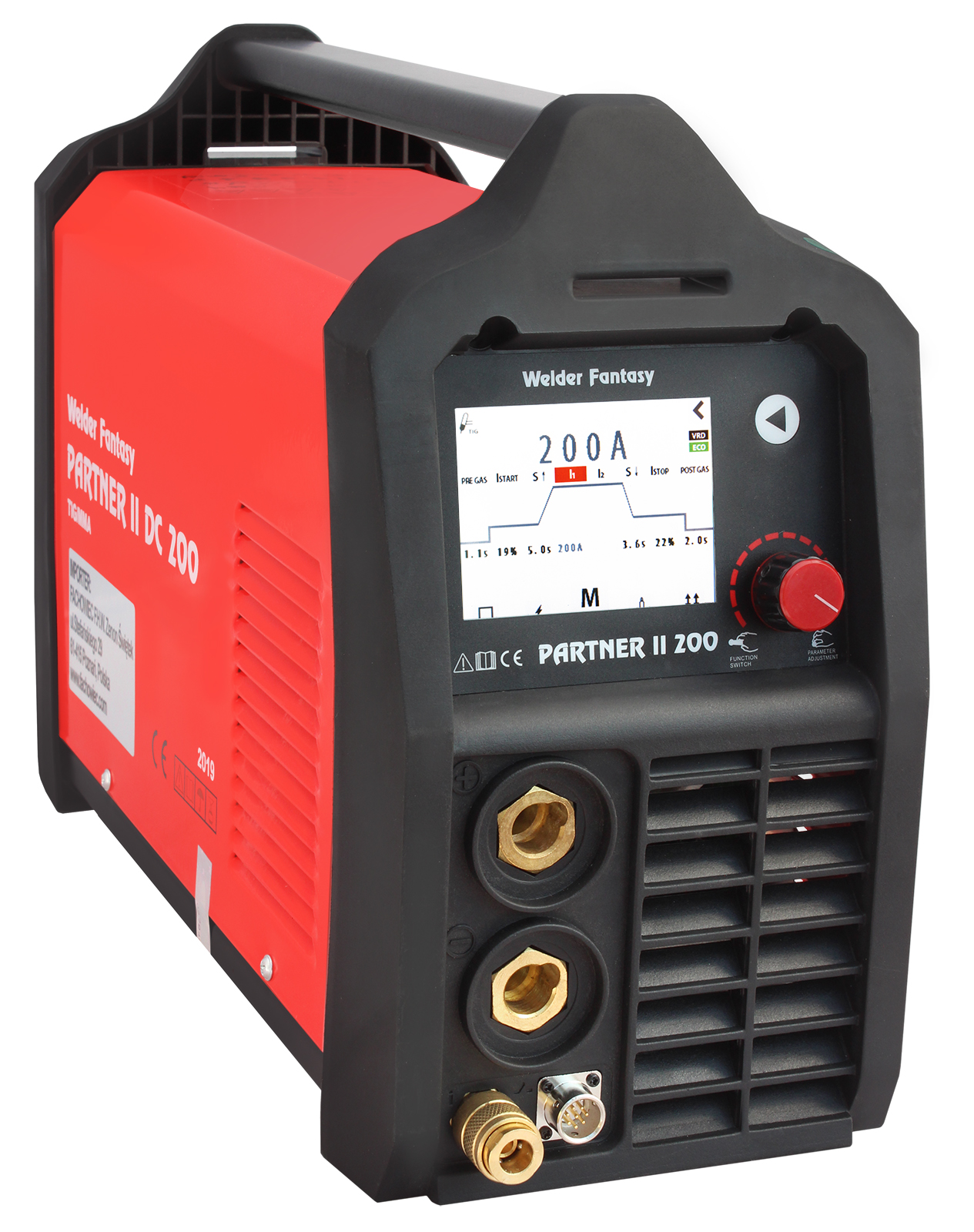
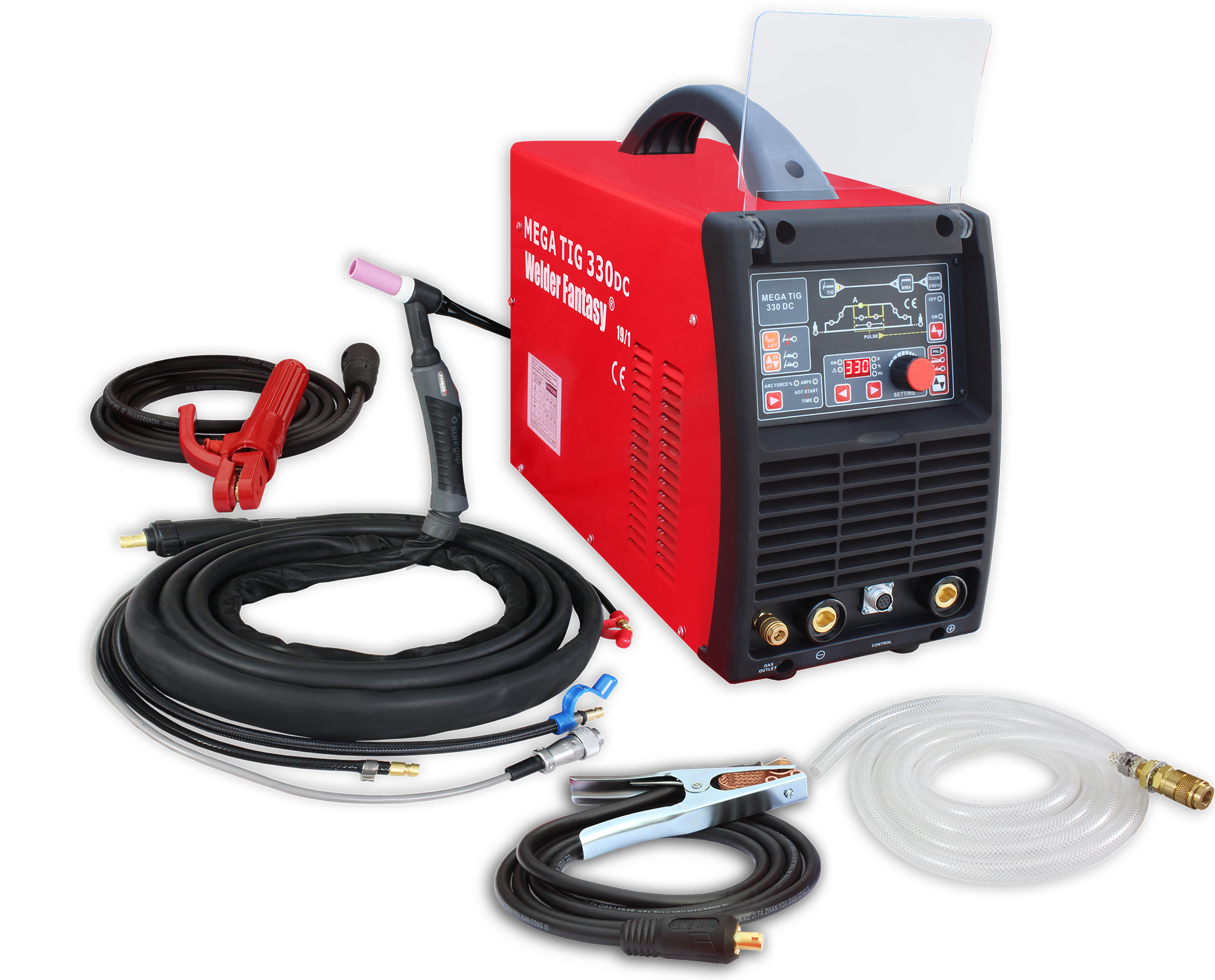
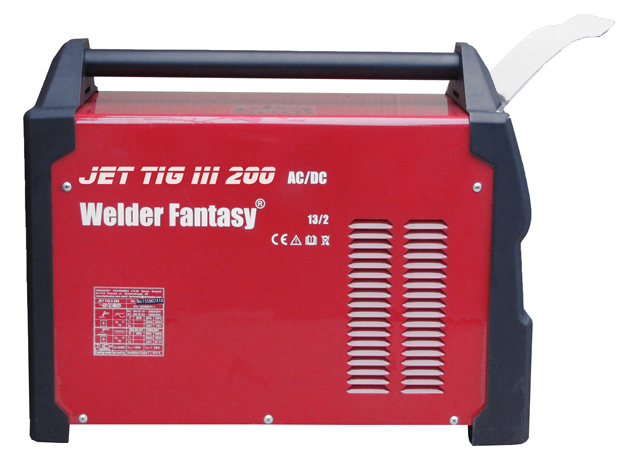
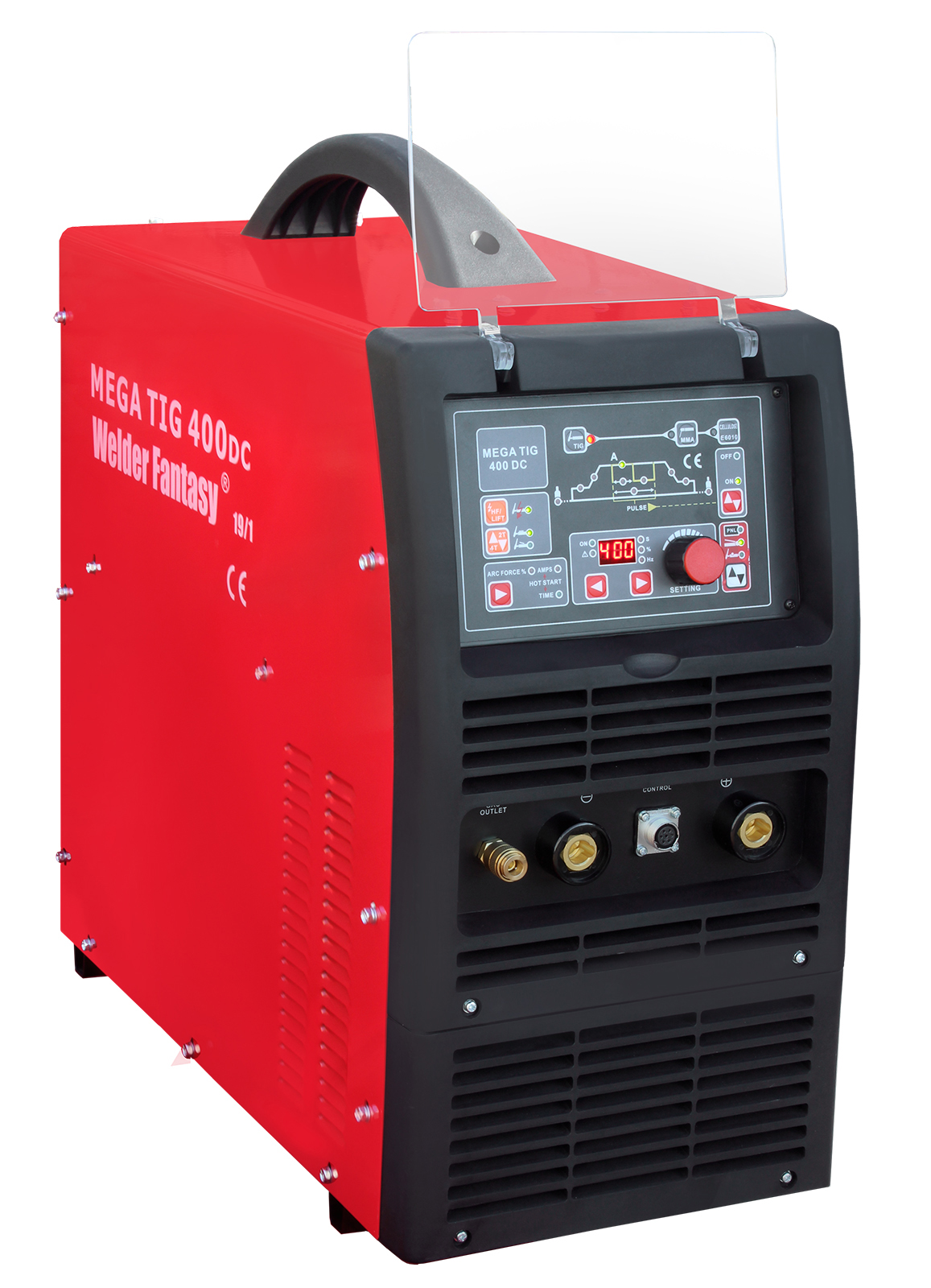
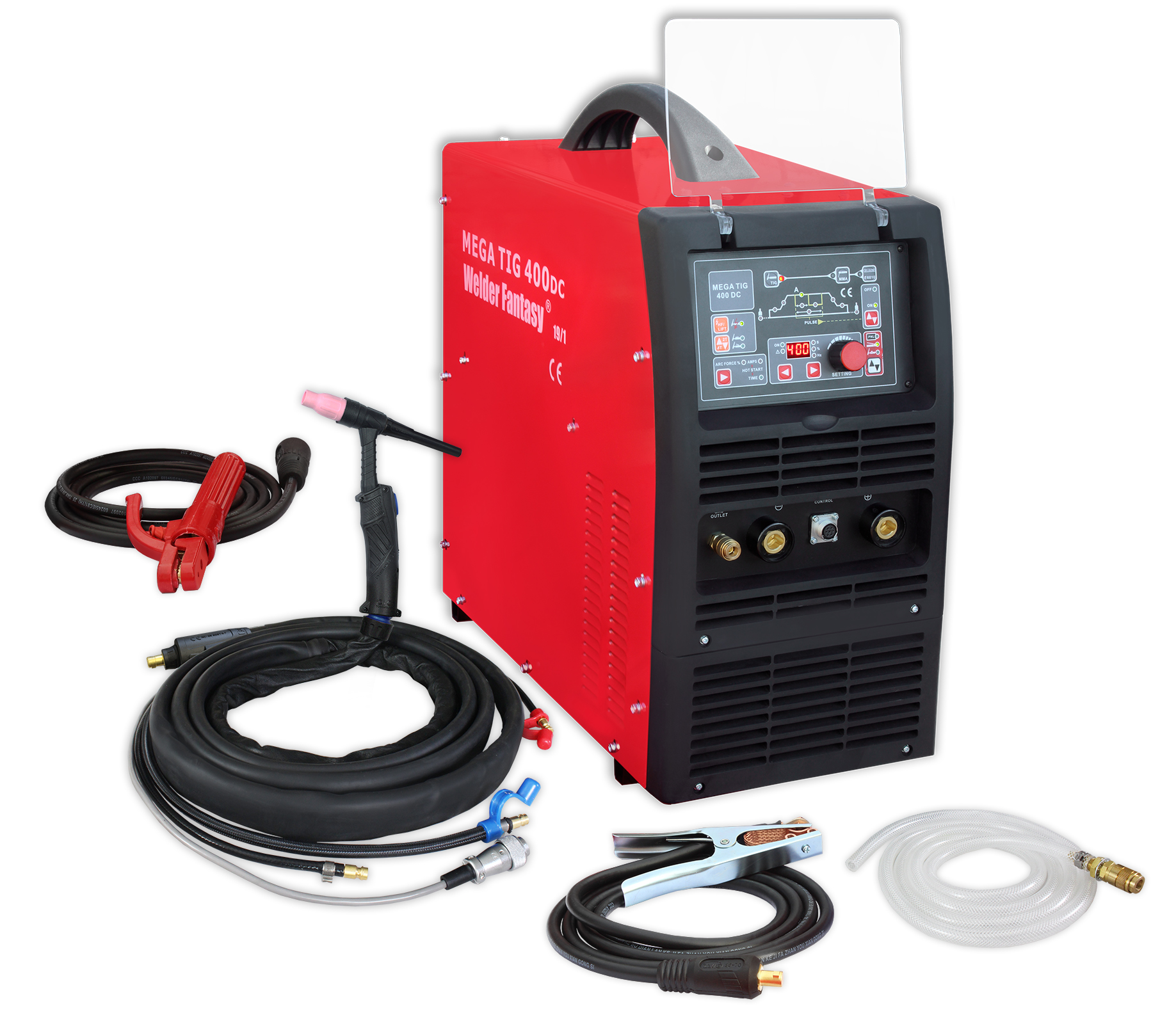
Welders with a range up to 400A allow for welding both thin sheets and thick structural elements.
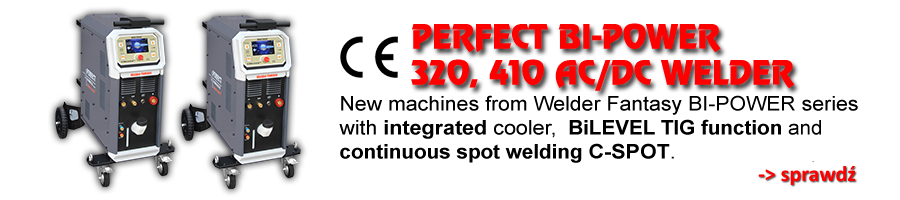
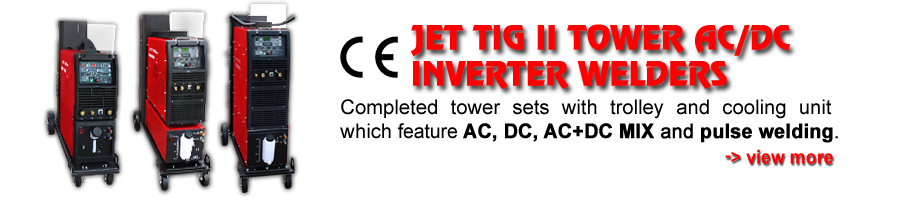
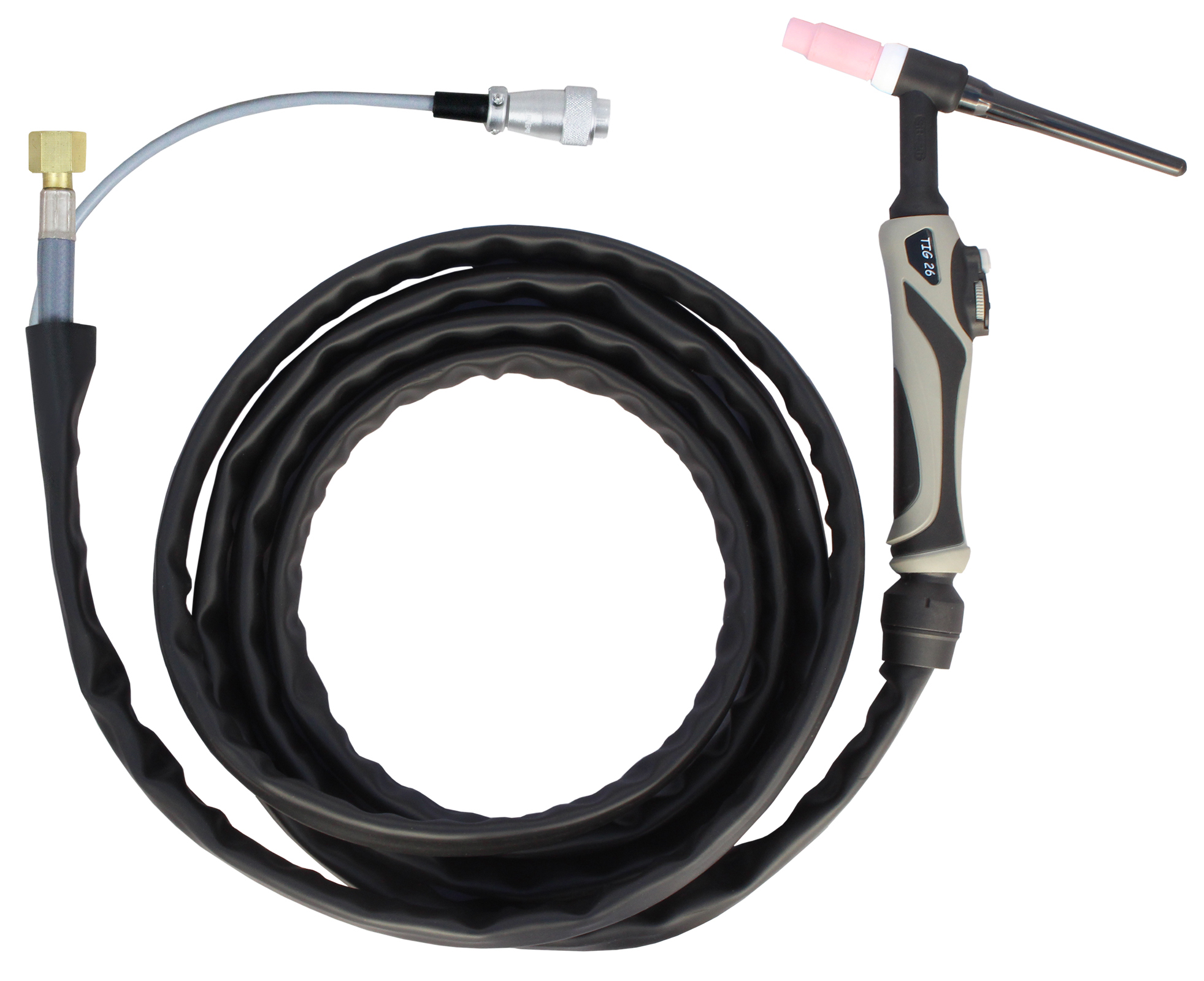
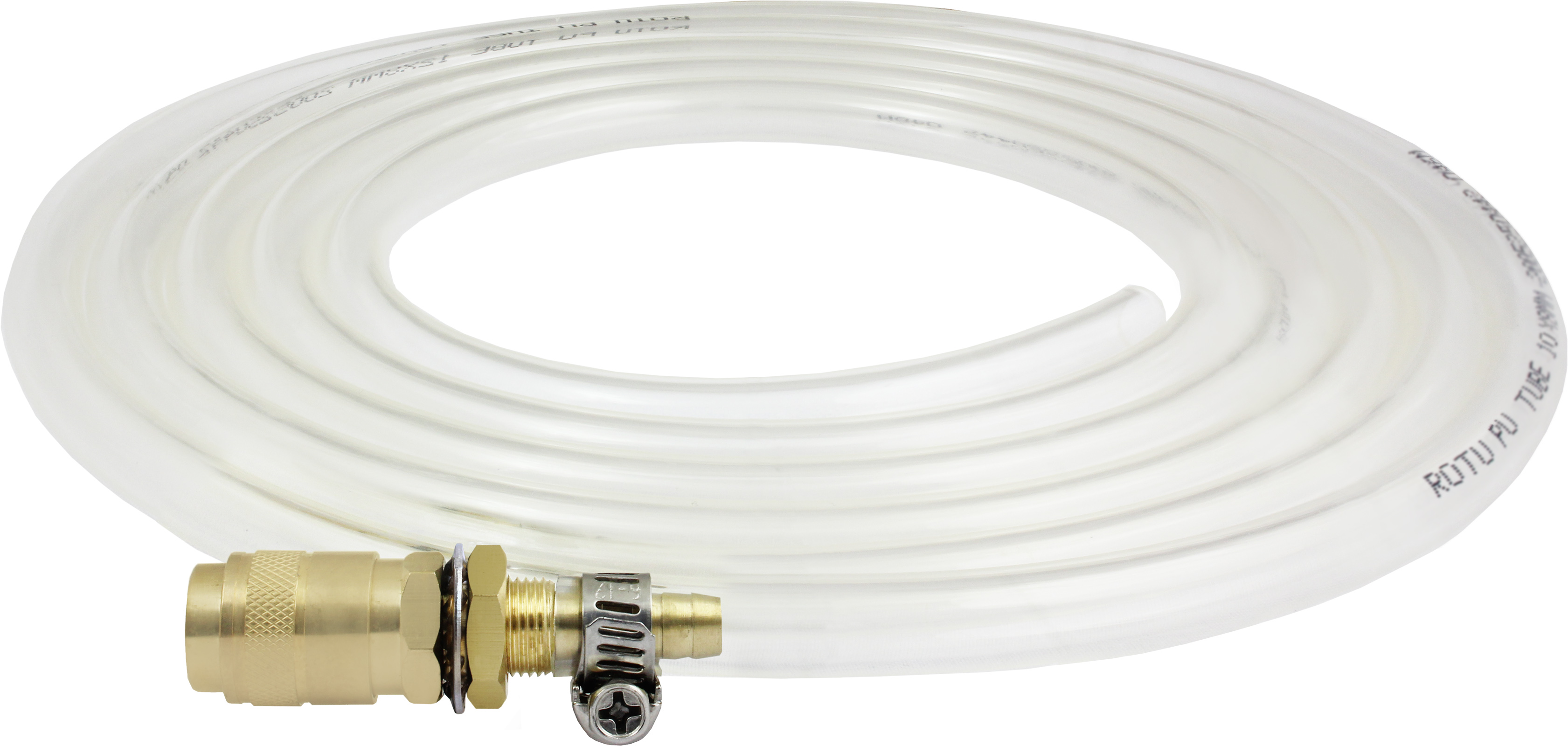
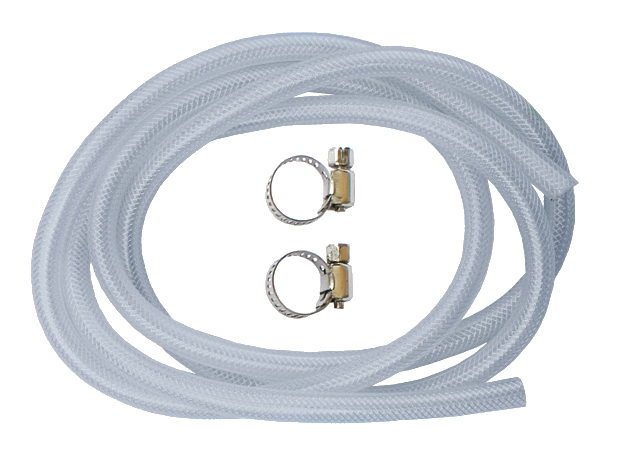
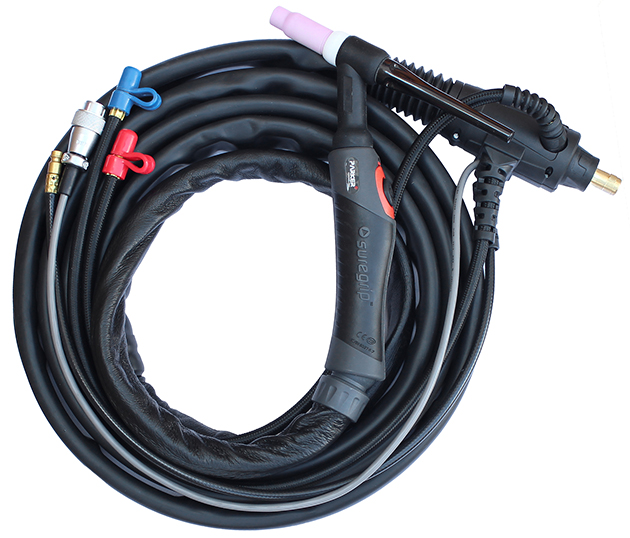
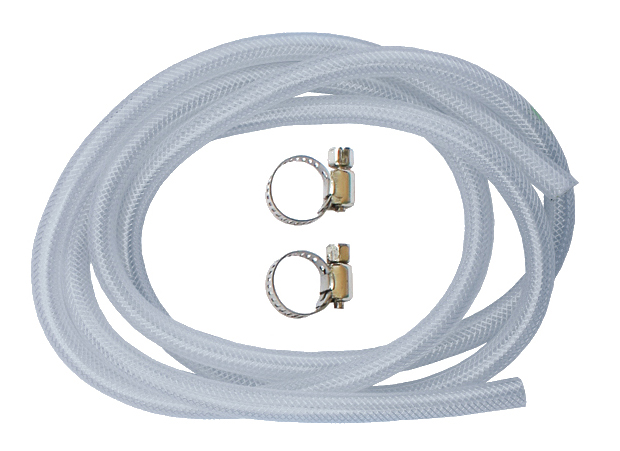
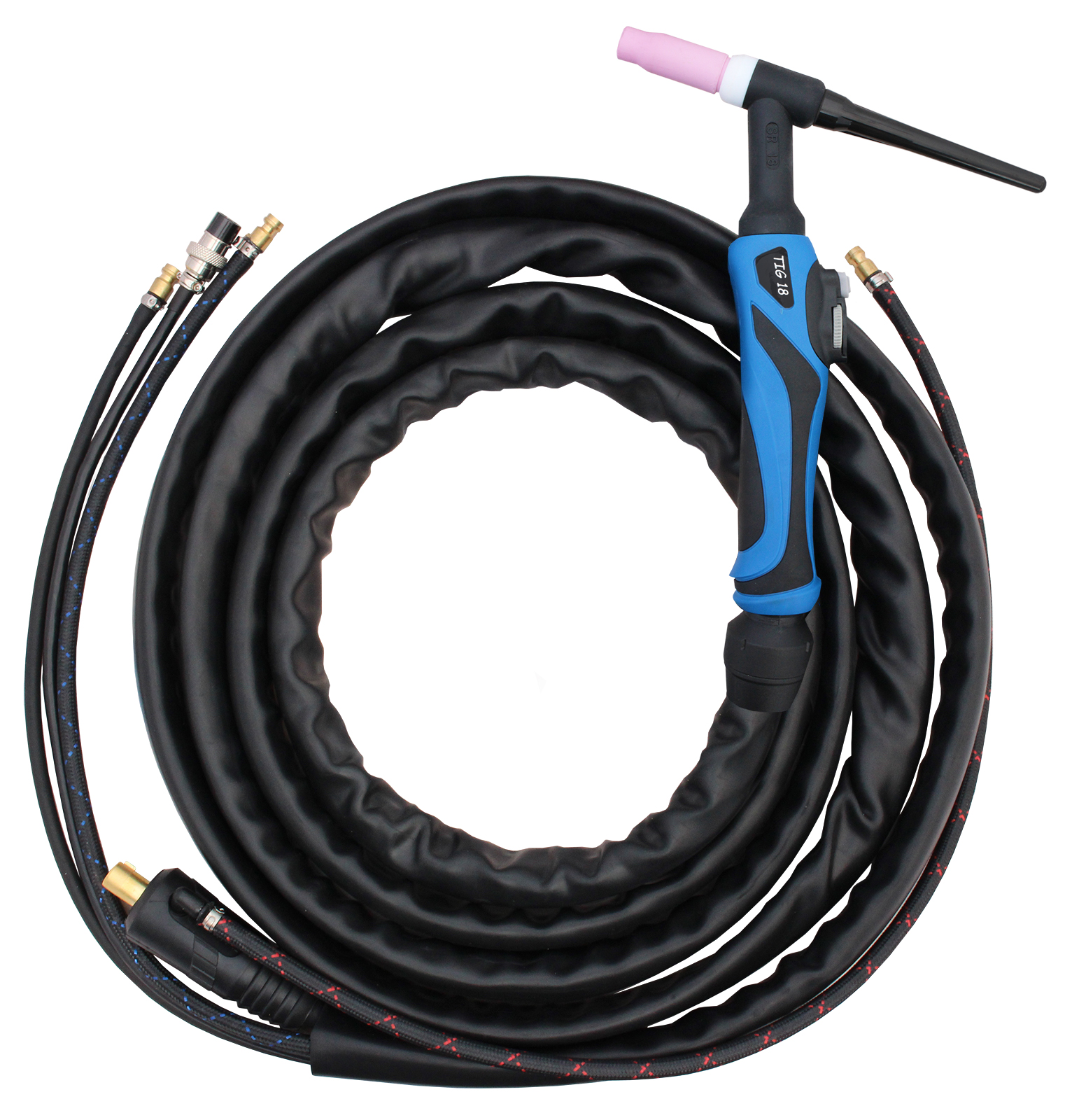
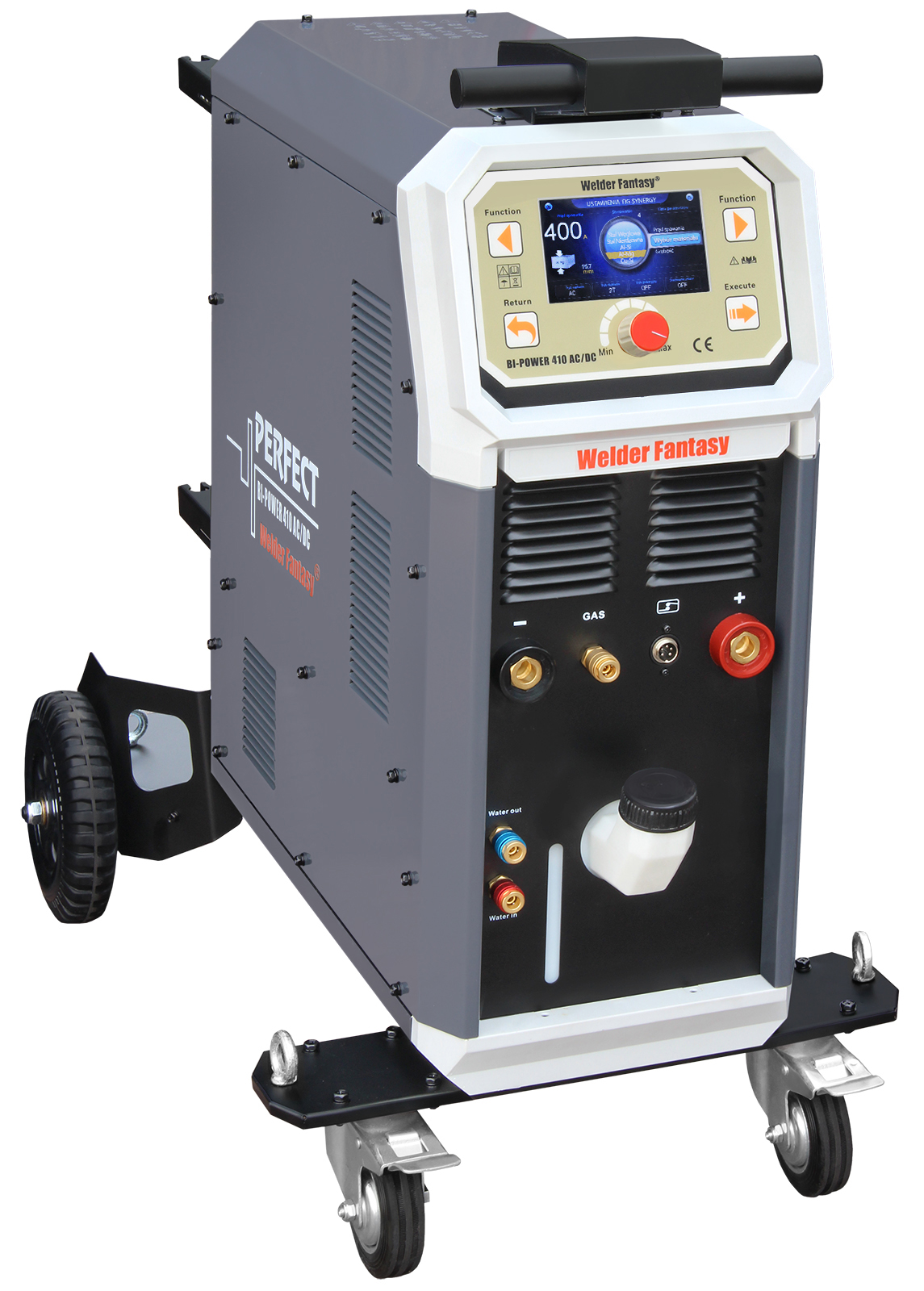
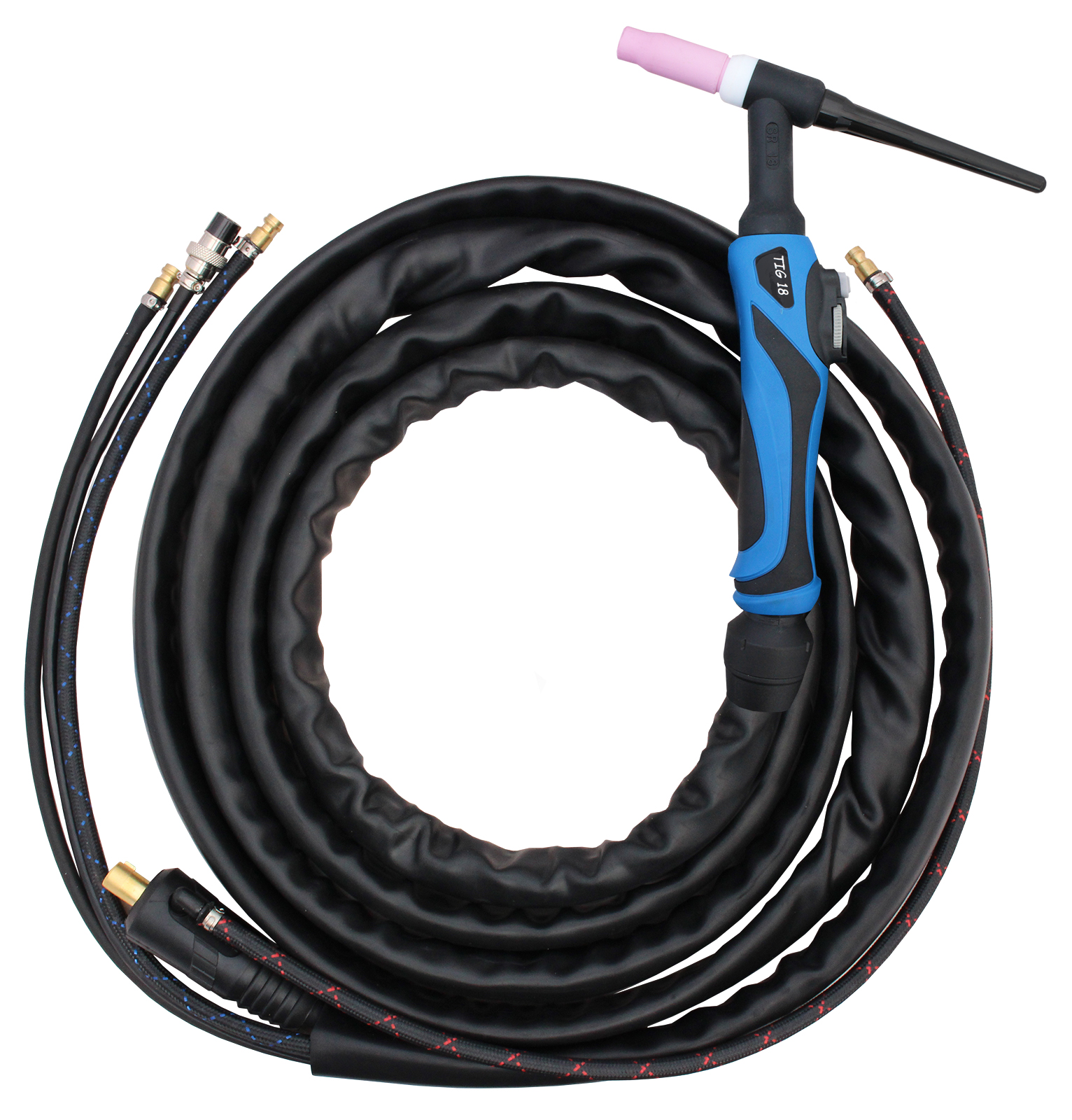
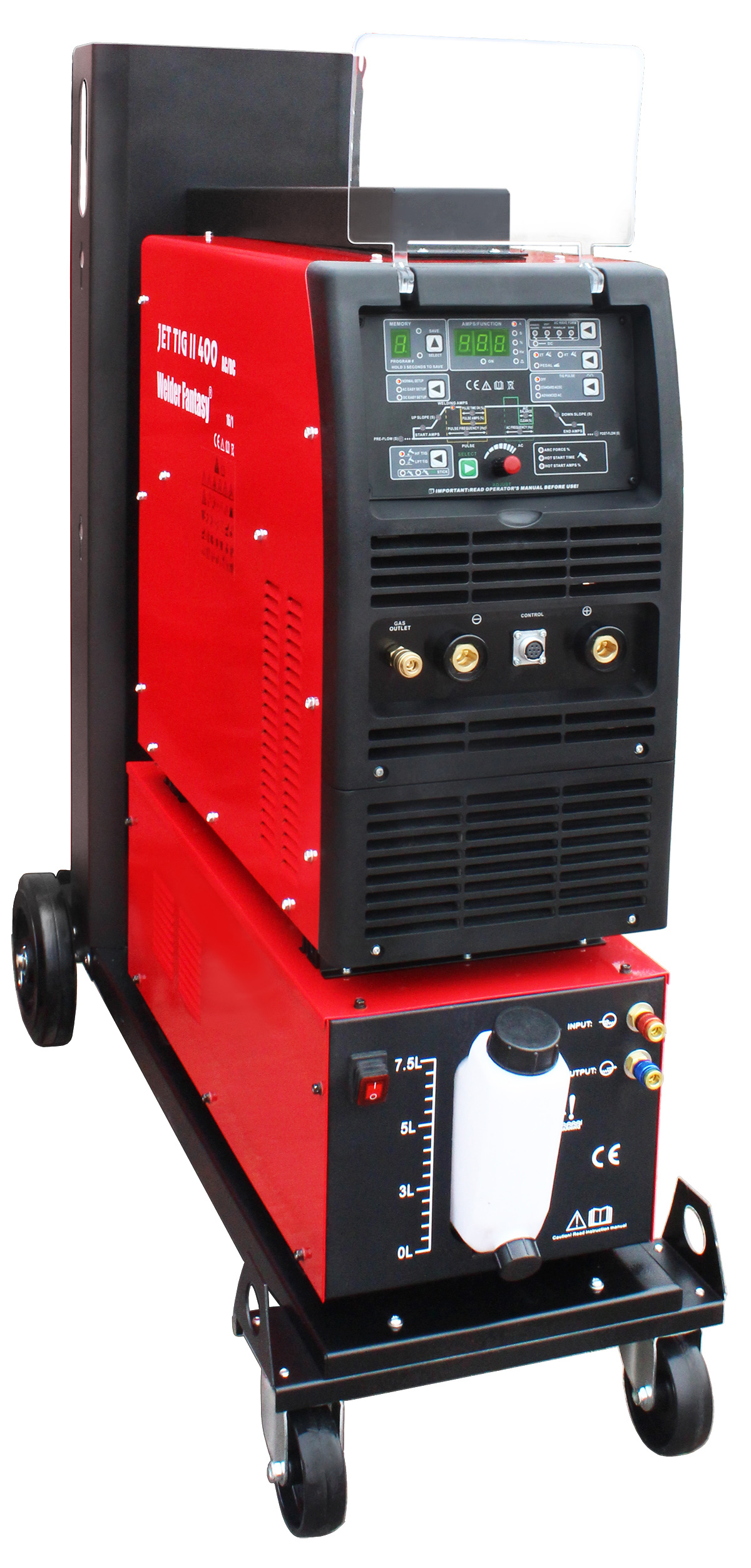
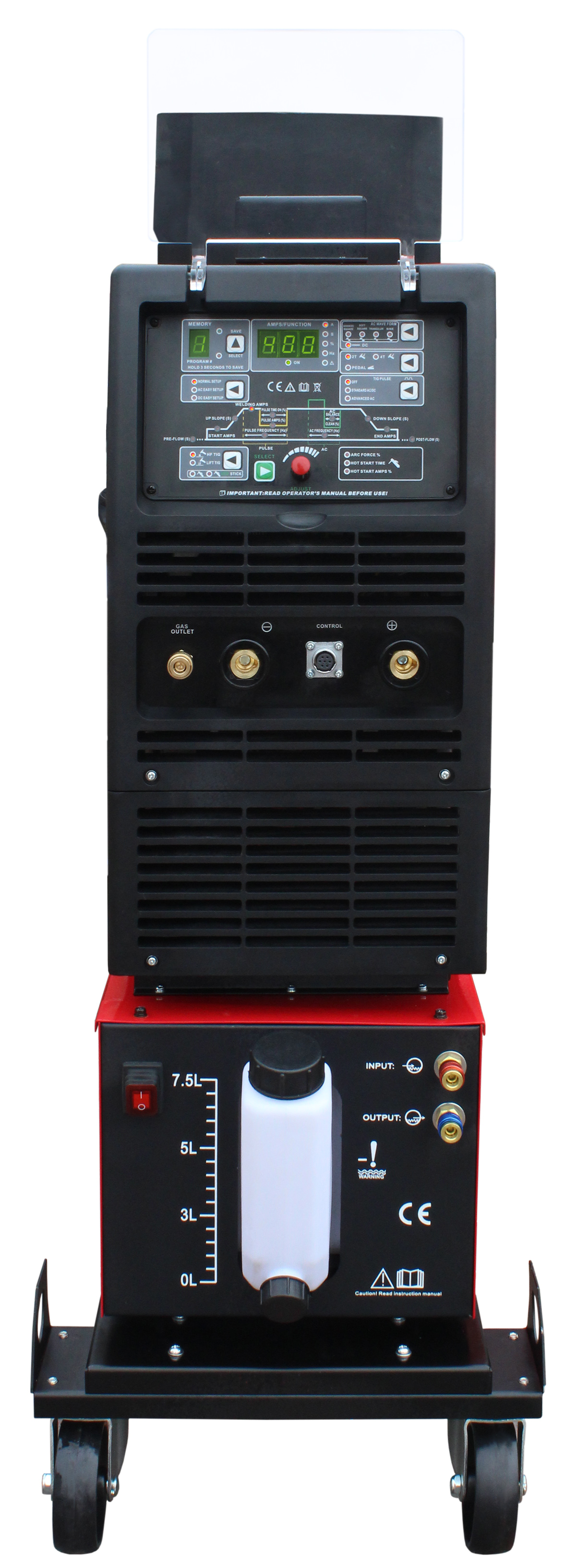
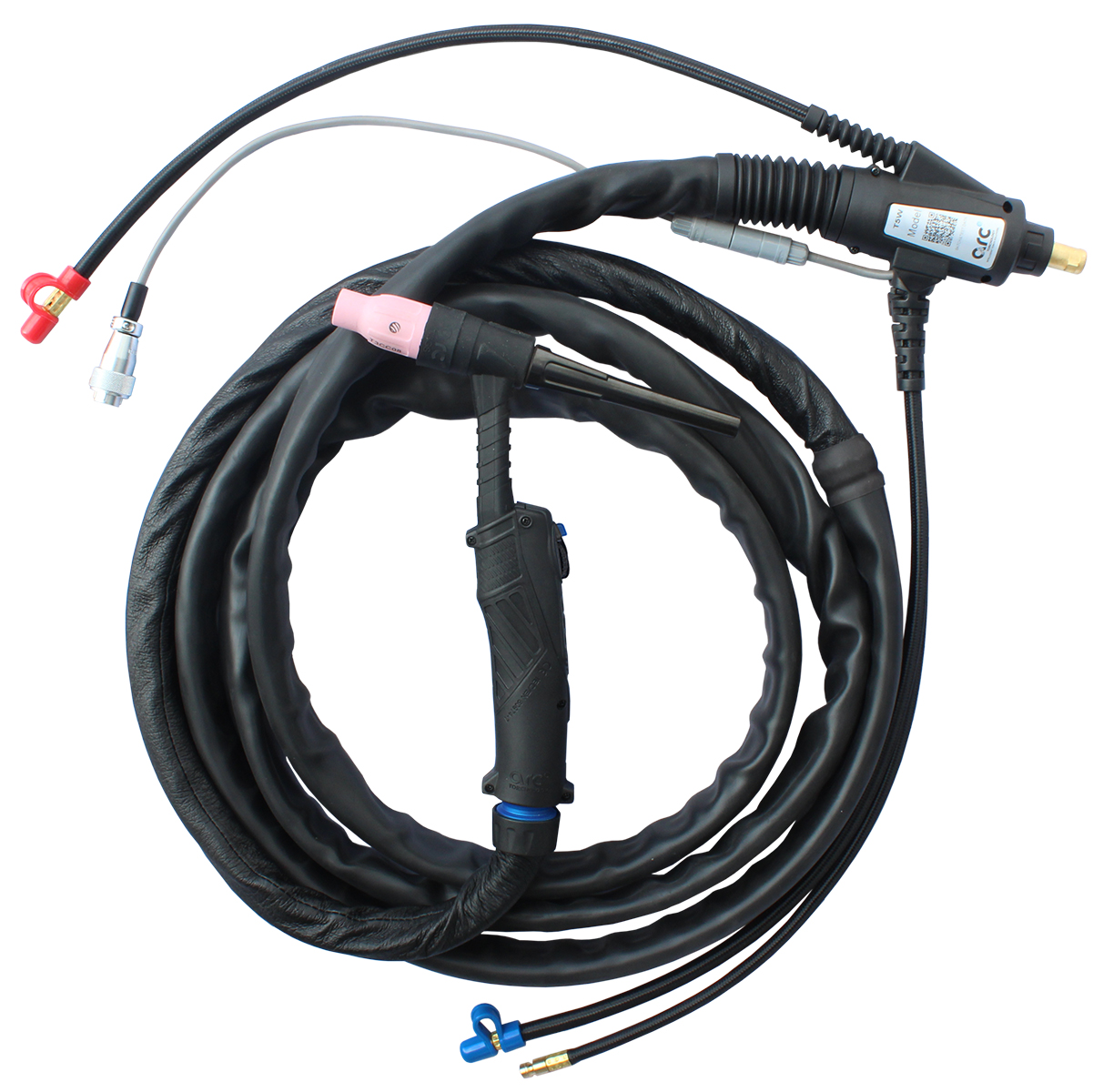
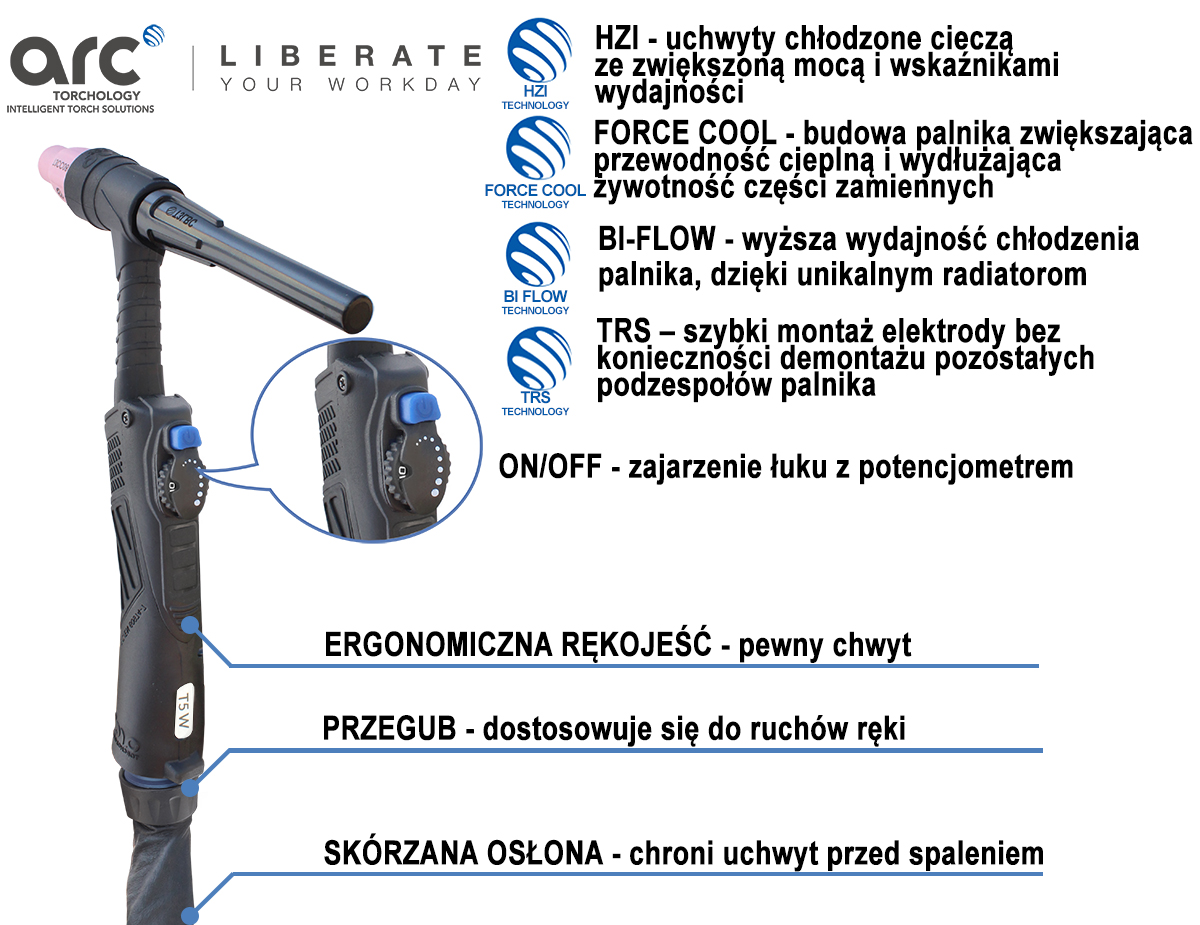
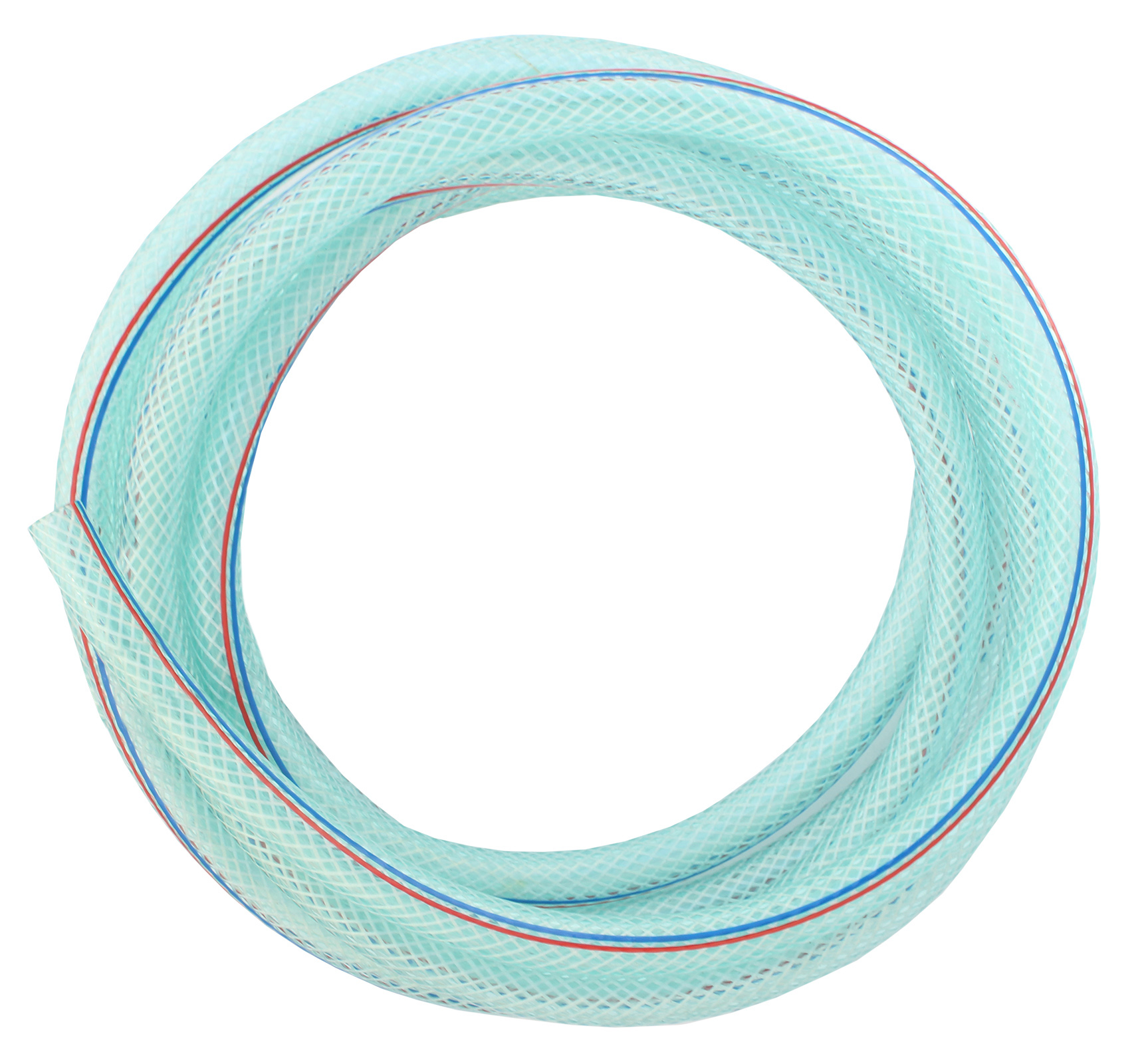
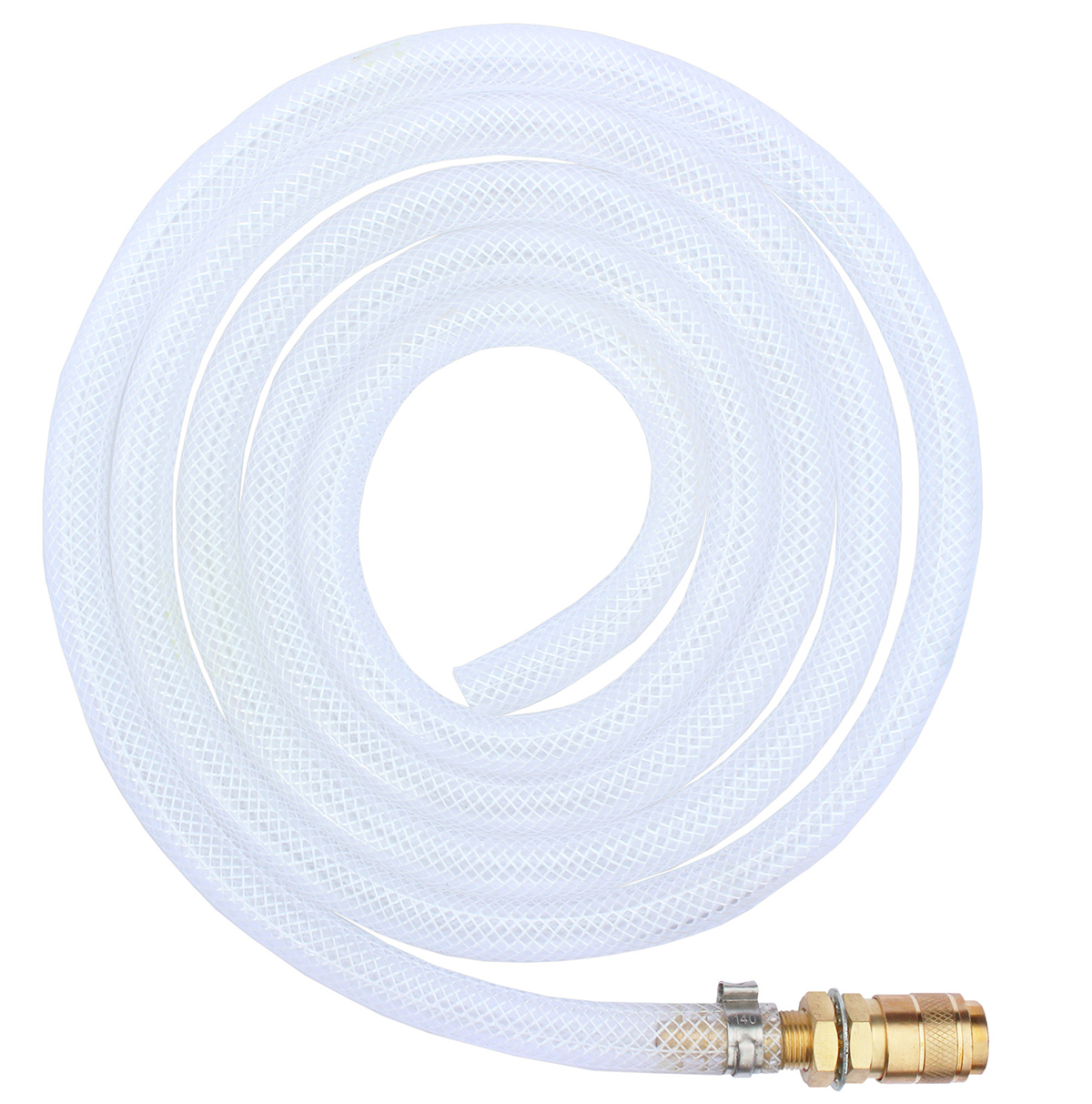
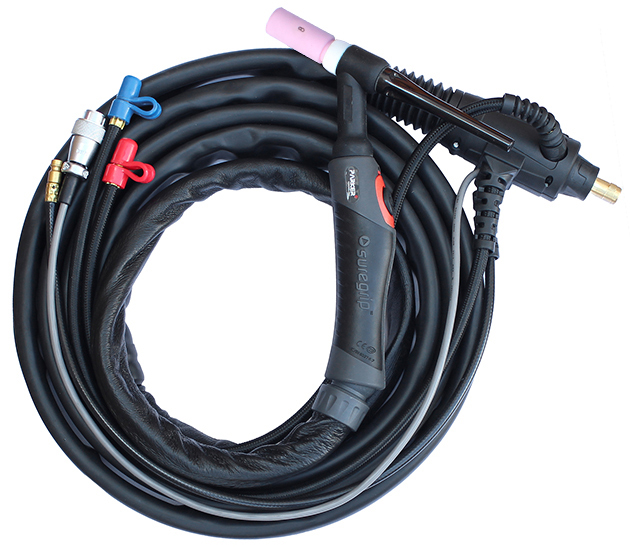
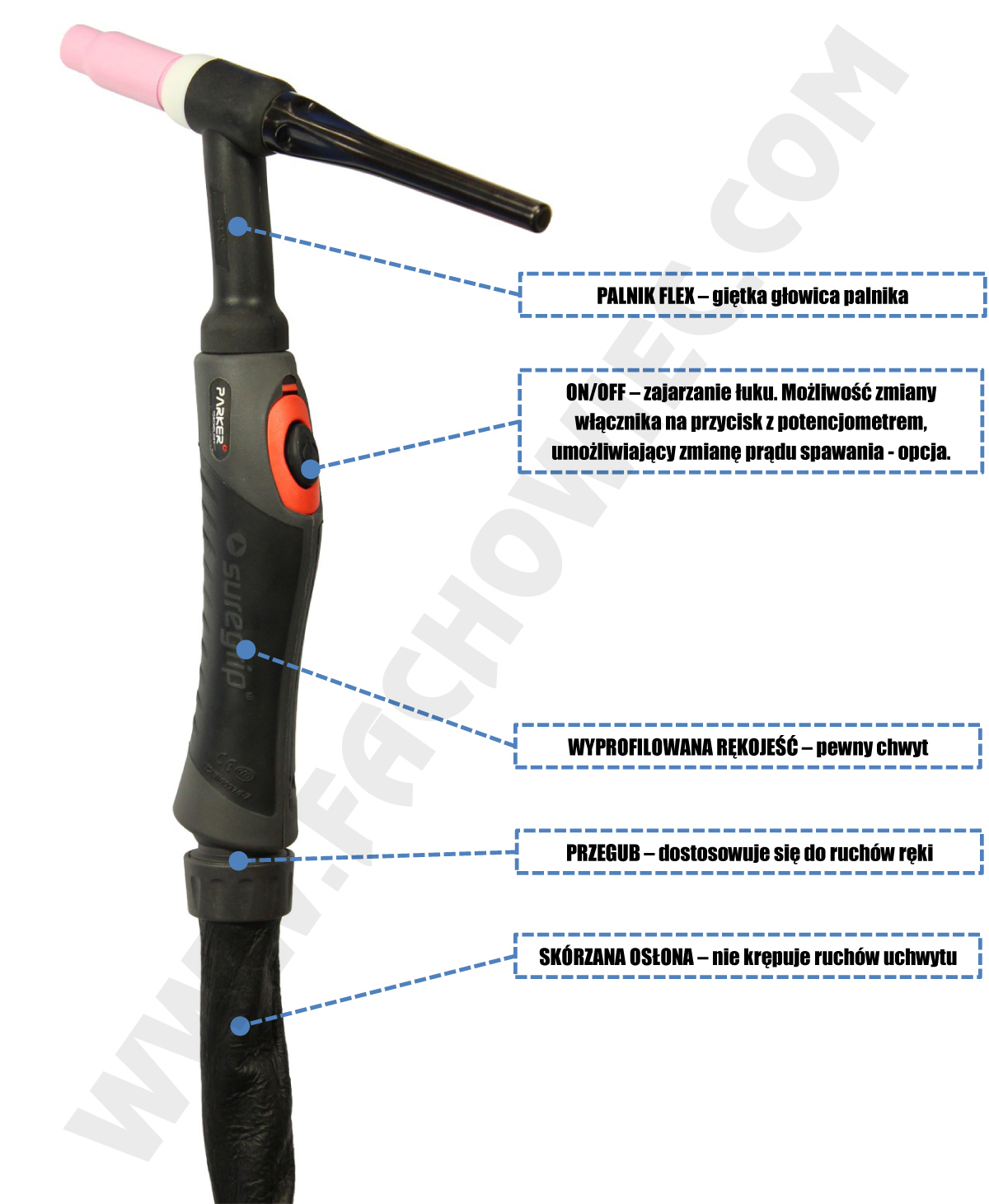
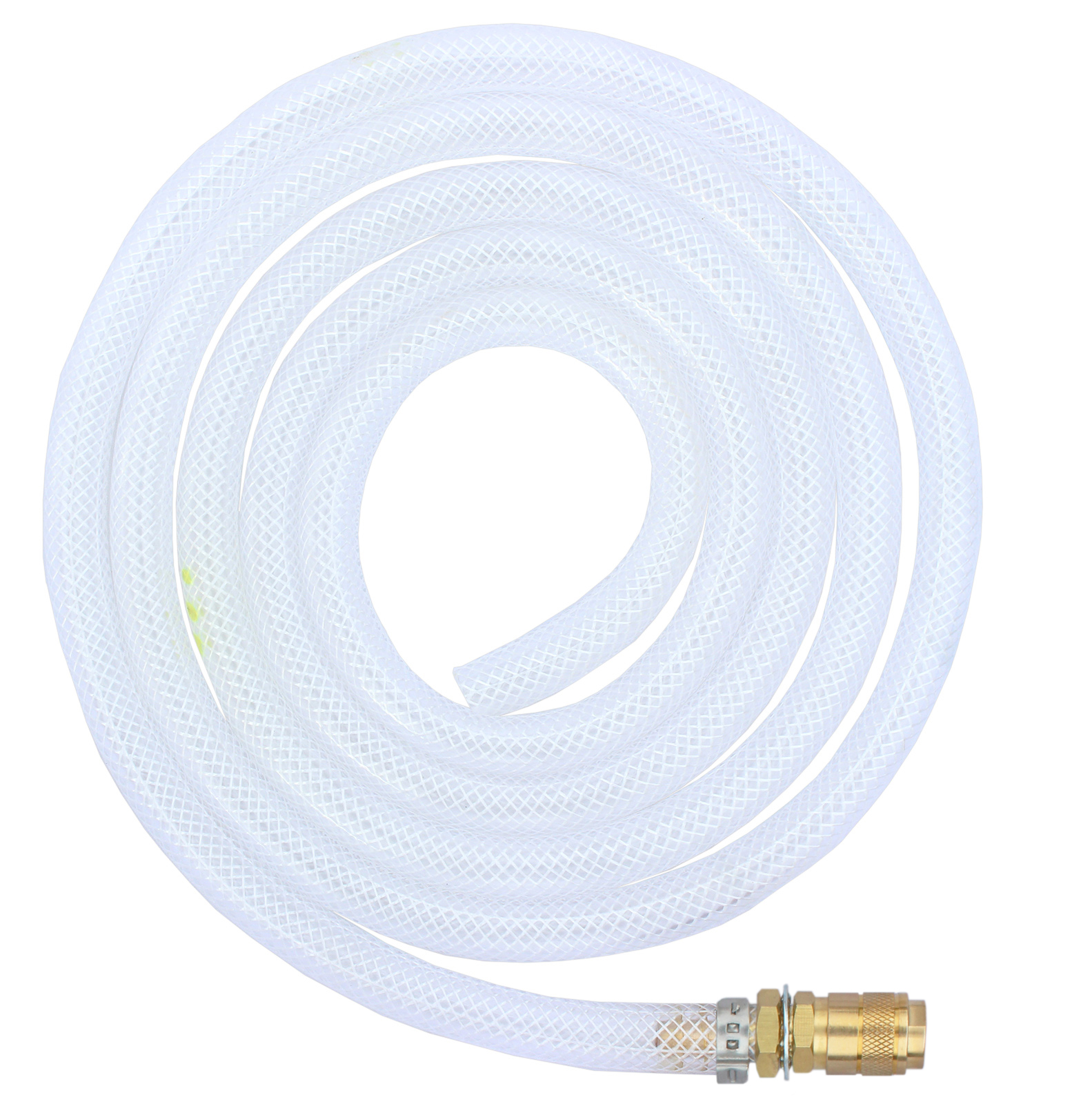
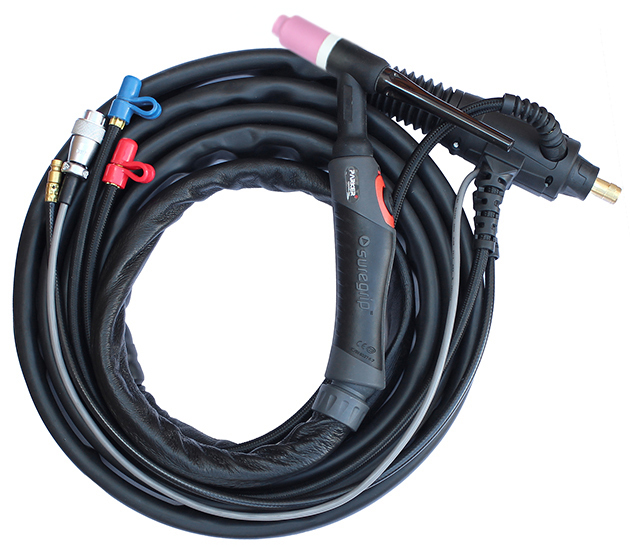
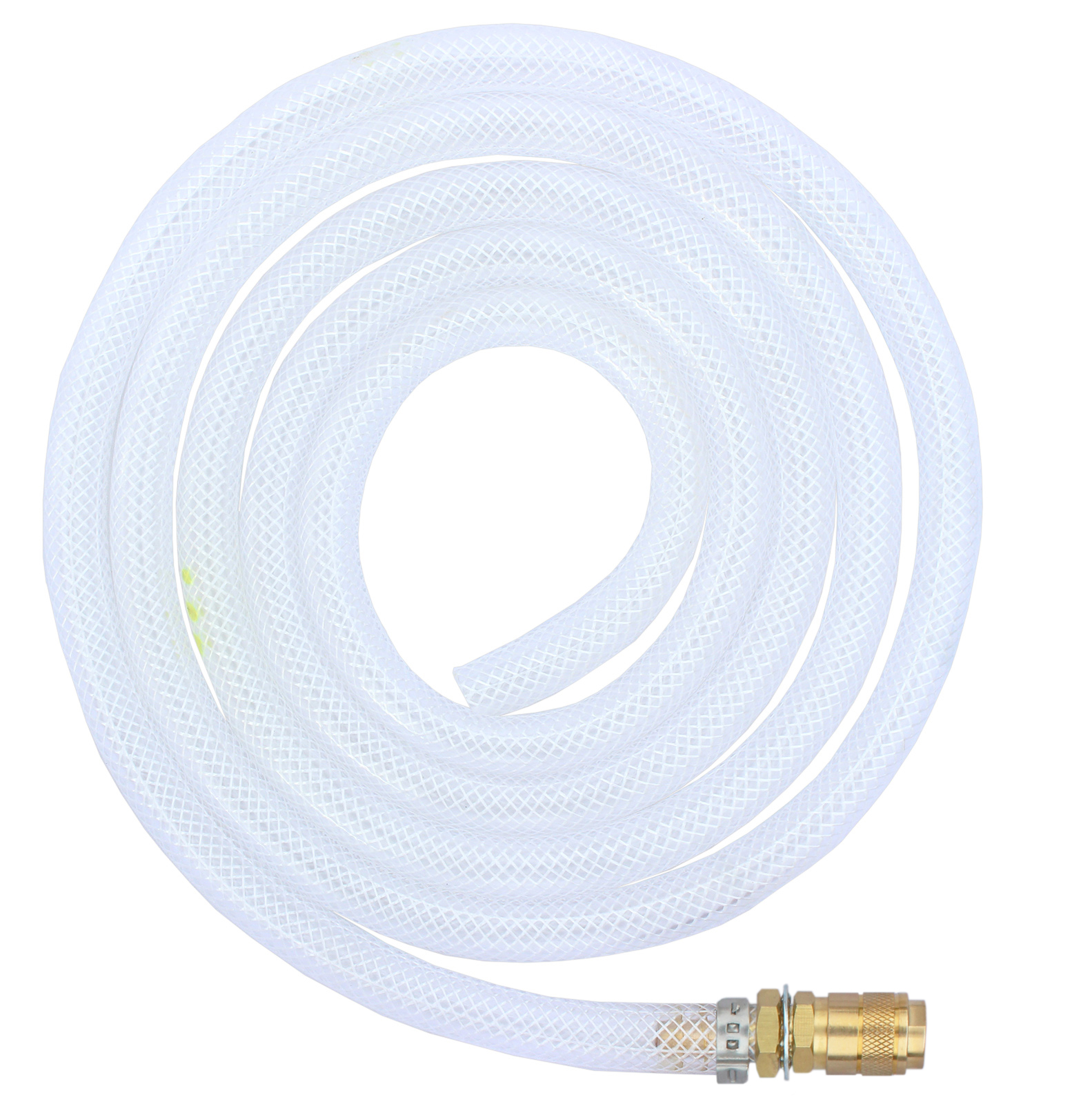
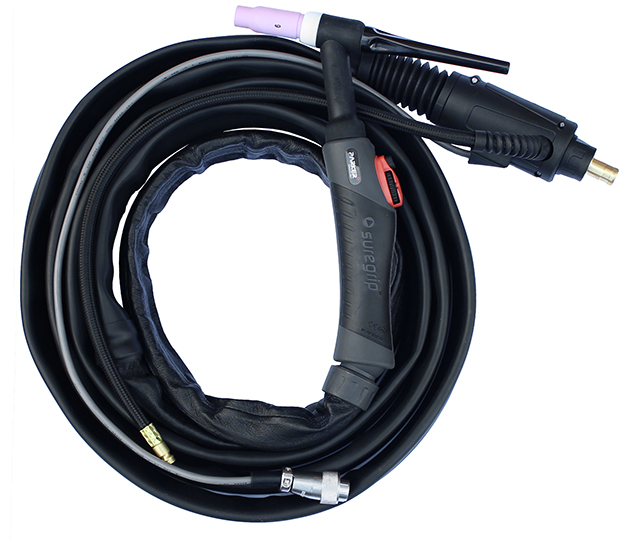
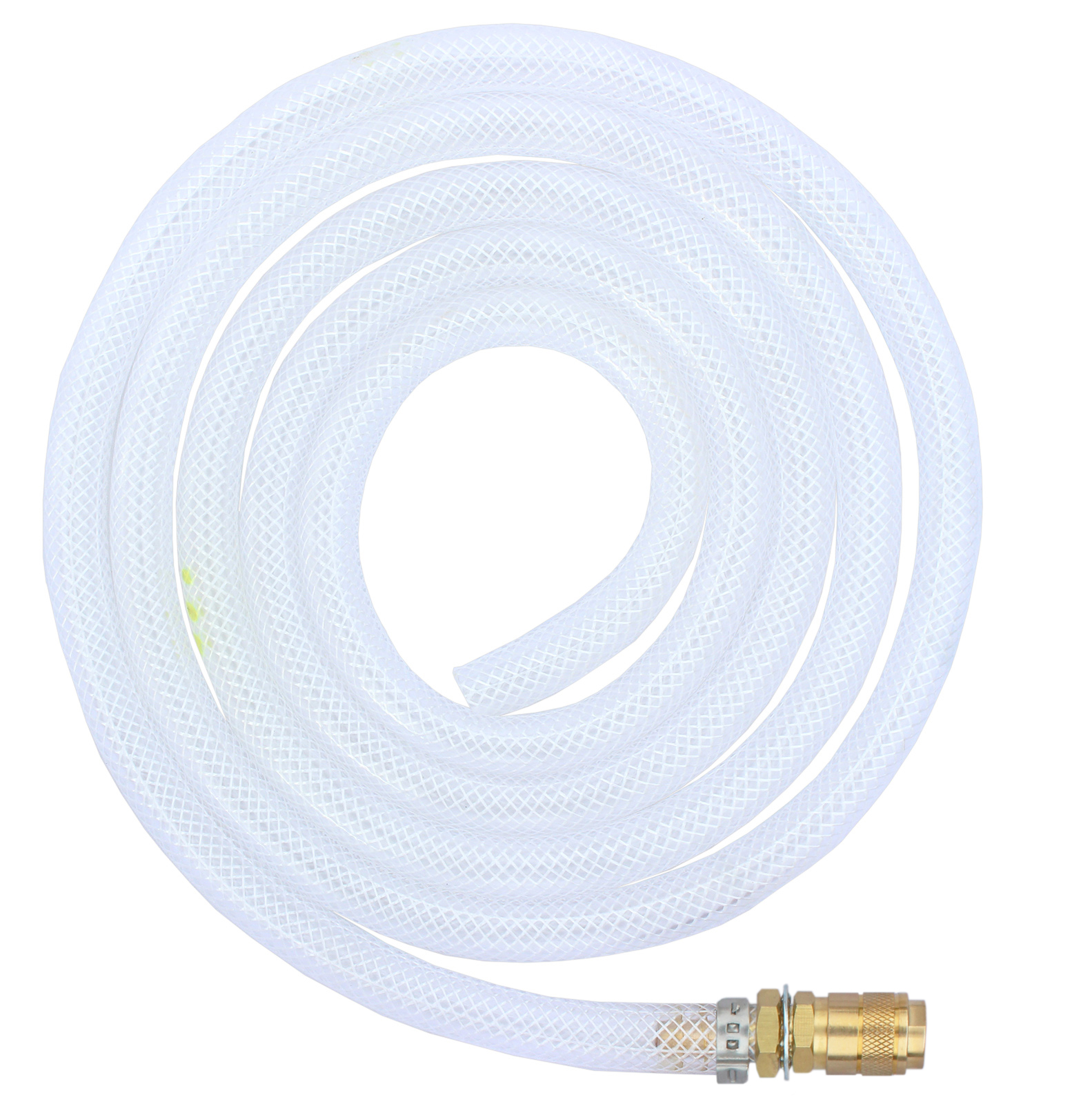
This is a key component that provides constant cooling of the TIG torch, protecting it from damage and allowing for long, continuous operation in industrial mode.
- High efficiency and stability:
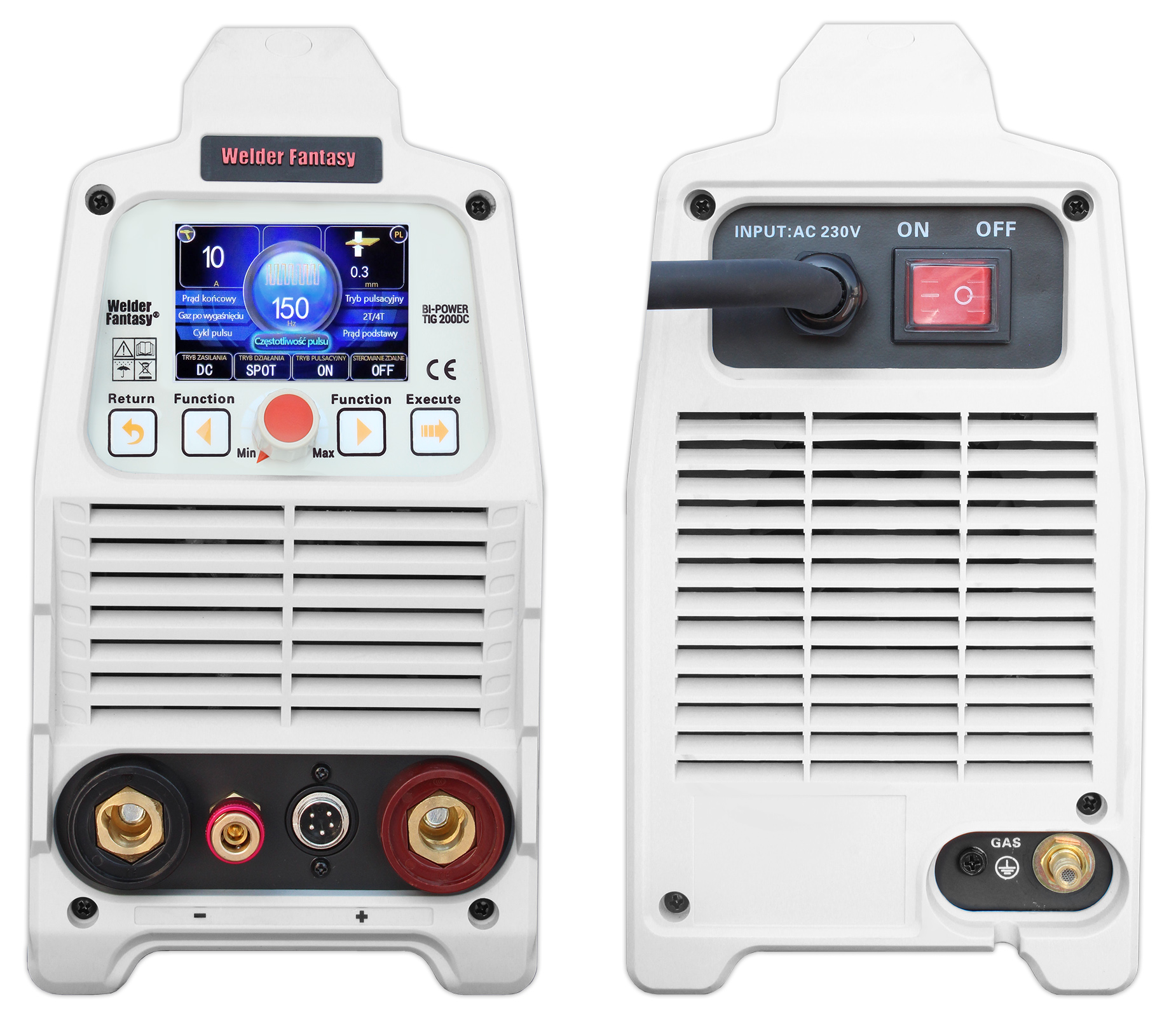
These devices use advanced technology, often based on IGBT transistors, which ensures stable welding current and low power losses.
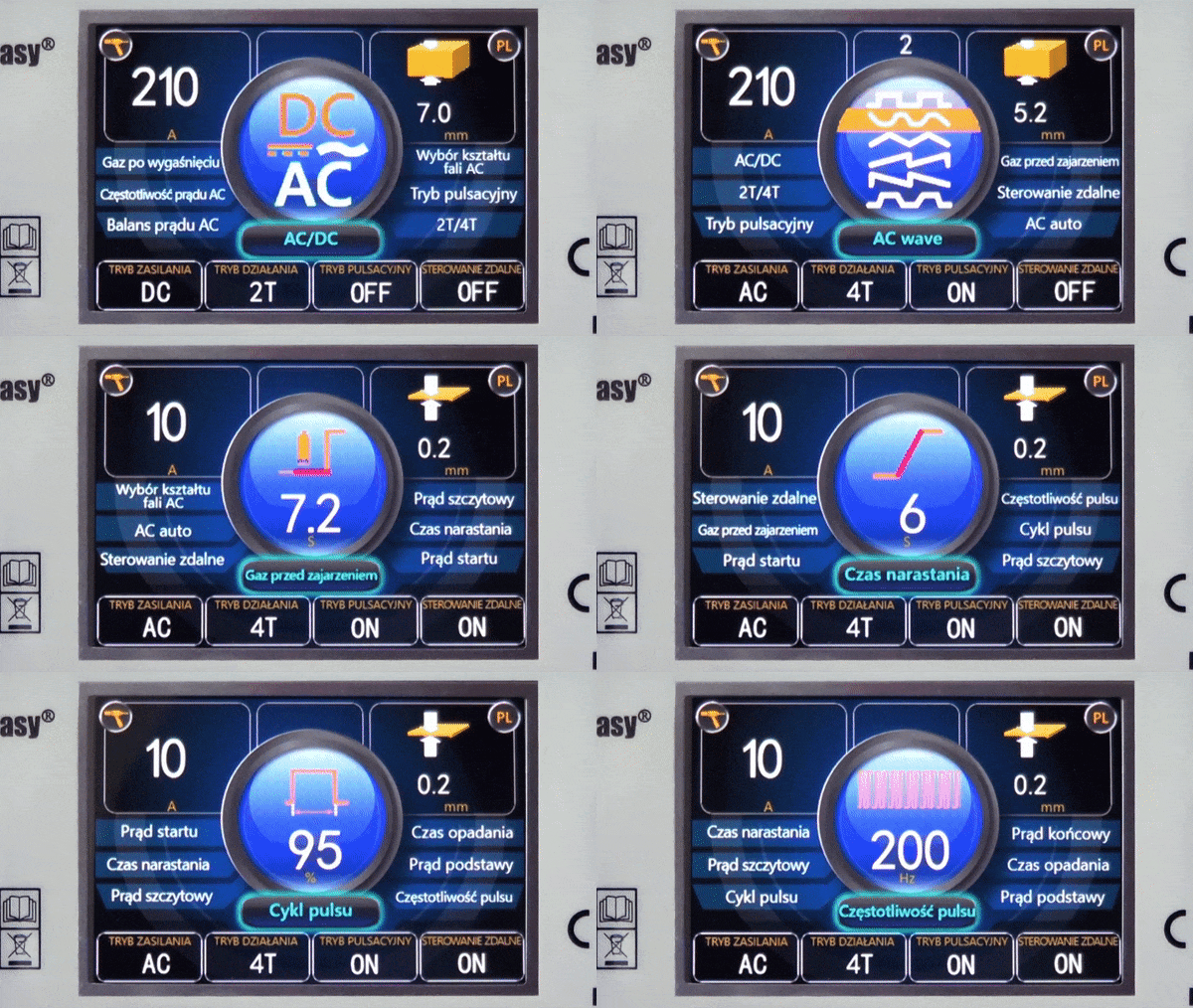
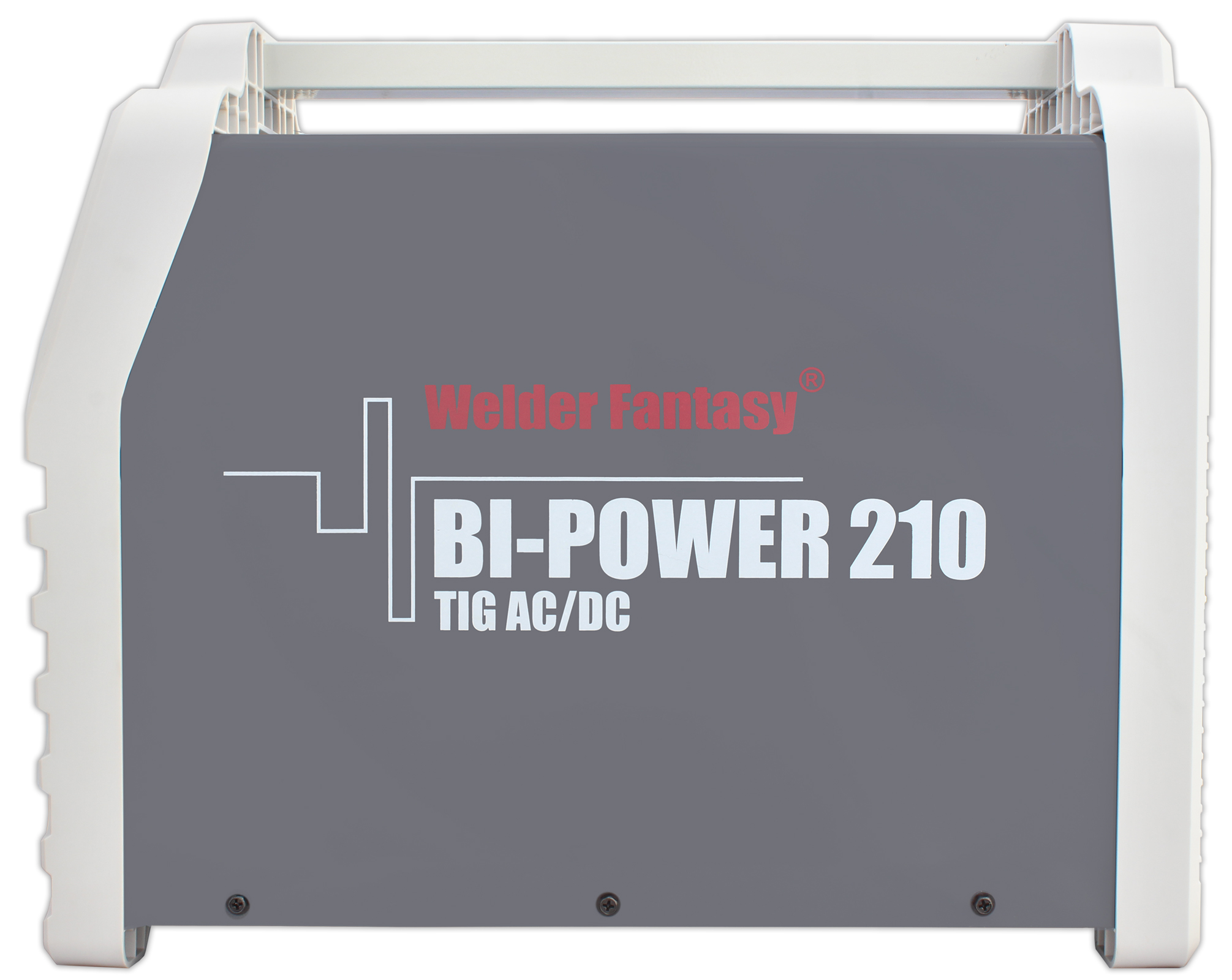
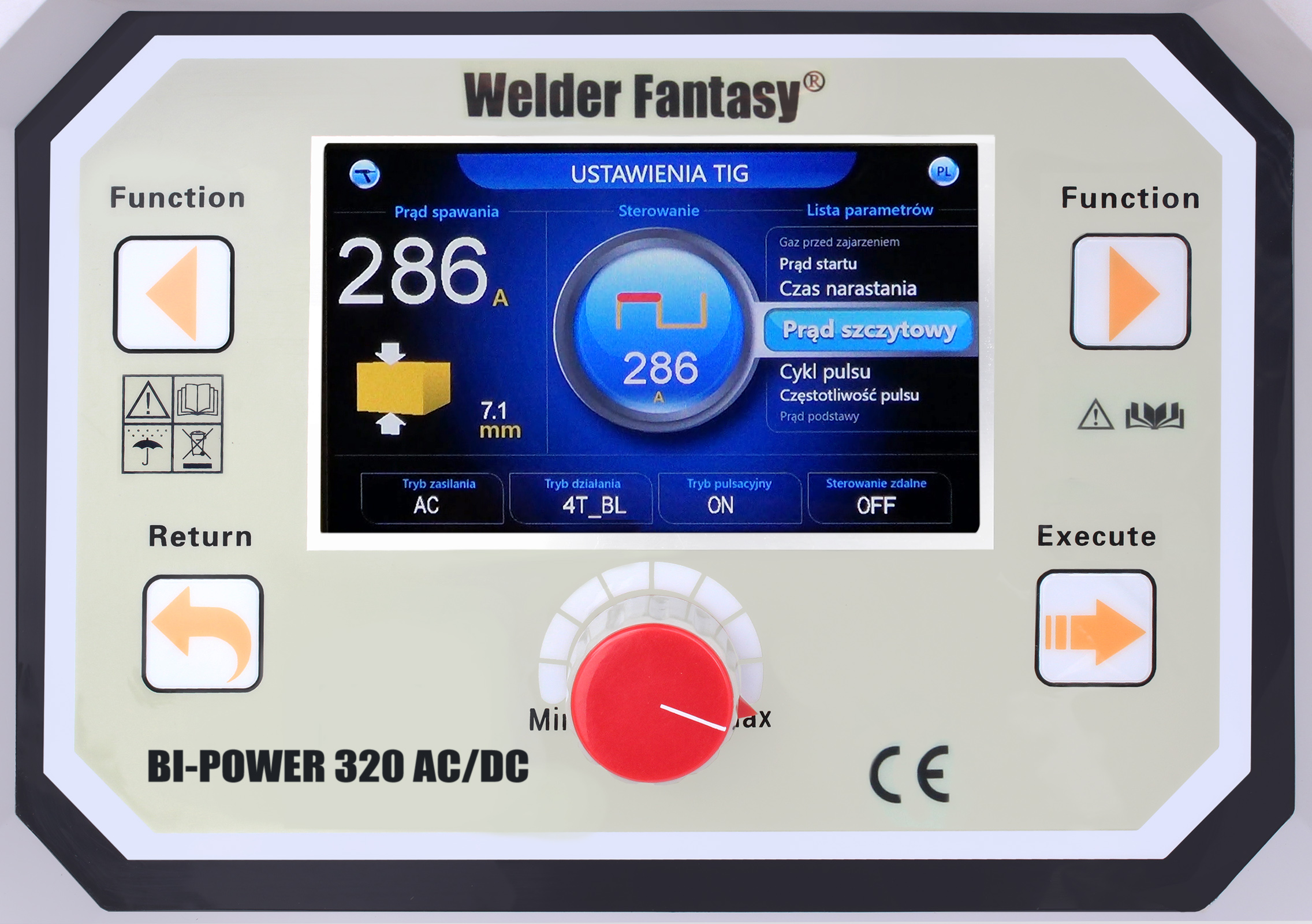
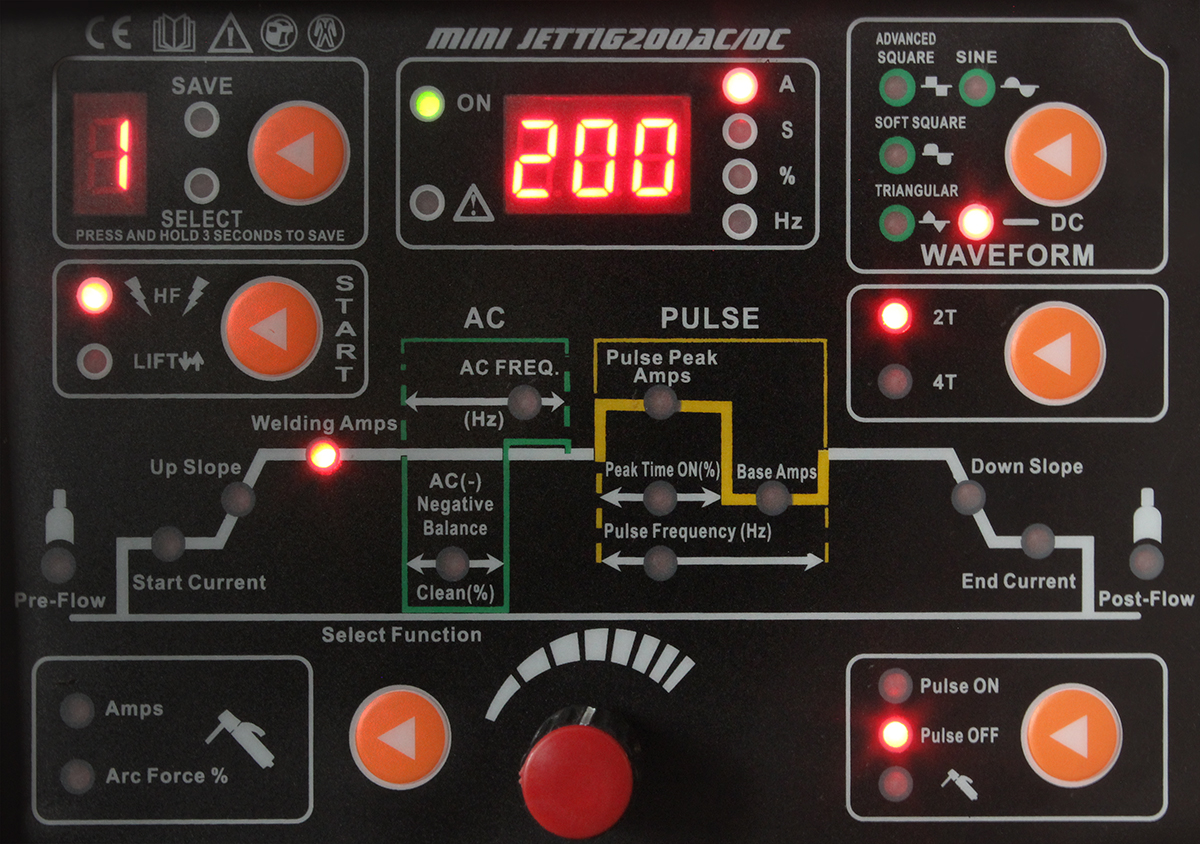
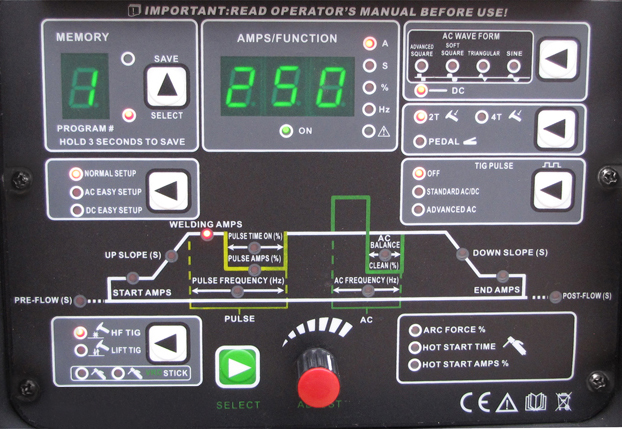
Allows for welding ferrous metals with direct current (DC) and non-ferrous metals, including aluminum, with alternating current (AC).
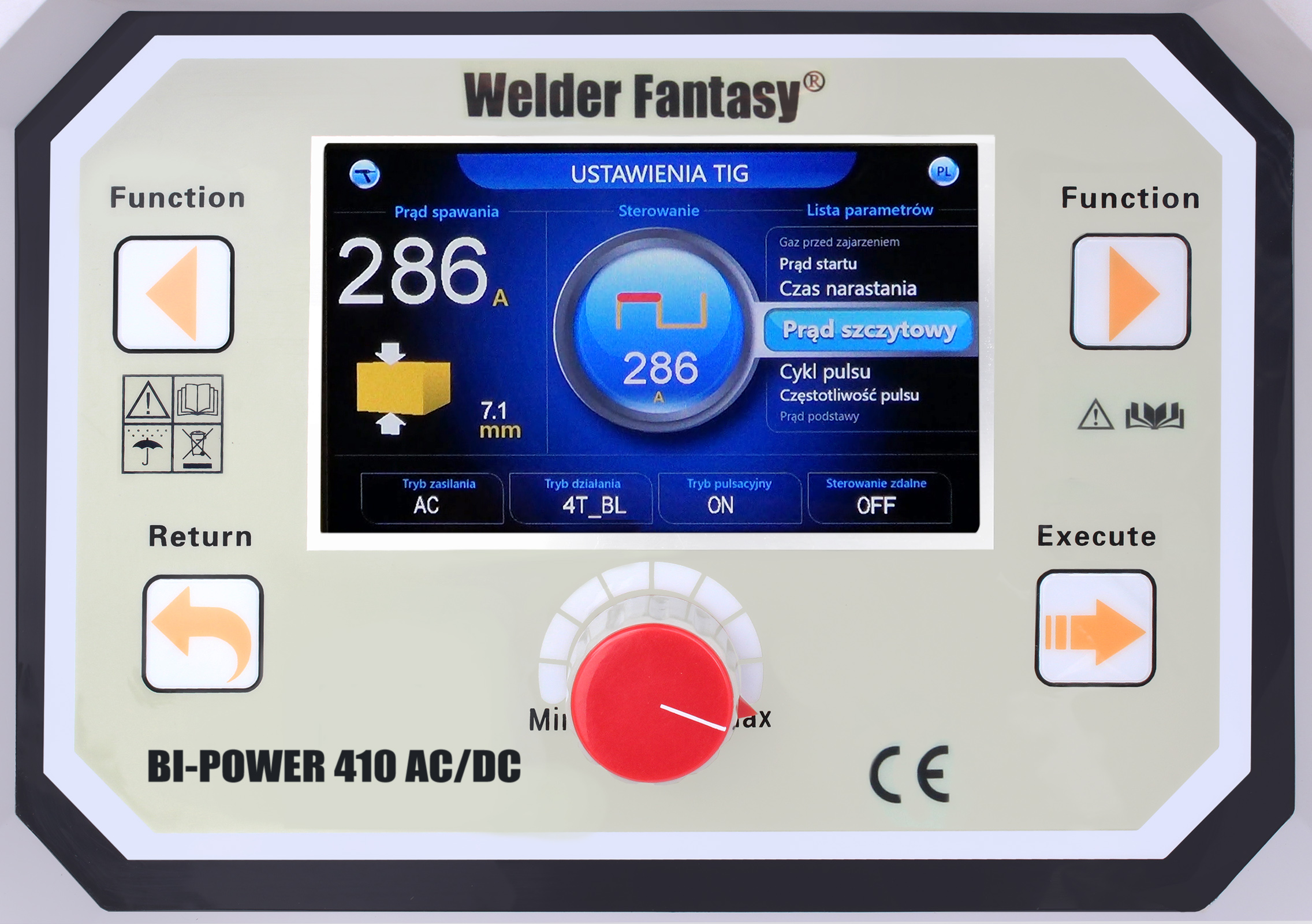
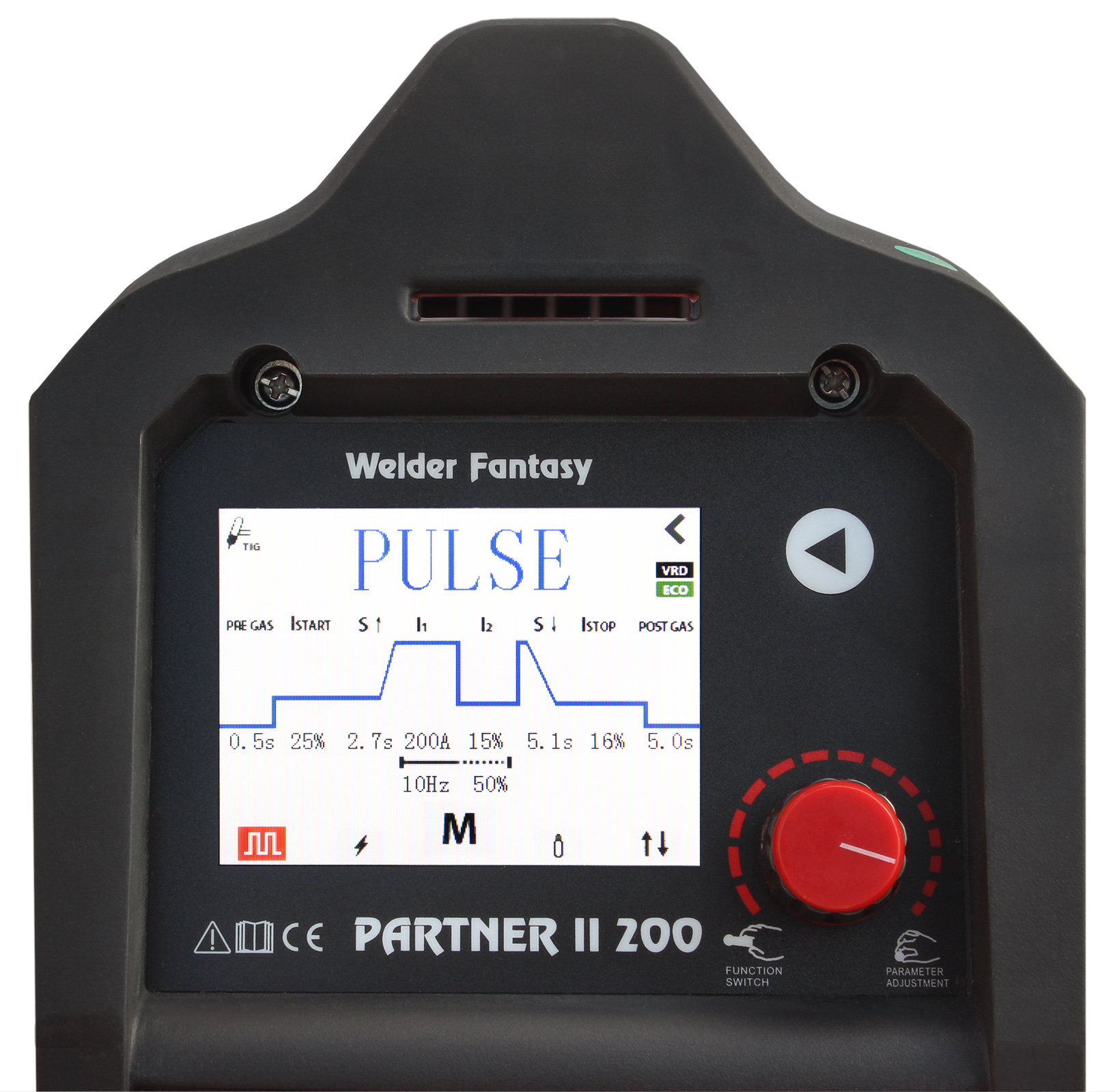
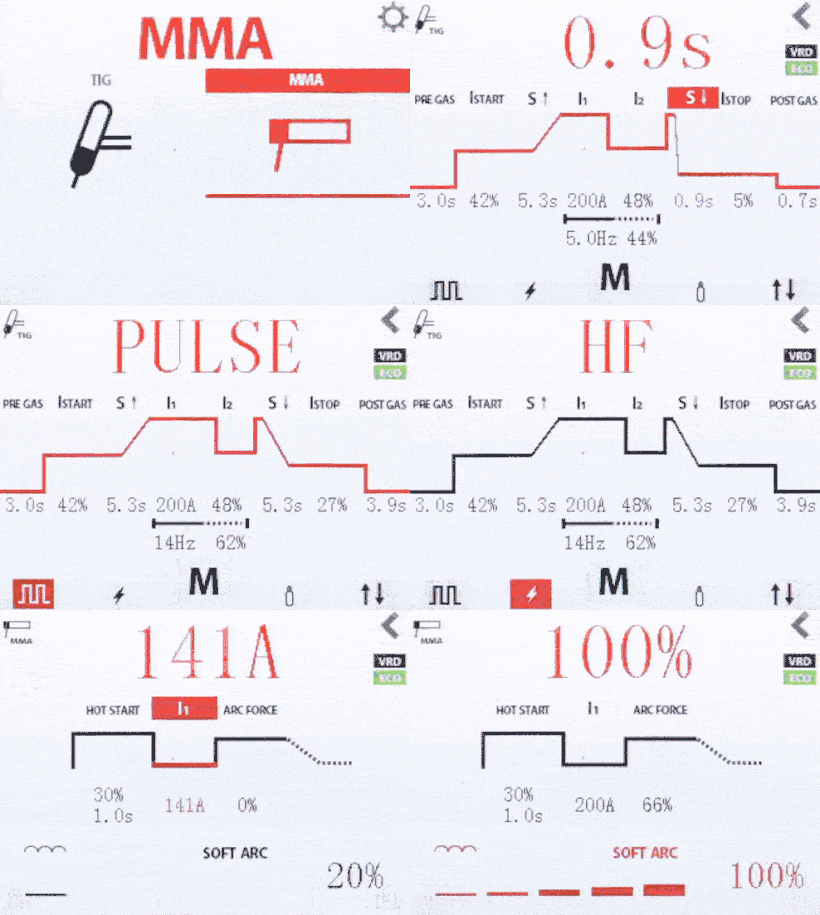
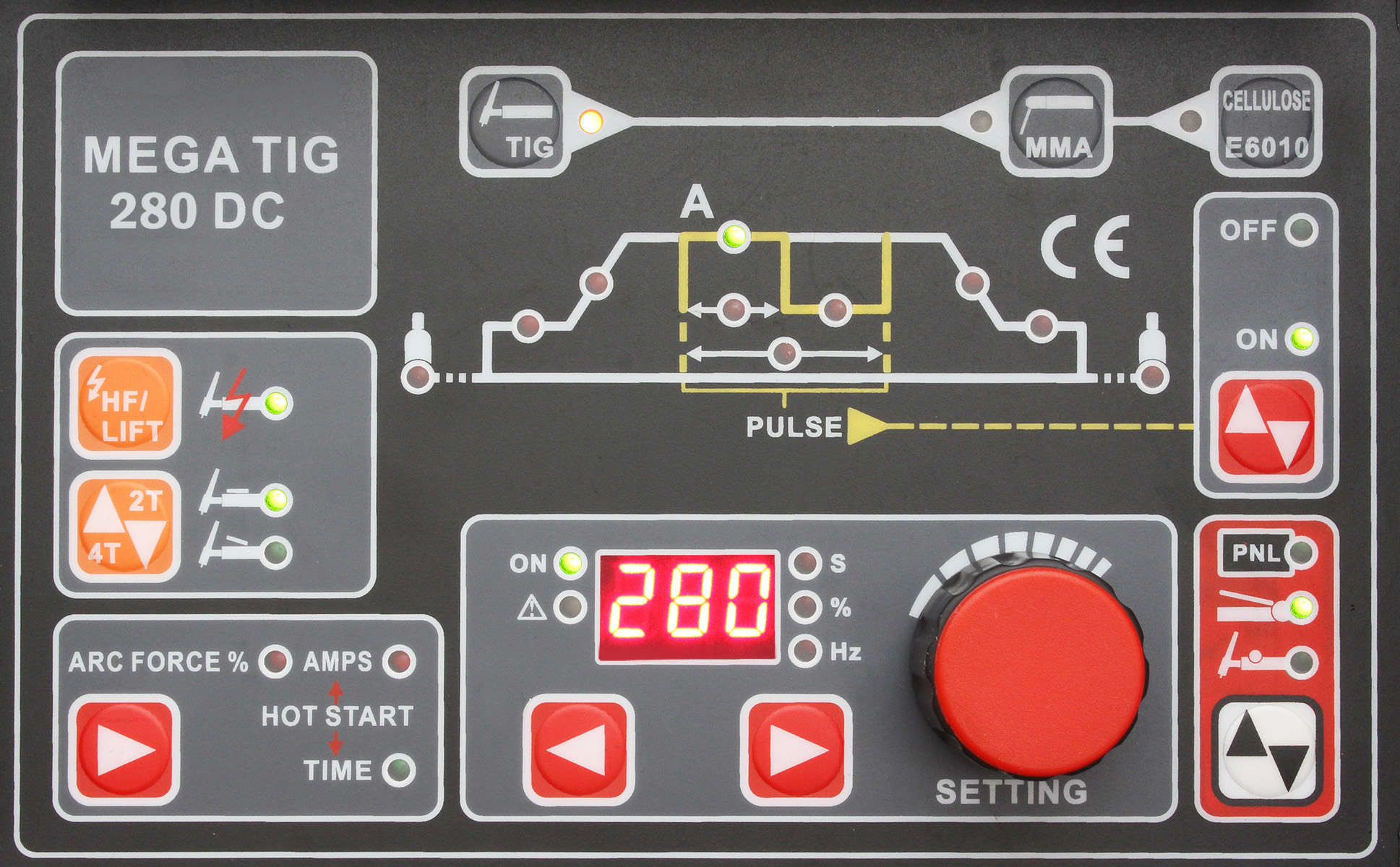
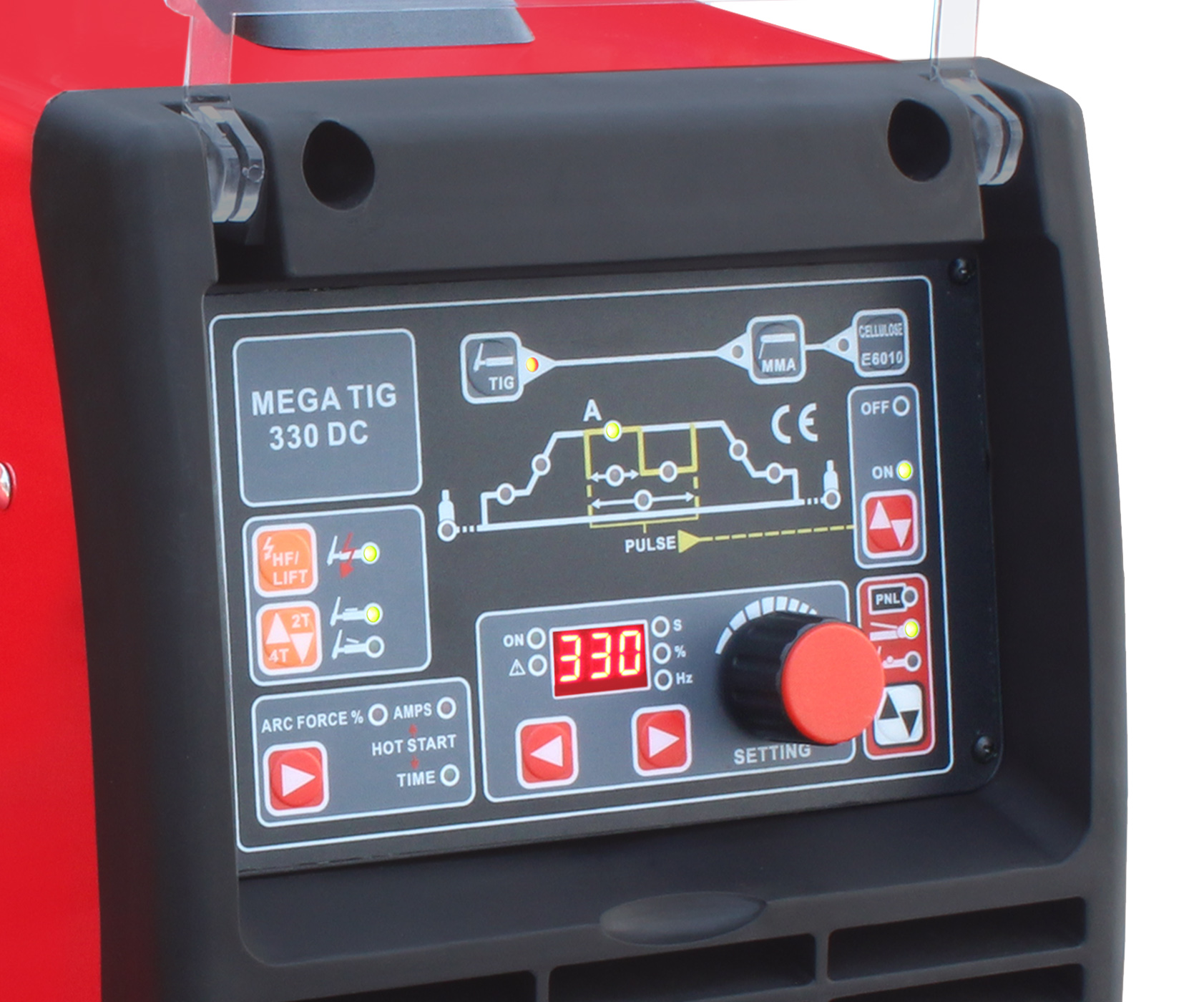
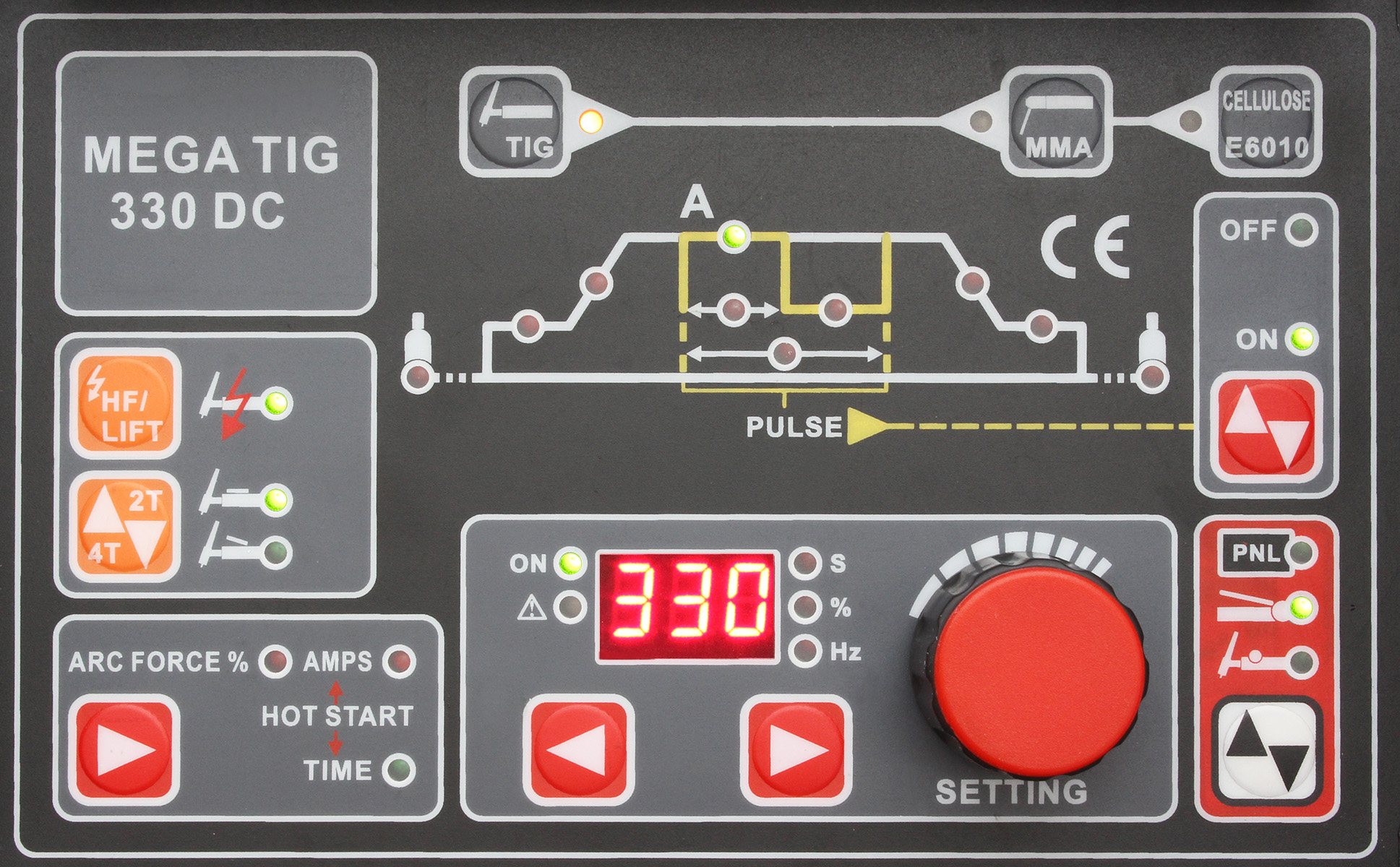
- Pulse function (Pulsed welding):
Enables precise control over the temperature and shape of the weld, which is very helpful when welding thin materials.
- Contactless control (HF):
The arc ignition occurs without contact between the electrode and the material, preventing electrode wear and contamination of the weld.
Operating principle of TIG welders up to 400A
1. Power supply and arc:
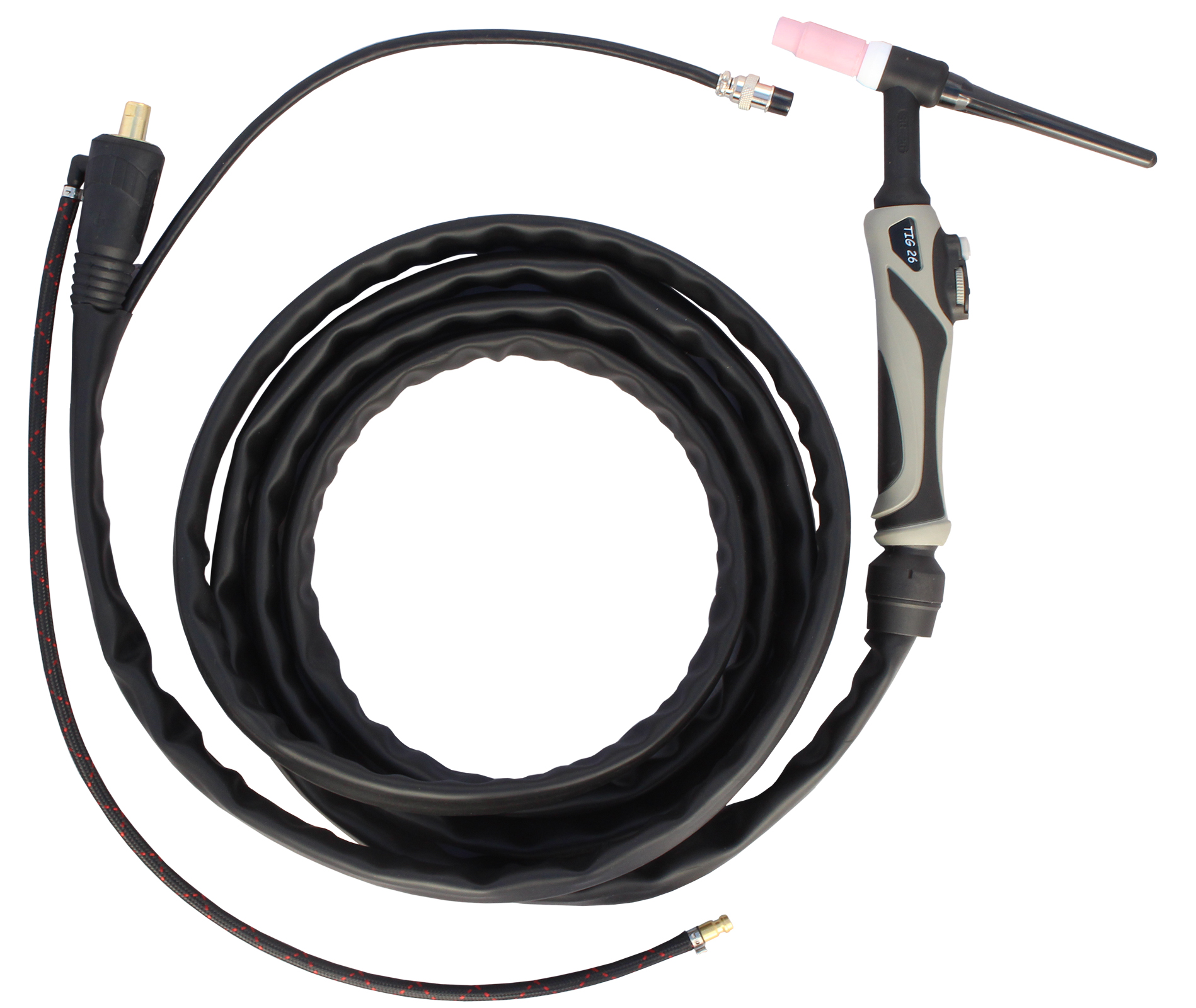
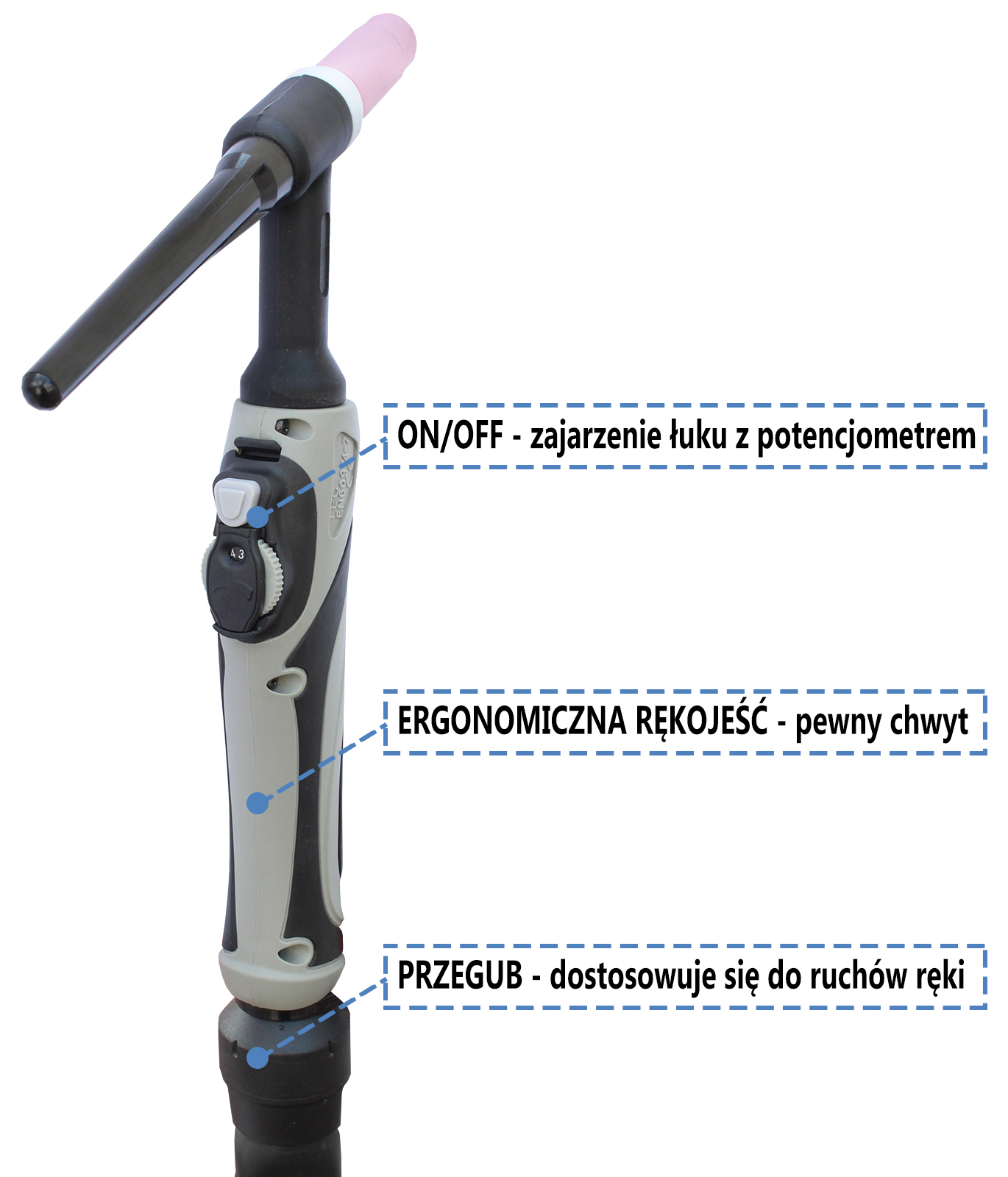
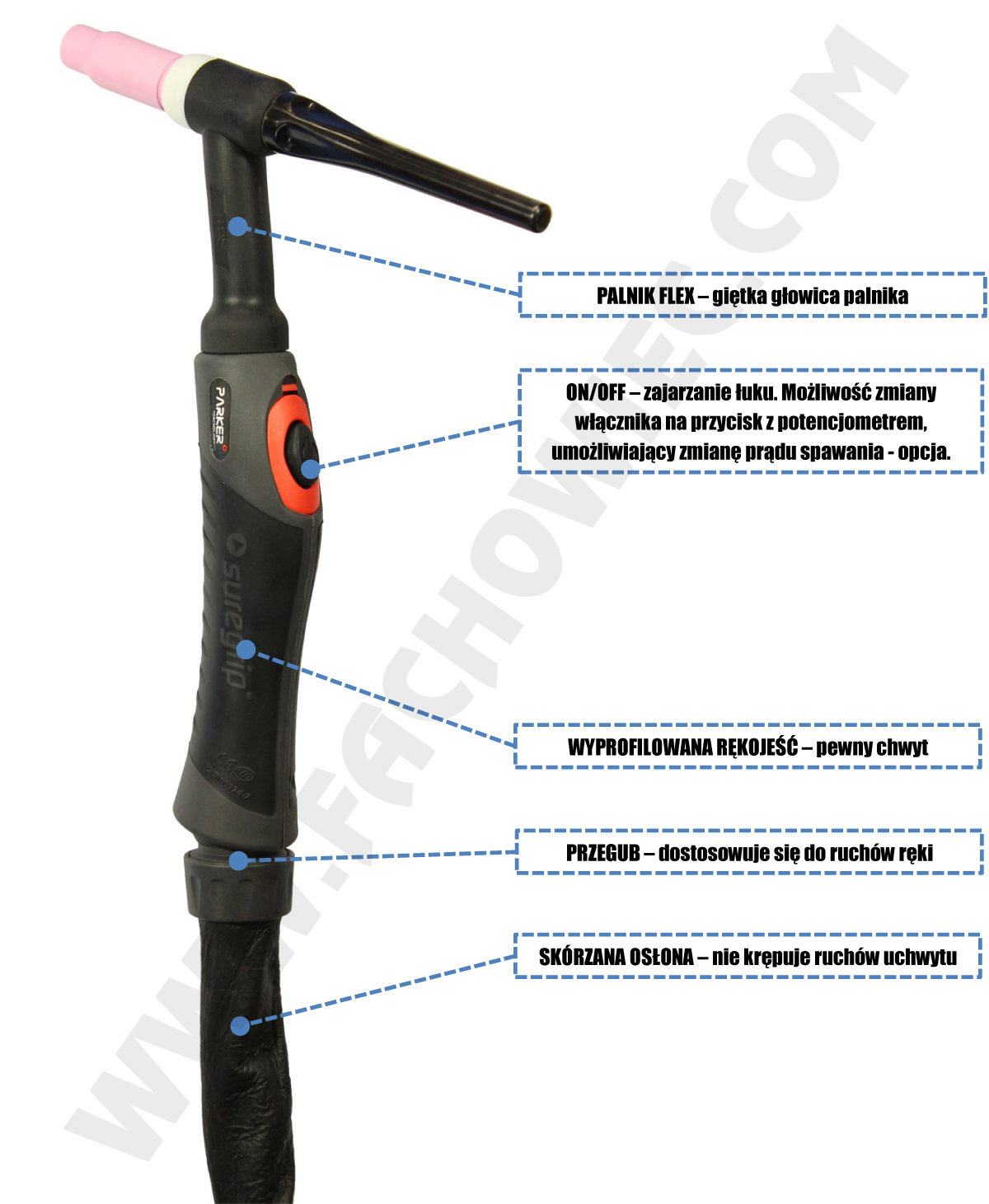
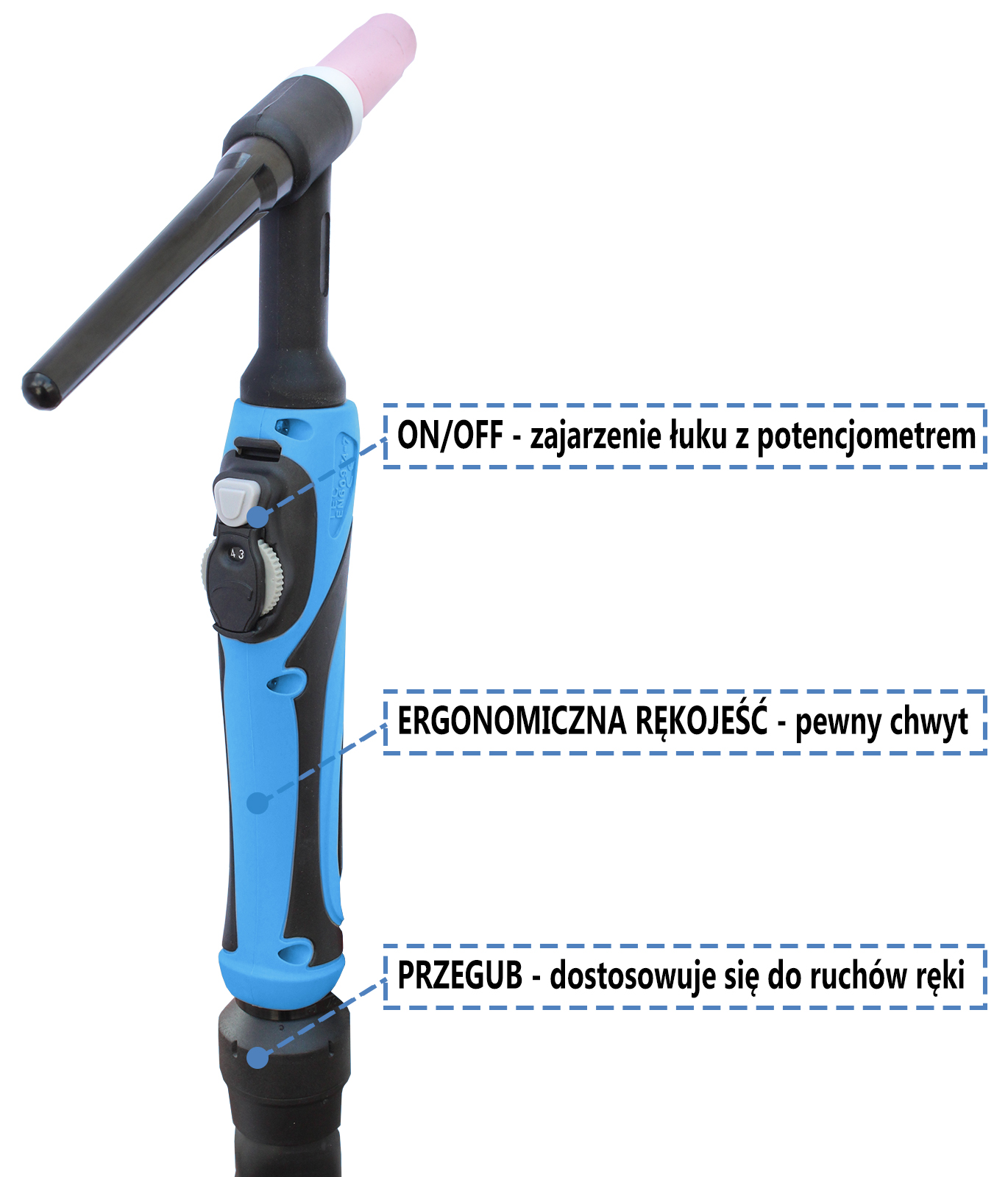
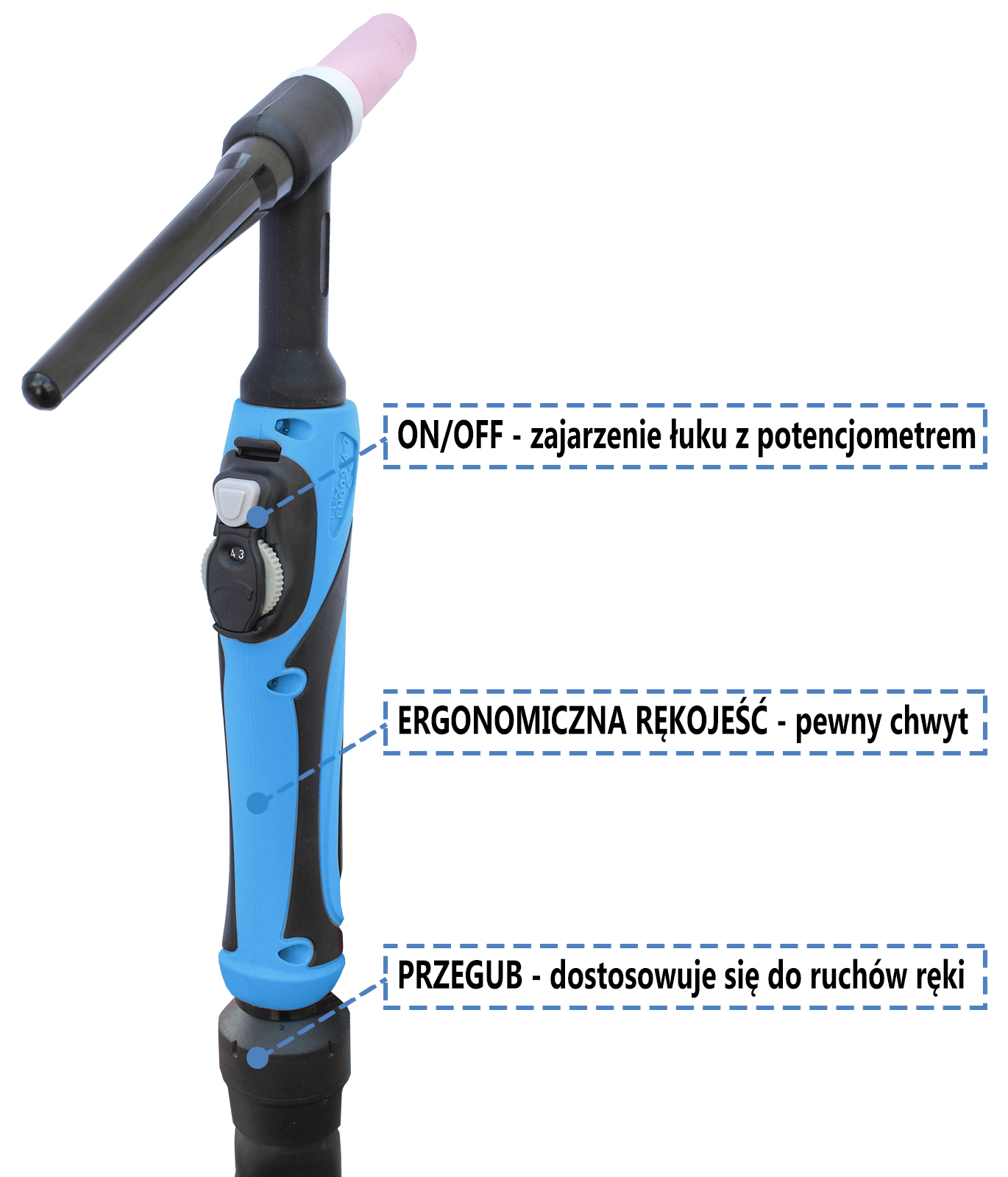
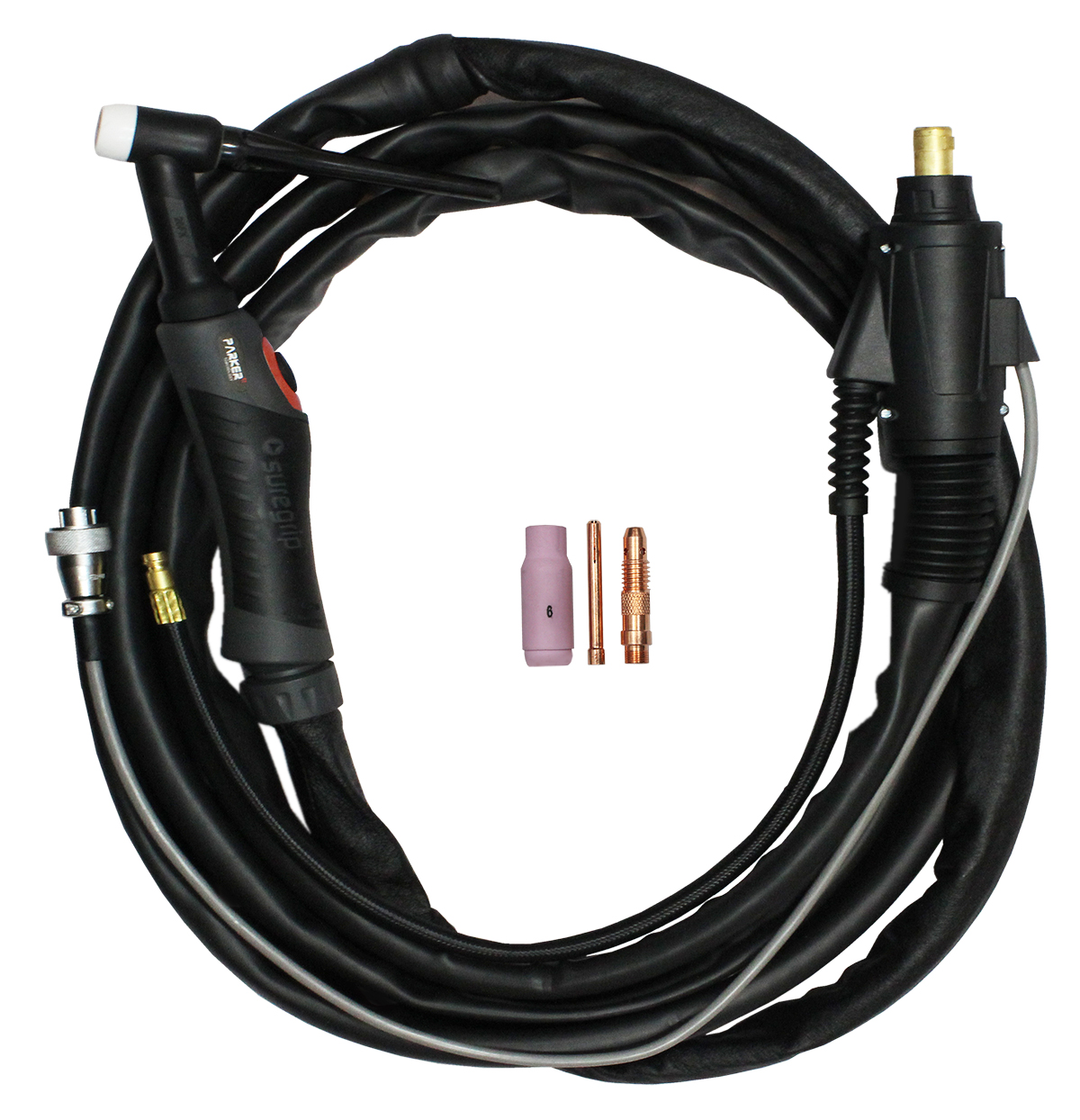
The welder powers the TIG torch, and current flows through its tip, generating an electric arc between the tungsten electrode and the workpiece.
2. Melting the edges of the welded material:
The high-temperature arc melts the edges of the joined metals and any added filler material.
3. Protection against the negative influence of the surrounding atmosphere:
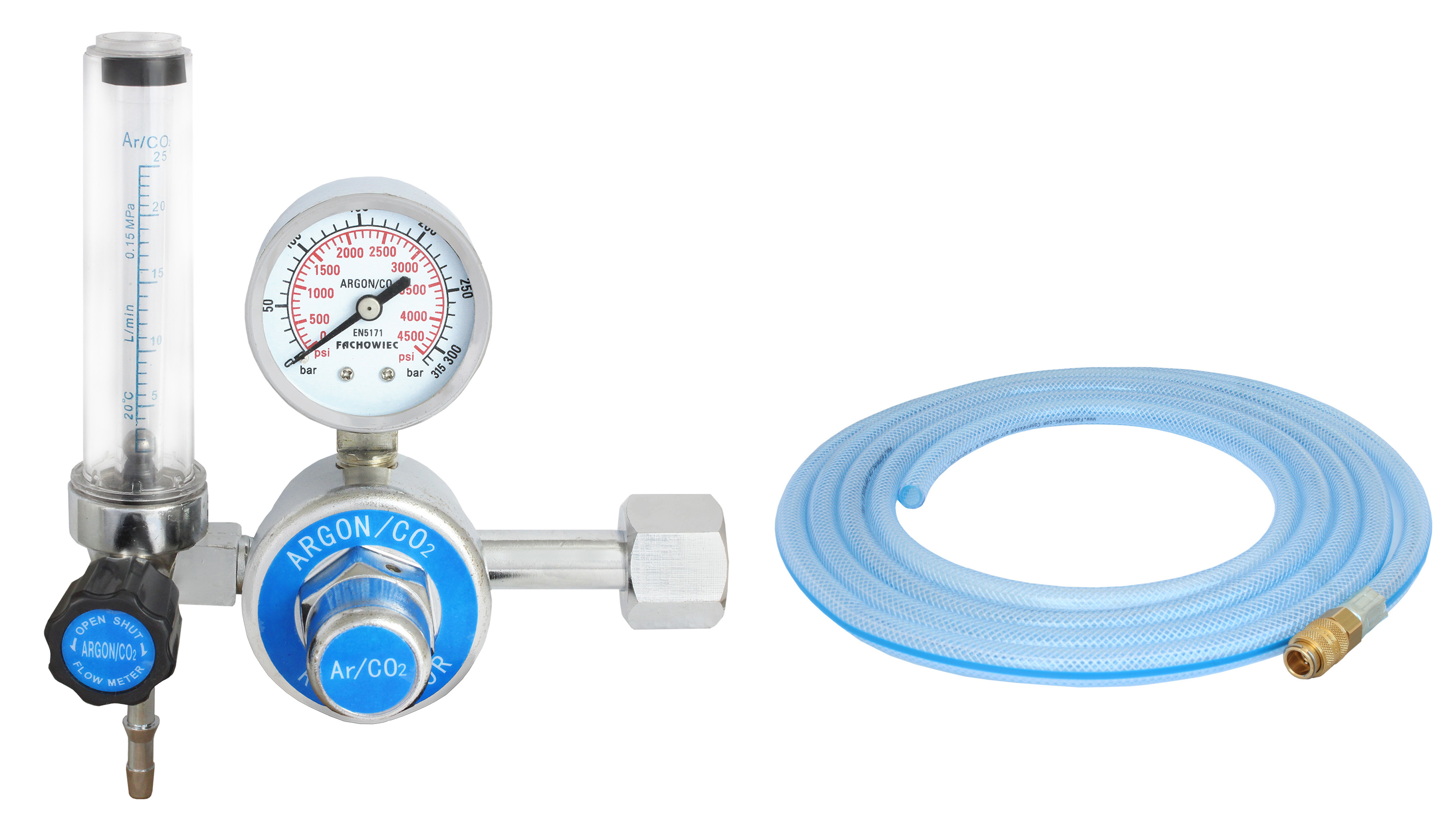
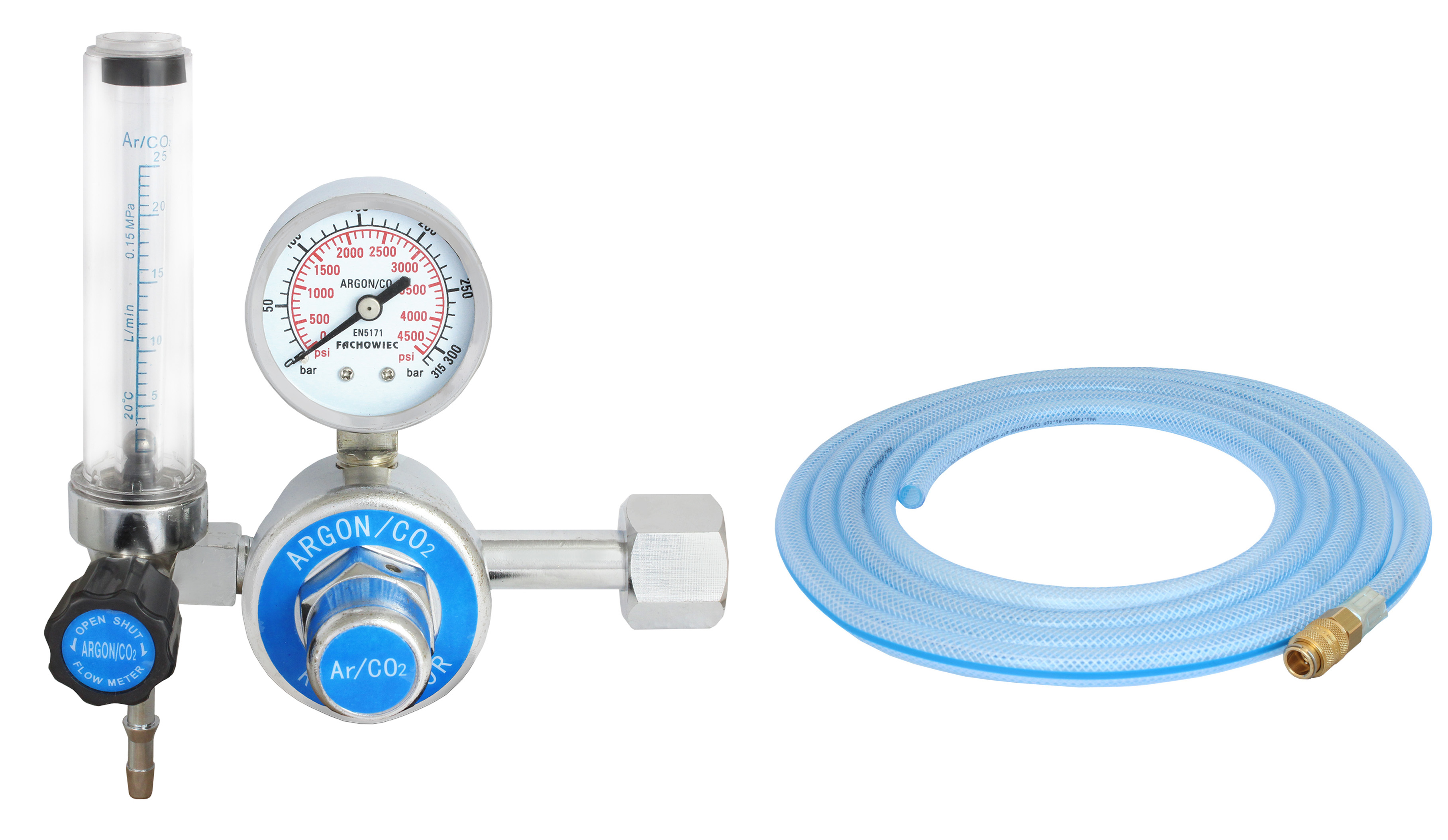
A stream of shielding gas (usually argon) flows from the torch nozzle, protecting the welding area from oxidation and contamination from the air.
4. Cooling:
During welding, the liquid flowing through the torch dissipates excess heat, ensuring stable temperature.
5. Working with high current:
A power of 400A allows for a large amount of heat, which is essential for welding materials of significant thickness and ensures arc stability.
Features and advantages of TIG welders up to 400A
- Inverter technology:
- High reliability and stable electric arc thanks to IGBT technology.
- High quality of welds:
The TIG method creates very clean and precise welds, ideal for challenging applications and metals such as stainless steel, copper, or aluminum.
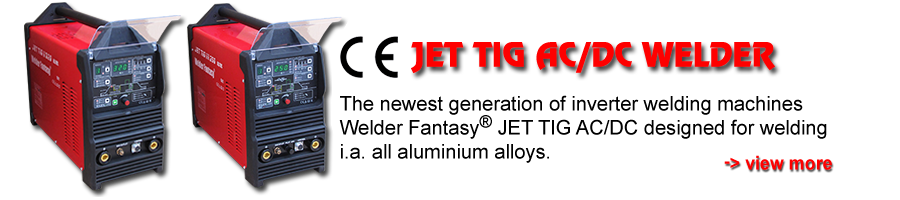
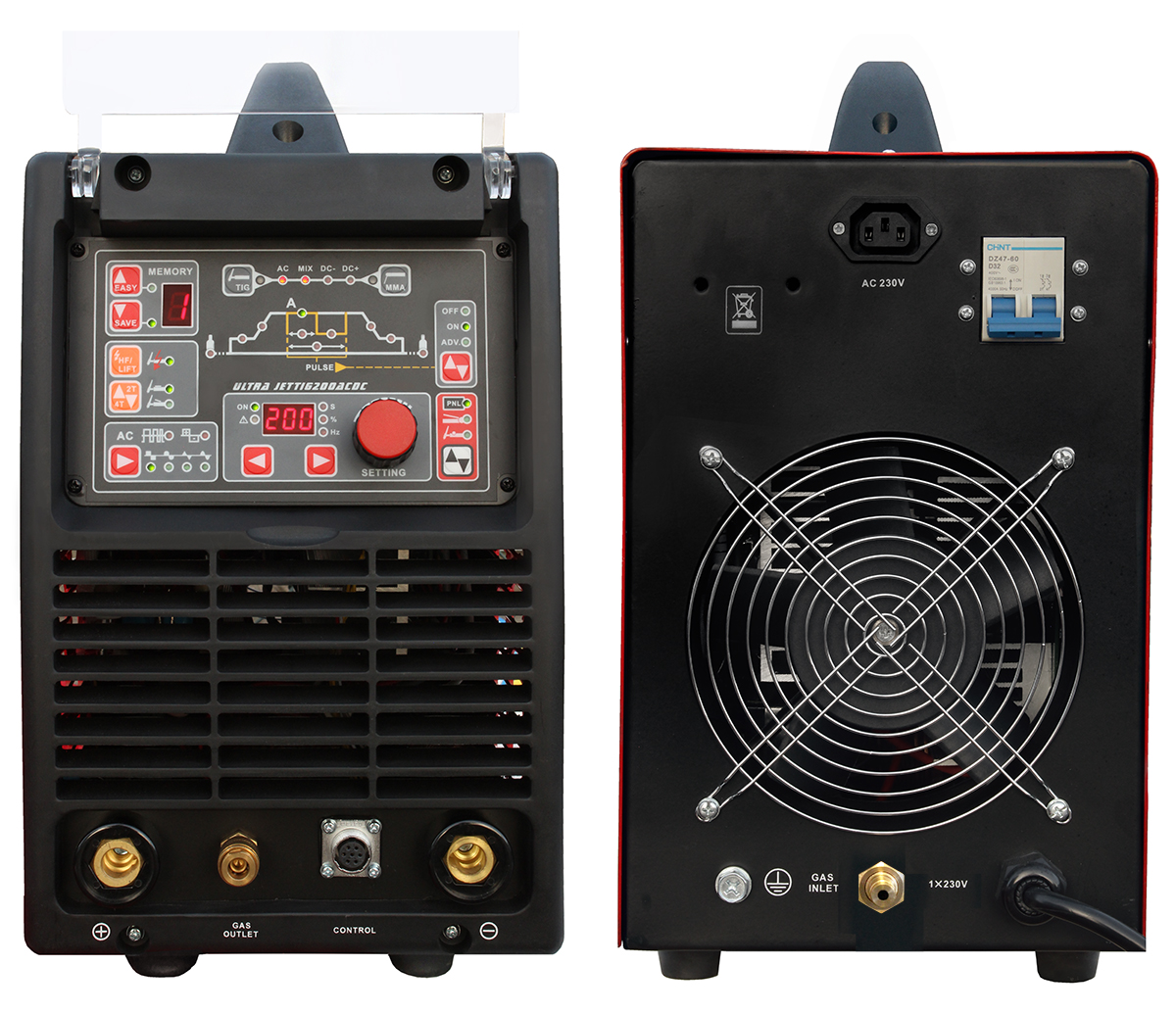
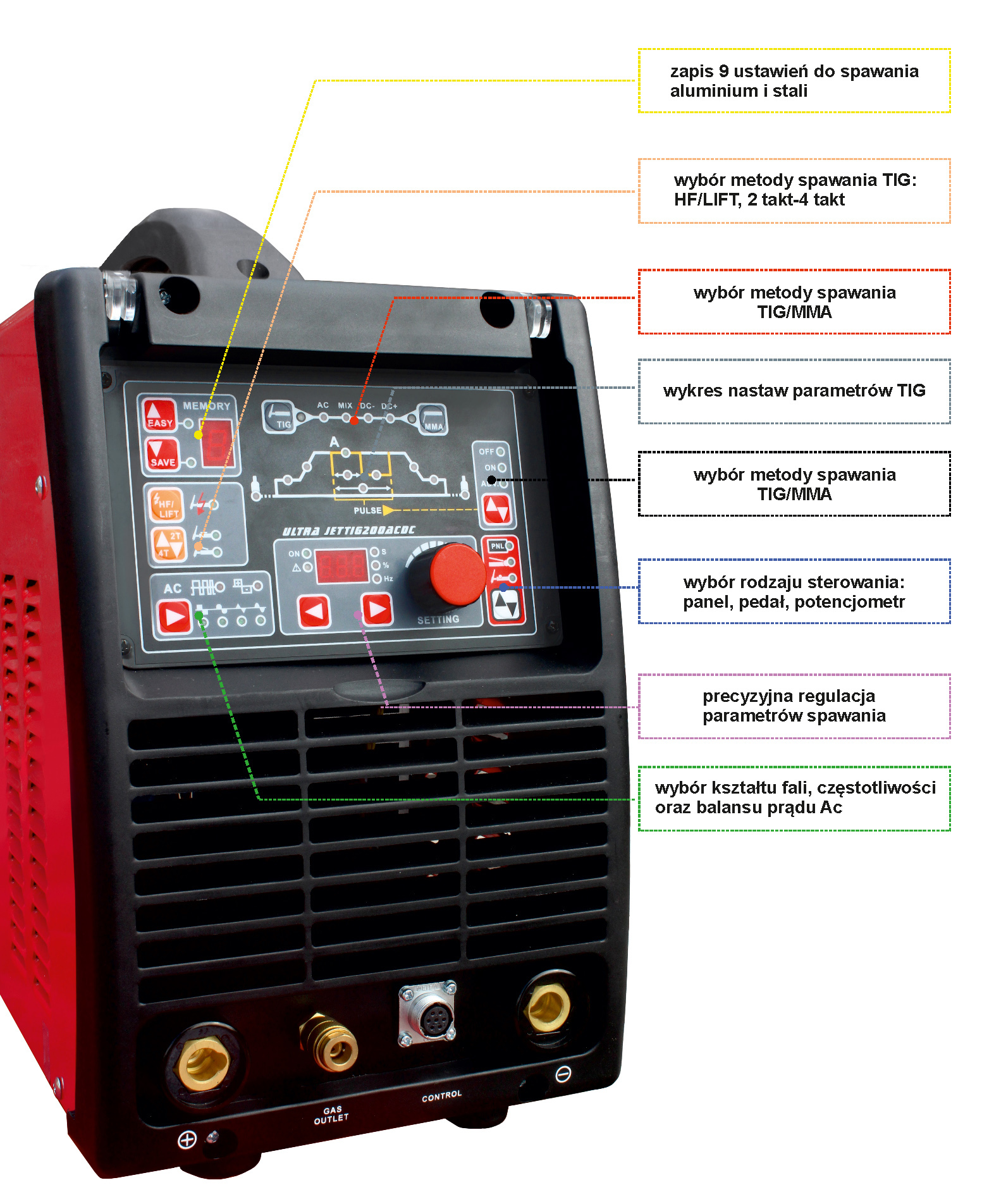
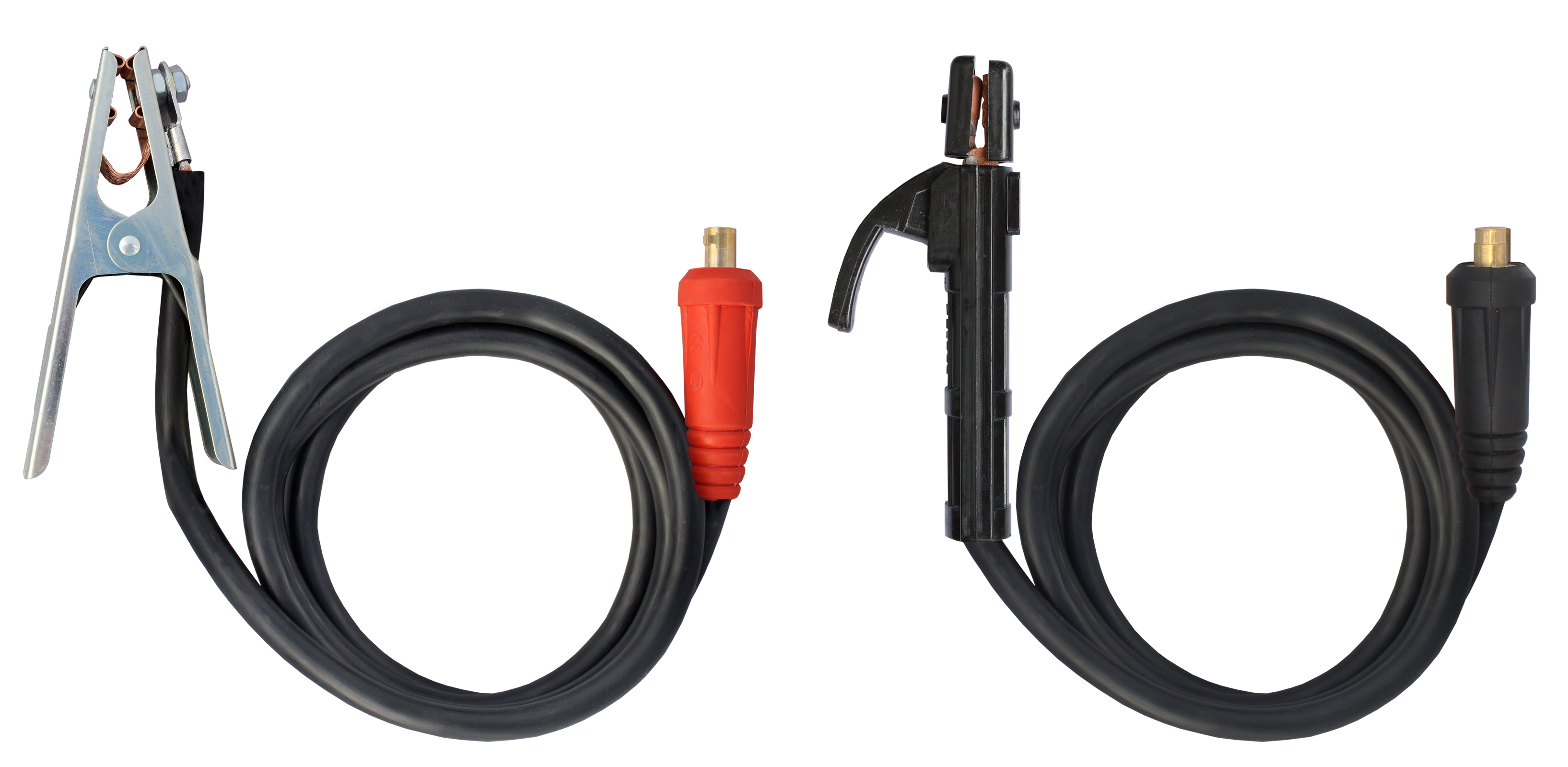
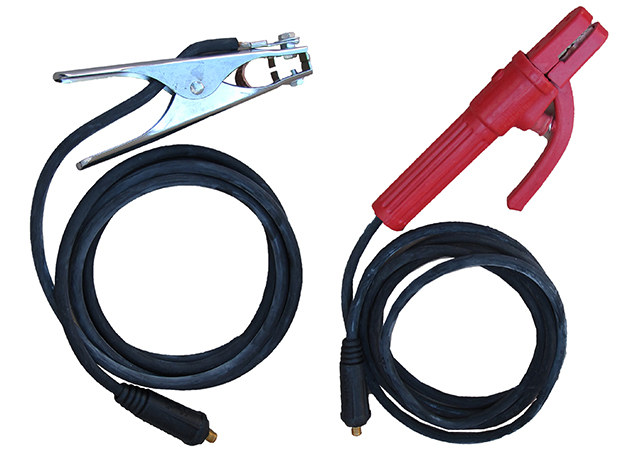
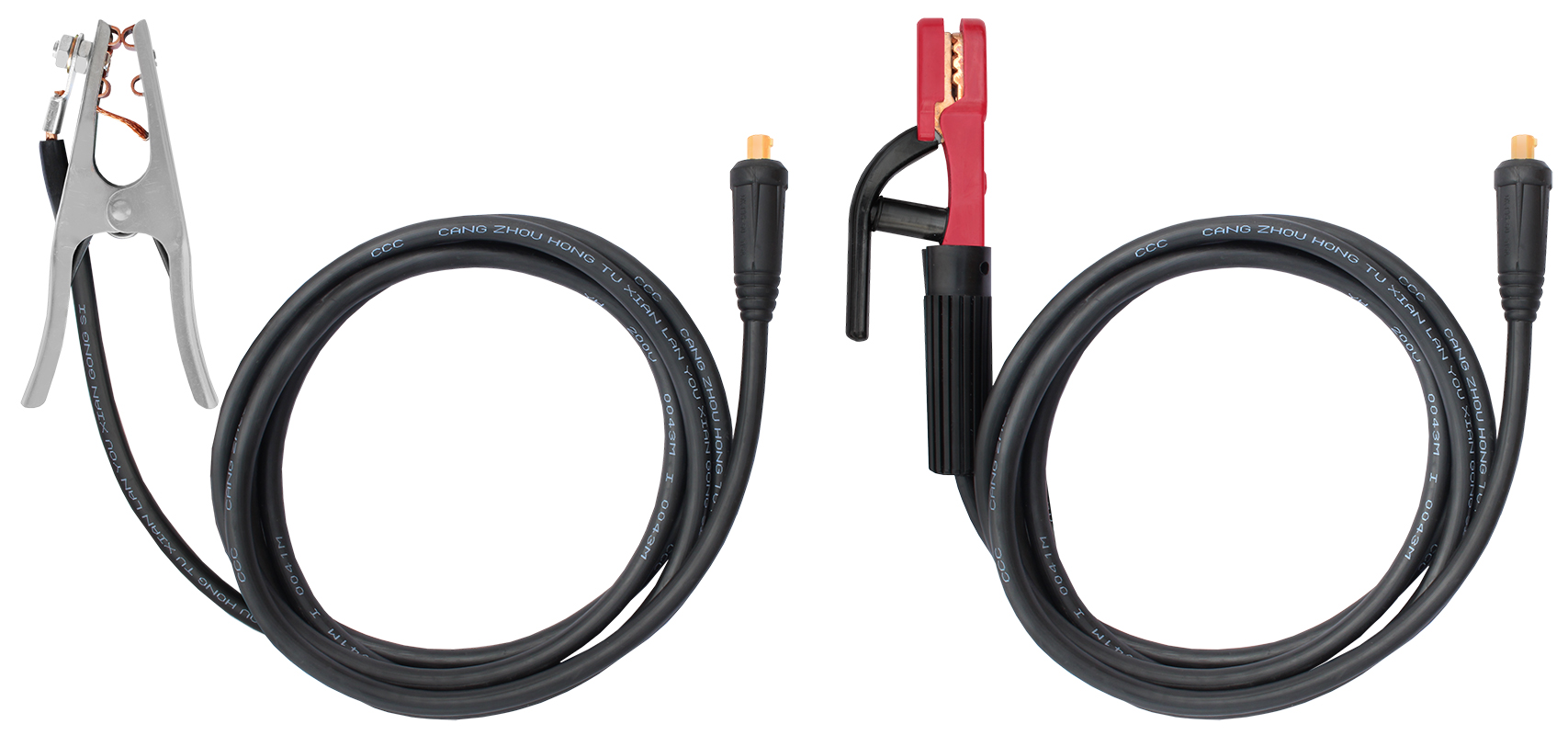
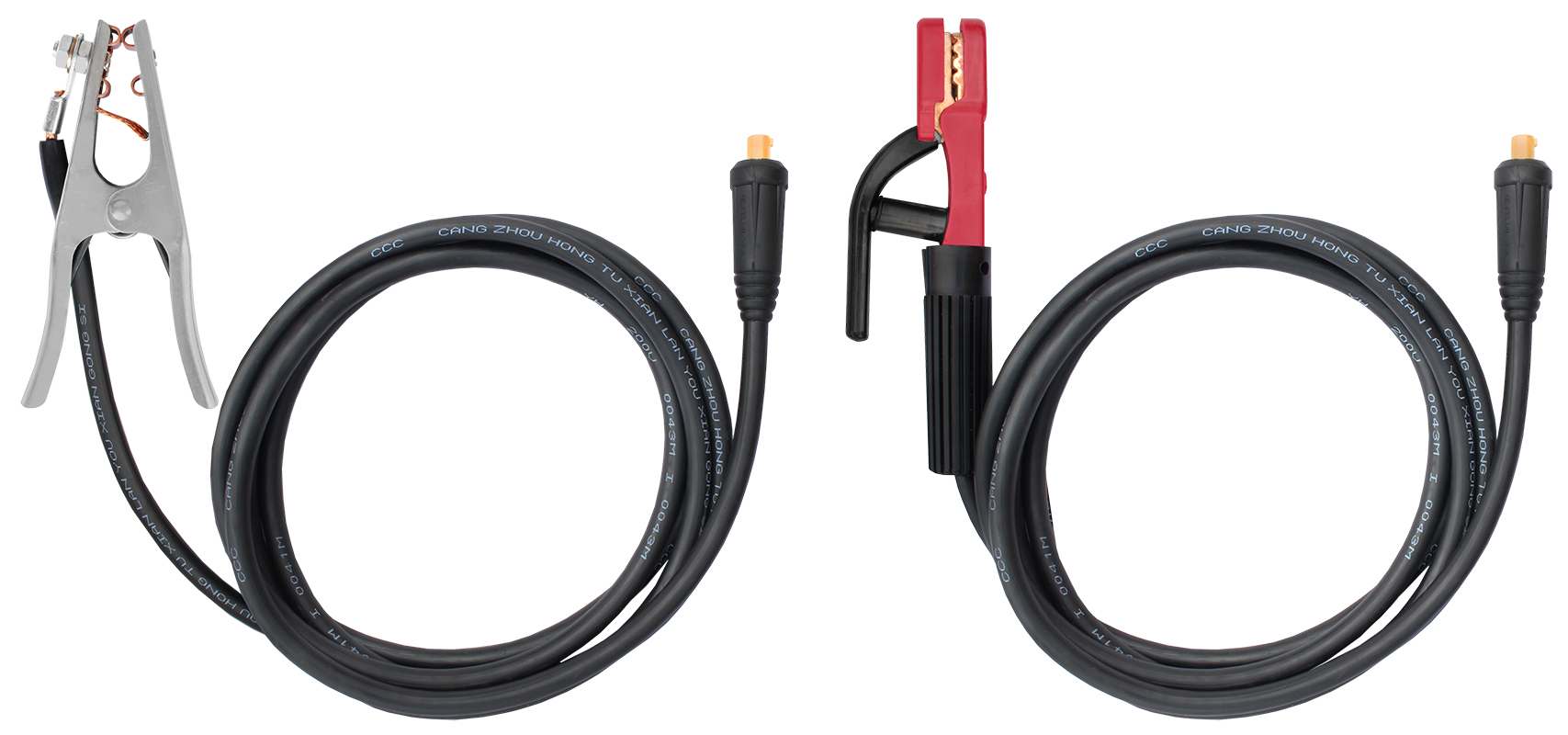
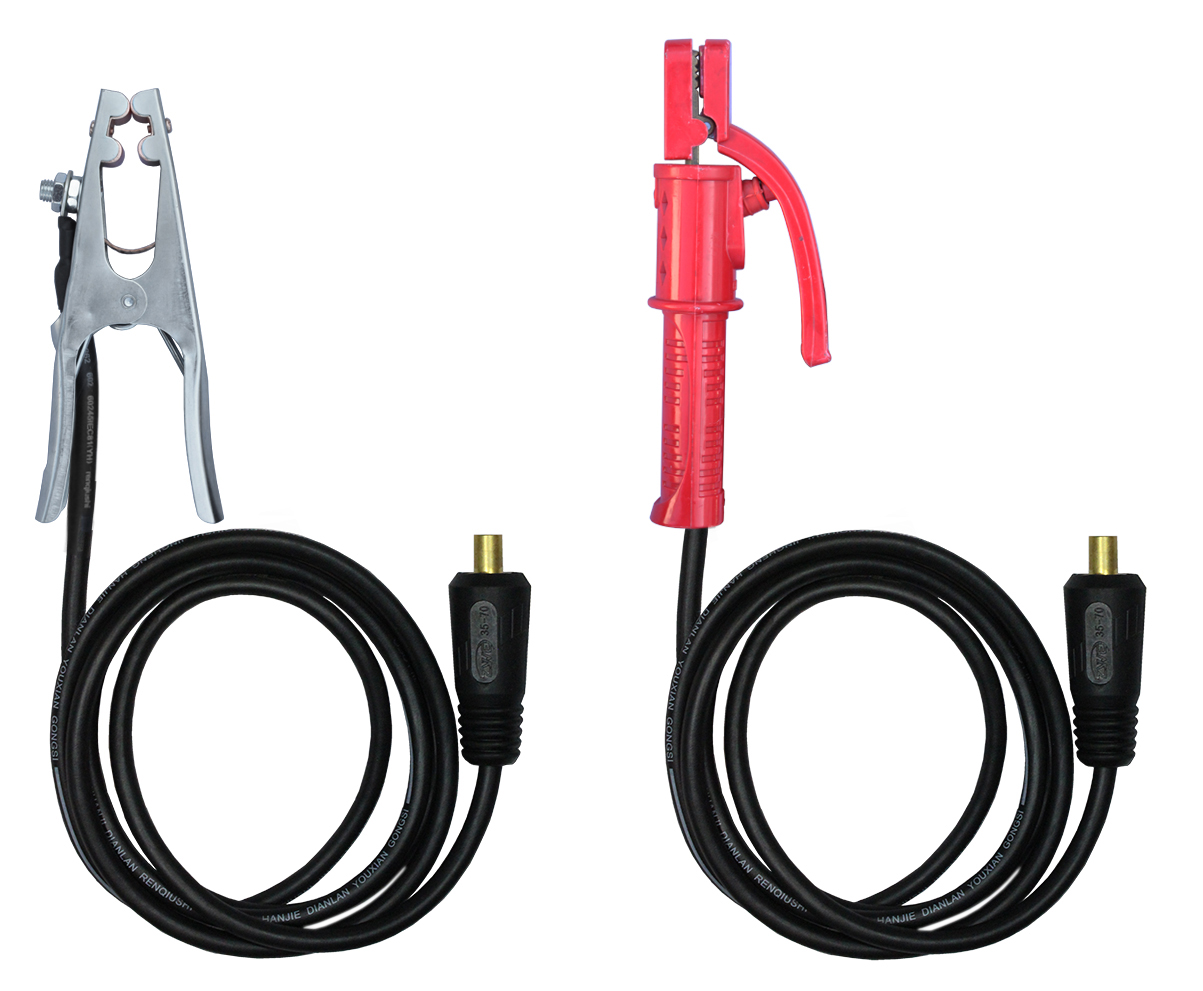
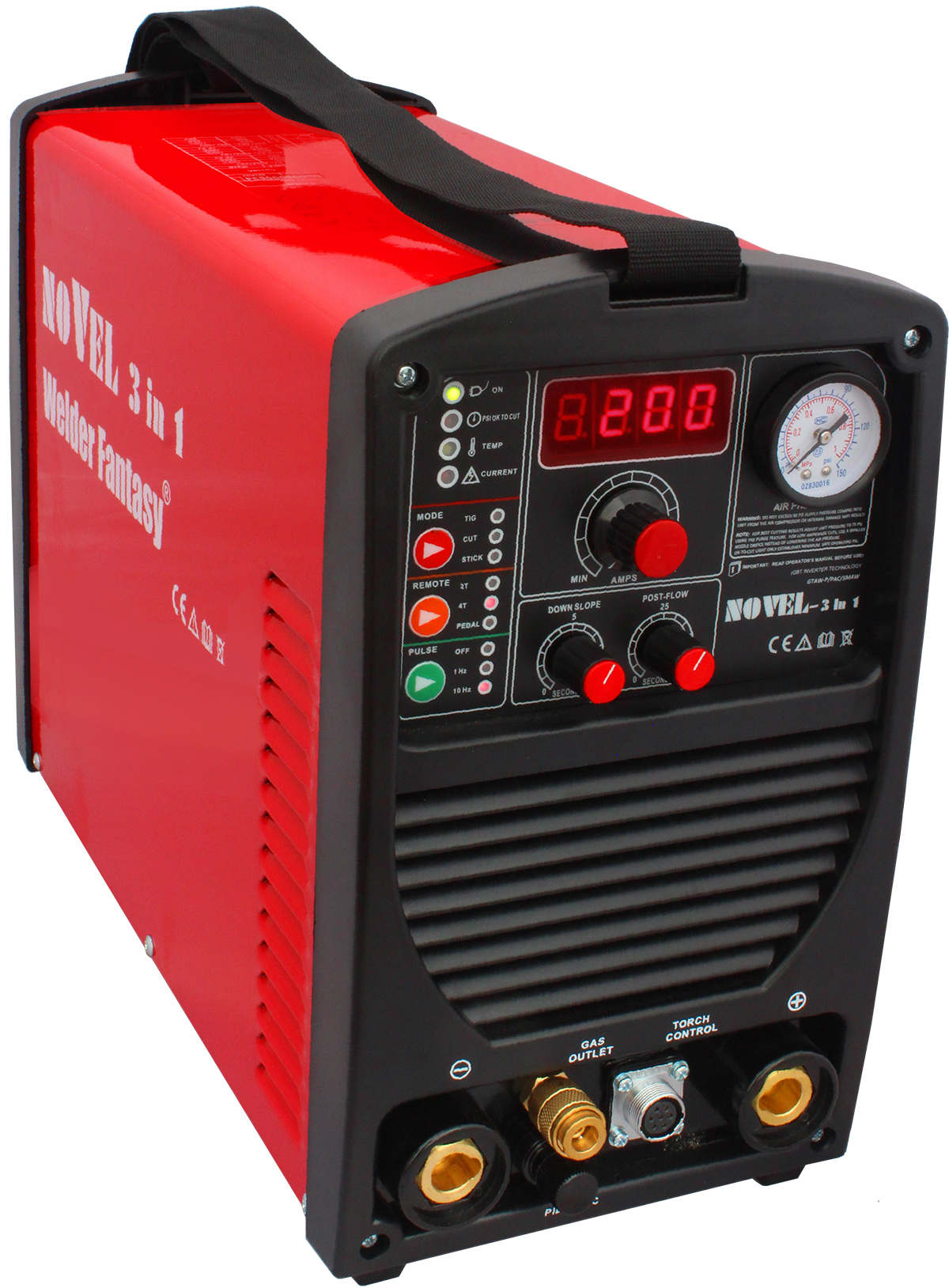
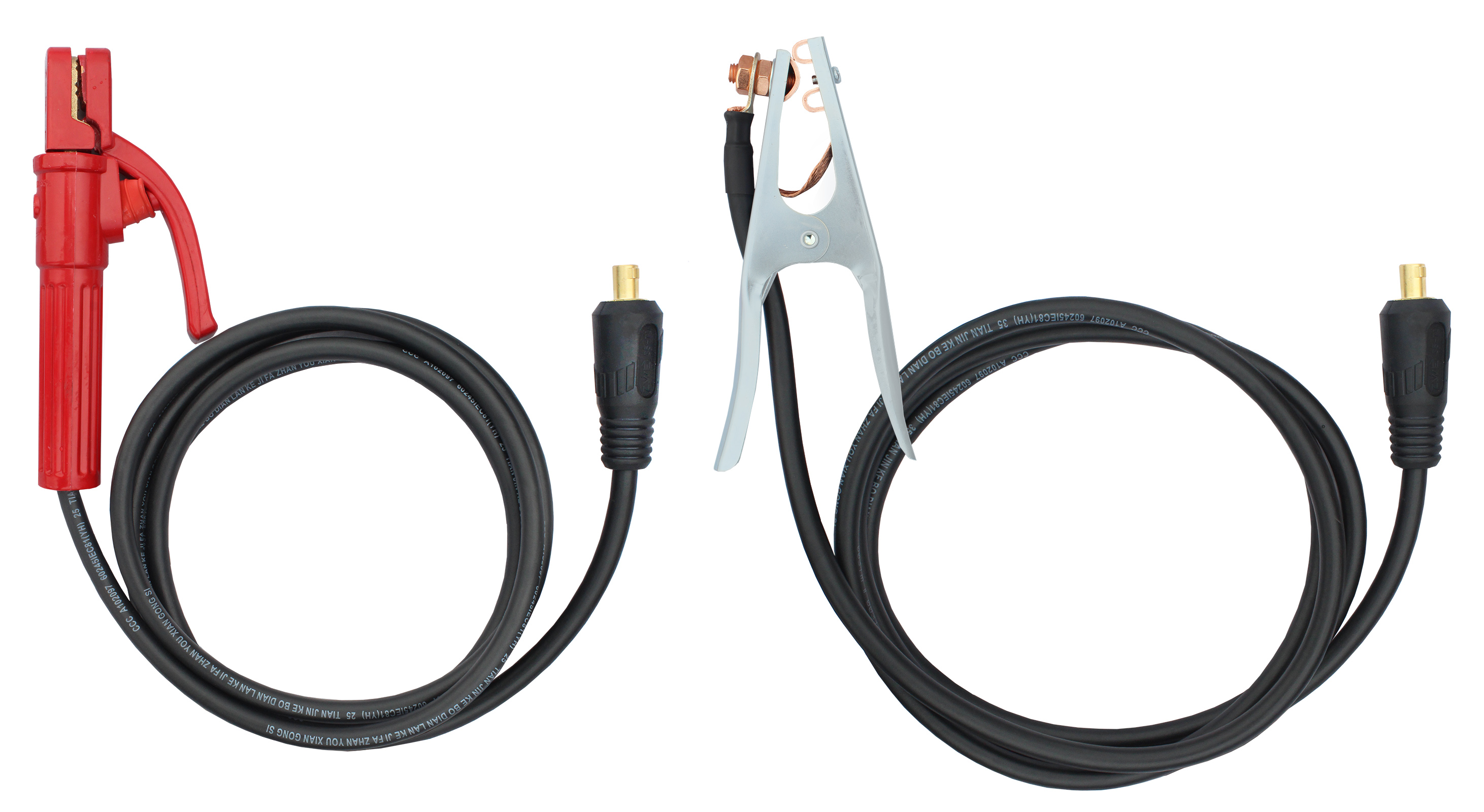
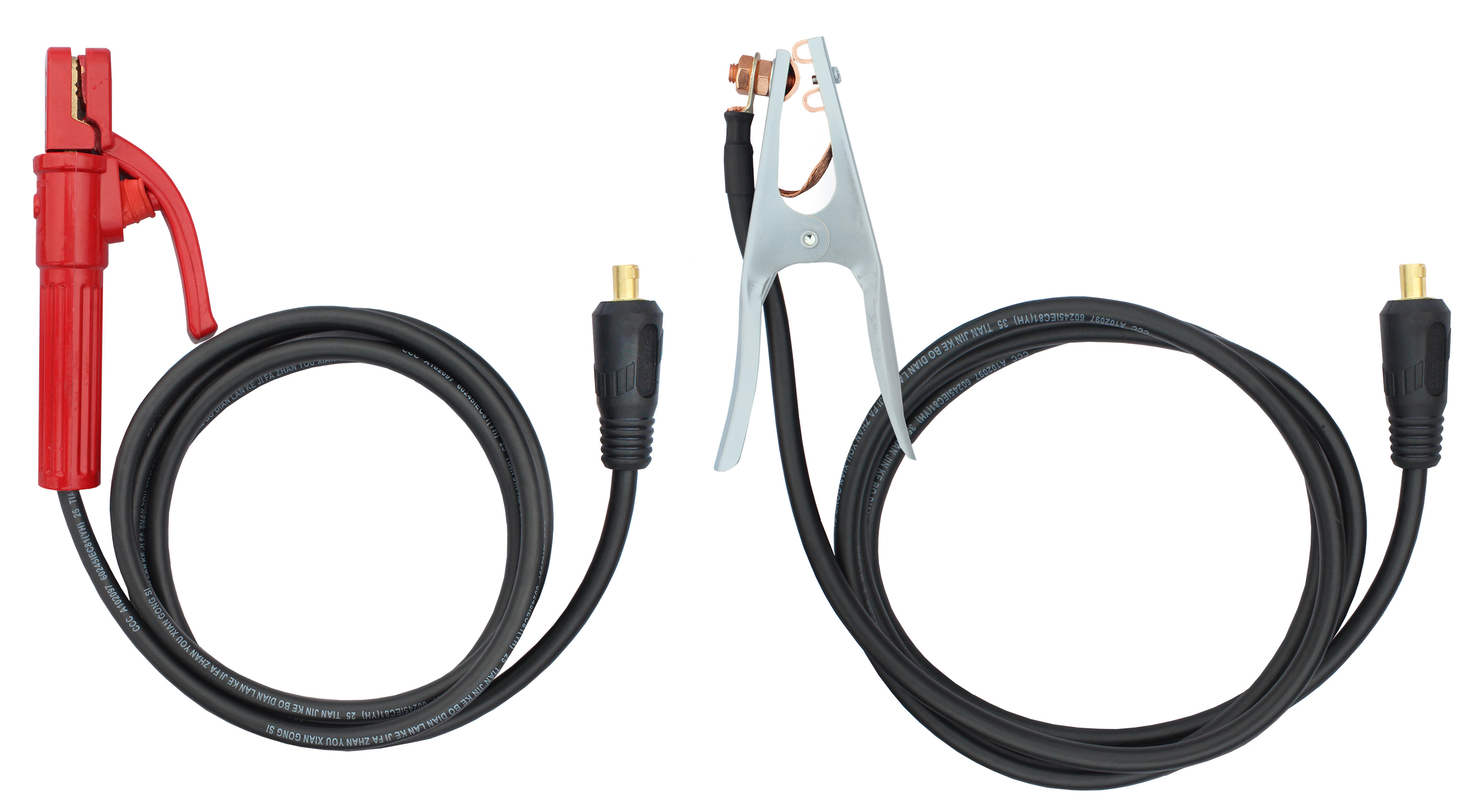
Many 400A models support both TIG AC (aluminum welding) and TIG DC (steel welding) methods, as well as MMA method.
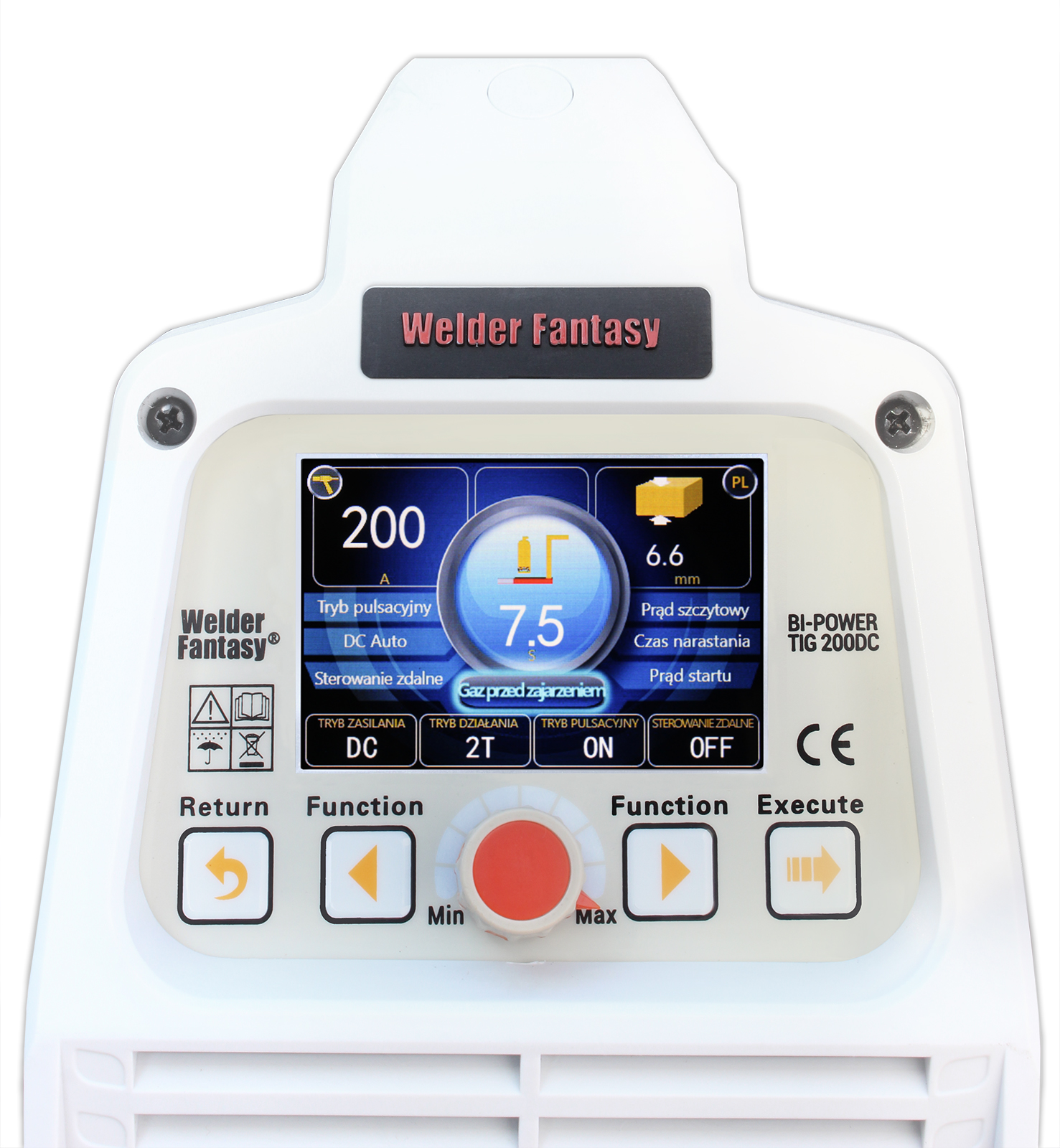
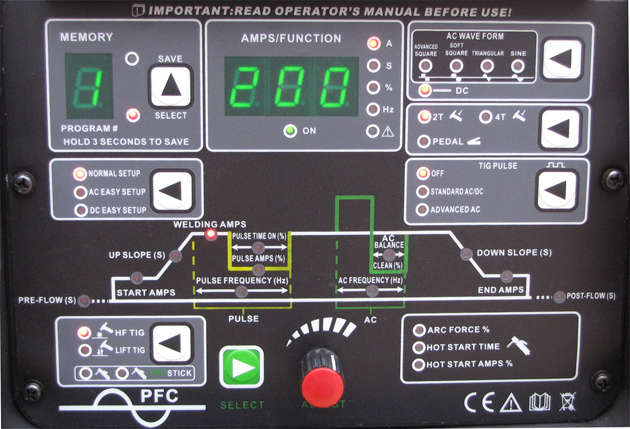
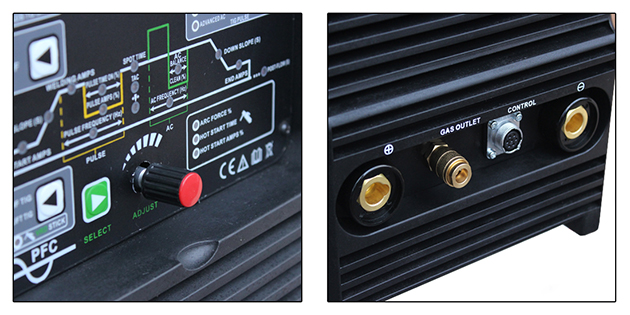
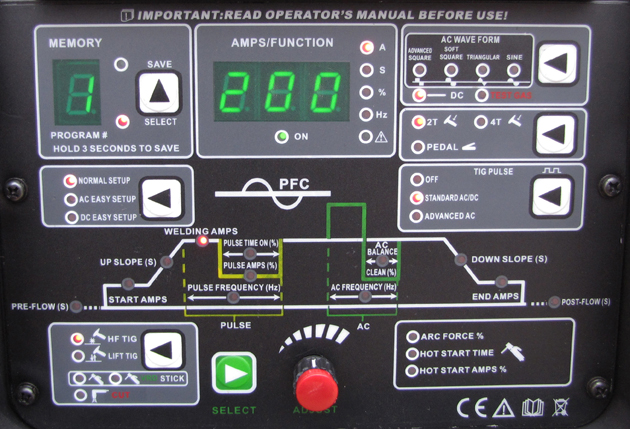
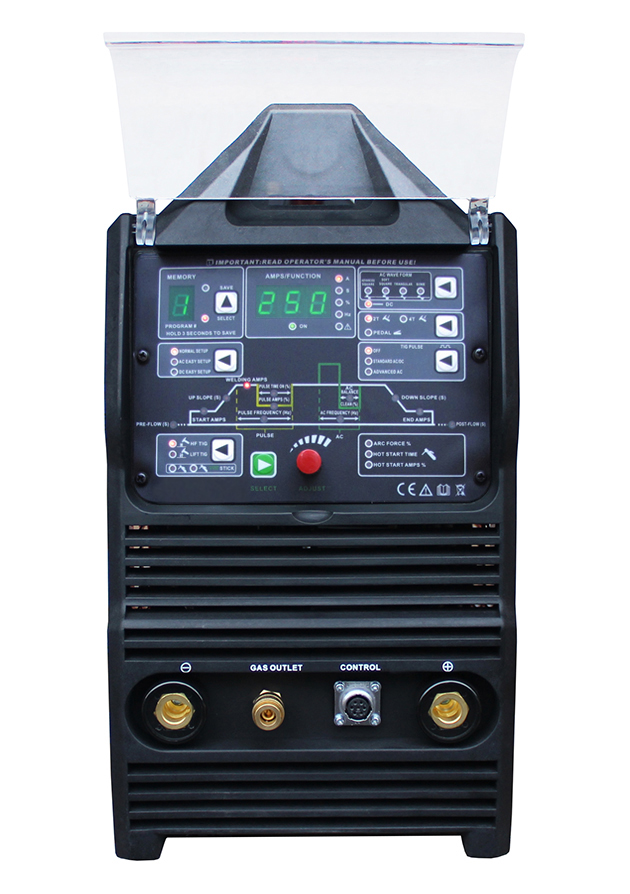
Features such as PULS, AC balance adjustment, and AC frequency, HOT START, and ARC FORCE are available, enhancing work comfort and weld quality.