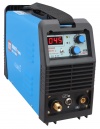
Steps to choose a 230V plasma cutter:
1. Determine the material thickness:
230V cutters are usually suitable for cutting materials up to about 12mm thick.
2. Consider the performance and duty cycle:
For intensive work, consider models with higher amperage and a good duty cycle (e.g., 60% at maximum current).
3. Check additional features:
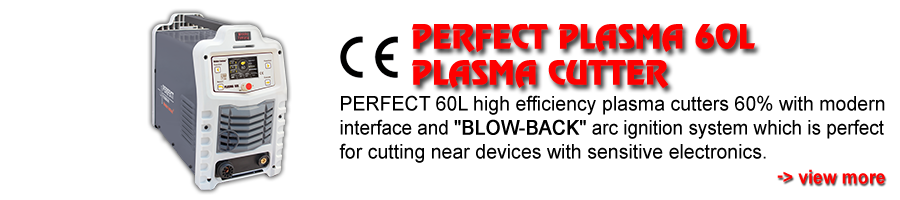
HF pilot arc, current adjustment, 2T/4T mode, contactless arc ignition (Blow Back) are features that can facilitate work.
4. Pay attention to the quality of workmanship and the manufacturer's reputation:
Choose reputable brands and models with good reviews to ensure long-lasting and trouble-free operation.
5. Compare offers and prices:
Before purchasing, compare different models, their parameters, and prices to find the best option for your needs.
6. Check reviews and ratings:
Read reviews from other users about specific models to learn about their advantages and disadvantages in practice.
7. Ensure proper working conditions:
Make sure the machine is properly powered and that adequate cooling is provided.
Additional tips:
- Contactless arc ignition (Blow Back): Recommended for field work, eliminates HF interference issues.
- 2T/4T mode: 2T for short cuts, 4T for long, continuous cuts.
- Duty cycle: Determines how long the cutter can operate at a given current before needing cooling.
230V plasma cutters: are a good choice for light and medium-level work, such as cutting sheets, pipes, or profiles in the workshop.
Choosing the right plasma cutter is an investment in efficient and precise work. Analyze your needs and expectations, compare available models, and choose the device that best meets your requirements.