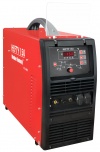
Key factors when choosing a plasma cutter:
The thicker the material, the more power the cutter will need. Detailed technical data is provided for each model.
For occasional use, basic models are sufficient, while for intensive professional work, more advanced devices are better.
Prices of plasma cutters can vary, so it's worth comparing different models and their features.
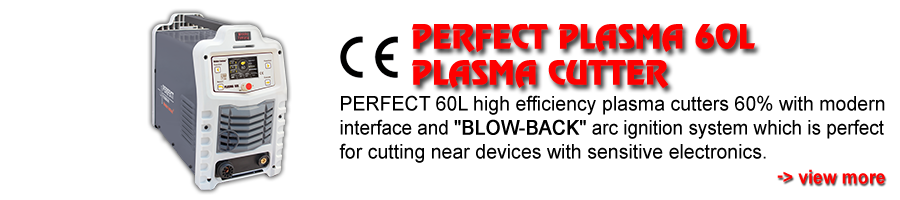
Blow Back technology, eliminating HF, is a good choice for field work.
Some models offer features that can facilitate work, such as pilot arc or cutting parameter adjustments.
Additional aspects to consider:
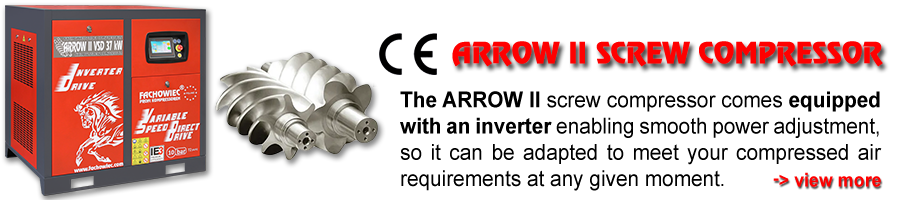
Plasma cutters require a compressor that provides the appropriate pressure and air flow.
The torch feed rate, the height of the torch above the material, and the cutting current are important.
When cutting contours, it is recommended to rotate the torch clockwise, while when cutting holes - counterclockwise.
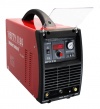
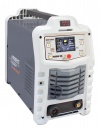
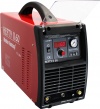
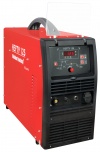
Example models of plasma cutters:
Three-phase model, offering higher power and stability, suitable for cutting materials up to 25mm.
Three-phase model, offering higher power and stability, suitable for cutting materials up to 50mm.
Before making a decision, it is worth comparing different models, checking user reviews, and assessing which features are most important to us in order to make the best choice.